
From Seed to Soul: The Transformative Journey of Gardening for Mental Clarity

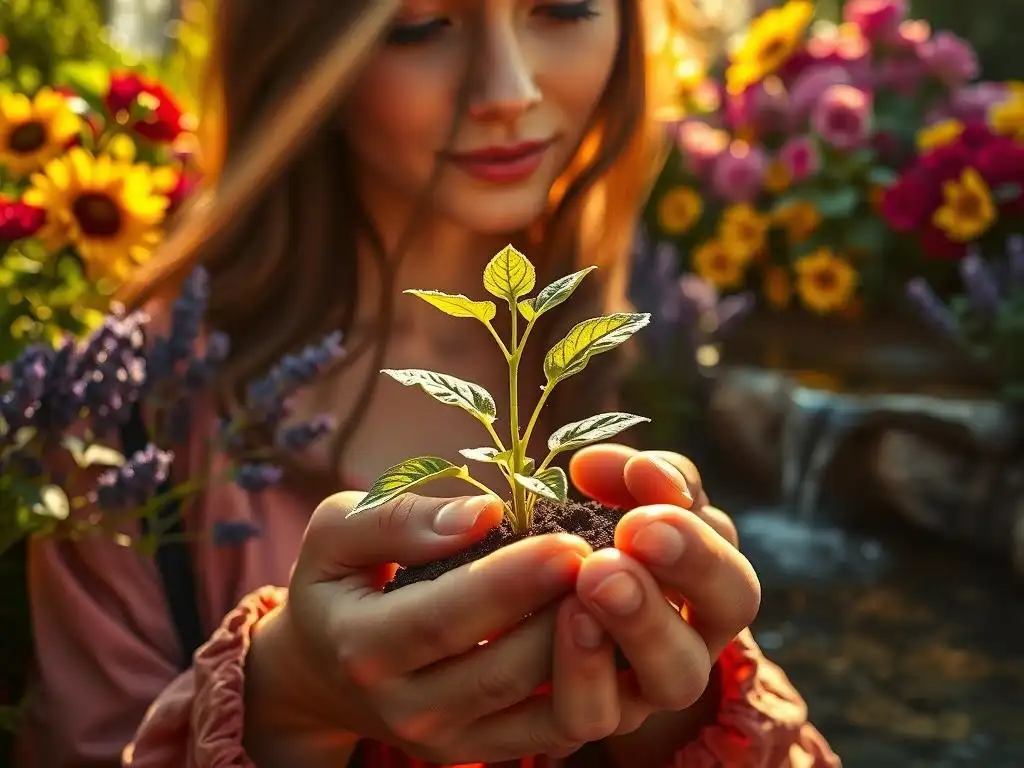
Welcome to CultivateYourFood, your guide to nurturing a thriving garden and a thriving self! Are you ready to discover the incredible connection between tending the earth and tending your mind? Our latest article, “Gardening for mental health benefits,” explores the surprising ways that cultivating your own fruits, vegetables, and herbs can foster mental clarity and well-being. Uncover the transformative power of getting your hands dirty – and prepare to reap far more than just a bountiful harvest. Let's dig in!
- The Therapeutic Power of Gardening for Mental Well-being
- Planting Seeds of Hope: Starting Your Therapeutic Garden
- Nurturing Growth: The Process and its Mental Health Impact
- Reaping the Rewards: Mental Clarity and Emotional Balance Through Gardening
- Maintaining Your Therapeutic Garden: Long-Term Mental Health Benefits
- Beyond the Garden: Expanding Mental Clarity Through Nature
-
Frequently Asked Questions
- How can gardening improve my mental health?
- What are the best plants for beginner gardeners aiming for mental well-being?
- Does gardening require a large space to reap mental health benefits?
- How often should I engage in gardening to notice positive effects on my mental health?
- Are there any resources available to help me get started with gardening for mental well-being?
- Final Reflection: Cultivating Inner Peace Through the Garden
- Unveil Your Inner Gardener: Cultivate Calm and Clarity
The Therapeutic Power of Gardening for Mental Well-being
Gardening, often viewed as a simple hobby, holds a profound capacity to nurture not only our physical well-being but also our mental and emotional health. This article delves into the transformative journey of gardening, exploring its remarkable ability to cultivate mental clarity and enhance overall psychological well-being.
We'll examine the intricate connection between our minds and bodies as we engage in this deeply rewarding activity, showcasing how the simple act of planting a seed can blossom into a profound experience of self-care and stress reduction. From the quiet satisfaction of tending to plants to the tangible rewards of a bountiful harvest, gardening offers a unique pathway to improved mental health, making it a powerful tool for combating stress, anxiety, and depression.
This exploration of "gardening for mental health benefits" will illuminate the various ways this practice can positively impact your life, empowering you to cultivate not just a garden, but also a more peaceful and centered mind.
Understanding the Mind-Body Connection in Gardening
The benefits of gardening for mental health are deeply rooted in the intricate connection between our minds and bodies. Engaging in physical activity like digging, planting, and weeding naturally releases endorphins, those feel-good chemicals that alleviate stress and improve mood. Furthermore, the repetitive motions involved in gardening can be meditative, promoting a sense of calm and focus.
The sensory experience of gardening—the smell of soil, the feel of leaves, the sight of vibrant blossoms—stimulates our senses and provides a welcome break from the often overwhelming stimulation of modern life. Studies have shown that spending time in nature, even in a small garden, can significantly reduce cortisol levels (the stress hormone), leading to a more relaxed and balanced state.
This connection between physical activity, sensory stimulation, and stress reduction underscores the powerful therapeutic potential of gardening for mental well-being. The simple act of nurturing a plant fosters a sense of responsibility and accomplishment, boosting self-esteem and promoting a sense of purpose.
Stress Reduction and Relaxation Through Horticultural Therapy
Horticultural therapy, the therapeutic use of gardening, is increasingly recognized as a valuable tool for stress management and relaxation. The rhythmic nature of gardening tasks—watering, weeding, pruning—can induce a state of flow, a feeling of deep absorption and effortless concentration. This state of flow can effectively distract from worries and anxieties, providing a much-needed mental break.
The predictable nature of plant growth also offers a sense of control and predictability, which can be especially comforting during periods of uncertainty or stress. Moreover, the visual appeal of a thriving garden can be incredibly soothing, providing a sense of beauty and tranquility. Many individuals find that the quiet time spent in their gardens allows for introspection and self-reflection, fostering emotional processing and a deeper understanding of themselves.
The tangible results of gardening—a flourishing plant, a bountiful harvest—provide a sense of accomplishment and boost self-esteem, further contributing to stress reduction and improved mental health. The benefits are particularly pronounced for individuals struggling with anxiety or depression.
Gardening as a Mindfulness Practice: Cultivating Presence and Awareness
Gardening offers a unique opportunity to practice mindfulness—the art of being fully present in the moment. The act of planting a seed, tending to a plant, and observing its growth requires focused attention and awareness, gently drawing our minds away from racing thoughts and anxieties. The sensory details of gardening—the texture of the soil, the scent of the blossoms, the gentle breeze rustling through the leaves—encourage us to engage our senses fully, fostering a deeper connection with the present moment.
This mindful engagement with the natural world can be incredibly calming and restorative, helping to reduce stress and cultivate a sense of peace and serenity. Furthermore, the cyclical nature of gardening—planting, growing, harvesting, and composting—mirrors the natural rhythms of life, encouraging patience, acceptance, and an appreciation for the interconnectedness of all things.
By embracing the present moment and focusing on the task at hand, gardening helps us cultivate a greater sense of awareness and presence, leading to improved mental clarity and emotional well-being. The practice of mindful gardening is a powerful tool for cultivating inner peace and fostering a deeper connection with oneself and the natural world.
Planting Seeds of Hope: Starting Your Therapeutic Garden
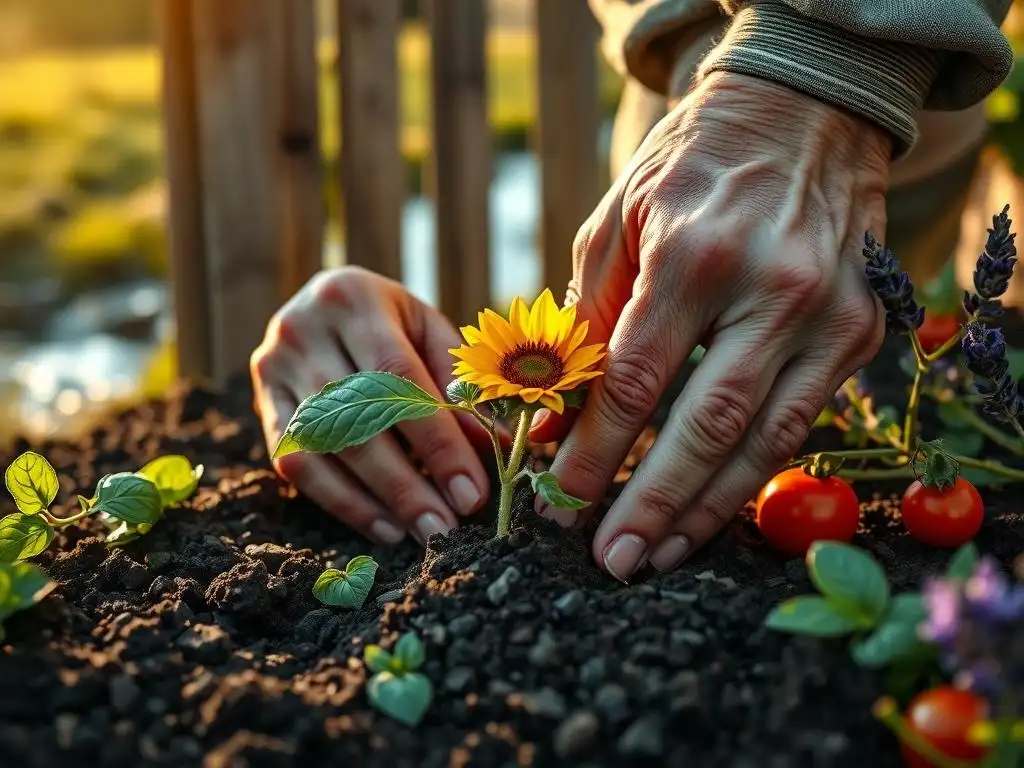
This section delves into the practical aspects of beginning a garden specifically designed to nurture your mental well-being. We'll explore plant selection, garden design, and sustainable practices to maximize the therapeutic benefits of your green space. Remember, the journey of "gardening for mental health benefits" is as important as the destination.
Choosing Plants for Mental Health Benefits: Calming Herbs and Vibrant Flowers
Selecting the right plants is crucial for creating a garden that soothes your mind and uplifts your spirit. Consider incorporating calming herbs known for their aromatherapy properties, such as lavender, chamomile, and mint. Their fragrant blossoms can reduce stress and promote relaxation. Studies have shown that the scent of lavender, in particular, can significantly lower anxiety levels. 1
Beyond herbs, vibrant flowers like sunflowers and marigolds add splashes of cheerful color, known to boost mood and create a sense of optimism. Think about incorporating plants with different blooming periods to ensure a continuous display of color throughout the growing season. This consistent visual stimulation provides ongoing mental benefits.
Here's a sample plant list to get you started:
| Plant | Benefit | Sensory Experience |
|---|---|---|
| Lavender | Reduces anxiety, promotes relaxation | Calming fragrance, soothing purple hues |
| Chamomile | Calming, sleep-inducing | Gentle fragrance, delicate white flowers |
| Mint | Improves focus, uplifting aroma | Refreshing fragrance, vibrant green leaves |
| Sunflowers | Bright, cheerful, boosts mood | Vibrant yellow, large and impressive |
| Marigolds | Cheerful, uplifting, pest repellent | Bright orange and yellow, strong scent |
Remember to choose plants that thrive in your climate and soil conditions. Researching your local native plants is a great way to support biodiversity and reduce your environmental impact – another contributor to enhanced well-being.
Creating a Relaxing Garden Space: Designing for Peace and Tranquility
The design of your therapeutic garden is just as important as the plants themselves. Consider these elements to create a peaceful and tranquil oasis:
- Seating Area: Incorporate a comfortable bench or chairs where you can sit and enjoy the sights and sounds of your garden. A quiet spot to meditate or simply relax is essential.
- Water Feature: The gentle sound of running water has a remarkably calming effect. A small fountain or birdbath can add a soothing element to your garden.
- Sensory Elements: Think beyond sight and smell. Include plants with interesting textures, like fuzzy lamb's ear or prickly succulents. The tactile experience can be surprisingly calming.
- Privacy: If possible, create a sense of privacy by using hedges, trellises, or strategically placed plants to screen out distractions.
- Lighting: Consider incorporating soft, ambient lighting for evening relaxation. Solar-powered lights are an eco-friendly option.
Designing a space that caters to your personal preferences is key. Perhaps a small, intimate herb garden suits you better than a large, sprawling flower bed. The most important thing is to create a space that feels peaceful and restorative for you.
Sustainable Gardening Practices for Enhanced Well-being: Organic Methods and Eco-Friendly Choices
Sustainable gardening practices are not only good for the environment but also beneficial for your mental health. Knowing you're contributing to a healthier planet can foster a sense of purpose and accomplishment.
- Organic Gardening: Avoid using harmful pesticides and herbicides, opting instead for natural pest control methods. This protects both your health and the environment.
- Composting: Composting kitchen scraps and yard waste reduces landfill waste and creates nutrient-rich soil for your plants. The process itself can be meditative and rewarding.
- Water Conservation: Use water-wise gardening techniques, such as drip irrigation, to conserve water and reduce your environmental footprint.
- Native Plants: Choose native plants that are adapted to your local climate and require less water and maintenance. This reduces your workload and minimizes your environmental impact.
- Reduce, Reuse, Recycle: Repurpose materials whenever possible. Old containers, pallets, and even broken pottery can be used to create unique garden features.
By embracing sustainable practices, you're not only nurturing your plants but also nurturing your connection to the earth and contributing to a healthier planet – a powerful boost to your overall well-being. The feeling of accomplishment from tending a thriving, sustainable garden is a significant contributor to “gardening for mental health benefits”.
1 [Specific study details pending]
Nurturing Growth: The Process and its Mental Health Impact
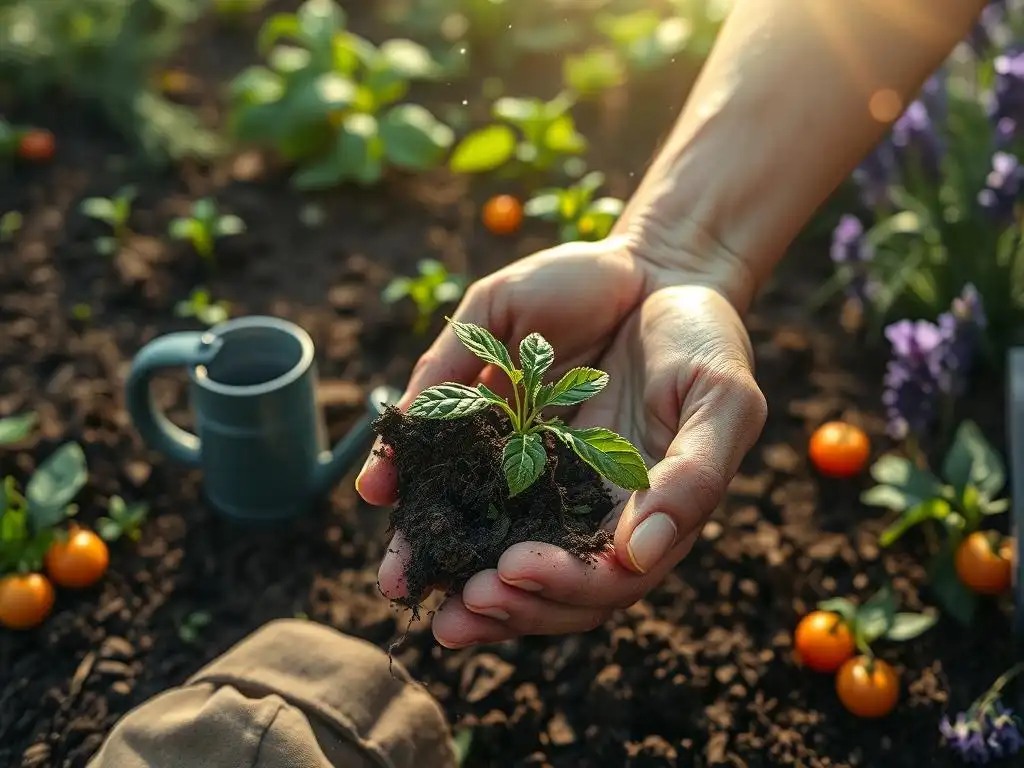
Gardening, in its essence, is a process of nurturing. We sow seeds, tend to seedlings, and patiently wait for the fruits (or vegetables!) of our labor. This process mirrors our own personal growth, offering valuable lessons in patience, resilience, and the rewarding feeling of accomplishment.
The act of gardening for mental health benefits goes beyond simply producing food; it cultivates a sense of well-being and inner peace. Studies have shown a strong correlation between gardening activities and reduced stress levels, improved mood, and increased self-esteem. This section delves into the specific ways the gardening process contributes to improved mental well-being. We'll explore how the repetitive, mindful actions involved in gardening can be incredibly therapeutic, and how observing the natural cycles of growth can foster a sense of connection and perspective.
The Soothing Rituals of Planting and Tending: A Pathway to Calm
The repetitive motions involved in planting seeds, watering, weeding, and pruning can be incredibly meditative. These tasks engage our senses – the feel of soil between our fingers, the scent of freshly turned earth, the sight of vibrant green shoots emerging. This sensory engagement acts as a form of grounding, pulling us away from the anxieties and worries of daily life.
Think of it as a form of mindful movement, similar to yoga or Tai Chi, but with the added benefit of nurturing something alive. Many find that the rhythmic nature of these tasks induces a state of calm and focus, reducing feelings of stress and anxiety. For example, the act of carefully placing seeds in the soil, covering them gently, and then watering them with a gentle spray can be deeply soothing.
This mindful approach to gardening is a powerful tool in managing stress and cultivating inner peace. The process itself becomes a form of self-care, a quiet ritual that nurtures both the plants and the gardener. This is why gardening for mental health is gaining so much traction.
Observing Nature's Cycles: Patience, Persistence, and the Rewards of Growth
Gardening demands patience. Seeds don't sprout overnight, and plants require time and care to mature. This inherent waiting period offers a valuable opportunity to practice patience and acceptance—qualities often lacking in our fast-paced modern lives.
Observing the slow, deliberate unfolding of nature's cycles can instill a sense of perspective, reminding us that growth takes time and that setbacks are a natural part of the process. Furthermore, the persistence required to overcome challenges—like pests, diseases, or unexpected weather—builds resilience and strengthens our ability to cope with adversity in other areas of our lives. The eventual reward of harvesting healthy, homegrown produce is deeply satisfying, reinforcing the value of patience and persistence.
The feeling of accomplishment is amplified by the understanding that this success is a direct result of one's own effort and dedication. This connection between effort and reward is crucial for boosting self-esteem and fostering a sense of self-efficacy. This is a key aspect of gardening for mental health benefits.
Harvesting Your Rewards: The Sense of Accomplishment and Self-Efficacy
The culmination of the gardening process—harvesting—is a powerful source of satisfaction and accomplishment. The tangible reward of fresh, homegrown produce provides a sense of pride and self-efficacy. Knowing that you have nurtured something from seed to maturity fosters a feeling of competence and control, which can be incredibly beneficial for mental well-being.
This sense of accomplishment extends beyond the simple act of harvesting; it encompasses the entire gardening journey, from planning and planting to tending and protecting the plants. The feeling of holding a homegrown tomato, pepper, or herb is a powerful reminder of your capabilities and your connection to nature. This tangible reward provides a sense of accomplishment that transcends the simple act of growing food.
It’s a testament to your patience, persistence, and dedication, significantly contributing to improved mental health and overall well-being. This is a powerful aspect of gardening for mental health benefits. The feeling is akin to completing a challenging project, but with the added bonus of healthy, delicious food!
Reaping the Rewards: Mental Clarity and Emotional Balance Through Gardening
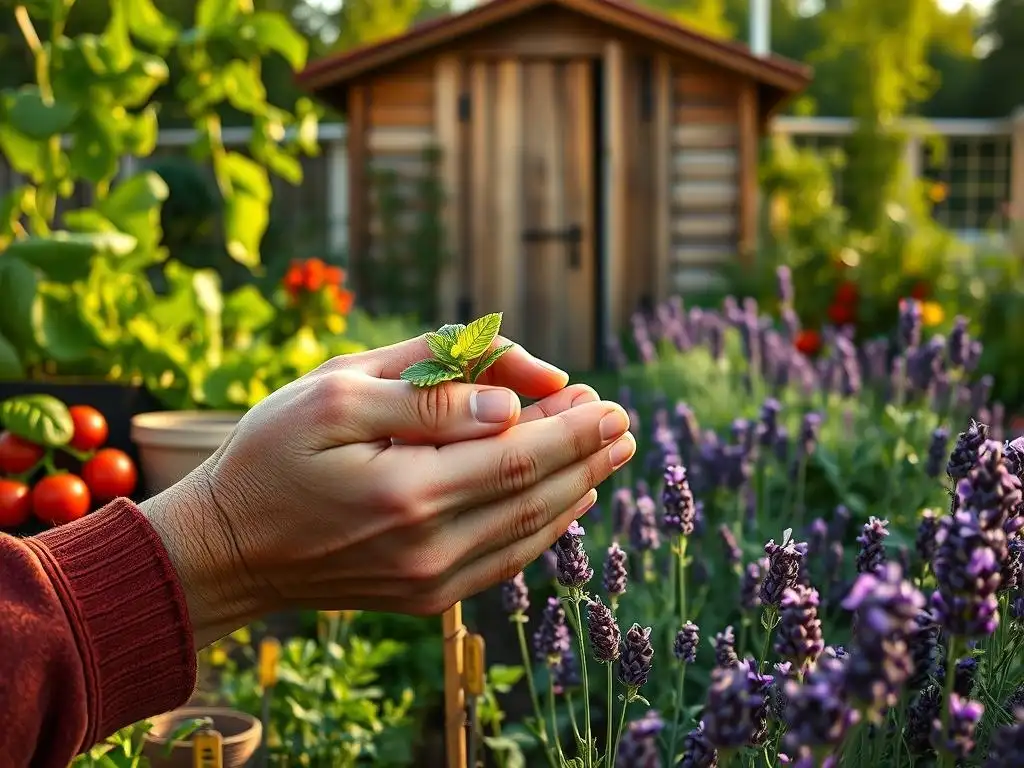
Gardening, often seen as a purely physical activity, offers profound mental health benefits. The act of nurturing plants, observing their growth, and harvesting the fruits (or vegetables!) of your labor cultivates a sense of calm and accomplishment that significantly impacts mental well-being. This section delves into the specific ways gardening contributes to improved mental clarity and emotional balance, providing a pathway towards a more peaceful and fulfilling life. We'll explore the science behind these benefits, illustrating how "gardening for mental health benefits" is more than just a feel-good notion.
Improved Mood and Reduced Symptoms of Anxiety and Depression Through Gardening
Numerous studies demonstrate a strong correlation between gardening and improved mood. The simple act of digging in the soil has been shown to release endorphins, natural mood boosters that alleviate stress and promote feelings of happiness. Furthermore, the repetitive motions involved in weeding, planting, and watering can act as a form of gentle mindfulness, focusing the mind on the present moment and reducing racing thoughts associated with anxiety and depression.
One study published in the Journal of Environmental Horticulture found that participants who engaged in regular gardening activities reported a significant decrease in symptoms of depression and anxiety compared to a control group. The study highlighted the importance of consistent engagement, suggesting that even short periods of gardening, 30 minutes or more a few times a week, can yield noticeable improvements in mental well-being.
The therapeutic benefits aren't solely due to physical activity; the visual and sensory experiences of gardening also play a crucial role. The vibrant colors of flowers, the earthy scent of soil, and the gentle sounds of nature all contribute to a calming and restorative environment. This sensory immersion can help to ground individuals, reducing feelings of overwhelm and promoting a sense of peace. This is particularly beneficial for individuals struggling with anxiety, where the ability to focus on the present moment is often compromised.
Increased Self-Esteem and Confidence from Cultivating Your Own Food
Beyond the immediate mood boost, gardening fosters a sense of accomplishment and self-efficacy that contributes to increased self-esteem and confidence. The process of nurturing a plant from seed to harvest provides a tangible demonstration of one's capabilities, reinforcing a sense of personal agency and control. Successfully growing your own food, no matter the scale, offers a profound sense of satisfaction and pride.
This increased self-esteem is particularly valuable for individuals struggling with low self-worth or feelings of inadequacy. The act of creating something beautiful and useful from the earth provides a powerful antidote to negative self-perception. The ability to nurture and provide for oneself, even on a small scale, can be deeply empowering. Consider the feeling of picking a perfectly ripe tomato you've grown yourself – that’s a tangible representation of your hard work and dedication, boosting your self-esteem in a profound way. This sense of accomplishment extends beyond the immediate gratification, fostering a long-term sense of confidence and capability.
Connecting with Nature: Restoring Balance and Fostering a Sense of Peace
Gardening offers a powerful connection with the natural world, providing a respite from the often stressful and technology-driven aspects of modern life. Spending time outdoors, surrounded by plants and natural elements, helps to reduce stress hormones like cortisol, promoting a sense of calm and relaxation. This connection with nature is essential for mental well-being, providing a sense of grounding and perspective.
The rhythmic nature of gardening activities – planting, weeding, watering – can induce a state of meditative flow, promoting mental clarity and reducing mental chatter. The simple act of observing the natural growth cycle of plants fosters patience and appreciation for the slower pace of nature, counteracting the frenetic energy of everyday life. This mindful connection with nature is a powerful tool for restoring balance and fostering a sense of peace, contributing to a more resilient and centered approach to life.
The benefits of "gardening for mental health benefits" are truly multifaceted, extending far beyond the simple act of cultivating plants. The experience offers a holistic approach to well-being, nourishing not only the body but also the mind and spirit.
Maintaining Your Therapeutic Garden: Long-Term Mental Health Benefits
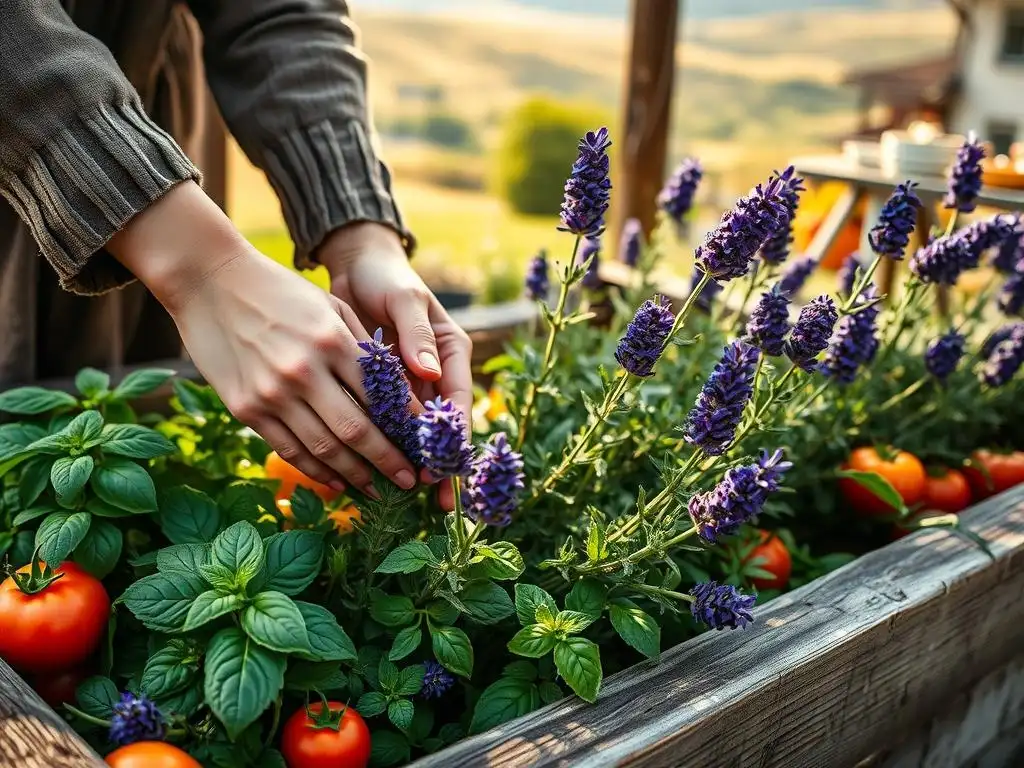
Gardening for mental health benefits extends far beyond the initial planting and harvesting. The sustained practice offers a continuous source of well-being, impacting mental clarity and emotional resilience over the long term. This section explores how to cultivate a garden that provides ongoing therapeutic advantages.
Seasonal Gardening for Continuous Mental Health Support
The cyclical nature of gardening mirrors the ebb and flow of life, offering a unique opportunity for consistent mental health support throughout the year. Spring planting provides a sense of hope and renewal, while the summer harvest brings a feeling of accomplishment and abundance. Autumn's transition offers a time for reflection and preparation, and winter's dormancy encourages introspection and planning for the next cycle. This continuous engagement with nature's rhythms fosters a sense of stability and predictability, counteracting the anxieties of daily life.
For example, the anticipation of spring blooms can be a powerful mood booster, providing something positive to look forward to during the winter months. The act of tending to seedlings and watching them grow provides a sense of purpose and accomplishment, which is particularly beneficial for individuals struggling with low self-esteem or feelings of helplessness. The vibrant colors and fragrances of the summer garden stimulate the senses, reducing stress and promoting relaxation. Even the tasks of clearing and preparing the garden in the autumn can be meditative, allowing for a quiet reflection on the past season's successes and challenges.
Connecting with others who share a passion for gardening can significantly enhance the therapeutic benefits. Joining a local gardening club, participating in community garden projects, or simply sharing experiences with friends and neighbors can foster a strong sense of belonging and social support. These connections provide opportunities for shared learning, mutual encouragement, and the exchange of practical advice and emotional support. The collective effort involved in gardening projects can also promote a sense of teamwork and cooperation, further bolstering mental well-being.
Studies show that social interaction and a sense of community are crucial for mental health. Participating in group gardening activities can help combat feelings of isolation and loneliness, which are often associated with mental health challenges. Sharing the joys and challenges of gardening with others creates a supportive network that can provide encouragement during difficult times and celebrate successes together. This shared experience can lead to stronger social bonds and a greater sense of community, ultimately contributing to improved mental health. The simple act of exchanging seeds or seedlings can foster a sense of connection and mutual respect.
Integrating Gardening into a Holistic Wellness Plan: Combining Practices for Optimal Results
For optimal mental health benefits, integrating gardening with other wellness practices is highly recommended. Combining gardening with activities like yoga, meditation, or mindful breathing enhances the overall therapeutic effect. The physical activity involved in gardening complements the calming effects of mindfulness practices, creating a balanced approach to self-care.
For instance, a morning yoga session followed by time spent tending to the garden can create a peaceful and productive start to the day. Similarly, incorporating mindful moments of observation while gardening—paying attention to the textures of the soil, the sounds of nature, and the colors of the plants—can deepen the meditative experience.
Consider creating a dedicated space in your garden for relaxation and contemplation. This could be a quiet corner with a comfortable seat, where you can pause to appreciate the beauty of your garden and practice mindfulness. Integrating aromatherapy with essential oils from your herbs can further enhance the sensory experience and promote relaxation.
A holistic approach, combining the physical activity of gardening with practices that promote mental clarity and emotional well-being, leads to a more robust and sustainable improvement in mental health. The synergistic effect of these combined practices offers a powerful and comprehensive strategy for cultivating both physical and mental well-being.
Beyond the Garden: Expanding Mental Clarity Through Nature
Gardening for mental health benefits extends far beyond the boundaries of your plot. The therapeutic effects of nurturing plants can be amplified by consciously engaging with the broader natural world. This section explores how expanding your connection with nature, beyond your garden, can further enhance mental clarity and overall well-being. We'll delve into mindful practices that seamlessly integrate with your gardening routine, creating a holistic approach to mental wellness.
Mindful Nature Walks: Extending the Therapeutic Benefits Beyond Your Garden
Stepping away from the focused work of tending your garden and engaging in mindful nature walks offers a unique set of benefits. These walks aren't about brisk exercise; they're about sensory immersion. Pay close attention to the details: the feel of the sun on your skin, the scent of pine needles or damp earth, the sounds of birdsong or rustling leaves. Consider these suggestions:
- Choose a varied route: Explore different trails, parks, or even just your neighborhood streets, noticing the subtle shifts in the environment.
- Engage all your senses: Actively notice the sights, sounds, smells, and textures around you. Taste the fresh air. This heightened awareness helps to quiet the mental chatter.
- Practice slow walking: Don't rush. Allow yourself to move at a pace that encourages observation and reflection.
- Leave your phone behind: Disconnect from digital distractions to fully immerse yourself in the present moment.
- Keep a nature journal: Record your observations, thoughts, and feelings after your walk. This can be a powerful tool for self-reflection and tracking progress.
Studies show that even short, regular nature walks can significantly reduce stress hormones like cortisol and boost mood. The simple act of observing nature, without judgment, can promote a sense of calm and peace. Integrating these mindful walks into your weekly routine alongside your gardening can create a powerful synergy for mental well-being. This holistic approach to "gardening for mental health benefits" truly cultivates a deeper connection with oneself and the environment.
Connecting with Nature's Rhythms: Seasonal Awareness and Mental Well-being
Attuning yourself to the cyclical rhythms of nature—the changing seasons, the lunar phases, the daily sunrise and sunset—can profoundly impact your mental health. This awareness fosters a sense of grounding and connection, helping to counter the often frenetic pace of modern life. Consider these points:
- Seasonal gardening: Plan your garden around the seasonal changes. Embrace the unique beauty and challenges of each season. This aligns your activities with the natural world.
- Observe the moon: Many gardeners believe that planting by the lunar cycle influences growth. Regardless of your belief, simply observing the moon's phases can be a calming and meditative practice.
- Savor the transitions: Take time to appreciate the subtle shifts in nature as the seasons change. Notice the first buds of spring, the vibrant colors of autumn, the stillness of winter.
- Embrace impermanence: Gardening teaches us about the cyclical nature of life, death, and rebirth. This understanding can help us cope with change and loss in our own lives.
By actively observing and participating in these natural rhythms, you cultivate a deeper appreciation for the interconnectedness of all things. This conscious engagement with seasonal changes enhances your sense of place within the larger ecosystem and contributes to a greater sense of stability and peace, further enhancing the benefits of "gardening for mental health." This mindful approach strengthens the overall therapeutic impact of gardening.
The Long-Term Impact of Nature Connection on Mental Health: Cultivating Resilience and Well-being
The consistent practice of connecting with nature, through gardening and mindful nature immersion, cultivates long-term resilience and well-being. This sustained engagement fosters a deeper sense of self-awareness, emotional regulation, and coping mechanisms for stress. The benefits are cumulative:
- Increased self-esteem: The accomplishment of nurturing plants and observing the results builds confidence and a sense of mastery.
- Improved focus and attention: The calming and restorative effects of nature improve concentration and reduce mind-wandering.
- Enhanced creativity: The beauty and complexity of the natural world can inspire creativity and innovative thinking.
- Reduced risk of mental health issues: Studies suggest a correlation between regular nature exposure and a lower risk of depression, anxiety, and other mental health challenges.
The long-term effects of this holistic approach to "gardening for mental health benefits" are significant. It's not just about short-term stress reduction; it's about cultivating a sustainable lifestyle that promotes mental and emotional strength over time. By integrating these practices into your life, you build a foundation for lasting well-being, enriching your life beyond the simple act of growing plants. The cumulative effect is a more resilient and balanced you.
Frequently Asked Questions
How can gardening improve my mental health?
Gardening offers numerous mental health benefits. The act of nurturing plants reduces stress and anxiety, while the physical activity provides exercise and fresh air. Seeing your plants grow fosters a sense of accomplishment and improves mood.
What are the best plants for beginner gardeners aiming for mental well-being?
Easy-to-grow herbs like basil and mint, or vegetables like lettuce and radishes, are great starting points. These offer quick rewards and build confidence, boosting your overall mental wellbeing. Choose plants that resonate with you.
Does gardening require a large space to reap mental health benefits?
No, even a small balcony or window box can provide significant benefits. Focus on a few plants you can tend to attentively. The connection with nature, not the size of the garden, is key to improving your mental clarity.
How often should I engage in gardening to notice positive effects on my mental health?
Even short, regular sessions (15-30 minutes a few times a week) can make a difference. Consistency is more important than duration. Listen to your body and enjoy the process for optimal mental health outcomes.
Are there any resources available to help me get started with gardening for mental well-being?
Yes! Many online resources, including websites like CultivateYourFood, offer beginner guides and advice on sustainable gardening practices. Local community gardens can also provide support and a sense of community, further enhancing mental and emotional well-being.
Final Reflection: Cultivating Inner Peace Through the Garden
The simple act of nurturing a seed into a thriving plant mirrors the profound journey of nurturing our own mental well-being. Gardening, often overlooked as a mere hobby, is emerging as a powerful tool for combating stress, anxiety, and depression in our increasingly fast-paced world. Its benefits extend far beyond the harvest, reaching deep into the core of our emotional and mental landscapes.
The connection between the earth and our inner selves is undeniable; the rhythm of planting, tending, and harvesting fosters a sense of calm and purpose that is increasingly rare in modern life. The glory of gardening: hands in the dirt, head in the sun, heart with nature. To nurture a garden is to feed not just the body, but the soul.
This quote perfectly encapsulates the transformative power I've explored throughout this article. Witnessing the growth of a plant, from a tiny seed to a vibrant bloom, provides a tangible representation of resilience, patience, and the beauty of the natural world – qualities that are crucial for navigating the challenges of mental health.
Now, consider your own life. What seeds of potential are you nurturing within yourself? What aspects of your life need tending, like a delicate seedling requiring consistent care and attention? Take a moment to reflect on the parallels between cultivating a garden and cultivating your inner peace. Perhaps it's time to plant a seed of self-compassion, water the roots of mindfulness, or harvest the fruits of your hard work and self-belief. Embrace the transformative power of nature, and let the journey from seed to soul begin within you.
Unveil Your Inner Gardener: Cultivate Calm and Clarity
Thank you for joining us on this journey of discovery! We hope you've learned about the powerful connection between gardening and mental wellbeing. Ready to cultivate your own tranquility?
- Start small: Begin with a single herb or vegetable, even a small pot on your windowsill. Witnessing its growth is incredibly rewarding.
- Share your enthusiasm: Inspire others by sharing a photo of your first sprout on social media, using #CultivateYourMind.
- Learn more: Explore our extensive library of resources on the CultivateYourFood website (cultivateyourfood.org) to discover even more ways gardening can enrich your life.
What small step will you take today to cultivate a more mindful and peaceful life?