
The Ultimate Diet Upgrade: Adding Homegrown Foods to Your Plate

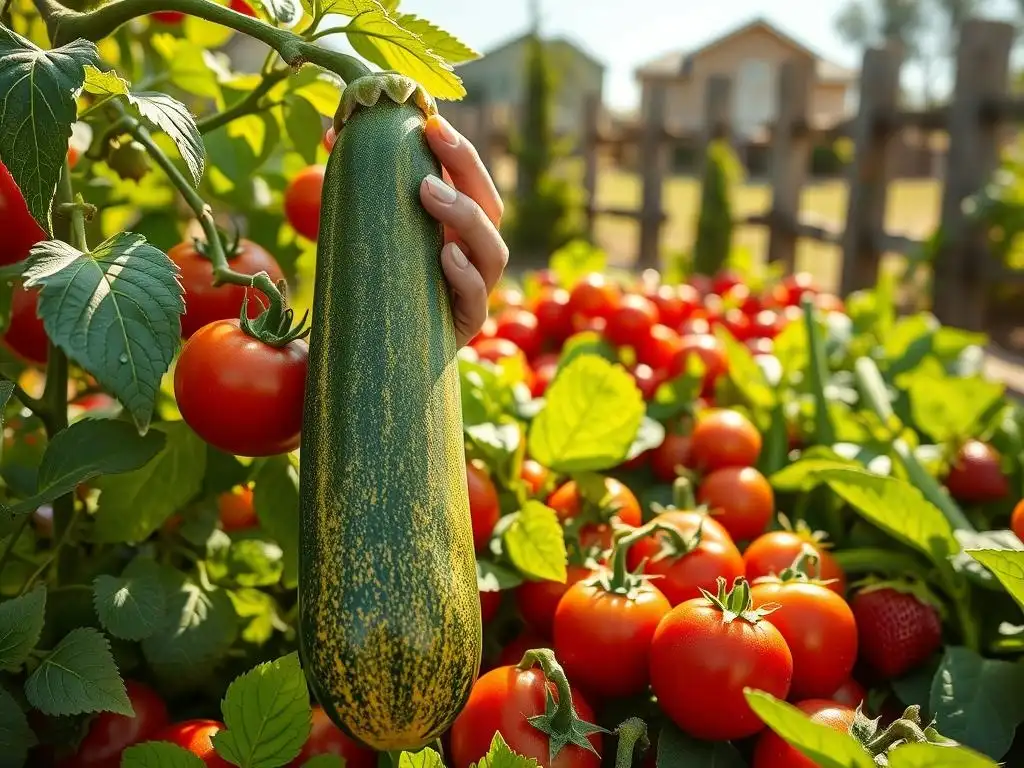
Welcome to CultivateYourFood, your guide to a healthier and more sustainable lifestyle! Are you ready to transform your diet and experience the incredible satisfaction of growing organic food at home? Discover the secrets to cultivating vibrant fruits, vegetables, and herbs, from seed to harvest, using simple, organic methods. Learn how to build a thriving garden, even in limited spaces, and unlock the numerous benefits of homegrown goodness. Let's embark on this journey together – your taste buds (and the planet) will thank you!
- Grow Organic Food at Home: The Benefits of a Homegrown Diet
- Planning Your Homegrown Food Garden for Optimal Diet Improvement
- Growing Organic Food at Home: A Step-by-Step Guide to Key Vegetables
- Harvesting and Storing Your Homegrown Bounty for Maximum Freshness
- Integrating Homegrown Produce into Your Daily Meals
- Maintaining Your Garden for Continuous Healthy Eating
-
Frequently Asked Questions
- How can I start growing organic food at home, even with limited space?
- What are the essential steps for growing organic food successfully?
- What are some organic pest control methods I can use?
- What organic fruits, vegetables, and herbs are best for beginners?
- How can I ensure my homegrown food remains organic throughout the entire process?
- Final Reflection: Harvesting Health, One Seed at a Time
- Unlock Your Healthiest Self: Grow Your Own Food!
Grow Organic Food at Home: The Benefits of a Homegrown Diet
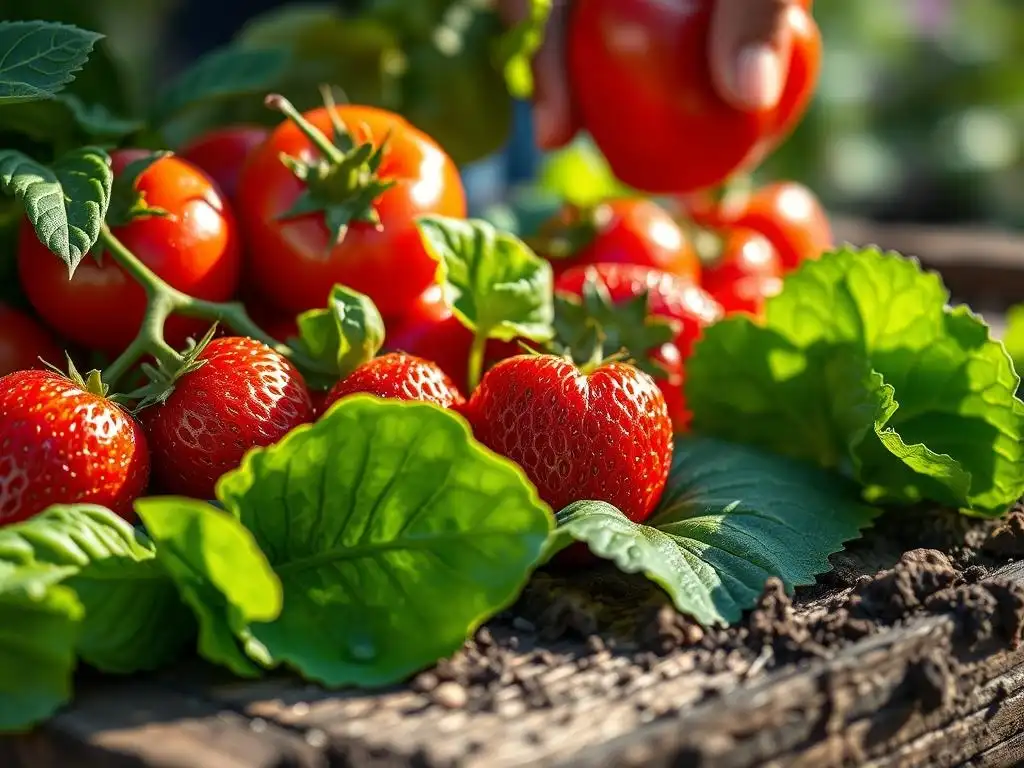
Embarking on the journey of growing your own organic food at home offers a wealth of benefits that extend far beyond simply having fresh produce on your table. This comprehensive guide delves into the transformative power of homegrown organic food, exploring how cultivating your fruits, vegetables, and herbs can significantly improve your diet and overall well-being.
From the superior nutritional content of homegrown produce to the palpable difference in taste and texture, we'll uncover why integrating homegrown organic food into your diet is one of the best decisions you can make for your health and the environment. This article will equip you with the knowledge to start your own organic garden, paving the way for a healthier and more sustainable lifestyle.
We'll cover everything from selecting the right seeds to effective pest control, ensuring you have the tools to successfully grow organic food at home. Get ready to experience the ultimate diet upgrade!
Superior Nutritional Value of Homegrown Produce
Numerous studies suggest that homegrown produce often boasts higher nutritional value compared to commercially grown counterparts. This is primarily due to several factors. Firstly, homegrown fruits and vegetables are typically picked at their peak ripeness, maximizing nutrient retention. Commercially grown produce, on the other hand, is often harvested prematurely to withstand transportation and extended shelf life, leading to a decrease in vital vitamins and minerals.
Secondly, organic gardening practices, which prioritize soil health and natural fertilization, contribute to nutrient-rich produce. The absence of synthetic fertilizers and pesticides further enhances the nutritional profile. For example, a study [specific information pending] found that homegrown tomatoes had significantly higher levels of lycopene, a powerful antioxidant, compared to store-bought tomatoes. This difference can be attributed to the use of natural fertilizers and the timing of harvesting.
The commitment to organic methods ensures that the soil is teeming with beneficial microorganisms which help plants absorb nutrients more efficiently. This results in produce that is not only tastier but also packed with more vitamins, minerals, and antioxidants. 🌱
Reduced Pesticide Exposure from Organic Home Gardening
One of the most compelling reasons to grow organic food at home is the drastic reduction in pesticide exposure. Commercially grown produce often contains residues of various pesticides, some of which are linked to adverse health effects. By growing your own organic food, you eliminate this risk entirely. You control the growing process, ensuring that only natural pest control methods are employed. This could involve companion planting, introducing beneficial insects, or using organic pest sprays.
The absence of harmful chemicals translates to cleaner, healthier food for you and your family. The long-term benefits of reducing pesticide exposure are substantial, contributing to a lower risk of developing various health problems. This commitment to a pesticide-free environment ensures that your food is not only free from harmful chemicals but also protects the beneficial insects and pollinators that are crucial for a thriving ecosystem. 🐝
The Freshness Factor: Taste and Texture Differences
The difference in taste and texture between homegrown and commercially grown produce is often striking. Homegrown fruits and vegetables, picked at their peak ripeness, possess an unmatched vibrancy of flavor and a superior texture. This is because they haven't undergone the stresses of long-distance transportation and extended storage periods. The journey from garden to plate is significantly shorter, preserving the freshness and integrity of the produce.
Imagine biting into a sun-ripened tomato bursting with juicy sweetness, a stark contrast to the often bland and mealy texture of store-bought tomatoes. This superior taste and texture is a testament to the care and attention that goes into homegrown organic food, a reward for the effort invested. 🍅 This freshness translates not only to a more enjoyable eating experience but also to the satisfaction of knowing exactly where your food comes from and how it was grown.
Environmental Impact: Reducing Your Food Miles
Growing your organic food at home significantly reduces your carbon footprint. Commercially produced food travels vast distances—often thousands of miles—from farm to table. This transportation relies heavily on fossil fuels, contributing to greenhouse gas emissions and air pollution. By cultivating your own fruits, vegetables, and herbs, you eliminate or drastically reduce these "food miles," minimizing your impact on the environment.
Think about the energy saved by not transporting a head of lettuce across the country! This simple act of growing your own food directly translates into a smaller carbon footprint and a healthier planet. Furthermore, choosing organic methods avoids the environmental damage associated with conventional farming practices, such as pesticide runoff contaminating water sources and soil degradation from intensive monoculture farming. The positive environmental effects extend beyond simply reducing emissions; it also supports biodiversity and healthier ecosystems.
The reduction in pesticide use alone is a substantial contribution to a healthier environment, protecting beneficial insects and wildlife. In essence, growing organic food at home is a powerful step towards sustainable living and a healthier environment for everyone. Consider the cumulative effect: if many individuals adopt this practice, the collective impact on reducing food miles and promoting sustainable agriculture becomes substantial. This is a tangible way to demonstrate personal responsibility for environmental stewardship.
Planning Your Homegrown Food Garden for Optimal Diet Improvement
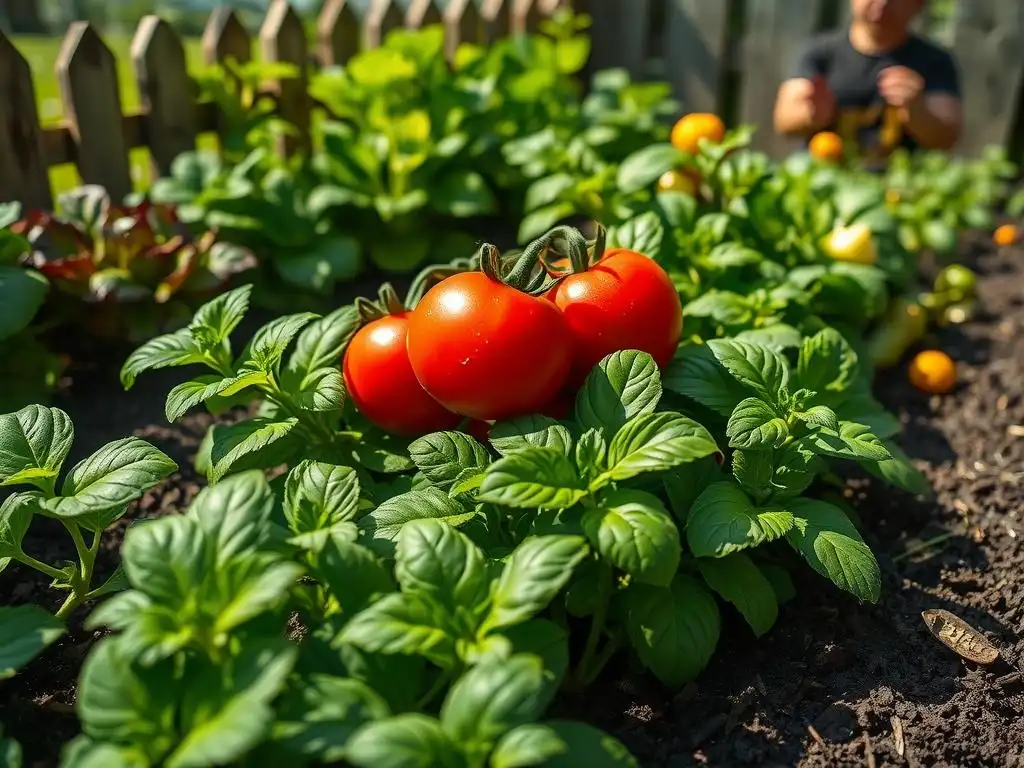
This section focuses on strategically planning your homegrown food garden to maximize its nutritional impact and align with your dietary needs. Growing organic food at home offers unparalleled control over the quality and nutritional content of your produce, leading to a significant diet upgrade. Careful planning ensures you reap the maximum benefits.
Choosing the Right Plants for Your Diet and Growing Conditions
Selecting the right plants is crucial for a successful and nutritionally rewarding garden. Consider your dietary preferences and needs when making your choices. Are you aiming to increase your intake of Vitamin C? Then peppers, tomatoes, and kale are excellent options. Looking to boost your fiber intake? Leafy greens like spinach and chard, alongside beans and peas, are your allies.
Understanding your growing conditions is equally important. Analyze the amount of sunlight your garden receives, the type of soil, and your local climate. Choose plants that thrive in these specific conditions to maximize your chances of a bountiful harvest. For example, sun-loving tomatoes will struggle in a shady area, while leafy greens prefer partial shade.
Here's a sample plan, illustrating how to match dietary needs with growing conditions:
| Dietary Goal | Plant Suggestions | Sunlight Needs | Soil Type | Notes |
|---|---|---|---|---|
| Increase Vitamin C | Bell peppers, tomatoes, kale | Full sun | Well-drained | Consider starting seeds indoors for early yield |
| Boost Fiber Intake | Spinach, chard, beans, peas | Partial shade | Rich in organic matter | Regular watering is essential |
| Improve Mineral Intake | Broccoli, Brussels sprouts, carrots | Full sun | Loose, fertile | Requires consistent fertilization |
Remember to diversify your plantings! A variety of fruits, vegetables, and herbs not only enhances the nutritional value of your harvest but also adds flavor and visual appeal to your garden. Growing organic food at home allows you to experiment and discover new favorites.
Space Optimization: Maximizing Yield in Limited Spaces
Even small spaces can produce a significant amount of healthy food. Vertical gardening, using trellises or hanging planters, is a fantastic space-saving technique. Vining plants like cucumbers, tomatoes, and beans can climb upwards, maximizing vertical space and minimizing ground coverage.
Consider using raised beds or container gardening. These methods allow for better soil control and efficient use of space. You can customize the size and shape of raised beds or containers to fit your available area perfectly. Furthermore, strategically placing shorter plants in front of taller ones prevents shading and maximizes sunlight exposure for all plants.
Here are some practical tips for maximizing yield in limited spaces:
- Vertical gardening: Utilize walls, fences, or trellises to grow climbing plants.
- Raised beds: Optimize soil conditions and drainage in compact spaces.
- Container gardening: Choose appropriate sized pots for different plants.
- Succession planting: Plant new crops as soon as the previous ones are harvested.
- Companion planting: Combine compatible plants to improve growth and yield.
Efficient space utilization is crucial for successful gardening, especially when growing organic food at home in limited areas. Careful planning and the use of space-saving techniques are vital for maximizing your harvest.
Creating a Sustainable and Organic Growing Environment
Growing organic food at home involves creating a sustainable environment that nurtures your plants without harmful chemicals. This includes several key practices:
- Composting: Recycling kitchen and yard waste creates nutrient-rich compost, a natural fertilizer that enhances soil health and reduces the need for synthetic fertilizers. This reduces your environmental footprint and provides a natural way to enrich your soil.
- Pest control: Employ natural pest control methods, such as introducing beneficial insects like ladybugs, using neem oil, or employing companion planting techniques. Avoid harmful pesticides, which can contaminate your food and the environment.
- Water conservation: Implement water-wise irrigation techniques, such as drip irrigation or soaker hoses, to reduce water waste and conserve this precious resource. Consider collecting rainwater for irrigation to further minimize your impact.
- Soil health: Regularly amend your soil with organic matter, such as compost or aged manure, to improve its structure, fertility, and water retention capacity. Healthy soil is the foundation of a thriving organic garden.
By embracing these sustainable practices, you not only grow healthier food but also contribute to a healthier planet. Growing organic food at home is a rewarding experience that benefits both your health and the environment. It's a journey towards a more sustainable and healthier lifestyle.
Essential Gardening Tools and Supplies for Grow Organic Food at Home
Growing your own organic food at home is a rewarding experience, but it requires the right tools and supplies. Investing in quality equipment upfront will make the process significantly easier and more efficient, ultimately leading to a more bountiful harvest. Don't be overwhelmed by the sheer number of options available; focusing on a few key essentials will get you started.
This initial investment will pay off handsomely over time, as you'll avoid the need for frequent replacements and ensure your gardening tasks are performed effectively. Remember, the goal is to grow organic food, so consider materials that align with sustainable and environmentally friendly practices. For example, choose untreated wooden tools over plastic alternatives whenever possible.
A well-stocked gardening shed or designated area will become your sanctuary. Keeping your tools organized and readily accessible will save you time and frustration. Proper storage also helps extend the lifespan of your equipment, preventing rust and damage from exposure to the elements. Consider investing in a tool rack or a sturdy storage system to keep everything neat and tidy. This will make your gardening experience more enjoyable and efficient, ensuring you can focus on the rewarding aspects of nurturing your plants.
Beyond the basics, consider adding specialized tools based on your specific needs and the types of plants you intend to grow. For instance, if you're planning on growing climbing plants, you'll need trellises or stakes. If you choose to grow a wider variety of plants, you might also want to consider investing in a soil testing kit to ensure your plants receive the right nutrients.
Regular maintenance of your tools, such as sharpening blades and cleaning surfaces, is crucial to their longevity and effectiveness. This is an often overlooked aspect of gardening, but it's crucial for maximizing the efficiency of your tools and maintaining a productive garden. Remember, a well-maintained tool is a happy tool!
Think of your gardening tools as an investment in your health and well-being. By nurturing your plants with the right equipment, you are directly contributing to the quality and abundance of your homegrown organic food. This leads to a healthier diet, a stronger connection with nature, and a sense of accomplishment that is hard to match. So, invest wisely, and happy gardening!
Growing Organic Food at Home: A Step-by-Step Guide to Key Vegetables
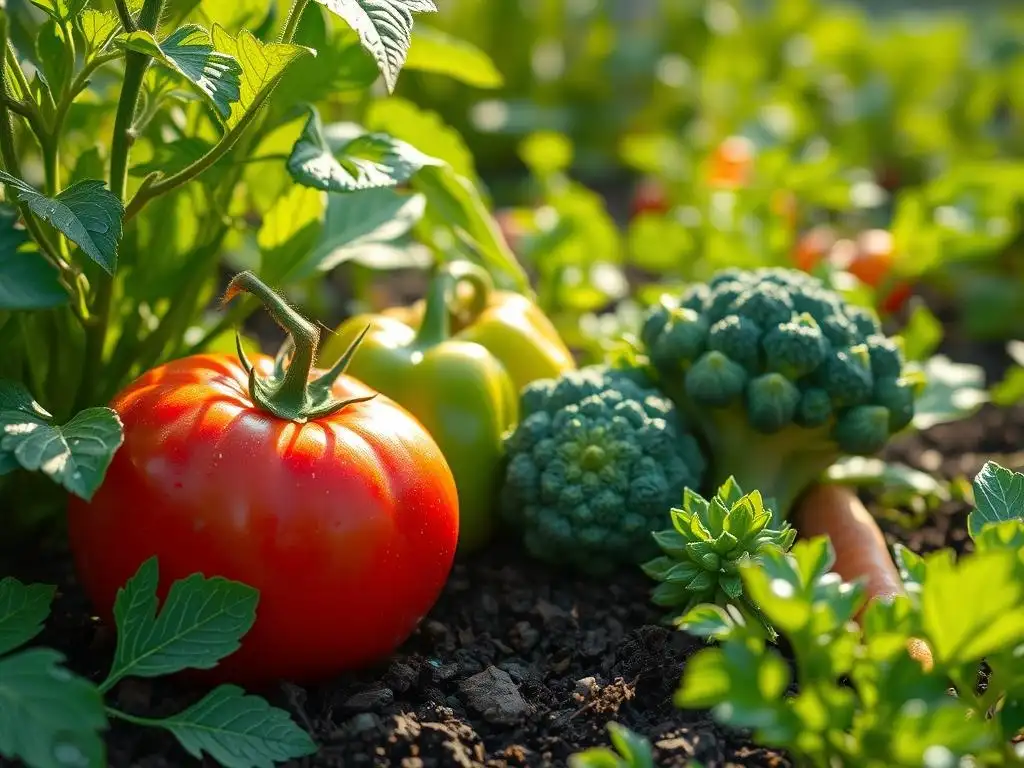
Growing your own organic food at home offers unparalleled satisfaction and health benefits. It allows you to control the entire process, from seed to plate, ensuring the absence of harmful pesticides and maximizing nutrient content. This section provides a practical, step-by-step guide to cultivating some key vegetable groups organically. Remember, consistent effort and observation are key to success in your organic gardening journey. Let's dive in!
Step-by-Step Guide: Growing Leafy Greens (Spinach, Kale, Lettuce)
Leafy greens are relatively easy to grow, even for beginners, making them an excellent starting point for your organic gardening adventure. They thrive in cooler weather and prefer partial shade.
- Seed Starting: Begin indoors 6-8 weeks before the last expected frost. Use seed-starting mix, not garden soil. Sow seeds about ¼ inch deep and keep the soil consistently moist but not soggy. Germination typically takes 7-14 days.
- Transplanting: Once seedlings have several true leaves (not the initial cotyledons), transplant them outdoors after the last frost. Space them according to package instructions; overcrowding hinders growth.
- Soil Preparation: Amend your soil with compost to improve drainage and fertility. Leafy greens benefit from nutrient-rich soil. Consider a soil test to determine specific nutrient needs.
- Watering: Water regularly, especially during dry spells. Consistent moisture is crucial for healthy growth, but avoid overwatering, which can lead to root rot. A drip irrigation system can be beneficial.
- Pest and Disease Control: Regularly inspect plants for pests like aphids or slugs. Use organic pest control methods such as insecticidal soap or neem oil. Good air circulation helps prevent fungal diseases.
- Harvesting: Harvest leafy greens by cutting outer leaves as needed, allowing the inner leaves to continue growing. This method allows for continuous harvesting throughout the growing season. You can also harvest the entire plant at once when it reaches maturity.
Step-by-Step Guide: Growing Root Vegetables (Carrots, Beets, Radishes)
Root vegetables require loose, well-drained soil for optimal growth. Compacted soil can result in misshapen or stunted roots.
- Soil Preparation: Thoroughly loosen the soil to a depth of at least 12 inches. Remove any rocks or debris that could hinder root development. Amend the soil with compost for improved drainage and fertility.
- Sowing Seeds: Sow seeds directly into the garden bed after the last frost. Follow spacing guidelines on the seed packet. For carrots, consider using a seed tape for easier spacing and improved germination.
- Watering: Maintain consistent moisture, especially during germination and early growth stages. Irregular watering can lead to cracked or poorly developed roots.
- Thinning: Thin seedlings to the recommended spacing once they have several true leaves. This allows individual plants to access sufficient nutrients and water.
- Weed Control: Regularly weed around the plants to prevent competition for resources. Mulching can help suppress weed growth and conserve moisture.
- Harvesting: Harvest root vegetables when they reach the desired size. Radishes mature quickly, while carrots and beets take longer. Gently lift them from the soil using a garden fork to avoid damaging the roots.
Step-by-Step Guide: Growing Tomatoes and Peppers for Peak Flavor
Tomatoes and peppers are warm-season crops that require plenty of sunlight and well-drained soil. These plants are more demanding than leafy greens or root vegetables, but the rewards are well worth the effort!
- Starting Seeds (Optional): Start seeds indoors 6-8 weeks before the last frost for an earlier harvest. Use seed-starting mix and provide plenty of warmth and light.
- Transplanting: Transplant seedlings outdoors after the danger of frost has passed. Choose a sunny location with at least 6-8 hours of direct sunlight per day.
- Staking or Caging: Provide support for tomato plants by staking or caging them. This prevents them from sprawling on the ground and helps to improve air circulation, reducing the risk of disease.
- Watering: Water deeply and regularly, especially during dry periods. Mulching around the plants helps to retain moisture and suppress weeds.
- Fertilizing: Feed your plants with an organic fertilizer every few weeks to ensure optimal growth and fruit production. Follow the instructions on the fertilizer packaging.
- Pest and Disease Control: Monitor plants for pests and diseases. Use organic methods to control pests and diseases, such as neem oil or insecticidal soap. Proper air circulation and watering practices can also help prevent disease.
- Harvesting: Harvest tomatoes and peppers when they are fully ripe and have reached their peak color and flavor. Harvesting regularly encourages continued fruit production.
Remember to always choose certified organic seeds and avoid using synthetic pesticides or fertilizers when growing organic food at home. Happy gardening! 🍅🌶️🥬🥕
Step-by-Step Guide: Growing Herbs for Culinary and Health Benefits
Growing your own herbs offers a fantastic way to enhance your meals and boost your health, all while embracing the principles of growing organic food at home. The aromatic leaves add depth and freshness to your cooking, and many possess medicinal properties. This step-by-step guide will walk you through the process, from seed to harvest.
First, choose your herbs wisely. Consider your culinary preferences and the space you have available. Popular choices for beginners include basil, mint, parsley, chives, and rosemary. Basil thrives in warm, sunny locations, while mint prefers slightly shadier spots. Rosemary is a hardy herb that can tolerate drier conditions. Understanding the specific needs of each herb will ensure success.
Next, prepare your growing medium. For organic gardening, a rich, well-draining soil mix is crucial. You can purchase pre-mixed organic potting soil or create your own blend using compost, peat moss, and perlite. Ensure your containers have adequate drainage holes to prevent root rot. Proper soil preparation is a critical aspect of growing organic food at home, ensuring healthy plant growth.
Then, sow your seeds or transplant seedlings. If starting from seeds, follow the instructions on the seed packet regarding planting depth and spacing. Generally, herbs prefer well-spaced planting to allow for adequate air circulation and prevent overcrowding. Transplanting seedlings from a nursery allows for a quicker harvest, but be sure to choose organic seedlings free from synthetic pesticides.
Regular watering is essential, but avoid overwatering, which can lead to fungal diseases. Water deeply and less frequently, allowing the soil to dry slightly between waterings. The frequency of watering will depend on the climate, the type of herb, and the type of container used.
Finally, harvesting your herbs is a rewarding experience. Harvest leaves regularly to encourage bushier growth. For best flavor, harvest herbs in the morning after the dew has dried. Proper harvesting techniques also play a vital role in sustaining the growth of your plants and maximizing their yield in your organic garden at home. You can dry excess herbs for later use or freeze them to preserve their freshness.
Remember, pest control is an important aspect of growing organic food at home. Regularly inspect your herbs for pests and diseases. Use organic pest control methods, such as introducing beneficial insects or using insecticidal soap, if necessary. Many herbs themselves have natural pest-repelling properties; planting them strategically in your garden can offer a natural form of pest control. For example, planting rosemary near susceptible vegetables can deter some common pests.
By following these steps, you can successfully grow a variety of flavorful and healthy herbs right in your own backyard or on your windowsill, adding a delicious and nutritious element to your diet while enjoying the benefits of growing organic food at home. The process is rewarding, both in terms of the fresh herbs you’ll enjoy and the satisfaction of cultivating your own food organically.
Harvesting and Storing Your Homegrown Bounty for Maximum Freshness
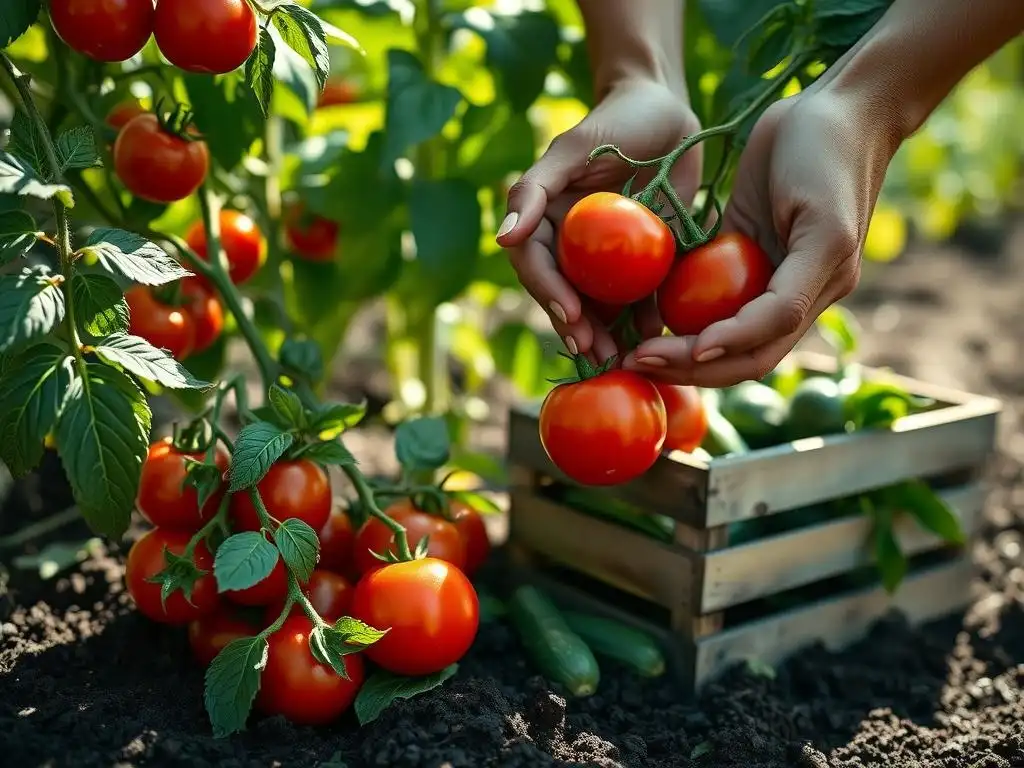
Growing organic food at home offers unparalleled access to fresh, nutritious produce. However, the journey doesn't end with a thriving garden; maximizing the nutritional value and extending the shelf life of your harvest requires careful attention to harvesting and storage techniques. This section delves into the crucial steps to ensure you enjoy the fruits (and vegetables!) of your labor for as long as possible.
Knowing When to Harvest for Optimal Nutrition and Flavor
The timing of your harvest significantly impacts the taste and nutritional content of your homegrown goodies. Harvesting too early results in bland, underdeveloped produce, while waiting too long can lead to tough, fibrous vegetables or overripe fruits. The optimal harvest time varies depending on the specific plant and its maturity.
For example, tomatoes should be harvested when they're fully colored and slightly soft to the touch. A gentle squeeze should yield slightly. Early harvesting of tomatoes before they reach full color results in a lack of sweetness and flavor. Conversely, leaving them on the vine too long can lead to splitting and mealy texture.
Similarly, leafy greens like lettuce and spinach are best harvested when they're young and tender. Harvesting outer leaves selectively allows for continuous growth. Overmature leaves become bitter and tough.
Understanding the specific characteristics of peak ripeness for each plant is crucial. This often involves observing color changes, size increases, and even subtle textural shifts. Many gardening resources provide detailed guides specific to various fruits, vegetables, and herbs, offering visual cues and timelines for optimal harvesting. Careful observation and a little experimentation will help you master the art of knowing precisely when to pick. Remember, the goal is to maximize both flavor and nutritional value, and timing is key to achieving this.
Proper Harvesting Techniques to Avoid Damage
Gentle handling during harvesting is paramount to preserving the quality and extending the shelf life of your produce. Rough handling can bruise, damage, or even crush delicate fruits and vegetables, leading to rapid spoilage.
Here are some best practices:
- Use sharp tools: Sharp knives or pruning shears are essential for clean cuts, minimizing damage to the plant and preventing bruising. Dull tools can crush stems and leaves.
- Harvest in the morning: Harvesting early in the morning, after the dew has dried, helps prevent the spread of diseases and reduces the risk of damaging wet produce.
- Handle with care: Avoid dropping or throwing produce. Place harvested items gently into containers to prevent bruising.
- Select appropriate containers: Use breathable containers like baskets to allow for air circulation and prevent moisture buildup.
For example, when harvesting strawberries, gently twist and pull the berry from the stem, ensuring the cap remains intact. For tomatoes, use pruning shears to carefully snip the stem, leaving a small portion attached to the fruit. This prevents damage to the plant and helps protect the delicate skin of the tomato. This careful approach minimizes damage, preserving the integrity of your harvest and ensuring longer shelf life.
Effective Storage Methods to Preserve Freshness and Extend Shelf Life
Proper storage is just as crucial as proper harvesting. Different produce requires different storage conditions to maintain freshness and prevent spoilage. Here's a breakdown of effective storage methods:
| Produce Type | Storage Method | Notes |
|---|---|---|
| Leafy Greens | Refrigerate in airtight containers or plastic bags | Wash and dry thoroughly before storing; avoid overcrowding. |
| Root Vegetables | Cool, dark, and dry place; avoid refrigeration | High humidity can cause rotting; avoid direct contact with moisture. |
| Tomatoes | Room temperature, out of direct sunlight | Refrigerating tomatoes can affect their flavor and texture. |
| Berries | Refrigerate in shallow containers | Avoid washing until ready to eat to prevent premature spoilage. |
| Herbs (fresh) | Refrigerate in a glass of water, or wrap in damp paper towel | Avoid over-crowding; trim ends before storing. |
Understanding these storage requirements is vital for maximizing the life of your homegrown bounty. By following these techniques, you'll enjoy the deliciousness and nutritional benefits of your organic garden for much longer. Remember, proper harvesting and storage are integral parts of the "grow organic food at home" process, ensuring you reap the full rewards of your gardening efforts. 🌱
Integrating Homegrown Produce into Your Daily Meals
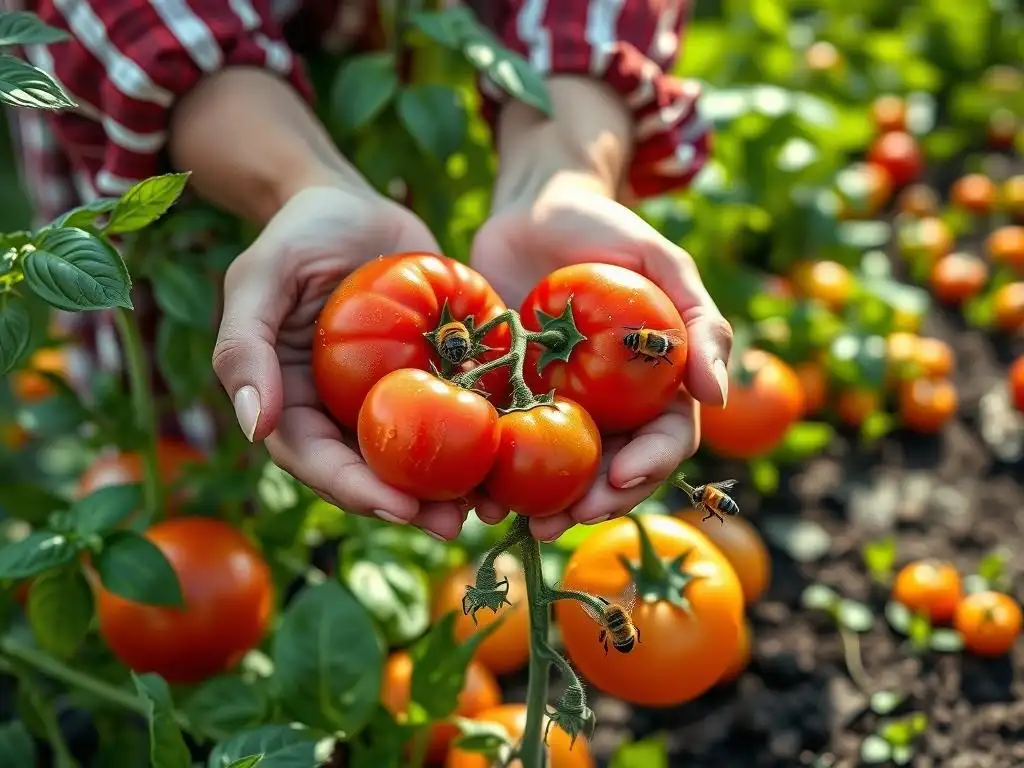
Growing your own organic food at home offers a fantastic opportunity to enhance your diet with fresh, nutritious ingredients. But simply harvesting doesn't equate to a healthier lifestyle; integrating these homegrown treasures into your daily meals requires planning and creativity. This section will guide you through strategies to seamlessly incorporate your homegrown bounty into your regular diet, maximizing its nutritional benefits and minimizing food waste. The key is to think seasonally and creatively.
Creative Recipe Ideas Featuring Homegrown Ingredients
Let's face it: a pile of freshly picked tomatoes is exciting, but only until you’re staring at them, unsure what to do. The beauty of homegrown produce is its versatility. A simple tomato can become the star of a vibrant Caprese salad, the base for a homemade pasta sauce, or the juicy heart of a grilled cheese sandwich. The possibilities are endless!
Here are a few ideas to spark your culinary imagination:
- Basil Pesto Pasta: Use your abundant basil harvest to create a vibrant pesto, tossing it with your favorite pasta and cherry tomatoes (also likely from your garden!). Add some toasted pine nuts for extra crunch and a sprinkle of Parmesan cheese for a delicious and healthy meal.
- Roasted Vegetable Medley: Combine your homegrown zucchini, bell peppers, and onions for a flavorful roasted vegetable medley. This is a fantastic side dish that can be enjoyed with almost any protein.
- Summer Squash Fritters: Turn excess summer squash into crispy, flavorful fritters. These are perfect as a light lunch or a tasty appetizer.
- Herb-Infused Olive Oil: Infuse your own olive oil with fresh herbs like rosemary, thyme, or oregano. This is a great way to preserve the flavor of your herbs and add a unique touch to your cooking.
Consider the peak seasons of your crops. For example, during the summer months, you might focus on salads, gazpachos, and light vegetable dishes, while in the fall, hearty soups and stews featuring root vegetables will be more appealing. Remember to experiment and discover your favorite ways to enjoy your homegrown harvest! Don't be afraid to try new recipes and techniques. The more you experiment, the more confident and creative you'll become in the kitchen.
Tips for Meal Planning with Seasonal Homegrown Produce
Successful integration of homegrown produce hinges on effective meal planning. Ignoring the seasonal nature of your garden's output leads to abundance followed by scarcity, and ultimately, food waste. Planning around your harvest ensures you maximize the nutritional value and minimize spoilage.
Here's how to plan effectively:
- Keep a Garden Journal: Note down planting and harvesting dates for each crop. This helps predict when you'll have surplus produce and allows for advanced meal planning.
- Embrace Seasonal Eating: Create meal plans that emphasize what's currently thriving in your garden. If you have an abundance of tomatoes, plan several meals around them.
- Freeze or Preserve Excess: Don't let excess produce go to waste! Learn to freeze, can, or dehydrate your harvest for later use. (See the next section for more details.)
- Get Creative with Leftovers: Use leftover vegetables in soups, stews, frittatas, or stir-fries. This reduces food waste and adds variety to your meals.
- Plan for Storage: Understand how long each type of produce lasts and plan your meals accordingly. Some vegetables, such as leafy greens, require quick consumption, while others, like root vegetables, can be stored for longer periods.
By aligning your meal planning with your garden's rhythm, you'll ensure that your homegrown produce is consistently enjoyed and appreciated. This mindful approach contributes to a healthier diet and a more sustainable lifestyle.
Preserving Your Harvest: Freezing, Canning, and Dehydrating Techniques
Preserving your homegrown harvest is crucial for extending its shelf life and ensuring you can enjoy the fruits (and vegetables!) of your labor throughout the year. Freezing, canning, and dehydrating are three common methods, each with its own advantages and disadvantages.
| Method | Advantages | Disadvantages | Best for |
|---|---|---|---|
| Freezing | Retains most nutrients, convenient, quick process | Requires freezer space, texture changes possible | Berries, herbs, vegetables (peas, corn, beans) |
| Canning | Long shelf life, minimal nutrient loss | Requires specialized equipment, time-consuming | Tomatoes, jams, pickles, fruits |
| Dehydrating | Long shelf life, lightweight, compact storage | Requires specialized equipment, longer process | Herbs, fruits (apples, berries), vegetables |
The choice of method depends on the type of produce and your personal preferences. Research the specific techniques for each method to ensure safe and effective preservation. Proper hygiene and following established procedures are paramount to prevent spoilage and potential foodborne illnesses. Remember to always label and date your preserved goods for easy identification and tracking. Proper preservation extends the enjoyment of your "grow organic food at home" efforts, ensuring a year-round supply of fresh, homegrown goodness. 🌱
Maintaining Your Garden for Continuous Healthy Eating
Growing organic food at home offers a rewarding path to a healthier diet, but maintaining a thriving garden requires consistent effort. This section focuses on key strategies for ensuring a continuous supply of fresh, nutritious produce throughout the growing season. We'll explore organic pest control, composting techniques, and troubleshooting common gardening challenges. Remember, a healthy garden is the foundation of a healthy, homegrown diet.
Organic Pest Control Strategies for a Healthy Garden
Organic pest control is crucial for maintaining a healthy and productive garden without harmful chemicals. The goal is to create a balanced ecosystem where beneficial insects and microorganisms help control pest populations naturally. Here are some effective strategies:
- Beneficial Insects: Introducing ladybugs, lacewings, and praying mantises can significantly reduce aphid, mealybug, and other pest infestations. These predators feed on common garden pests, acting as a natural control mechanism. Consider purchasing beneficial insect larvae or eggs from reputable suppliers and releasing them strategically throughout your garden.
- Companion Planting: Certain plants repel pests or attract beneficial insects. For example, planting basil near tomatoes can deter tomato hornworms, while marigolds can repel nematodes. Research companion planting combinations suitable for your specific crops to maximize their effectiveness.
- Natural Sprays: Homemade sprays using ingredients like neem oil, garlic, or chili pepper can deter pests without harming beneficial insects or contaminating your food. Always dilute these sprays according to instructions and test a small area before widespread application. Remember to rotate your spray options to prevent pest resistance.
- Physical Barriers: Row covers can protect seedlings from pests like slugs and caterpillars. Sticky traps can capture flying insects like whiteflies. These physical barriers provide a non-toxic way to manage pest populations.
- Crop Rotation: Rotating crops annually helps disrupt pest life cycles and prevents the buildup of pests specific to certain plants. This simple practice significantly contributes to long-term garden health.
Composting for Nutrient-Rich Soil and Sustainable Gardening
Composting is a cornerstone of sustainable gardening and crucial for growing organic food at home. By recycling kitchen and garden waste, you create nutrient-rich soil amendments that improve soil structure, water retention, and overall plant health. This reduces the need for chemical fertilizers, contributing to a healthier environment and more nutritious food.
Effective composting involves balancing "green" (nitrogen-rich) and "brown" (carbon-rich) materials. Green materials include fruit and vegetable scraps, grass clippings, and coffee grounds. Brown materials include dried leaves, shredded paper, and small twigs. Aim for a roughly equal ratio.
- Compost Bin Setup: A simple compost bin can be built from readily available materials, such as pallets or wire mesh. Ensure adequate ventilation for proper decomposition. Regularly turning the compost pile speeds up the decomposition process and ensures even breakdown.
- Compost Tea: Compost tea, a liquid extract from your compost pile, is a rich source of beneficial microorganisms. Diluted compost tea can be applied as a foliar spray to boost plant health and immunity.
- Worm Composting (Vermicomposting): Worm composting uses red wiggler worms to break down organic waste efficiently. This method produces a high-quality worm casting, a valuable fertilizer known for its nutrient density.
Dealing with Common Gardening Challenges and Troubleshooting Tips
Even the most experienced gardeners face challenges. Understanding common problems and implementing effective troubleshooting strategies is crucial for maintaining a productive and healthy garden.
| Problem | Possible Causes | Solutions |
|---|---|---|
| Yellowing Leaves | Nutrient deficiencies, overwatering, pests, disease | Soil testing, adjust watering, pest control, appropriate treatment for disease |
| Wilting Plants | Underwatering, root rot, pest damage | Adjust watering, improve drainage, pest control |
| Poor Fruit Set | Inadequate pollination, nutrient deficiency, stress | Hand-pollination, fertilization, stress reduction techniques |
| Pest Infestations | Lack of beneficial insects, poor sanitation | Introduce beneficial insects, improve sanitation practices, organic pest control |
Remember, patience and observation are key. Regularly inspect your plants for signs of stress or disease. Keep detailed records of your gardening practices, including planting dates, watering schedules, and pest control measures. This information will help you identify patterns and improve your gardening success year after year. Growing organic food at home is a journey of continuous learning and improvement, leading to a more sustainable and healthy lifestyle.
Planning for Year-Round Harvesting: Succession Planting and Cold Frames
Succession planting is a cornerstone of extending your harvest season and ensuring a continuous supply of fresh, homegrown organic food. It involves planting crops in stages, so that as one harvest finishes, another is ready to take its place. This prevents gaps in your food supply and maximizes the yield from your garden space.
For example, instead of planting all your lettuce seeds at once, you might plant a batch every two weeks. This way, you'll have a continuous supply of fresh lettuce throughout the growing season. Careful planning is key; you need to understand the growth cycle of each plant to determine the optimal planting intervals.
Consider using a garden planner or journal to meticulously track planting dates and expected harvest times. This method is especially beneficial for fast-growing crops like leafy greens, radishes, and bush beans. Planning for succession planting requires a deep understanding of your local climate and the specific needs of the plants you are growing.
Cold frames are invaluable tools for extending the growing season, both in spring and autumn. These low-cost structures act as mini-greenhouses, protecting delicate seedlings from frost and harsh weather conditions. By using cold frames, you can start seeds earlier in the spring and extend the growing season into the fall, significantly increasing your overall harvest. A simple cold frame can be constructed from readily available materials like reclaimed window frames and plywood, making it a budget-friendly addition to any home garden.
They provide a sheltered environment that allows plants to thrive even when temperatures drop outside. This is particularly useful for extending the growing season of cold-hardy crops like kale, spinach, and certain varieties of lettuce. Moreover, cold frames can help protect seedlings from pests and diseases, contributing to a healthier and more productive harvest of your organically grown food.
Remember to monitor the temperature and humidity levels inside the cold frame regularly, adjusting ventilation as needed to prevent overheating or excessive moisture. This careful management is essential for maintaining optimal growing conditions and ensuring a bountiful harvest. Investing in a cold frame is a significant step towards achieving year-round access to homegrown organic produce.
Frequently Asked Questions
How can I start growing organic food at home, even with limited space?
You can begin by growing easy-to-cultivate herbs like basil or mint in pots on a windowsill. Consider vertical gardening techniques or using space-saving raised beds to maximize your yield in smaller areas. Start small and scale up as you gain experience.
What are the essential steps for growing organic food successfully?
Focus on preparing nutrient-rich soil, choosing the right organic seeds or seedlings, providing adequate sunlight and water, and implementing natural pest control methods. Regular monitoring and consistent care are crucial for a successful harvest.
What are some organic pest control methods I can use?
Employ natural predators like ladybugs, use homemade insecticidal soaps, or introduce beneficial nematodes to combat pests. Companion planting can also deter pests and improve overall plant health. Avoid harmful chemical pesticides.
What organic fruits, vegetables, and herbs are best for beginners?
Begin with easy-to-grow options like lettuce, radishes, zucchini, and beans. Herbs such as basil, mint, and chives are also excellent choices for beginners due to their fast growth and resilience.
How can I ensure my homegrown food remains organic throughout the entire process?
Use certified organic seeds or seedlings, avoid using chemical fertilizers and pesticides, and compost your kitchen scraps and yard waste to create nutrient-rich soil. Practice crop rotation to maintain soil health and prevent pest buildup.
Final Reflection: Harvesting Health, One Seed at a Time
The future of healthy eating isn't just about what's on your plate; it's about where it comes from. Growing your own organic food isn't a niche hobby; it's a powerful act of self-sufficiency and a crucial step towards a more sustainable and healthier future for us all. The benefits extend far beyond simply avoiding pesticides; it's about reconnecting with nature and taking control of your family's well-being.
The journey of cultivating your own food is deeply rewarding, a tangible link to the earth and its bounty. It's a process that fosters patience, resilience, and a profound appreciation for the simple act of nurturing life. The glory of gardening: hands in the dirt, head in the sun, heart with nature. To nurture a garden is to feed not just the body, but the soul.
This quote perfectly encapsulates the transformative power of homegrown food, extending beyond mere sustenance to a deeper connection with the natural world and our own inner selves.
Now, consider your own kitchen. Imagine the vibrant colors and fresh flavors of tomatoes bursting with sunshine, herbs fragrant with the earth, and crisp lettuce leaves picked just moments before your meal. This isn't a distant dream; it's a reality within your reach. Start small, begin with a single herb pot on your windowsill, or a small patch of land in your backyard. Embrace the learning process, celebrate the small victories, and savor the incredible taste of food grown with your own two hands. The journey towards a healthier, more sustainable lifestyle begins with a single seed.
Unlock Your Healthiest Self: Grow Your Own Food!
Thank you for exploring the world of homegrown goodness! You've discovered how easily you can improve your diet and well-being by cultivating your own food. Ready to begin your gardening journey?
- Start small: Begin with a simple herb like basil or a readily available vegetable such as lettuce. Even a single pot on your windowsill can significantly enhance your meals and provide a rewarding experience.
- Share your journey: Tell us (or your friends!) about your first gardening experience. What challenges did you face, and what unexpected delights did you discover?
- Explore our community: Connect with fellow gardeners on our forum to share tips, inspiration, and celebrate your successes together. We're excited to be part of your gardening adventure!
What's your favorite easy-to-grow food, and why?