
The Ultimate Guide to Economical Gardening Practices

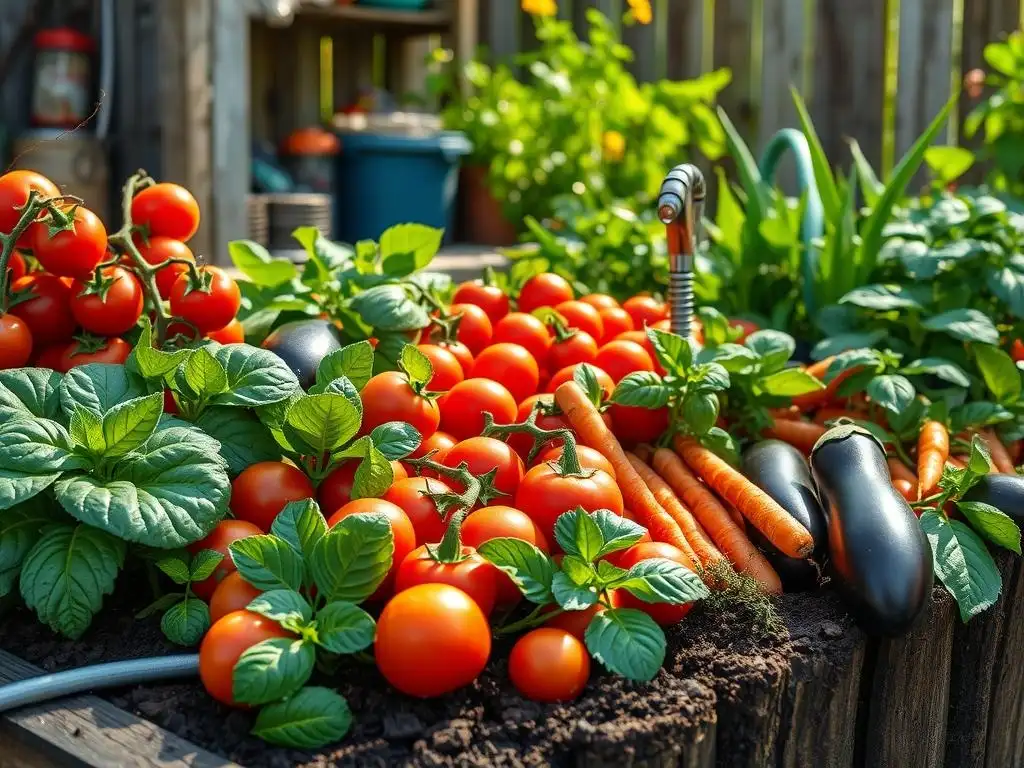
Ready to transform your backyard into a thriving, organic oasis without breaking the bank? CultivateYourFood is your guide to unlocking the secrets of sustainable gardening. Discover cheap organic gardening methods that will not only enrich your soil but also your table, offering fresh, healthy produce all season long. Dive in and learn how to cultivate your own fruits, vegetables, and herbs – sustainably and affordably!
- Affordable Organic Gardening: Maximizing Your Yield on a Budget
- Low-Cost Soil Preparation and Amendments
- Water Conservation Techniques for Economical Gardening
- Pest Control on a Budget: Organic and Effective Solutions
- Harvesting and Preserving Your Bounty Economically
- Planning for Long-Term Economic Gardening Success
-
Frequently Asked Questions
- What are some cheap ways to start an organic garden?
- How can I avoid buying expensive fertilizers and pesticides?
- Where can I find free or cheap organic gardening supplies?
- What are some low-maintenance, organic gardening techniques?
- Is organic gardening always more expensive than conventional gardening?
- Final Reflection: Cultivating Abundance, Sustainably and Affordably
- Unleash Your Inner Green Thumb: Grow More, Spend Less!
Affordable Organic Gardening: Maximizing Your Yield on a Budget
Growing your own food organically can be incredibly rewarding, offering fresh, healthy produce and a strong connection to nature. However, the initial investment and ongoing costs can sometimes feel prohibitive. This comprehensive guide explores practical, budget-friendly strategies to establish and maintain a thriving organic garden without breaking the bank. We’ll delve into cost-effective methods for sourcing seeds, starting seedlings, and repurposing everyday household items for gardening, helping you maximize your yield while minimizing expenses.
This approach aligns perfectly with the growing interest in sustainable living and the desire to reduce our environmental footprint, demonstrating that cheap organic gardening methods are not only achievable but also highly beneficial. By embracing these techniques, you can enjoy the abundance of homegrown food while contributing to a healthier planet and a healthier budget. Let's explore how to cultivate a bountiful harvest without compromising on quality or sustainability.
Choosing Budget-Friendly Seeds and Seedlings: Sources and Selection
The foundation of any successful garden lies in high-quality seeds and seedlings. However, purchasing these items can significantly impact your budget. Fortunately, several strategies can help you acquire them affordably. One excellent option is to save seeds from your existing plants – a truly free and sustainable practice!
This method requires some knowledge of seed saving techniques, but the long-term savings are considerable. Another smart approach is to explore local seed swaps or community gardens. These often offer a wide variety of seeds at minimal cost or even for free, fostering a sense of community and resource sharing. Additionally, consider purchasing seeds in bulk from reputable online retailers or local nurseries, as this usually offers better value for money than buying individual packets.
When selecting seeds or seedlings, prioritize open-pollinated varieties, as these can be saved and replanted year after year, reducing long-term costs. Finally, carefully consider your plant choices. Opt for easy-to-grow, fast-maturing varieties that are less demanding in terms of resources and care, maximizing your yield with minimal input.
Seed Starting on a Shoestring: DIY Methods and Materials
Starting your own seedlings from seed offers substantial cost savings compared to purchasing ready-grown plants. But you don’t need expensive equipment to achieve this. Instead of investing in specialized seed-starting trays, repurpose readily available containers like egg cartons, yogurt cups, or even toilet paper rolls. These provide excellent drainage and are readily biodegradable. As for growing medium, a simple mix of compost, vermiculite, and peat moss (or a peat-free alternative like coco coir) is far more economical than commercial seed-starting mixes.
Remember to sterilize your containers and soil mix to prevent diseases. A sunny windowsill or a DIY grow light using inexpensive LED bulbs can provide the necessary light for your seedlings. Careful observation and gentle care are key; remember to monitor moisture levels and avoid overwatering. This cost-effective approach allows you to nurture your plants from their earliest stages, fostering healthy growth and a significantly reduced budget.
Repurposing Household Items for Gardening: Creative and Cost-Effective Solutions
One of the most rewarding aspects of economical gardening is the ability to repurpose everyday household items for various gardening tasks. Instead of buying expensive garden tools, consider repurposing old utensils like spoons and forks for planting. Plastic bottles can be transformed into mini-greenhouses, watering cans, or even vertical planters.
Old tires can become raised garden beds, offering excellent drainage and weed control. Coffee grounds and banana peels make excellent organic fertilizers, enriching your soil and reducing the need for expensive commercial fertilizers. Even discarded newspapers can be used as mulch to retain soil moisture and suppress weeds.
By embracing creativity and resourcefulness, you can significantly reduce your gardening expenses while minimizing waste and contributing to a more sustainable lifestyle. This process is not only cost-effective but also highly satisfying, transforming discarded items into valuable gardening assets. The possibilities are endless; let your imagination run wild and discover the many ways you can repurpose household items to support your thriving, budget-friendly garden!
Low-Cost Soil Preparation and Amendments
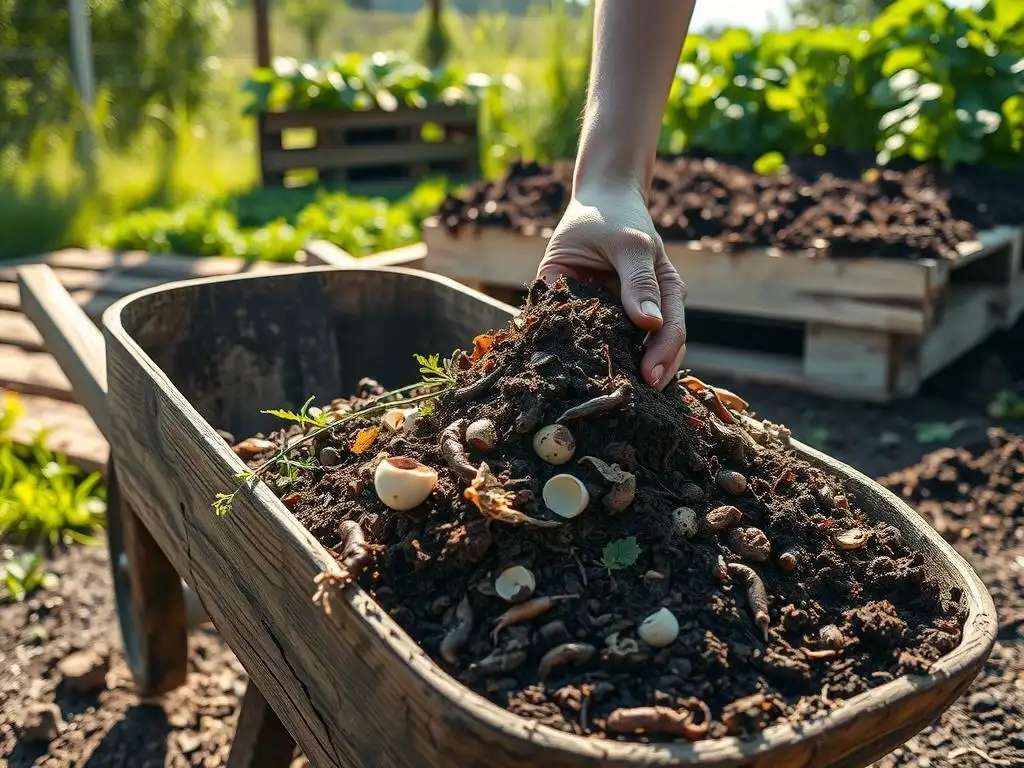
Preparing nutrient-rich soil without breaking the bank is crucial for successful and economical gardening. This section explores several cheap organic gardening methods focusing on soil enrichment, emphasizing sustainable practices that minimize costs while maximizing yield. Achieving fertile soil doesn't necessitate expensive commercial products; resourceful techniques and readily available materials can significantly reduce expenses. Let's delve into some effective strategies.
Composting for Beginners: A Guide to Free Soil Enrichment
Composting is arguably the cornerstone of cheap organic gardening methods. It transforms kitchen scraps, yard waste, and other organic materials into nutrient-rich compost, a fantastic soil amendment that's essentially free! By diverting waste from landfills and transforming it into a valuable resource, you're not only saving money but also contributing to environmental sustainability.
Here's a simple guide to get you started:
- Gather your materials: Collect brown materials (carbon-rich, like dried leaves, shredded paper, and cardboard) and green materials (nitrogen-rich, like fruit and vegetable scraps, grass clippings, and coffee grounds). Aim for a roughly equal ratio.
- Create your compost pile: You can use a dedicated compost bin, but a simple pile in a corner of your yard works just as well. Ensure good airflow by regularly turning the pile.
- Maintain moisture: The pile should be consistently moist, like a wrung-out sponge. Water it if it gets too dry.
- Monitor temperature: A healthy compost pile will generate heat. If it's not heating up, you may need to adjust the ratio of brown and green materials or increase moisture.
- Turn regularly: Turning the pile every few weeks accelerates decomposition and ensures even breakdown.
- Harvest your compost: After several months (depending on the size of the pile and environmental conditions), your compost will be ready. It should be dark brown, crumbly, and have an earthy smell.
This process provides a continuous supply of nutrient-rich soil amendment, drastically reducing the need for expensive commercial fertilizers. Using compost significantly enhances soil structure, improves drainage, and boosts the overall health of your plants. It's a truly economical and sustainable way to cultivate thriving plants.
DIY Compost Tea: Boosting Soil Health Economically
Compost tea is another effective and inexpensive way to enrich your soil. It's a liquid extract brewed from compost, delivering a concentrated dose of beneficial microorganisms directly to your plants' roots. This boosts plant growth, improves nutrient uptake, and enhances disease resistance.
Creating compost tea is simple:
- Steep: Place a handful of finished compost in a bucket of water.
- Aerate: Use an aquarium pump or a similar aeration device to keep the mixture oxygenated for 24-48 hours. This allows beneficial microbes to thrive.
- Strain: Filter the tea through a cheesecloth or a fine-mesh strainer to remove solid particles.
- Apply: Dilute the tea with water (typically a 1:10 ratio) and apply it directly to the soil around your plants.
This process is incredibly cost-effective, requiring only compost and water. Regular application of compost tea can significantly reduce your reliance on chemical fertilizers and pesticides, leading to healthier plants and a healthier garden overall. It's a simple yet powerful tool for any budget-conscious gardener aiming for cheap organic gardening methods.
Utilizing Free or Low-Cost Soil Amendments: Sourcing and Application
Beyond composting, several readily available materials can be utilized as low-cost soil amendments. These include:
- Grass clippings: A great source of nitrogen, but use them sparingly to avoid attracting pests.
- Wood ash (from untreated wood): Provides potassium and calcium, but use in moderation as it can alter soil pH.
- Aged manure (from herbivores): An excellent source of nutrients, but ensure it's well-rotted to avoid burning your plants.
- Seaweed: Rich in minerals and beneficial for soil health. If accessible, collecting seaweed from the beach is a completely free amendment.
- Coffee grounds: Add nitrogen and improve soil structure.
Remember to always source materials responsibly and avoid using anything contaminated with chemicals or pesticides. Proper application is also crucial. Amendments should be incorporated into the soil gently, avoiding disturbing the root systems of existing plants. Over-application can be detrimental, so start with smaller amounts and adjust as needed, observing your plants' response. By utilizing these free and low-cost resources, you can significantly reduce your gardening expenses while maintaining soil fertility and promoting healthy plant growth, perfectly aligning with the principles of cheap organic gardening methods.
Water Conservation Techniques for Economical Gardening
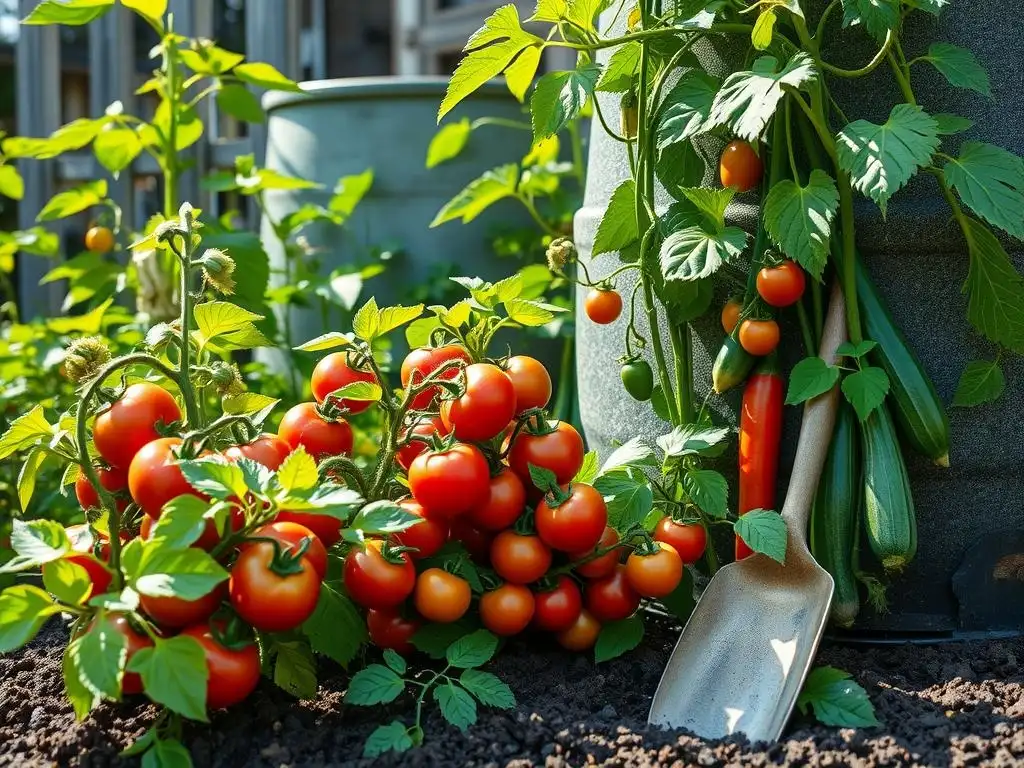
Water is a precious resource, and conserving it is crucial for economical and sustainable gardening. High water bills can significantly impact the overall cost of your homegrown produce. Implementing effective water conservation strategies not only saves you money but also reduces your environmental footprint, aligning perfectly with cheap organic gardening methods. This section explores several techniques to minimize water usage while maximizing plant health and yield. The key is to focus on delivering water precisely where it's needed, minimizing evaporation, and maximizing soil moisture retention.
Rainwater Harvesting for Irrigation: Simple Setup and Maintenance
Rainwater harvesting is a fantastic way to supplement your irrigation needs and significantly reduce reliance on municipal water supplies. It's an environmentally friendly and cost-effective method that aligns perfectly with cheap organic gardening methods. A simple system can involve collecting rainwater from your roof using gutters and downspouts, directing it into a storage container such as a rain barrel or a larger cistern.
Several factors determine the size of your rainwater harvesting system. Consider your roof area, average rainfall in your region, and the size of your garden. A larger garden will naturally require a larger storage capacity. Regular maintenance is key. Clean your gutters and downspouts to prevent clogging and ensure efficient water collection.
Screen your storage container to prevent mosquito breeding and contamination. Periodically check for leaks and ensure the system remains functional. Remember to use a first-flush diverter to remove the initial runoff, which often contains pollutants. This simple setup can substantially reduce your water bill and provide a valuable resource for your plants.
Efficient Watering Techniques: Drip Irrigation and Soaker Hoses
Traditional methods like overhead sprinklers often lead to significant water waste through evaporation and runoff. More efficient watering techniques, such as drip irrigation and soaker hoses, deliver water directly to the plant roots, minimizing water loss and maximizing its effectiveness. Drip irrigation systems utilize a network of tubes and emitters to deliver a slow, steady stream of water to individual plants or rows. Soaker hoses, a simpler and often more affordable alternative, deliver water along their length, saturating the soil around the plants.
The benefits of these methods are numerous. Drip irrigation, for example, can improve water use efficiency by up to 70% compared to conventional methods. This translates to substantial savings on your water bill, making it a cornerstone of cheap organic gardening methods. Furthermore, these methods reduce weed growth by keeping the soil surface dry.
They also decrease the risk of fungal diseases that often thrive in consistently damp conditions. Choosing the right system depends on the size and layout of your garden and your budget. For smaller gardens, soaker hoses are often sufficient, while larger gardens may benefit from a more sophisticated drip irrigation system.
Mulching to Reduce Water Loss: Types of Mulch and Their Benefits
Mulching is a crucial water conservation technique that helps retain soil moisture and reduce evaporation. A layer of mulch acts as a protective barrier, preventing water from evaporating from the soil surface. This reduces the frequency and duration of watering, leading to significant water savings. Numerous materials can be used as mulch, including organic materials like straw, wood chips, shredded leaves, and compost, and inorganic materials like plastic sheeting or landscape fabric.
Organic mulches offer additional benefits beyond water retention. They improve soil structure, suppress weeds, and gradually decompose, enriching the soil with organic matter. The choice of mulch depends on your personal preferences and the specific needs of your garden. For example, straw mulch is excellent for vegetable gardens, while wood chips are ideal for pathways and around trees.
Applying a 2-4 inch layer of mulch around your plants can substantially reduce water loss, making it a cornerstone of cheap organic gardening methods. Remember to keep mulch away from the stems of plants to avoid rot. Regularly replenishing the mulch layer as it decomposes ensures its continued effectiveness. The initial investment in mulch is minimal and the long-term savings on water far outweigh the costs.
Pest Control on a Budget: Organic and Effective Solutions
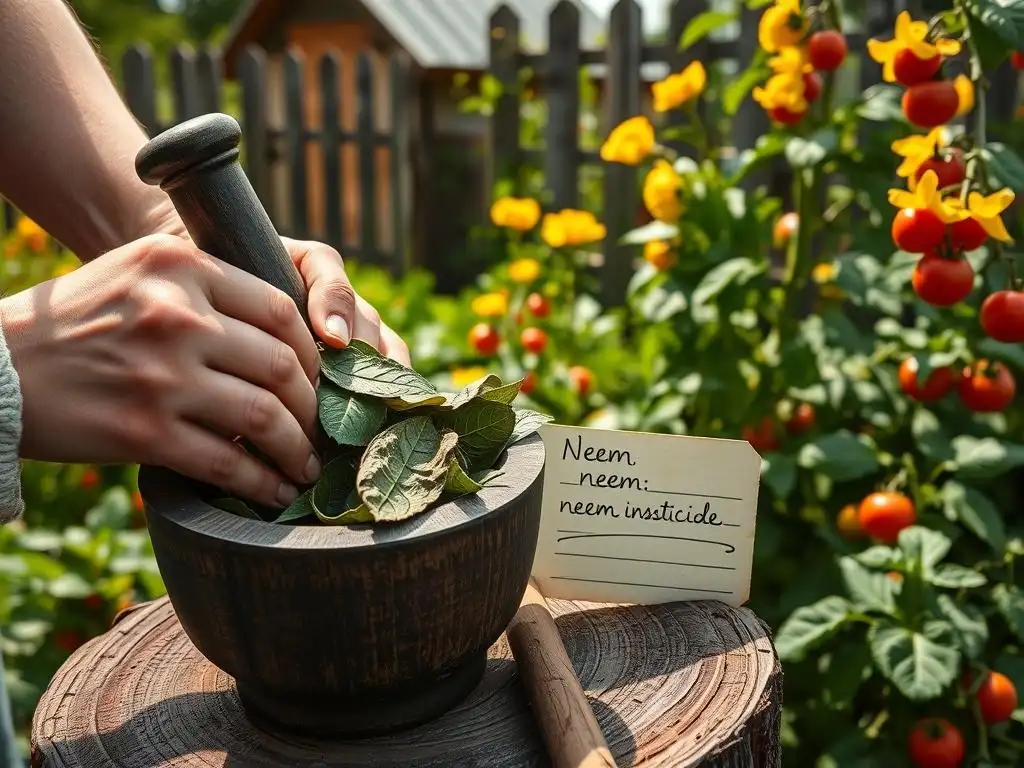
Effective pest control doesn't require expensive chemical pesticides. Many cheap organic gardening methods exist that are both environmentally friendly and budget-conscious. This section explores practical strategies to protect your crops without breaking the bank. Remember, prevention is key – a healthy garden is less susceptible to pest infestations.
Natural Pest Repellents: DIY Recipes and Applications
Creating your own natural pest repellents is a remarkably cost-effective way to manage pests. These solutions leverage the power of nature, utilizing readily available ingredients to deter unwanted insects and other garden invaders. Here are a few examples:
- Neem Oil Spray: Neem oil is a versatile and effective natural insecticide derived from the neem tree. Dilute neem oil (following product instructions carefully) with water and apply to affected plants. This is effective against a wide range of pests, including aphids, whiteflies, and mealybugs. It's crucial to note that neem oil can be harmful to beneficial insects, so targeted application is important.
- Garlic Spray: Garlic acts as a natural repellent for many pests. Blend a few cloves of garlic with water, let it steep for a few hours, strain, and spray directly onto plants. The strong odor deters many insects.
- Pepper Spray: Similar to garlic, hot pepper spray can be a powerful deterrent. Blend hot peppers (wearing gloves! ), steep in water, strain, and apply. The capsaicin in peppers irritates pests, causing them to avoid your plants.
- Soap Spray: A simple solution of insecticidal soap (available at most garden centers) and water can be very effective against soft-bodied insects like aphids. Always test a small area first to ensure it doesn't harm your plants.
Remember to always test any homemade spray on a small section of your plants first to ensure it doesn't cause damage. Regular applications (every few days) are usually necessary, especially after rain. The effectiveness of these sprays can vary depending on the severity of the infestation and the specific pest.
Beneficial Insects: Attracting Natural Predators to Your Garden
Introducing beneficial insects to your garden is a sustainable and economical method of pest control. These natural predators help keep pest populations under control, reducing the need for chemical interventions. Attracting these helpful insects involves creating a welcoming habitat:
- Plant flowers: Many beneficial insects are attracted to flowering plants. Consider incorporating plants like dill, fennel, yarrow, and sunflowers into your garden to attract ladybugs, lacewings, and parasitic wasps. These insects feed on common garden pests, providing natural control.
- Provide shelter: Leave some areas of your garden slightly unkempt to provide shelter for beneficial insects. Overgrown areas, leaf litter, and rock piles can serve as ideal habitats.
- Avoid broad-spectrum pesticides: Using broad-spectrum pesticides indiscriminately will harm both beneficial and harmful insects, undermining your efforts to establish a balanced ecosystem.
By creating a diverse and inviting garden environment, you'll naturally attract beneficial insects, significantly reducing the need for other pest control measures. This is a long-term strategy that pays off handsomely in terms of cost savings and environmental protection.
Identifying and Addressing Common Pests: Organic Solutions
Accurate identification is crucial for effective pest management. Knowing the specific pest allows you to target your control efforts more efficiently. Here’s a breakdown of common garden pests and organic solutions:
| Pest | Description | Organic Solutions |
|---|---|---|
| Aphids | Small, soft-bodied insects; often cluster | Neem oil spray, insecticidal soap spray, strong water spray, ladybugs |
| Whiteflies | Tiny, white, flying insects | Neem oil spray, yellow sticky traps |
| Spider mites | Microscopic mites; cause stippling on leaves | Neem oil spray, insecticidal soap spray, water spray, predatory mites |
| Cabbage worms | Caterpillars that feed on cabbage family | Handpicking, Bacillus thuringiensis (Bt) (a bacterium toxic to caterpillars) |
| Slugs and snails | Slow-moving mollusks | Beer traps, diatomaceous earth, handpicking, barriers |
Remember, early detection is key. Regularly inspect your plants for signs of infestation. Early intervention with these organic methods is often sufficient to prevent widespread damage. If a pest infestation becomes severe despite your efforts, consider seeking advice from local gardening experts or agricultural extension offices. They can offer tailored guidance for your specific situation and help you find additional cheap organic gardening methods. 🌱
Harvesting and Preserving Your Bounty Economically
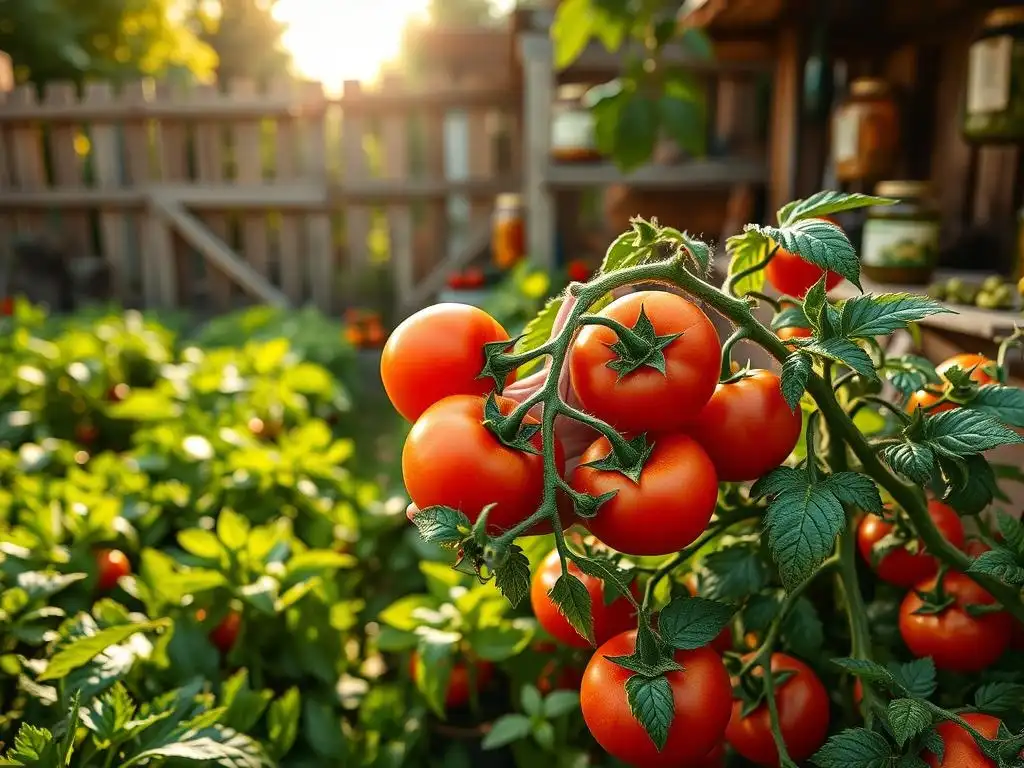
This section focuses on maximizing the economic benefits of your homegrown produce by employing cost-effective harvesting and preservation techniques. Successfully preserving your harvest significantly reduces reliance on purchasing produce throughout the year, leading to substantial long-term savings. Let's explore smart strategies for extending the life and value of your hard work.
Preserving Your Harvest: Canning, Freezing, and Dehydration Techniques
Preserving your harvest is a crucial step in realizing the full economic potential of your garden. Different methods cater to different produce and preferences, each offering unique cost advantages.
Canning: While requiring an initial investment in jars and a canner, canning offers a long shelf life for many fruits and vegetables. Properly canned goods can last for years, significantly reducing grocery bills over time. Consider batch canning with friends or neighbors to share costs and workload. For example, a community canning day can drastically lower the per-unit cost of processing tomatoes or peaches. This collaborative approach also shares valuable knowledge and skills.
Freezing: Freezing is a simpler and often cheaper method than canning, especially if you already own a freezer. Freezing preserves the nutritional value and flavor of many fruits and vegetables remarkably well. Blanching vegetables before freezing helps to maintain their color and texture, ensuring optimal quality. This simple step significantly improves the long-term value of your frozen produce. Remember to properly label and date your frozen goods for easy inventory management.
Dehydration: Dehydration, using a dehydrator or even a low oven, is ideal for preserving herbs, fruits, and some vegetables. Dehydrated produce takes up minimal storage space and has a long shelf life, making it a highly economical preservation method. Dehydrating your own herbs, for instance, is far cheaper than buying pre-packaged dried herbs from the store, and you control the quality and freshness. This method also reduces packaging waste, aligning with sustainable and cheap organic gardening methods.
Extending the Shelf Life of Your Produce: Storage Tips and Tricks
Even without elaborate preservation techniques, you can significantly extend the shelf life of your fresh produce using simple storage methods. These simple steps can save you money by preventing premature spoilage and reducing waste.
| Produce Type | Storage Tips | Expected Shelf Life (approx.) |
|---|---|---|
| Leafy Greens | Store in a perforated plastic bag in the crisper drawer of your refrigerator. | 5-7 days |
| Root Vegetables | Store in a cool, dark, and dry place, or in a perforated plastic bag in the refrigerator. | 2-4 weeks |
| Tomatoes | Store at room temperature until ripe, then refrigerate for a few days. | 1-2 weeks |
| Berries | Store in a single layer in a container in the refrigerator. | 3-5 days |
| Herbs | Store in a glass of water on the counter or in a damp paper towel in a plastic bag in the refrigerator. | 7-10 days |
Proper storage dramatically impacts the lifespan of your harvest. For instance, storing potatoes in a cool, dark place dramatically extends their shelf life compared to leaving them in direct sunlight or a warm area. Similarly, storing onions and garlic separately prevents them from spoiling each other prematurely. These simple techniques are free and significantly contribute to reducing food waste and maximizing your investment in your garden. By applying these strategies, you're actively practicing cheap organic gardening methods while minimizing waste and maximizing your yields. This results in significant long-term cost savings and a reduced environmental impact.
Planning for Long-Term Economic Gardening Success
This section delves into strategic planning to maximize the long-term economic benefits of your homegrown food production. Successful cheap organic gardening methods require forethought and a commitment to sustainable practices. We'll explore key strategies that minimize initial investment and maximize yield over time, ensuring your garden remains a source of affordable, healthy food for years to come. The focus here is on building a resilient and cost-effective gardening system.
Succession Planting for Continuous Harvest
Succession planting is a cornerstone of economical gardening. Instead of planting everything at once, you stagger plantings of the same crop at intervals throughout the growing season. This ensures a continuous harvest, extending the period you enjoy fresh produce and reducing the need for frequent, potentially expensive, purchases from the grocery store.
For example, let's consider lettuce. Instead of planting all your lettuce seedlings at the same time, plant a batch every two to three weeks. This way, you'll have a steady supply of fresh lettuce throughout the summer, maximizing your yield and minimizing waste. This approach applies to many crops, including leafy greens, root vegetables like radishes and carrots (with appropriate spacing adjustments), and even some herbs.
The key to successful succession planting is understanding the growing cycle of your chosen plants. Knowing how long it takes for each crop to mature allows you to plan your planting schedule accordingly. Careful observation and record-keeping from year to year will refine your technique and yield even better results. This careful planning translates directly into significant long-term savings.
Choosing the Right Plants for Your Climate and Space
Selecting the right plants is paramount for maximizing yield and minimizing waste. Choosing varieties suited to your specific climate and the space you have available is crucial for economical gardening. Investing in plants that thrive in your conditions reduces the need for expensive supplemental care, such as specialized fertilizers or extensive irrigation systems.
Consider these factors when making your selections:
- Climate: Choose plants that are hardy and well-suited to your local climate. Research varieties known for their resilience to your region's typical weather patterns.
- Space: Opt for plants that are appropriately sized for your garden space. Overcrowding can lead to reduced yields and increased susceptibility to pests and diseases. Vertical gardening techniques can be a great way to maximize space utilization in smaller gardens.
- Sunlight: Assess the amount of sunlight your garden receives and choose plants that thrive in those conditions. Many vegetables require at least six hours of direct sunlight per day.
- Soil type: Understanding your soil composition is crucial. Amend your soil with compost or other organic matter to improve its quality and fertility, reducing reliance on expensive chemical fertilizers. Soil testing can provide valuable insights into the specific needs of your garden.
Long-Term Cost Savings Analysis: Comparing Store-Bought vs. Homegrown Produce
The real economic benefit of cheap organic gardening methods becomes apparent when comparing the long-term costs of purchasing produce from the store versus growing your own. Let's analyze a simple example:
| Item | Store-Bought Cost (per year, estimated) | Homegrown Cost (per year, estimated) | Savings (per year, estimated) |
|---|---|---|---|
| Tomatoes | $50 | $15 (seeds, compost) | $35 |
| Lettuce | $30 | $5 (seeds) | $25 |
| Zucchini | $25 | $10 (seeds) | $15 |
| Total | $105 | $30 | $75 |
This simple comparison highlights the potential savings. Note that the homegrown costs are estimates and can vary depending on factors like seed costs, soil amendments, and the amount of time and effort invested. However, even with these variables, the long-term savings are substantial.
Remember, these savings increase exponentially as you diversify your garden and grow a wider variety of fruits, vegetables, and herbs. The initial investment in tools and materials is offset by substantial savings over several growing seasons, making cheap organic gardening methods a financially sound and rewarding endeavor. The true cost savings extend beyond mere monetary value; consider the improved quality, freshness, and nutritional value of your homegrown produce.
Frequently Asked Questions
What are some cheap ways to start an organic garden?
Starting an organic garden on a budget is achievable! Use recycled containers for planting, collect free seeds from existing plants, and utilize compost made from kitchen scraps to avoid buying expensive soil. Focus on a small space to manage resources effectively.
How can I avoid buying expensive fertilizers and pesticides?
Employ natural pest control methods such as companion planting and introducing beneficial insects. Create your own compost tea for a nutrient-rich fertilizer. Mulching with readily available materials like straw or grass clippings helps retain moisture and suppress weeds, reducing the need for chemical herbicides.
Where can I find free or cheap organic gardening supplies?
Look for free seeds from friends, neighbors, or community gardens. Utilize recycled materials like plastic bottles, yogurt containers, and old pallets for planters. Check local recycling centers and yard waste facilities for free mulch and compost.
What are some low-maintenance, organic gardening techniques?
Choose drought-tolerant plants that require less frequent watering. Employ mulching to retain moisture and suppress weeds. Select easy-to-grow vegetables like beans, lettuce, and zucchini. These require less care and produce abundant crops.
Is organic gardening always more expensive than conventional gardening?
Not necessarily! While some organic supplies can be pricier, many DIY methods and readily available resources can reduce costs significantly. The long-term benefits of healthier soil and reduced reliance on chemical inputs offset initial expenses.
Final Reflection: Cultivating Abundance, Sustainably and Affordably
The quest for cheap organic gardening methods is not merely a frugal pursuit; it's a vital step towards a more resilient and equitable food system. In a world grappling with climate change, food insecurity, and escalating living costs, the ability to grow your own food organically without breaking the bank becomes increasingly crucial, not just a hobby but a powerful act of self-sufficiency.
The journey towards economical organic gardening, as explored in this guide, reveals a profound connection between our environment, our well-being, and our communities. It's a journey that transcends the simple act of planting seeds; it's about fostering a deeper understanding of ecological principles and embracing resourcefulness. The glory of gardening: hands in the dirt, head in the sun, heart with nature. To nurture a garden is to feed not just the body, but the soul.
This quote perfectly encapsulates the transformative power of connecting with the earth through sustainable gardening practices, a power that extends far beyond the yield of our harvests.
Now, it's your turn. Consider the practical tips and techniques outlined in this guide, and begin to integrate them into your own gardening practices. Don't be afraid to experiment, to adapt, and to learn from your successes and failures. Remember, the most rewarding gardens are often those grown with intention, resourcefulness, and a deep respect for the natural world. Start small, dream big, and cultivate your own abundant and affordable organic garden today.
Unleash Your Inner Green Thumb: Grow More, Spend Less!
Thank you for exploring the world of economical gardening with us! You've gained valuable knowledge to cultivate a thriving garden without breaking the bank. Ready to put your new skills to the test?
- Start saving seeds: This year, save seeds from your most successful plants to significantly reduce future gardening expenses. It's surprisingly easy and incredibly rewarding!
- Share your gardening knowledge: Join our CultivateYourFood community forum and inspire others with your experience. Let's build a supportive network of thrifty gardeners!
- Swap produce with neighbors: Bartering is a fantastic way to diversify your garden and connect with fellow food enthusiasts in your community.
What cost-saving gardening technique are you most excited to try this season?