
The Colors of Pollination: How Visual Cues Guide Pollinators

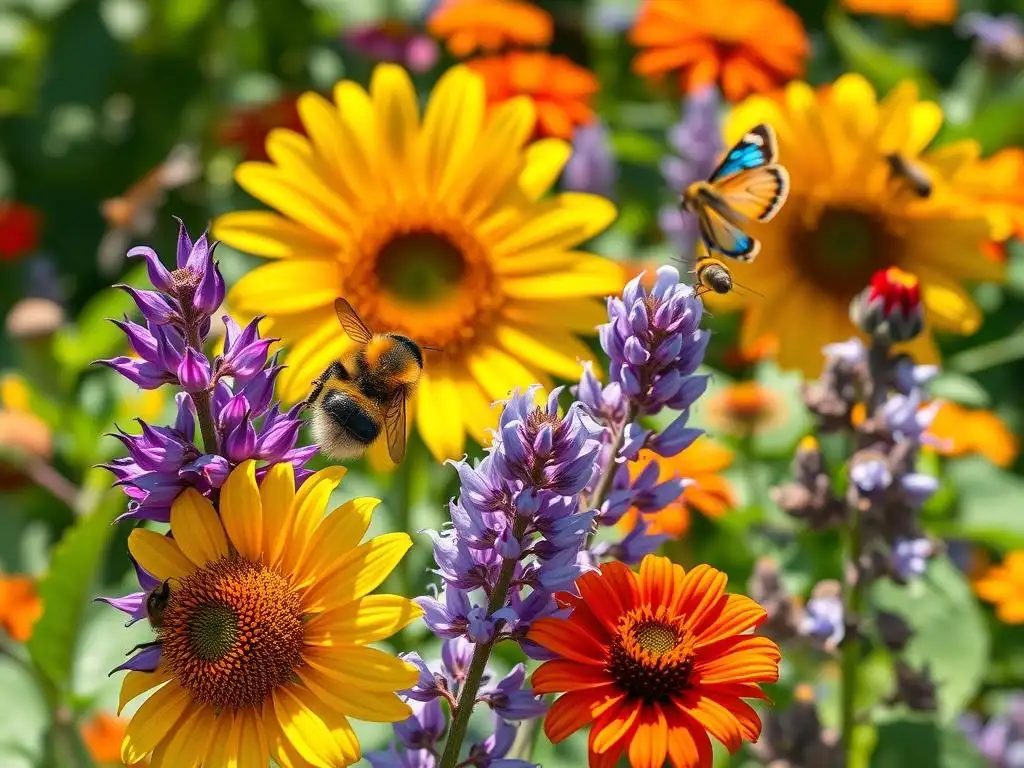
Welcome to CultivateYourFood, your guide to a thriving, sustainable garden! Are you ready to unlock the secrets of a bountiful harvest? We delve into the fascinating world of organic gardening, and in this article, we explore the crucial role of pollinators in your garden's success. Discover how understanding the visual cues that attract these vital insects can dramatically improve your yields. Learn how to Attract Pollinators to your organic garden and witness the vibrant colors of nature working their magic. Let's cultivate a greener, more productive future, together!
- Understanding How to Attract Pollinators to Your Organic Garden
- Color Preferences of Different Pollinators
- Designing a Colorful, Pollinator-Friendly Organic Garden
- Beyond Color: Other Factors That Attract Pollinators
- Maintaining a Healthy Pollinator Ecosystem in Your Organic Garden
-
Frequently Asked Questions
- What colors attract pollinators to my organic garden?
- How can I attract pollinators using organic methods?
- What plants are best for attracting pollinators to my organic garden?
- When is the best time to plant flowers to attract pollinators?
- Are there any specific shapes or patterns of flowers that are more attractive to pollinators?
- Final Reflection: The Vibrant Future of Pollinator Partnerships
- Unlock the Secrets of Pollinator Attraction!
Understanding How to Attract Pollinators to Your Organic Garden
Attracting pollinators to your organic garden is crucial for a bountiful harvest. Pollinators, such as bees, butterflies, hummingbirds, and even some beetles, are essential for the reproduction of many fruits, vegetables, and herbs. Without them, yields would dramatically decrease, impacting both the quantity and quality of your homegrown produce.
This article delves into the fascinating world of pollinator attraction, focusing specifically on the visual cues that guide these vital creatures to your plants. We will explore how understanding these cues can significantly improve your gardening success, leading to a thriving and productive organic garden teeming with life. By implementing simple, sustainable practices, you can create a haven for pollinators, ensuring a healthy and abundant harvest year after year.
This translates to healthier plants, richer yields, and a more vibrant, biodiverse garden ecosystem – all contributing to a more sustainable and fulfilling gardening experience. Let's explore how the vibrant colors of your garden play a critical role in attracting these essential helpers.
The Importance of Pollinator Attraction for Fruit and Vegetable Production
The role of pollinators in food production cannot be overstated. Many of our favorite fruits and vegetables rely heavily on pollination for fruit set and seed production. Consider the humble tomato: without the diligent work of bumblebees and other pollinators buzzing from flower to flower, you'd be left with significantly fewer, smaller, and less flavorful tomatoes. Similarly, the vibrant colors and sweet nectar of berries attract a variety of pollinators, directly influencing the size and quality of your harvest. Even vegetables like squash and cucumbers, while capable of self-pollination, benefit significantly from cross-pollination facilitated by pollinators, resulting in healthier plants and increased yields. A robust pollinator population translates directly to a more productive and fruitful garden, showcasing the vital link between biodiversity and successful organic gardening. Studies have shown that gardens with diverse pollinator populations experience up to a 40% increase in yield compared to those lacking sufficient pollinator activity. This underscores the importance of actively attracting and supporting these beneficial insects and animals. The absence of pollinators can lead to poor fruit set, smaller fruits, and overall reduced yields, highlighting the critical role they play in the success of your organic garden.
Visual Cues: The Key to Successful Pollinator Attraction
Pollinators are attracted to a variety of visual cues. Color is a dominant factor. Bright colors like yellow, blue, purple, and white are particularly attractive to many pollinators. The shape and size of the flower also play a role; flat, open flowers are easier for bees to access than tubular ones, while butterflies are often drawn to flowers with landing platforms.
The arrangement of flowers in the garden is also important; creating clusters of similar flowers can create a visually appealing and irresistible buffet for pollinators. Furthermore, the presence of nectar guides, often stripes or markings within the flower that lead to the nectar source, can significantly improve pollinator attraction. These visual guides help pollinators quickly locate the nectar reward, increasing the efficiency of their pollination efforts. Consider planting a variety of plants with different flower shapes, sizes, and colors to attract a wider range of pollinators.
A diverse garden offers a diverse menu, ensuring a healthy and active pollinator community. The strategic use of visual cues, therefore, is a key element in attracting and supporting pollinators in your organic garden, contributing to a more abundant and sustainable harvest. Think of your garden as a vibrant, colorful feast designed to attract these essential helpers.
Color Preferences of Different Pollinators
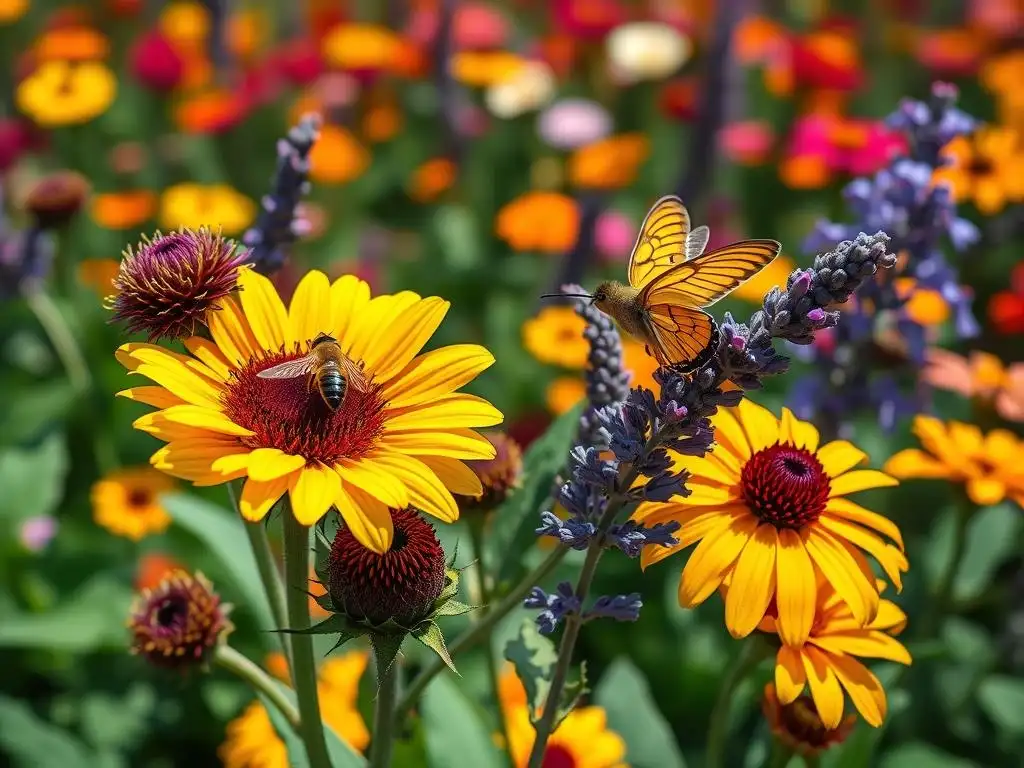
Understanding pollinator color preferences is crucial for attracting these beneficial insects and birds to your organic garden. Different pollinators are visually drawn to different colors, making a diverse planting palette essential for maximizing pollination success. This section delves into the color preferences of key pollinators, providing practical advice for attracting them to your homegrown fruits, vegetables, and herbs. Optimizing your garden's color scheme is a key strategy for boosting yields through natural, sustainable pollination. Remember, attracting pollinators is vital for an organic garden's success, and understanding their visual preferences is the first step.
Bees and Their Preferred Flower Colors for Organic Gardening
Bees, essential pollinators for a thriving organic garden, exhibit a strong preference for certain colors. While they can see a wider range of colors than humans, including ultraviolet light, their visual acuity is most sensitive to blue, purple, violet, and yellow hues. These colors are often associated with high nectar and pollen rewards.
Consider planting these bee-attracting flowers in your organic garden:
- Lavender: Known for its vibrant purple blooms, it's a magnet for various bee species.
- Borage: Its striking blue flowers are rich in nectar and pollen, making it a favorite amongst bees.
- Sunflower: Although yellow, sunflowers offer a large surface area and ample pollen, attracting numerous bees.
- Calendula: These sunny yellow and orange flowers provide pollen and nectar, and are visually appealing to bees.
A diverse array of these colors in your garden ensures a steady stream of bee visitors throughout the growing season. The quantity and quality of pollen and nectar also play a significant role, so providing a variety of flowering plants ensures consistent attraction. Remember, healthy bee populations are fundamental to successful organic gardening. Providing a water source nearby also significantly improves bee attraction and overall well-being.
Butterflies and the Colors That Attract Them to Your Garden
Butterflies, with their exquisite beauty, are also crucial pollinators. Unlike bees, butterflies are more attracted to brighter, bolder colors. Red, orange, pink, and yellow are particularly effective in attracting these fluttering beauties. They are also drawn to flowers with flat, open blooms that allow easy access to nectar.
Here are some butterfly-friendly plant choices for your organic garden:
- Zinnia: These come in a wide array of vibrant colors, including red, orange, and yellow, making them highly attractive to butterflies.
- Milkweed: Essential for monarch butterfly larvae, milkweed also attracts adult butterflies with its pinkish-purple flowers.
- Butterfly Bush: True to its name, this shrub boasts a profusion of colorful flowers, attracting a variety of butterfly species.
- Coneflower: The purple coneflowers are particularly popular with butterflies, offering both nectar and a place to land.
Planting a mix of these colors, along with providing a source of water and shelter (like a sunny rock or a small shallow dish of water with pebbles), will significantly increase your chances of attracting a wide array of butterflies to your organic garden. Remember, butterfly gardens require sunny locations and plenty of space for these pollinators to freely fly and feed.
Hummingbirds, Moths, and Their Color Preferences
While less common than bees and butterflies, hummingbirds and moths also contribute significantly to pollination in an organic garden. Hummingbirds are drawn to bright, tubular flowers in shades of red, orange, and pink, while moths are often attracted to white, pale yellow, and light-colored flowers that are fragrant at night.
Let's consider these pollinator preferences:
| Pollinator | Preferred Colors | Flower Types | Additional Considerations |
|---|---|---|---|
| Hummingbirds | Red, Orange, Pink | Tubular flowers, long and slender | Provide a shallow water source |
| Moths | White, Pale Yellow, Light | Fragrant flowers, open at night | Plant in areas with minimal wind and light pollution |
Creating a nighttime garden with fragrant, light-colored flowers will attract moths, while incorporating vibrant red and orange flowers will attract hummingbirds. Remember that providing a diverse range of colors and flower types will attract the widest variety of pollinators to your organic garden, ensuring a healthy and productive ecosystem. Careful consideration of these visual cues will enhance the effectiveness of your organic gardening strategies.
Designing a Colorful, Pollinator-Friendly Organic Garden
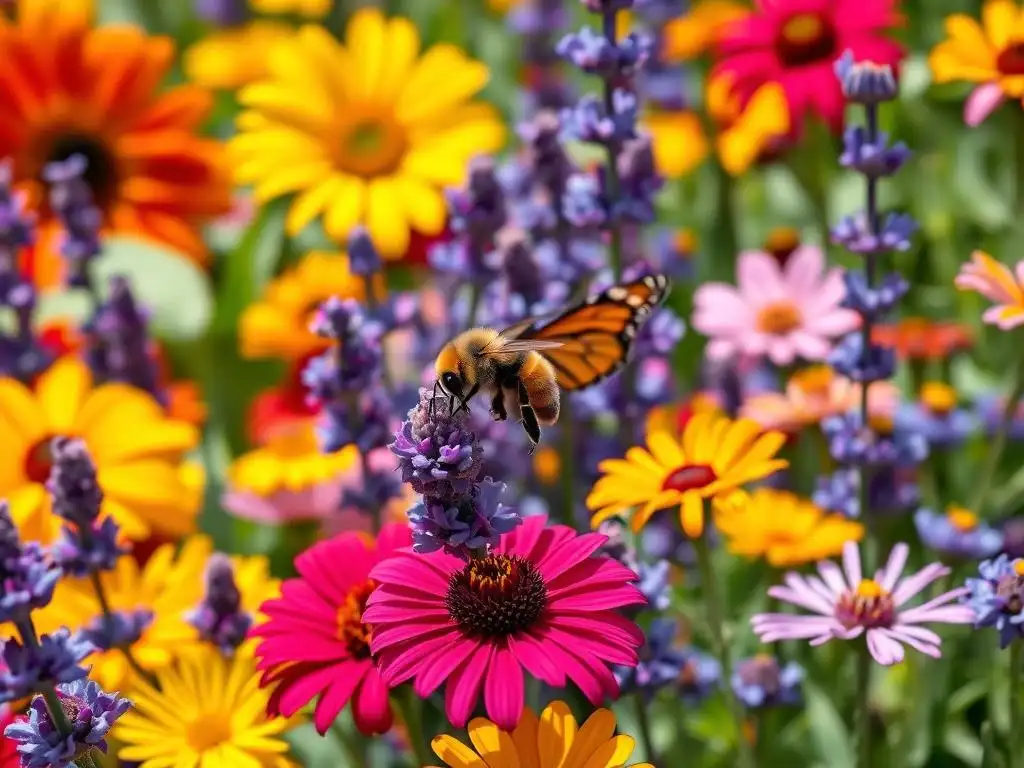
Attracting pollinators to your organic garden is crucial for successful cultivation. A vibrant, colorful garden isn't just aesthetically pleasing; it's a strategic approach to boosting pollination rates and yields. Pollinators, like bees, butterflies, and hummingbirds, rely heavily on visual cues to locate nectar and pollen sources.
By strategically incorporating plants with diverse and appealing colors, you can create a haven that significantly increases your chances of attracting and retaining these beneficial insects and birds. This translates directly to healthier plants and a more abundant harvest in your organic gardening efforts. Remember, attracting pollinators to your organic garden isn't just about aesthetics; it’s about supporting a healthy ecosystem that directly benefits your crops.
Choosing the Right Plants: Color Combinations for Maximum Pollinator Attraction
The spectrum of colors you choose for your organic garden plays a vital role in attracting a wide range of pollinators. Different pollinators exhibit preferences for specific colors. For example, bees are strongly drawn to blue, purple, violet, and yellow flowers, while butterflies often favor red, orange, pink, and purple. Hummingbirds, with their excellent vision, are particularly attracted to red, orange, and pink hues.
To maximize your pollinator attraction, consider planting a diverse range of flowering plants exhibiting these colors. Think of creating color "blocks" or swathes of similar colors to create strong visual signals. For instance, a large patch of lavender (purple) alongside a grouping of sunflowers (yellow) can be incredibly effective.
Here's a sample color palette and some plant suggestions to attract pollinators to your organic garden:
| Color | Plant Suggestions | Pollinator Attracted | Notes |
|---|---|---|---|
| Blue/Purple | Lavender, Salvia, Borage, Catmint | Bees, Butterflies | These colors are highly visible to many pollinators. |
| Yellow | Sunflowers, Goldenrod, Dandelions | Bees, Butterflies, Wasps | Bright yellow is a powerful attractant for numerous pollinators. |
| Red/Orange | Bee Balm, Zinnias, Crocosmia | Hummingbirds, Butterflies | Red is a particularly effective color for attracting hummingbirds. |
| Pink/White | Coneflowers, Dianthus, Yarrow | Bees, Butterflies, Moths | White flowers are often fragrant and attractive at night to moths. |
Remember to choose organically grown plant varieties and avoid using pesticides, which can harm pollinators. Diversity is key—the more colorful and varied your planting scheme, the more likely you are to attract a broader range of beneficial insects and birds.
Creating Visual Pathways for Pollinators in Your Garden Design
The layout of your garden significantly impacts pollinator navigation. Instead of randomly scattering plants, consider creating visual pathways to guide pollinators through your planting areas. This increases the likelihood of successful pollination and reduces the time and energy pollinators spend searching for food.
Think about using strategically placed taller plants to act as “signposts” or landmarks. These can guide pollinators from one area of the garden to another. For example, you might place a few taller sunflowers amongst shorter, colorful flowers to create a visually appealing and easy-to-follow route.
Another effective strategy is to create "drifts" of color – planting similar colored flowers in sweeping curves or lines. This creates a visually appealing and easy-to-follow path for pollinators. Avoid creating isolated pockets of flowers. Clustering plants improves the effectiveness of their visual signals. Planting in blocks or strips rather than scattered individuals helps pollinators locate your beautiful, and productive, organic garden.
Using Color to Enhance Pollinator Habitats in Your Organic Garden
Beyond the visual appeal, color choices can enhance overall pollinator habitats within your organic garden. Providing a variety of colors caters to the diverse preferences of different pollinator species, creating a richer and more resilient ecosystem. Consider these additional points:
- Nesting Sites: Include plants that provide shelter and nesting sites for pollinators. For example, planting native shrubs or leaving patches of undisturbed ground provides essential habitat.
- Food Sources: Don't focus solely on flowers; incorporate plants that provide pollen and nectar throughout the growing season. This ensures a continuous food supply for pollinators.
- Water Sources: Provide a shallow dish of water with pebbles for pollinators to drink from, especially during dry periods. This simple addition can significantly increase the attractiveness of your organic garden.
By thoughtfully integrating color into your organic garden design, you are not only creating a beautiful space but also actively contributing to a thriving pollinator population, ensuring a bountiful harvest year after year. Remember, a thriving ecosystem is the foundation of successful organic gardening.
Beyond Color: Other Factors That Attract Pollinators
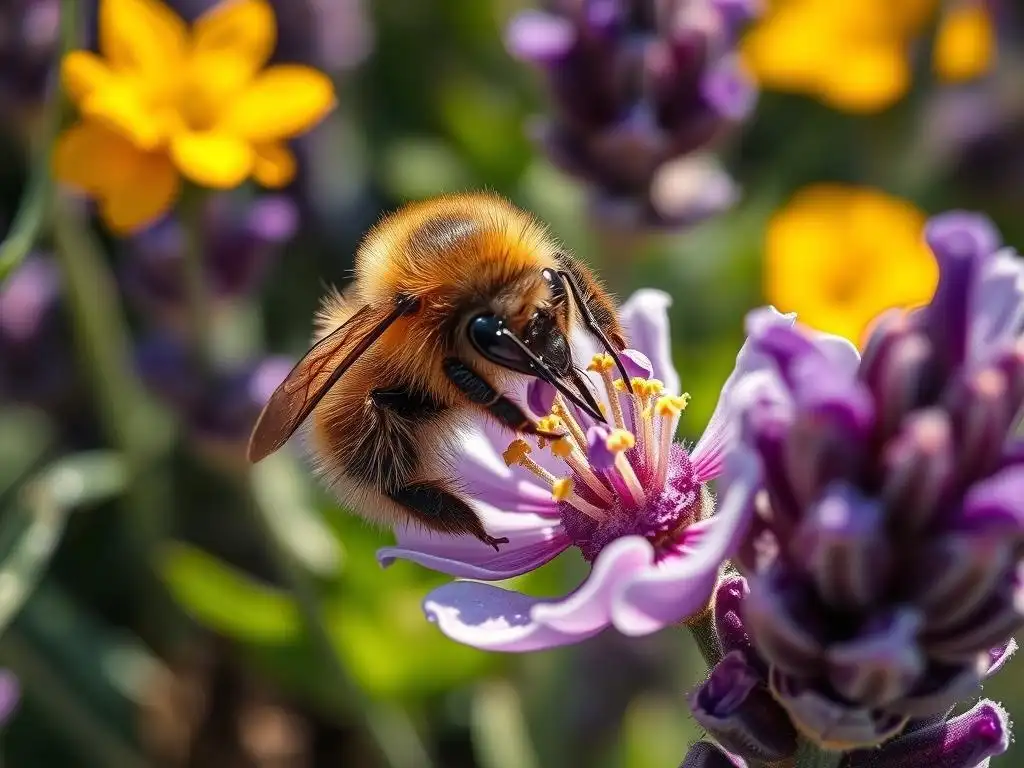
While color plays a significant role in attracting pollinators to your organic garden, it's crucial to understand that it's not the only factor influencing their visitation. A multifaceted approach, incorporating several attractive features, will significantly boost pollinator activity and improve the yield of your fruits, vegetables, and herbs. Think of it like creating a five-star hotel for your beneficial insect guests – they'll be more likely to stay and contribute to your garden's success. Attracting pollinators to your organic garden involves a more holistic strategy than just planting colorful flowers.
The Role of Scent in Pollinator Attraction
Scent, or fragrance, is a powerful attractant for many pollinators, especially bees and moths. Different pollinators are attracted to different scents. For example, many bees are drawn to sweet, floral fragrances, while some moths prefer stronger, more musky aromas. Consider planting a diverse range of aromatic plants to appeal to a broader spectrum of pollinators.
The intensity and type of scent emitted also vary throughout the day, influencing when pollinators are most active. For example, night-blooming jasmine, with its strong, sweet fragrance, primarily attracts nocturnal pollinators like moths. This contrasts with daytime flowering plants that rely on visual cues and other scents to attract bees and butterflies.
The composition of the scent itself is complex, often involving a blend of volatile organic compounds. These compounds can act as olfactory signals, guiding pollinators towards the nectar and pollen rewards. Understanding the specific scent preferences of your target pollinator species can help you strategically select plants for your organic garden to maximize their attraction. Researching the specific scent profiles of plants known to attract pollinators in your region is crucial for creating an effective, fragrant haven for them.
Providing Food Sources: Nectar and Pollen Rich Plants for Your Organic Garden
Providing ample food sources is paramount for attracting and sustaining a healthy pollinator population in your organic garden. Nectar and pollen are essential nutrients for pollinators, fueling their energy needs and supporting their reproductive cycles. To attract pollinators, ensure a continuous supply of these resources throughout the growing season. This means selecting plants with staggered bloom times, ensuring there's always something in flower. Consider a diverse range of plant species to cater to the varied dietary needs of different pollinators.
Here's a sample table of plants that provide excellent nectar and pollen sources, categorized for easier planning:
| Plant Type | Example Plants | Bloom Time | Pollinator Attracted |
|---|---|---|---|
| Early Spring | Crocus, Snowdrops, Willow | Early Spring | Bees, Butterflies |
| Mid Spring | Fruit Trees (Apple, Cherry), Dandelions | Mid Spring | Bees, Butterflies, Flies |
| Summer | Lavender, Borage, Sunflower | Summer | Bees, Butterflies, Hoverflies |
| Late Summer/Fall | Goldenrod, Aster, Sedum | Late Summer/Fall | Bees, Butterflies |
Remember that monoculture plantings (a single species over a large area) are less effective than diverse plantings for attracting a variety of pollinators. A diverse planting scheme provides more options for pollinators, ensuring a consistent food supply. This diversity also promotes a healthier ecosystem within your organic garden.
Shelter and Habitat Creation for Pollinators
Beyond food, pollinators require safe havens to rest, reproduce, and overwinter. Creating suitable shelter within your organic garden is crucial for attracting and supporting pollinator populations. This involves providing nesting sites, protection from predators, and overwintering habitats.
Consider these actions to enhance pollinator habitat in your organic garden:
- Leave some areas unkempt: Allowing some areas of your garden to grow wild provides essential nesting sites and shelter for many pollinators. Dead stems and leaf litter offer crucial overwintering habitat.
- Build insect hotels: These structures provide nesting sites for solitary bees and other beneficial insects. They can be as simple as bundles of hollow stems or more elaborate structures with various compartments.
- Plant native species: Native plants are often better suited to local pollinator species, offering familiar food and nesting sites. They are also usually more resistant to local pests and diseases, reducing the need for pesticides.
- Avoid pesticides: Pesticides, even those labeled as "organic," can harm pollinators. Employ integrated pest management (IPM) strategies to minimize pest damage without harming beneficial insects. This includes encouraging natural predators and using physical barriers where appropriate. Protecting pollinators should be a priority in any organic gardening strategy.
By implementing these strategies, you'll create a thriving habitat that attracts a diverse range of pollinators, leading to a more productive and vibrant organic garden. Remember, attracting pollinators is a long-term commitment, and consistent effort will yield the best results. The health of your garden is directly tied to the health of its pollinator community.
Maintaining a Healthy Pollinator Ecosystem in Your Organic Garden
Attracting pollinators to your organic garden is crucial for a bountiful harvest. A healthy pollinator ecosystem relies on more than just pretty flowers; it requires a holistic approach focused on providing essential resources and creating a safe haven for these beneficial insects and animals. Let's explore key strategies for cultivating a thriving pollinator habitat within your organic growing space. Remember, a diverse and robust pollinator population directly translates to increased yields and healthier plants. This means actively working towards an "Attract pollinators organic garden" strategy.
Avoiding Pesticides and Harmful Chemicals
The most significant step in fostering a healthy pollinator population is eliminating the use of synthetic pesticides and herbicides. These chemicals are incredibly harmful to pollinators, often leading to direct mortality or sublethal effects that impair their foraging abilities and reproductive success. Even seemingly benign insecticides can have devastating consequences on beneficial insects, disrupting the delicate balance of your garden ecosystem.
Consider this: a single application of a broad-spectrum insecticide can wipe out not only target pests but also a significant portion of your beneficial pollinator community. This can drastically reduce fruit and vegetable production in the following seasons. Instead of relying on chemical controls, embrace integrated pest management (IPM) strategies that prioritize prevention and natural pest control methods. This might include companion planting, introducing beneficial insects like ladybugs, or using organic methods like neem oil or insecticidal soap. These alternatives pose significantly less risk to pollinators while effectively managing pest populations.
Providing Water Sources for Pollinators
Access to clean water is paramount for pollinator survival, especially during hot and dry periods. Dehydration is a major threat, particularly for smaller insects like bees. Providing a shallow water source in your garden can make a significant difference in supporting your pollinator community.
You can create a simple, pollinator-friendly water source by placing a shallow dish or birdbath filled with water and pebbles. The pebbles provide landing platforms, preventing pollinators from drowning. Regularly replenish the water, ensuring it remains clean and fresh. Consider adding a few drops of diluted honey or sugar water to provide additional energy, especially during periods of nectar scarcity. The addition of a small, damp sponge can also help smaller insects access water more easily. Remember, consistent access to water is key to maintaining a thriving pollinator population.
Supporting Pollinator Biodiversity in Your Garden
A diverse range of plant species is essential for supporting a diverse range of pollinators. Different pollinators have different preferences regarding flower shape, size, color, and nectar composition. Therefore, planting a variety of flowering plants, including native species, is crucial for attracting a wide spectrum of pollinators throughout the growing season.
Think about creating a "pollinator buffet" by incorporating plants that bloom at different times of the year, ensuring a continuous supply of nectar and pollen. Include plants with different flower shapes and colors to cater to the diverse preferences of different pollinator species. For example, consider including plants such as lavender, coneflowers, sunflowers, and bee balm.
These plants are known to attract a wide variety of pollinators, contributing to a vibrant and healthy pollinator ecosystem in your organic garden. Remember, a diverse garden attracts a diverse range of pollinators, leading to healthier plants and a more bountiful harvest. This directly contributes to your "Attract pollinators organic garden" objectives.
Frequently Asked Questions
What colors attract pollinators to my organic garden?
Pollinators are drawn to a variety of colors, but bright hues like yellow, purple, blue, and white are particularly effective. Consider planting a diverse range of flowers in these colors to maximize pollinator visits. Red is less attractive to many pollinators, but hummingbirds are an exception.
How can I attract pollinators using organic methods?
Avoid using pesticides which harm pollinators. Instead, focus on providing diverse flowering plants, a water source, and nesting habitat. These natural attractants will support a healthy pollinator population.
What plants are best for attracting pollinators to my organic garden?
Many plants attract pollinators! Good choices include lavender, sunflowers, borage, and mint. Choose a variety of plants that bloom at different times throughout the growing season for continuous attraction.
When is the best time to plant flowers to attract pollinators?
The best time to plant is in spring and early summer to coincide with the peak activity of many pollinators. However, you can also plant some fall-blooming species to extend the season and provide late-season food sources.
Are there any specific shapes or patterns of flowers that are more attractive to pollinators?
Yes, flat-topped or clustered flowers are often easier for pollinators to access. Flowers with landing platforms are also beneficial, as they provide a stable surface for bees and other insects to land on.
Final Reflection: The Vibrant Future of Pollinator Partnerships
The intricate dance between flower and pollinator, driven by the subtle yet powerful language of color, is more crucial than ever in our rapidly changing world. Understanding this visual communication is not just a fascinating biological study; it's a vital key to securing the future of our food systems and ecosystems. The decline in pollinator populations poses a significant threat, and embracing the principles of attracting pollinators through thoughtful garden design is an urgent necessity.
Witnessing the delicate interaction between a bee and a vibrant sunflower, or a butterfly sipping nectar from a brightly colored zinnia, underscores the profound interconnectedness of life. These seemingly simple acts are fundamental to the health of our planet. We do not inherit the earth from our ancestors, we borrow it from our children.
This quote, often attributed to Native American proverb, encapsulates the responsibility we bear in protecting the pollinators that sustain us. Our actions today, from the colors we choose in our gardens to the pesticides we avoid, directly impact the future of these essential creatures.
Now, consider your own garden, balcony, or even a single window box. What colors are you inviting into your space? What plants are you choosing to cultivate? You have the power to become an active participant in the solution. By consciously planting a diverse range of colorful, pollinator-friendly flowers, you are not simply beautifying your surroundings; you are contributing to a healthier, more vibrant ecosystem. Let the colors of pollination inspire you to create a haven for these vital creatures, ensuring a bountiful future for generations to come.
Unlock the Secrets of Pollinator Attraction!
Thanks for exploring the fascinating world of pollination! You've gained valuable insights into how flower colors attract pollinators. Ready to put this knowledge to use?
- Design a pollinator-friendly garden: Choose a vibrant array of flowers known to attract bees, butterflies, and hummingbirds. Plant a succession of blooms to provide a continuous food source throughout the growing season.
- Share your knowledge: Tell your friends and family about the importance of supporting pollinators by planting colorful flowers. Encourage them to add a few pollinator-friendly plants to their gardens.
- Learn more: Research the specific color preferences of your favorite pollinators and tailor your garden accordingly. Experiment with unexpected color combinations to see what works best!
What creative ways will you attract pollinators to your garden this year using color?