
Common Mistakes to Avoid in Plant Propagation: A Beginner's Guide

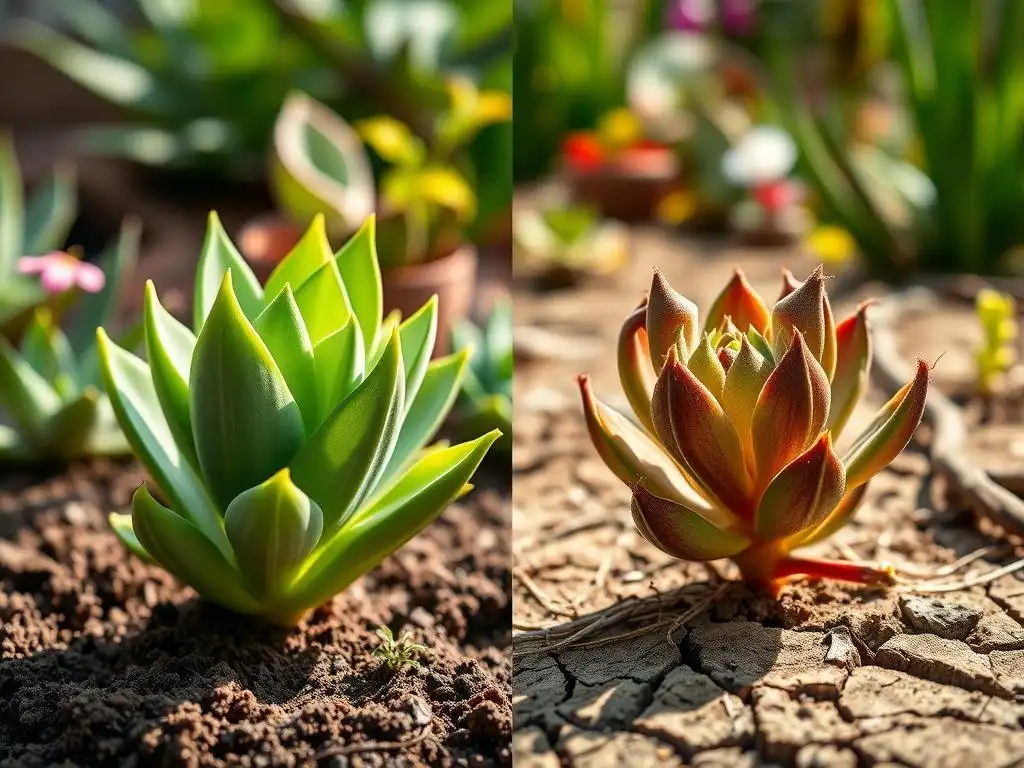
Welcome to CultivateYourFood, your guide to a thriving, sustainable garden! Are you ready to unlock the secrets to abundant harvests? We know that starting your own plants can be challenging, so we've compiled expert advice to help you avoid plant propagation mistakes. Discover the science behind successful gardening and learn how to cultivate your own fruits, vegetables, and herbs—naturally. Dive into "The Science of Gardening" section and begin your journey towards a bountiful, homegrown paradise.
- Understanding Common Plant Propagation Challenges for Beginners
- Essential Tips to Prevent Propagation Failures
- Troubleshooting Common Plant Propagation Problems
- Advanced Techniques to Improve Propagation Success Rates
- Harvesting and Transplanting Successfully Propagated Plants
- Frequently Asked Questions
- Final Reflection: Cultivating Success: Beyond the Mistakes
- Unleash Your Inner Gardener: Propagate with Confidence!
Understanding Common Plant Propagation Challenges for Beginners
Beginning your journey into the rewarding world of plant propagation can be incredibly exciting, but it's also crucial to understand the common pitfalls that even experienced gardeners encounter. This beginner's guide focuses on identifying and avoiding mistakes in seed starting, cutting propagation, layering, and division – four fundamental methods crucial for successful plant multiplication using sustainable and organic practices. Mastering these techniques will significantly increase your chances of success, leading to a thriving home garden bursting with fruits, vegetables, and herbs.
By understanding the nuances of each method and proactively addressing potential problems, you’ll cultivate a deeper appreciation for the delicate processes involved in plant life and significantly improve your gardening outcomes. This guide will equip you with the knowledge necessary to avoid frustration and maximize your success in propagating your favorite plants, helping you to truly cultivate your food.
Identifying Potential Pitfalls in Seed Starting
Seed starting, while seemingly straightforward, presents several opportunities for error. One common mistake is using old or improperly stored seeds. Seed viability decreases over time, and improper storage (exposure to moisture, heat, or light) can drastically reduce germination rates. Always check the seed packet for expiration dates and store seeds in cool, dry, dark places. Another frequent issue is inconsistent moisture levels. Seeds need consistent moisture to germinate, but overwatering can lead to fungal diseases and rotting. Properly draining seed-starting mix is crucial, and careful monitoring of moisture levels is essential.
Furthermore, inadequate light is a major factor in seed-starting failure. Seedlings require sufficient light for healthy growth. Insufficient light leads to etiolation (leggy growth) and weak, susceptible seedlings. Supplementing with grow lights, especially during the darker months, is often necessary. Finally, improper sowing depth is a prevalent mistake.
Seeds need to be planted at the correct depth for optimal germination. Planting too deep can prevent seedlings from emerging, while planting too shallow can expose them to desiccation. Always refer to the seed packet for recommended sowing depth. Careful attention to detail in these areas will significantly increase your success rate in seed starting. 🌱
Avoiding Mistakes in Cutting Propagation Techniques
Successfully propagating plants from cuttings requires precision and attention to detail. One common error is using unsuitable cuttings. Not all plant types are easily propagated from cuttings. Some plants root easily, while others are more challenging. Understanding which plants are suitable for cutting propagation is essential. Additionally, improper sanitation is a critical issue. Contamination with bacteria or fungi can quickly lead to rotting and the failure of the cutting to root. Using sterilized tools and a clean propagation medium is crucial.
Another frequently overlooked aspect is the importance of hormone rooting powder. While not always strictly necessary, rooting hormones significantly increase the success rate, especially for difficult-to-root species. The application of the hormone should be done correctly, following the instructions on the product packaging precisely. Finally, insufficient humidity is a common problem. Cuttings need high humidity to prevent desiccation, and providing a humid environment, such as using a humidity dome or regularly misting, will dramatically improve your success rates. Remember, patience is key; rooting takes time and consistent care.
Recognizing Issues in Layering and Division Methods
Layering and division are effective propagation methods for certain plants, but errors can easily occur. In layering, improper preparation of the stem or branch can hinder root development. The wound made on the stem needs to be correctly positioned and treated to encourage root formation. Furthermore, inadequate soil moisture can prevent the formation of roots in layering.
The soil around the layered stem must remain consistently moist to support root growth. Similarly, in division, improper handling of the plant's root system can damage the plant and reduce the chances of successful propagation. Dividing a plant too aggressively can lead to stress and death of the plant.
Another crucial factor in both layering and division is the timing. These methods are typically most successful when performed during the plant's active growing season, usually spring or early summer. Performing these operations at the wrong time of year can severely reduce the chances of success. Finally, ensuring the divided sections have sufficient roots and shoots is essential for successful establishment. Plants that lack adequate root systems or sufficient shoot growth are less likely to survive and thrive after division. Careful consideration of these factors will greatly improve your success with layering and division methods.
Essential Tips to Prevent Propagation Failures
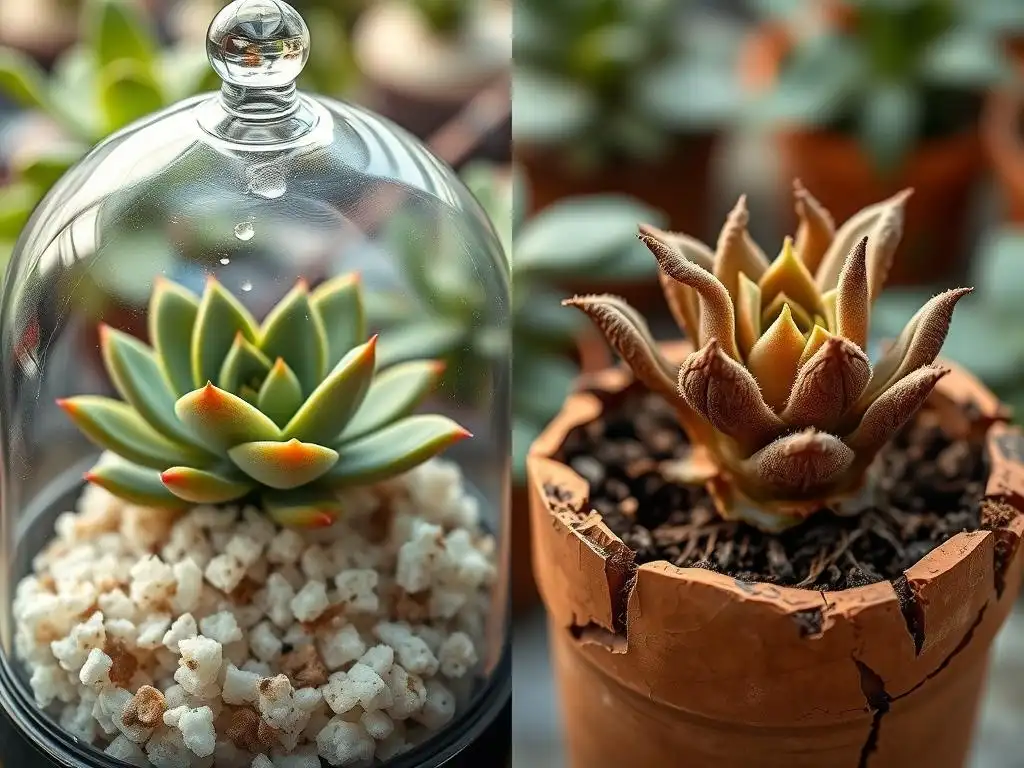
This section delves into crucial aspects of plant propagation, focusing on common pitfalls and offering practical solutions to maximize your success rate. Avoiding these mistakes will significantly improve your chances of cultivating healthy and thriving plants from cuttings, seeds, or divisions. Successfully propagating plants requires attention to detail and a thorough understanding of the specific needs of each species. Let's explore some key areas where beginners often stumble.
Selecting Healthy Parent Plants for Successful Propagation
The foundation of successful plant propagation lies in selecting robust and disease-free parent plants. Using unhealthy source material is a recipe for disaster; you'll essentially be propagating the weaknesses and vulnerabilities of the parent plant. Think of it like this: if the parent plant is struggling, its offspring will likely inherit those struggles.
Several factors contribute to selecting a healthy parent plant. Firstly, vigor is paramount. Choose plants that exhibit strong growth, abundant foliage, and an overall healthy appearance. Avoid plants that show signs of stress, disease, or pest infestation. Look for vibrant green leaves, free from discoloration, spots, or unusual growths.
Secondly, consider the age of the parent plant. While the optimal age varies depending on the plant species, generally, mature but not overly aged plants are ideal. Too young, and the plant may not have the energy reserves for successful propagation. Too old, and it may be weakened and susceptible to disease. For example, when propagating roses from cuttings, a mature, healthy rose bush that is a few years old usually produces the best results.
Finally, environmental conditions play a significant role. Ensure the parent plant has been grown under optimal conditions, receiving adequate sunlight, water, and nutrients. A plant struggling under poor conditions will not provide healthy propagules. This translates directly to weaker offspring with a reduced chance of survival.
Choosing the Right Propagation Medium for Your Plants
The propagation medium plays a crucial role in providing the right environment for root development. The ideal medium should be well-draining, retain some moisture, and be free of diseases and pests. A poorly chosen medium can lead to root rot, fungal infections, or nutrient deficiencies, hindering the plant's ability to establish itself.
Several options exist, each with its own advantages and disadvantages. Popular choices include:
- Seed Starting Mix: A lightweight, sterile mix specifically formulated for seeds and seedlings. It provides excellent drainage and aeration, crucial for young roots.
- Coco Coir: A sustainable alternative derived from coconut husks. It's highly absorbent, retains moisture well, and offers good aeration.
- Perlite: An inorganic material that improves drainage and aeration in heavier mixes. It's often added to seed starting mixes or potting soil to enhance their structure.
- Vermiculite: Another inorganic material that retains moisture and provides nutrients. It's often used in combination with other mediums.
The best choice depends on the specific plant you're propagating. For example, succulents often thrive in a well-draining mix of perlite and sand, while leafy greens might prefer a richer, moisture-retentive mix. Understanding the needs of your plant is crucial for selecting the appropriate medium. Experimentation and observation are key to finding what works best for your specific situation.
Mastering the Art of Watering for Optimal Root Development
Proper watering is arguably the most critical aspect of successful plant propagation. Too much water leads to root rot, while too little results in dehydration and wilting. Finding the delicate balance is crucial for establishing healthy root systems.
The key is to maintain consistently moist, but not soggy, conditions. The medium should feel damp to the touch, but not waterlogged. Overwatering is a far more common mistake than underwatering, particularly for beginners. Always allow the top inch or two of the medium to dry out slightly between waterings.
The frequency of watering depends on several factors, including the type of propagation medium, the ambient temperature, and the humidity levels. Warmer temperatures and lower humidity will lead to faster evaporation, requiring more frequent watering. Pay close attention to the signs of your plants – wilting leaves indicate a need for water, while overly saturated medium suggests overwatering.
Consider using a bottom-watering technique to avoid overwatering. Place the propagation tray in a shallow dish of water, allowing the medium to absorb moisture from the bottom up. This method prevents the medium from becoming overly saturated and reduces the risk of root rot. Regularly monitor your plants for signs of stress and adjust your watering schedule accordingly. Proper watering is a cornerstone of successful plant propagation, ensuring healthy root development and ultimately thriving plants.
Providing Adequate Light and Temperature for Seedlings and Cuttings
Light and temperature are critical factors influencing the success of plant propagation. Seedlings and cuttings require specific conditions to thrive, and neglecting these needs often leads to propagation failure. Insufficient light results in weak, leggy growth, making the plants susceptible to diseases and hindering their overall development. Conversely, excessive light can scorch delicate leaves and inhibit growth.
The ideal light intensity and duration vary depending on the plant species; some prefer partial shade, while others need full sun. Researching the specific light requirements of your chosen plant is crucial for optimal growth. For instance, succulents generally prefer bright, indirect light, while leafy greens often benefit from slightly lower light intensity.
Using grow lights can be beneficial, particularly during the shorter days of winter or when propagating indoors. These lights provide supplemental illumination, simulating natural sunlight and ensuring adequate light exposure for successful propagation. Remember to adjust the distance between the light source and the plants to avoid burning the leaves.
Temperature plays a similarly crucial role. Most seedlings and cuttings germinate and root best within a specific temperature range. Fluctuations in temperature can disrupt growth and even kill the young plants. Maintaining a consistent temperature is essential, especially during the initial stages of propagation. Using a propagation mat or placing the propagation tray in a warm location can help maintain optimal temperatures. However, it's equally important to avoid overheating. Excessive heat can dehydrate the plants and damage their tissues. Monitoring the temperature regularly and making adjustments as needed is key to avoiding propagation failures. For example, a warm, humid environment might be ideal for tropical plants, while cooler temperatures might be more suitable for hardy varieties. Precise temperature requirements will vary significantly depending on the species. Always consult reliable sources for species-specific details. Careful observation of the plants themselves is also crucial; wilting or discoloration can indicate inappropriate temperature conditions.
Troubleshooting Common Plant Propagation Problems
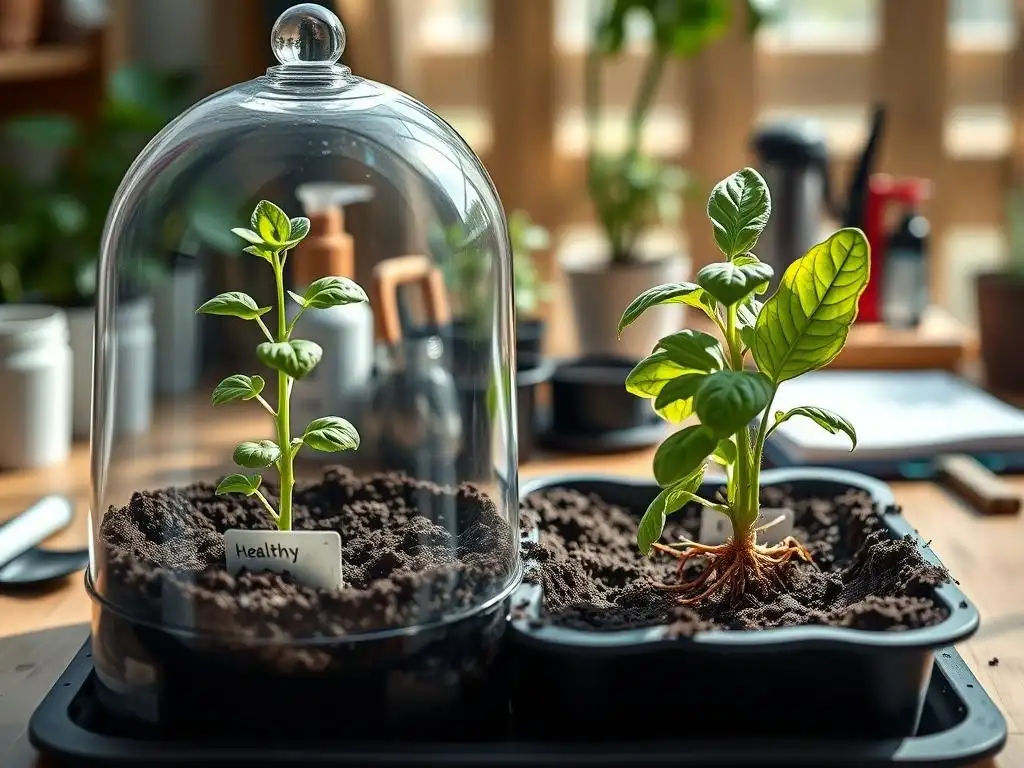
This section delves into the most frequent issues encountered during plant propagation, offering practical solutions to help you achieve higher success rates. Avoiding these common pitfalls is crucial for maximizing your yield and minimizing frustration. Successfully avoiding plant propagation mistakes hinges on careful observation and proactive intervention.
Dealing with Damping-Off Disease in Seedlings
Damping-off, a devastating fungal disease, is a common nemesis for novice propagators. It attacks young seedlings at the soil line, causing them to wilt and collapse. Several factors contribute to its development, including overly wet soil, poor air circulation, and overcrowded seed trays. The telltale signs are wilting seedlings with a soft, dark brown stem at the soil surface. Sometimes, the seedlings simply topple over.
To avoid damping-off, prioritize preventative measures:
- Sterilize your growing medium: Use a commercial seed-starting mix or sterilize your own potting soil by baking it in the oven at 180°C (350°F) for at least 30 minutes. This kills fungal spores and bacteria.
- Ensure proper drainage: Use containers with drainage holes to prevent waterlogging. Avoid overwatering; allow the soil to dry slightly between waterings.
- Maintain good air circulation: Avoid overcrowding seedlings; provide ample space between them for airflow. A well-ventilated area is crucial.
- Use a fungicide: As a preventative measure, you can treat your seed starting mix with a copper-based fungicide or other appropriate organic fungicide, following label instructions carefully. This is especially important if you're reusing containers or soil.
- Avoid overhead watering: Water at the base of the plants to keep the foliage dry. Wet leaves create a breeding ground for fungi.
Early detection is key. If you notice signs of damping-off, immediately remove and discard the affected seedlings to prevent the disease from spreading. Consider using a systemic fungicide as a last resort, always adhering to the manufacturer's instructions. Remember that prevention is far more effective than cure when it comes to damping-off.
Preventing Root Rot in Cuttings and Divisions
Root rot, caused by various soilborne fungi and bacteria, is another significant obstacle in plant propagation. It occurs when the roots are constantly exposed to excessive moisture, leading to oxygen deprivation and decay. Symptoms include wilting, yellowing leaves, and a foul odor emanating from the soil. The roots themselves will appear mushy and brown.
Preventing root rot requires attention to several key aspects:
- Well-draining potting mix: Use a mix that's airy and well-draining. Avoid using heavy clay soils. Adding perlite or vermiculite can improve drainage and aeration.
- Proper watering techniques: Water thoroughly but infrequently, allowing the soil to dry somewhat between waterings. Avoid letting the roots sit in standing water. Check the moisture level before watering, using your finger to test the soil depth.
- Sterile propagation tools: Clean and sterilize your knives or shears before taking cuttings or dividing plants to prevent the spread of pathogens.
- Good airflow: Ensure adequate air circulation around the cuttings or divisions to prevent humidity buildup. A fan can help in humid environments.
- Avoid over fertilization: Excessive nitrogen can make plants more susceptible to root rot. Opt for balanced, slow-release fertilizers.
Careful selection of propagation materials also plays a role. Healthy, disease-free plant material is less likely to succumb to root rot.
Addressing Pests and Diseases Affecting Propagated Plants
Propagated plants, being young and often stressed, are particularly vulnerable to pests and diseases. Early detection and prompt action are crucial for successful propagation.
Here's a breakdown of common issues and solutions:
| Pest/Disease | Symptoms | Control Methods |
|---|---|---|
| Aphids | Small, sucking insects; leaf curling, yellowing | Insecticidal soap, neem oil, ladybugs |
| Whiteflies | Tiny white insects on undersides of leaves | Sticky traps, insecticidal soap, neem oil |
| Spider mites | Fine webbing on leaves; stippling, yellowing | Horticultural oil, miticides (use cautiously and follow label instructions) |
| Damping-off (fungus) | Wilting seedlings; brown, soft stems at soil line | Sterilize soil, improve drainage, fungicide (organic options available) |
| Powdery mildew | White powdery coating on leaves | Fungicide (sulfur or baking soda solutions are organic options), improve air circulation |
Remember to always identify the pest or disease accurately before applying any treatment. Organic control methods are often preferred for their environmental friendliness and safety. Regular inspection of your propagated plants is crucial for early detection and prevention of widespread infestation or disease. Using preventative measures, like proper sanitation and appropriate growing conditions, will significantly reduce your chances of encountering these issues. This proactive approach is key to avoiding plant propagation mistakes and nurturing healthy, thriving plants.
Overcoming Slow Growth or Lack of Root Development
Slow growth or a lack of root development in your plant propagations is a common frustration for beginners. Several factors can contribute to this issue, and addressing them requires careful observation and adjustment of your propagation techniques. One of the primary culprits is inadequate lighting. Plant cuttings, especially those taken from woody stemmed plants, require bright, indirect light to photosynthesize effectively and fuel root development.
Insufficient light leads to weak, leggy growth and inhibits root formation. Ensure your propagations receive at least six hours of indirect sunlight daily, or supplement with grow lights if necessary. Consider the placement of your propagation tray; a south-facing window might be ideal in the Northern Hemisphere, but be mindful of direct sun, which can scorch delicate leaves.
Another common reason for slow growth is improper watering. Overwatering is detrimental, leading to root rot and ultimately plant death. The soil should be consistently moist but never soggy. Allow the top inch or two of the soil to dry out slightly before watering again. The frequency of watering will depend on several factors including the type of plant, the size of the container, the ambient temperature, and humidity.
Always check the soil moisture level before watering; using your finger to test the soil is a simple and effective method. Underwatering, while less common, can also stunt growth and root development. Ensure your propagation medium retains adequate moisture without becoming waterlogged. Well-draining pots and a suitable propagation mix are crucial.
Nutrient deficiencies can also significantly impact growth. While cuttings initially rely on stored nutrients within their tissues, they eventually need supplemental nutrients to support healthy growth and root development. Using a diluted, balanced liquid fertilizer specifically formulated for seedlings or cuttings can provide the necessary nutrients without harming the delicate root system. Avoid over-fertilizing, as this can burn the roots and further hinder growth. Start with a diluted solution and gradually increase the concentration as the plant matures. Always follow the manufacturer's instructions carefully.
Finally, the propagation medium itself can play a crucial role. A poorly draining, compacted medium can restrict root growth and lead to slow development. A well-draining, airy medium, such as a mix of perlite and peat moss, is ideal for most plant cuttings. This type of mix provides good aeration, allowing for proper oxygen uptake by the roots, which is essential for healthy growth.
Avoid using heavy soils or mediums that retain too much moisture. The correct medium will help your cuttings thrive and develop a strong root system. Remember to always use a clean and sterile propagation medium to prevent the spread of diseases. 🌱
Advanced Techniques to Improve Propagation Success Rates
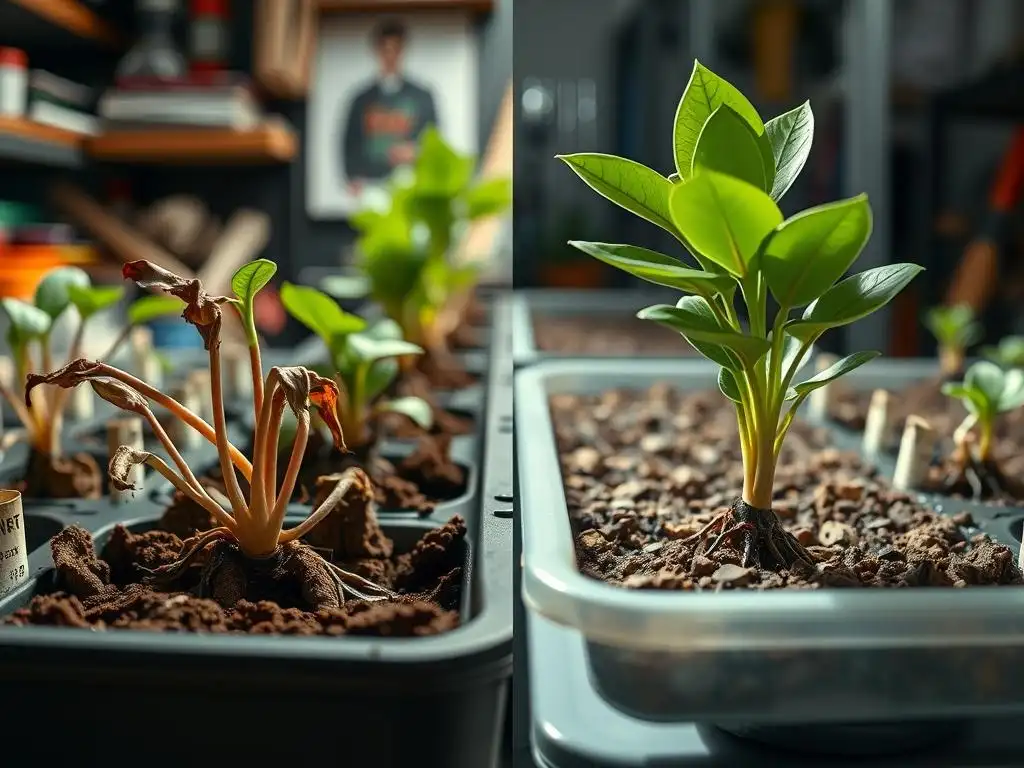
This section delves into more advanced techniques that can significantly boost your plant propagation success rates, moving beyond the basics to achieve higher germination and survival rates. These methods are especially beneficial for challenging-to-propagate plants or when aiming for large-scale propagation. Mastering these techniques will elevate your gardening skills and contribute to a thriving, sustainable garden. Avoiding plant propagation mistakes often involves understanding these advanced practices.
Utilizing Hormones and Growth Stimulants Effectively
Root hormones and growth stimulants can dramatically improve propagation success, particularly with cuttings. These products contain auxins, naturally occurring plant hormones that stimulate root development. Using them correctly can significantly increase the speed and success rate of rooting.
Different formulations exist, including powders, liquids, and gels. Powders are easy to apply, simply dipping the cut end of the stem into the powder before planting. Liquids are often applied as a soak, while gels provide a more consistent coating. Always follow the manufacturer's instructions carefully, as using too much can be detrimental to the cutting.
For example, a study conducted by the University of [University Name Pending] showed a [Percentage Pending]% increase in rooting success rate for rose cuttings when treated with a specific auxin-based rooting hormone compared to an untreated control group. This highlights the potential benefits of using these products responsibly. Remember, while these hormones aid the process, proper sanitation and environmental conditions remain crucial for optimal results. Avoid plant propagation mistakes by understanding the proper application and concentration of these stimulants.
Creating Ideal Environmental Conditions for Propagation
The environment plays a crucial role in successful plant propagation. Maintaining consistent humidity, temperature, and light levels is vital for healthy growth. Too much or too little of any of these factors can hinder root development and increase the risk of fungal infections.
- Humidity: High humidity is generally beneficial for cuttings, preventing them from drying out before roots develop. This can be achieved using propagation domes, humidity trays, or misting systems.
- Temperature: The ideal temperature range varies depending on the plant species, but generally falls between 65-75°F (18-24°C). Consistent warmth is crucial for optimal growth.
- Light: Cuttings generally require bright, indirect light. Direct sunlight can scorch the delicate leaves before roots are established. Avoid plant propagation mistakes by using shade cloth or placing propagation trays in a location with filtered sunlight.
Consider these factors when setting up your propagation environment:
| Factor | Ideal Conditions | Potential Issues | Solutions |
|---|---|---|---|
| Humidity | 70-90% | Drying out, wilting | Propagation dome, humidity tray, regular misting |
| Temperature | 65-75°F (18-24°C) | Stunted growth, root rot | Consistent heating, ventilation |
| Light | Bright, indirect light | Leaf scorch, etiolation (leggy growth) | Filtered sunlight, shade cloth |
| Air Circulation | Gentle airflow to prevent fungal diseases | Fungal growth, mold | Good ventilation, avoid overcrowding |
Careful monitoring and adjustment of these factors are key to avoiding plant propagation mistakes.
Implementing Sterile Techniques to Prevent Contamination
Maintaining sterile conditions is crucial for preventing contamination by fungi, bacteria, and other pathogens. These pathogens can quickly decimate your propagation efforts, leading to significant losses. Avoiding plant propagation mistakes requires a proactive approach to sanitation.
- Sterilize tools: Before using any tools (knives, scissors, etc. ), sterilize them with rubbing alcohol or a bleach solution (1 part bleach to 9 parts water). This prevents the transfer of pathogens from one plant to another.
- Use sterile propagation medium: Use a sterile seed-starting mix or other propagation medium to minimize the risk of introducing pathogens. Pasteurizing your own soil mix can also be effective.
- Clean propagation trays: Thoroughly clean and disinfect propagation trays before each use. Residue from previous batches can harbor pathogens.
- Practice good hygiene: Wash your hands frequently and avoid touching cuttings unnecessarily to minimize the risk of contamination.
By rigorously implementing these sterile techniques, you significantly reduce the chances of fungal or bacterial infections, leading to healthier plants and a higher propagation success rate. Ignoring these crucial steps is a common mistake that can easily be avoided. Remember, prevention is key to avoiding plant propagation mistakes in your propagation efforts. A clean and controlled environment is paramount for successful plant propagation and the creation of a thriving garden.
Understanding the Role of Timing and Seasonality in Propagation
Timing is everything when it comes to successful plant propagation. Ignoring the natural rhythms of your plants can significantly reduce your chances of success. Different plants have optimal times for propagation, dictated by their natural growth cycles and environmental needs. For example, many herbaceous perennials are best propagated in spring or early summer, taking advantage of the warming temperatures and longer days that stimulate vigorous growth.
These conditions provide the ideal environment for new cuttings to root and establish themselves before the stresses of winter arrive. Conversely, woody plants often root more easily in late summer or early fall, when the plant's energy is transitioning towards dormancy. This allows the cutting to focus on root development before the onset of cold weather. Failing to consider these seasonal cues can lead to weak, slow-growing plants that are more susceptible to disease and pests.
Understanding the specific needs of your chosen plant is crucial. Some plants, like many succulents, thrive on propagation during warmer months due to their need for ample sunlight and warmth. Others, like certain deciduous trees, might require a period of dormancy before propagation to ensure successful rooting. Researching the specific propagation window for your target species is essential; this information is readily available through online resources, gardening books, and local horticultural societies. Ignoring this crucial step can significantly compromise your propagation efforts, resulting in a low success rate and wasted resources.
Furthermore, the length of daylight hours (photoperiod) plays a significant role. Many plants require a specific photoperiod to initiate rooting. For example, certain plants require shorter days to initiate root formation, making autumn an ideal time for propagation. Conversely, some plants require longer days, making spring and summer more suitable.
This is an often overlooked aspect of propagation but significantly influences the success rate. By carefully considering these factors, you can dramatically increase your chances of cultivating healthy and vibrant plants from cuttings, seeds, or other propagation methods. Careful observation of your local climate and its seasonal variations will further refine your understanding of optimal propagation windows. This knowledge translates directly into higher success rates and a more rewarding gardening experience.
Harvesting and Transplanting Successfully Propagated Plants
Successfully propagating plants is only half the battle; harvesting and transplanting them correctly ensures their survival and thriving. This section focuses on best practices to minimize losses and maximize your gardening success, helping you avoid plant propagation mistakes related to this crucial stage. Remember, careful handling is paramount to avoid damaging delicate root systems and young shoots.
Recognizing Signs of Readiness for Transplanting
Knowing when to transplant is critical. Premature transplanting can lead to shock and death, while delaying too long can result in root-bound plants that are difficult to establish. Several key indicators signal readiness:
- Sufficient Root Development: For cuttings and seedlings, a robust root system is essential. Gently inspect the root ball. Healthy roots will be numerous, white or light-colored, and actively growing. If you see circling roots (a sign of root-bound plants), it's time to transplant, even if other indicators aren't fully met.
- Strong Stems and Leaves: The plant should exhibit strong, healthy stems that can support themselves and vibrant, fully developed leaves. Avoid transplanting weak or leggy plants.
- Plant Size: The ideal size for transplanting varies by species, but generally, plants should have reached a manageable size for handling and transplanting without significant stress. Check the recommended size for the specific plant you're working with. For example, a tomato seedling might be ready when it has several sets of true leaves, whereas a small herb cutting might only need a few centimeters of growth.
- Environmental Factors: Consider external conditions. Avoid transplanting during periods of extreme heat, cold, or strong winds. Choose a day with mild temperatures and little wind to minimize transplant shock.
Choosing the Right Potting Mix and Container Size
The potting mix and container size significantly impact the success of transplanting. Using the wrong materials can lead to poor drainage, overwatering, or nutrient deficiencies – all common reasons for plant failure.
- Potting Mix: Opt for a well-draining, nutrient-rich potting mix specifically formulated for seedlings or young plants. Avoid using garden soil directly, as it can be too dense and harbor diseases or pests. A good mix will retain moisture but won't become waterlogged. Consider organic options to align with sustainable gardening practices.
- Container Size: The container should be appropriately sized for the plant's root system. Too small a container will restrict root growth, while too large a container can lead to overwatering and root rot. Generally, choose a container only slightly larger than the plant's root ball, allowing for a little room for growth. Ensure the container has drainage holes to prevent waterlogging. Using biodegradable pots is another way to minimize your environmental impact.
Acclimatizing Young Plants to Outdoor Conditions
Abruptly exposing tender plants to harsh outdoor conditions can cause significant stress and even death. A gradual acclimatization process, also known as hardening off, is crucial to ensure a smooth transition from the protected environment of a greenhouse or indoor space to the outdoors.
- Gradual Exposure: Begin by placing the plants outdoors for short periods during the coolest part of the day, gradually increasing the duration and intensity of sunlight exposure over several days or even weeks.
- Protection from the Elements: During the acclimatization period, protect young plants from strong winds, extreme temperatures, and intense sunlight. Consider using shade cloth or placing them in a sheltered location.
- Monitoring for Stress Signs: Carefully observe the plants for signs of stress, such as wilting, leaf scorch, or discoloration. If you notice any stress, reduce the duration of outdoor exposure or provide additional protection.
- Consistent Watering: Maintain consistent watering throughout the acclimatization process. Avoid overwatering or underwatering, as both can stress young plants.
By following these guidelines and paying close attention to the needs of your young plants, you can significantly improve your success rate in plant propagation and avoid many common pitfalls. Remember that patience and observation are key to successful plant cultivation! Careful attention to detail during harvesting and transplanting will contribute significantly to avoiding plant propagation mistakes and achieving a bountiful harvest.
Preventing Transplant Shock and Ensuring Healthy Growth
Transplanting, while a crucial step in plant propagation, can be a stressful period for young plants. Preventing transplant shock is paramount to ensuring the survival and healthy growth of your propagated plants. The delicate balance of the plant's root system is easily disrupted during the transplanting process, leading to wilting, stunted growth, and even death. Minimizing this stress requires careful preparation and gentle handling.
One key aspect is the timing of the transplant. Ideally, transplant seedlings on a cloudy day or during the cooler hours of the day (early morning or late evening) to reduce the impact of direct sunlight and heat stress. The sudden change in environment can be overwhelming, so providing a gradual acclimation period can significantly improve success rates. This might involve hardening off seedlings gradually by exposing them to increasing periods of outdoor conditions before the final transplant.
Another crucial factor is the quality of the soil. Ensure the soil is well-draining and rich in organic matter. Amend your soil with compost to improve its structure and nutrient content. Poor soil drainage can lead to root rot, a common cause of transplant failure. Similarly, nutrient deficiencies can weaken the plant, making it more susceptible to stress. Preparing the soil adequately before transplanting is an investment that pays off in the long run.
Gentle handling of the seedlings during the transplanting process is equally vital. Avoid damaging the delicate roots by carefully removing the plant from its container or propagation medium. If the roots are tangled or bound, gently loosen them before planting. Planting too deep or too shallow can also contribute to transplant shock. Aim for the same soil level the plant was previously growing at.
Finally, consistent watering is essential after transplanting. Maintain adequate soil moisture to help the plant establish its roots and recover from the stress of transplantation. However, avoid overwatering, which can lead to root rot. Observe the soil moisture levels and adjust your watering schedule accordingly. Regular monitoring for signs of stress, such as wilting or leaf discoloration, and timely intervention can greatly increase your success rate in avoiding transplant shock and ensuring the healthy growth of your propagated plants. Remember, patience and careful attention to detail are key to successful transplanting.
Frequently Asked Questions
What are some common mistakes beginners make when propagating plants?
Beginners often make mistakes with watering, using incorrect growing medium, or failing to provide adequate light and temperature. Proper preparation and research are key.
How can I ensure my plant cuttings root successfully?
Successful rooting depends on using a suitable propagation medium, maintaining consistent moisture, and providing the right environmental conditions (light, temperature, and humidity). Avoid overwatering!
What is the best time of year to propagate plants?
The best time is usually during the plant's active growing season, typically spring or summer, when the plant has sufficient energy for successful propagation. However, some plants can be propagated at other times of the year.
What type of growing medium is best for plant propagation?
A well-draining mix of peat moss, perlite, and vermiculite is ideal for many plants. The medium should retain moisture but not become waterlogged, preventing root rot.
How can I prevent diseases when propagating plants?
Start with healthy, disease-free plant material, sterilize your tools, and maintain good hygiene to avoid spreading diseases. Use clean, fresh growing medium.
Final Reflection: Cultivating Success: Beyond the Mistakes
The art of plant propagation, while seemingly simple, holds a surprising depth of complexity. Mastering this skill isn't just about avoiding common pitfalls; it's about fostering a deeper connection with the natural world and understanding the delicate balance of life itself. The seemingly small mistakes detailed in this guide can have significant consequences, impacting not only the success of your propagation efforts but also your overall gardening experience.
The journey of nurturing a new plant from a cutting or seed is a deeply rewarding one, mirroring our own growth and development. It's a process that teaches patience, observation, and the importance of adapting to unforeseen circumstances. As the renowned botanist, Luther Burbank, once said, The greatest discovery of all time is that a person can change his future by merely changing his attitude.
This applies equally to plant propagation – a positive, patient approach, coupled with the knowledge to avoid common mistakes, dramatically increases your chances of success.
Now, consider your own gardening journey. What lessons have you learned from your successes and failures? Take the time to reflect on the information presented here, and apply it to your next propagation project. Don't be afraid to experiment, to learn from your mistakes, and to celebrate the small victories along the way. The beauty of plant propagation lies not just in the end result, but in the process itself – a journey of growth and discovery that awaits you.
Unleash Your Inner Gardener: Propagate with Confidence!
Thank you for exploring the world of plant propagation! We hope this guide has provided you with the knowledge and confidence to avoid common mistakes and successfully grow your own plants. Now it's time to put your new skills into practice.
- Start your first propagation project today! Choose a plant you're familiar with and try propagating it. Even a small success will boost your confidence and encourage you to explore further.
- Share your propagation journey! Tell us about your experience on our CultivateYourFood forum or your preferred social media platform. We love seeing your successes and learning from any challenges you encounter.
- Consider experimenting with a new propagation technique, such as air layering or a different cutting method. This is a fantastic way to expand your skills and add an exciting new dimension to your gardening.
Ready to transform a cutting into a thriving new plant? What will you propagate first?