
The Impact of Propagation on Plant Health and Longevity

Ready to unlock the secrets to a thriving, sustainable garden? At CultivateYourFood, we believe everyone can grow their own delicious and healthy produce. Discover the surprising impact of plant propagation on the health and longevity of your fruits, vegetables, and herbs—and learn how to cultivate a bountiful harvest using organic methods. Dive into "The Science of Gardening" and uncover the techniques that will transform your green thumb into a flourishing garden paradise. Let's cultivate a healthier future, together!
- Understanding Plant Propagation and its Effects on Plant Vigor
- Optimizing Propagation Techniques for Enhanced Plant Health
- Nutrient Management for Healthy Propagated Plants
- Pest and Disease Management in Plant Propagation
- Assessing the Long-Term Health Benefits of Different Propagation Methods
-
Frequently Asked Questions
- What are the health benefits of propagating plants?
- How does propagation improve plant longevity?
- Are there any specific propagation methods better for plant health?
- What role does soil health play in propagation success and plant health?
- How does sustainable propagation contribute to overall plant health?
- Final Reflection: Cultivating Health, Harvesting Longevity
- Unleash Your Green Thumb: Propagate Your Plant Power!
Understanding Plant Propagation and its Effects on Plant Vigor
Plant propagation, the process of creating new plants from existing ones, is a cornerstone of successful gardening, impacting not only the quantity of your harvest but also the overall health and longevity of your plants. This article delves into the crucial relationship between propagation methods and plant health, exploring how choosing the right technique can significantly influence the vigor, disease resistance, and overall lifespan of your fruits, vegetables, and herbs.
We'll examine the benefits and drawbacks of different propagation methods, providing you with the knowledge to cultivate thriving, resilient plants using sustainable and organic practices. Understanding these principles is key to achieving a bountiful and healthy garden, maximizing your yields while minimizing the need for chemical interventions.
Successfully propagating your plants contributes significantly to the overall health of your garden ecosystem, fostering a more robust and resilient environment where your plants can flourish. Let's explore how different propagation techniques directly influence plant health and longevity, empowering you to make informed choices for your home garden.
The Link Between Propagation Method and Plant Health: Seed Starting vs. Cuttings
The method you choose to propagate your plants – whether from seed or from cuttings – profoundly impacts their health and resilience. Seed starting offers several advantages. Firstly, it introduces genetic diversity into your garden. This diversity acts as a natural buffer against diseases and pests, as a diverse population is less likely to be uniformly susceptible to a single pathogen. However, growing from seed requires more time and resources, and the resulting plants may exhibit more variation in growth habit and yield compared to those propagated from cuttings.
On the other hand, propagating plants from cuttings, a form of clonal propagation, results in genetically identical offspring (clones). This ensures that desirable traits, such as disease resistance, fruit size, or flavor profile, are maintained consistently across generations. However, this lack of genetic diversity can make the entire population vulnerable to a single disease outbreak. Furthermore, cuttings may be susceptible to the same diseases and pests as the parent plant. Careful selection of parent plants is therefore crucial when using this method. The table below summarizes the key differences:
| Propagation Method | Genetic Diversity | Disease Resistance | Time to Maturity | Consistency of Traits | Resource Requirements |
|---|---|---|---|---|---|
| Seed Starting | High | Generally Higher | Longer | Lower | Moderate to High |
| Cuttings | Low | Potentially Lower | Shorter | High | Moderate |
Genetic Diversity and its Role in Disease Resistance: Propagating from Seed
Growing plants from seed introduces a vital element: genetic diversity. Each seed carries a unique genetic code, resulting in plants with varying characteristics. This variability is crucial for building resilience within your garden ecosystem. A diverse population of plants is less likely to be wiped out by a single disease or pest infestation.
Imagine a field of genetically identical potato plants – a single blight could devastate the entire crop. Conversely, a field of plants with diverse genetic backgrounds is more likely to have some individuals with natural resistance to the pathogen, ensuring at least partial survival and future propagation. This principle is fundamental to sustainable and organic gardening practices, minimizing reliance on external interventions. The benefits of genetic diversity extend beyond disease resistance, impacting overall plant vigor and adaptability to environmental stresses.
Clonal Propagation: Maintaining Desirable Traits and Potential Drawbacks
Clonal propagation, such as taking cuttings or using other asexual methods, creates genetically identical copies of the parent plant. This ensures the preservation of desirable traits like superior fruit quality, specific flower color, or exceptional disease resistance. This consistency is highly valuable for maintaining specific varieties and ensuring predictable results.
However, this very consistency presents a significant drawback: a lack of genetic diversity. If the parent plant harbors a latent disease or is susceptible to a particular pest, all its clones will share this vulnerability. This makes clonal populations highly susceptible to widespread disease or pest outbreaks.
Therefore, careful selection of parent plants is paramount, and implementing preventative measures such as crop rotation and integrated pest management are crucial for maintaining the health of clonally propagated plants. The use of clonal propagation requires a more vigilant approach to pest and disease management to compensate for the inherent risks associated with limited genetic variability. 🌱
Optimizing Propagation Techniques for Enhanced Plant Health
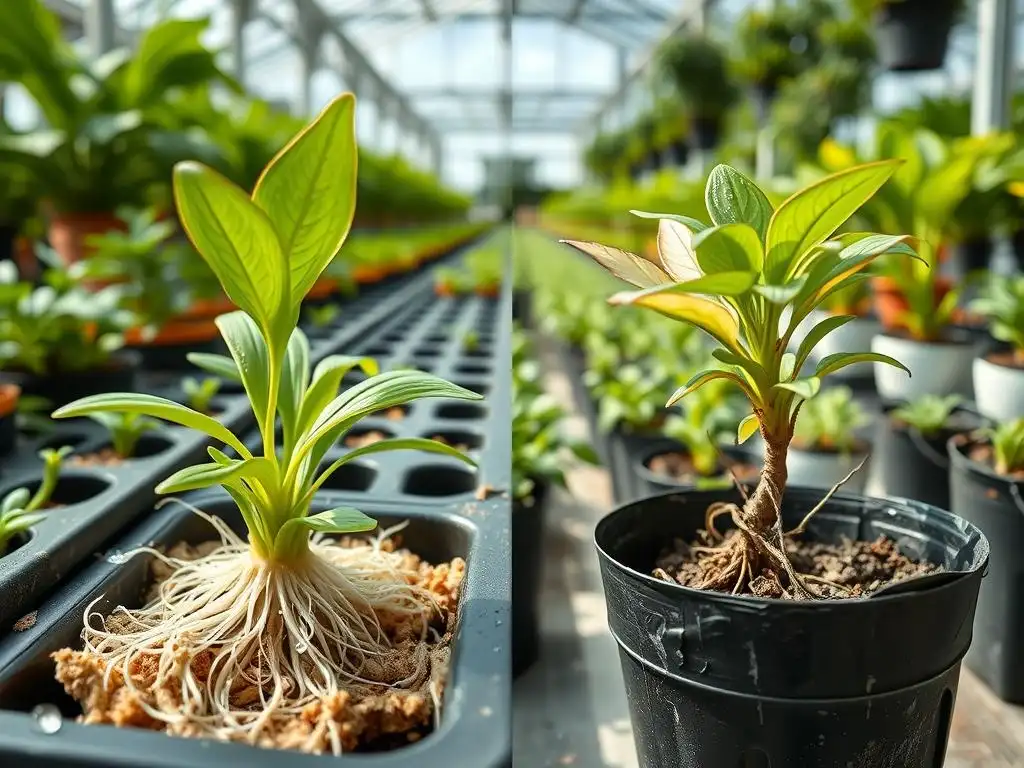
This section delves into the crucial role of propagation methods in ensuring the long-term health and vigor of your plants. Proper propagation techniques, far from being a mere technicality, are fundamental to cultivating robust and resilient specimens. Understanding and implementing these best practices directly translates to healthier plants, higher yields, and a more rewarding gardening experience. The benefits extend beyond simply producing more plants; they contribute to a more sustainable and environmentally friendly gardening approach by reducing the need for chemical interventions. Let's explore key aspects of optimizing plant propagation for enhanced health.
Choosing the Right Medium: Soil, Soilless Mixes, and Hydroponics for Healthy Growth
The growing medium significantly impacts a plant's health during propagation. The ideal medium provides adequate drainage, aeration, and nutrient retention, while remaining free from pathogens and pests.
- Soil-based mixes: Offer a natural environment rich in organic matter, promoting beneficial microbial activity. However, soil can harbor diseases and pests, necessitating sterilization (e.g., using pasteurization techniques) before use. The composition of the soil mix is also crucial; a well-balanced blend of topsoil, compost, and perlite ensures optimal drainage and aeration. Using locally sourced, organically-amended soil further enhances the overall health of your propagated plants.
- Soilless mixes: These are sterile blends of peat moss, coco coir, perlite, and vermiculite. They are ideal for preventing the introduction of soilborne diseases and pests. However, soilless mixes require regular fertilization as they lack the inherent nutrients found in soil. Carefully selecting a soilless mix with good water retention and aeration is key to preventing both under-watering and over-watering issues, both detrimental to plant health.
- Hydroponics: This technique involves growing plants without soil, using nutrient-rich water solutions. Hydroponics offers precise control over nutrient delivery and minimizes the risk of soilborne diseases. However, it demands careful monitoring of water quality and pH levels, as imbalances can quickly harm the plants. The initial investment in a hydroponic system can also be higher than using soil or soilless mixes.
Choosing the appropriate medium depends on your specific needs and resources. For beginners, soilless mixes provide a relatively low-maintenance and disease-resistant option. Experienced gardeners might opt for soil-based mixes for their inherent richness or embrace hydroponics for precise control and higher yields. Careful consideration of your chosen medium’s properties is paramount for Plant propagation health benefits.
The Importance of Sanitation in Propagation: Preventing Disease Transmission
Sanitation is paramount in plant propagation to prevent the spread of diseases and pests. Contaminated tools, growing media, or even your hands can introduce pathogens that can decimate your propagated plants. Implementing rigorous sanitation protocols is a cornerstone of successful propagation and achieving optimal plant propagation health benefits.
- Sterilizing tools: Always sterilize tools like knives, scissors, and pots between uses, using a solution of bleach and water (1:9 ratio) or rubbing alcohol. This simple step significantly reduces the risk of transferring diseases from one plant to another.
- Cleaning growing areas: Regularly clean and disinfect your propagation trays, benches, and surrounding areas. Removing debris and accumulated moisture minimizes the habitat for pathogens and pests.
- Using sterile growing media: As previously discussed, soilless mixes are inherently sterile. If using soil, consider pasteurization or other sterilization methods to eliminate potential pathogens.
- Practicing good hygiene: Wash your hands thoroughly before and after handling plants. Avoid touching your face or other plants while working with propagations. This prevents the unintentional spread of pathogens. Gloves are also recommended to provide an extra layer of protection.
Neglecting sanitation can lead to significant losses in propagation efforts, jeopardizing your entire project. Therefore, a proactive and meticulous approach to sanitation is crucial for ensuring the health and longevity of your propagated plants. The initial investment of time in sanitation far outweighs the potential costs of disease outbreaks.
Providing Ideal Environmental Conditions: Light, Temperature, and Humidity for Strong Plants
Providing optimal environmental conditions is critical for successful propagation and achieving strong, healthy plants. Each species has specific light, temperature, and humidity requirements; understanding these is vital for achieving optimal growth. Neglecting these factors can lead to stunted growth, susceptibility to diseases, and ultimately, propagation failure.
- Light: Most propagations benefit from bright, indirect light. Direct sunlight can scorch delicate seedlings and cuttings. Supplemental lighting, such as grow lights, might be necessary, particularly during winter months or in low-light environments. The light intensity and duration should be carefully adjusted based on the specific plant species being propagated.
- Temperature: The ideal temperature range varies depending on the plant species. However, maintaining a consistently warm temperature, generally between 65-75°F (18-24°C), often promotes healthy root development. Avoid extreme temperature fluctuations, as these can stress plants and hinder their growth.
- Humidity: High humidity, often achieved through misting or using humidity trays, is essential for many propagations, particularly cuttings. High humidity helps prevent desiccation, a common cause of propagation failure. However, excessive humidity can also lead to fungal diseases; therefore, maintaining proper air circulation is important to prevent excessive moisture buildup.
Careful monitoring and adjustment of these environmental factors are key to optimizing plant health during propagation. Providing the ideal light, temperature, and humidity levels will significantly improve the chances of success and result in vigorous, healthy plants ready for transplanting. Remember that consistent monitoring and adjustments are crucial, as environmental conditions can fluctuate. The payoff of this careful attention to detail is the achievement of thriving plants, showcasing the full potential of successful plant propagation health benefits.
Nutrient Management for Healthy Propagated Plants
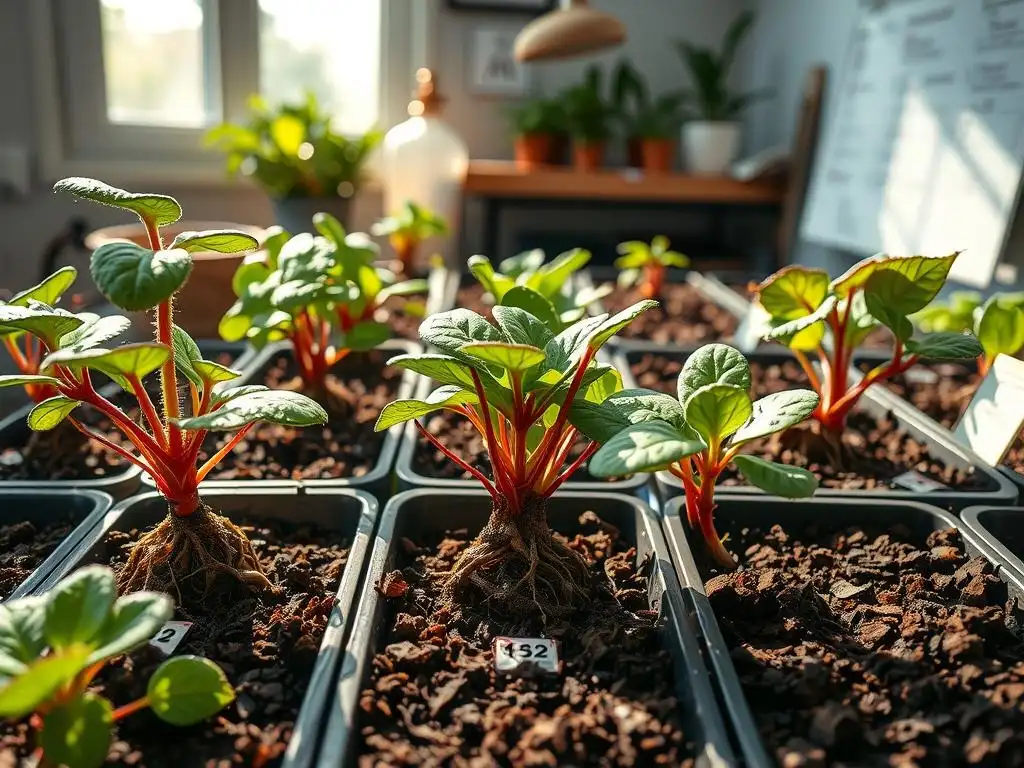
Plant propagation, while rewarding, demands careful attention to nutrient management to ensure the health and longevity of your propagated plants. Providing the right balance of nutrients during this critical phase significantly impacts the plant's ability to establish a robust root system, develop strong stems, and ultimately thrive in its final growing location. Ignoring this crucial aspect can lead to weak, stunted plants susceptible to diseases and pests, undermining the entire propagation effort. Understanding the specific nutrient needs of different plant species is paramount for success in plant propagation health benefits.
Essential Nutrients for Optimal Growth During Propagation
Propagated plants, whether from cuttings, seeds, or divisions, have heightened nutrient requirements during their initial growth stages. They lack the established root system of mature plants, limiting their ability to absorb nutrients from the soil. Therefore, providing a readily available source of essential nutrients is vital. These nutrients fall into two main categories: macronutrients and micronutrients.
Macronutrients are required in larger quantities and include:
- Nitrogen (N): Crucial for leaf growth and overall vigor. Nitrogen deficiency manifests as pale, yellowing leaves, particularly on older leaves. However, excessive nitrogen can lead to lush vegetative growth at the expense of flowering and fruiting. Finding the right balance is key. For example, a propagated tomato plant needs a higher nitrogen level initially to develop strong foliage, while later stages require a shift towards phosphorus and potassium for fruit production.
- Phosphorus (P): Essential for root development, flowering, and fruiting. Phosphorus deficiency results in stunted growth and poor root development, often appearing as dark green or purplish leaves. This is especially critical during the propagation phase as a well-established root system is fundamental for survival.
- Potassium (K): Important for overall plant health, disease resistance, and water regulation. Potassium deficiency can lead to weak stems, leaf scorching, and reduced fruit production. Strong stems are particularly important for newly propagated plants that are still establishing themselves.
Micronutrients, while needed in smaller amounts, are equally vital for various metabolic processes. These include iron, manganese, zinc, copper, boron, molybdenum, and chlorine. Deficiencies in these micronutrients can lead to a variety of symptoms, often affecting specific parts of the plant. For instance, iron deficiency typically manifests as yellowing between leaf veins (interveinal chlorosis). A well-balanced propagation medium, potentially supplemented with a diluted, water-soluble fertilizer specifically formulated for seedlings or cuttings, can help prevent these deficiencies.
Avoiding Nutrient Deficiencies and Toxicities in Propagated Plants
Nutrient deficiencies can severely hamper the growth and health of propagated plants, but so can nutrient toxicities. Over-fertilization can be just as detrimental as under-fertilization, leading to root burn, stunted growth, and even plant death. Careful monitoring and a balanced approach are essential.
Here are some strategies to prevent nutrient imbalances:
- Use a well-draining propagation medium: This prevents the accumulation of salts and excess nutrients, which can lead to root burn. A peat-based mix or a coco coir mix is often suitable.
- Start with a diluted fertilizer solution: Begin with a weaker concentration than recommended on the fertilizer label and gradually increase it as the plants grow stronger. Observe the plants carefully for any signs of nutrient toxicity or deficiency.
- Regularly monitor the pH of your propagation medium: The pH level affects nutrient availability. Most plants thrive in a slightly acidic to neutral pH range (6.0-7.0). Regular testing and adjustments using pH up or down solutions can maintain optimal conditions.
- Choose a fertilizer formulated for seedlings or cuttings: These fertilizers are usually lower in nitrogen and higher in phosphorus and potassium, which promotes root development and overall plant strength.
- Use organic fertilizers: Organic fertilizers, such as compost tea or worm castings, release nutrients gradually, reducing the risk of over-fertilization and providing beneficial microbes that improve soil health. This approach aligns perfectly with the sustainable and organic practices promoted by CultivateYourFood.
By carefully managing nutrient levels during propagation, you significantly increase the chances of producing healthy, vigorous plants that are well-equipped to thrive in their permanent homes. Remember, a balanced approach, regular monitoring, and a keen eye for plant health are crucial for achieving optimal plant propagation health benefits. Careful observation and timely adjustments will lead to greater success in your propagation endeavors.
Pest and Disease Management in Plant Propagation
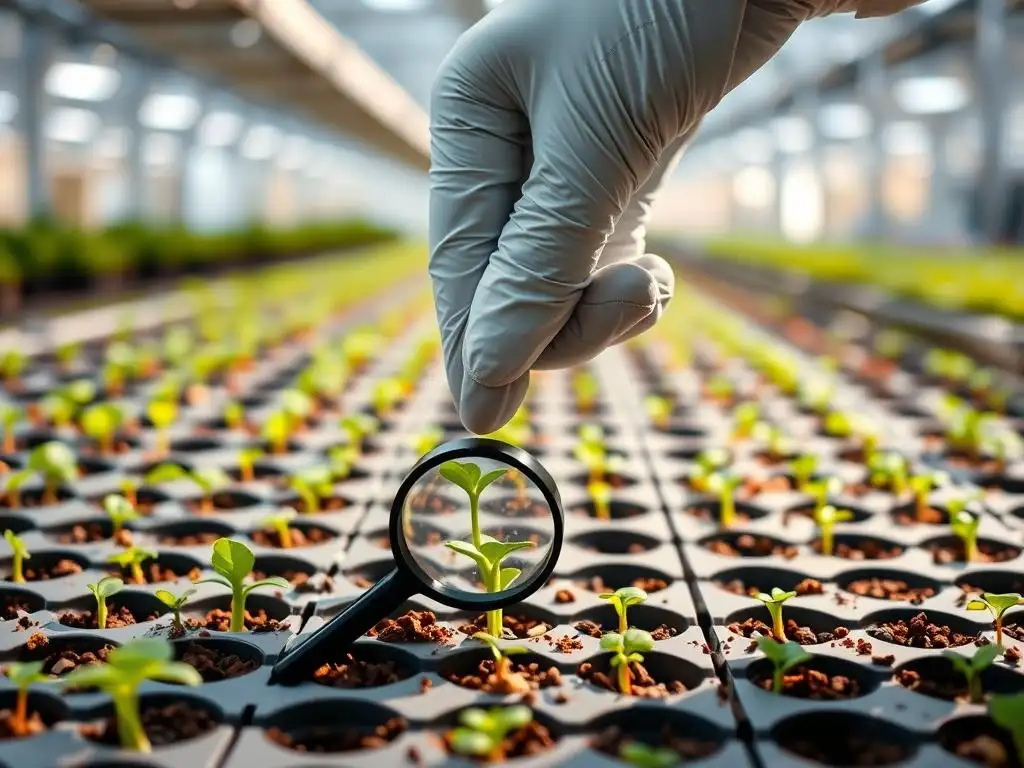
Plant propagation, while offering numerous benefits like increased yields and genetic preservation, also presents unique challenges regarding pest and disease management. Young, newly propagated plants are particularly vulnerable due to their delicate nature and less-developed defense mechanisms. Understanding and mitigating these risks is crucial for ensuring the health and longevity of your propagated plants, maximizing the positive impact of "plant propagation health benefits." Effective pest and disease control directly contributes to stronger, more resilient plants that thrive and produce bountiful harvests. Ignoring this aspect can lead to significant losses and negate the advantages of propagation.
Common Pests and Diseases Affecting Propagated Plants
Propagated plants, especially those started from cuttings or seeds, are susceptible to a range of pests and diseases. The specific threats vary depending on the plant species, the propagation method, and the environmental conditions. However, some common issues frequently encountered include:
- Fungal Diseases: Damping-off (a fungal disease affecting seedlings) is a significant concern, often leading to pre- and post-emergence seedling death. Other fungal infections can cause leaf spots, wilting, and root rot. These fungi thrive in moist, humid environments, making propagation trays and greenhouses particularly vulnerable. Early detection and preventative measures are essential.
- Insect Pests: Aphids, whiteflies, mealybugs, and spider mites are common culprits, feeding on plant sap and weakening the young plants. These insects can quickly infest propagation trays, spreading rapidly and causing significant damage if left unchecked. Regular inspection is crucial for early detection and timely intervention.
- Viral Diseases: While less common than fungal or bacterial diseases, viruses can severely impact propagated plants. These diseases are often spread through contaminated tools or insect vectors. Symptoms can vary widely, but typically include stunted growth, leaf distortion, and discoloration. Prevention through sanitation practices is paramount.
The table below summarizes some common pests and diseases and their typical symptoms:
| Pest/Disease | Symptoms | Impact on Plant Health |
|---|---|---|
| Damping-off (Fungal) | Seedling death, rotting at the base of the stem | Significant mortality, crop failure |
| Aphids | Yellowing leaves, stunted growth, honeydew | Reduced vigor, weakened plants, virus transmission |
| Spider Mites | Fine webbing on leaves, stippling, leaf drop | Reduced photosynthesis, leaf damage |
| Root Rot (Fungal) | Wilting, yellowing leaves, root decay | Plant death |
Organic and Sustainable Pest and Disease Control Strategies
Prioritizing organic and sustainable pest and disease control methods is vital for protecting both plant health and the environment. These strategies focus on prevention and utilize natural methods to manage pests and diseases, minimizing the use of harmful chemicals. Here are some effective approaches:
- Preventative Measures: Maintaining good sanitation practices is crucial. Sterilize propagation trays and tools regularly. Ensure proper spacing between plants to improve air circulation and reduce humidity. Choose disease-resistant plant varieties whenever possible. This proactive approach significantly reduces the risk of pest and disease outbreaks.
- Biological Control: Introducing beneficial insects like ladybugs (which prey on aphids) or lacewings (which control other soft-bodied insects) can help manage pest populations naturally. Nematodes can also be used to control certain soilborne pests. These methods promote a balanced ecosystem within your propagation environment.
- Natural Pesticides: Neem oil, insecticidal soap, and horticultural oils can effectively control many common pests. These products are generally less harmful to beneficial insects and the environment compared to synthetic pesticides. Always follow the instructions carefully and use them judiciously.
- Cultural Practices: Rotating crops, practicing crop hygiene, and ensuring proper soil drainage can help prevent the buildup of pests and diseases. Maintaining a healthy, well-balanced soil is also crucial for plant resilience. Healthy plants are better equipped to withstand pest and disease pressure.
By employing these integrated pest management (IPM) strategies, you can significantly reduce the need for chemical interventions, fostering a healthier propagation environment and contributing to the overall success of your gardening endeavors, all while reaping the rewards of "plant propagation health benefits". Remember, a healthy start translates to a healthy harvest.
Assessing the Long-Term Health Benefits of Different Propagation Methods
This section delves into the long-term health implications of various plant propagation methods, focusing on how the chosen technique influences the plant's overall vigor, disease resistance, and lifespan. Understanding these impacts is crucial for maximizing the yield and longevity of your homegrown fruits, vegetables, and herbs. The health benefits associated with "plant propagation" are multifaceted and directly related to the method employed. We will examine specific examples to illustrate these benefits.
Comparing the Longevity of Plants Propagated from Seed vs. Cuttings
Propagating plants from seed offers several advantages, particularly regarding genetic diversity and adaptability. Seeds, representing the culmination of a plant's reproductive cycle, often produce plants with increased resilience and adaptability to environmental stresses. Consider tomatoes: plants grown from seed tend to exhibit greater resistance to common tomato diseases like blight compared to those propagated from cuttings. This increased resistance stems from the genetic recombination that occurs during sexual reproduction. They’re also more likely to thrive in varied soil conditions.
Conversely, plants propagated from cuttings are essentially clones of the parent plant. This means they inherit the same genetic makeup, including any weaknesses or susceptibility to diseases. While this might seem like a disadvantage, it also offers predictability. If the parent plant is known for its robust health and high yield, the cuttings will likely replicate those traits. For instance, propagating herbs like rosemary or lavender from cuttings ensures the preservation of desirable traits like fragrance and essential oil content. However, a lack of genetic diversity can make them vulnerable to widespread disease outbreaks.
| Propagation Method | Advantages | Disadvantages | Longevity (General) | Example Plants |
|---|---|---|---|---|
| Seed | Increased genetic diversity, greater resilience | Slower growth, less predictable outcome | Generally longer | Tomatoes, peppers |
| Cuttings | Faster growth, predictable traits, preserves desirable characteristics | Reduced genetic diversity, potential for disease susceptibility | Generally shorter | Herbs, succulents |
The longevity of a plant ultimately depends on several factors beyond propagation method, including environmental conditions, proper care, and the inherent lifespan of the species. However, understanding the inherent strengths and weaknesses of each method allows gardeners to make informed decisions to optimize plant health and longevity.
The Impact of Propagation on Plant Resilience and Stress Tolerance
The method of propagation significantly influences a plant’s ability to withstand environmental stresses such as drought, extreme temperatures, and pest infestations. Plants grown from seed generally exhibit greater stress tolerance due to the inherent genetic variation. This natural selection process during sexual reproduction equips them with a wider range of coping mechanisms. For example, drought-tolerant varieties often originate from seeds collected from plants that have successfully survived arid conditions.
Conversely, plants from cuttings, being genetically identical to their parent, inherit the parent's stress tolerance levels. If the parent plant was particularly susceptible to a certain stressor, the cutting-grown offspring will likely share that vulnerability. However, careful selection of parent plants can mitigate this risk. Choosing a parent plant known for its resilience is crucial if propagation via cuttings is your preferred method. This ensures the propagation of desirable traits, including stress tolerance.
Furthermore, proper hardening-off techniques are essential for both seed-grown and cutting-grown plants, regardless of their inherent resilience. Hardening-off gradually acclimates young plants to outdoor conditions, reducing the shock of transplantation and bolstering their overall hardiness. This process can significantly enhance stress tolerance, regardless of the propagation method. Regular watering and fertilization practices also play a crucial role in helping plants build resilience against various environmental stresses. Therefore, while the method of propagation does play a significant role, proper care remains paramount in ensuring plant health and longevity.
Frequently Asked Questions
What are the health benefits of propagating plants?
Propagating your own plants allows you to control the growing conditions, leading to healthier plants with improved disease resistance. This results in higher quality produce for consumption.
How does propagation improve plant longevity?
By selecting healthy mother plants for propagation, you increase the chances of your new plants inheriting desirable traits including strength and disease resistance, extending their lifespan.
Are there any specific propagation methods better for plant health?
While all methods have benefits, cutting propagation often results in quicker establishment and stronger root systems compared to seed propagation, leading to healthier plants.
What role does soil health play in propagation success and plant health?
Using high-quality, well-draining soil rich in organic matter is crucial. This provides essential nutrients and helps prevent diseases, resulting in vigorous and healthy plants.
How does sustainable propagation contribute to overall plant health?
Sustainable propagation techniques like using organic compost and avoiding harmful pesticides create a healthy environment for plant growth, reducing stress and disease, and leading to stronger, more resilient plants.
Final Reflection: Cultivating Health, Harvesting Longevity
The art and science of plant propagation are not merely horticultural practices; they are fundamental to the health and longevity of our plant world, impacting everything from food security to biodiversity. The choices we make in propagating plants – whether through seeds, cuttings, or other methods – directly influence the resilience and vitality of future generations of flora. This has profound implications for our planet's ecosystems and our own well-being.
The impact of propagation techniques extends far beyond the individual plant; it shapes entire landscapes and ecosystems. The careful selection of propagation methods, considering genetic diversity and disease resistance, is crucial for maintaining robust and adaptable plant populations. As we face increasing environmental challenges, understanding and mastering these techniques becomes even more vital. The earth laughs in flowers.
– Ralph Waldo Emerson. This simple statement encapsulates the profound joy and necessity of nurturing plant life, a responsibility deeply intertwined with the methods we use to propagate them.
Consider the implications of your own gardening practices. Are you consciously choosing propagation methods that prioritize plant health and biodiversity? I encourage you to explore the diverse world of plant propagation, to learn from its intricacies, and to apply this knowledge in your own life. By understanding the power we hold in shaping the future of plant life, we can cultivate a healthier, more vibrant world for ourselves and generations to come.
Unleash Your Green Thumb: Propagate Your Plant Power!
Thanks for exploring the fascinating world of plant propagation! You've learned how this simple technique can significantly improve your plants' health and longevity. Ready to put your knowledge into practice?
- Start propagating your favorite plant today! Select a cutting from a healthy specimen and follow the simple steps outlined in the article. This is the first step toward a thriving garden.
- Share your propagation successes (and even your challenges!) with our community in the comments below. Let's learn from each other!
- Experiment with different propagation methods – you might be surprised by what works best for your plants!
What exciting plant will you propagate? We'd love to hear your plans!