
The Impact of Shading: How It Affects Light Availability for Your Plants

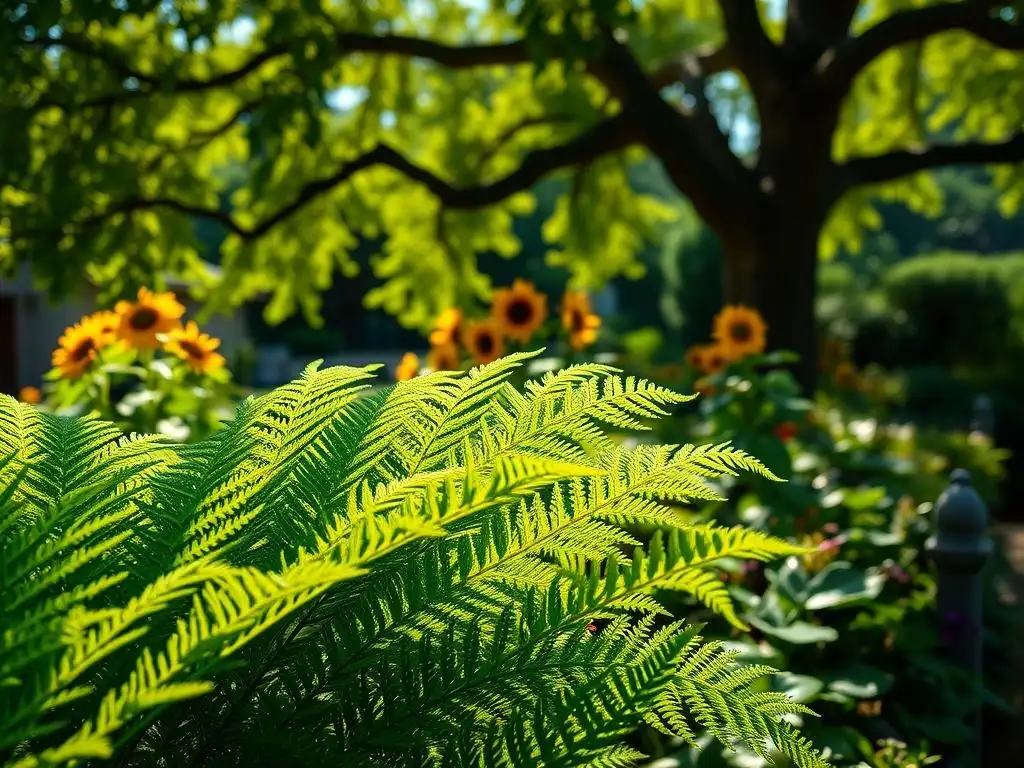
Welcome to CultivateYourFood, your guide to nurturing a thriving, sustainable garden! Are you ready to unlock the secrets to bountiful harvests? We'll delve into the fascinating world of plant growth, starting with a crucial element often overlooked: plant shade light requirements. Discover how understanding light availability—from full sun to dappled shade—can transform your gardening success. Learn how to optimize light exposure for maximum yield and vibrant growth, and embark on your journey to a greener, more fulfilling life, one plant at a time.
- Understanding Plant Shade Light Requirements
- The Effects of Shade on Photosynthesis
- Adapting Your Gardening Practices to Shade
- Managing Shade in Different Gardening Scenarios
- The Importance of Light and Shade Balance for Healthy Plants
- Frequently Asked Questions
- Final Reflection: Harnessing the Power of Shade for Thriving Plants
- Unveil Your Plants' Full Potential: Optimize Light & Growth
Understanding Plant Shade Light Requirements
Sunlight is the lifeblood of most plants, fueling the process of photosynthesis that converts light energy into the sugars plants need to grow. However, the amount of sunlight, or more accurately, the intensity of light, is crucial and varies greatly depending on the plant species. This article delves into the impact of shading on light availability for your homegrown fruits, vegetables, and herbs, helping you understand how to provide the perfect light environment for optimal growth and yield.
We'll explore how to measure light levels, identify your plants' individual needs, and ultimately, cultivate thriving plants using sustainable, organic practices. Understanding your plants' shade light requirements is key to successful gardening, ensuring healthy growth and bountiful harvests. Mastering this aspect of plant care will elevate your gardening skills and lead to a more productive and rewarding experience.
This guide will equip you with the knowledge to optimize light conditions for your plants, regardless of whether they thrive in full sun, partial shade, or full shade. Let's delve into the science behind plant light requirements and how shading impacts this crucial factor.
Light Intensity and Plant Growth: The Crucial Relationship
The intensity of light reaching your plants directly influences their growth and overall health. Too much light can scorch leaves, leading to wilting and stunted growth, while insufficient light results in weak, leggy plants with reduced yields. The relationship between light intensity and plant growth is complex, influenced by factors such as:
- Photosynthetically Active Radiation (PAR): This refers to the portion of the light spectrum (400-700 nm) that plants use for photosynthesis. Higher PAR levels generally lead to faster growth, but only up to a certain point, beyond which light saturation occurs.
- Photoperiod: The length of the day (light period) significantly impacts plant development, flowering, and fruiting. Different plants have different photoperiod requirements.
- Plant Species: Different plants have evolved to thrive under different light conditions. Some, like sunflowers, require full sun, while others, like ferns, prefer shade.
- Plant Age and Growth Stage: Light requirements can change throughout a plant's life cycle. Seedlings often need less intense light than mature plants.
Understanding these factors is key to providing the right light environment for your specific plants. A light meter can help you quantify light levels, ensuring your plants receive the optimal amount of PAR. Ignoring these factors can lead to significant losses in yield and overall plant health. For example, tomatoes, known for their high light demands, will produce significantly fewer fruits if grown in shady conditions.
Measuring Light Levels for Optimal Plant Growth
Accurately measuring light levels is essential for providing your plants with the optimal growing conditions. While visual assessment can give a general idea, using a light meter provides precise data. These meters measure the amount of PAR reaching the plant's leaves, allowing you to determine if the light intensity is sufficient, too high, or too low.
Several types of light meters exist, each with different features and price points. Some are simple handheld devices, while others are more sophisticated instruments used in scientific research. Regardless of the type, the key is to follow the manufacturer's instructions carefully to obtain accurate readings. It's recommended to take multiple readings throughout the day, at different times and locations in your garden, to get a comprehensive understanding of the light levels your plants experience.
This information is crucial for making informed decisions about plant placement and supplemental lighting, if needed. Consistent monitoring allows you to adjust shading or supplemental lighting as needed, ensuring your plants receive the ideal light intensity for optimal growth. Remember to calibrate your light meter regularly to maintain accuracy.
Identifying Your Plants' Light Needs: Sun, Partial Shade, Full Shade
Understanding the light requirements of individual plants is crucial for successful gardening. Plant labels and gardening resources often categorize plants by their light preferences:
- Full Sun: These plants need at least six hours of direct sunlight per day. Examples include tomatoes, peppers, and many herbs.
- Partial Shade: These plants thrive with dappled sunlight, typically three to six hours of direct sun, and some shade during the hottest part of the day. Many leafy greens and flowers fall into this category.
- Full Shade: These plants prefer less than three hours of direct sunlight daily and thrive in shaded areas. Ferns, hostas, and impatiens are examples of full shade plants.
It’s important to note that these are general guidelines. The specific light needs of a plant can also vary based on factors such as climate, soil type, and the plant's maturity. Careful observation of your plants is crucial.
Signs of too much light include scorched or yellowed leaves, while signs of insufficient light include leggy growth and pale foliage. By carefully observing your plants and adjusting their environment accordingly, you can ensure they receive the perfect amount of light for optimal growth and yield. This careful attention to detail will contribute to the overall success and beauty of your garden.
The Effects of Shade on Photosynthesis
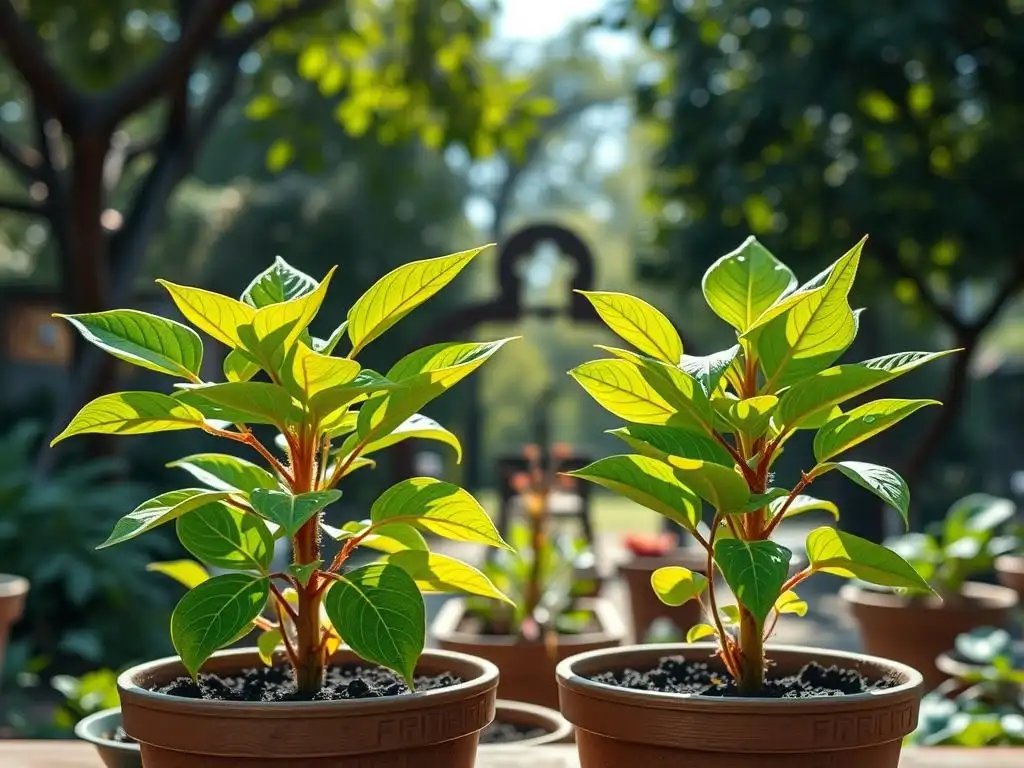
The availability of light is paramount for plant growth, directly impacting the crucial process of photosynthesis. Photosynthesis, the process by which plants convert light energy into chemical energy in the form of sugars, is profoundly affected by shading. Understanding how shade alters light availability is key to successfully cultivating a variety of plants, especially when dealing with plant shade light requirements.
This section will delve into the specific mechanisms by which shade influences photosynthesis and plant development. We'll explore the intricacies of reduced photosynthetic rates, the impact on chlorophyll production and leaf structure, and the overall effects on carbohydrate production and plant growth.
Reduced Photosynthetic Rates in Shaded Plants
Shaded plants experience significantly reduced photosynthetic rates compared to their sun-loving counterparts. This is a direct consequence of lower light intensity. Photosynthesis is a light-dependent reaction; less light means less energy captured for the conversion of carbon dioxide and water into glucose. The impact varies among species; shade-tolerant plants have adapted mechanisms to optimize photosynthesis under low-light conditions, but even these adaptations have limitations.
For example, a study comparing the photosynthetic rates of Helianthus annuus (sunflowers) and Acanthus mollis (bear's breeches) under varying shade levels showed a drastic reduction in photosynthetic efficiency for sunflowers under even moderate shade. Conversely, Acanthus mollis, a shade-tolerant plant, exhibited a less pronounced decrease, although still a noticeable reduction in overall photosynthetic output. This highlights the importance of understanding individual plant plant shade light requirements and selecting appropriate species for different microclimates within your garden. The data also underscores the importance of site selection and proper plant placement to maximize light capture, even in partially shaded areas.
Impact of Shade on Chlorophyll Production and Leaf Structure
Shade significantly influences chlorophyll production and leaf structure. Chlorophyll, the primary pigment responsible for capturing light energy during photosynthesis, is produced in response to light availability. Under shaded conditions, plants often produce more chlorophyll per unit leaf area to maximize light absorption from the limited light that reaches them. This is an adaptive response to compensate for the lower light intensity.
However, this increased chlorophyll concentration is not always sufficient. Shaded plants frequently develop thinner leaves with larger surface areas, a structural adaptation to increase light interception. These changes in leaf morphology are crucial for optimizing light capture in low-light environments. The altered leaf structure can also impact gas exchange, potentially affecting the rate of carbon dioxide uptake and oxygen release. This delicate balance between increased chlorophyll and modified leaf structure is a key element in understanding plant shade light requirements and optimizing plant health and productivity.
How Shade Affects Carbohydrate Production and Plant Growth
The reduction in photosynthetic rates directly translates to lower carbohydrate production. Carbohydrates, the primary products of photosynthesis, serve as the building blocks for plant growth and development. Reduced carbohydrate production under shade leads to slower growth rates, smaller plant size, and potentially weaker stems and leaves. This can impact flowering and fruiting, resulting in reduced yields.
Furthermore, the allocation of resources within the plant is altered under shade conditions. Plants may prioritize resource allocation to leaf growth to maximize light capture, potentially compromising root development or reproductive structures. This trade-off highlights the complexities of plant shade light requirements and the need for careful management of environmental factors to optimize plant health and productivity. Understanding these intricate relationships is crucial for successful gardening, ensuring healthy plants and bountiful harvests, even in partially shaded areas. Careful planning, plant selection, and supplemental lighting when necessary are all key components of maximizing plant growth in various light conditions.
Adapting Your Gardening Practices to Shade
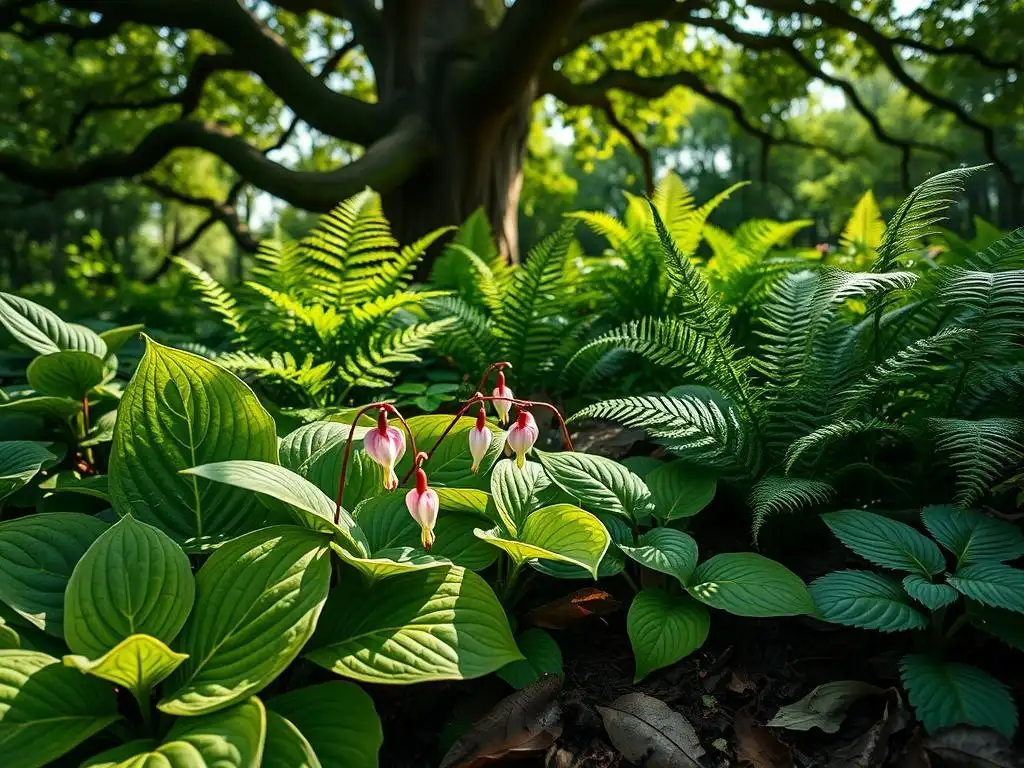
Understanding your plants' plant shade light requirements is crucial for successful gardening, especially when dealing with shaded areas. While full sun is ideal for many plants, adapting your practices to accommodate shade can significantly improve yields and plant health. This involves more than just selecting shade-tolerant varieties; it requires a holistic approach encompassing soil management, watering techniques, and even fertilization strategies.
Choosing Shade-Tolerant Plants for Your Garden
Many gardeners mistakenly believe that shaded areas are unproductive. This is far from the truth! Numerous beautiful and productive plants thrive in partial or full shade. The key is choosing the right species. For instance, leafy greens like spinach and lettuce often perform better in partial shade, avoiding the bolting (premature flowering) that can occur under intense sunlight. Similarly, many herbs, such as mint and chives, are quite shade-tolerant. Root vegetables, while generally preferring full sun, can still produce reasonable yields in areas with dappled shade.
Consider the following when selecting plants for your shaded garden:
- Light intensity: Determine the amount of sunlight your area receives throughout the day. Is it full shade (less than 2 hours of direct sunlight), partial shade (2-4 hours), or dappled shade (filtered sunlight)?
- Plant height and spread: Select plants whose mature size is appropriate for the space available, considering their potential to shade out other plants.
- Soil conditions: Ensure the soil is well-drained and amended with organic matter to improve its water retention capacity, which is particularly important in shaded areas.
- Water requirements: While shaded areas often retain moisture longer, consistent watering is still crucial, especially during dry periods. Overwatering can also be a problem in poorly drained shaded areas.
Choosing the right plants is the first step in maximizing your shaded garden’s potential. Careful consideration of these factors will help you select plants that will flourish even without direct sunlight. Remember to research specific plant requirements before planting!
Optimizing Light Exposure for Different Plant Species
Different plants have varying plant shade light requirements. Some thrive in full sun, others in partial shade, and some even prefer full shade. Optimizing light exposure involves understanding these individual needs and strategically placing plants within your garden. For example:
| Plant Type | Ideal Light Condition | Notes |
|---|---|---|
| Tomatoes | Full Sun | Need at least 6-8 hours of direct sunlight daily for optimal fruit production. |
| Lettuce | Partial Shade | Too much sun can cause bolting (premature flowering). |
| Hostas | Full Shade | Thrive in consistently shaded areas. |
| Ferns | Partial Shade | Prefer moist, shaded locations. |
| Impatiens | Partial Shade | Tolerate some sun but prefer filtered light. |
Understanding these nuances is key to success. For instance, while tomatoes require full sun, you can still grow them in a partially shaded area by supplementing with artificial grow lights or by strategically positioning them to maximize their exposure to morning sun.
Creating Artificial Shade Structures: Types of Shade Cloth
In situations where natural shade is insufficient, creating artificial shade structures can be a valuable tool. Shade cloth is a popular and effective option. It comes in various densities, each offering a different level of shade:
- 30% shade cloth: Allows 70% of sunlight to penetrate. Suitable for plants that tolerate some sun but need protection from the harshest rays.
- 50% shade cloth: Allows 50% of sunlight to penetrate. A good all-around option for many plants.
- 70% shade cloth: Allows only 30% of sunlight to penetrate. Ideal for delicate plants or those that prefer full shade.
- 90% shade cloth: Allows only 10% of sunlight to penetrate. Primarily used for very sensitive plants or for creating very deep shade.
The choice of shade cloth density depends on the specific needs of your plants and the intensity of the sun in your area. Remember to consider factors like air circulation and wind resistance when installing your shade structure. Proper installation is critical to ensure the longevity and effectiveness of your shade cloth. Improper installation can lead to tearing or damage, reducing its effectiveness and potentially harming your plants. Careful planning and installation are essential for creating a thriving shaded garden.
Strategic Planting to Maximize Light Access
Strategic planting is crucial for optimizing light access in shady gardens. Understanding the light requirements of different plants is the first step. Some plants, like hostas and ferns, thrive in deep shade, while others, such as lettuce and spinach, tolerate partial shade but need several hours of direct sunlight. By carefully considering these needs, you can create a thriving garden even in limited light conditions.
For example, taller plants should be positioned strategically to avoid completely overshadowing shorter ones. Imagine a row of sunflowers planted behind a row of lettuce. While the sunflowers might benefit from the full sun, the lettuce would be deprived of necessary light.
A better approach would be to plant the sunflowers on the north side (in the northern hemisphere) of the garden to minimize their shadow on the shorter plants. Alternatively, interplanting taller and shorter plants can create a layered effect, allowing more light to reach the lower plants. This requires some planning and understanding of the plants' mature heights.
Another important aspect is the spacing between plants. Overcrowding restricts light penetration, leading to weak, leggy growth and reduced yields. Adequate spacing allows for better air circulation, reducing the risk of fungal diseases that thrive in damp, shaded conditions. Researching the mature size of each plant before planting is vital to ensure appropriate spacing. Using a garden planner or sketching out your garden layout beforehand can be invaluable in determining the optimal placement and spacing of plants. Accurate spacing is especially important for plants with broad leaves that cast significant shade.
Finally, consider using plant supports, such as trellises or stakes, to guide the growth of climbing or vining plants upwards, allowing more light to reach the lower layers of the garden. This vertical gardening technique is especially beneficial in small spaces or areas with dense shade. By thoughtfully considering these factors, you can improve light availability for your plants, even in a predominantly shaded environment, leading to healthier and more productive plants. Remember to monitor your plants regularly and adjust their positions as needed throughout the growing season to maximize light exposure.
Managing Shade in Different Gardening Scenarios
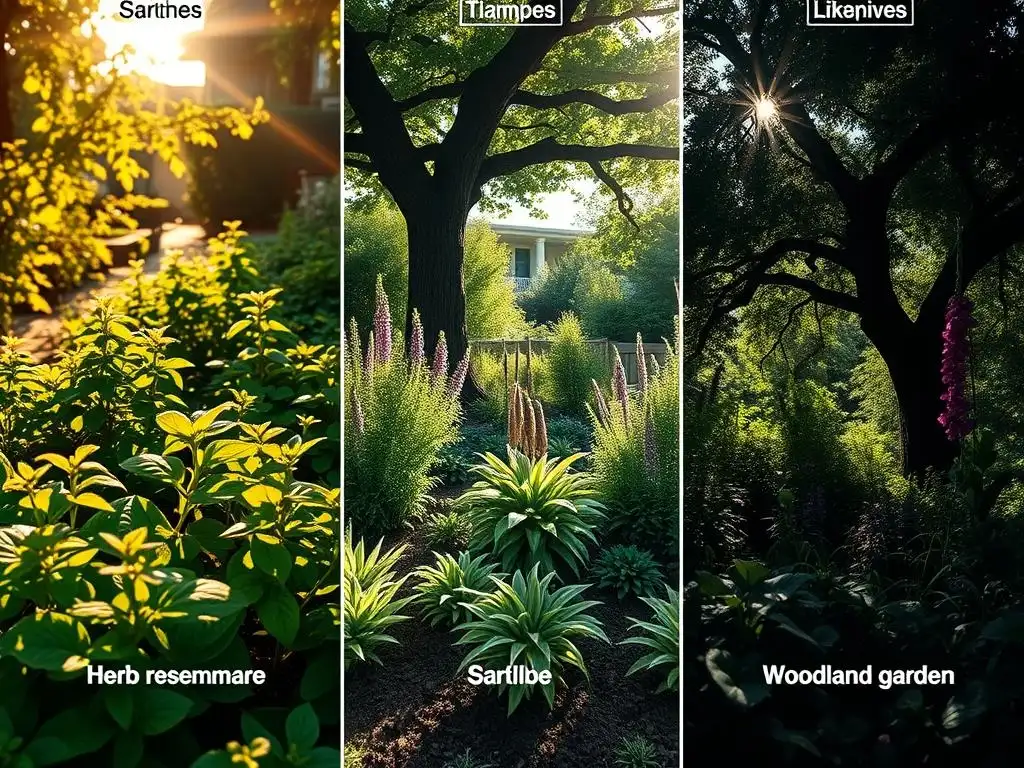
Understanding a plant's shade light requirements is crucial for successful cultivation. The impact of shade varies significantly depending on the type of plant, its growth stage, and the gardening environment. This section explores shade management strategies for various scenarios, focusing on optimizing light availability for healthy plant growth.
We'll examine how different levels of shade affect various plant species and how to adapt your gardening practices accordingly. This includes understanding the difference between full sun, partial shade, and full shade environments and how to identify which category best suits your plants. Successfully navigating these nuances is key to maximizing yield and plant health.
Shade Management in Container Gardens
Container gardening presents unique challenges when it comes to light management. Plants in containers are often more susceptible to changes in light availability because they lack the buffering effects of surrounding soil and other plants. For example, a container plant placed near a building might experience significant shade during certain parts of the day, leading to etiolation (leggy growth) and reduced fruit production.
Effective shade management in container gardens involves careful plant selection and strategic placement. Choose plants known to thrive in partial shade or full sun, depending on the location of your containers. Regularly assess the amount of sunlight each container receives throughout the day, rotating them as needed to ensure even exposure. Consider using shade cloth or other temporary shading structures, especially during the hottest parts of the day, to protect sensitive plants from intense sunlight. This proactive approach helps maintain optimal light conditions for vigorous growth and healthy yields.
Here's a table summarizing ideal light conditions for some popular container plants:
| Plant Type | Ideal Light Conditions | Notes |
|---|---|---|
| Tomatoes | Full Sun | Requires at least 6 hours of direct sunlight |
| Peppers | Full Sun | Similar to tomatoes, needs ample sunlight |
| Basil | Partial Shade/Full Sun | Tolerates some shade, but prefers more sun |
| Strawberries | Partial Shade | Direct sun can scorch leaves; prefers dappled light |
| Impatiens | Partial Shade | Thrives in shade; avoids direct sunlight |
Remember that even within these categories, specific cultivars may have varying light tolerances. Always check the plant tag or a reliable gardening resource for specific light requirements.
Shading Techniques for Seedlings and Young Plants
Seedlings and young plants are particularly vulnerable to intense sunlight, which can easily scorch their delicate leaves and hinder their development. Providing adequate shade during their early growth stages is essential for their survival and healthy establishment.
Several techniques can be employed to provide appropriate shading. These include using shade cloth, which offers adjustable levels of shade, or constructing makeshift shade structures using readily available materials like burlap sacks or even strategically placed larger plants. Another method is to simply place the seedlings in a slightly shaded area of your garden or in a location that receives morning sun and afternoon shade.
The duration and intensity of shading required will depend on the specific plant species and prevailing weather conditions. Generally, seedlings benefit from partial shade for the first few weeks after germination, gradually increasing their exposure to sunlight as they mature. Over-shading, however, can lead to weak, spindly growth, so striking the right balance is key. Regular monitoring of the seedlings' growth and appearance is crucial to ensure they are receiving the optimal amount of light. Observe for signs of sunscald (bleached or brown spots on leaves) or etiolation (excessive stem elongation).
Dealing with Unexpected Shade: Adjusting Plant Placement
Unexpected shading can occur due to various factors, such as the growth of nearby trees or buildings, or changes in the landscape. When dealing with unexpected shade, swift action is needed to prevent significant damage to your plants.
The first step is to assess the extent and duration of the shade. Determine if the shade is temporary or permanent. For temporary shade, you might only need to supplement light with grow lights or move the plants to a sunnier location temporarily. For permanent shade, more drastic measures might be required, such as replacing shade-intolerant plants with shade-loving varieties. Careful observation of your plants' responses to the reduced light is crucial. Look for signs of stress such as leaf yellowing, wilting, or stunted growth.
If the shade is relatively light and only affects a portion of the day, you may be able to mitigate the issue by simply rotating plants regularly to ensure even light distribution. Alternatively, you might consider pruning overhanging branches to allow more sunlight to reach your plants. For more significant shading, consider installing supplemental lighting, such as grow lights, to compensate for the lack of natural sunlight.
Remember to choose appropriate grow lights for your specific plant needs and to follow the manufacturer's instructions carefully. The key is to adapt your gardening strategies to the changed light conditions to ensure the continued health and productivity of your plants.
The Importance of Light and Shade Balance for Healthy Plants
Plants, the very foundation of our food systems and the vibrant green tapestry of our world, rely heavily on sunlight for their survival and prosperity. Photosynthesis, the remarkable process by which plants convert light energy into chemical energy in the form of sugars, is paramount. However, the relationship between plants and light isn't simply a case of "the more, the merrier." A delicate balance between sunlight and shade is crucial for achieving optimal plant health and maximizing yields.
Too much direct sunlight can scorch leaves, leading to sunburn and reduced productivity. Conversely, insufficient light can result in weak, leggy growth and poor fruit or vegetable production. Understanding your plant's specific plant shade light requirements is key. This balance is further complicated by the varying needs of different plant species.
Some thrive in full sun, basking in its intensity for hours each day, while others prefer partial shade or even full shade, flourishing under the dappled light filtering through leaves or structures. Knowing this nuanced interplay between light and shade is critical for successful gardening. This section will delve into specific examples of how different plants respond to varying light conditions, highlighting the importance of careful observation and adaptation. We will explore the signs of light stress and offer practical solutions to prevent and mitigate light-related issues.
Balancing Sunlight and Shade for Optimal Growth
Achieving the perfect light balance for your plants involves understanding their individual needs and adapting your growing environment accordingly. For example, sun-loving tomatoes require at least six hours of direct sunlight daily to produce abundant fruit. Planting them in a shady location will drastically reduce their yield and overall health.
In contrast, leafy greens like lettuce and spinach often prefer partial shade, especially during the hottest part of the day. Excessive sun can cause their leaves to wilt and bolt (go to seed prematurely), compromising their quality and taste. Many herbs, such as mint and basil, also benefit from some shade, particularly in hot climates.
Consider the following strategies for managing sunlight and shade in your garden:
- Plant selection: Choose plants appropriate for your garden's light conditions. Observe the amount of sunlight your garden receives throughout the day to determine the best planting locations.
- Strategic planting: Taller plants can provide shade for shorter, more delicate plants. This technique can be particularly useful in creating a layered garden bed.
- Artificial shading: Use shade cloth or other temporary structures to provide shade during the hottest parts of the day, especially for plants sensitive to intense sunlight.
- Rotation: Rotating plants throughout the growing season can help ensure they receive adequate sunlight.
Recognizing Signs of Light Stress in Plants
Identifying light stress in your plants early is crucial for taking corrective action. Symptoms can vary depending on the type of plant and the severity of the light deficiency or excess. Common indicators of light stress include:
- Etiolation: This refers to the elongated, weak stems and pale leaves often seen in plants grown in low light conditions. Plants literally "stretch" towards the light source.
- Leaf scorch: Brown, crispy leaf margins or patches are classic signs of sunburn, indicating too much direct sunlight.
- Chlorosis: Yellowing of leaves, often between the veins, can be an indication of either too much or too little light, depending on the accompanying symptoms. Nutrient deficiencies can also cause chlorosis, so careful observation is key.
- Reduced flowering and fruiting: Insufficient light can significantly reduce the number and quality of flowers and fruits produced.
- Stunted growth: Plants struggling with inadequate or excessive light will often exhibit stunted growth, remaining smaller and less vigorous than their healthy counterparts.
Observing these symptoms allows for timely intervention. For example, if you notice etiolation in your seedlings, consider providing supplemental light using grow lamps. Conversely, if you observe leaf scorch, relocate the plants to a shadier area or provide afternoon shade using shade cloth.
Preventing light-related issues in your garden is largely about planning and proactive management. Here are some key strategies:
- Site selection: Before planting, carefully assess your garden's light conditions. Consider the orientation of your garden relative to the sun, the presence of any shading structures (trees, buildings), and the time of year.
- Plant spacing: Adequate spacing between plants allows for optimal light penetration to all leaves. Overcrowding leads to competition for sunlight and can exacerbate light stress.
- Monitoring: Regularly inspect your plants for signs of light stress. Early detection allows for prompt corrective action, minimizing the impact on plant health and yield.
- Supplemental lighting: For plants requiring more light than your garden provides, consider using grow lights, especially during periods of low sunlight. This is especially beneficial for starting seeds indoors or supplementing light during winter months.
- Pruning: Pruning can help improve light penetration within the plant canopy, benefiting lower leaves and promoting overall plant health. However, always prune appropriately to avoid harming the plant.
By carefully considering these factors and actively monitoring your plants, you can significantly reduce the risk of light-related problems and cultivate a thriving, productive garden. Remember that understanding your plants' individual plant shade light requirements is fundamental to their success. Happy gardening!
Long-Term Shade Management Strategies
Long-term shade management requires a proactive and strategic approach, going beyond simply adjusting existing structures. It involves careful planning and consideration of your garden's layout and the specific needs of your plants. Understanding the sun's path throughout the year is crucial; this will help you predict which areas will receive the most shade at different times of the year. This knowledge informs decisions about plant placement and the construction of permanent shade structures.
For instance, strategically planting taller, fast-growing trees and shrubs on the west side of your garden can provide effective shade during the hottest afternoon sun, protecting more sensitive plants from scorching. However, careful selection is key. Consider the mature size of these shade-providing plants to avoid overshadowing other areas in the future. Regular pruning can also be a valuable tool to manage the amount of shade provided by these larger plants, allowing you to fine-tune the light exposure for various parts of your garden.
Another long-term solution involves the construction of permanent shade structures, such as pergolas or shade sails. These structures offer a more controlled approach to shade management, allowing you to adjust the amount of shade provided by manipulating the design and materials. For example, a pergola covered with climbing plants offers both shade and aesthetic appeal, while a shade sail provides a more minimalist and easily adjustable solution. However, these permanent structures require careful planning and consideration of their impact on the overall garden design and potential wind load.
Finally, consider the use of light-colored mulches, which can reflect sunlight and reduce soil temperature, mitigating some of the effects of shade. This method is particularly beneficial for plants that are already in shaded areas and require some additional protection from harsh conditions. However, it is important to select a mulch that is appropriate for your specific soil type and plant needs, as some mulches can impede drainage or alter soil pH.
The effectiveness of this method depends on the severity of the shade and the specific needs of your plants. Careful observation of your plants' responses will help you determine the most suitable long-term strategy for your garden.
Frequently Asked Questions
How much light do most plants need?
Most plants require at least 6 hours of sunlight daily, though this varies greatly depending on the specific species. Some thrive in full sun, while others prefer partial shade or even full shade. Always research your plant's specific light needs.
What are the signs of insufficient light for my plants?
Signs of insufficient light include leggy growth, where plants stretch towards the light source, pale or yellow leaves, and reduced flowering or fruiting. Moving the plant to a brighter location can often resolve these issues.
How can I determine the light requirements for a specific plant?
Consult a reliable resource like a plant tag, gardening book, or online database. Look for specific terms like "full sun," "partial shade," or "full shade," which indicate the amount of direct sunlight the plant needs.
What are some ways to provide shade for plants needing it?
You can use shade cloth, strategically placed trees or structures, or even simply move the plants to a more sheltered location. Consider the intensity of the sunlight in your area when selecting a shading method.
How can I tell if my plant is getting too much shade?
If your plant is not producing as much fruit or flowers as it should, or if the leaves are dark green and very dense, it might be due to too much shade. Gradually increase sun exposure to see if the plant improves.
Final Reflection: Harnessing the Power of Shade for Thriving Plants
Understanding the nuances of shade and its impact on plant growth is not merely a horticultural detail; it's the key to unlocking vibrant, healthy gardens. The right amount of light, whether full sun, partial shade, or deep shade, is fundamental to a plant's survival and flourishing. Ignoring these crucial light requirements can lead to stunted growth, weakened plants, and ultimately, a less vibrant garden.
The exploration of shade's influence on plant life has profoundly shaped my own gardening practices, highlighting the interconnectedness of all living things within an ecosystem. I've learned to appreciate the subtle variations in light intensity, recognizing that even seemingly insignificant changes can drastically affect a plant's well-being. This understanding has led me to approach gardening with a newfound respect for nature's delicate balance. The glory of gardening: hands in the dirt, head in the sun, heart with nature. To nurture a garden is to feed not just the body, but the soul.
This quote perfectly encapsulates the profound connection between humans and the natural world that gardening fosters.
Now, consider your own garden, balcony, or even a single houseplant. Take a moment to observe the light conditions in your space. Which plants are thriving, and which might benefit from a change in location or supplemental lighting? By applying the knowledge gained from this article, you can create a haven for your plants, nurturing their growth and enriching your own connection with the natural world. Let's cultivate a deeper understanding of our plant companions and create thriving green spaces, one shaded corner at a time.
Unveil Your Plants' Full Potential: Optimize Light & Growth
Thanks for exploring the world of plant lighting with us! You've learned how shading impacts plant growth. Ready to apply this knowledge?
- Strategic Shading is Key: Carefully observe how your plants react to sunlight and adjust their shade accordingly. Use adjustable shade cloth or strategically position taller plants to naturally shade more delicate ones. This simple step can significantly improve your plants' health.
- Share your shading successes (and challenges!) in the comments below—let's learn from each other! Seeing how others manage shade can offer valuable new ideas.
- Experiment with Different Shading Materials: Research locally available materials to find the most cost-effective and appropriate shading solution for your specific needs. This can lead to even better results.
Ready to transform your garden into a thriving oasis? What shading solutions will you try first?