
Light and Water in Hydroponics: The Science Behind Soilless Growing

Welcome to CultivateYourFood, your guide to a greener, more flavorful life! Are you ready to unlock the secrets of bountiful homegrown harvests? We're diving deep into the fascinating world of sustainable gardening, and this time, we're exploring the critical interplay of hydroponics light and water needs. Discover how precise control over these elements can transform your home into a thriving oasis of fruits, vegetables, and herbs. Uncover the science behind soilless growing and prepare to be amazed by what you can achieve. Let's get started!
- Understanding Hydroponics Light and Water Needs: A Crucial Balance
- Hydroponic Lighting Systems: Types and Considerations
- Water Management Techniques in Hydroponics
- Monitoring Light and Water Levels in Your Hydroponic System
- Optimizing Light and Water for Specific Hydroponic Crops
- The Future of Light and Water Management in Hydroponics
- Frequently Asked Questions
- Final Reflection: Illuminating the Future of Food with Light and Water
- Unlock Your Inner Gardener: Grow Your Own Food Today!
Understanding Hydroponics Light and Water Needs: A Crucial Balance
Hydroponics, the practice of growing plants without soil, offers a fascinating and efficient approach to cultivating fruits, vegetables, and herbs. However, mastering this technique requires a deep understanding of the intricate relationship between light and water – two fundamental elements crucial for plant health and yield. This article delves into the science behind hydroponic light and water needs, exploring the optimal conditions to ensure thriving plants and bountiful harvests.
We'll examine the precise requirements for light intensity and spectrum, the importance of water quality and nutrient delivery, and the dynamic interplay between light exposure and water uptake. Understanding these factors is key to achieving success in your hydroponic gardening journey, allowing you to cultivate your food sustainably and organically, even without soil.
This comprehensive guide will equip you with the knowledge to fine-tune your hydroponic system, maximizing growth and minimizing potential problems. Let's explore the science behind this innovative growing method and unlock the secrets to a thriving hydroponic garden.
Light Intensity and Spectrum for Optimal Hydroponic Growth
Plants in hydroponic systems rely entirely on artificial light sources, making the selection and management of these sources paramount. The intensity of light, measured in micromoles per square meter per second (µmol/m²/s), directly impacts photosynthesis—the process by which plants convert light energy into chemical energy for growth. Different plants have varying light intensity requirements; leafy greens generally require lower light intensities compared to fruiting plants, which demand higher levels.
For example, lettuce may thrive under 200-300 µmol/m²/s, while tomatoes might need 400-600 µmol/m²/s or even more. Insufficient light leads to etiolation (weak, leggy growth), while excessive light can cause bleaching or burning of plant tissues.
Beyond intensity, the light spectrum—the range of wavelengths—also plays a crucial role. Plants primarily utilize red and blue wavelengths for photosynthesis. Many hydroponic growers use LED grow lights offering customizable red and blue ratios tailored to the specific needs of their plants. Far-red light can also influence plant growth and flowering, and some growers incorporate it into their lighting strategies.
The precise ratio of red, blue, and far-red light can significantly impact growth rate, yield, and the overall quality of the harvest. Careful monitoring and adjustment of light intensity and spectrum are crucial for optimizing hydroponic growth. Regularly monitoring PAR (Photosynthetically Active Radiation) values with a light meter is a recommended practice for maintaining optimal lighting conditions.
Water Quality and Nutrient Delivery in Hydroponic Systems
Water quality is arguably the most critical factor in successful hydroponics. Unlike soil-based systems, hydroponics relies on a nutrient solution that is directly absorbed by the plant roots. Impurities in the water, such as chlorine, heavy metals, or excessive salts, can harm or even kill plants. Therefore, using purified water (e.g., reverse osmosis water) is recommended. The pH of the nutrient solution must also be carefully maintained within the optimal range for the specific plant species, typically between 5.5 and 6.5. Deviations from this range can hinder nutrient uptake, leading to nutrient deficiencies or toxicities.
Nutrient delivery methods vary in hydroponic systems, including deep water culture (DWC), nutrient film technique (NFT), and ebb and flow systems. Each system requires a different approach to nutrient management. The frequency and concentration of nutrient applications must be adjusted based on the plant's growth stage and specific nutrient requirements. Regular monitoring of the nutrient solution's EC (electrical conductivity), which reflects the concentration of dissolved salts, is crucial to prevent nutrient imbalances.
Using a calibrated EC meter and pH meter allows for precise control and adjustments to the nutrient solution, ensuring optimal conditions for plant growth. Regular monitoring and adjustments are key to maintaining a healthy and productive hydroponic system. Failure to do so can lead to stunted growth, nutrient deficiencies, and reduced yield.
The Relationship Between Light Exposure and Water Uptake in Hydroponics
Light exposure and water uptake are intrinsically linked in hydroponics. Increased light intensity stimulates photosynthesis, leading to increased transpiration—the process by which plants lose water through their leaves. This heightened transpiration rate necessitates a higher water uptake to maintain plant hydration. Conversely, reduced light intensity leads to decreased transpiration and lower water demand. Therefore, maintaining a balance between light intensity and water availability is crucial for optimal plant growth.
The frequency of watering or nutrient solution replenishment needs to be adjusted according to the light cycle. During periods of high light intensity, more frequent watering or nutrient solution changes might be necessary to compensate for increased transpiration. Monitoring the water level in the reservoir and adjusting accordingly is essential to avoid water stress. Signs of water stress include wilting leaves, drooping, and reduced growth rate.
Regularly checking the plants for these signs, coupled with monitoring the water levels, helps to maintain optimal hydration. This delicate balance between light and water ensures healthy and productive hydroponic growth. Understanding this interplay allows for a more efficient and effective management of both light and water resources within the hydroponic system.
Hydroponic Lighting Systems: Types and Considerations
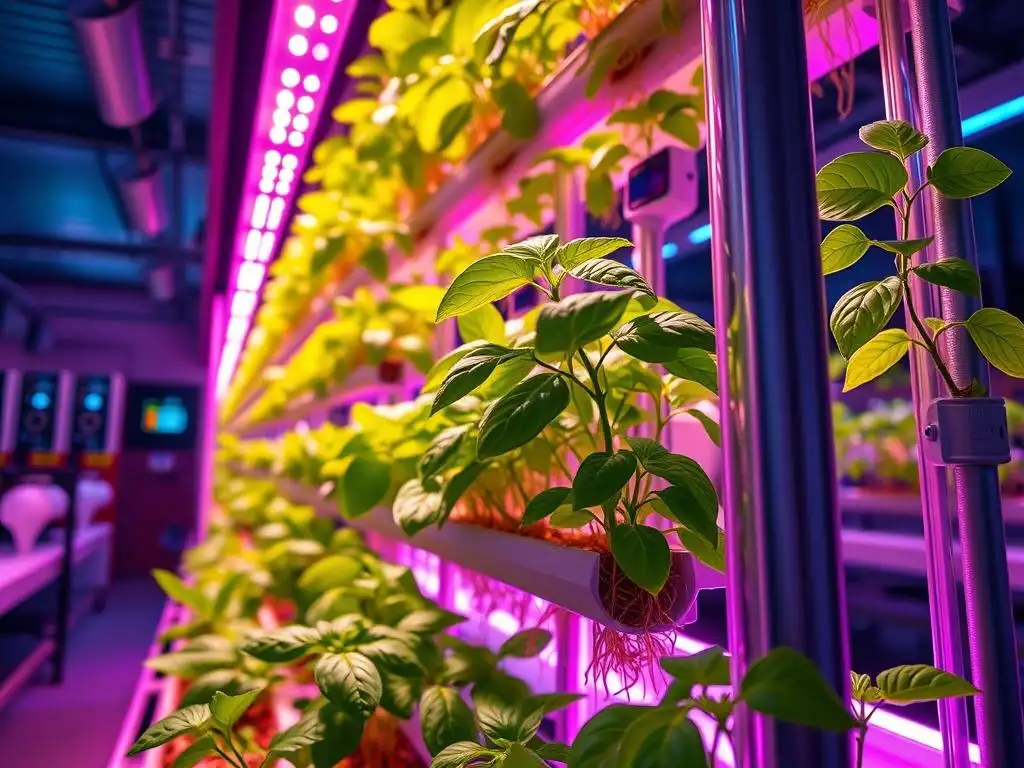
Hydroponics, a method of growing plants without soil, demands careful management of light and water for optimal yield. Understanding the nuances of hydroponic lighting is crucial for success. This section focuses on the various lighting systems available, their pros and cons, and factors to consider when selecting the best option for your hydroponic setup. Effective hydroponic lighting directly impacts plant growth, flowering, and overall productivity, making it a critical aspect of the "Hydroponics light and water needs" equation. The intensity, spectrum, and duration of light are all vital parameters to control.
LED Grow Lights for Hydroponics: Advantages and Disadvantages
Light Emitting Diodes (LEDs) have become increasingly popular in hydroponics due to their energy efficiency and customizable light spectrum. LED grow lights offer several advantages:
- Energy Efficiency: LEDs consume significantly less energy compared to traditional High-Pressure Sodium (HPS) lamps, resulting in lower electricity bills and a smaller carbon footprint. This is a key factor for sustainable hydroponic practices.
- Precise Spectral Control: LEDs allow for precise control over the light spectrum, enabling growers to tailor the light to the specific needs of different plants throughout their growth cycle. This can lead to improved growth rates and yields. For example, you can emphasize blue light during vegetative growth and red light during flowering.
- Longer Lifespan: LEDs generally have a much longer lifespan than HPS lamps, reducing replacement costs and maintenance. A longer lifespan translates to less frequent interruptions in your hydroponic system's lighting.
- Lower Heat Output: LEDs generate significantly less heat than HPS lamps, reducing the need for extensive cooling systems and minimizing the risk of overheating your plants. This is particularly beneficial in enclosed hydroponic setups.
However, LEDs also have some disadvantages:
- Higher Initial Cost: The initial investment for LED grow lights is typically higher than for HPS lamps. However, the long-term energy savings and reduced maintenance often offset this initial cost.
- Potential for Light Degradation: While LEDs have a longer lifespan, their light output can gradually decrease over time. Regular monitoring and potential replacement are necessary.
- Sensitivity to Over-driving: Driving LEDs at too high a current can shorten their lifespan and damage them. Carefully following the manufacturer's specifications is essential.
High-Pressure Sodium (HPS) Lamps in Hydroponic setups: Pros and Cons
High-Pressure Sodium (HPS) lamps have been a mainstay in hydroponics for years, known for their high light intensity and relatively low cost. HPS lamps offer:
- High Light Intensity: HPS lamps provide high light intensity, which is crucial for promoting vigorous growth and abundant flowering in many plants. This makes them suitable for large-scale hydroponic operations.
- Lower Initial Cost: The initial purchase price of HPS lamps is generally lower than that of LEDs. This can be advantageous for growers with limited budgets.
- Proven Track Record: HPS lamps have a long history of use in horticulture, with proven effectiveness in promoting plant growth.
However, HPS lamps also present significant drawbacks:
- High Energy Consumption: HPS lamps consume considerably more energy than LEDs, leading to higher electricity bills and a larger environmental impact.
- Short Lifespan: Compared to LEDs, HPS lamps have a much shorter lifespan, requiring more frequent replacements and increased maintenance.
- High Heat Output: HPS lamps generate a significant amount of heat, requiring robust cooling systems to prevent overheating and damage to your plants. This can add to the overall cost and complexity of your hydroponic system.
- Inefficient Spectrum: HPS lamps produce a broader spectrum of light, with less control over specific wavelengths crucial for optimal plant growth compared to LEDs.
Choosing the Right Hydroponic Lighting System for Your Needs
Selecting the appropriate hydroponic lighting system depends on several factors:
- Budget: LEDs have a higher initial cost but lower running costs, while HPS lamps are cheaper upfront but more expensive to run long-term.
- Space: The size of your hydroponic setup will influence the type and number of lights needed. Larger setups may benefit from the higher intensity of HPS lamps, while smaller setups might be better suited for LEDs.
- Energy Costs: In areas with high electricity prices, the energy efficiency of LEDs makes them a more attractive option.
- Plant Type: Different plants have different light requirements. Some plants thrive under high-intensity light, while others are more sensitive. LEDs offer better spectral control for tailoring the light to specific plant needs.
- Technical Expertise: HPS lamps require less technical expertise to set up and maintain than LEDs, which may require more advanced knowledge to optimize their performance.
Ultimately, the best hydroponic lighting system is the one that best suits your specific needs and resources. Carefully weighing the advantages and disadvantages of different systems is crucial for maximizing your hydroponic garden's success. Consider factors such as initial investment, running costs, energy efficiency, light intensity, spectral control, and lifespan when making your decision. This careful consideration will ensure you meet the crucial "Hydroponics light and water needs" of your plants.
Water Management Techniques in Hydroponics
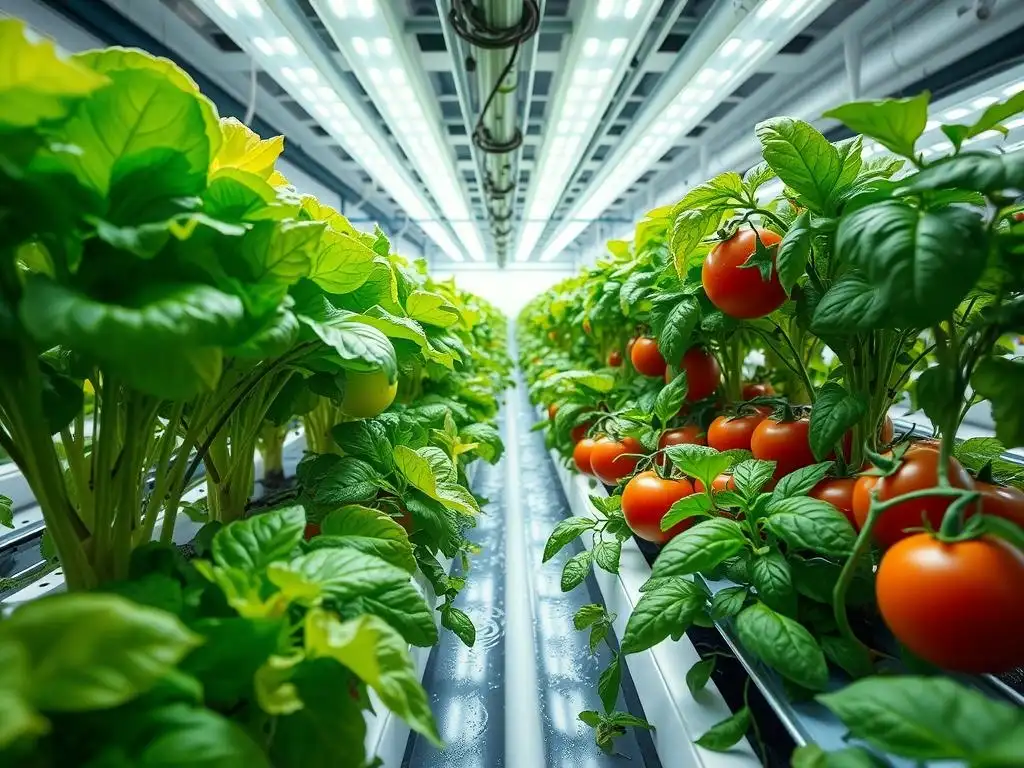
Hydroponics, a method of growing plants without soil, demands precise control over water delivery and nutrient solutions. Efficient water management is crucial for optimal plant growth and maximizing yields while minimizing waste. Understanding the specific water needs of different hydroponic systems is key to success. This section explores several popular techniques, emphasizing their unique water requirements and management strategies.
Mastering these techniques is vital for achieving healthy, thriving plants in your hydroponic garden. The key to hydroponics success lies in understanding the intricate relationship between light and water, and how these factors influence plant growth. Therefore, optimizing water delivery is as crucial as providing the right spectrum of hydroponics light.
Nutrient Film Technique (NFT) and its Water Requirements
The Nutrient Film Technique (NFT) is a highly efficient hydroponic system known for its minimal water usage. In NFT, a thin film of nutrient-rich water constantly flows over the plant roots, providing a continuous supply of oxygen and nutrients. The success of NFT hinges on maintaining a consistent, gentle flow; too little flow leads to nutrient deficiencies and root starvation, while too much can cause root damage and oxygen deprivation.
The precise water requirements for NFT vary depending on factors such as plant type, ambient temperature, and light intensity. Generally, a flow rate of approximately 1-2 gallons per hour per 100 feet of grow bed is considered optimal. However, regular monitoring and adjustments are crucial. Signs of insufficient water flow include wilting plants, yellowing leaves, and stunted growth. Conversely, excessive water flow can lead to soggy roots and the development of root rot.
Regularly checking the pH and EC (electrical conductivity) of the nutrient solution is also essential. Maintaining the correct pH and EC levels prevents nutrient lockout and ensures optimal nutrient uptake. This ensures your plants receive the right balance of nutrients, maximizing their growth potential under your hydroponics light setup. Regular cleaning of the system is also vital to prevent clogging and maintain consistent water flow.
Deep Water Culture (DWC) and Water Level Control
Deep Water Culture (DWC) is another popular hydroponic method. In DWC, plants are suspended with their roots submerged in an oxygenated nutrient solution reservoir. Maintaining the appropriate water level is critical in DWC. The water level should be high enough to completely submerge the roots but not so high as to drown the plants. An insufficient water level can lead to root exposure and desiccation, while an excessive water level can cause anaerobic conditions, leading to root rot and plant death.
Effective water level control usually involves using a float valve or an automated water level controller. These devices maintain a consistent water level by automatically refilling the reservoir as the water is used by the plants. Regularly monitoring the water level is still recommended, especially during periods of high transpiration (water loss from plants). The frequency of water changes in DWC systems also depends on several factors, including the size of the reservoir, the number of plants, and the nutrient solution's concentration.
Regular water changes are crucial to prevent the buildup of salts and other impurities that can harm plant roots and hinder growth. This is especially important under intense hydroponics light conditions, where plants may consume nutrients at a faster rate. It’s important to note that the reservoir needs to be large enough to sustain the plants for a given period between water changes.
Drip Irrigation Systems for Precise Water Delivery
Drip irrigation systems offer a highly precise method of delivering water and nutrients directly to the roots of hydroponic plants. This targeted approach minimizes water waste and ensures that each plant receives the exact amount of water it needs. Drip systems are particularly well-suited for larger hydroponic setups where precise control over water delivery is essential.
The design and configuration of a drip irrigation system are crucial for its effectiveness. Factors such as the size and spacing of the drippers, the water pressure, and the frequency of irrigation need careful consideration. The system must be designed to deliver a consistent flow rate to each plant, preventing overwatering or underwatering.
Regular maintenance, including cleaning the drippers to prevent clogging, is necessary to maintain optimal performance. Choosing the right type of drippers (e.g., pressure-compensating drippers) is also important to ensure uniform water distribution, even with variations in water pressure within the system.
Furthermore, monitoring the water's pH and EC levels is essential to ensure that the plants are receiving the correct nutrient balance and that the system isn't contributing to the build-up of harmful salts. Proper implementation and maintenance of a drip irrigation system can significantly improve the efficiency and productivity of your hydroponic garden, especially under intense hydroponics light conditions where precise water delivery is paramount.
Monitoring Light and Water Levels in Your Hydroponic System
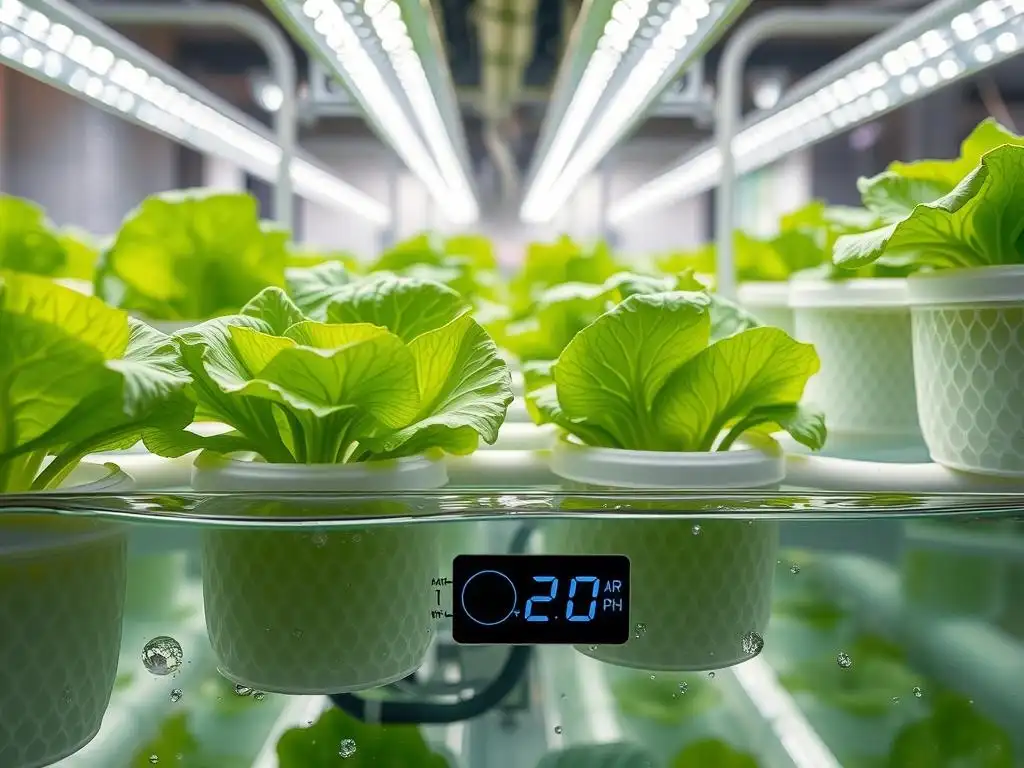
Hydroponics, while offering significant advantages over traditional soil-based gardening, demands meticulous attention to light and water parameters. Successfully cultivating plants without soil hinges on precise control and consistent monitoring of these crucial elements. Neglecting either can lead to stunted growth, nutrient deficiencies, and ultimately, crop failure. This section focuses on practical methods for monitoring these vital aspects of your hydroponic system, ensuring optimal plant health and yield. Understanding your plants' light and water needs is paramount for maximizing your hydroponic garden's potential and achieving bountiful harvests. Let's delve into the specific tools and techniques for effective monitoring.
Measuring Light Intensity with a PAR Meter
Precise light measurement is critical in hydroponics, as plants require specific amounts of photosynthetically active radiation (PAR) to thrive. Unlike traditional gardening where sunlight provides a (somewhat) variable but natural light source, hydroponic setups often rely on artificial lighting. A PAR meter is the indispensable tool for determining the intensity of light reaching your plants. This device measures the amount of light within the 400-700 nm wavelength range, which is the portion of the light spectrum plants use for photosynthesis.
Using a PAR meter, you can ensure your lighting system delivers the appropriate light intensity for the specific plant species you're growing. Different plants have different light requirements; leafy greens generally need less light than fruiting plants. For example, lettuce might thrive at 200-400 µmol/m²/s, while tomatoes may require 600-800 µmol/m²/s.
Regular measurements with a PAR meter allow you to adjust your lighting schedule and distance to optimize light exposure and prevent light stress or deficiency. Remember to take readings at various points within your grow area to ensure consistent light distribution. A consistent and appropriate PAR level is vital for healthy plant growth and high yields in your hydroponic system.
Monitoring Water pH and EC Levels
Water quality is equally crucial in hydroponics. Two key parameters to monitor are pH and electrical conductivity (EC). pH measures the acidity or alkalinity of your nutrient solution, impacting nutrient uptake. Most hydroponic plants prefer a slightly acidic pH range, typically between 5.5 and 6.5, though this can vary depending on the specific plant.
Deviations outside this range can hinder nutrient absorption, leading to deficiencies or toxicities. A pH meter provides accurate readings and allows for timely adjustments using pH up or pH down solutions. Regular monitoring is essential, as pH can fluctuate due to nutrient uptake and other factors.
Electrical conductivity (EC) measures the concentration of dissolved salts and nutrients in your nutrient solution. EC is expressed in milliSiemens per centimeter (mS/cm) or decisiemens per meter (dS/m). An appropriate EC level ensures your plants receive the necessary nutrients without suffering from salt buildup, which can damage roots and hinder growth. Too low an EC indicates nutrient deficiency, while too high an EC leads to salt stress. An EC meter is crucial for maintaining the optimal nutrient concentration for your plants.
Regular monitoring and adjustments with fresh nutrient solution are necessary to maintain the desired EC range. This careful attention to both pH and EC is key to successful hydroponic cultivation. Remember to always calibrate your pH and EC meters regularly for accurate readings. 💧
Troubleshooting Common Light and Water Issues in Hydroponics
Even with careful monitoring, issues can arise. Recognizing the symptoms of light and water problems is key to effective troubleshooting. For instance, leggy plants with weak stems often indicate insufficient light intensity. Yellowing leaves can signal nutrient deficiencies, often linked to incorrect pH or EC levels. Wilting, on the other hand, points towards either underwatering or issues with root health, potentially stemming from overly high EC or imbalanced nutrients. Root rot, a common problem in hydroponics, is frequently associated with poor water management – stagnant water or excessively high humidity.
Addressing these problems requires a systematic approach. Start by reviewing your monitoring data (PAR, pH, EC) to identify potential deviations from the optimal ranges for your plants. Then, adjust your lighting schedule, nutrient solution, or watering practices accordingly. Regularly inspecting your plants for signs of stress or disease is crucial for early detection and intervention. Keeping detailed records of your monitoring data and any adjustments made can assist in pinpointing the cause of future problems and preventing their recurrence. Remember, prevention is key in hydroponics; proactive monitoring and timely adjustments are crucial for successful and sustainable cultivation. 🌱
Optimizing Light and Water for Specific Hydroponic Crops
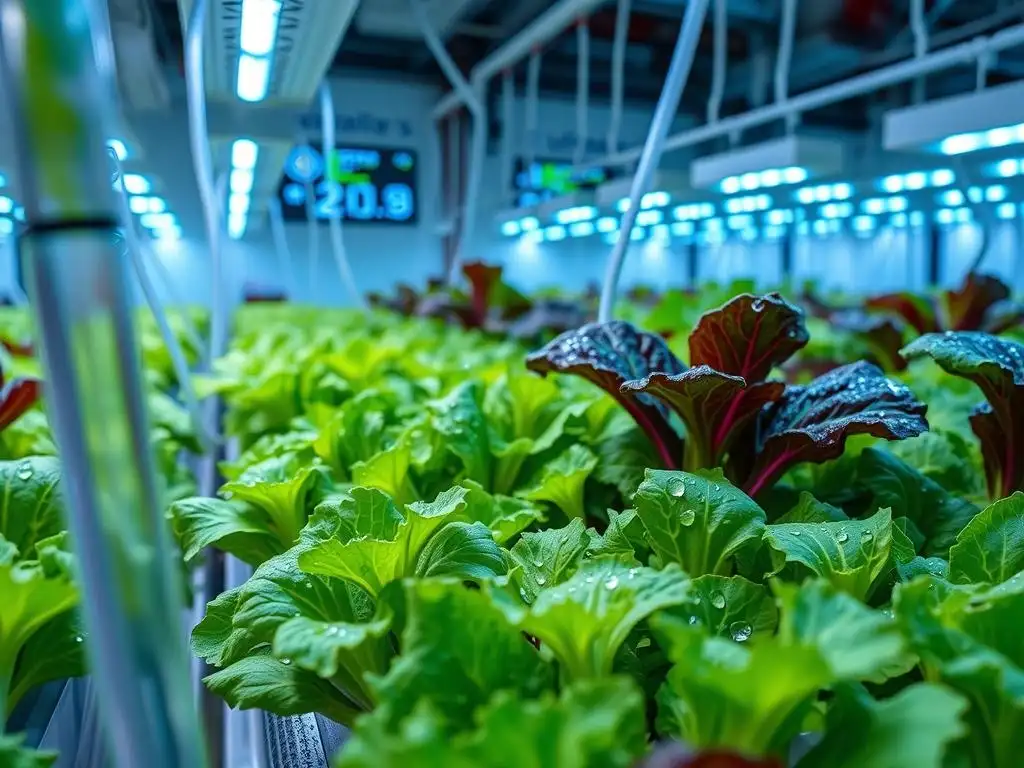
Hydroponics, while offering numerous advantages, demands a precise understanding of light and water needs for optimal yields. Different plants have varying requirements, necessitating tailored approaches to achieve peak performance. Ignoring these specific needs can lead to stunted growth, reduced yields, and ultimately, crop failure. This section delves into the specific light and water requirements for various popular hydroponic crops, providing a practical guide to optimizing your system. Mastering these nuances is crucial for successful hydroponic gardening, maximizing your harvest and minimizing resource waste.
Light and Water Requirements for Leafy Greens
Leafy greens, including lettuce, spinach, and kale, generally thrive under moderate light conditions. They're less demanding than fruiting plants but still require sufficient illumination for healthy growth. Think of it as a Goldilocks scenario: not too much, not too little.
- Light Intensity: Leafy greens typically perform best under 6-8 hours of light per day from fluorescent or LED grow lights. Higher intensity lights can lead to bleaching or burning, while insufficient light results in leggy, weak plants. Consider using a light meter to accurately measure the light intensity at canopy level.
- Water Requirements: Leafy greens prefer consistently moist, but not waterlogged, growing media. Overwatering can lead to root rot, while underwatering results in wilting and stunted growth. A well-designed hydroponic system with a reliable nutrient solution delivery mechanism is key. Regular monitoring of the nutrient solution's pH and EC (electrical conductivity) is also crucial for optimal nutrient uptake. Aim for a pH between 5.5 and 6.5, and an EC that varies according to the specific plant's needs and growth stage. This information is usually available on the nutrient solution packaging.
- Specific Examples: Lettuce varieties like Romaine and Butterhead tend to be more tolerant of slightly lower light levels than faster-growing loose-leaf lettuces. Spinach, similarly, appreciates consistent moisture and moderate light intensity. Kale, being a more robust plant, can tolerate slightly higher light levels. Observing the plants’ visual cues (leaf color, growth rate) is essential to fine-tune your light and water regime.
Light and Water Needs for Tomatoes and Peppers
Tomatoes and peppers, being fruiting plants, have significantly higher light and water demands compared to leafy greens. They need intense light to produce abundant flowers and fruits. Proper water management is equally crucial for healthy growth and fruit development. Insufficient water can lead to blossom-end rot, a common problem in tomatoes and peppers.
- Light Intensity: Tomatoes and peppers require at least 8-10 hours of high-intensity light per day, ideally from high-output LEDs or HID (high-intensity discharge) grow lights. Supplementing with grow lights during winter months, when natural sunlight is limited, is highly recommended. The light spectrum should be balanced, including both red and blue wavelengths, essential for photosynthesis and flowering.
- Water Requirements: These plants need consistent moisture, but excessive watering can lead to fungal diseases and root rot. A well-drained hydroponic system is essential, preventing waterlogging. Regular monitoring of the nutrient solution is crucial, adjusting the pH and EC as needed. The frequency of watering/nutrient delivery will depend on factors such as plant size, environmental conditions, and the type of hydroponic system used. Observe your plants carefully for signs of wilting or yellowing leaves, which indicate either underwatering or nutrient deficiencies.
- Specific Considerations: Different tomato and pepper cultivars have slightly varying light and water preferences. Consider choosing varieties suitable for your specific hydroponic setup. For instance, determinate tomato varieties are better suited to smaller hydroponic systems due to their more compact growth habit. Regular pruning and training of the plants can also improve light penetration and airflow within the system, preventing diseases and promoting optimal growth.
Tailoring Light and Water to Fruiting Plants in Hydroponic Systems
Fruiting plants, in general, necessitate a more nuanced approach to light and water management than leafy greens. Their higher light requirements are directly linked to their energy needs for fruit production. Water management is equally critical, as both insufficient and excessive watering can negatively impact fruit set and quality. Understanding the specific needs of your chosen fruiting plants is crucial for maximizing yields.
| Plant Type | Optimal Light (hours/day) | Water Considerations | Key Considerations |
|---|---|---|---|
| Strawberries | 10-12 | Consistent moisture, avoid waterlogging | Requires good air circulation to prevent fungal diseases |
| Cucumbers | 8-10 | Requires high humidity, consistent watering | Sensitive to nutrient imbalances, regular monitoring needed |
| Melons (Cantaloupe, Watermelon) | 10-12 | Needs consistent moisture, well-drained growing medium | Requires ample space for vine growth and fruit development |
| Berries (Blueberries, Raspberries) | 8-10 | Prefers slightly acidic nutrient solution, consistent moisture | Requires proper pruning and training for optimal yields |
This table provides a general guideline. Always consult reliable sources for specific cultivar recommendations and fine-tune your hydroponic system based on your plants' visual cues and growth patterns. Regular monitoring and adjustments are key to success in hydroponic fruiting plant cultivation. Remember to consider factors such as temperature and humidity, which interact with light and water to influence plant growth. The pursuit of optimized hydroponics is a continuous learning process, requiring careful observation and adaptation.
The Future of Light and Water Management in Hydroponics
The optimization of light and water resources is paramount for successful hydroponic cultivation. While current methods offer significant advantages over traditional soil-based agriculture, ongoing innovation promises even greater efficiency and sustainability. The future of hydroponics hinges on advancements that minimize resource consumption while maximizing yield and quality. This section explores emerging technologies poised to revolutionize light and water management in hydroponic systems. Understanding these trends is crucial for both hobbyists and commercial growers seeking to enhance their productivity and environmental footprint. The keyword "Hydroponics light and water needs" is central to understanding these advancements and optimizing your own system.
Advanced Hydroponic Lighting Technologies
The development of more efficient and specialized lighting solutions is a key area of progress in hydroponics. Traditional high-pressure sodium (HPS) and metal halide (MH) lamps are being increasingly replaced by Light Emitting Diodes (LEDs). LEDs offer several advantages:
- Energy Efficiency: LEDs consume significantly less energy than HPS or MH lamps, translating to lower operating costs and a reduced carbon footprint. Studies show energy savings of up to 50% compared to traditional lighting.
- Spectral Control: LEDs allow for precise control over the light spectrum, enabling growers to tailor the light to the specific needs of different plants at various growth stages. This precise control can lead to faster growth rates and higher yields. For instance, blue light promotes vegetative growth, while red light encourages flowering and fruiting.
- Longevity: LEDs have a much longer lifespan than traditional lamps, reducing replacement costs and maintenance downtime. A typical LED fixture can last for 50,000 hours or more.
- Heat Output: LEDs generate significantly less heat than traditional lighting, reducing the need for expensive and energy-intensive cooling systems. This is especially beneficial in enclosed hydroponic environments.
Beyond basic LED technology, advancements include:
- Quantum Boards: These high-efficiency LED fixtures utilize multiple smaller LEDs arranged in a dense matrix, resulting in even light distribution and superior photosynthetic efficiency.
- Full-Spectrum LEDs: These LEDs mimic the natural sunlight spectrum more closely, providing plants with a wider range of wavelengths for optimal growth.
- Dynamic Lighting Systems: These systems automatically adjust the light intensity, spectrum, and duration based on the plant's growth stage and environmental conditions. This level of automation optimizes light delivery for maximum efficiency.
The ongoing research and development in LED technology continue to push the boundaries of hydroponic lighting, leading to even more efficient and effective solutions. The careful selection of lighting technology directly impacts the overall success of your hydroponic setup, underscoring the importance of understanding these advancements.
Smart Irrigation Systems and Water Conservation
Water conservation is a critical aspect of sustainable hydroponics. Traditional irrigation methods often lead to water waste and nutrient runoff. However, advanced smart irrigation systems are transforming how hydroponic growers manage their water resources. These systems leverage technology to optimize water delivery and minimize waste, directly addressing the "Hydroponics light and water needs" challenge.
Several key features characterize these advanced systems:
- Real-time Monitoring: Sensors continuously monitor soil moisture levels (or substrate moisture in soilless systems), nutrient levels, and environmental conditions. This data provides real-time insights into the plant's water requirements.
- Automated Control: Based on sensor data, the system automatically adjusts the frequency and duration of irrigation, ensuring plants receive the precise amount of water they need, at the right time. This eliminates overwatering and underwatering, both of which can negatively impact plant health and yield.
- Drip Irrigation: Drip irrigation systems deliver water directly to the plant roots, minimizing water loss through evaporation and runoff. This targeted approach conserves water and improves nutrient uptake efficiency.
- Nutrient Management: Smart irrigation systems can also integrate with nutrient delivery systems, ensuring that plants receive the optimal balance of nutrients with each watering cycle. This precision nutrient management minimizes waste and optimizes plant growth.
- Data Analytics: Many systems collect and analyze data over time, providing valuable insights into water usage patterns, nutrient uptake, and overall system performance. This data can be used to further optimize irrigation strategies and improve overall efficiency. This data-driven approach is key to long-term sustainability.
The adoption of smart irrigation systems is not only environmentally responsible but also economically beneficial. By reducing water waste and optimizing nutrient delivery, growers can significantly lower their operating costs while simultaneously improving crop yields. The integration of smart technology is crucial for the future of hydroponics, ensuring that water resources are used efficiently and sustainably. This is vital in meeting the ever-growing demand for fresh produce while minimizing the environmental impact.
Frequently Asked Questions
What are the basic light requirements for hydroponic plants?
Hydroponic plants need intense light to thrive, typically requiring 12-16 hours of light per day. The type of light, whether LED, fluorescent, or HID, also impacts growth; LEDs are often preferred for their energy efficiency.
How much water do hydroponic systems need?
Water requirements vary greatly depending on the type of hydroponic system, plant size, and environmental conditions. Regular monitoring and adjustment are crucial to prevent overwatering or underwatering. Consistent nutrient levels are also key.
What kind of water is best for hydroponics?
Use clean, pH-balanced water; tap water often requires filtration or treatment to remove chlorine and other contaminants. Regular pH testing is vital, aiming for a pH level suitable for your chosen plants.
How does light intensity affect hydroponic plant growth?
Insufficient light leads to weak, leggy growth, while excessive light can scorch leaves. Finding the optimal light intensity for your specific plants and system is key for maximizing yield and quality.
How often should I check the water levels in my hydroponic system?
The frequency depends on your system type and size, but daily checks are recommended, especially for systems with smaller water reservoirs. Regular monitoring prevents nutrient depletion and ensures optimal plant health.
Final Reflection: Illuminating the Future of Food with Light and Water
The delicate dance between light and water in hydroponics isn't just a scientific curiosity; it's the key to unlocking sustainable food production for a growing global population. Mastering this balance offers a powerful solution to the challenges of land scarcity and resource depletion, paving the way for a more resilient and efficient agricultural future.
The impact of controlled environment agriculture, particularly hydroponics, is already being felt worldwide, transforming how we think about food production. We're witnessing a shift from traditional farming methods towards more precise, resource-efficient systems. This transition is not merely technological; it's a cultural one, reflecting a growing awareness of the need for sustainable practices. The future of food is not just about producing more; it's about producing it better, more sustainably, and with greater resilience.
This quote encapsulates the profound shift we're experiencing, a shift driven by innovation and a deep understanding of the interconnectedness of our food systems and the environment.
Consider the implications of this knowledge. You now understand the critical role of light spectrum and intensity, and the precise water management techniques necessary for optimal plant growth in hydroponic systems. This isn't just information; it's empowerment. You can now contribute to a more sustainable future, whether by growing your own food, supporting local hydroponic farms, or simply spreading awareness of this innovative approach to agriculture. Let's illuminate the path towards a more food-secure and environmentally conscious tomorrow, one carefully calibrated light cycle and precisely measured drop of water at a time.
Unlock Your Inner Gardener: Grow Your Own Food Today!
Thanks for exploring the fascinating world of hydroponics! You've just learned how light and water are essential for bountiful harvests without soil. Now it's time to apply that knowledge.
- Start small: Begin with a simple hydroponic system, such as a DIY wicking bed or a net pot system using readily available materials. This low-risk approach will provide valuable hands-on experience.
- Share your success: Document your progress – post a picture of your first sprout on social media using #HydroponicsAtHome and inspire others to grow their own food!
- Expand your knowledge: Deepen your understanding of hydroponics by researching different nutrient solutions and lighting techniques to maximize your yields. Experimenting with a variety of plants will add diversity to your harvests.
Ready to transform your kitchen into a thriving garden? What's your first step towards realizing your hydroponic dreams?