
Nutrient Interactions: How Elements Affect Each Other in Plants


Ready to unlock the secrets of a thriving garden? At CultivateYourFood, we believe everyone can grow their own delicious and healthy produce. But did you know that the success of your harvest hinges on more than just sunlight and water? Discover the fascinating world of plant nutrient interactions explained in our latest article, and learn how understanding these elemental relationships can transform your gardening game. Prepare to be amazed by the intricate dance of nutrients that ensures healthy growth – and get ready to cultivate your most bountiful harvest yet!
- Understanding Plant Nutrient Interactions: A Comprehensive Guide
- Optimizing Nutrient Availability for Enhanced Plant Growth
- Diagnosing Nutrient Deficiencies and Imbalances
- Practical Strategies for Managing Plant Nutrient Interactions
- Case Study: Nutrient Interaction Effects on Corn Yield
- Frequently Asked Questions
- Final Reflection: Unraveling the Symphony of Plant Nutrition
- Unlock Your Plants' Full Potential!
Understanding Plant Nutrient Interactions: A Comprehensive Guide
Plant health and productivity are intricately linked to the complex interplay of various nutrients. Understanding plant nutrient interactions is crucial for successful gardening, whether you're cultivating a vibrant vegetable patch or a fragrant herb garden. This comprehensive guide delves into the synergistic and antagonistic relationships between macronutrients and micronutrients, explaining how these interactions affect nutrient uptake, plant growth, and overall yield. Mastering these interactions is key to achieving optimal plant health using sustainable and organic methods, ensuring a bountiful harvest while minimizing environmental impact.
This article will equip you with the knowledge to understand and effectively manage these vital interactions, ultimately leading to healthier, more productive plants. We'll explore the fascinating world of nutrient dynamics, moving from the major players – macronutrients – to the equally important, though often overlooked, micronutrients. Let's get started!
The Interplay of Macronutrients: Nitrogen, Phosphorus, and Potassium
Macronutrients, needed in larger quantities by plants, form the foundation of healthy growth. Nitrogen (N), phosphorus (P), and potassium (K) are the key players, exhibiting complex interactions that significantly impact plant development. Understanding their individual roles and how they influence each other is paramount for effective nutrient management. Imbalances can lead to nutrient deficiencies and reduced yields, highlighting the importance of a balanced approach.
Nitrogen's Influence on Nutrient Uptake
Nitrogen is essential for chlorophyll production, making it crucial for photosynthesis. A sufficient supply of nitrogen promotes vigorous vegetative growth. However, excessive nitrogen can hinder the uptake of other nutrients, particularly phosphorus. This is because high nitrogen levels can lead to lush foliage, diverting energy away from root development and phosphorus absorption. Conversely, nitrogen deficiency can limit the plant's ability to take up other nutrients effectively, resulting in a cascade of deficiencies. Maintaining an optimal nitrogen balance is therefore critical for overall nutrient uptake efficiency. Optimal nitrogen levels vary greatly depending on the plant species and growth stage.
Phosphorus's Role in Root Development and Nutrient Mobility
Phosphorus plays a pivotal role in root development, impacting a plant's ability to access nutrients in the soil. Strong root systems are essential for efficient nutrient uptake. Phosphorus also plays a vital role in energy transfer within the plant, influencing the mobility and utilization of other nutrients.
Insufficient phosphorus can lead to stunted growth and reduced flowering, directly affecting overall yield. Moreover, phosphorus deficiency can exacerbate the negative effects of other nutrient deficiencies, creating a vicious cycle of poor plant health. Adequate phosphorus levels are crucial to ensuring the efficient transportation and utilization of other essential nutrients throughout the plant.
Potassium's Impact on Enzyme Activity and Nutrient Regulation
Potassium is crucial for regulating enzyme activity and maintaining proper water balance within the plant. It plays a significant role in nutrient transport and utilization, influencing the uptake and distribution of other nutrients. Potassium deficiency can lead to reduced disease resistance and increased susceptibility to stress. This, in turn, can negatively impact nutrient uptake and utilization, further compounding the problem. Potassium's role in regulating stomatal opening and closing is also critical for efficient photosynthesis and water use efficiency. A balanced potassium supply is fundamental for optimal nutrient regulation and overall plant health.
Micronutrient Synergies and Antagonisms: A Delicate Balance
Micronutrients, while needed in smaller amounts, are equally vital for plant health. Their interactions are often complex, exhibiting both synergistic (beneficial) and antagonistic (inhibitory) relationships. Maintaining a balanced supply of micronutrients is crucial for preventing deficiencies and maximizing plant productivity.
The Role of Iron and Its Interactions with Other Micronutrients
Iron is essential for chlorophyll synthesis and various enzymatic processes. Its availability can be affected by pH levels, with higher pH values reducing its solubility and uptake. Iron interacts with other micronutrients like manganese and zinc, with deficiencies in one nutrient often exacerbating deficiencies in others. For instance, iron deficiency can negatively impact manganese uptake, leading to a compounded deficiency and impacting overall plant health. This highlights the importance of considering the interactions between micronutrients when formulating a nutrient management plan.
Zinc's Importance and Potential Interactions with Phosphorus
Zinc is crucial for enzyme activity and growth hormone production. High levels of phosphorus can sometimes interfere with zinc uptake, leading to a zinc deficiency even if sufficient zinc is present in the soil. This antagonistic interaction highlights the importance of maintaining a balanced supply of both nutrients. Symptoms of zinc deficiency often mimic other deficiencies, making accurate diagnosis crucial for effective treatment. Understanding the interaction between zinc and phosphorus is essential for preventing deficiencies and ensuring optimal plant health.
Manganese and Its Relationship with Iron and Calcium
Manganese plays a role in photosynthesis and enzyme activation. Its uptake can be affected by the availability of other nutrients, particularly iron and calcium. High levels of calcium can sometimes interfere with manganese uptake, leading to a deficiency. Conversely, iron deficiency can also affect manganese uptake and utilization. The intricate relationship between these three nutrients underscores the importance of a holistic approach to nutrient management, considering the interconnectedness of various elements. Maintaining a balanced supply of all three is crucial for healthy plant growth and development.
Optimizing Nutrient Availability for Enhanced Plant Growth
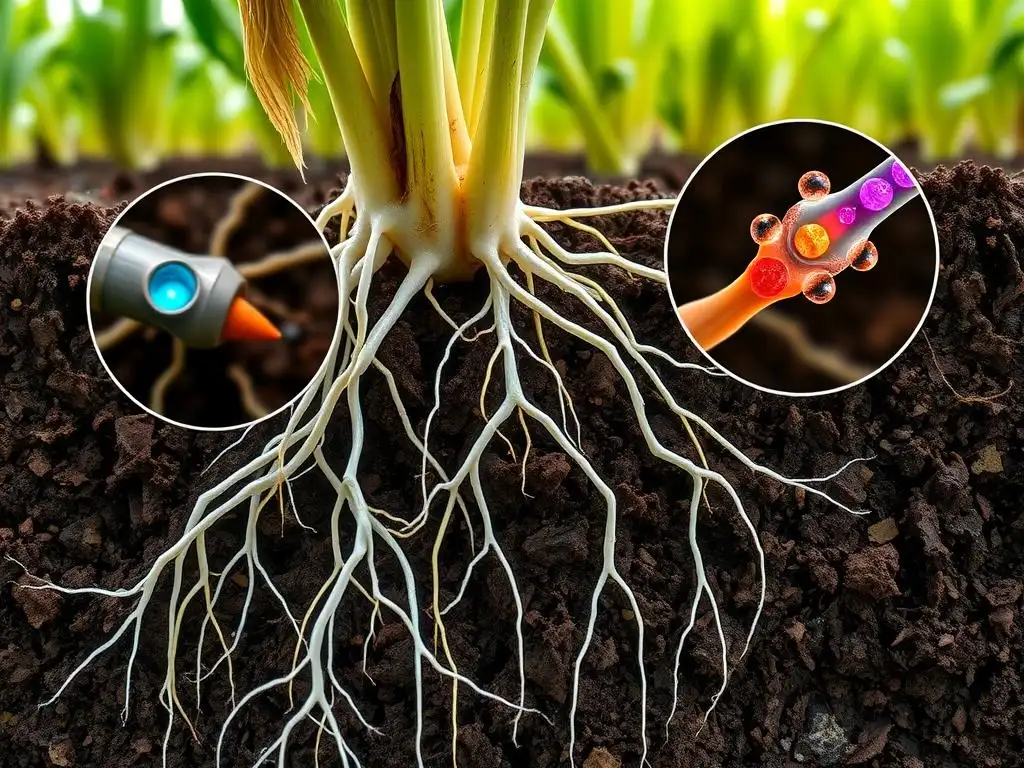
Understanding plant nutrient interactions is crucial for successful home gardening. This section delves into key strategies to optimize nutrient availability, leading to healthier, more productive plants. Mastering these techniques is paramount for achieving bountiful harvests using sustainable and organic practices. We'll explore how soil pH, organic matter, and balanced fertilization directly impact nutrient uptake and overall plant health, addressing the nuances of plant nutrient interactions explained.
Soil pH and its Impact on Nutrient Uptake
Soil pH significantly influences the availability of essential nutrients. The ideal pH range for most plants is slightly acidic to neutral (6.0-7.0), although some plants prefer more acidic or alkaline conditions. At suboptimal pH levels, certain nutrients become less soluble, hindering their uptake by plant roots.
For instance, phosphorus (P) availability drastically decreases in highly alkaline soils (pH > 7.5). Conversely, iron (Fe) and manganese (Mn) become less available in alkaline conditions, leading to deficiencies characterized by chlorosis (yellowing of leaves). Similarly, in highly acidic soils (pH < 5.5), molybdenum (Mo) and calcium (Ca) availability diminishes.
Maintaining the optimal pH range is achievable through soil testing and amendments. Soil tests provide precise measurements of pH and nutrient levels, guiding the application of appropriate liming materials (to raise pH) or elemental sulfur (to lower pH). Regular soil testing, ideally annually or biannually, is crucial for ongoing monitoring and adjustments. This proactive approach ensures consistent nutrient availability for optimal plant growth and addresses the complexities of plant nutrient interactions explained.
Organic Matter's Role in Nutrient Cycling and Availability
Organic matter, encompassing decomposed plant and animal materials, plays a vital role in enhancing nutrient availability. It improves soil structure, water retention, and aeration, creating a favorable environment for root growth and nutrient uptake. Furthermore, organic matter acts as a reservoir for essential nutrients, slowly releasing them as they become available to plants.
The decomposition process, facilitated by soil microorganisms, releases nutrients bound within organic materials. This slow-release mechanism prevents nutrient leaching and ensures a consistent supply over time. Adding compost, aged manure, or other organic amendments significantly enhances the soil's cation exchange capacity (CEC), its ability to retain positively charged nutrients like calcium, magnesium, and potassium. A higher CEC translates to improved nutrient retention and reduced nutrient runoff, further illustrating the intricacies of plant nutrient interactions explained.
Avoiding Nutrient Antagonisms Through Balanced Fertilization
Nutrient antagonisms occur when the presence of one nutrient interferes with the uptake or utilization of another. For example, excessive potassium (K) can reduce magnesium (Mg) uptake, while high levels of phosphorus (P) can hinder zinc (Zn) absorption. Balanced fertilization is key to mitigating these antagonisms and ensuring that plants receive the full spectrum of essential nutrients in optimal proportions. This is particularly important when considering the complex plant nutrient interactions explained.
Balanced Fertilization for Tomatoes
Tomatoes are heavy feeders, requiring ample amounts of nitrogen (N), phosphorus (P), and potassium (K). However, maintaining a balanced NPK ratio is crucial. An excessive nitrogen supply can result in lush vegetative growth at the expense of fruit production. Conversely, insufficient phosphorus can lead to poor fruit set and development. A balanced fertilizer, such as a 5-10-10 or 10-10-10 formulation, provides a good starting point, but soil testing should guide specific nutrient additions. Regular side-dressing with compost or other organic materials can further enhance nutrient availability throughout the growing season.
Balanced Fertilization for Leafy Greens
Leafy greens, such as lettuce and spinach, require a higher nitrogen (N) content for vigorous leaf growth. However, an overabundance of nitrogen can lead to excessive leaf growth at the expense of flavor and nutritional value. A balanced fertilizer, such as a 10-5-5 or 15-5-10 formulation, is usually suitable.
These plants also benefit from regular applications of micronutrients, such as iron (Fe), manganese (Mn), and zinc (Zn), to ensure optimal chlorophyll production and overall plant health. Avoid excessive fertilization, as it could lead to nutrient imbalances and hinder growth. Remember, understanding and managing plant nutrient interactions explained is crucial for success.
Diagnosing Nutrient Deficiencies and Imbalances

Understanding the intricate dance of plant nutrient interactions is crucial for successful cultivation. While providing the right balance of essential nutrients is key, diagnosing deficiencies or imbalances is equally vital for healthy plant growth. This section focuses on practical methods for identifying and addressing nutrient issues in your home garden, ensuring your fruits, vegetables, and herbs thrive. Effective diagnosis relies on a combination of visual observation and scientific analysis. Let's delve into the details.
Visual Symptoms of Nutrient Deficiencies and Excesses
Visual symptoms are often the first indicators of nutrient problems. However, it's important to remember that symptoms can overlap, making accurate identification challenging. Furthermore, environmental stressors like drought or disease can mimic nutrient deficiencies. Therefore, relying solely on visual cues isn't sufficient for a precise diagnosis. However, observing these cues can help guide further investigation.
Visual Cues for Nitrogen Deficiency
Nitrogen (N) is essential for chlorophyll production, impacting leaf color significantly. A nitrogen deficiency typically manifests as:
- Chlorosis: Yellowing of older leaves first, progressing to younger leaves if the deficiency is severe. This is because plants tend to remobilize nitrogen from older leaves to support newer growth.
- Stunted Growth: Reduced plant size and overall vigor. The plants appear smaller and weaker than expected for their age.
- Thin Stems: The stems become thinner and more fragile, increasing their susceptibility to breakage.
- Delayed Maturity: Flowering and fruiting are delayed, resulting in reduced yields.
Consider this example: A tomato plant showing pale yellow leaves, especially on the lower branches, with stunted growth and thin stems is likely suffering from nitrogen deficiency. This is further confirmed by the delayed ripening of the fruits.
Visual Cues for Phosphorus Deficiency
Phosphorus (P) plays a vital role in root development, flowering, and fruiting. Phosphorus deficiency symptoms often include:
- Dark Green or Purple Foliage: Leaves may appear a darker shade of green than normal, sometimes with purplish hues, particularly on the underside of leaves.
- Stunted Root Growth: Poor root development leads to reduced nutrient and water uptake, further exacerbating the deficiency. This can be observed by carefully examining the root system during transplanting or harvesting.
- Delayed Flowering and Fruiting: Flowering and fruit production are significantly delayed or reduced. Fruits may be smaller and fewer in number.
- Necrosis: In severe cases, leaf margins may develop necrotic (dead) areas, turning brown or black.
For instance, a pepper plant exhibiting stunted growth, dark green leaves, and a limited number of small peppers may be experiencing phosphorus deficiency. Careful examination of the roots would confirm the reduced root system.
Visual Cues for Potassium Deficiency
Potassium (K) is crucial for various physiological processes, including water regulation and disease resistance. Potassium deficiency symptoms often appear as:
- Leaf Scorch: The edges of older leaves develop brown, scorched margins, gradually progressing inwards. This is a characteristic symptom of potassium deficiency.
- Yellowing and Necrosis: Yellowing may occur between leaf veins (interveinal chlorosis), followed by necrosis.
- Weak Stems: Similar to nitrogen deficiency, potassium deficiency can lead to weak and brittle stems, increasing susceptibility to lodging (falling over).
- Reduced Fruit Quality: Fruits may be smaller, less flavorful, and prone to blemishes.
For example, a zucchini plant showing leaf scorch on the older leaves, accompanied by reduced fruit size and quality, is a strong indicator of potassium deficiency. The plant might also exhibit weak stems.
Soil Testing and Nutrient Analysis: Accurate Diagnosis
Visual symptoms provide valuable clues, but for accurate diagnosis, soil testing is indispensable. Soil testing kits are readily available, providing insights into nutrient levels and pH. These kits typically involve collecting a representative soil sample, following the instructions carefully, and sending it to a laboratory for analysis. The results will provide a quantitative measure of essential nutrients, guiding appropriate fertilizer application.
Advanced techniques like tissue analysis can provide a more detailed assessment of nutrient uptake by the plant itself, confirming the diagnosis suggested by visual cues and soil tests. This comprehensive approach ensures that your nutrient management strategies are precise and effective, leading to a bountiful and healthy harvest. Remember, accurate diagnosis is the cornerstone of successful plant nutrition management.
Practical Strategies for Managing Plant Nutrient Interactions
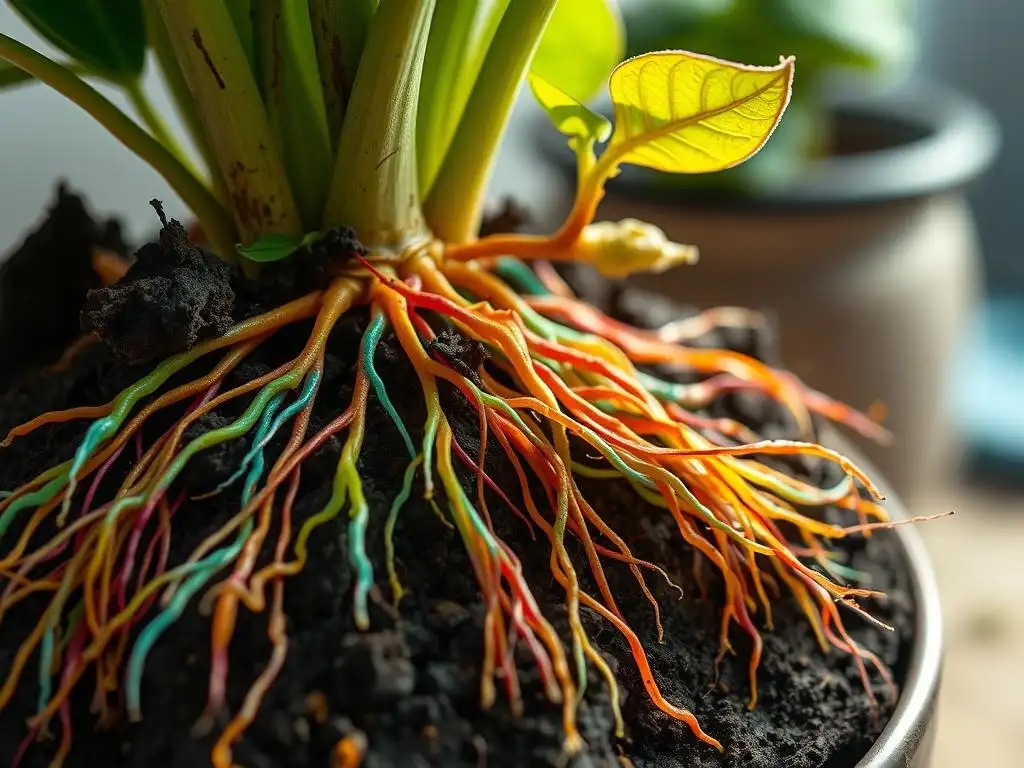
Understanding plant nutrient interactions is crucial for successful home gardening, especially when aiming for organic and sustainable practices. This section will detail practical strategies to optimize nutrient uptake and minimize antagonistic effects, ultimately leading to healthier and more productive plants. Mastering these techniques will help you achieve bountiful harvests while minimizing environmental impact. This is key to understanding "Plant nutrient interactions explained".
Choosing the Right Fertilizer for Your Plants
Selecting the appropriate fertilizer is paramount in managing nutrient interactions. Avoid fertilizers with excessively high concentrations of a single element, as this can lead to imbalances and deficiencies in others. For instance, an overabundance of nitrogen (N) can hinder the uptake of phosphorus (P) and potassium (K), leading to stunted growth and reduced fruit production. This is a common pitfall for beginner gardeners.
The best approach is to conduct a soil test to determine your soil's nutrient profile. This provides a baseline for making informed decisions about fertilizer application. Based on the test results, you can choose a balanced fertilizer with NPK ratios tailored to your specific needs. For example, a 10-10-10 fertilizer offers a balanced supply of the three primary macronutrients, suitable for many plants.
However, plants with higher nutrient demands, such as tomatoes or peppers, might benefit from a fertilizer with a higher phosphorus content during the flowering and fruiting stages. Remember, it's better to apply smaller amounts of fertilizer more frequently than large doses infrequently to avoid nutrient burn and imbalances. Always follow the manufacturer's instructions carefully.
Implementing Organic Amendments to Improve Soil Health
Organic amendments are not just a sustainable alternative; they are key to fostering beneficial nutrient interactions within the soil. They improve soil structure, increase water retention, and provide a steady release of nutrients, reducing the risk of nutrient imbalances.
- Compost: Adding well-rotted compost is arguably the most effective organic amendment. It's rich in a wide range of nutrients, improves soil aeration, and supports beneficial microbial activity. This microbial activity is vital for nutrient cycling and making nutrients available to plants in a readily usable form.
- Worm Castings: These are the excrement of earthworms, exceptionally rich in nutrients and beneficial microbes. They act as a natural slow-release fertilizer, gradually supplying plants with essential nutrients.
- Cover Crops: Planting cover crops, such as legumes (e.g., clover, beans), can significantly improve soil fertility. Legumes fix atmospheric nitrogen into the soil, enriching it naturally and reducing the need for nitrogen-based fertilizers.
Consider the specific needs of your plants and the characteristics of your soil when selecting organic amendments. For example, sandy soils benefit from amendments that improve water retention, while clay soils require amendments that improve drainage and aeration. A diverse approach combining different organic materials is usually the most effective strategy.
Sustainable Practices for Nutrient Management
Sustainable nutrient management involves minimizing waste and maximizing the efficiency of nutrient use. This not only benefits your plants but also protects the environment.
Several practices promote sustainable nutrient management:
- Crop Rotation: Rotating crops helps prevent nutrient depletion in the soil. Different plants have varying nutrient requirements, and rotating them ensures a balanced nutrient uptake over time.
- Mulching: Applying mulch, such as shredded leaves or straw, helps retain soil moisture, suppress weeds, and regulate soil temperature. This reduces nutrient loss through leaching and evaporation.
- Water Management: Proper irrigation practices prevent nutrient leaching, ensuring nutrients remain available to plants. Avoid overwatering, which can wash away essential nutrients.
- Monitoring: Regular observation of your plants is crucial. Look for signs of nutrient deficiencies (e.g., yellowing leaves, stunted growth) or excesses (e.g., leaf burn, wilting). Early detection allows for timely corrective action.
By implementing these sustainable practices, you can optimize nutrient interactions, improve soil health, and reduce reliance on synthetic fertilizers, aligning with the principles of organic gardening and environmental stewardship. This holistic approach ensures healthy plants and a thriving garden, while contributing to a more sustainable future. This contributes greatly to understanding "Plant nutrient interactions explained" in a practical, applicable context.
Case Study: Nutrient Interaction Effects on Corn Yield
This case study examines the impact of nutrient interactions on corn yield, specifically focusing on the interplay between nitrogen (N), phosphorus (P), and potassium (K). Understanding these plant nutrient interactions explained is crucial for optimizing fertilizer application and maximizing crop production. We'll explore how imbalances in these essential elements can lead to reduced yields and compromised plant health, even when sufficient quantities of each nutrient are present individually. This detailed analysis highlights the importance of considering the synergistic and antagonistic effects of nutrients for successful cultivation.
Initial Conditions and Nutrient Levels
The study was conducted on a 10-acre field designated for corn cultivation. Soil analysis prior to planting revealed the following nutrient levels:
| Nutrient | Level (ppm) | Soil pH | Optimal Range (ppm) | Deficiency Symptoms Observed |
|---|---|---|---|---|
| Nitrogen (N) | 15 | 6.2 | 20-30 | Stunted growth, pale green leaves |
| Phosphorus (P) | 8 | 6.2 | 15-25 | Delayed maturity, reduced root development |
| Potassium (K) | 12 | 6.2 | 20-30 | Brown leaf margins, lodging susceptibility |
As you can see, all three major nutrients were below their optimal ranges. The soil pH was slightly acidic, which can further exacerbate nutrient availability issues. The observed deficiency symptoms, such as stunted growth and pale leaves, corroborated the low nutrient levels. This situation provided an ideal setting to investigate the effects of balanced nutrient application. The initial low levels of P, in particular, limited the uptake of other nutrients, demonstrating the complex nature of plant nutrient interactions explained.
Intervention Strategies Implemented
To address the nutrient deficiencies, a controlled experiment was conducted. The 10-acre field was divided into four equal plots:
- Control: No additional fertilizer was applied.
- Nitrogen Only: Fertilizer containing only nitrogen was applied at a rate to bring the soil level to 25 ppm.
- Balanced NPK: A balanced NPK fertilizer was applied to bring the soil levels of N, P, and K to their optimal ranges (25 ppm N, 20 ppm P, and 25 ppm K).
- Phosphorus-enhanced NPK: A fertilizer with enhanced phosphorus (higher P:N:K ratio) was applied to address the initial significant phosphorus deficiency.
The fertilizers used were slow-release formulations to minimize nutrient leaching and maximize uptake efficiency. The application timing coincided with critical growth stages of the corn plants. Careful monitoring of soil moisture and pH was maintained throughout the growing season.
Results and Analysis of Nutrient Interaction Effects
The results demonstrated a clear correlation between balanced nutrient application and increased corn yield.
| Treatment | Average Yield (bushels/acre) | % Increase over Control |
|---|---|---|
| Control | 85 | 0% |
| Nitrogen Only | 95 | 11.8% |
| Balanced NPK | 130 | 52.9% |
| Phosphorus-enhanced NPK | 145 | 70.6% |
The control group showed the lowest yield, confirming the initial nutrient deficiencies. Applying nitrogen alone resulted in a modest yield increase, indicating that nitrogen was a limiting factor. However, the most significant yield increases were observed in the plots receiving balanced NPK fertilizer and, especially, the phosphorus-enhanced NPK fertilizer. This highlights the synergistic effects of these nutrients. The enhanced phosphorus treatment likely improved the uptake of both nitrogen and potassium, leading to the highest yield.
The results clearly illustrate that optimal plant growth and high yields depend not only on the availability of individual nutrients but also on their balanced interaction. This underscores the importance of soil testing and tailored fertilization strategies for maximizing crop productivity and understanding the intricacies of plant nutrient interactions explained. Further research could investigate the specific mechanisms behind these interactions and explore the role of micronutrients in this complex interplay. 🌱
Frequently Asked Questions
What are plant nutrient interactions?
Plant nutrient interactions describe how the availability and uptake of one nutrient affects the uptake and use of other nutrients. Some nutrients work synergistically, enhancing each other's effects, while others can antagonize each other, hindering absorption. Understanding these interactions is crucial for optimal plant growth.
How does phosphorus interact with other nutrients?
Phosphorus uptake is often influenced by the availability of other nutrients, particularly zinc and iron. Sufficient phosphorus is essential for the plant to efficiently absorb these micronutrients. Deficiencies in one can lead to deficiencies in the other.
What is the role of nitrogen in nutrient interactions?
Nitrogen plays a vital role, impacting the uptake of other nutrients like potassium and calcium. High nitrogen levels can sometimes hinder the uptake of other nutrients, while a nitrogen deficiency can limit overall plant growth and nutrient absorption.
How do I identify nutrient deficiencies caused by interactions?
Nutrient deficiency symptoms can be subtle and overlapping, making it difficult to pinpoint the exact cause. Leaf analysis, soil testing, and observing the overall plant health can help identify potential nutrient imbalances stemming from interactions.
What sustainable practices help manage nutrient interactions?
Composting, using organic fertilizers, and employing crop rotation can help balance nutrient levels in the soil and mitigate negative interactions. Regular soil testing enables tailored nutrient management for healthier plants.
Final Reflection: Unraveling the Symphony of Plant Nutrition
Understanding plant nutrient interactions is not merely an academic pursuit; it's the key to unlocking sustainable and efficient agriculture in a world facing growing food demands. The intricate dance between essential elements within a plant, as explored throughout this article, directly impacts crop yields, nutritional value, and overall plant health. Ignoring these complex relationships means missing crucial opportunities to optimize plant growth and resilience.
The profound impact of nutrient interactions extends far beyond the laboratory and into our daily lives. Our understanding of these processes shapes farming practices, influencing food security and the environmental sustainability of our food systems. The land nourishes us, and we must nourish the land in return.
This simple truth underscores the importance of comprehending the delicate balance within plant nutrition, a balance that directly influences the health of our planet and the well-being of its inhabitants. We must move beyond simplistic views of plant fertilization and embrace the holistic perspective offered by understanding nutrient interactions.
Now, consider your own garden, your local farm, or even the potted plant on your windowsill. What steps can you take to better understand and support the complex nutritional needs of your plants? By applying the knowledge gained from exploring these interactions, you can contribute to a more sustainable and productive future, one plant at a time. Let the intricate beauty of plant nutrient interactions inspire you to cultivate a deeper connection with the natural world and the vital role it plays in our lives.
Unlock Your Plants' Full Potential!
Thanks for exploring the fascinating world of nutrient interactions! You've gained valuable insights into how different elements work together—and sometimes compete—to ensure healthy plant growth. Ready to apply this knowledge?
- Create a personalized nutrient plan: Analyze your soil conditions and your plants' specific needs. Develop a tailored feeding schedule that maximizes nutrient synergy for vibrant growth. This is key to unlocking your plants' full potential!
- Share your experiences: Have you noticed any surprising interactions between nutrients in your garden? Let's discuss them in the comments below! We can all learn from each other's successes and challenges.
- Continue learning: Research the specific nutrient needs of your plants to further understand nutrient pairings. It's a journey of continuous learning and rewarding growth!
What nutrient interaction are you most excited to try in your garden?