
PollinatorFriendly Gardening: Simple Steps for a Big Impact

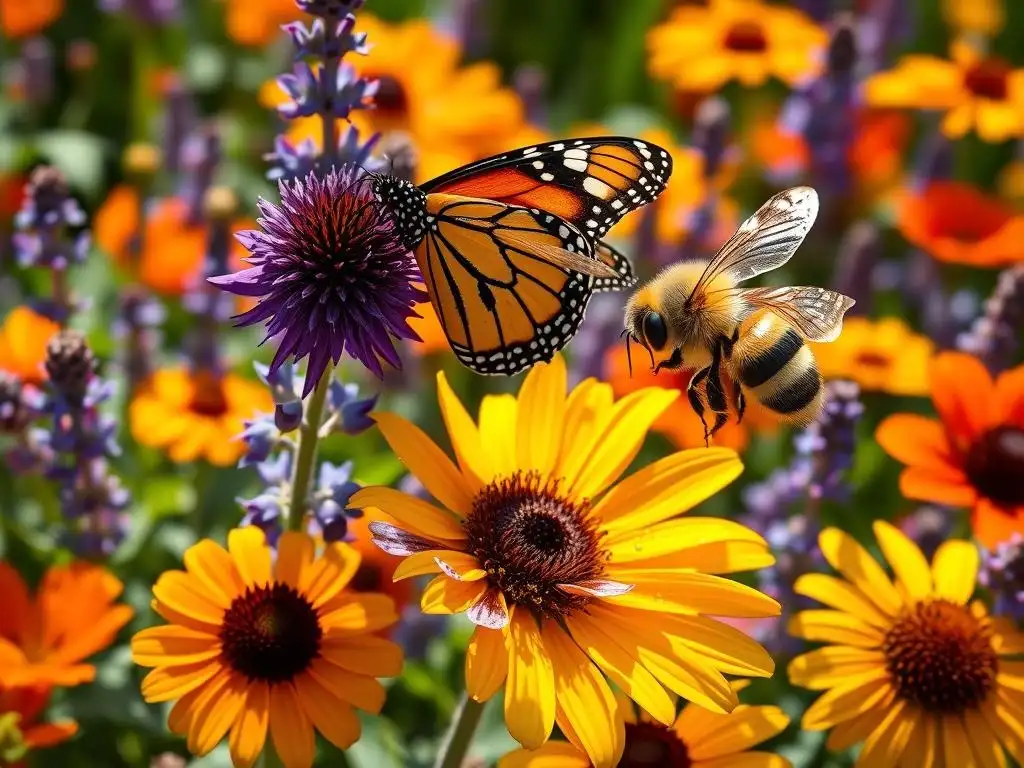
Ready to transform your backyard into a buzzing haven of biodiversity? At CultivateYourFood, we believe everyone can grow their own delicious, healthy food sustainably. This website is your guide to achieving just that. Discover the secrets to attracting vital pollinators to your organic garden – essential for bountiful harvests – and unlock the power of nature in your own backyard. Learn how simple steps can make a big impact in our latest article, "PollinatorFriendly Gardening: Simple Steps for a Big Impact," found within The Science of Gardening category. Let's get growing!
- Understanding the Importance of Pollinators for Your Organic Garden
- Creating a Pollinator Paradise: Attracting Pollinators to Your Organic Garden
- Simple Steps to Attract Pollinators to Your Organic Garden
- Boosting Your Harvest: The Benefits of a Pollinator-Friendly Garden
- Maintaining Your Pollinator-Friendly Garden Year-Round
-
Frequently Asked Questions
- What are the best organic methods to attract pollinators to my garden?
- How can I create a pollinator-friendly habitat without harming beneficial insects?
- What types of plants are particularly attractive to pollinators?
- When is the best time to plant to maximize pollinator activity?
- Are there any specific organic fertilizers that benefit pollinators?
- Final Reflection: Nurturing Life, One Pollinator at a Time
- Unleash Your Inner Bee Whisperer: Grow a Pollinator Paradise!
Understanding the Importance of Pollinators for Your Organic Garden
Attracting pollinators to your organic garden isn't just a nice-to-have; it's essential for a bountiful harvest. Pollinators, those tireless workers of nature, are the unsung heroes behind the fruits, vegetables, and herbs we enjoy. This article will delve into the crucial role pollinators play in your garden's success, exploring the impact of their decline and providing simple, effective steps to cultivate a pollinator-friendly haven.
Understanding the intricate relationship between your organic gardening practices and the health of pollinator populations is key to ensuring a thriving and sustainable ecosystem in your backyard, maximizing your harvest and contributing to the larger ecological balance. By attracting these beneficial insects and other creatures, you're not only boosting your yield but also playing a vital role in environmental conservation. Let's explore how you can attract pollinators to your organic garden and reap the rewards.
The Role of Bees, Butterflies, and Other Pollinators in Fruit and Vegetable Production
Bees, butterflies, hummingbirds, and even some beetles are crucial for the reproduction of many plants. They transfer pollen from the male part of a flower (stamen) to the female part (pistil), enabling fertilization and fruit or seed development. This process is particularly vital for many fruits and vegetables that rely on cross-pollination, meaning they need pollen from a different plant of the same species to produce fruit. Consider the following:
- Apples: Apples famously require cross-pollination to produce a good crop. Without pollinators, apple trees would yield few, if any, fruits.
- Tomatoes: While self-pollinating, tomatoes benefit significantly from pollinator activity, resulting in larger and more numerous fruits.
- Squash: Many squash varieties rely on pollinators for optimal fruit production.
- Berries: A diverse array of pollinators contribute to successful berry harvests.
The sheer volume of pollination achieved by these creatures is astounding. A single bee, for instance, can visit hundreds of flowers in a day, significantly contributing to the overall success of your garden. A healthy pollinator population translates directly to a healthy and abundant harvest. Without them, many of our favorite fruits and vegetables simply wouldn't exist. The more diverse your pollinator population, the greater the chances of successful pollination across a wider range of plants.
How Pollinator Decline Impacts Your Harvest
The alarming decline in pollinator populations worldwide poses a significant threat to food security and the overall health of our ecosystems. Habitat loss, pesticide use, and climate change are major contributing factors. This decline directly impacts your garden's productivity. A reduced pollinator population means less pollination, leading to:
- Reduced yields: Fewer fruits and vegetables will be produced.
- Smaller fruits and vegetables: Those that do develop may be smaller and less flavorful.
- Poor quality produce: Fruits and vegetables may be misshapen or have reduced nutritional value.
The effects can be dramatic, particularly for plants that rely heavily on cross-pollination. It's a stark reminder of the interconnectedness of our ecosystems and the vital role pollinators play in our food supply. Protecting these beneficial creatures is not just an environmental concern; it’s a matter of ensuring food security for ourselves and future generations. Understanding the impact of pollinator decline on your harvest underscores the urgency of creating a pollinator-friendly garden.
Recognizing Common Pollinators in Your Region
Identifying the pollinators visiting your garden helps you understand their needs and tailor your approach to attracting more. Common pollinators vary depending on your geographical location and climate, but some familiar faces include:
- Honeybees ( Apis mellifera): Easily recognizable by their fuzzy bodies and striped abdomens.
- Bumblebees ( Bombus spp.): Larger and fuzzier than honeybees, often with distinctive color patterns.
- Butterflies (various species): Attracted to brightly colored flowers with a sweet scent.
- Hummingbirds: Tiny, hovering birds with long beaks, attracted to tubular flowers.
- Syrphid flies (hoverflies): Often mistaken for bees, these beneficial insects are important pollinators.
Learning to identify these and other pollinators in your region is the first step towards creating a welcoming habitat for them. Observe your garden carefully and note the types of pollinators that visit different plants. This information will guide your efforts to create a more welcoming and productive environment for these vital creatures, enhancing the overall success of your organic gardening endeavors.
Creating a Pollinator Paradise: Attracting Pollinators to Your Organic Garden
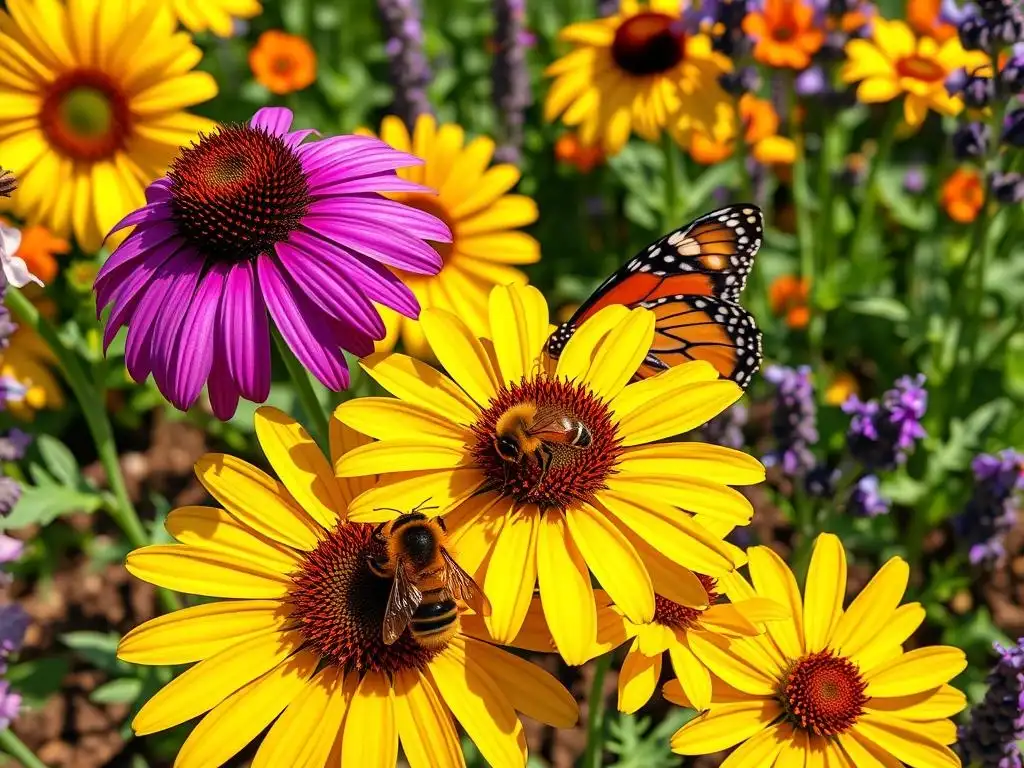
This section delves into the practical steps you can take to transform your organic garden into a haven for pollinators, significantly boosting your harvest and contributing to a healthier ecosystem. Attracting pollinators to your organic garden is crucial for maximizing yields and supporting biodiversity. By implementing these strategies, you'll not only increase your fruit, vegetable, and herb production but also play a vital role in preserving these essential creatures. Remember, a thriving pollinator population is a cornerstone of a successful and sustainable organic garden.
Selecting Pollinator-Friendly Plants for Your Garden
Choosing the right plants is paramount when aiming to attract pollinators to your organic garden. The diversity of your plant selection directly impacts the variety of pollinators you'll attract. Consider these key factors:
Choosing Native Plants to Attract Local Pollinator
Prioritizing native plants is a highly effective strategy for attracting pollinators. Native plants have co-evolved with local pollinator species, meaning they are perfectly adapted to each other's needs. This symbiotic relationship ensures a higher success rate in attracting and supporting your local pollinator population. For example, planting milkweed ( Asclepias spp.)
will attract Monarch butterflies, while sunflowers ( Helianthus spp.) are a magnet for bees and other beneficial insects. Researching plants indigenous to your specific region is essential for optimal results. This ensures the plants are well-suited to your local climate and soil conditions, minimizing the need for extra resources and maximizing their attractiveness to pollinators.
Incorporating a Variety of Bloom Times for Continuous Pollination
To ensure a consistent food source for pollinators throughout the growing season, incorporate plants with staggered bloom times. This means selecting a mix of plants that flower at different times of the year, providing a continuous supply of nectar and pollen. For example, early spring bloomers like crocuses can be followed by summer-blooming lavender and late-season asters, creating an uninterrupted feast for pollinators.
Aim for a diverse selection that offers blooms from early spring until late autumn, maximizing the beneficial impact on your pollinator population. A continuous bloom schedule is key to sustaining a healthy pollinator ecosystem within your organic garden.
Selecting Plants with Different Flower Shapes and Colors
Pollinators are attracted to a wide range of flower shapes and colors. Offering diversity in your planting scheme will attract a broader spectrum of pollinators. Deep, tubular flowers attract long-tongued bees and butterflies, while open, flat flowers are ideal for shorter-tongued bees and other insects. Similarly, a palette of colors, including blues, purples, yellows, and whites, will appeal to a wider range of pollinators. Avoid using pesticides, as these can harm pollinators and reduce the effectiveness of your efforts to attract them. The more diversity you offer, the richer and more vibrant your pollinator community will become.
Providing Essential Resources for Pollinators
Beyond providing food sources, supplying water and shelter is crucial for sustaining a healthy pollinator population in your organic garden. These seemingly small additions can have a significant impact on the overall success of your pollinator-friendly gardening efforts.
Creating Water Sources for Pollinators
Pollinators, like all living creatures, need access to a reliable water source. A simple shallow dish of water with pebbles or marbles to provide landing spots can make a significant difference, especially during dry spells. Ensure the water is regularly refreshed to prevent the growth of harmful bacteria. Consider installing a small birdbath or creating a miniature pond – the added benefit of attracting other beneficial wildlife is an added bonus to your organic gardening practices. Remember, water is as essential as food for a thriving pollinator population.
Offering Shelter and Nesting Sites for Bees and Other Insects
Many pollinators, particularly bees, require suitable nesting sites. Leaving patches of bare ground, incorporating hollow stems in your planting scheme, or installing bee hotels can provide safe havens for these beneficial insects. Avoid disturbing these areas, allowing the pollinators to establish their nests undisturbed. Providing shelter not only supports the existing pollinator population but also encourages new pollinators to settle in your organic garden. This contributes to a more resilient and diverse pollinator community, leading to greater success in your gardening efforts. Remember, a well-sheltered pollinator is a happy, productive pollinator!
Avoiding Harmful Pesticides and Practices
Protecting pollinators means actively avoiding practices harmful to their survival. This is paramount for maintaining a thriving ecosystem in your organic garden and ensuring a bountiful harvest. The widespread use of synthetic pesticides has significantly impacted pollinator populations, leading to alarming declines in bee and butterfly numbers globally. These chemicals, designed to kill pests, often have unintended consequences, harming beneficial insects like bees and butterflies alongside the target pests.
The effects can range from direct toxicity, causing immediate death, to sublethal effects like impaired navigation, reduced reproductive success, and weakened immune systems. These negative impacts ripple through the entire ecosystem, affecting not only the pollinators themselves but also the plants they pollinate and the wider biodiversity of your garden. Therefore, choosing a different approach is crucial for attracting and supporting these vital creatures.
The Dangers of Chemical Pesticides to Pollinators
Chemical pesticides pose a significant threat to pollinators, impacting their health and survival in various ways. For example, neonicotinoids, a class of insecticides widely used in agriculture, are particularly harmful. These systemic pesticides are absorbed by the entire plant, including pollen and nectar, which pollinators consume. Exposure to even low levels of neonicotinoids can cause disorientation, paralysis, and death in bees and other pollinators.
Furthermore, these chemicals can have long-term effects, affecting their reproductive capabilities and weakening their immune systems, making them more susceptible to diseases and parasites. Studies have shown a strong correlation between neonicotinoid use and declines in pollinator populations, highlighting the urgent need to transition to safer alternatives. The impact extends beyond direct toxicity; these pesticides can also disrupt the delicate balance of the ecosystem, leading to unforeseen consequences for the entire food web.
Choosing Organic Pest Control Methods
Fortunately, there are many effective organic pest control methods that protect pollinators while keeping your garden healthy. These methods focus on preventing pest infestations in the first place through cultural practices and employing natural predators or repellents as needed. Crop rotation, companion planting, and maintaining soil health are crucial preventative measures.
Crop rotation disrupts pest life cycles, while companion planting uses plants that repel pests or attract beneficial insects. Healthy soil supports strong, resilient plants less susceptible to pests. When pests do appear, consider using natural predators like ladybugs, lacewings, or praying mantises, which are effective against many common garden pests without harming pollinators.
Diatomaceous earth, neem oil, and insecticidal soaps are also effective organic pest control options with minimal impact on beneficial insects. Regular monitoring of your plants allows for early detection of pest infestations, enabling you to intervene promptly with minimal intervention, safeguarding both your plants and the pollinators vital to their health. By prioritizing these organic methods, you contribute to a healthier ecosystem and a more abundant harvest, all while supporting the vital role of pollinators in your garden.
Simple Steps to Attract Pollinators to Your Organic Garden
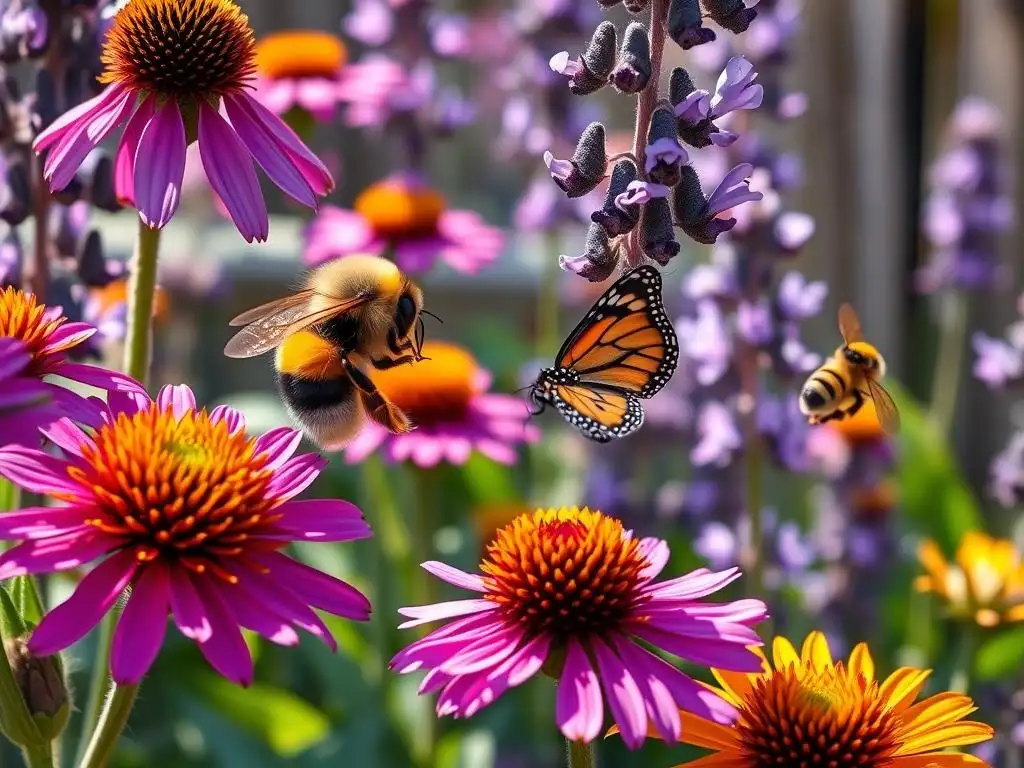
This section details practical, actionable steps to attract pollinators – essential for a thriving organic garden – using sustainable and organic methods. By implementing these strategies, you'll significantly increase your garden's yield and contribute to the health of the local ecosystem. Remember, attracting pollinators is crucial for successful organic gardening, enhancing biodiversity and reducing reliance on artificial pollination methods. Let's dive into the specifics.
Planting a Diverse Range of Flowers and Herbs
A diverse planting scheme is paramount for attracting a wide array of pollinators. Monocultures, while efficient for certain crops, offer limited sustenance for pollinators. Aim for a variety of bloom times and colors to ensure a continuous food source throughout the growing season.
Consider incorporating these pollinator-friendly plants into your garden design:
- Early bloomers: Crocus, Snowdrops, and Winter Aconite provide crucial early-season nectar and pollen.
- Mid-season bloomers: Lavender, Borage, and Calendula offer a vibrant display and attract a range of pollinators.
- Late bloomers: Sedum, Aster, and Goldenrod provide essential sustenance into the fall, supporting pollinators preparing for winter.
- Herbs: Chives, Mint, and Basil are not only culinary delights but also attract beneficial insects. Planting them strategically within your vegetable patches can enhance pollination.
Remember to choose plants native to your region whenever possible. Native plants are best adapted to local conditions and are often more attractive to local pollinator species. Avoid using pesticides, as these can harm pollinators directly. Instead, employ natural pest control methods, such as companion planting and beneficial insect introductions. The key is to create a vibrant, colorful, and diverse habitat that provides a continuous buffet for pollinators. This strategy is crucial for a healthy and productive organic garden, effectively attracting pollinators and improving yields.
Creating a Variety of Habitats for Pollinators
Pollinators require diverse habitats to thrive. Simply planting flowers isn't enough; you need to provide shelter and nesting sites. Creating a variety of microhabitats within your garden will attract a broader range of species.
Here are some ways to enhance your garden's appeal to pollinators:
- Leave some areas "wild": Allow some areas of your garden to grow a little wilder. Patches of long grass, leaf litter, and brush piles offer shelter for ground-nesting bees and other beneficial insects.
- Build a bee hotel: These simple structures provide nesting sites for solitary bees. Numerous designs are available online, using materials like bamboo canes, hollow stems, and drilled wood blocks.
- Provide sunny and shady areas: Different pollinators prefer different conditions. Ensure your garden includes both sunny areas for basking and shady areas for refuge from the heat.
- Avoid using mulch in all areas: While mulch is beneficial in many parts of the garden, leaving some bare ground allows ground-nesting bees to access the soil.
By creating a varied and welcoming environment, you'll attract a greater diversity of pollinators, contributing to a healthier and more resilient ecosystem within your organic garden. This holistic approach goes beyond simply providing food; it addresses the complete needs of pollinator communities.
Providing a Consistent Source of Food and Water
Pollinators need a continuous supply of food and water, particularly during periods of drought or scarcity. Ensure your garden provides a reliable source of both throughout the growing season.
Here's how to keep your pollinators well-fed and hydrated:
- Stagger bloom times: Plant a succession of flowering plants to provide a constant supply of nectar and pollen. Consider plants with different bloom periods to ensure continuous feeding opportunities.
- Provide a shallow water source: A shallow dish of water with pebbles or marbles to provide landing places is crucial, especially during hot and dry spells. Avoid deep water sources, which can be dangerous for pollinators.
- Avoid using pesticides: Pesticides can harm or kill pollinators, disrupting the delicate balance of your ecosystem. Opt for natural pest control methods instead.
- Monitor your plants: Regularly check your plants for signs of stress or disease, addressing issues promptly to ensure a healthy and productive environment for pollinators.
Providing consistent access to food and water is essential for maintaining a healthy pollinator population in your organic garden. This enhances pollination success and contributes to a vibrant and productive growing space. Remember that a healthy pollinator population translates directly into higher yields and healthier plants. This holistic approach to attracting pollinators is key to successful, sustainable organic gardening.
Avoiding the Use of Harmful Pesticides and Herbicides
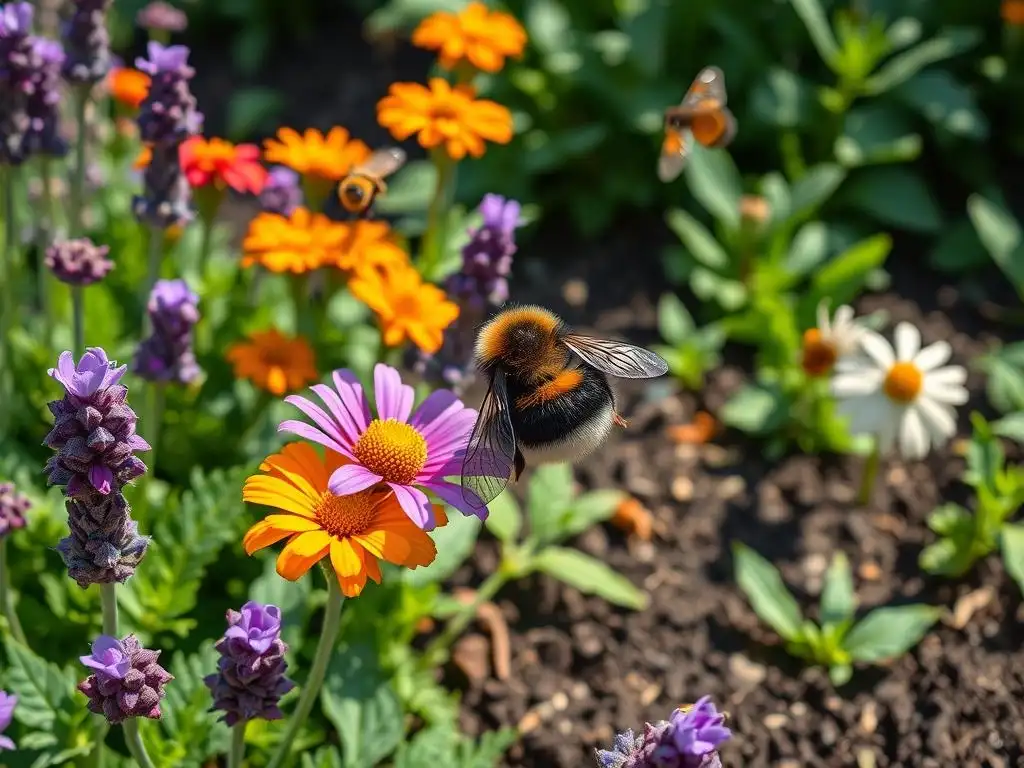
Harmful pesticides and herbicides are devastating to pollinators. These chemicals, designed to kill unwanted insects and weeds, often indiscriminately harm beneficial insects like bees, butterflies, and hoverflies. The effects can range from direct mortality – a bee directly contacting a sprayed plant and dying – to sublethal effects, such as impaired foraging ability, reduced reproduction, and weakened immune systems. This weakens the pollinator population, impacting the overall health and productivity of your garden and the surrounding ecosystem.
Choosing organic gardening methods is crucial for protecting pollinators. Instead of reaching for chemical pesticides, consider natural pest control methods. These might include introducing beneficial insects like ladybugs (which prey on aphids) or using insecticidal soaps for specific pest problems. Remember to always carefully research any alternative pest control method before implementing it to ensure it is safe for pollinators and effective for your specific situation.
A healthy, diverse garden is naturally more resilient to pest problems, reducing the need for any intervention. Focusing on strong plant health through proper watering, fertilization, and soil care will create a less hospitable environment for pests, further reducing your need for intervention. Prioritizing preventative measures over reactive chemical applications is key to attracting and supporting pollinators in your organic garden. The long-term benefits of a healthy pollinator population far outweigh the short-term convenience of chemical pesticides.
Understanding the Importance of Soil Health for Pollinator Attraction
Healthy soil is the foundation of a thriving pollinator-friendly garden. Pollinators are indirectly impacted by soil health through the plants they depend on. Rich, nutrient-rich soil supports robust plant growth, resulting in more abundant and diverse flowers – the primary food source for many pollinators. Plants grown in healthy soil are generally more resistant to diseases and pests, reducing the need for chemical interventions which can harm pollinators. Furthermore, healthy soil promotes a diverse range of beneficial microorganisms and insects that form the base of the food web, indirectly supporting pollinator populations.
For example, certain soil fungi can help plants resist drought and disease, leading to healthier flowering plants that attract more pollinators. Conversely, poor soil health leads to weaker plants with fewer flowers, less nutritious pollen, and less nectar – all detrimental to pollinators. Compacted soil, lacking in organic matter, reduces water infiltration and oxygen availability, hindering plant growth. This ultimately results in a less attractive environment for pollinators.
Improving soil health involves practices like composting, adding organic matter (such as well-rotted manure or leaf mold), and avoiding excessive tillage. Regular soil testing can help you understand your soil's nutrient levels and pH, allowing you to amend it appropriately and support optimal plant growth. By nurturing your soil, you are not only creating a healthier environment for your plants but also indirectly supporting a vibrant pollinator community in your organic garden. Remember, healthy soil equals healthy plants, equals happy pollinators!
Boosting Your Harvest: The Benefits of a Pollinator-Friendly Garden
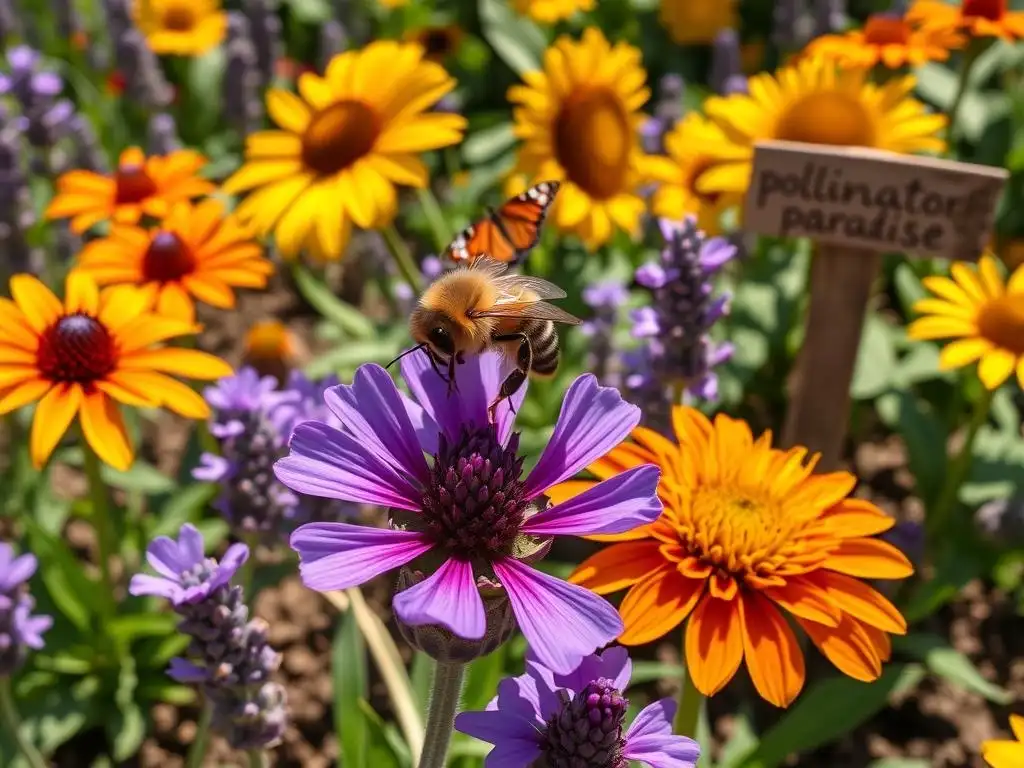
Attracting pollinators to your organic garden isn't just about helping the environment; it's a crucial step towards significantly improving your harvest. A thriving pollinator population translates directly into increased yields and healthier plants, making your efforts in sustainable gardening even more rewarding. Let's explore the tangible benefits of creating a pollinator-friendly space.
Increased Yields and Fruit Quality in Your Organic Garden
Many fruits, vegetables, and herbs rely heavily on pollination for successful fruit set and seed production. Without sufficient pollinators, you'll see a dramatic decrease in the quantity and quality of your harvest. Studies have shown that gardens attracting a diverse range of pollinators, such as bees, butterflies, and hummingbirds, experience yield increases of up to 50% compared to those with limited pollinator activity. 1 This translates to more tomatoes, plump berries, and vibrant flowers—all without resorting to artificial methods. The improved pollination also leads to larger, more flavorful fruits and vegetables, enhancing the overall quality of your organic produce. Consider the difference between a small, tasteless tomato and a large, juicy one – the impact of effective pollination is undeniable.
The impact is particularly noticeable in crops like squash, melons, and berries, which require cross-pollination for optimal fruit development. Even self-pollinating plants benefit from increased pollinator activity, as they often produce more seeds and larger fruits with more vigorous growth when visited by pollinators. This is because pollinators contribute to increased genetic diversity through the transfer of pollen between different plants. This genetic diversity leads to stronger, more resilient plants, better able to withstand disease and pests.
Think of it this way: each pollinator visit is a tiny investment in the future health and productivity of your garden. The more pollinators you attract, the more robust and bountiful your harvest becomes. This is a key component of achieving a truly sustainable and productive organic garden.
Reduced Reliance on Artificial Pollination Methods
Creating a pollinator-friendly environment significantly reduces, and in many cases eliminates, the need for artificial pollination methods. These methods, while sometimes necessary, can be laborious, costly, and environmentally unfriendly. Hand-pollination, for instance, is time-consuming and impractical for large gardens. Furthermore, some artificial pollination techniques utilize chemicals or require specialized equipment, potentially harming the environment and impacting the organic integrity of your produce.
By actively attracting natural pollinators, you bypass the need for these artificial interventions, saving you time, money, and resources. This aligns perfectly with the principles of sustainable and organic gardening, minimizing your environmental footprint while maximizing your harvest. The natural process of pollination is efficient and effective, ensuring healthy plant growth and abundant yields without the need for human intervention beyond creating a welcoming habitat. This approach is not only more environmentally friendly but also more cost-effective in the long run.
Supporting Biodiversity and Ecosystem Health
Attracting pollinators to your garden is more than just about increasing your harvest; it's a vital contribution to biodiversity and overall ecosystem health. Pollinators are essential components of healthy ecosystems, playing a critical role in the reproduction of a vast array of plants. By providing a habitat that supports diverse pollinator species, you are contributing to the larger ecological web.
A diverse pollinator population ensures resilience against environmental changes and reduces the risk of crop failure. If one pollinator species declines, others can step in to maintain pollination services. This is a crucial aspect of maintaining a robust and sustainable ecosystem. The more diverse your pollinator community, the more resilient your garden will be to various environmental stressors. This approach promotes a self-regulating and sustainable system, reducing the need for external interventions and promoting long-term ecological balance. This holistic approach to gardening is not only beneficial for your harvest but also for the wider environment.
1 [Specific information pending: Citation needed for yield increase statistic]
Contributing to a Healthier and More Sustainable Environment
Attracting pollinators to your organic garden isn't just about boosting your harvest; it's a crucial step towards a healthier planet. Pollinators are essential components of a thriving ecosystem, contributing significantly to biodiversity and environmental stability. By creating a pollinator-friendly habitat in your backyard, you're actively participating in conservation efforts, even on a small scale. This impacts the wider environment in several key ways.
Firstly, a diverse pollinator population ensures the reproduction of a wider variety of plant species, leading to a more robust and resilient ecosystem. This resilience is vital in the face of climate change and other environmental pressures. A diverse plant community, in turn, supports a greater diversity of other wildlife, creating a complex and interconnected web of life.
Secondly, supporting pollinators reduces our reliance on artificial pollination methods, which often involve intensive farming practices and the use of pesticides that can harm beneficial insects and other wildlife. By nurturing natural pollination processes, we lessen the environmental footprint associated with food production. This aligns perfectly with the principles of sustainable agriculture and contributes to a more environmentally responsible approach to gardening and food cultivation.
The reduction in pesticide use also directly benefits human health, reducing exposure to potentially harmful chemicals. In essence, creating a haven for pollinators is a small but significant act that ripples outward, positively impacting the health of both the environment and ourselves. Consider the cumulative effect of many gardeners making similar choices – a powerful force for environmental good.
The simple act of planting pollinator-friendly flowers becomes a powerful statement in support of a healthier, more sustainable world. The benefits extend far beyond your own garden.
Maintaining Your Pollinator-Friendly Garden Year-Round
Maintaining a thriving pollinator garden isn't a seasonal task; it's a year-round commitment. Consistent effort ensures a continuous supply of nectar and pollen, providing vital sustenance for these beneficial insects and other creatures throughout the year. Neglecting your garden during the off-season can significantly impact pollinator populations, reducing their numbers and overall effectiveness in your garden and the wider ecosystem. This section will guide you through strategies for nurturing your pollinator haven regardless of the time of year. Attract pollinators organic garden strategies require consistent care and planning.
Providing Winter Shelter for Pollators
Winter presents unique challenges for pollinators. Many hibernate or seek refuge from harsh weather conditions. Providing adequate shelter is crucial for their survival and subsequent spring emergence. Leaving standing dead stems and seed heads from various plants – like sunflowers, coneflowers, and goldenrods – offers excellent overwintering habitats.
These structures provide protection from wind, rain, and extreme temperatures. Consider creating "bee hotels" using bundles of hollow stems (bamboo, reeds) or drilled blocks of wood. These artificial shelters offer safe spaces for solitary bees to lay their eggs and overwinter. Additionally, piles of leaves and brush provide valuable insulation and hiding places for beneficial insects and other pollinators.
Remember to locate these shelters in a sunny, sheltered area of your garden, away from strong winds and excessive moisture. A small, unkempt corner can become a vital refuge for your pollinator friends during the coldest months. This simple act of providing winter shelter can significantly boost pollinator numbers in your organic garden, directly contributing to increased yields and vibrant plant life the following season. Don't underestimate the importance of this seemingly small act in attracting pollinators to your organic garden.
Planning for Continuous Bloom Throughout the Seasons
The key to attracting pollinators to your organic garden year-round is to ensure a constant supply of nectar and pollen sources. This means carefully selecting plants that bloom at different times throughout the year. Avoid planting only spring bloomers; instead, diversify your planting schedule to include early, mid, and late-season bloomers.
Consider a succession planting strategy where you stagger the planting times of different species to ensure a continuous flow of flowers. This continuous bloom approach is essential for sustaining pollinator populations and maximizing their effectiveness in your garden. For example, you might plant crocuses and snowdrops for early spring, followed by lavender and borage in summer, and finally, sedum and goldenrod in autumn.
A well-planned, diverse planting strategy is crucial to attracting pollinators to your organic garden. Remember to consult a local gardening guide to identify plants native to your area that will thrive in your specific climate and soil conditions.
Monitoring Pollinator Activity in Your Garden
Regular monitoring of your garden's pollinator activity is essential for evaluating the effectiveness of your efforts and making necessary adjustments. Observe which plants are attracting the most pollinators and which are being ignored. Note the types of pollinators visiting your garden – bees, butterflies, hummingbirds, etc.
– and identify any potential problems such as a lack of diversity or a preponderance of certain pests. Keeping a simple log of your observations – perhaps noting the date, the species observed, and the plants they were visiting – can help you track changes over time and refine your approach. This data can inform future planting decisions and help you optimize your garden's appeal to pollinators.
Regular monitoring allows you to adapt your strategy, ensuring a consistently vibrant and productive pollinator-friendly environment. This detailed approach to attracting pollinators to your organic garden ensures long-term success and sustainability. Remember, even small changes can make a big difference in supporting these vital creatures.
Adapting Your Garden to Changing Conditions and Needs
Maintaining a thriving pollinator garden throughout the year requires adaptability. Pollinators' needs shift with the seasons, and your garden should reflect those changes. For example, early spring might necessitate planting early-blooming flowers like crocus and snowdrops to provide vital early-season sustenance for emerging bees and butterflies.
These early bloomers offer crucial nectar and pollen resources when other food sources are scarce, significantly impacting the pollinators' ability to build up their colonies and populations for the rest of the year. Failing to provide these early resources can severely limit pollinator populations, leading to a decline in pollination services later in the season.
As spring progresses into summer, the focus shifts to providing a diverse range of flowering plants that bloom at different times. This staggered blooming ensures a continuous supply of food for pollinators throughout the warmer months. Consider incorporating plants with varying heights and flower shapes to cater to the diverse foraging preferences of different pollinator species.
For instance, taller plants like sunflowers attract larger pollinators like bumblebees, while shorter plants like lavender attract smaller bees and butterflies. This diversity is crucial for supporting a healthy and robust pollinator community within your garden. The diversity of the plant species also reduces the risk that a disease or pest could wipe out your entire pollinator food source.
Autumn brings another set of challenges and opportunities. Many pollinators prepare for winter by storing food and seeking shelter. Providing late-blooming flowers like asters and goldenrods offers a crucial late-season energy boost before the cold sets in. These late blooms are vital for the survival of pollinators over winter, ensuring they have sufficient energy reserves to survive the colder months and reproduce successfully in the spring. Leaving some seed heads standing also provides valuable food sources for birds and other beneficial creatures that contribute to the overall health of your garden ecosystem.
Finally, winter preparedness is essential. While many pollinators are dormant, leaving standing stems and seed heads provides overwintering habitat for beneficial insects and their larvae. This reduces the need for harsh winter cleanup and promotes biodiversity. Furthermore, leaving leaf litter and other organic material undisturbed provides crucial shelter for ground-nesting bees and other pollinators that overwinter in the soil.
This natural approach to winter gardening not only supports pollinators but also enhances the overall health and fertility of your soil. Remember, a truly pollinator-friendly garden is a dynamic ecosystem that adapts to the ever-changing needs of its inhabitants, ensuring a continuous cycle of life and growth throughout the year. By understanding and responding to these seasonal changes, you can create a truly thriving and sustainable pollinator haven.
Frequently Asked Questions
What are the best organic methods to attract pollinators to my garden?
Planting a diverse range of flowering plants, offering a succession of blooms throughout the growing season, is key. Avoid using pesticides, and provide water sources for pollinators.
How can I create a pollinator-friendly habitat without harming beneficial insects?
Focus on organic pest control methods like companion planting and introducing beneficial insects. Avoid broad-spectrum insecticides that can harm pollinators and other beneficial insects. Natural predators can help keep pest populations in check.
What types of plants are particularly attractive to pollinators?
Pollinators are drawn to a variety of plants. Consider including native wildflowers, herbs like lavender and mint, and flowering vegetables like zucchini and squash. Diversity is key.
When is the best time to plant to maximize pollinator activity?
Planting in early spring and early fall ensures a continuous supply of nectar and pollen. Stagger your planting to ensure there's always something in bloom for pollinators throughout the growing season.
Are there any specific organic fertilizers that benefit pollinators?
While specific fertilizers don't directly attract pollinators, healthy soil is crucial for plant growth. Use compost and other organic matter to improve soil health, leading to stronger, more attractive plants for pollinators.
Final Reflection: Nurturing Life, One Pollinator at a Time
The decline of pollinators is not just an environmental issue; it's a direct threat to our food security and the delicate balance of our ecosystems. Ignoring the plight of these vital creatures is simply not an option. We are intricately connected to their survival, and their survival is intricately connected to ours.
Creating pollinator-friendly gardens is more than just a hobby; it's an act of active participation in the preservation of biodiversity. It's about recognizing the profound interconnectedness of life and taking tangible steps to protect it. As Albert Einstein famously said, If the bee disappeared off the surface of the globe then man would only have four years of life left.
This quote, while perhaps hyperbolic, underscores the critical role pollinators play in our world and the urgency of our response. The simple act of planting a bee balm or leaving a patch of wildflowers can have a ripple effect, contributing to a healthier planet for generations to come.
You now have the knowledge and the tools to make a difference. Consider the space you have available, even a small balcony or window box can become a haven for pollinators. Choose native plants, avoid pesticides, and provide water sources. Every flower you plant, every action you take, contributes to a larger movement towards a more sustainable and vibrant future. Let's work together to nurture life, one pollinator at a time.
Unleash Your Inner Bee Whisperer: Grow a Pollinator Paradise!
Thank you for learning how to help pollinators! You now have the knowledge to create a vibrant, pollinator-friendly garden. Let's put that knowledge to work.
- Plant a pollinator-magnet: Choose a variety of flowering plants that bloom at different times of the year to ensure a continuous food source for pollinators. This is the most impactful step you can take! Consider including plants like lavender, coneflowers, and sunflowers.
- Share your progress: Take a picture of your blooming pollinator haven and share it on social media using #PollinatorParadise and #CultivateYourFood. Let's inspire others to create their own pollinator-friendly spaces!
- Join the conversation: Which plants unexpectedly attracted the most pollinators to your garden? Share your discoveries in the comments below!
Ready to transform your garden into a buzzing oasis?