
Propagating Plants in Small Spaces: Vertical and Container Gardening

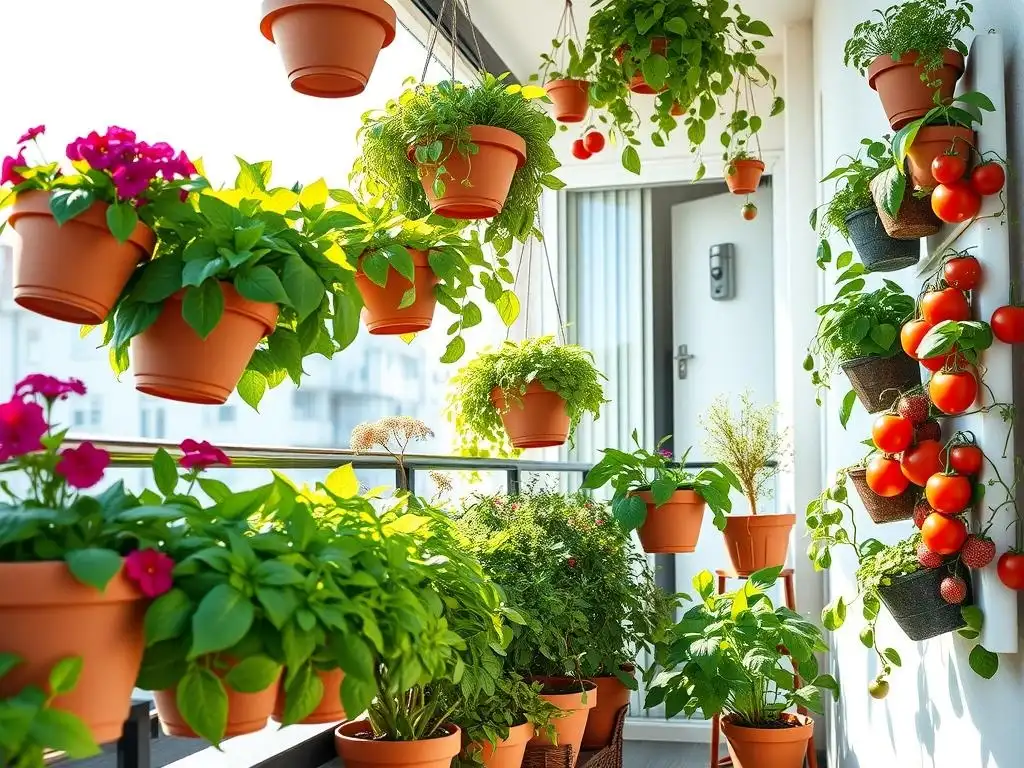
Welcome to CultivateYourFood, your guide to a greener, more sustainable life! Are you dreaming of fresh, homegrown produce but lack the space? Discover the secrets to thriving vertical gardening in small spaces, unlocking the potential of your balcony, patio, or even windowsill. Learn how to transform limited areas into vibrant, productive gardens brimming with fruits, vegetables, and herbs. Dive into "The Science of Gardening" and unlock the knowledge to cultivate your own food paradise – let's get growing!
- Maximizing Space: Vertical Gardening for Small-Scale Cultivation
- Container Gardening Techniques for Limited Areas
- Combining Vertical and Container Gardening for Optimal Results
- Propagating Specific Plants in Small Spaces
- Sustainable Practices in Small Space Propagation
-
Frequently Asked Questions
- What is vertical gardening, and how does it benefit small spaces?
- What types of plants are best suited for vertical gardening?
- What materials are needed for a vertical garden in a small space?
- How do I ensure proper watering and drainage in a vertical garden?
- What are some common challenges of vertical gardening, and how can I overcome them?
- Final Reflection: Cultivating Growth, Even in the Smallest Spaces
- Unleash Your Inner Gardener: Grow Your Green Oasis!
Maximizing Space: Vertical Gardening for Small-Scale Cultivation
Vertical gardening is a game-changer for urban dwellers and anyone with limited outdoor space. This innovative approach to cultivation allows you to grow a surprisingly large quantity of fruits, vegetables, and herbs in a small footprint, maximizing yield while minimizing land usage. This article will delve into the practical aspects of vertical gardening in small spaces, focusing on techniques and materials to help you establish a thriving, sustainable home garden, regardless of your space constraints.
We'll explore how to choose the right system, gather the necessary materials, and even build your own vertical garden, all while adhering to organic and sustainable practices. This guide is specifically tailored for those searching for effective "Vertical gardening small spaces" solutions, providing a comprehensive understanding of this increasingly popular gardening method.
The benefits extend beyond simply saving space; vertical gardening often improves air circulation, reduces water usage, and can even enhance the aesthetic appeal of your home or balcony. Let's explore how you can cultivate your food, even in the smallest of spaces.
Choosing the Right Vertical Gardening System for Your Space
The success of your vertical garden hinges on selecting a system appropriate for your available space, the types of plants you intend to grow, and your personal preferences. Several options exist, each with its pros and cons:
- Hanging Baskets: Ideal for trailing plants like strawberries and herbs. They are readily available and require minimal setup. However, they might require more frequent watering due to quicker drying.
- Wall-Mounted Planters: These offer a more structured approach, perfect for stacking herbs or growing vining vegetables vertically against a wall. Consider the weight capacity and drainage when choosing a wall-mounted system.
- Tower Gardens: These self-contained systems utilize a central tower with multiple planting levels, maximizing space utilization. They often incorporate self-watering features, simplifying maintenance.
- DIY Pallet Gardens: Repurposed pallets offer a rustic and cost-effective solution. However, careful preparation is crucial to ensure proper drainage and longevity.
Choosing the right system involves careful consideration of factors such as:
| Factor | Considerations |
|---|---|
| Space Available | Measure your space carefully; consider height, width, and sunlight exposure. |
| Plant Type | Choose a system suitable for the plants' growth habit (vining, trailing, bushy). |
| Sunlight | Ensure sufficient sunlight for your chosen plants. |
| Budget | Systems range in price; consider your budget and DIY capabilities. |
| Maintenance | Evaluate the ease of watering, fertilizing, and harvesting for each system. |
Consider your specific needs and preferences to make an informed decision. Remember that even a small space can support a surprisingly productive vertical garden!
Essential Materials for Vertical Gardening Success
Before embarking on your vertical gardening journey, gather these essential materials:
- Planting Containers: Choose pots or containers with adequate drainage holes. The size will depend on the chosen plants. Consider using recycled materials for a sustainable approach.
- Potting Mix: A well-draining potting mix is crucial. Avoid using garden soil directly, as it can compact and hinder drainage in vertical systems.
- Plants: Select plants appropriate for vertical growth, considering their mature size and sunlight requirements. Seedlings or young plants are generally easier to manage in vertical gardens.
- Support Structures: Depending on your chosen system, you may need stakes, trellises, or other support structures to help plants grow vertically.
- Watering System: A watering can or a more sophisticated drip irrigation system can be used, depending on the scale of your vertical garden.
- Fertilizer: Choose an organic fertilizer suitable for your chosen plants.
Remember to prioritize quality materials that will withstand the elements and ensure the long-term health of your plants. Investing in durable and appropriate materials will contribute to the success of your vertical garden.
Building Your Own Vertical Garden: A Step-by-Step Guide
Building your own vertical garden is a rewarding experience that allows for customization and cost savings. Here’s a simple guide for creating a basic vertical planter using recycled materials:
- Gather Materials: You'll need reclaimed wood pallets (ensure they are treated for outdoor use), screws, waterproof sealant, potting mix, and your chosen plants.
- Prepare the Pallet: Clean the pallet thoroughly and apply a waterproof sealant to protect the wood from rot and decay.
- Create Planting Pockets: Using screws, attach sturdy containers (recycled plastic bottles or cans work well) to the pallet's slats, ensuring adequate spacing between containers for plant growth.
- Drainage: Drill drainage holes in the bottom of each container.
- Planting: Fill each container with the appropriate potting mix and plant your chosen seedlings or young plants.
- Watering and Maintenance: Water regularly and monitor for pests or diseases. Adjust watering frequency based on weather conditions and plant needs.
This is a basic example, and the complexity can be adapted to your skill level and desired aesthetic. Remember to prioritize safety when working with tools and always ensure proper drainage to prevent root rot. With creativity and a little effort, you can construct a beautiful and productive vertical garden tailored to your specific space and gardening aspirations. 🌱
Selecting Suitable Plants for Vertical Gardening
Choosing the right plants is crucial for successful vertical gardening in small spaces. Not all plants thrive in these conditions. Consider factors like the plant's mature size, root system, and sunlight requirements. Vining plants are a natural fit, effortlessly climbing upwards and maximizing vertical space.
Examples include cucumbers, tomatoes (certain varieties are better suited than others – bush tomatoes are often preferred for containers and vertical setups), and various types of beans. These are prolific producers and can yield a substantial harvest even in limited space. However, the weight of the fruit needs to be considered, especially with heavier tomatoes; sturdy supports are essential to prevent breakage.
Beyond vining plants, consider herbs like basil, mint, and oregano. These aromatic plants not only add flavor to your dishes but also thrive in containers and can easily be trained to grow upwards with the help of trellises or other support structures. Their smaller size makes them ideal for compact vertical gardens. Strawberries, known for their trailing growth habit, are also a fantastic choice for vertical gardening. They can be grown in hanging baskets or vertical planters, offering a visually appealing and productive addition to your small-scale setup.
However, it's important to avoid plants with extensive root systems or those that require significant spacing. Large, sprawling plants will quickly outgrow their vertical confines and may struggle to receive adequate nutrients and sunlight. Researching the specific needs of each plant before planting is paramount. Look for compact or dwarf varieties bred specifically for containers and vertical gardening. These varieties are often more manageable and productive in limited spaces.
Remember to consider the overall weight of the mature plant and the strength of your chosen vertical support system. Overloading a structure can lead to damage and loss of yield. Proper plant selection is the cornerstone of a thriving vertical garden, even in the smallest of spaces. Careful consideration of these points will ensure a bountiful harvest from your vertical gardening efforts.
Container Gardening Techniques for Limited Areas
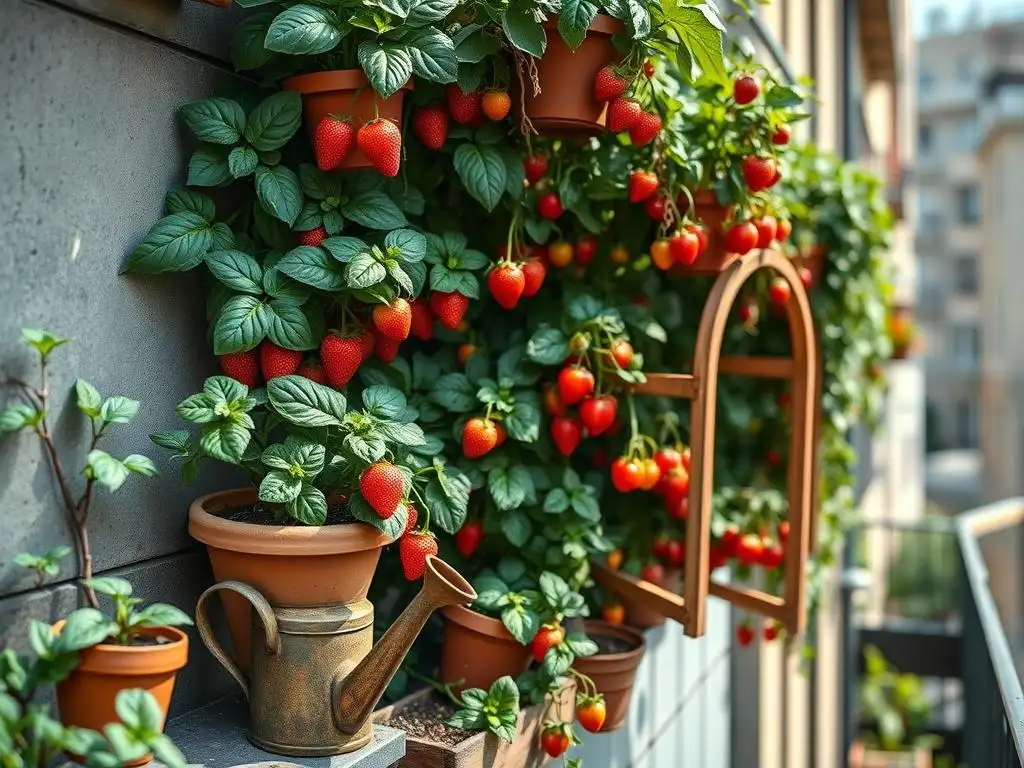
This section delves into the practical aspects of maximizing plant propagation in small spaces using container gardening techniques. Vertical gardening small spaces is a popular trend, but success hinges on choosing the right containers and providing optimal growing conditions. We'll explore key considerations for achieving thriving plants, even with limited square footage. Remember, successful vertical gardening small spaces requires attention to detail.
Selecting Appropriate Containers for Plant Propagation
Choosing the right containers is paramount for successful container gardening. The size, material, and drainage capabilities all directly impact plant health and growth. Avoid using containers that are too small, as this restricts root development and can lead to stunted growth and nutrient deficiencies. Conversely, overly large containers can retain too much water, leading to root rot.
Here's a breakdown of container considerations:
- Size: Select containers appropriate to the mature size of your chosen plants. Research the mature root spread of your plants before selecting a container. A general rule is to choose a container at least 1-2 inches larger than the root ball.
- Material: Many materials are suitable, each with pros and cons:
- Plastic: Lightweight, inexpensive, and readily available, but can degrade over time and may not regulate temperature as effectively as other materials.
- Terracotta: Porous, allowing for good drainage and aeration, but can dry out quickly and may require more frequent watering.
- Wood: Attractive and durable, but can rot if not properly treated and maintained. Cedar and redwood are naturally rot-resistant options.
- Metal: Durable and can be aesthetically pleasing, but can heat up quickly in direct sunlight, potentially damaging roots.
- Drainage: Adequate drainage is crucial to prevent root rot. Ensure all containers have drainage holes to allow excess water to escape. Consider adding a layer of gravel or broken pottery shards to the bottom of the container to further improve drainage.
Creating the Ideal Soil Mix for Container Gardening
The soil mix in your containers is critical for plant health. Using standard garden soil directly in containers is often a mistake. Container gardening necessitates a well-draining, nutrient-rich potting mix that retains some moisture but prevents waterlogging.
A good potting mix typically consists of:
- Peat moss: Retains moisture and provides aeration.
- Perlite or vermiculite: Improves drainage and aeration.
- Compost: Adds nutrients and improves soil structure.
The precise ratio of these components may vary depending on the specific needs of your plants. For example, succulents and cacti require a more well-draining mix with less peat moss than moisture-loving vegetables. Avoid using garden soil directly in containers, as it can become compacted and poorly drained.
Watering and Fertilizing Plants in Containers
Container-grown plants require more frequent watering than those planted in the ground. The soil in containers dries out much faster due to increased exposure to sun and wind. Regularly check the moisture level of the soil by inserting your finger a few inches into the soil. Water thoroughly when the top inch or two of soil feels dry.
Overwatering and underwatering are both detrimental. Overwatering leads to root rot, while underwatering leads to wilting and stunted growth. Consistent monitoring is key.
Fertilizing is also crucial for maintaining healthy growth. Container plants deplete nutrients more quickly than in-ground plants. Use a balanced, slow-release fertilizer according to the package instructions. You can also opt for liquid fertilizers applied regularly during the growing season. Always follow the instructions carefully to avoid over-fertilizing, which can damage plants. Remember to consider the specific nutrient requirements of your plants when selecting a fertilizer. Regular monitoring and adjustments will ensure optimal plant health and vigorous growth.
Preventing Common Container Gardening Problems
Container gardening, while offering a fantastic solution for vertical gardening small spaces, presents unique challenges. Understanding and proactively addressing these issues is crucial for success. Overwatering, for instance, is a common culprit leading to root rot and plant death. This is exacerbated in containers because the soil dries out more quickly than in-ground plantings.
Careful monitoring of soil moisture is key; using your finger to check the top inch or two is a better indicator than relying solely on a schedule. Consider using well-draining potting mixes, which are specifically formulated to prevent waterlogging. Adding perlite or vermiculite to your soil can also significantly improve drainage. Don't be afraid to let the soil dry out slightly between waterings, especially if your containers are in shade or experience less sunlight.
Another frequent problem is nutrient deficiency. Unlike in-ground gardens, containers have a limited volume of soil, meaning nutrients are depleted more rapidly. Regular fertilization is essential to provide plants with the necessary nutrients for healthy growth. Opt for slow-release fertilizers or consider liquid feeding every few weeks, paying close attention to the specific needs of your plants. Over-fertilizing is also a risk, so always follow the instructions carefully. Observe your plants carefully for signs of nutrient deficiency, such as yellowing leaves or stunted growth. These visual cues can help you adjust your fertilization strategy accordingly.
Pest and disease control is also more critical in container gardening. The confined environment of a container can make plants more susceptible to infestations and diseases. Regularly inspect your plants for any signs of pests or diseases, such as aphids, spider mites, or fungal infections. Early detection is vital. Employ preventative measures such as using pest-resistant varieties and maintaining good air circulation to minimize the risk of problems.
Consider using organic pest control methods, such as insecticidal soap or neem oil, to address any infestations. Proper sanitation is also crucial; remove and dispose of any infected plant material promptly to prevent the spread of disease. Remember that preventative care is always cheaper and less stressful than dealing with an established problem. A healthy plant is better equipped to withstand stress.
Finally, choosing the right container size is paramount. Selecting a container that's too small will restrict root growth and limit the plant's potential. Conversely, an overly large pot can lead to overwatering issues. Research the mature size of your chosen plants and select containers that provide ample space for root development while still being manageable. Consider the material of your container too; terracotta pots, for example, dry out faster than plastic ones. This impacts watering frequency and soil moisture management, particularly crucial considerations for vertical gardening small spaces.
Combining Vertical and Container Gardening for Optimal Results
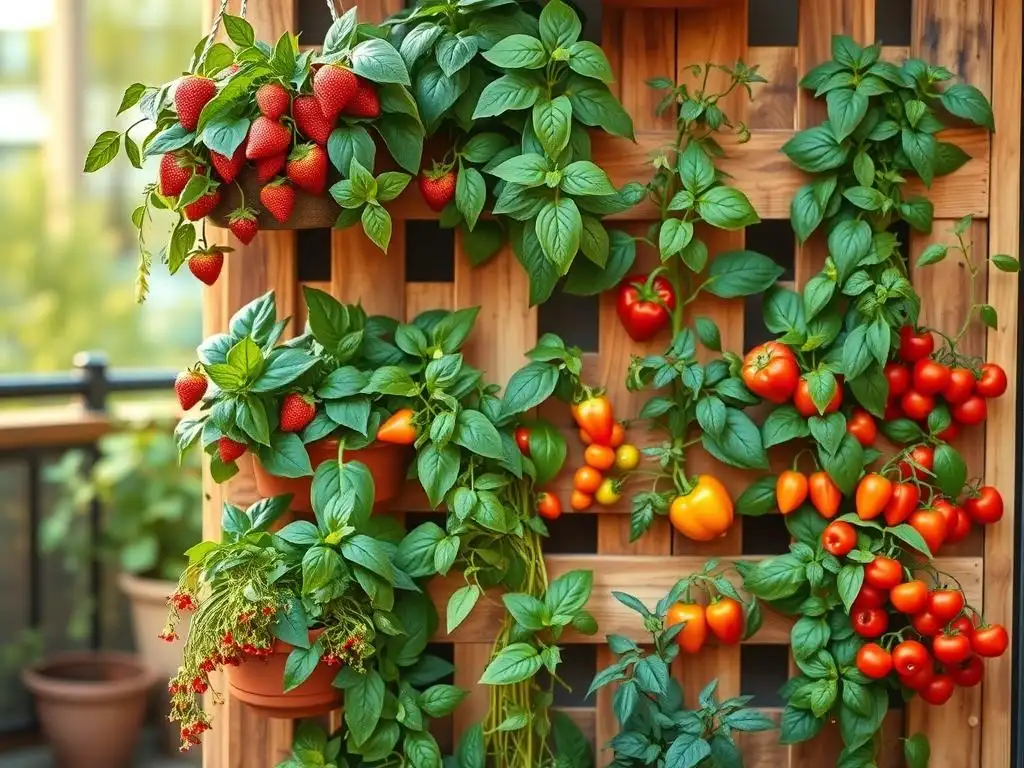
Vertical gardening and container gardening are powerful techniques individually, but their combined use offers unparalleled advantages, especially in small spaces. This synergistic approach maximizes yield and minimizes space requirements. By strategically integrating these methods, you can create a thriving garden even in the most compact environments. This section will explore the practical applications and benefits of this combined approach for successful "vertical gardening small spaces" solutions.
Integrating Vertical and Container Systems in Small Spaces
Integrating vertical and container systems requires careful planning and execution. Think of it as creating a three-dimensional garden. For example, a wall-mounted vertical garden can be complemented by strategically placed containers at its base. This arrangement allows you to utilize both vertical space and floor space efficiently. Consider using tiered planters or shelves for containers to maximize height.
Another effective strategy is to use hanging baskets in conjunction with a vertical system. Hanging baskets can cascade downwards, creating a visually appealing and productive addition to your vertical garden. Think about the weight capacity of your vertical structure when selecting hanging baskets. Overloading can cause damage or instability.
Finally, consider the placement of your combined system. Ensure ample access for watering, pruning, and harvesting. Regular maintenance is crucial for success in any gardening approach, and the combined vertical and container system is no exception. Proper spacing between plants, both vertically and horizontally, is vital for optimal growth and to prevent overcrowding. Remember to regularly inspect your plants for signs of disease or pests.
Choosing Plants Compatible with Both Methods
Not all plants are equally suited to both vertical and container gardening. Careful plant selection is crucial for success. Consider the mature size, root system, and light requirements of each plant. Compact varieties are ideal for vertical systems and containers.
Here's a table illustrating suitable plant choices for combined vertical and container gardens:
| Plant Type | Vertical Suitability | Container Suitability | Notes |
|---|---|---|---|
| Strawberries | Excellent | Excellent | Choose compact varieties; use hanging baskets. |
| Herbs (Basil, Mint) | Excellent | Excellent | Regular pruning maintains shape and yield. |
| Lettuce | Good | Excellent | Choose loose-leaf varieties for ease of harvest. |
| Tomatoes (dwarf) | Good | Excellent | Requires sturdy support in both systems. |
| Peppers (small) | Good | Excellent | Choose compact varieties; regular pruning helps. |
Remember to choose plants with similar water and sunlight requirements to simplify care. This will make maintaining your combined system significantly easier. Overcrowding should be avoided at all costs, and proper spacing is key to preventing competition for resources.
Maximizing Sunlight and Air Circulation in Combined Systems
Adequate sunlight and air circulation are crucial for healthy plant growth in any gardening system. In a combined vertical and container system, these factors become even more critical due to the proximity of plants. Insufficient sunlight can lead to poor growth, while inadequate air circulation can promote disease.
To maximize sunlight, strategically position your combined system to receive at least six hours of direct sunlight daily. Consider the direction of the sun throughout the day when choosing a location. South-facing locations generally receive the most sunlight in the Northern Hemisphere. For areas with limited sunlight, consider supplemental lighting.
Improving air circulation can be achieved by using appropriately spaced plants and creating gaps between containers and vertical elements. Avoid overcrowding to allow for free airflow. Regular pruning can also improve air circulation by removing excess foliage. The use of fans can be considered in particularly humid or stagnant environments, although this is less common in most home gardening setups. A gentle breeze can significantly improve plant health and reduce the risk of fungal diseases. Regular monitoring of air circulation is crucial, especially during periods of high humidity.
Harvesting and Maintaining Your Combined System
Harvesting from a combined vertical and container gardening system requires a slightly different approach than traditional gardening. Because plants are often closer together, you need to be mindful of not damaging neighboring plants during the harvest. For example, when harvesting tomatoes from a vertical trellis system, gently pull the ripe fruit downwards, avoiding any unnecessary brushing against adjacent plants. This minimizes the risk of spreading diseases or damaging delicate foliage.
Regularly inspect your plants for signs of disease or pest infestation. Early detection is crucial for effective treatment and prevents widespread damage. Look out for discoloration, wilting, unusual spots, or the presence of insects.
Maintaining your combined system involves consistent attention to several key aspects. Regular watering is crucial, especially during hot and dry periods. However, avoid overwatering, which can lead to root rot and other fungal diseases. Consider using a drip irrigation system or soaker hoses for efficient water delivery directly to the roots, reducing water waste and minimizing the risk of fungal growth.
Furthermore, appropriate fertilization is essential for healthy plant growth. Use organic fertilizers that are specifically formulated for container gardening, as these typically release nutrients more slowly and avoid soil compaction. Apply the fertilizer according to package instructions, avoiding over-fertilization, which can burn the plant roots.
Pruning is another vital aspect of maintaining your combined system. Regular pruning helps to control the size and shape of your plants, improving air circulation and preventing overcrowding. This reduces the risk of pest and disease problems. For vertical systems, pruning also ensures that plants remain supported and do not become too heavy for the structure.
Deadheading, the removal of spent flowers, is important for many plants, as it encourages further flowering and fruiting. Remember to dispose of pruned material properly, either by composting it or discarding it in the trash, depending on the presence of any diseases or pests. Finally, regular cleaning of your containers and vertical supports is essential to prevent the build-up of debris and potential disease vectors.
A simple wipe down with a mild soap solution can make a significant difference. This ensures the longevity and efficiency of your combined vertical and container gardening system. Remember that consistent observation and proactive maintenance are key to a thriving and productive garden, regardless of its size or configuration.
Propagating Specific Plants in Small Spaces
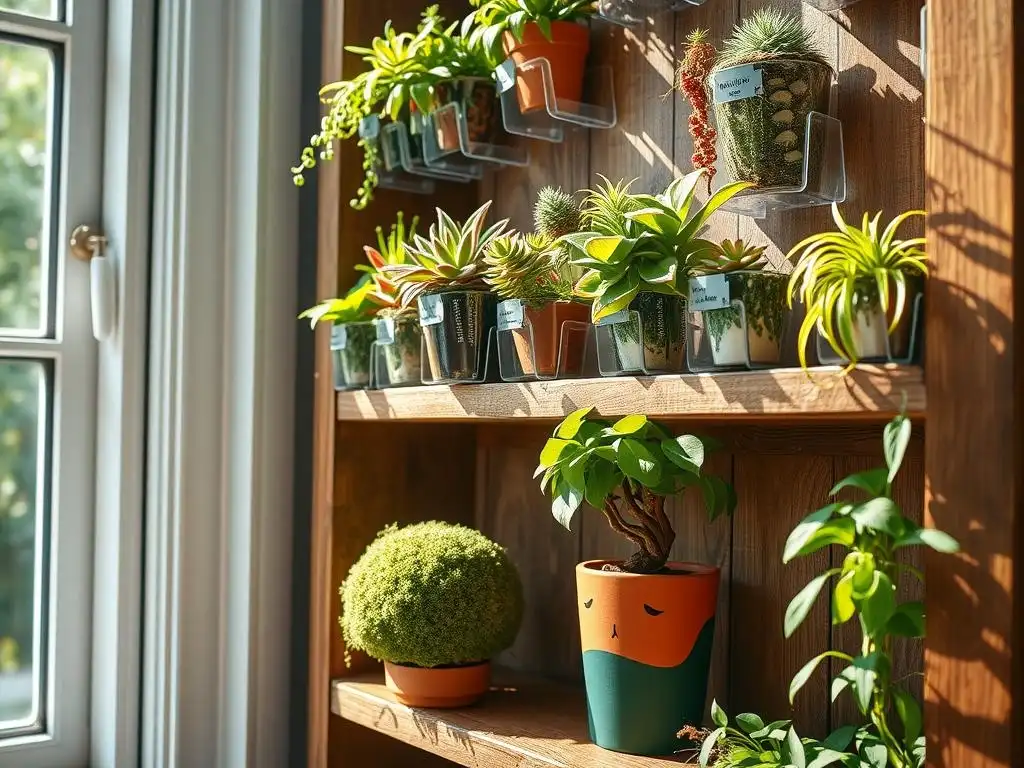
This section delves into the practical application of vertical and container gardening techniques for propagating specific types of plants commonly grown in small spaces. We'll explore effective methods for herbs, vegetables, and even fruit plants, emphasizing sustainable and organic practices. Remember, success in vertical gardening small spaces hinges on careful plant selection and tailored propagation methods.
Propagating Herbs Using Vertical and Container Methods
Herbs are ideal candidates for vertical and container gardening due to their relatively small size and adaptability. Many herbs thrive in well-drained soil and plenty of sunlight, conditions easily replicated in vertical systems or strategically placed containers. Let's examine some effective propagation techniques:
Several methods are available for propagating herbs:
- Seed Starting: This is a cost-effective method, particularly for common herbs like basil, cilantro, and parsley. Use seed starting trays or small pots filled with a well-draining seed-starting mix. Ensure consistent moisture and warmth for optimal germination. Once seedlings develop a few true leaves, they can be transplanted into your vertical garden or larger containers. Consider using a vertical propagation system with individual compartments to maximize space utilization and prevent overcrowding.
- Cuttings: Many herbs, such as rosemary, thyme, and mint, propagate easily from stem cuttings. Take 4-6 inch cuttings from healthy stems, removing lower leaves. Dip the cut ends in rooting hormone (optional but beneficial) and plant them in a moist growing medium. Keep the cuttings consistently moist and in bright, indirect light until roots develop. Vertical systems with pockets or slots are perfect for supporting these cuttings during rooting.
- Division: Herbs like chives and mint readily multiply through division. Carefully dig up the established plant and separate it into smaller clumps, each with its own roots and shoots. Replant these divisions into individual containers or compartments within your vertical garden. This method is particularly useful for rejuvenating older plants and increasing your herb supply.
Consider these factors for optimal herb propagation:
| Factor | Description | Importance |
|---|---|---|
| Sunlight | Most herbs need at least 6 hours of direct sunlight daily. | Insufficient light leads to leggy growth and reduced essential oil production. |
| Watering | Consistent moisture is crucial, but avoid overwatering, which can lead to rot. | Well-drained soil and proper watering techniques prevent root problems. |
| Soil Type | Use a well-draining potting mix rich in organic matter. | This ensures proper aeration and nutrient availability for healthy root development. |
| Container Size | Choose appropriately sized containers to avoid root-bound plants. | Overcrowding restricts growth and can lead to nutrient deficiencies. |
| Spacing | Ensure adequate spacing between plants to promote air circulation and prevent disease. | Overcrowding increases the risk of fungal diseases and pest infestations. |
Remember to regularly monitor your herb plants for signs of pests or diseases and take appropriate action using organic pest control methods. This ensures healthy, thriving herbs throughout the growing season.
Propagating Vegetables in Limited Spaces: Techniques and Tips
Vertical gardening small spaces opens up exciting possibilities for vegetable cultivation, even with limited space. Choosing compact varieties and employing efficient propagation techniques are key to success.
Several vegetables are well-suited for vertical gardening:
- Leafy Greens: Lettuces, spinach, and kale can be successfully grown in vertical systems using seed starting or transplanting. Vertical towers or hanging baskets provide ample space for these plants to grow upwards.
- Vining Vegetables: Cucumbers, tomatoes (dwarf varieties), and beans are excellent choices. Use trellises, stakes, or vertical supports to guide their growth upwards, maximizing space utilization. Consider using a vertical hydroponic system for even greater efficiency and yield.
- Root Vegetables (Limited): While challenging, some smaller root vegetables like radishes and carrots can be grown in deep containers or vertical systems with adequate depth.
Effective propagation methods for vegetables include:
- Seed Starting: Start seeds indoors 6-8 weeks before the last expected frost, ensuring proper temperature and moisture. Transplant seedlings into your vertical garden once they have several true leaves.
- Transplanting: Purchase seedlings from a local nursery and carefully transplant them into your vertical system, ensuring adequate spacing and support.
- Cuttings (Limited): Some vegetables, like certain types of peppers, can be propagated from cuttings, but this method is less common than seed starting or transplanting.
Optimizing your vertical vegetable garden includes:
- Choosing compact varieties: Opt for dwarf or bush varieties to fit within the confines of your vertical system.
- Regular fertilization: Provide a balanced fertilizer to support vigorous growth. Consider using organic fertilizers to maintain soil health.
- Pest and disease control: Regularly inspect your plants for signs of pests and diseases and address any issues promptly using organic methods.
Propagating Fruit Plants in Vertical and Container Gardens: Dwarf Varieties and Training Techniques
While challenging, propagating fruit plants in small spaces is achievable with careful selection and training techniques. Dwarf varieties are essential for container and vertical gardening.
Suitable fruit plants for small spaces:
- Dwarf Fruit Trees: Dwarf apple, pear, and cherry trees are bred to remain smaller than standard varieties, making them suitable for containers or vertical systems with adequate support.
- Berry Plants: Strawberries, raspberries, and blueberries can be grown in hanging baskets, vertical planters, or raised beds. Careful pruning and training are necessary to manage their growth.
Successful propagation techniques for fruit plants:
- Purchasing established plants: It's often easier to start with established plants rather than seeds or cuttings, especially for fruit trees. Choose healthy plants from a reputable nursery.
- Grafting (Advanced): Grafting allows you to combine the rootstock of a dwarf variety with the desirable fruiting characteristics of another cultivar, giving you a compact tree with high fruit yields. This requires specialized knowledge and skill.
- Air Layering (Advanced): This technique involves encouraging roots to develop on a stem while it's still attached to the parent plant. Once rooted, the layered section can be cut and planted separately.
Essential considerations for successful fruit plant propagation in vertical and container gardens include:
- Choosing dwarf varieties: Select dwarf or semi-dwarf varieties specifically bred for container growing.
- Proper training and pruning: Regular pruning is essential to maintain the plant's shape, size, and fruit production. Use trellises or other supports to guide the growth of vining plants.
- Adequate sunlight and nutrients: Fruit plants require ample sunlight and regular fertilization to bear fruit. Use a high-quality potting mix and fertilize regularly throughout the growing season. Consider using organic fertilizers and compost to improve soil health and nutrient availability.
Remember that patience is key when propagating fruit plants; fruiting may take a year or two depending on the variety and growing conditions. Careful planning and attention to detail are crucial for success in vertical gardening small spaces.
Sustainable Practices in Small Space Propagation
Vertical gardening small spaces presents unique challenges and opportunities for sustainable practices. Maximizing yield while minimizing environmental impact requires careful planning and execution. This section explores key sustainable approaches for propagating plants in limited areas, focusing on organic methods, water conservation, and composting.
Organic Growing Methods for Vertical and Container Gardens
Organic vertical gardening small spaces prioritizes plant health and environmental protection. Avoiding synthetic pesticides and fertilizers is crucial. Instead, we can leverage natural methods to nurture thriving plants. This includes:
- Beneficial Insect Introduction: Introducing ladybugs or lacewings can help control aphids and other common pests naturally. This is particularly effective in vertical gardens where pests can spread quickly. Regular monitoring is key to early detection and intervention.
- Companion Planting: Strategically planting certain species together can deter pests and improve overall plant health. For example, basil is known to repel many insects, making it a great companion plant for tomatoes in a vertical setup. Researching companion planting combinations relevant to your chosen plants is highly recommended.
- Homemade Organic Fertilizers: Compost tea, diluted seaweed extract, and worm castings provide essential nutrients without the harmful effects of chemical fertilizers. These organic options are readily available or easily made at home, offering a sustainable and cost-effective approach.
- Soil Health: Focusing on healthy, well-draining soil is paramount. Use high-quality organic potting mixes specifically formulated for containers and vertical gardens. Regular soil testing can help identify nutrient deficiencies and guide adjustments to your fertilization strategy.
Water Conservation Techniques for Small-Scale Cultivation
Water conservation is especially important in vertical and container gardening small spaces, where limited soil volume means plants dry out more quickly. Implementing efficient watering techniques is crucial for sustainable practices:
- Drip Irrigation: Drip irrigation systems deliver water directly to the plant roots, minimizing evaporation and runoff. This targeted approach conserves water and ensures efficient moisture delivery, particularly beneficial for vertical setups where water can easily run off.
- Water-Retaining Soil Amendments: Incorporating materials like coco coir or vermiculite into your potting mix increases water retention, reducing the frequency of watering. This reduces water waste and improves water availability for the plants, crucial in small spaces.
- Rainwater Harvesting: Collecting rainwater for irrigation is a highly sustainable practice. Even a small collection system can significantly reduce reliance on municipal water, saving money and resources. Consider using rain barrels or repurposed containers to collect and store rainwater.
- Mulching: Applying a layer of organic mulch (such as straw or shredded leaves) on the soil surface helps retain moisture, suppress weeds, and regulate soil temperature. This is particularly useful in container gardens, where evaporation is often higher.
Composting in Small Spaces to Enhance Soil Fertility
Composting is a cornerstone of sustainable gardening, and it’s readily adaptable to small spaces. Even apartment dwellers can successfully compost to create nutrient-rich soil amendments for their vertical gardens:
- Worm Composting (Vermicomposting): Worm composting is ideal for small spaces, requiring minimal space and producing high-quality compost. A simple worm bin can be easily constructed or purchased, turning kitchen scraps and other organic materials into nutrient-rich castings.
- Bokashi Composting: Bokashi composting is an anaerobic process that can handle a wider variety of food scraps, including meat and dairy. It's efficient and produces a compost tea that can be diluted and used as a liquid fertilizer.
- DIY Compost Bins: Building a small, compact compost bin using readily available materials is a viable option. Consider using pallets, repurposed containers, or even a three-bin system for efficient composting.
- Compost Application: The compost produced should be added to the potting mix of your vertical garden to improve soil structure, aeration, and nutrient content. This provides a continuous cycle of nutrient replenishment, promoting healthy plant growth.
Implementing these sustainable practices will ensure a healthy and productive vertical garden, while minimizing your environmental footprint. Remember to adapt these techniques to your specific plants, space constraints, and local climate for optimal results.
Pest and Disease Control in Vertical and Container Gardens
Pest and disease control in vertical and container gardens requires a proactive and integrated approach, leveraging the principles of sustainable gardening. Unlike sprawling gardens, the close proximity of plants in vertical setups increases the risk of rapid pest and disease spread. Therefore, prevention is paramount. Regular inspection is crucial; early detection allows for swift intervention, minimizing damage.
One effective preventative measure is selecting disease-resistant plant varieties. Many nurseries offer seeds and seedlings specifically bred for improved resistance to common diseases affecting specific crops. For example, certain tomato varieties exhibit greater resistance to blight, a devastating fungal disease. Researching and choosing these resilient cultivars significantly reduces the likelihood of widespread infestation.
Maintaining proper hygiene is another cornerstone of sustainable pest and disease management. Remove and dispose of any infected plant material promptly and correctly. Avoid simply discarding infected leaves or stems on the ground near your plants, as this can spread the problem. Composting infected material should be done with caution, using a hot composting method to kill pathogens. Sanitize your tools regularly using a solution of bleach and water to prevent the accidental transfer of pests or diseases between plants.
Natural pest control methods are highly recommended in a sustainable vertical garden. Introducing beneficial insects like ladybugs, which prey on aphids, can effectively manage pest populations without resorting to harmful chemicals. Similarly, companion planting, strategically placing plants that repel pests near susceptible crops, provides a natural barrier. For example, basil is known to deter many common garden pests. These methods promote biodiversity and maintain the ecological balance within your mini-ecosystem.
Organic pest control options are available when natural methods alone are insufficient. Neem oil, a natural insecticide derived from the neem tree, is effective against a wide range of insects. Similarly, insecticidal soaps can be used to control soft-bodied insects like aphids and mealybugs. However, it's essential to follow the instructions carefully and use these products sparingly to minimize any potential impact on beneficial insects and the overall garden ecosystem.
Always choose organic products certified by reputable organizations to ensure their safety and efficacy. Remember, even organic pesticides should be used judiciously as part of an integrated pest management strategy. Over-reliance on any single method can lead to resistance and reduced effectiveness. A combined approach that emphasizes prevention, monitoring, and targeted interventions is the most sustainable and effective way to manage pests and diseases in your vertical garden.
Frequently Asked Questions
What is vertical gardening, and how does it benefit small spaces?
Vertical gardening involves growing plants upwards, using walls, trellises, or hanging planters. This maximizes space utilization in small areas, allowing you to cultivate more plants than traditional ground-level gardening would permit. It's perfect for apartments, balconies, or patios.
What types of plants are best suited for vertical gardening?
Many plants thrive in vertical systems! Consider vines like tomatoes and cucumbers, herbs like basil and mint, and smaller fruiting plants like strawberries. Choose varieties that are compact and won't become overly heavy.
What materials are needed for a vertical garden in a small space?
You can use various materials depending on your space and budget. Options include DIY trellises made from wood or repurposed items, wall-mounted planters, hanging baskets, or even specialized vertical gardening systems. Consider sturdy materials that can support the weight of your plants as they grow.
How do I ensure proper watering and drainage in a vertical garden?
Watering techniques depend on your system. Self-watering systems are ideal, but frequent, deep watering is crucial for plants in containers. Ensure your planters have adequate drainage holes to prevent root rot. Regularly check moisture levels to avoid overwatering or underwatering.
What are some common challenges of vertical gardening, and how can I overcome them?
Challenges include limited soil volume requiring more frequent watering and fertilization, and potential for wind damage to plants. Address these by using high-quality potting mix, providing adequate support structures, and selecting suitable, wind-resistant plant varieties.
Final Reflection: Cultivating Growth, Even in the Smallest Spaces
The resurgence of vertical and container gardening isn't just a trend; it's a vital response to the increasing urbanization and shrinking green spaces in our world. Access to fresh, homegrown produce and the simple joy of nurturing life, regardless of living situation, is becoming increasingly precious. This shift towards mindful cultivation highlights a deeper human need for connection with nature, even within the confines of our concrete jungles.
The impact of limited space on our ability to connect with nature is profound. It affects not only our access to fresh food but also our mental and emotional wellbeing. The glory of gardening: hands in the dirt, head in the sun, heart with nature. To nurture a garden is to feed not just the body, but the soul.
This quote perfectly encapsulates the transformative power of even a small patch of cultivated land, a power amplified when we creatively utilize vertical space and container gardening techniques. The article's exploration of these methods serves as a reminder that even the smallest spaces can bloom with life and abundance.
Now, consider your own environment. Do you have a balcony, a windowsill, or even just a corner of a room? I invite you to embrace the possibilities of vertical and container gardening. Start small, experiment with different plants, and experience the satisfaction of nurturing life from seed to harvest. Let this be your personal journey of cultivating not just plants, but also a deeper connection with the natural world and a renewed sense of self-sufficiency and joy.
Unleash Your Inner Gardener: Grow Your Green Oasis!
Thanks for exploring the world of vertical and container gardening! You've discovered how to cultivate a thriving garden, even in limited spaces. Ready to start gardening?
- Begin your vertical garden today! Choose a sunny location, select your favorite plants, and begin growing. It's easier than you might think!
- Share your progress with our community! Let's inspire each other by sharing your container gardening tips and tricks in the comments below.
- Experiment with different planting techniques: Explore various containers and vertical gardening methods to discover what suits you best.
What exciting plants will you nurture in your new green space?