
The Role of Plant Chromosomes: The Blueprint for Growth and Development


Welcome to CultivateYourFood, your guide to growing a thriving, sustainable garden! Are you ready to unlock the secrets to bountiful harvests? We delve into the fascinating world of plant biology with our latest article, “The Role of Plant Chromosomes: The Blueprint for Growth and Development,” exploring the organic plant chromosome guide that dictates everything from fruit size to pest resistance. Discover how understanding the very building blocks of your plants can transform your gardening success. Let's cultivate a greener, healthier future, together!
- Understanding Plant Chromosomes: A Detailed Examination
- The Role of Chromosomes in Plant Life Cycles
- Genetic Diversity and Heirloom Plant Varieties
- Chromosomal Abnormalities and Plant Health
- Advanced Techniques in Plant Genetics for Sustainable Agriculture
-
Frequently Asked Questions
- What are plant chromosomes, and why are they important in organic gardening?
- How do plant chromosomes relate to organic plant breeding?
- Can I manipulate plant chromosomes in my home garden?
- How do chromosomes affect the yield and quality of my organic crops?
- Where can I find more information about specific plant chromosomes relevant to my organic garden?
- Final Reflection: Unraveling the Green Code: A Future Shaped by Plant Chromosomes
- Unlock the Secrets of Plant Growth!
Understanding Plant Chromosomes: A Detailed Examination
Cultivating healthy, vibrant fruits, vegetables, and herbs relies heavily on understanding the fundamental building blocks of plant life. This article delves into the fascinating world of plant chromosomes – the intricate structures that hold the genetic blueprint for growth, development, and ultimately, the characteristics of your organic harvest. We'll explore their function, structure, and the variation in chromosome numbers across different plant species, providing an essential guide for the organic gardener seeking to deepen their understanding of plant genetics and improve their gardening practices.
This "organic plant chromosome guide" will empower you to make informed decisions about seed selection, cultivation techniques, and overall plant health management, contributing to a more bountiful and sustainable harvest. Understanding plant chromosomes is key to unlocking the secrets of successful organic gardening, allowing you to nurture stronger, healthier plants that thrive in your garden.
Chromosome Function in Plant Growth and Development
Plant chromosomes are essentially the instruction manuals for plant life. They contain the plant's entire genetic code, organized into units called genes. These genes dictate every aspect of a plant's development, from its size and shape to its resistance to diseases and pests. Each gene provides specific instructions for building proteins, which are the workhorses of the cell, carrying out a vast array of functions.
The precise sequence of DNA within a chromosome dictates the sequence of amino acids in the proteins, ultimately determining the plant's traits. For instance, specific genes control the timing of flowering, fruit production, and leaf development. Understanding these functions allows organic gardeners to select varieties best suited to their climate and growing conditions. Furthermore, comprehending how genes influence disease resistance can lead to the selection of resilient varieties that require fewer chemical interventions.
The interplay of genes and the environment is crucial; while the chromosomes provide the genetic potential, environmental factors influence how that potential is expressed. This interaction, often studied in the context of epigenetics, affects the overall growth and yield of the plant. Optimal growing conditions, including appropriate sunlight, water, and nutrient levels, are essential for maximizing the expression of beneficial genes and achieving a thriving organic garden.
The Structure of Plant Chromosomes: DNA, Genes, and Epigenetics
Plant chromosomes are composed of DNA (deoxyribonucleic acid), a complex molecule structured as a double helix. This DNA is tightly coiled and packaged around proteins called histones, forming a compact structure that fits within the plant cell's nucleus. Genes, the functional units of heredity, are specific segments of this DNA sequence. Each gene carries the code for a particular protein or RNA molecule.
The precise arrangement and sequence of these genes determine the plant's characteristics. Epigenetics adds another layer of complexity. Epigenetic modifications, such as DNA methylation and histone modification, can alter gene expression without changing the underlying DNA sequence. These modifications can be influenced by environmental factors, such as temperature, light, and nutrient availability.
For example, stress conditions might trigger epigenetic changes that affect plant growth or disease resistance. This highlights the importance of creating an optimal environment for your organic plants to ensure proper gene expression and overall plant health. Understanding epigenetics helps organic gardeners appreciate the dynamic interaction between genes and the environment, leading to more nuanced cultivation strategies.
Chromosome Number Variation Across Plant Species
The number of chromosomes varies significantly across different plant species. Some plants have only a few chromosomes, while others have hundreds. This variation reflects the complexity and evolutionary history of the species. For example, some common vegetable crops like tomatoes have 24 chromosomes (2n=24), while others like lettuce have 18 (2n=18).
This chromosome number, specifically the diploid number (2n), is crucial for understanding plant genetics and breeding programs. Variations in chromosome number can also lead to polyploidy, where plants possess more than two sets of chromosomes. Polyploidy is common in many cultivated plants and can result in increased vigor, larger fruit size, or other desirable traits. However, it can also lead to sterility or other undesirable characteristics.
Knowing the chromosome number of your chosen plants can help you understand potential challenges and opportunities in cultivation and breeding. This knowledge is especially relevant for organic gardeners who may be working with heirloom varieties or developing their own unique plant lines, as it informs decisions about cross-pollination and seed saving. The understanding of chromosome number and its implications is a crucial aspect of responsible organic plant cultivation.
The Role of Chromosomes in Plant Life Cycles
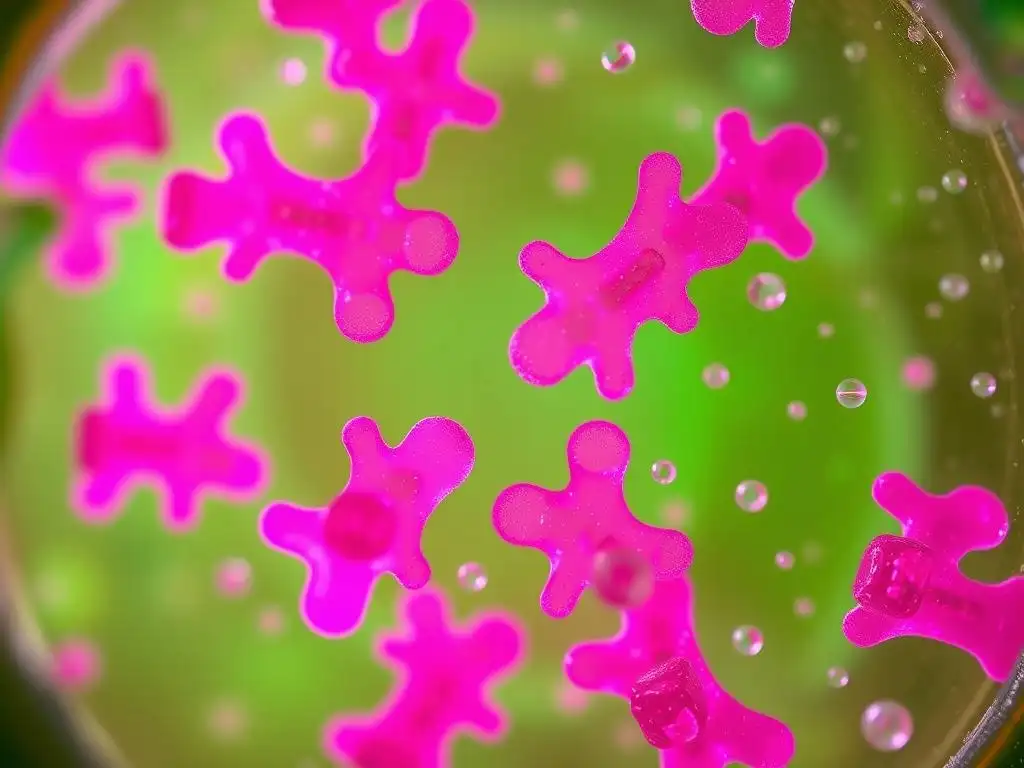
Chromosomes, the thread-like structures found within the nucleus of every plant cell, are the fundamental units of heredity. They contain the plant's entire genetic blueprint, encoded in its DNA. This DNA dictates every aspect of a plant's life, from seed germination to fruit production, making understanding plant chromosomes crucial for successful organic gardening.
This section explores the critical role chromosomes play in various stages of a plant's life cycle, providing an organic plant chromosome guide for the discerning gardener. We will delve into the intricate processes controlled by these microscopic structures, highlighting their importance in achieving robust and healthy plant growth.
Chromosomal Activity During Seed Germination
Seed germination, the initial stage of a plant's life, is a complex process heavily influenced by chromosomal activity. The dormant embryo within the seed holds its genetic potential locked within its chromosomes. Upon encountering favorable conditions (water, temperature, oxygen), specific genes on the chromosomes are activated.
These genes trigger the production of enzymes and hormones that initiate cell division and growth. For example, genes responsible for producing gibberellins, crucial plant hormones, are activated, leading to the breakdown of stored food reserves within the seed. This provides the energy needed for the emerging seedling to grow its roots and shoot.
The precise timing and coordination of these genetic events are meticulously controlled by the plant's chromosomes, ensuring the successful transition from dormancy to active growth. Understanding this intricate chromosomal dance allows for better management of germination conditions, leading to higher germination rates and more robust seedlings. This is particularly important for organic gardening, where seed quality and germination success are paramount.
Chromosomal Control of Vegetative Growth: Leaf, Stem, and Root Development
Once germination is complete, vegetative growth takes center stage. The plant's chromosomes continue their crucial role, directing the development of leaves, stems, and roots. Different sets of genes on the chromosomes are activated during this phase, leading to the production of specific proteins responsible for cell elongation, differentiation, and organization. For instance, genes involved in chlorophyll synthesis are activated, leading to the development of green leaves capable of photosynthesis.
Similarly, genes regulating cell wall formation are responsible for the structural integrity of stems and roots. The precise balance and timing of these gene expressions, orchestrated by the chromosomes, determine the plant's overall architecture, size, and vigor. This makes chromosome function a key factor in maximizing yields and plant health. Analyzing the chromosomal makeup of different plant varieties can even provide insights into their suitability for specific growing conditions, furthering the principles of organic cultivation.
Chromosomes and the Regulation of Flowering and Reproduction
The transition from vegetative growth to reproductive growth is another critical stage influenced by chromosomal activity. Specific genes on the chromosomes, often triggered by environmental cues like day length (photoperiod) and temperature, control the flowering process. These genes regulate the production of floral hormones, ultimately leading to the formation of flowers.
Furthermore, chromosomes play a crucial role in the development of gametes (pollen and ovules), ensuring the successful transmission of genetic material to the next generation. The precise timing and coordination of these genetic events are essential for successful reproduction. Understanding how chromosomes control these processes is vital for organic breeding programs focused on developing resilient and high-yielding varieties.
Careful selection of parent plants with desirable chromosomal characteristics can significantly improve the quality and productivity of subsequent generations, contributing to the sustainability of organic farming practices. The study of plant chromosomes, therefore, offers invaluable insights into optimizing plant growth and yield in a completely organic approach.
Genetic Diversity and Heirloom Plant Varieties
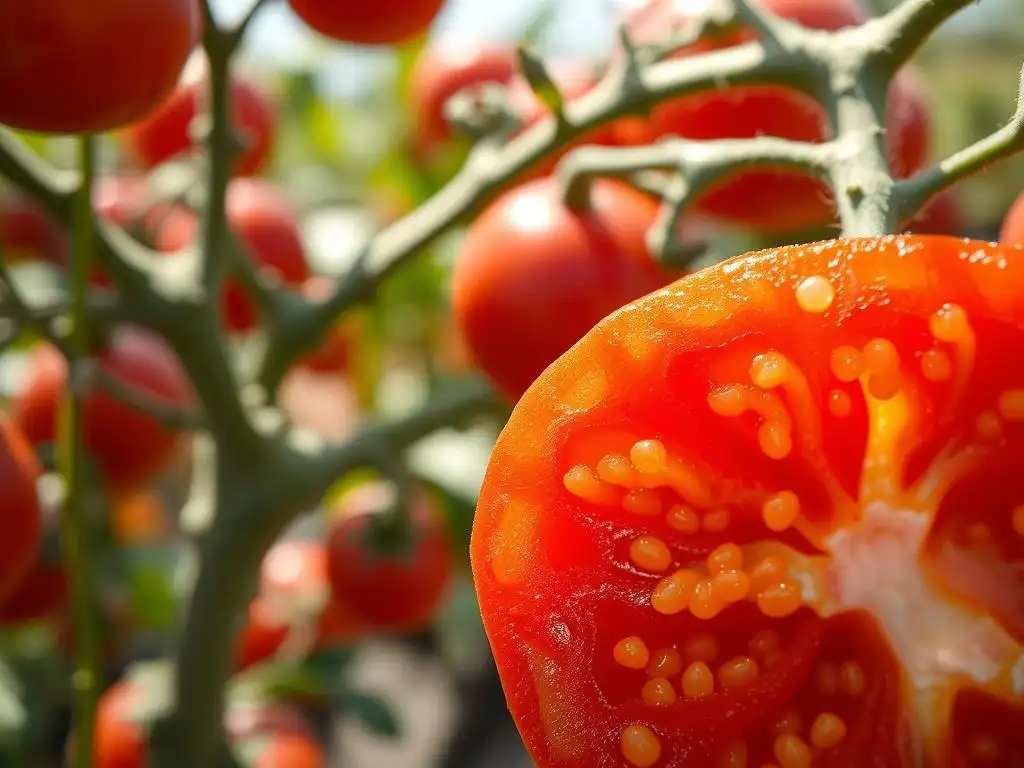
This section delves into the fascinating world of plant chromosomes and their crucial role in shaping the characteristics of our fruits, vegetables, and herbs. Understanding the genetic blueprint encoded within these chromosomes is paramount for successful organic gardening and the preservation of heirloom varieties. We'll explore how chromosomal variations contribute to the unique traits of heirloom plants and the importance of maintaining this genetic diversity for a resilient and thriving garden. This exploration will solidify your understanding of the “organic plant chromosome guide,” empowering you to make informed decisions about seed selection and cultivation practices.
The Unique Chromosomal Makeup of Heirloom Tomato Varieties
Heirloom tomato varieties, prized for their unique flavors and vibrant colors, often possess distinct chromosomal structures compared to their commercially produced counterparts. These differences manifest in a wide array of observable traits. For instance, consider the heirloom 'Brandywine' tomato.
Its larger size and intensely sweet flavor are directly linked to specific gene combinations and chromosomal arrangements. These genes might control factors like fruit size, sugar content, and even the thickness of the tomato skin. In contrast, modern hybrid tomatoes, often bred for uniformity and shelf life, may possess chromosomal structures optimized for these commercial traits, sometimes at the expense of flavor complexity.
The preservation of heirloom tomato varieties hinges on understanding and maintaining their unique chromosomal makeup. Seed saving, a cornerstone of organic gardening, plays a critical role in this preservation effort. Each seed carries the complete chromosomal blueprint of its parent plant, ensuring the continuation of desirable traits across generations. However, it's crucial to carefully select parent plants exhibiting the desired characteristics to maintain genetic integrity. Careful observation and selection are paramount in preventing unwanted genetic drift.
Preserving Genetic Diversity Through Seed Saving and Organic Practices
Seed saving is not merely a tradition; it's a crucial strategy for preserving genetic diversity and upholding the principles of organic farming. By saving seeds from your healthiest and most productive plants, you actively contribute to the ongoing evolution of your garden's genetic pool. This contrasts sharply with the reliance on commercially produced hybrid seeds, which often lack the genetic diversity needed to withstand environmental stressors.
Organic practices further enhance the preservation of genetic diversity. Avoiding the use of synthetic pesticides and herbicides reduces the selective pressure favoring plants with specific resistance genes. This allows for a wider range of genetic expressions within the plant population, promoting a more robust and adaptable ecosystem. In essence, organic gardening fosters a natural selection process, leading to stronger and more diverse plant communities. The chromosomal integrity of your plants is directly influenced by the choices you make in the garden.
Consider this: a monoculture of a single tomato variety might be highly susceptible to a specific disease, whereas a diverse population of heirloom tomatoes, each with slightly different chromosomal arrangements, is likely to have at least some individuals with natural resistance. This inherent diversity is a key advantage of organic farming and heirloom seed saving.
Genetic Diversity and Improved Disease Resistance in Organic Farming
Genetic diversity, reflected in the varied chromosomal makeup of plant populations, is directly linked to improved disease resistance in organic farming systems. Monocultures, characterized by uniform genetic material, are significantly more vulnerable to widespread disease outbreaks. A single pathogen can decimate an entire crop if all plants share the same susceptibility.
Conversely, diverse populations, resulting from the use of heirloom seeds and organic practices, exhibit greater resilience. Even if a disease affects some plants, others with different chromosomal structures and thus different gene combinations may possess natural resistance, ensuring the survival and propagation of the population. This natural resistance is a vital component of sustainable and organic agriculture, reducing reliance on chemical interventions.
The following table summarizes the key advantages of genetic diversity in organic plant cultivation:
| Advantage | Description |
|---|---|
| Increased Disease Resistance | Diverse gene pools offer greater chances of finding natural resistance to various pathogens. |
| Enhanced Adaptability | Plants with diverse genetic backgrounds are better equipped to handle environmental changes and stresses. |
| Improved Yield Stability | A diverse population is less likely to experience complete crop failure due to disease or environmental factors. |
| Superior Flavor and Quality | Heirloom varieties often exhibit unique and superior flavors compared to commercially produced hybrids. |
Maintaining genetic diversity through seed saving and organic practices is not merely a sustainable choice; it's a critical strategy for the long-term health and productivity of your garden. By embracing the principles outlined in this "organic plant chromosome guide," you actively contribute to the preservation of biodiversity and the cultivation of robust and thriving plant communities. 🌱
Chromosomal Abnormalities and Plant Health
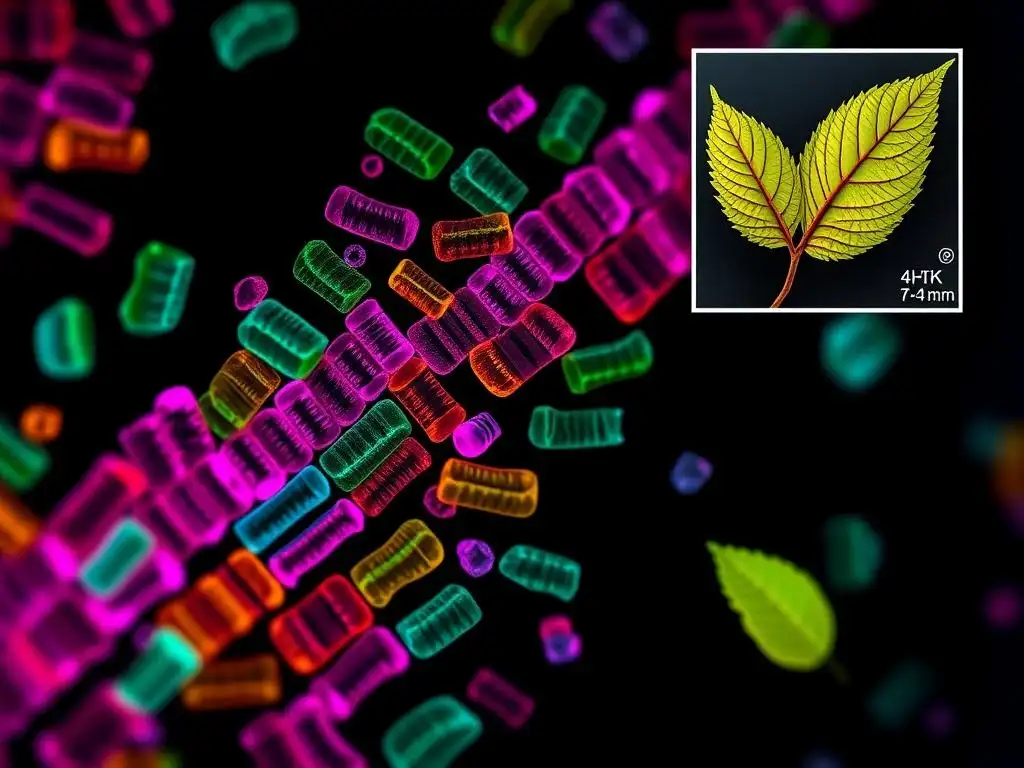
Understanding plant chromosomes is crucial for successful organic gardening. While we often focus on the visible aspects of plant health – leaf color, fruit size, and overall vigor – the underlying genetic blueprint encoded within the chromosomes profoundly impacts these observable traits. Deviations from the typical chromosome number or structure can lead to significant consequences, impacting yield, disease resistance, and overall plant health. This section delves into chromosomal abnormalities and their management within an organic framework. An organic plant chromosome guide should always consider these factors for optimal results.
Aneuploidy and Polyploidy in Plants: Consequences and Detection
Aneuploidy refers to a change in the number of individual chromosomes, often resulting in the loss or gain of a single chromosome. This can arise spontaneously during cell division or be induced by various environmental stressors. In contrast, polyploidy involves a change in the entire chromosome set; for instance, a plant might have three sets of chromosomes (triploid) instead of the usual two (diploid). Both aneuploidy and polyploidy can significantly alter plant phenotype.
Aneuploidy often leads to reduced vigor, sterility, and increased susceptibility to diseases. For example, a tomato plant with aneuploidy might exhibit stunted growth, fewer fruits, and a greater vulnerability to fungal infections. Detecting aneuploidy can be challenging in the home garden setting, often requiring sophisticated cytogenetic techniques. However, observant gardeners might notice atypical growth patterns or reduced fertility as potential indicators.
Polyploidy, on the other hand, can sometimes have beneficial effects, particularly in crop plants. Many commercially important plants, including many fruits and vegetables, are polyploids. Polyploids often exhibit increased size, vigor, and fruit production. However, they can also be less fertile and more susceptible to certain environmental stresses. Identifying polyploidy typically requires microscopic examination of chromosomes or molecular techniques.
The table below summarizes the potential consequences of aneuploidy and polyploidy:
| Characteristic | Aneuploidy | Polyploidy |
|---|---|---|
| Chromosome Number | Deviation from the normal number by one or a few chromosomes | Multiple complete sets of chromosomes |
| Plant Vigor | Often reduced | Often increased (but can vary) |
| Fertility | Often reduced or absent | Can be reduced, increased, or unaffected |
| Disease Resistance | Often reduced | Can be increased or decreased |
| Fruit/Yield | Often reduced | Often increased (but can vary) |
| Detection | Challenging; often requires specialized techniques | Challenging; often requires specialized techniques |
Detecting these abnormalities in a home garden setting is difficult without specialized equipment. However, observing unusual growth patterns or reduced fruit production might indicate underlying chromosomal issues.
Managing Chromosomal Abnormalities in Organic Crop Production
Managing chromosomal abnormalities in organic crop production primarily focuses on preventative measures. Since many abnormalities arise spontaneously or are induced by environmental stress, adopting robust organic practices becomes crucial. These practices aim to minimize stress factors and promote healthy plant development.
- Optimizing Soil Health: Rich, well-drained soil reduces stress on plants, minimizing the likelihood of chromosomal abnormalities. Organic composting and soil amendments are essential for this. 🌱
- Careful Seed Selection: Choosing high-quality, disease-resistant seeds from reputable sources reduces the risk of inheriting chromosomal abnormalities. Prioritizing heirloom varieties, known for their genetic stability, is a key organic strategy. This aligns with the principles of an organic plant chromosome guide, which emphasizes genetic integrity.
- Pest and Disease Management: Effective organic pest and disease control minimizes stress on plants and reduces the likelihood of chromosomal damage. This includes using beneficial insects, companion planting, and other organic methods. 🐛
- Proper Watering and Fertilization: Providing plants with adequate water and nutrients, without over-fertilizing, is essential for healthy growth and minimizes stress. Organic fertilizers provide balanced nutrition without the harsh chemicals that can damage plant cells. 💦
While directly correcting chromosomal abnormalities in individual plants is generally not feasible in a home garden, focusing on these preventative measures is the most effective approach. By implementing these organic practices, gardeners can significantly reduce the risk of chromosomal issues and cultivate healthy, productive plants. Remember, a healthy plant is more likely to have a stable chromosome structure, contributing to better yields and overall resilience.
Advanced Techniques in Plant Genetics for Sustainable Agriculture
This section delves into advanced genetic techniques applicable to organic farming, focusing on methods that enhance crop yields, disease resistance, and nutritional value without compromising organic principles. We'll explore how these tools can contribute to a more sustainable and resilient food system. The ethical considerations surrounding genetic modification in organic agriculture are important and warrant careful consideration, a topic we will touch upon briefly. This section aims to provide an organic plant chromosome guide focusing on the practical applications of modern genetics.
CRISPR-Cas9 Gene Editing in Organic Plant Breeding
CRISPR-Cas9 technology offers a precise method for gene editing, allowing scientists to modify specific genes within a plant's genome. Unlike traditional genetic modification (GM), which often involves introducing genes from unrelated species, CRISPR-Cas9 can be used to make targeted changes within the plant's existing genetic material. This makes it potentially compatible with organic standards, provided the process avoids the introduction of foreign DNA.
The key is precision. For instance, CRISPR could be used to enhance disease resistance by modifying genes responsible for the plant's immune response. This could lead to healthier plants requiring fewer pesticides, aligning with organic farming principles.
However, the regulatory landscape surrounding CRISPR-edited crops is still evolving, and the acceptance of this technology within the organic community remains a subject of ongoing debate. Data on the long-term effects of CRISPR-Cas9 editing on plant genomes and ecosystems is still being collected, emphasizing the need for rigorous research and transparent communication. The potential benefits are significant – reduced pesticide use, increased yield, and enhanced nutritional value – but navigating the regulatory and ethical considerations is crucial for successful implementation in organic farming.
Marker-Assisted Selection for Improved Crop Traits
Marker-assisted selection (MAS) is a technique that uses molecular markers to identify desirable genes in plants. These markers are DNA sequences associated with specific traits, such as disease resistance or yield. By identifying these markers, breeders can select plants with the desired traits more efficiently, accelerating the breeding process and improving the overall quality of the crop.
MAS is particularly useful in organic breeding programs because it allows breeders to focus on selecting plants with naturally occurring beneficial traits, without the need for genetic modification. For example, MAS can be used to select tomato varieties with enhanced resistance to blight, a common fungal disease that can devastate tomato crops. This reduces the need for chemical fungicides, supporting sustainable agricultural practices.
The efficiency of MAS is also amplified when combined with other breeding strategies, such as the use of heirloom varieties. Employing MAS alongside traditional breeding methods allows for a faster and more targeted approach to improving crop traits, resulting in healthier, higher-yielding, and more resilient organic crops. The application of MAS, therefore, represents a powerful tool in the quest for sustainable agriculture.
Future Directions in Plant Genomics for Sustainable Agriculture
The future of plant genomics holds immense potential for advancing sustainable agriculture. High-throughput sequencing technologies are rapidly reducing the cost and time required for genome sequencing, providing access to a wealth of genetic information for a wider range of plants. This allows for a deeper understanding of plant genetics, facilitating the identification of genes responsible for various traits, including stress tolerance, nutrient uptake efficiency, and pest resistance. Furthermore, advancements in computational biology and bioinformatics are enabling the analysis of vast datasets, facilitating the development of predictive models for crop improvement.
These models can help breeders to anticipate the effects of genetic modifications and select optimal combinations of genes for specific environmental conditions and agricultural goals. Integrating this data with traditional breeding methods and techniques like MAS holds the key to developing highly resilient and productive organic crops. The development of robust and accessible genomic resources will be crucial for widespread adoption of these technologies in organic farming.
This includes developing user-friendly tools and providing education and training to organic farmers on the application of genomic data in their breeding programs. The future of organic agriculture is deeply intertwined with the advancements in plant genomics, offering the promise of a more sustainable and efficient food production system. This continued research and development is vital for the long-term success of organic farming practices.
Frequently Asked Questions
What are plant chromosomes, and why are they important in organic gardening?
Plant chromosomes are thread-like structures containing the plant's genetic information, or DNA. They determine traits like growth rate, disease resistance, and fruit size, all crucial for successful organic gardening. Understanding them helps us select superior plants.
How do plant chromosomes relate to organic plant breeding?
Organic plant breeding relies on selective breeding to improve desirable traits. By understanding how chromosomes carry these traits, breeders can choose parent plants likely to produce offspring with improved characteristics, all without using GMOs.
Can I manipulate plant chromosomes in my home garden?
No, directly manipulating plant chromosomes requires advanced laboratory techniques. However, you can indirectly influence their expression through organic practices like choosing suitable varieties, providing optimal growing conditions, and using natural fertilizers.
How do chromosomes affect the yield and quality of my organic crops?
Chromosomes determine plant vigor, fruit size, and nutrient content. Healthy chromosomes contribute to higher yields and better quality produce. Organic methods, by promoting healthy plant growth, indirectly support optimal chromosome function.
Where can I find more information about specific plant chromosomes relevant to my organic garden?
While a comprehensive guide for all plants is extensive, resources from universities and agricultural research institutions offer valuable information on specific crops. Look for research on plant genetics and crop improvement focusing on your chosen plants.
Final Reflection: Unraveling the Green Code: A Future Shaped by Plant Chromosomes
Understanding plant chromosomes is not merely an academic pursuit; it's the key to unlocking sustainable agriculture and a food-secure future. The intricate dance of genes within these microscopic structures dictates everything from a plant's resilience to disease to its nutritional value, directly impacting our global food supply and environmental sustainability. The implications of this knowledge are profound and far-reaching.
The exploration of plant chromosomes has profoundly shifted our understanding of plant biology, revealing the elegant complexity underpinning the seemingly simple act of growth. This journey into the heart of plant genetics has underscored the interconnectedness of all living things and the delicate balance within ecosystems. The more we learn about the genome, the more we realize how much we still have to learn.
This quote rings true as we continue to unravel the mysteries held within these tiny structures, constantly revealing new possibilities for innovation and improvement.
Now, consider the power you hold. Armed with this knowledge of the fundamental building blocks of plant life, you can become a more informed consumer, a more effective advocate for sustainable practices, or even a pioneer in the field of plant biotechnology. Embrace the challenge of understanding the "green code," and let it inspire you to cultivate a deeper appreciation for the natural world and the crucial role plants play in our collective future. The possibilities are as limitless as the genetic potential within each plant cell.
Unlock the Secrets of Plant Growth!
Thanks for exploring the fascinating world of plant chromosomes! You've gained valuable insights into the genetic blueprint of plant life. Ready to apply this knowledge?
- Start a plant journal: Meticulously record your observations of plant growth, noting any visible changes and how they relate to what you've learned about chromosomes and their function. This hands-on approach will deepen your understanding.
- Share your knowledge: Connect with online plant communities or discuss your findings with fellow gardening enthusiasts. Let's build a thriving community of plant lovers!
- Explore plant genetics research: Delve into the scientific literature to discover the latest breakthroughs in plant genetics. This is just the beginning of your journey into the world of plants!
What interesting observations have you made about plant growth that might be linked to chromosomal activity? Let's discuss!