
The Science of Pollination: A Deep Dive into the Mechanisms

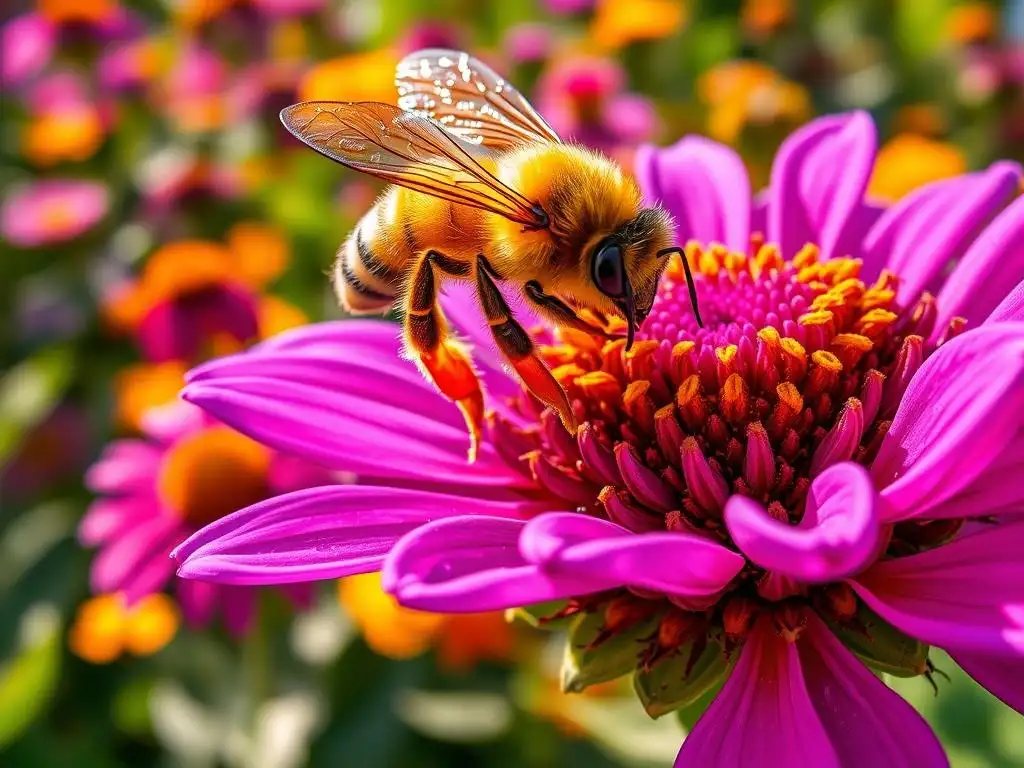
Welcome to CultivateYourFood, your guide to a thriving, sustainable garden! Are you ready to unlock the secrets of bountiful harvests? We'll delve into the fascinating world of natural pollination techniques gardening, exploring the intricate mechanisms that bring life to your fruits, vegetables, and herbs. Discover how to harness nature's power to cultivate a truly organic and flourishing garden – your journey to a greener, more fruitful life starts here.
- Understanding Natural Pollination Techniques Gardening
- Mechanisms of Pollination: A Closer Look
- Optimizing Natural Pollination Techniques in Your Garden
- Monitoring Pollination Success and Addressing Challenges
- Harvesting and the Impact of Effective Pollination
-
Frequently Asked Questions
- What is natural pollination, and why is it important for my garden?
- How can I attract more pollinators to my garden using natural methods?
- What are some effective natural pollination techniques for specific plants?
- Are there any downsides to relying solely on natural pollination?
- How can I tell if my plants aren't getting enough natural pollination?
- Final Reflection: The Enduring Buzz of Natural Pollination
- Unlock the Secrets of Pollination: Grow Your Understanding
Understanding Natural Pollination Techniques Gardening
Natural pollination is the cornerstone of sustainable gardening, a process vital for the production of fruits, vegetables, and many other plants we cultivate. It's a fascinating interplay of nature's intricate mechanisms, where wind, water, and—most importantly—a diverse array of animals contribute to the fertilization of plants. This article delves into the science behind natural pollination, exploring the crucial role of pollinators in successful gardening and providing practical strategies to enhance their activity in your home garden. Understanding these natural processes is key to boosting yields while minimizing reliance on artificial methods, aligning perfectly with the principles of organic and sustainable food production. Mastering natural pollination techniques is not just about maximizing your harvest; it's about actively participating in the preservation of biodiversity and the health of our ecosystems. This guide will empower you to cultivate a thriving garden while supporting the vital role of pollinators, contributing to a healthier planet.
The Role of Pollinators in Sustainable Gardening Practices
Pollinators, the unsung heroes of our food system, are essential for the reproduction of a vast majority of flowering plants. Their contribution extends far beyond simply producing fruits and vegetables; they are fundamental to maintaining biodiversity and the health of entire ecosystems. In sustainable gardening, understanding and supporting these creatures is paramount.
Many pollinators, including bees, butterflies, moths, beetles, birds, and even bats, play unique roles in transferring pollen grains from the male part (stamen) to the female part (pistil) of flowers, enabling fertilization and seed production. Without effective pollination, yields plummet, resulting in reduced harvests and a significant impact on food security. A healthy pollinator population is therefore directly linked to the success of any sustainable gardening endeavor.
The more diverse your pollinator population, the more resilient your garden will be to environmental changes and pest pressures. For example, a single bee species might be less effective in pollinating certain types of plants compared to a diverse community of bees and other pollinators.
Attracting Beneficial Insects: A Key Element in Natural Pollination
Attracting beneficial insects to your garden is a proactive strategy for enhancing natural pollination. Creating a welcoming environment involves providing essential resources like food and shelter. Planting a diverse range of flowering plants, especially those that bloom at different times of the year, ensures a continuous food supply for pollinators throughout the growing season. Consider incorporating native plants, as they are often best suited to the local insect populations.
Providing water sources, such as shallow dishes filled with pebbles and water, is another simple yet effective technique. Avoid the use of harmful pesticides, which can significantly harm or even kill beneficial insects. Instead, opt for organic pest control methods to protect both your plants and your pollinators.
For example, introducing ladybugs can help control aphid populations without harming bees or butterflies. A well-planned, pollinator-friendly garden will naturally attract a larger and more diverse population of beneficial insects, resulting in improved pollination and healthier plants. This approach embodies the principles of sustainable gardening, fostering a balanced and thriving ecosystem.
Enhancing Pollinator Habitats for Improved Yields
Creating and maintaining optimal pollinator habitats is crucial for maximizing yields through natural pollination. This goes beyond simply planting flowers; it involves creating a holistic environment that caters to the diverse needs of different pollinator species. Providing nesting sites is particularly important for bees, which often nest in the ground or in hollow stems.
Leaving patches of bare ground, or creating artificial nesting boxes, can significantly improve bee populations. Similarly, butterflies require specific plants for their larvae to feed on, so incorporating these "host plants" into your garden design is essential. Avoid excessive tidying, leaving some areas slightly wild to provide shelter and overwintering sites for pollinators.
Creating windbreaks can also protect delicate pollinators from harsh weather conditions. By thoughtfully designing your garden to incorporate these habitat enhancement strategies, you're not only improving pollination but also contributing to the overall biodiversity and resilience of your garden and the surrounding environment. This holistic approach significantly increases the chances of a bountiful and sustainable harvest.
Mechanisms of Pollination: A Closer Look
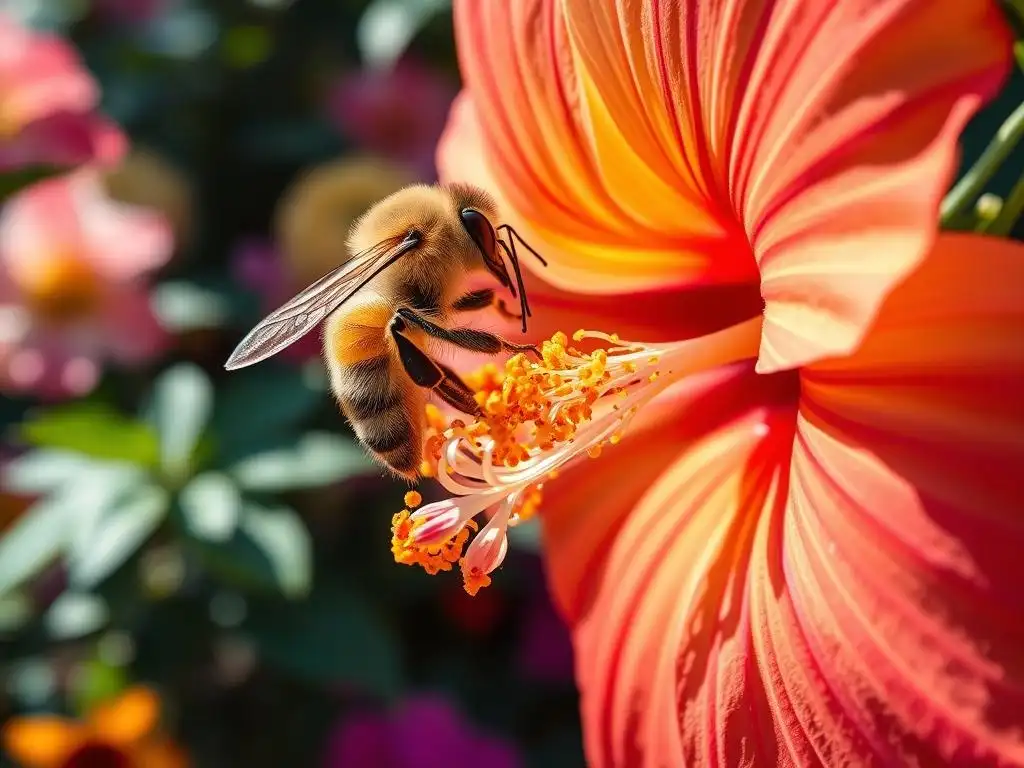
This section delves into the intricate mechanisms driving pollination, a cornerstone of successful gardening and a crucial element of natural pollination techniques gardening. We'll explore the diverse ways plants achieve fertilization, focusing on the key players and processes involved. Understanding these mechanisms allows for more effective cultivation strategies, promoting healthy plant growth and abundant harvests.
Wind Pollination: Utilizing Nature's Breeze for Effective Pollination
Wind pollination, also known as anemophily, is a remarkably efficient, albeit less targeted, method employed by many plant species. These plants often produce vast quantities of lightweight pollen, designed to be carried long distances by the wind. Their flowers are typically inconspicuous, lacking the vibrant petals and alluring scents that attract animal pollinators. Instead, they prioritize maximizing pollen dispersal. Consider grasses, for instance; their feathery stigmas are perfectly adapted to catching airborne pollen grains. Similarly, many trees, like oaks and pines, rely heavily on wind for pollination, releasing clouds of pollen that can travel for miles.
The effectiveness of wind pollination is heavily influenced by environmental factors. Strong winds increase pollen dispersal, but can also lead to pollen wastage. Conversely, calm conditions can limit the reach of pollen grains. Furthermore, the density and direction of wind currents play a crucial role in determining successful pollination. Understanding these dynamics is crucial for gardeners aiming to optimize pollination in wind-pollinated crops. Strategic planting, taking advantage of prevailing winds, can significantly boost pollination success rates.
Water Pollination: The Aquatic World's Unique Pollination Methods
Hydrophily, or water pollination, represents a fascinating adaptation found in aquatic plants. Pollen is transported via water currents, a process demanding different strategies compared to wind or animal pollination. Pollen grains in hydrophilous plants often possess specialized structures that enhance their buoyancy and prevent them from sinking or degrading in water. Furthermore, these plants often have modified flowers that release pollen directly onto the water's surface.
The success of water pollination is directly tied to water flow and plant density. In stagnant water, pollen dispersion is limited, potentially reducing fertilization rates. Conversely, strong currents can lead to pollen wastage. Many aquatic plants, such as seagrasses and some algae, have adapted to these challenges through diverse mechanisms like producing large quantities of pollen or developing long, filamentous pollen grains. While less common than wind or animal pollination in home gardens, understanding hydrophily provides insight into the remarkable adaptability of plants across various ecosystems.
Animal Pollination: Bees, Butterflies, and Other Vital Contributors
Animal pollination, or zoophily, is a complex and highly effective process, relying on the interaction between plants and a diverse array of animals. These animals, acting as vectors, carry pollen from one flower to another, facilitating fertilization. The success of this method depends on the mutualistic relationship between the plant and the pollinator. Plants offer rewards, such as nectar and pollen, while pollinators provide the essential service of pollen transfer. This section will delve into the specifics of different animal pollinators.
The Dance of the Bees: Understanding Bee Pollination in Detail
Bees are arguably the most important pollinators globally, renowned for their efficiency and vital role in agricultural production. Their hairy bodies collect vast amounts of pollen, which they then transfer to the stigmas of other flowers as they forage for nectar. Bees exhibit remarkable fidelity to specific plant species, contributing to highly effective pollination within those species.
The buzz pollination technique employed by some bee species, involving vibrating their flight muscles, is particularly effective in releasing pollen from flowers with poricidal anthers (anthers that release pollen through pores). This specialized technique is crucial for the pollination of many crops, including tomatoes and blueberries. Protecting bee populations is therefore paramount for maintaining healthy ecosystems and ensuring food security.
Butterfly Pollination: A Gentle Approach to Fruit and Vegetable Production
Butterflies, with their delicate proboscis, play a significant, though often understated, role in pollination. They primarily feed on nectar, inadvertently transferring pollen between flowers as they move from plant to plant. Unlike bees, butterflies are typically less hairy, collecting less pollen on their bodies. However, their long proboscis allows them to access nectar in flowers with deep corollas, a feature inaccessible to many other pollinators. This makes them crucial for the pollination of specific plant species adapted to butterfly pollination. Encouraging butterfly populations through the planting of nectar-rich flowers is a crucial aspect of natural pollination techniques gardening.
Other Pollinators: Birds, Bats, and Beetles in the Pollination Process
Beyond bees and butterflies, a surprising array of animals contribute to the vital process of pollination. Hummingbirds, with their long beaks and hovering flight, are efficient pollinators of many flowers with tubular corollas. Bats, primarily active at night, pollinate various plants, including cacti and some tropical fruits.
Beetles, while less specialized than bees, also contribute to pollination, often visiting flowers with strong scents and abundant pollen. Their less specialized approach means they may transfer pollen less precisely than bees, but their abundance in many environments ensures they still play a substantial role in the broader pollination ecosystem. Understanding the diverse roles of these less-discussed pollinators enriches our appreciation for the complexity and resilience of natural pollination processes.
Optimizing Natural Pollination Techniques in Your Garden
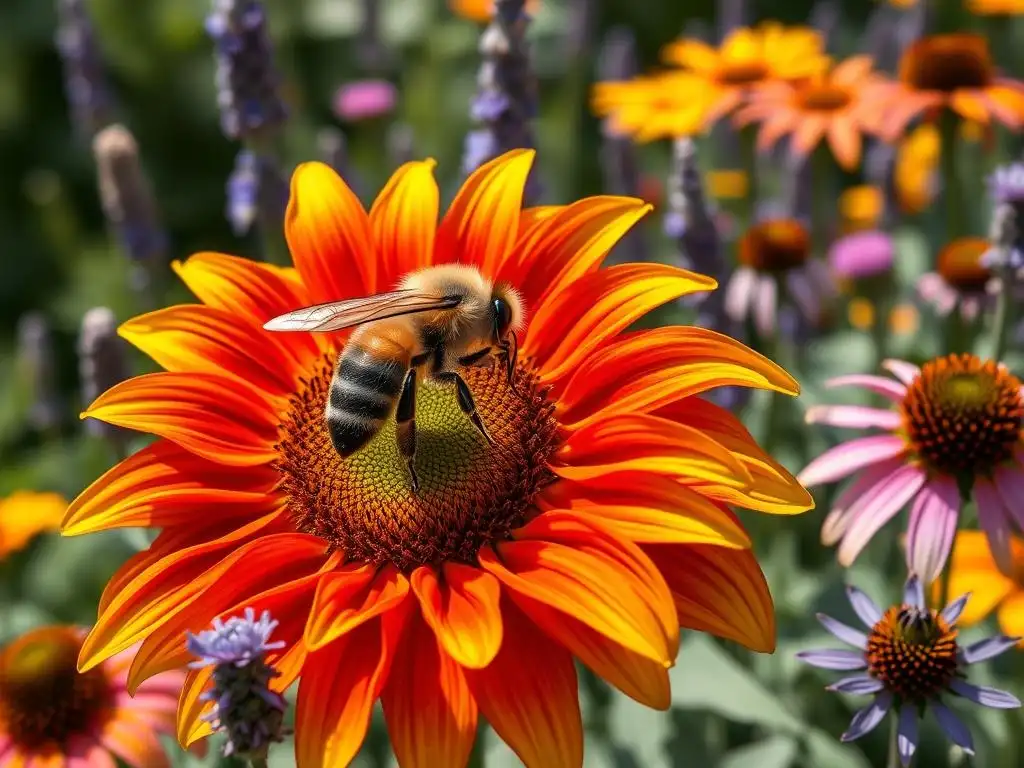
This section delves into practical strategies for boosting natural pollination in your home garden, focusing on techniques that support and enhance the work of beneficial insects and other pollinators. Successful natural pollination relies on creating an environment that attracts and sustains a diverse pollinator population. Let's explore some key approaches for achieving this.
Choosing Pollinator-Friendly Plants for Your Garden
Selecting the right plants is foundational to attracting pollinators. Not all plants are created equal in their appeal to bees, butterflies, hummingbirds, and other beneficial insects. Prioritize native plant species whenever possible. Native plants have co-evolved with local pollinators, resulting in a stronger symbiotic relationship. They often provide a more reliable food source and better habitat.
Consider the diversity of bloom times. Pollinators need a continuous supply of nectar and pollen throughout the growing season. Aim for a succession of blooms, starting in early spring and extending into late autumn. This ensures a constant food source for your pollinators. For example, you might plant early spring bloomers like crocuses, followed by summer-blooming sunflowers and coneflowers, and then fall-blooming asters.
Think about flower shape and color. Different pollinators are attracted to different flower shapes and colors. Bees are particularly drawn to blue, purple, and yellow flowers with open, flat faces. Butterflies prefer brightly colored flowers with landing platforms, while hummingbirds are attracted to tubular, red flowers. A variety of flower shapes and colors will attract a wider range of pollinators. Here's a sample of pollinator-friendly plants:
| Plant Type | Common Name(s) | Bloom Time | Pollinator Attracted |
|---|---|---|---|
| Herb | Lavender, Mint, Basil | Varies | Bees, Butterflies |
| Wildflower | Coneflower, Sunflower, Goldenrod | Summer/Autumn | Bees, Butterflies, Birds |
| Vegetable | Zucchini, Squash, Cucumber | Summer | Bees |
| Fruiting Plant | Blueberry, Raspberry, Apple | Spring/Summer | Bees, Butterflies, Birds |
By carefully selecting a diverse range of plants, you can create a vibrant and attractive habitat for your pollinators. This careful selection is crucial for successful natural pollination techniques gardening.
Creating a Diverse Pollinator Habitat: A Blend of Flowers and Plants
Beyond simply choosing the right plants, creating a diverse habitat is paramount. Pollinators need more than just food; they require nesting sites, shelter from the elements, and places to rest. A diverse garden provides all these necessities.
Incorporate a variety of plant heights and textures. Tall plants provide shade and shelter, while shorter plants offer access to sunlight and foraging opportunities. Consider incorporating shrubs, trees, and groundcovers to create layers of habitat. This complexity mimics their natural environment, providing numerous hiding spots and protection from predators.
Avoid using pesticides. Pesticides indiscriminately kill beneficial insects along with pests. Opt for organic pest control methods instead, protecting your pollinators and maintaining a healthy garden ecosystem. Organic methods include companion planting (planting certain plants together to deter pests), introducing beneficial insects (like ladybugs), and using physical barriers.
Providing Essential Resources for Pollinators: Water and Shelter
Water and shelter are crucial for pollinator survival, especially during hot and dry periods. Provide a shallow dish of water with pebbles or stones for pollinators to land on while drinking. Change the water frequently to prevent mosquito breeding.
Consider creating nesting sites. Bees, for example, often nest in the ground or in hollow stems. Leave some areas of your garden undisturbed to provide natural nesting habitats. You can also purchase or build bee hotels to provide additional nesting spaces. These simple additions significantly improve the survival and success of your pollinator population, ultimately boosting the effectiveness of your natural pollination techniques gardening. Remember, a healthy pollinator population is essential for a thriving and productive garden.
Avoiding Harmful Pesticides: Protecting Pollinators and Your Harvest
Protecting pollinators is paramount for successful natural pollination techniques in gardening. Harmful pesticides, even those marketed as "organic," can significantly harm or kill beneficial insects, including bees, butterflies, and other vital pollinators. The indiscriminate use of these chemicals disrupts the delicate balance of your garden ecosystem, leading to reduced fruit and vegetable yields. This isn't just about the immediate impact; long-term pesticide use can decimate pollinator populations, impacting your garden's productivity for years to come. A healthy pollinator population is a cornerstone of a thriving, naturally pollinated garden.
The impact extends beyond just the immediate death of pollinators. Sub-lethal doses of pesticides can impair a pollinator's ability to navigate, find food sources, and reproduce. This weakening effect can be just as devastating to your garden's productivity as outright mortality. Bees, for example, may become disoriented and unable to return to their hives, ultimately leading to colony collapse. Similarly, butterflies may experience reduced egg-laying success, affecting future generations. The cascading effects of pesticide use on the entire ecosystem are far-reaching and often underestimated.
Instead of relying on chemical pesticides, embrace integrated pest management (IPM) strategies. IPM focuses on preventing pest problems in the first place through methods such as crop rotation, companion planting, and the introduction of beneficial insects. This proactive approach minimizes the need for any pesticide application, greatly benefiting your pollinators and the overall health of your garden. Simple techniques like hand-picking pests or using physical barriers can also effectively control many common garden pests without harming beneficial insects. Regularly inspecting your plants for signs of pests allows for early intervention, preventing infestations from becoming overwhelming.
Consider the specific needs of your garden and the potential impact on pollinators when choosing any pest control method. Always opt for the least toxic option, prioritizing natural and organic solutions whenever possible. Remember that a healthy, balanced ecosystem is your best defense against pests, and a vibrant pollinator population is key to that balance.
By focusing on preventative measures and sustainable pest control, you can cultivate a thriving garden that benefits both you and the essential pollinators that support it. This holistic approach is crucial for long-term success in natural pollination techniques, ensuring abundant harvests year after year. The health of your garden and its pollinators are intrinsically linked, underscoring the importance of thoughtful, environmentally conscious gardening practices.
Monitoring Pollination Success and Addressing Challenges
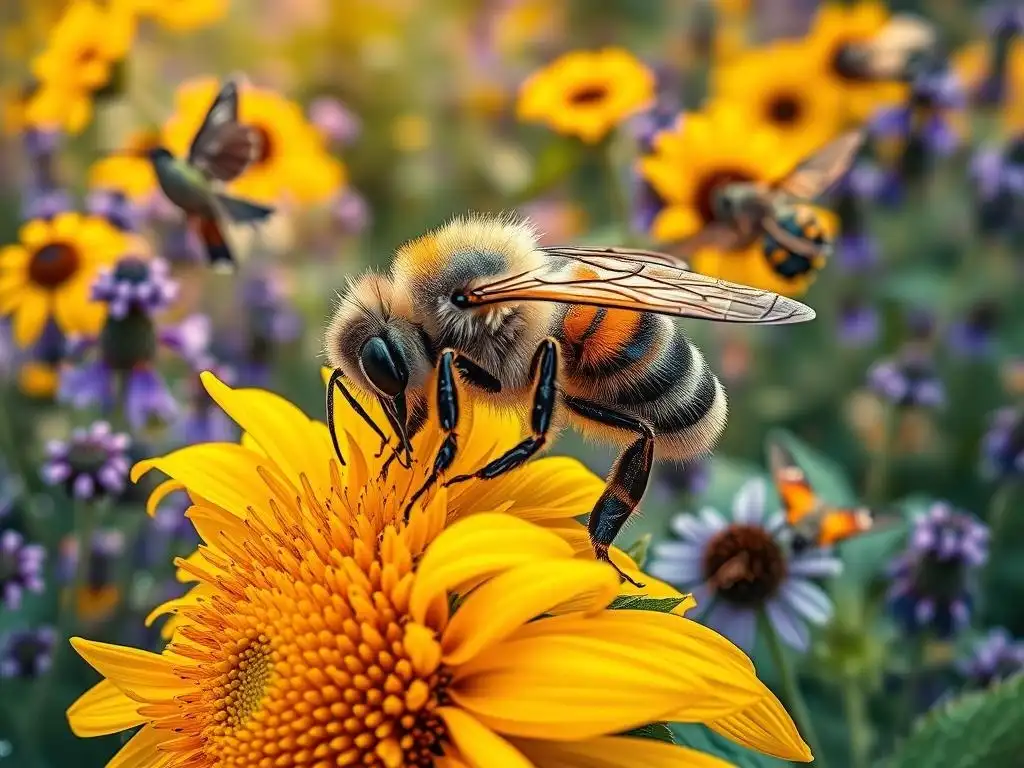
Successfully cultivating a bountiful harvest relies heavily on effective pollination. Understanding how to monitor the pollination process in your garden and addressing any challenges that arise is crucial for maximizing yields and ensuring healthy plant growth. This section provides practical steps and solutions to help you achieve optimal pollination using natural techniques. Effective monitoring allows for early intervention, preventing significant losses and ensuring a robust, healthy garden. This is key to achieving successful natural pollination techniques gardening.
Observing Pollination Activity in Your Garden
Regular observation is the cornerstone of successful pollination monitoring. Start by identifying your key pollinators. Are bees the primary visitors? Do you see butterflies, hummingbirds, or other beneficial insects? Keeping a simple pollination diary can be incredibly helpful. Note the frequency of pollinator visits to different plants, the time of day they are most active, and any noticeable patterns.
For example, a detailed record might look like this:
| Date | Time | Plant | Pollinator(s) | Number of Visits | Notes |
|---|---|---|---|---|---|
| July 10, 2024 | 10:00 AM | Tomatoes | Honeybees | 15 | Bees actively foraging on blossoms. |
| July 10, 2024 | 2:00 PM | Zucchini | Bumblebees | 8 | Fewer visits compared to tomatoes. |
| July 11, 2024 | 11:00 AM | Strawberries | Honeybees, Butterflies | 20 | High activity, diverse pollinator presence. |
Pay close attention to the appearance of your plants. Are flowers fully open and receptive to pollen? Are fruits developing as expected? A lack of fruit set, even with flowers present, could indicate pollination issues. The absence of buzzing insects or other pollinators could also be a significant red flag. Remember, consistent observation is critical for early detection of any problems. This proactive approach is essential for effective natural pollination techniques gardening.
Identifying Potential Pollination Problems and Their Solutions
Several factors can hinder pollination, even in seemingly ideal conditions. Let's explore some common issues and practical solutions:
- Lack of Pollinators: This is often the most significant problem. Habitat loss, pesticide use, and climate change all negatively impact pollinator populations. Solutions include planting pollinator-friendly flowers, avoiding pesticides, and creating a welcoming habitat with water sources and nesting sites. Consider planting a diverse range of flowering plants to attract a broader spectrum of pollinators throughout the growing season.
- Poor Weather Conditions: Heavy rain, strong winds, and extreme temperatures can significantly reduce pollinator activity. There isn't much you can do about the weather, but you can choose more resilient plant varieties and provide shelter for pollinators during inclement weather.
- Plant Compatibility: Some plants require cross-pollination, meaning pollen from one plant needs to reach another of the same species for fruit production. Ensure you have multiple plants of the same species strategically placed to facilitate cross-pollination.
- Pest Infestations: Aphids, mites, and other pests can damage flowers, hindering pollination. Implement Integrated Pest Management (IPM) strategies, focusing on natural methods such as introducing beneficial insects or using organic pest control methods. Regularly inspect your plants for signs of infestation.
Implementing Corrective Measures to Boost Pollination Rates
Once you've identified a pollination problem, implementing corrective measures is vital. Here are some strategies to boost pollination rates naturally:
- Hand-Pollination: For specific plants, you can manually transfer pollen from one flower to another using a small brush. This is particularly useful for plants that rely heavily on wind or specific pollinators that may be scarce.
- Improve Habitat: Create a haven for pollinators by planting native wildflowers, providing nesting sites (e.g., bee hotels), and ensuring a consistent water source. This not only attracts pollinators but also enriches your garden's biodiversity.
- Reduce Pesticide Use: Pesticides can harm pollinators directly. Opt for organic pest control methods whenever possible. Remember, a healthy ecosystem supports healthy pollination.
- Plant Variety: Diversify your garden with different plant species that bloom at different times of the year to provide a continuous food source for pollinators. This ensures a constant stream of pollinators throughout the growing season. This is a critical element of successful natural pollination techniques gardening.
By carefully monitoring your garden, understanding potential problems, and implementing appropriate corrective measures, you can significantly improve pollination rates and cultivate a thriving, abundant harvest. Remember that patience and observation are key to mastering the art of natural pollination in your gardening endeavors.
Harvesting and the Impact of Effective Pollination
The Link Between Successful Pollination and Abundant Harvests
Effective pollination is the cornerstone of a bountiful harvest in your home garden. The process, often unseen, directly impacts the quantity and quality of fruits, vegetables, and herbs you cultivate. Without sufficient pollination, many plants simply won't produce fruit or seeds, leading to significantly reduced yields. Consider tomatoes, for example: a single tomato plant, properly pollinated, can produce dozens of fruits.
Insufficient pollination, however, might result in only a few, small, and misshapen tomatoes. This isn't just about quantity; the size and quality of the produce are directly affected. A lack of pollination can lead to smaller, less flavorful fruits and vegetables, impacting both the culinary experience and the overall success of your gardening efforts. This emphasizes the critical role of natural pollination techniques in gardening for achieving optimal results.
Ensuring the Quality of Your Produce Through Optimal Pollination
Beyond simply increasing the number of fruits and vegetables, successful pollination directly influences their quality. Proper pollination ensures the development of fully formed seeds within the fruits, leading to better texture, flavor, and nutritional value. Think about the difference between a plump, juicy strawberry bursting with sweetness and a small, dry, and flavorless one. The difference often boils down to the level of successful pollination.
Data from agricultural studies consistently shows a strong positive correlation between effective pollination and improved fruit quality parameters, including sugar content, firmness, and overall sensory appeal. Moreover, optimal pollination contributes to the uniformity of your harvest. Consistent pollination results in a more even ripening process, leading to a more predictable and enjoyable harvest period. This directly contributes to the overall success of your natural pollination techniques gardening strategy.
The Long-Term Benefits of Sustainable Pollination Practices in Gardening
Investing in sustainable pollination practices isn't just about maximizing yields in a single season; it's about building a healthy and productive garden ecosystem for years to come. By attracting and supporting beneficial pollinators such as bees, butterflies, and other insects through the use of diverse plant species and the avoidance of harmful pesticides, you foster a thriving environment that boosts pollination efficiency. This translates to higher yields, better quality produce, and reduced reliance on artificial pollination methods.
Furthermore, promoting biodiversity through natural pollination techniques in gardening increases the resilience of your garden to environmental stresses and pests. A diverse pollinator population is better equipped to handle fluctuations in weather patterns or the emergence of new pests. This long-term perspective ensures the sustainability and success of your garden, making it a rewarding and environmentally conscious endeavor.
The cumulative effect of these long-term benefits significantly outweighs the initial investment in creating a pollinator-friendly environment. It's a testament to the efficacy and wisdom of adopting sustainable practices in your gardening journey.
Frequently Asked Questions
What is natural pollination, and why is it important for my garden?
Natural pollination is the process where plants are pollinated by natural means, such as wind, water, or animals (like bees and butterflies). It's crucial for fruit and seed production in your garden, ensuring a healthy and abundant harvest.
How can I attract more pollinators to my garden using natural methods?
Plant a diverse range of flowering plants that bloom at different times throughout the growing season. Provide sources of water and avoid using harmful pesticides. Creating a pollinator-friendly habitat is key.
What are some effective natural pollination techniques for specific plants?
Techniques vary by plant. For example, hand-pollination is effective for some plants, while strategically planting specific flowers to attract specific pollinators is crucial for others. Understanding your plants' needs is essential.
Are there any downsides to relying solely on natural pollination?
Yes, relying solely on natural pollination can result in lower yields compared to supplemental methods like hand-pollination, especially in challenging weather conditions or if pollinator populations are low in your area.
How can I tell if my plants aren't getting enough natural pollination?
Look for a lack of fruit or seed set, even with healthy flowers. Inspect flowers for pollen transfer and observe if pollinators are actively visiting your plants. Insufficient pollination often results in poor fruit development.
Final Reflection: The Enduring Buzz of Natural Pollination
The intricate dance of pollination, so often overlooked, underpins the very fabric of our food systems and ecosystems. Understanding its mechanisms is not merely an academic pursuit; it's a crucial step towards securing a sustainable future for our planet and ensuring food security for generations to come. The delicate balance within this natural process is increasingly threatened, making the knowledge presented here more vital than ever.
The impact of human activity on pollinator populations is undeniable, a sobering reality that underscores the urgency of adopting sustainable gardening practices. We've seen firsthand how habitat loss, pesticide use, and climate change are disrupting this essential ecological service. We are dependent on the natural world, but we are also increasingly responsible for its fate.
This quote resonates deeply, highlighting our responsibility to protect the pollinators that sustain us. The shift towards natural pollination techniques in gardening is not just a trend; it's a necessary evolution in our relationship with the environment.
Consider the simple act of planting a pollinator-friendly garden. It's a small step, yet it holds immense power. You, the reader, hold the key to fostering biodiversity and supporting the intricate web of life that sustains us.
By embracing natural pollination techniques, you are not only enriching your garden but also contributing to a healthier planet. Let the knowledge gained here inspire you to cultivate a space that thrives with the buzz of bees, the flutter of butterflies, and the quiet diligence of other vital pollinators. Let's work together to ensure the enduring buzz of natural pollination continues for generations to come.
Unlock the Secrets of Pollination: Grow Your Understanding
Thank you for exploring the fascinating world of pollination with us! You've gained valuable insights into the intricate processes that sustain our food systems. Ready to take your knowledge further and make a real difference?
- Create a pollinator haven: Plant native flowers and shrubs that attract bees, butterflies, and other beneficial insects to your garden. This is a direct way to support local pollinator populations.
- Share this article with friends and family who appreciate nature and sustainable food practices. Let's spread awareness about the importance of pollination!
- Join a local gardening club or environmental organization to learn more and connect with others who share your passion for protecting pollinators. Collective action is vital for their survival.
What specific actions will you take to support a healthier pollinator population in your community?