
The Story Behind Your Seeds: The Importance of Saving Heirloom Varieties

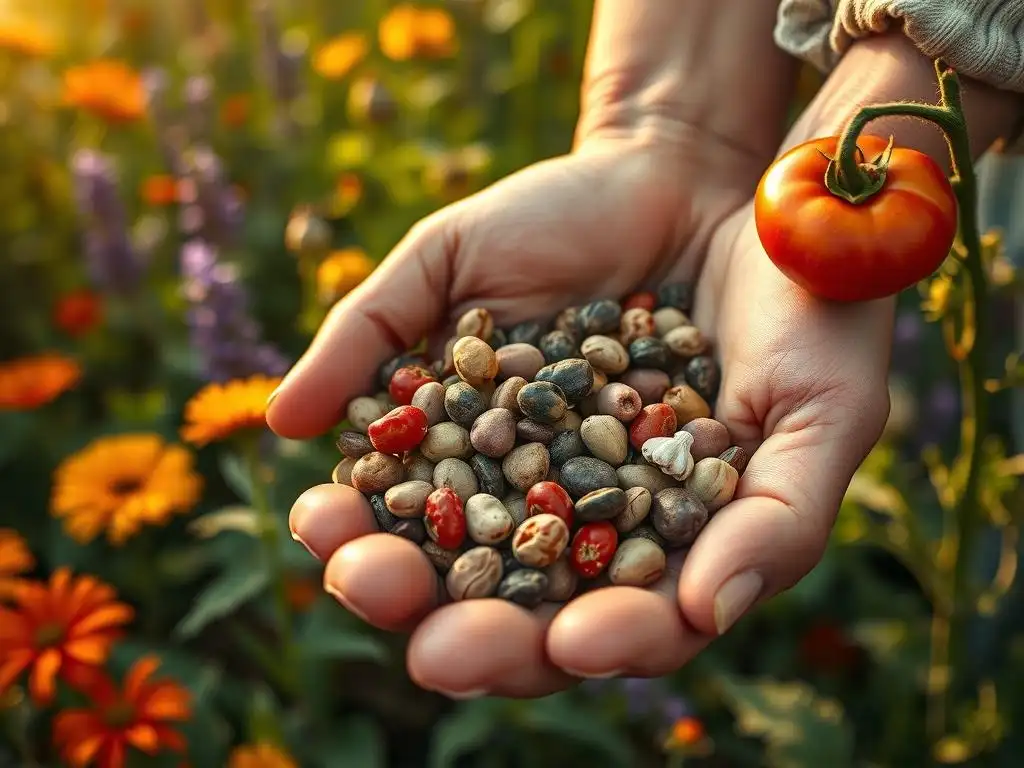
Welcome to CultivateYourFood, your guide to growing a thriving, sustainable garden! Are you ready to unlock the secrets to nurturing your own fruits, vegetables, and herbs? We believe in the power of organic practices, and this begins with understanding the importance of your seeds. Discover the fascinating world of heirloom varieties and learn how to Save heirloom seeds organically, ensuring the future of your garden and preserving biodiversity – dive into "The Science of Gardening" and start your journey today!
- Understanding Heirloom Seeds: A Deep Dive into Genetic Diversity
- The Benefits of Saving Heirloom Seeds Organically
-
How to Save Heirloom Seeds Organically: A Step-by-Step Guide
- Selecting the Right Plants for Seed Saving: Choosing High-Quality Seeds
- Harvesting Seeds at the Optimal Time: Recognizing Seed Maturity
- Proper Seed Cleaning and Drying Techniques: Ensuring Viability
- Storing Heirloom Seeds for Long-Term Preservation: Specific Storage Methods
- Testing Seed Viability: Ensuring Successful Germination
- Common Challenges and Solutions in Organic Heirloom Seed Saving
- Resources and Further Learning: Continuing Your Heirloom Seed Journey
- Frequently Asked Questions
- Final Reflection: Nurturing Our Heritage, One Seed at a Time
- Unleash Your Inner Gardener: Grow the Future, One Seed at a Time
Understanding Heirloom Seeds: A Deep Dive into Genetic Diversity
Saving heirloom seeds organically is more than just a gardening practice; it's a vital contribution to preserving biodiversity and ensuring the future of our food systems. This article delves into the fascinating world of heirloom seeds, exploring their unique characteristics, rich history, and crucial role in building resilient and sustainable gardens. We'll uncover why choosing heirloom varieties and saving your own seeds is not only beneficial for your garden's health but also a powerful act of environmental stewardship.
Understanding the genetic diversity inherent in heirloom seeds allows us to appreciate their superior adaptability and resistance to common gardening challenges, empowering us to cultivate thriving, organic harvests year after year. We'll examine specific examples of heirloom varieties and explore how their genetic diversity contributes to a robust and healthy ecosystem within our home gardens, ultimately promoting a more sustainable approach to food production.
What are Heirloom Seeds and Why are They Important?
Heirloom seeds are open-pollinated seeds that have been passed down through generations of gardeners. Unlike hybrid seeds, which are the result of cross-breeding specific varieties, heirloom seeds maintain their genetic integrity when saved and replanted. This means that the seeds from your harvest will produce plants with similar characteristics to the parent plant. This stability is a key advantage, offering predictability in terms of flavor, appearance, and growth habits.
But the importance of heirloom seeds extends far beyond simple consistency. They represent a vast reservoir of genetic diversity, crucial for building resilience in the face of environmental changes and pest outbreaks. Saving heirloom seeds organically ensures that this invaluable genetic heritage continues to thrive. The act of saving seeds also connects us directly to the history of food production, fostering a deeper understanding and appreciation for the natural world.
Saving seeds is an act of hope, a vote of confidence in the future of our food supply.
- Unknown
The Rich History of Heirloom Varieties: Examples from the past
Heirloom varieties boast a rich and fascinating history, often tracing back centuries or even millennia. These seeds carry within them the accumulated wisdom and adaptation of countless generations of farmers and gardeners. For example, the 'Brandywine' tomato, a popular heirloom, is known for its incredibly rich flavor and large size. Its history can be traced back to the early 20th century in Pennsylvania.
Similarly, the 'Rouge Vif d'Etampes' bean, a vibrant red heirloom, has been cultivated in France for over 400 years. These varieties are not merely seeds; they are living testaments to human ingenuity and adaptation, offering a tangible connection to agricultural history. The preservation of these varieties is therefore not just about preserving food, but also about preserving cultural heritage and agricultural knowledge. Many older heirloom varieties are also uniquely adapted to specific climates and soil conditions, making them particularly valuable in regions experiencing environmental stress.
| Heirloom Variety | Origin | Notable Characteristic |
|---|---|---|
| 'Brandywine' Tomato | Pennsylvania, USA | Large size, rich flavor |
| 'Rouge Vif d'Etampes' Bean | France | Vibrant red color, excellent taste |
| 'Black Krim' Tomato | Crimea | Deep red color, complex flavor |
Genetic Diversity and its Role in Resilience: Protecting Against Pests and Diseases
The genetic diversity within heirloom varieties is their greatest strength. This diversity provides resilience against pests and diseases. Hybrid seeds, while often exhibiting uniformity, often lack this genetic robustness.
Heirloom seeds, having evolved naturally over time, possess a broader range of genetic traits, making them less susceptible to widespread disease outbreaks. For example, a single disease might wipe out a large monoculture of a hybrid plant, but a diverse population of heirloom varieties is far more likely to have some individuals with natural resistance. This inherent resilience reduces the need for chemical pesticides and fertilizers, aligning perfectly with organic gardening principles.
Furthermore, this genetic diversity ensures the long-term adaptability of these plants to changing environmental conditions, such as variations in temperature, rainfall, and soil composition. Saving heirloom seeds organically is therefore a vital strategy for building a more resilient and sustainable food system. The act of saving and sharing these seeds helps ensure the continued availability of these valuable genetic resources for future generations.
The Benefits of Saving Heirloom Seeds Organically
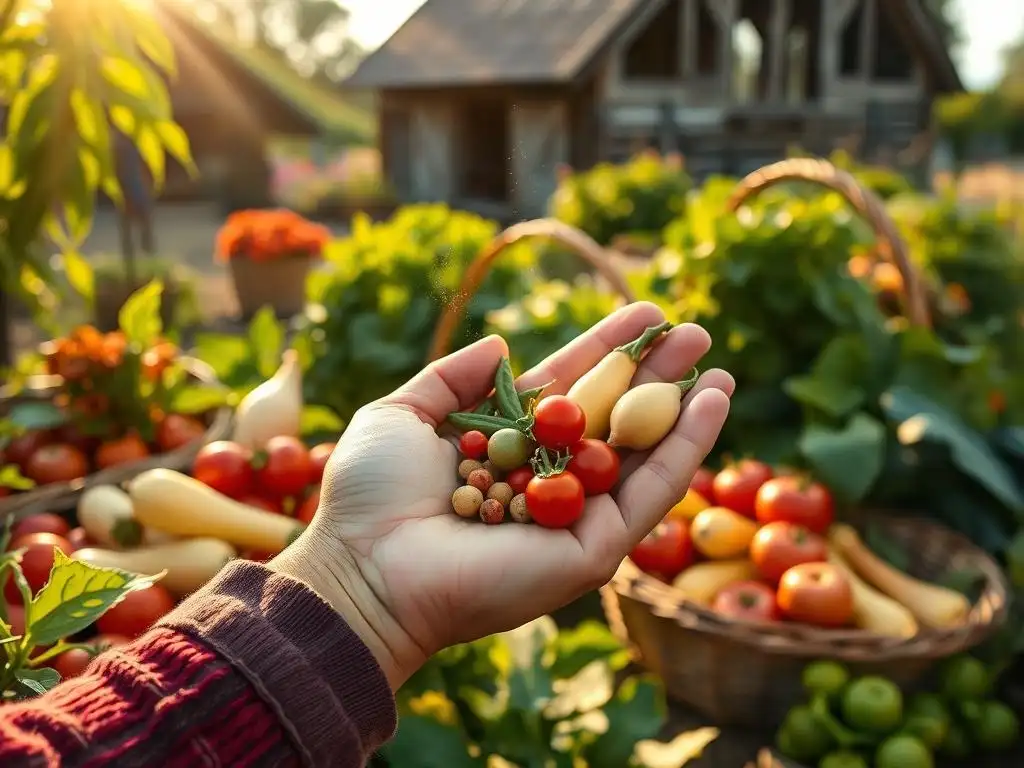
Saving heirloom seeds organically offers a multitude of advantages, extending far beyond simply ensuring the continuation of unique plant varieties. It's a practice deeply intertwined with sustainable gardening, environmental stewardship, and even culinary enhancement. This section will delve into the key benefits, highlighting the specific ways organic seed saving contributes to a healthier planet and a more flavorful harvest.
Enhanced Flavor and Nutritional Value: Taste the Difference
Heirloom seeds, often passed down through generations, frequently boast superior flavor profiles compared to their commercially produced counterparts. This isn't just anecdotal; studies have shown that heirloom varieties often contain higher concentrations of certain vitamins, minerals, and antioxidants. The organic cultivation method further amplifies these benefits.
Avoiding synthetic fertilizers and pesticides allows the plant to develop its full genetic potential, resulting in a richer, more complex taste and a higher nutritional density. For example, organically grown heirloom tomatoes often exhibit a far more intense sweetness and umami flavor than their mass-produced counterparts, a difference readily apparent in taste tests. The absence of chemical residues also ensures a cleaner, healthier product for consumption.
This commitment to organic practices directly translates to a superior culinary experience and enhanced nutritional value for the gardener and their family. The difference is truly remarkable; once you've tasted an organically grown heirloom variety, you'll understand why saving these seeds is so important.
Building Soil Health Through Organic Practices: Supporting Biodiversity
Saving heirloom seeds organically is intrinsically linked to building healthy soil. Organic farming methods prioritize soil health, avoiding practices that deplete its nutrients and beneficial microorganisms. Composting, crop rotation, and the use of cover crops are all integral parts of organic seed saving. These practices enrich the soil with organic matter, improving its structure, water retention, and nutrient availability. This, in turn, creates a thriving ecosystem, supporting a wider range of beneficial insects and microorganisms.
This biodiversity is crucial for pest control and overall soil health. Heirloom varieties, often adapted to specific local conditions, are naturally more resilient and less prone to diseases, reducing the need for chemical interventions. The synergy between heirloom varieties and organic practices creates a positive feedback loop, enhancing both the plant's health and the soil's vitality. This sustainable approach creates a resilient and productive garden ecosystem, year after year.
Reduced Reliance on Industrial Agriculture: A Sustainable Approach to Gardening
Saving heirloom seeds organically is a powerful act of resistance against the dominance of industrial agriculture. Industrial farming practices often prioritize high yields over flavor, nutritional value, and environmental sustainability. By saving and growing heirloom seeds organically, you actively reduce your reliance on large-scale agricultural corporations and their often environmentally damaging practices. You're choosing to support biodiversity, reduce your carbon footprint, and contribute to a more resilient food system.
Furthermore, saving your own seeds significantly reduces the environmental impact associated with seed production and transportation. It's a small step that, when adopted by many, can make a significant difference in promoting ecological balance and food sovereignty. This sustainable approach empowers gardeners to take control of their food source, fostering independence and environmental responsibility. It's a simple yet profound way to "Save heirloom seeds organically" and contribute to a healthier future.
Passing on a Legacy: Preserving Heirloom Seeds for Future Generations
Saving heirloom seeds organically isn't just about cultivating delicious and nutritious food; it's about safeguarding a legacy. Heirloom varieties represent a tangible connection to the past, carrying within their genetic code the accumulated wisdom and experience of generations of farmers and gardeners. These seeds are not simply commodities; they are living libraries, containing a wealth of genetic diversity that modern, commercially produced seeds often lack. By saving these seeds, we ensure that future generations have access to a wider range of flavors, textures, and nutritional profiles, preventing the homogenization of our food supply.
Imagine a world where only a handful of tomato varieties exist – a bland, uniform landscape devoid of the vibrant spectrum of flavors found in heirloom varieties like 'Brandywine' or 'Cherokee Purple'. Saving heirloom seeds organically helps prevent this scenario, ensuring a rich and diverse culinary heritage for years to come. This act of preservation is a powerful statement, demonstrating a commitment to biodiversity and the sustainable practices necessary to maintain it. It’s a gift we give not only to ourselves but to future generations of gardeners and cooks, allowing them to experience the unique characteristics and stories embedded within each seed.
The act of saving and sharing these seeds fosters community and strengthens the bonds between people who value biodiversity and sustainable food systems. It's a truly rewarding aspect of organic gardening, extending far beyond the immediate satisfaction of a bountiful harvest. The knowledge and practice are passed down, creating a living tradition that enriches our lives and our world.
How to Save Heirloom Seeds Organically: A Step-by-Step Guide
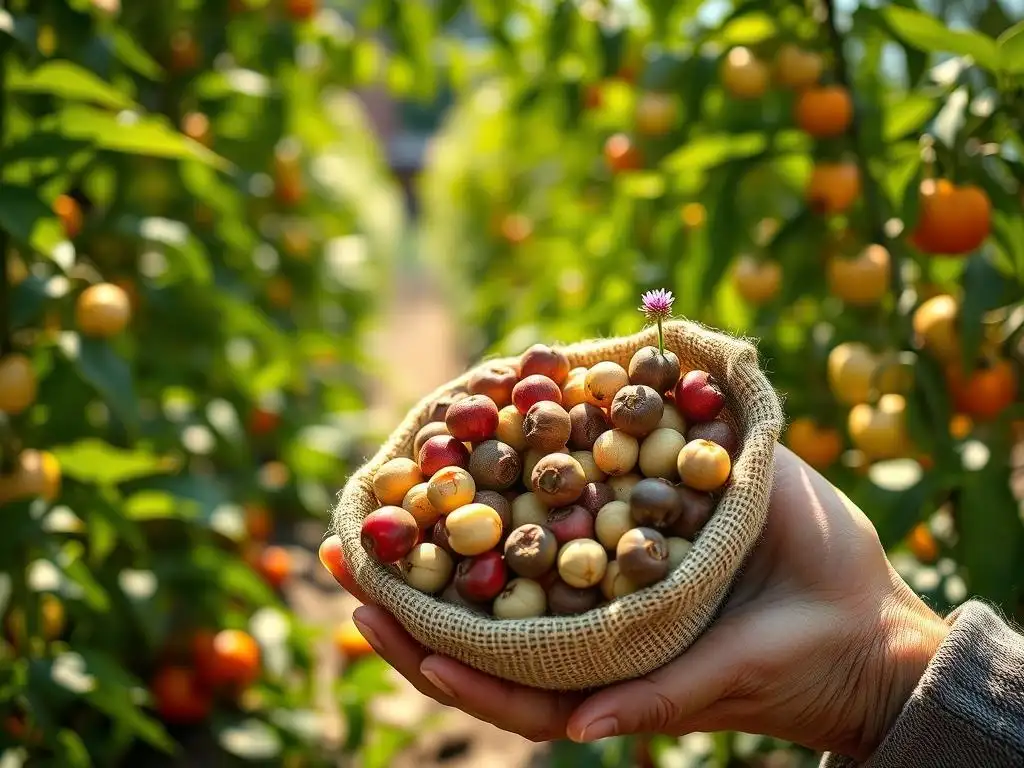
Saving heirloom seeds organically is a rewarding practice that connects you directly to your food source and preserves biodiversity. This process ensures the continuation of unique genetic lines and allows you to cultivate plants adapted to your specific environment. It also reduces your reliance on commercially produced seeds, often treated with chemicals. Let's explore the key steps involved.
Selecting the Right Plants for Seed Saving: Choosing High-Quality Seeds
The foundation of successful seed saving lies in selecting the right plants. Begin by choosing heirloom varieties known for their open-pollination and strong genetic stability. Avoid hybrid varieties, as their offspring may not exhibit the same desirable traits. Look for plants that are vigorous, healthy, and representative of the variety's characteristics – this ensures you're saving seeds from the best specimens. Consider factors like disease resistance and yield when making your selection.
Consider these points when choosing your plants for seed saving:
- Isolation: If you're saving seeds from multiple varieties of the same species (e.g., different types of tomatoes), maintain a sufficient distance between them (at least 1000 feet, depending on the species) to prevent cross-pollination. This is crucial for maintaining the genetic purity of your heirloom varieties. Failure to do this can result in hybrid seeds that lose the desirable characteristics of the parent plants.
- Health: Choose plants that are free from diseases and pests. Healthy plants produce healthier seeds with higher viability rates. Regular inspection and preventative measures are crucial throughout the growing season.
- Seed Parent Selection: For many plants, the quality of the seed depends on the characteristics of the "mother plant". For example, with beans, you might select the healthiest, most productive plant as your seed parent.
Example: Choosing Tomatoes for Seed Saving
When selecting tomato plants for seed saving, look for plants with abundant fruit, uniform size and shape, and excellent flavor. Avoid plants exhibiting signs of disease, such as blossom-end rot or early blight. Choose the healthiest and most productive plant in your garden to ensure you're saving the best genetics.
Harvesting Seeds at the Optimal Time: Recognizing Seed Maturity
Harvesting seeds at the peak of maturity is essential for high germination rates. This timing varies considerably depending on the plant species. For example, some seeds, like beans, are ready when the pods are dry and brown. Others, such as sunflowers, require the heads to fully dry on the plant. Carefully observe your plants for signs of maturity, which often include changes in color, texture, and the plant's overall appearance. Premature harvesting can result in low germination rates, while overripe seeds may lose viability.
Here's a simplified table to illustrate the timing for some common heirloom crops:
| Crop | Sign of Maturity |
|---|---|
| Beans | Pods dry and brown, easily rattle when shaken |
| Tomatoes | Fruits fully ripened and slightly softened |
| Peppers | Fruits fully colored and firm |
| Sunflowers | Heads dry, seeds easily detach from the head |
| Lettuce | Seed heads turn brown and dry |
Proper Seed Cleaning and Drying Techniques: Ensuring Viability
Once harvested, seeds require careful cleaning and drying to maintain their viability. Cleaning removes unwanted material like pulp, stems, and debris. This process can involve various techniques, from simple hand-rubbing to using screens or winnowing in the wind. Thorough drying is crucial to prevent mold and fungal growth, which can destroy the seeds. Seeds should be dried in a cool, dry, and well-ventilated area, away from direct sunlight, which can damage them. Proper storage in airtight containers in a cool, dark, and dry place is also essential for long-term seed preservation.
Consider these steps for optimal seed cleaning and drying:
- Initial Cleaning: Remove any excess plant material immediately after harvest. For example, carefully remove tomato seeds from the pulp using water and gentle agitation.
- Drying: Spread seeds thinly on a screen or paper towel in a well-ventilated area. Allow them to dry completely for several weeks, checking regularly for moisture.
- Final Cleaning: Once dry, further clean the seeds by removing any remaining debris. You can use screens or winnowing to separate the seeds from lighter material.
- Storage: Store the clean, dry seeds in airtight containers in a cool, dark, and dry place. Label the containers clearly with the variety name and the harvest date. Proper storage can extend the viability of your heirloom seeds for many years. Consider using silica gel packets to absorb excess moisture and maintain optimal conditions. Saving heirloom seeds organically ensures future generations can enjoy the unique flavors and characteristics of these valuable plant varieties. 🌱
Storing Heirloom Seeds for Long-Term Preservation: Specific Storage Methods
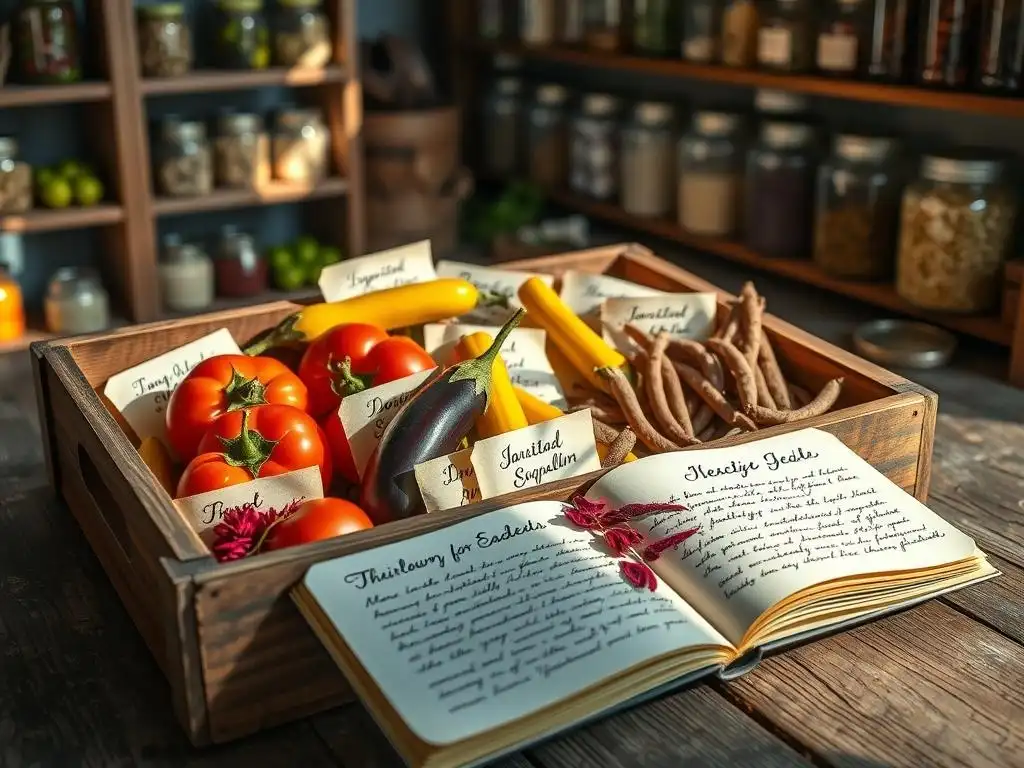
Saving heirloom seeds organically is only half the battle; proper storage is crucial for maintaining their viability and ensuring successful germination in future seasons. The goal is to create an environment that minimizes moisture, temperature fluctuations, and exposure to pests and diseases. These factors can significantly reduce the lifespan and germination rate of your precious seeds.
Several methods can be employed for long-term seed storage, each with its own advantages and disadvantages. One popular method involves using airtight containers, such as glass jars with airtight lids or resealable, food-grade plastic bags. These containers should be filled with the seeds, and any excess air should be squeezed out before sealing. It's crucial to label each container clearly with the seed type, variety, and the date of harvest. This detailed labeling system is essential for efficient organization and tracking.
Another effective technique involves using silica gel packets. These packets absorb moisture, creating a drier environment that significantly extends the shelf life of the seeds. Place a few silica gel packets inside the airtight container with your seeds. Remember to replace the silica gel packets periodically, as they lose their moisture-absorbing capacity over time. This proactive approach helps maintain the optimal storage conditions.
For long-term preservation, consider storing your seeds in a cool, dark, and dry place. A refrigerator (not freezer) is ideal, maintaining a stable temperature that minimizes the risk of seed degradation. Avoid storing seeds in areas prone to temperature fluctuations, like attics or basements, as these changes can compromise seed viability. Consistent temperature is key to successful preservation. Furthermore, rotating your seed stock regularly is a good practice to ensure that older seeds are used first, maximizing germination success.
Testing Seed Viability: Ensuring Successful Germination
Before planting your carefully saved heirloom seeds, it's essential to test their viability – the percentage of seeds that are capable of germinating. This crucial step helps you determine how many seeds to plant to achieve your desired results and avoids wasting valuable time and resources on seeds that won't sprout.
A simple and effective method is the paper towel test. Place a sample of your seeds between two damp paper towels, ensuring the towels are not soaking wet but rather moist. Seal the paper towels in a plastic bag and place them in a warm location (around 70-75°F or 21-24°C). Check the seeds daily for signs of germination, such as the emergence of a radicle (the embryonic root). The percentage of seeds that germinate within a week or two provides a reasonable estimate of the overall viability of your seed batch.
Another method involves using a germination tray. This method is more involved but can provide a more precise assessment. Plant your seeds in a small germination tray filled with a suitable seed-starting mix. Maintain consistently moist conditions and monitor the seeds for germination. The number of seeds that germinate compared to the total number planted will give you a clear picture of your seed's viability.
Remember that the viability of heirloom seeds can decrease over time, even with proper storage. Regular testing is therefore crucial, especially for seeds stored for longer periods. This ensures you have realistic expectations for your planting and helps you make informed decisions about your gardening practices. Knowing the viability of your seeds allows you to adjust your planting density accordingly, maximizing your chances of a successful harvest and preserving the unique genetic heritage of your heirloom varieties. This diligent approach ensures the continued success of your organic heirloom seed saving efforts.
Common Challenges and Solutions in Organic Heirloom Seed Saving
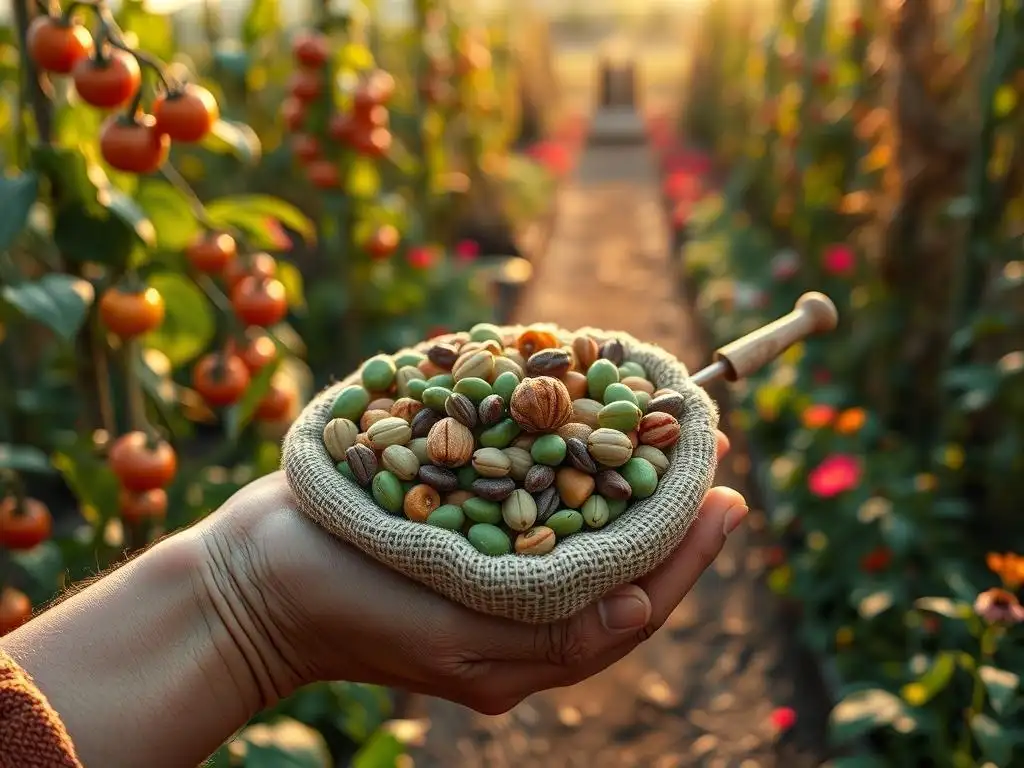
Saving heirloom seeds organically presents unique hurdles compared to using commercially produced seeds. The focus on ecological balance and the inherent genetic diversity of heirlooms require careful attention to detail. Successfully saving heirloom seeds organically means understanding and proactively addressing potential problems. This section outlines some common difficulties and offers practical, organic solutions to ensure a bountiful harvest, year after year.
Dealing with Pests and Diseases: Organic Pest Control Methods for Seed Plants
Protecting your seed plants from pests and diseases is crucial for obtaining high-quality seeds. Using synthetic pesticides is contrary to organic principles and can contaminate your seeds. Instead, embrace a proactive approach using integrated pest management (IPM) strategies. This involves monitoring plants regularly for early signs of infestation or disease.
Early detection is key. Regularly inspect your plants for any signs of pests (aphids, whiteflies, caterpillars) or diseases (powdery mildew, blight). A magnifying glass can be helpful for identifying tiny insects. Keep a detailed garden journal noting observations, so you can track trends and anticipate problems.
Organic pest control methods include:
- Beneficial insects: Introduce ladybugs, lacewings, or praying mantises to your garden. These natural predators help control pest populations.
- Neem oil: A natural insecticide derived from the neem tree, effective against many common garden pests. Apply according to package directions.
- Insecticidal soap: Another effective organic option for controlling soft-bodied insects like aphids and mites.
- Companion planting: Strategically planting certain plants together can deter pests. For example, basil repels many insects and can be planted near susceptible plants.
- Crop rotation: Rotating crops annually helps to disrupt pest and disease cycles, reducing their impact on your seed plants.
- Removing infected plants: Promptly remove and dispose of any severely infected plants to prevent the spread of disease. Do not compost these plants.
Remember, consistent monitoring and preventative measures are more effective than reactive treatments. A healthy plant is less susceptible to pests and diseases. This helps ensure the quality and viability of your saved seeds.
Preventing Cross-Pollination: Maintaining Seed Purity
Maintaining the genetic purity of heirloom varieties is paramount when saving seeds organically. Cross-pollination, where pollen from one variety fertilizes a different variety, can lead to a loss of desirable traits in subsequent generations. This is especially important with open-pollinated varieties.
To prevent cross-pollination:
- Spatial Isolation: Maintain sufficient distance between different varieties of the same species. The required distance varies depending on the plant; research the specific pollination needs of your heirloom varieties. A general guideline is to separate plants by at least 1000 feet for open-pollinated plants.
- Timely Planting: Stagger the planting times of different varieties to reduce the chances of overlapping bloom periods.
- Hand-Pollination: For particularly valuable varieties or those prone to cross-pollination, you can hand-pollinate. This involves carefully transferring pollen from one flower to another using a small brush.
- Row Covers: Use row covers to protect plants from wind-borne pollen. This is particularly useful for plants with open blooms.
- Isolation Blocks: Consider planting isolation blocks—areas of a single variety—to further reduce the risk of cross-pollination.
Careful planning and attention to detail are crucial for maintaining the genetic integrity of your heirloom seeds. The effort pays off in preserving the unique characteristics of these valuable varieties for future generations.
Overcoming Low Germination Rates: Troubleshooting and Solutions
Low germination rates can be disheartening, especially after the hard work of saving seeds organically. Several factors can contribute to this problem. Understanding these factors and implementing appropriate solutions is vital for successful seed saving.
Several factors can contribute to low germination rates:
- Seed Maturity: Harvesting seeds too early or too late can impact germination. Harvest seeds when they are fully mature but before they are overly dry and brittle.
- Improper Drying: Improper drying can damage seeds, reducing their viability. Seeds should be dried slowly and evenly in a well-ventilated area, away from direct sunlight.
- Seed Storage: Incorrect storage conditions can significantly reduce germination rates. Store seeds in a cool, dry, and dark place in airtight containers. Proper labeling with harvest date is crucial.
- Seed Viability: Even under ideal conditions, some seeds may naturally have low viability. This is inherent to the genetic makeup of the plant.
- Soil Conditions: Poor soil conditions can hinder germination. Ensure your soil is well-draining, has adequate nutrients, and is at the correct temperature.
Troubleshooting low germination:
- Seed Testing: Conduct a germination test to assess the viability of your seeds before planting. This involves planting a small sample of seeds and monitoring the germination rate.
- Scarification: Some seeds have hard seed coats that require scarification (scratching or nicking the seed coat) to facilitate germination.
- Stratification: Some seeds require stratification (a period of cold, moist storage) before they will germinate.
- Seed Starting Mix: Use a high-quality seed starting mix that provides good drainage and aeration.
By addressing these potential issues proactively, you can significantly improve your success rate in saving and germinating heirloom seeds organically. Careful observation, record-keeping, and a willingness to adapt your methods are key to achieving a high germination rate and preserving these valuable genetic resources for years to come.
The Importance of Record Keeping: Tracking Your Heirloom Seeds
Saving heirloom seeds organically is a rewarding endeavor, but it requires meticulous attention to detail. One of the most crucial aspects of successful heirloom seed saving is maintaining comprehensive records. Without accurate tracking, you risk losing valuable genetic diversity and the unique characteristics that make heirloom varieties so special. Think of your seed-saving efforts as a vital part of your family's agricultural heritage; proper record-keeping ensures that this heritage is preserved and passed on.
This isn't simply about jotting down a few notes. A robust system involves documenting various factors impacting your seeds' quality and viability. This includes the specific variety of the plant, the date of planting, the location of the plant in your garden (considering factors like sun exposure and soil type), the date of harvest, and the quantity of seeds harvested.
Furthermore, it’s essential to note any unusual observations during the growing season, such as pest infestations, diseases, or unexpected weather events. These details can help you identify patterns and make informed decisions for future harvests. For instance, if a particular variety consistently struggles with a specific pest in a certain location, your records will help you adapt your planting strategy for the following year.
Consider using a dedicated seed-saving journal or a digital spreadsheet. A well-organized system allows you to easily search for specific information, analyze data over time, and identify successful and less successful practices. Detailed records enable you to understand which varieties thrive in your specific environment and which might require different cultivation methods. They also help you track the purity of your seed lines, ensuring that you maintain the integrity of your heirloom varieties over generations. The more information you record, the better equipped you are to make informed decisions for future harvests, improving your success rate in organically saving heirloom seeds. This precise record-keeping is crucial for maintaining the genetic integrity and viability of your heirloom seeds, ensuring their survival and your continued success. Without it, you risk losing irreplaceable varieties and the valuable genetic heritage they represent. Think of your records as a living testament to your gardening journey.
Resources and Further Learning: Continuing Your Heirloom Seed Journey
This section provides you with resources to deepen your understanding and skills in saving heirloom seeds organically. From recommended reading material to connecting with local communities, we aim to empower you to continue this vital practice for generations to come. Saving heirloom seeds organically isn't just a hobby; it's a commitment to biodiversity and sustainable food systems. Let's explore how to take your seed-saving journey further.
Recommended Books and Websites on Seed Saving
Expanding your knowledge is crucial for successful and sustainable heirloom seed saving. Several excellent resources offer detailed guidance on various aspects of the process, from seed selection to storage. Investing time in learning advanced techniques will significantly improve your success rate and help you preserve the genetic integrity of your heirloom varieties.
Here's a selection of recommended resources categorized for easier navigation:
Books:
- Seed to Seed: Seed Saving and Growing Techniques for Vegetable Gardeners by Suzanne Ashworth: This comprehensive guide covers everything from basic seed saving techniques to more advanced methods. It's considered a seminal work in the field and is highly regarded by experienced and novice seed savers alike.
- The Seed Saver's Handbook by John Scheeper: This handbook provides practical, step-by-step instructions for saving seeds from a wide variety of plants. It's a great resource for those who want a more hands-on approach to learning.
- Heirloom Vegetable Gardening by William Woys Weaver: While not solely focused on seed saving, this book provides valuable context on the importance of heirloom varieties and their role in maintaining biodiversity. It inspires a deeper appreciation for the history and cultural significance of heirloom seeds.
Websites:
- Many online communities and forums dedicated to seed saving offer valuable insights and support. These platforms provide opportunities to connect with other enthusiasts, share experiences, and troubleshoot challenges. They often feature articles and tutorials on specific techniques and plant varieties.
- Several university extension programs offer resources and workshops on seed saving. These programs often provide research-based information and practical advice tailored to specific geographic regions and climates. Look for resources from your local agricultural extension office.
Local Seed Saving Organizations and Communities: Connecting with Fellow Gardeners
Connecting with other seed savers is invaluable. Sharing knowledge, exchanging seeds, and collaborating on projects enhances the overall seed-saving effort within your community. This collaborative spirit promotes the preservation of local varieties and strengthens the resilience of your regional food system. Participating in these communities helps build a network of support and fosters a sense of shared purpose in preserving biodiversity.
Consider the following avenues to connect with fellow gardeners:
- Local seed swaps: These events offer a fantastic opportunity to exchange seeds with other gardeners in your area. You can discover new varieties and contribute to the diversity of seeds available within your community.
- Community gardens: Many community gardens organize workshops and events focused on seed saving. These gatherings provide a valuable platform for learning from experienced gardeners and sharing your knowledge with others.
- Online forums and groups: Online platforms dedicated to seed saving offer a global network of connections. These groups provide valuable resources, support, and opportunities to share experiences with gardeners from different regions.
- Local agricultural societies: These organizations often have programs or initiatives related to seed saving and preserving local varieties.
Advanced Techniques for Seed Saving: Advanced Seed Saving Techniques
Mastering basic seed saving techniques is a great starting point, but delving into more advanced methods can significantly enhance your success and contribute to the preservation of genetic diversity. These techniques require a deeper understanding of plant biology and genetics but can offer significant advantages in terms of seed quality and yield.
Here are some examples of advanced seed-saving techniques:
- Open-pollination management: Understanding the principles of open pollination is crucial for maintaining the genetic purity of heirloom varieties. This involves carefully managing the proximity of different plant varieties to prevent cross-pollination.
- Seed cleaning and processing: Advanced techniques for cleaning and processing seeds improve their viability and storage life. This can involve using specialized equipment or developing efficient hand-processing methods.
- Seed testing and viability assessment: Assessing seed viability before storage is crucial for ensuring the success of your seed-saving efforts. This can involve employing germination tests or using specialized equipment to determine seed quality.
- Long-term seed storage: Proper long-term seed storage is essential for preserving heirloom varieties for future generations. This involves creating optimal storage conditions to maintain seed viability over extended periods. Understanding the importance of temperature, humidity, and airtight containers is paramount.
Remember, saving heirloom seeds organically is a rewarding journey that benefits both you and the environment. By utilizing these resources and actively engaging with the seed-saving community, you can contribute to the preservation of biodiversity and the sustainable future of our food systems. Happy gardening!
Frequently Asked Questions
What are heirloom seeds?
Heirloom seeds are open-pollinated seeds that have been passed down through generations. They are non-hybrid and produce plants that are generally true to type, meaning the offspring will resemble the parent plant. This allows for saving and replanting year after year.
Why should I save heirloom seeds organically?
Saving heirloom seeds organically ensures you are maintaining genetic diversity and avoiding the use of synthetic pesticides and fertilizers. This preserves the natural qualities of the seeds and promotes a healthier ecosystem.
How do I save heirloom seeds organically?
The process involves selecting healthy parent plants, allowing them to fully mature, carefully harvesting the seeds, and then cleaning and storing them properly in a cool, dry place. Resources on proper organic seed saving techniques are widely available online.
What are the benefits of saving heirloom seeds compared to buying new ones every year?
Saving heirloom seeds organically is cost-effective in the long run. It also helps to preserve biodiversity, reduces reliance on commercial seed companies, and allows you to cultivate plants specifically adapted to your local climate.
Are all heirloom seeds suitable for organic saving?
Yes, as long as you maintain organic growing practices throughout the entire process, from planting to harvesting. Avoid using any synthetic chemicals on the plants whose seeds you intend to save.
Final Reflection: Nurturing Our Heritage, One Seed at a Time
The deliberate act of saving heirloom seeds is not merely a gardening practice; it's a vital act of cultural preservation and a powerful statement about our relationship with the natural world. In a time of increasing industrialization of agriculture and homogenization of food sources, the conscious choice to save and grow heirloom varieties represents a potent counter-narrative, a rebellion against the fleeting trends of mass-produced monocultures. This commitment to biodiversity is more crucial than ever before.
The ongoing influence of heirloom seeds extends far beyond the garden gate. It speaks to a deeper connection with our history, our communities, and the land itself. These seeds carry within them the stories of generations past, whispers of adaptation and resilience. The seeds we plant today are the harvest of tomorrow.
This simple truth underscores the profound responsibility we bear in safeguarding the genetic diversity embedded within these unique varieties. Their survival is inextricably linked to our own.
Now, consider your own role in this vital endeavor. Will you join the growing movement of seed savers, actively participating in the preservation of our agricultural heritage? Perhaps you'll start small, saving seeds from a single tomato plant or a beloved herb. Every seed saved, every plant grown from those seeds, represents a step towards a more resilient, flavorful, and culturally rich food system. Let us cultivate a future where biodiversity thrives, not just in our gardens, but in our hearts and minds.
Unleash Your Inner Gardener: Grow the Future, One Seed at a Time
Thank you for exploring the fascinating world of heirloom seeds! You've learned how crucial these unique varieties are for biodiversity and culinary heritage. Now, let's put that knowledge into practice.
- Start your own heirloom seed-saving project: This year, select one or two favorite heirloom plant varieties and carefully save seeds from the harvest. It's easier than you think!
- Share your seed-saving journey: Connect with fellow gardening enthusiasts online or in your community and share your experiences. You might even find someone to exchange seeds with!
- Discover new heirloom varieties: Research and cultivate new heirloom varieties next season to expand your garden's genetic diversity.
Ready to cultivate a more vibrant and resilient food future? Which heirloom seeds are you most excited to grow or save this year?