
Understanding Plant Life Cycles: How it Affects Propagation

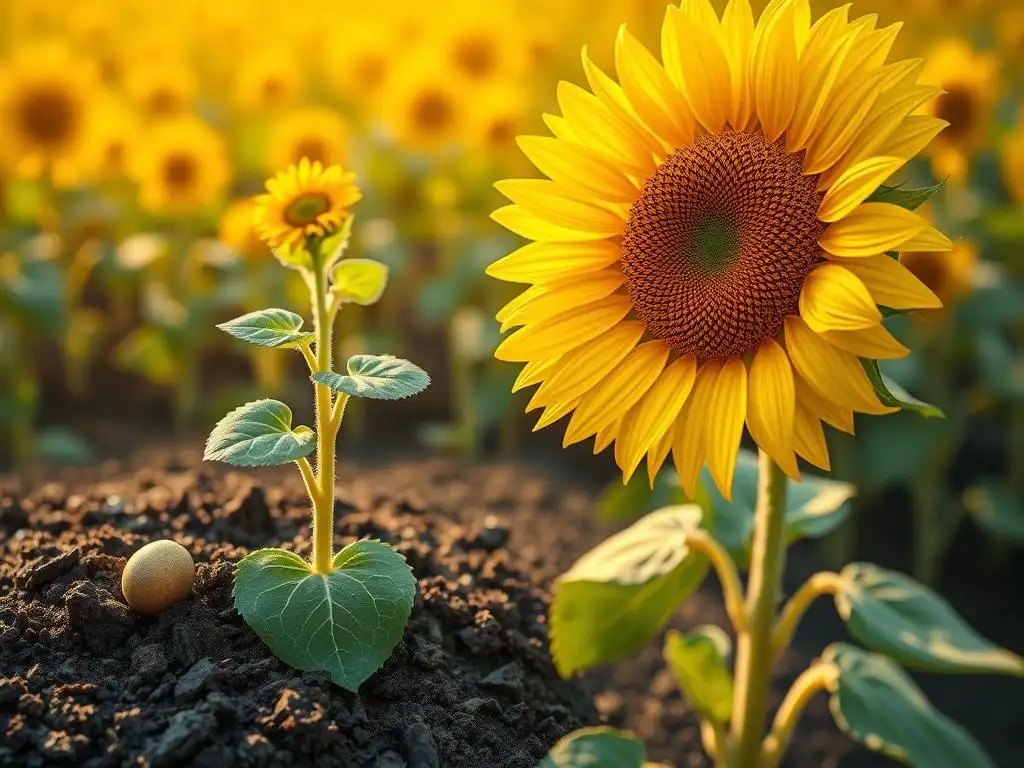
Welcome to CultivateYourFood, your guide to a thriving, sustainable garden! Ready to unlock the secrets of bountiful harvests? Our Plant life cycle propagation guide, featured in The Science of Gardening section, reveals the fascinating process behind successful plant propagation. Discover how understanding a plant's life cycle is the key to unlocking its full potential—from seed to harvest and beyond. Let's cultivate a greener future, together!
- The Importance of Plant Life Cycles in Successful Propagation
- Seed Propagation and the Plant Life Cycle
- Vegetative Propagation and the Plant Life Cycle
- Life Cycle Considerations for Specific Plant Types
- Optimizing Propagation Through Life Cycle Awareness
- Harvesting and the Plant Life Cycle: A Complete Guide
- Troubleshooting Propagation Issues Based on Plant Life Cycle Stages
-
Frequently Asked Questions
- What is a plant's life cycle, and why is it important for propagation?
- How does the plant life cycle differ between annuals, biennials, and perennials?
- What are the best propagation methods for different life cycle stages?
- How does the plant's life cycle influence the timing of planting and harvesting?
- What are some common challenges in plant propagation related to the life cycle?
- Final Reflection: The Enduring Power of Understanding Plant Life Cycles
- Unlock Your Green Thumb: Master Plant Propagation!
The Importance of Plant Life Cycles in Successful Propagation
Understanding the intricacies of a plant's life cycle is paramount for successful propagation. This isn't just about knowing when to plant a seed; it's about understanding the why behind each step, from germination to senescence. A deep understanding of these stages allows gardeners to optimize their propagation techniques, maximizing success rates and yielding healthier, more robust plants. This guide will delve into the four key stages of a plant's life cycle – germination, growth, reproduction, and senescence – and demonstrate how a thorough grasp of each stage directly impacts the effectiveness of various propagation methods.
By aligning your propagation strategies with the natural rhythms of the plant life cycle, you’ll cultivate a thriving garden using sustainable and organic practices. This "Plant life cycle propagation guide" will equip you with the knowledge to become a more effective and successful propagator. 🌱
Understanding the Stages: Germination, Growth, Reproduction, and Senescence
The plant life cycle is a continuous process, but for the sake of understanding its impact on propagation, we can break it down into four key stages:
- Germination: This initial stage begins with the seed imbibing water, activating enzymes that initiate growth. The seed coat ruptures, and the radicle (embryonic root) emerges, anchoring the seedling and beginning the process of nutrient uptake. Understanding germination requirements – such as temperature, moisture, and light – is crucial for successful seed propagation. Optimal conditions significantly improve germination rates and seedling vigor.
- Growth (Vegetative Stage): Following germination, the plant focuses on vegetative growth. This involves the development of leaves, stems, and roots, building the plant's structural framework. This phase is characterized by rapid cell division and expansion, driven by photosynthesis and nutrient absorption. Understanding the plant's growth rate and nutrient needs during this stage is essential for optimizing vegetative propagation techniques like cuttings and layering. Providing adequate light, water, and nutrients ensures robust growth and strong plant material for propagation.
- Reproduction (Reproductive Stage): Once the plant reaches maturity, it enters the reproductive stage. This involves flowering, pollination, fertilization, and seed or fruit development. Understanding the plant's flowering triggers (photoperiod, temperature) is critical for successful propagation via seeds. For example, some plants require specific day lengths to initiate flowering, impacting the timing of seed collection for propagation.
- Senescence: This final stage involves the gradual decline of the plant's physiological functions. Leaves yellow and fall, growth slows, and ultimately, the plant dies. Understanding senescence is important for harvesting seeds at the optimal time for viability and for planning propagation schedules. Senescence also affects the success of certain propagation methods, as the plant's ability to produce viable cuttings or runners diminishes.
How Plant Life Cycle Stages Influence Propagation Methods
The plant life cycle directly impacts the success of different propagation methods. Let's explore some examples:
| Propagation Method | Optimal Life Cycle Stage | Rationale | Success Factors |
|---|---|---|---|
| Seed Propagation | Reproductive Stage | Seeds are mature and viable. | Proper seed collection, storage, and germination conditions. |
| Cuttings | Vegetative Stage (active growth) | Cuttings from actively growing stems root more easily. | Use of rooting hormone, appropriate humidity, and temperature. |
| Layering | Vegetative Stage (active growth) | Stems readily produce roots when in contact with soil. | Proper layering technique, sufficient moisture. |
| Division | Vegetative Stage (dormant or early growth) | Plants with established root systems are easily divided. | Careful handling to avoid root damage, proper planting. |
Understanding how each propagation method aligns with specific stages of the plant life cycle is key to maximizing your success. For instance, attempting to propagate a plant via cuttings during its senescence phase would likely yield poor results. Conversely, collecting seeds before the reproductive stage is complete will result in immature, non-viable seeds. By carefully observing and understanding the natural rhythms of your plants, you can significantly improve your propagation success rates and enjoy a bountiful harvest. 🍅
Seed Propagation and the Plant Life Cycle
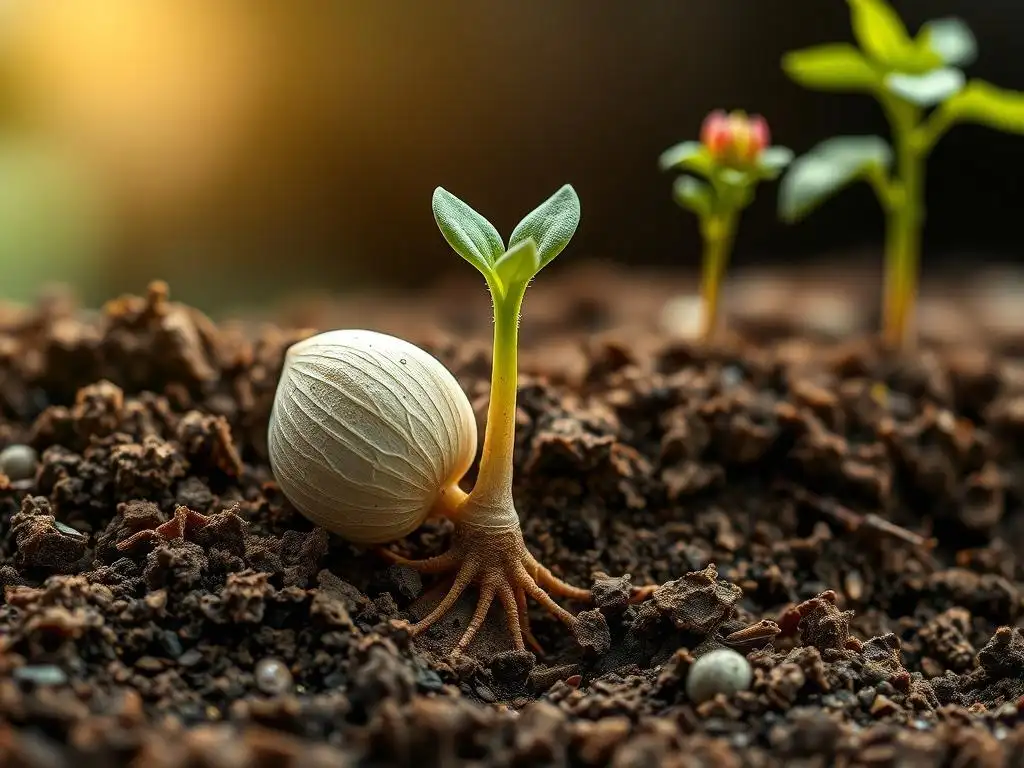
Understanding the plant life cycle is paramount for successful seed propagation. A plant's life cycle, from germination to senescence, dictates the optimal timing for seed collection, storage, and sowing. Ignoring these crucial life cycle stages can significantly reduce germination rates and overall propagation success. This section explores the intricate relationship between the plant life cycle and seed propagation, providing practical guidance for gardeners aiming to maximize their yields using a "Plant life cycle propagation guide" approach.
Seed Germination and its Dependence on Life Cycle Stage
Seed germination, the initial stage of a plant's life cycle, is profoundly influenced by the plant's inherent biological clock. Different plant species exhibit varying germination requirements, influenced by factors such as temperature, moisture, light exposure, and even the specific phase of the plant's life cycle at which the seed was collected. For example, some seeds require a period of dormancy—a crucial stage in the life cycle—before they can germinate. This dormancy period can be broken through various methods, including stratification (exposure to cold temperatures) or scarification (damaging the seed coat).
Understanding these dormancy mechanisms within the plant's life cycle is key to triggering successful germination. Failure to account for these specific needs often results in low germination rates or complete failure. Careful observation of the parent plant's life cycle, noting when seed pods ripen and the seeds reach full maturity, is vital for collecting viable seeds ready for propagation.
For instance, let's consider lettuce. Lettuce seeds, harvested at the peak of the parent plant's reproductive stage, will generally germinate more readily than seeds collected prematurely or after the plant has begun to senesce. This highlights the importance of timing seed collection to coincide with the optimal phase in the plant's life cycle for seed viability and germination potential. The precise timing will vary depending on the specific lettuce cultivar, but a keen eye and understanding of the plant's life cycle stages will guide you to success.
Selecting Mature Seeds for Optimal Propagation
Choosing mature seeds is crucial for successful propagation. Immature seeds lack the necessary reserves to support germination and seedling development. A mature seed is characterized by its full size, firm texture, and often a change in color (e.g., from green to brown or black). The plant's life cycle provides clear indicators of seed maturity.
Observing the parent plant closely allows you to pinpoint the precise moment when seeds have reached their peak maturity within the plant's life cycle. This careful selection process is a cornerstone of a successful "Plant life cycle propagation guide" strategy. Harvesting too early results in weak seedlings, while harvesting too late might lead to seeds that have lost their viability or are damaged by pests or disease.
To illustrate, consider tomatoes. Tomato seeds are typically ready for harvest when the fruit is fully ripe and the seeds within are dark brown or black. Collecting seeds from unripe tomatoes will significantly reduce the chances of successful germination. This demonstrates the importance of aligning seed collection with the specific stage of the plant's life cycle where seeds are fully developed and possess the highest viability.
Understanding this relationship is a key element in your "Plant life cycle propagation guide". Careful observation of the plant's life cycle, including the color changes in the seeds themselves, is crucial in determining ideal harvest times. This applies not just to tomatoes, but across a wide variety of plant species.
Seed Starting Techniques Aligned with Life Cycle Phases
Seed starting techniques should be tailored to the specific needs of each plant species, considering the plant's life cycle. Some seeds require light for germination (positive photoblastic), while others germinate better in darkness (negative photoblastic). Understanding these light requirements, a critical aspect of the plant's life cycle, is essential for successful propagation.
The depth at which seeds are sown also varies depending on the species and size of the seed. Larger seeds generally require shallower planting than smaller seeds. Furthermore, temperature and moisture levels are crucial factors influencing germination success and should be carefully managed according to the specific requirements of the plant species and its unique life cycle stages.
For example, small seeds like basil require minimal soil cover, while larger seeds like beans need to be planted deeper. These differences are directly linked to the plant’s life cycle and its specific germination requirements. A successful "Plant life cycle propagation guide" emphasizes the importance of understanding these nuances to optimize germination rates.
Moreover, maintaining consistent moisture levels throughout the germination process is critical, as both under-watering and over-watering can hinder germination success. The optimal temperature for germination also varies widely among species and should be considered when selecting a propagation method and environment. Careful attention to these details, informed by a thorough understanding of the plant's life cycle, is essential for achieving high germination rates and robust seedlings.
Vegetative Propagation and the Plant Life Cycle
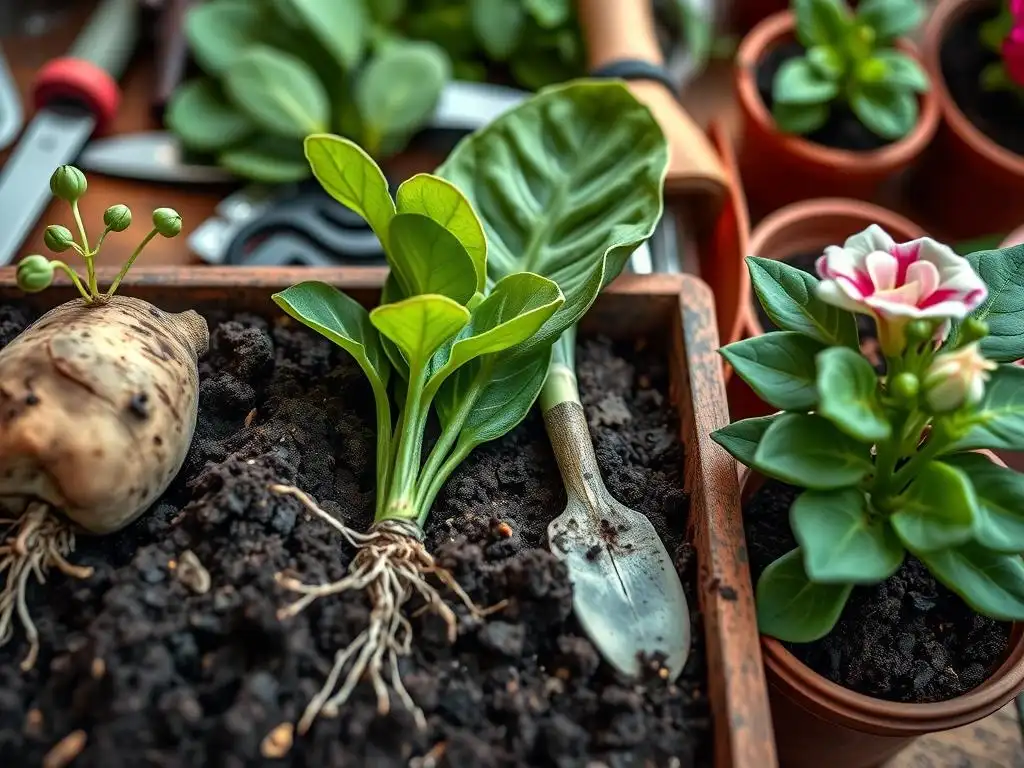
This section delves into the crucial relationship between a plant's life cycle and its suitability for vegetative propagation. Understanding these phases is paramount for successful propagation, ensuring healthy and vigorous new plants. Mastering this knowledge allows gardeners to maximize their chances of success, regardless of the chosen method. We'll explore how different stages of the plant life cycle influence the effectiveness of vegetative propagation techniques. This understanding is key to becoming a proficient propagator and cultivating thriving plants in your garden. This "Plant life cycle propagation guide" will equip you with the knowledge to effectively use this natural process.
Understanding Vegetative Growth and its Role in Propagation
Vegetative propagation relies on the plant's ability to produce new individuals from its vegetative parts – stems, leaves, roots, or buds – rather than from seeds. This is a form of asexual reproduction. The success of vegetative propagation hinges on the plant's stage of vegetative growth. Optimal propagation occurs during periods of active growth, typically in spring or early summer when the plant is actively producing new cells and tissues. 🌱
During this phase, plants exhibit vigorous growth, characterized by increased cell division and elongation. This translates to a higher concentration of auxins and cytokinins, plant hormones crucial for root and shoot development. These hormones are essential for the successful rooting of cuttings and the establishment of new plants.
Conversely, during the dormant phase (often winter), vegetative propagation is less successful. The plant's metabolic rate is significantly reduced, leading to slower cell division and a lower concentration of growth hormones. This makes it harder for cuttings to root and for new plants to establish themselves. The plant's energy is conserved for survival, rather than growth and reproduction.
Methods of Vegetative Propagation: Cuttings, Layering, Division
Several methods leverage the plant's vegetative growth for propagation. The choice of method depends on the plant species and its characteristics.
- Cuttings: This popular method involves taking a stem, leaf, or root cutting and inducing root formation. The success rate hinges on the plant's physiological state. Herbaceous cuttings (from soft, actively growing stems) generally root more easily than woody cuttings (from hard, mature stems). The timing is critical; cuttings taken during active growth have a higher chance of success.
- Layering: In this technique, a stem is bent to the ground and buried, encouraging root development along the buried portion. This method is particularly effective for plants that readily produce adventitious roots (roots that develop from non-root tissues). Again, timing is crucial; layering is most successful during the plant's active growing season.
- Division: This method involves separating a mature plant into smaller sections, each with its own roots and shoots. This is commonly used for clump-forming plants. Division is best performed during the plant's dormant period or early spring before new growth begins. This minimizes stress on the divided portions.
| Method | Best Timing | Plant suitability | Success Factors |
|---|---|---|---|
| Cuttings | Spring/Early Summer | Many herbaceous and woody plants | Active growth, appropriate hormone application |
| Layering | Spring/Early Summer | Plants with flexible stems, readily root | Proper soil moisture, adequate burial depth |
| Division | Late Winter/Early Spring | Clump-forming plants | Healthy, established plant, careful separation |
Timing Vegetative Propagation for Success Based on Plant Life Cycle
The plant's life cycle dictates the optimal timing for vegetative propagation. Understanding the plant's growth stages – vegetative growth, flowering, fruiting, and dormancy – is essential.
The vegetative growth phase is characterized by rapid cell division and elongation, making it ideal for propagation. However, even within the vegetative phase, there are nuances. For example, the best time to take cuttings might be just before the plant begins to flower. This ensures that the cutting has sufficient stored energy for root development without the diversion of energy to flower production.
Flowering and fruiting stages often reduce the plant's ability to successfully propagate vegetatively. Energy is diverted towards reproductive processes, leaving less for root development in cuttings or the establishment of new plants from divisions. During dormancy, propagation is generally less successful.
Successful vegetative propagation requires careful observation of the plant's life cycle. A keen eye for the plant's growth patterns and physiological state is crucial for maximizing success rates. This knowledge, combined with the appropriate propagation technique, will greatly increase your chances of cultivating healthy and thriving plants. By following this "Plant life cycle propagation guide," you'll be well on your way to successful plant propagation.
Life Cycle Considerations for Specific Plant Types
Understanding the nuances of plant life cycles is crucial for successful propagation. Different life cycles dictate optimal propagation methods and timing. This section delves into the specific life cycle characteristics of annuals, biennials, and perennials and how these characteristics inform propagation strategies for a successful harvest. Mastering these details is key to becoming a proficient gardener and maximizing your yield using a "Plant life cycle propagation guide" approach.
Annuals: Life Cycle and Propagation Strategies
Annual plants complete their entire life cycle – from germination to seed production – within a single growing season. This rapid life cycle makes them ideal candidates for propagation through seeds. However, certain annuals also lend themselves to propagation via cuttings, though this method is less common.
Seed propagation for annuals is generally straightforward. The timing is crucial; you need to start seeds indoors several weeks before the last expected frost to give them enough time to mature. For example, tomatoes, a popular annual, require around 6-8 weeks of indoor growth before transplanting outdoors. Successful germination hinges on providing the right conditions: well-draining seed-starting mix, adequate moisture, and consistent warmth.
Some annuals, like zinnias and petunias, can also be propagated through cuttings. Taking a cutting involves removing a stem section with several leaves and placing it in water or moist rooting medium. This allows the cutting to develop roots and eventually grow into a new plant. However, the success rate of cuttings can be lower than seed propagation for annuals, as they tend to rely on the stored energy in the parent plant. The timing for this method is usually during the active growing season when the plant is producing vigorous new growth.
| Annual Plant Type | Optimal Propagation Method | Timing Considerations | Success Rate |
|---|---|---|---|
| Tomatoes | Seed | 6-8 weeks before last frost | High |
| Zinnias | Seed, Cuttings | Spring/Summer | High (seed), Moderate (cuttings) |
| Marigolds | Seed | Spring/Summer | High |
| Basil | Seed, Cuttings | Spring/Summer | High (seed), Moderate (cuttings) |
Biennials: Life Cycle and Propagation Strategies
Biennials, unlike annuals, require two growing seasons to complete their life cycle. The first year focuses on vegetative growth (leaf and root development), while the second year is dedicated to flowering and seed production. This two-year cycle influences propagation strategies. While seed propagation is the most common method, understanding the plant's growth stages is critical for success.
Seed propagation for biennials is typically done in the spring or fall of the first year. The seedlings will develop a robust root system during their first year, allowing them to flower and produce seeds during the second year. Examples of biennials include carrots and parsley. These plants require a period of cold stratification (exposure to cold temperatures) to stimulate flowering, a crucial factor to consider in propagation.
Unlike annuals, biennials are rarely propagated via cuttings. The energy reserves within the plant are directed towards the eventual flowering and seed production in the second year, making it difficult for cuttings to develop roots and survive. Therefore, seed propagation is the overwhelmingly preferred method for growing biennials successfully.
Perennials: Life Cycle and Propagation Strategies
Perennials live for three or more years, continuously growing and flowering each year. Their longevity offers multiple propagation options, including seeds, division, cuttings, and layering. The choice of method often depends on the specific perennial species and the gardener's preference.
Seed propagation for perennials can be effective, but germination rates can vary widely depending on the species. Some perennials require cold stratification before germination, while others germinate easily under warm conditions. Timing is crucial; seeds are often sown in the fall for spring blooming perennials to allow for cold stratification.
Division, a common method for perennials, involves separating a mature plant into several smaller plants. This is effective for plants that produce multiple crowns or rhizomes. This technique is best done during the dormant season (spring or fall) to minimize stress on the plant.
Cuttings and layering are other effective methods, particularly for certain perennials. Cuttings involve taking stem sections and rooting them, while layering involves bending a stem to the ground, burying a portion of it, and allowing it to develop roots before separating it from the parent plant. The success rate of these methods varies greatly depending on the species and the gardener's skill. These methods are often employed during active growing seasons. The success of propagation depends greatly on choosing the right method aligned with the specific perennial's life cycle and growth habit.
Optimizing Propagation Through Life Cycle Awareness
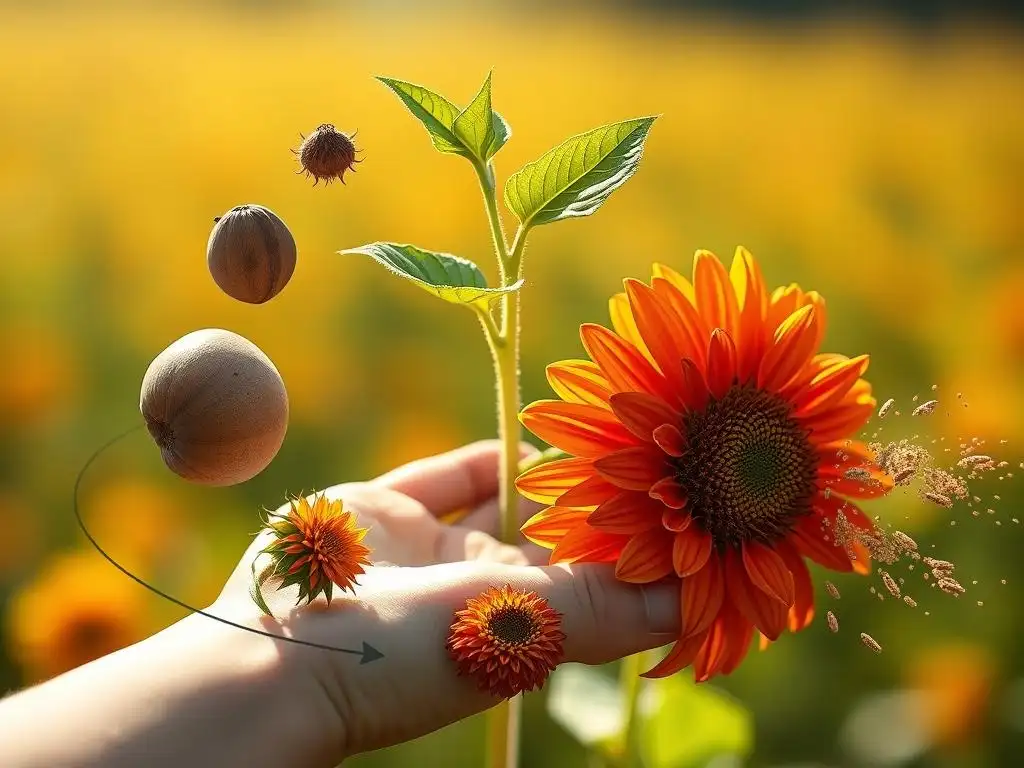
Understanding the plant life cycle is paramount for successful propagation. A plant's journey, from seed to senescence, dictates its optimal conditions for growth and reproduction. By aligning propagation techniques with the specific needs of each life cycle stage, cultivators can significantly improve success rates and yield healthier, more robust plants. This "Plant life cycle propagation guide" will illuminate this crucial relationship. Ignoring these natural rhythms can lead to stunted growth, reduced yields, and increased susceptibility to pests and diseases. Let's delve into the specifics.
Environmental Factors and their Impact on Plant Life Cycles
Environmental factors significantly influence the duration and success of each stage of a plant’s life cycle. Temperature, light, and water availability are key players. For example, germination, the initial stage of growth, is highly sensitive to temperature. Most seeds have an optimal temperature range for germination; temperatures outside this range can significantly delay or even prevent germination. Similarly, light intensity and photoperiod (the length of daylight) play a crucial role in seedling development and flowering.
Insufficient light can lead to etiolation (elongated, weak stems), while improper photoperiods can prevent flowering altogether. Water availability is also critical, with both under-watering and over-watering leading to stress and potentially hindering growth. The specific requirements vary considerably depending on the plant species. Consider these examples:
| Plant Species | Optimal Germination Temperature (°C) | Optimal Light Conditions | Water Needs |
|---|---|---|---|
| Tomatoes | 20-30 | Full sun | Well-drained, consistently moist soil |
| Lettuce | 15-25 | Partial shade | Moist, but not waterlogged soil |
| Basil | 20-25 | Full sun | Well-drained, consistently moist soil |
| Calendula | 15-20 | Full sun | Well-drained soil, tolerates some drought |
Understanding these environmental nuances allows for precise control, leading to more efficient and successful propagation. For instance, providing bottom heat during germination can significantly speed up the process, while using grow lights can compensate for insufficient sunlight, particularly during winter propagation. Careful monitoring and adjustment of these factors throughout the plant's life cycle are essential for optimal growth.
Nutrient Management for Successful Propagation at Each Stage
Nutrient management is another critical aspect of optimizing propagation through life cycle awareness. Different developmental stages have varying nutrient demands. Seedlings, for example, require a higher proportion of nitrogen to support rapid vegetative growth. However, excessive nitrogen during flowering can hinder fruit development. Phosphorus is crucial during root development and flowering, while potassium strengthens cell walls and enhances disease resistance.
The following table outlines the general nutrient requirements at different life cycle stages:
| Life Cycle Stage | Primary Nutrient Needs | Secondary Nutrient Needs |
|---|---|---|
| Germination | Low nutrient demand | |
| Seedling Stage | High Nitrogen | Phosphorus, Potassium |
| Vegetative Growth | High Nitrogen | Phosphorus, Potassium, Magnesium |
| Flowering/Fruiting | Phosphorus, Potassium | Magnesium, Calcium, Sulfur |
| Senescence | Reduced nutrient uptake |
Using appropriate fertilizers and soil amendments at each stage ensures plants receive the necessary nutrients for optimal growth. Over-fertilization can be as detrimental as under-fertilization, leading to nutrient burn and potentially harming the plants. Careful monitoring of nutrient levels and adjusting fertilization strategies based on the plant’s developmental stage are critical for success. Regular soil testing can help determine nutrient deficiencies and guide fertilizer application. Organic methods, like composting and using natural fertilizers, are ideal for sustainable propagation practices.
Pest and Disease Control in Relation to Plant Life Cycles
A plant's susceptibility to pests and diseases varies throughout its life cycle. Young seedlings are particularly vulnerable due to their underdeveloped root systems and weaker defenses. Flowering and fruiting stages can also be susceptible to specific pests and diseases that target reproductive structures. Understanding this vulnerability allows for targeted pest and disease management strategies.
Preventive measures, such as maintaining good sanitation, providing adequate spacing between plants to improve air circulation, and choosing disease-resistant varieties, are crucial. Early detection is also vital, allowing for timely intervention before infestations or diseases become widespread. Regular inspections for signs of pests or diseases are essential, and appropriate control measures, both organic and chemical (if necessary), should be implemented promptly.
The choice of control method should always consider the plant's life cycle stage to minimize potential harm to the plant. 🌱 For example, some pesticides may be harmful to pollinators during the flowering stage and should be avoided. Integrated pest management (IPM) strategies, which combine multiple control methods, are generally preferred for their effectiveness and sustainability.
Harvesting and the Plant Life Cycle: A Complete Guide
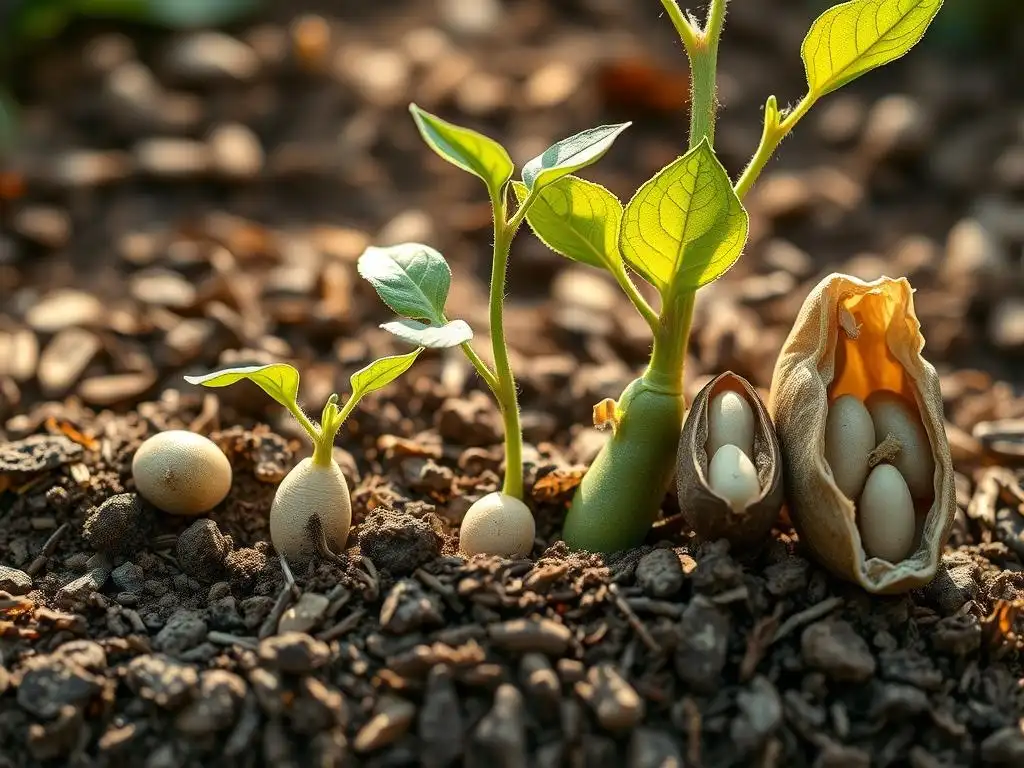
Understanding the plant life cycle is paramount for successful propagation, and this is especially true when considering harvesting. Harvesting at the right time significantly impacts not only the quality of the produce but also the viability of seeds for future planting, a crucial aspect of propagation.
This section delves into the intricate relationship between harvesting and the plant life cycle, offering practical guidance for maximizing both yield and propagation success. This detailed guide will help you master the art of harvesting for both immediate consumption and future propagation efforts, contributing to your overall success with organic gardening and sustainable practices.
Recognizing the Optimal Harvesting Time Based on the Plant Life Cycle
The optimal harvesting time varies greatly depending on the specific plant and its life cycle stage. For example, harvesting tomatoes too early results in poor flavor and reduced yield, while waiting too long can lead to splitting and susceptibility to disease. Conversely, harvesting lettuce before it bolts (goes to seed) ensures a tender and palatable crop. Precise timing is essential for maximizing yield and quality.
Here's a breakdown of how different life cycle stages influence optimal harvest timing:
- Seedling Stage: This stage is not typically associated with harvesting for consumption, but rather for transplanting. The ideal time to transplant seedlings is when they have developed a strong root system and several sets of true leaves. This ensures their survival and healthy growth in their new location.
- Vegetative Stage: Many leafy greens, such as spinach and kale, are harvested during this stage. The optimal time is before bolting, when the leaves are still tender and flavorful. This stage is also important for root vegetables like carrots and beets, where the roots are harvested before flowering begins.
- Reproductive Stage: This is the stage where flowering and fruiting occur. Fruits and vegetables are harvested at their peak ripeness, which varies depending on the species. For example, some fruits, like strawberries, are harvested when fully colored, while others, like tomatoes, are harvested when they change color and slightly soften.
Understanding the specific needs of each plant is key. Consider these factors:
| Plant Type | Harvesting Indicator | Impact of Early/Late Harvesting |
|---|---|---|
| Tomatoes | Color change, slight softening | Early: poor flavor; Late: splitting, disease susceptibility |
| Lettuce | Before bolting (flower stalk development) | Early: small yield; Late: bitter, tough leaves |
| Beans (green) | When pods are full and plump | Early: small yield; Late: tough, fibrous pods |
| Carrots | When roots are fully grown and firm | Early: small, underdeveloped roots; Late: woody, tough roots |
| Herbs (basil, etc.) | When leaves are fully developed and fragrant | Early: small yield; Late: tough, bitter leaves |
The plant life cycle propagation guide emphasizes the importance of observation. Regular monitoring of your plants allows you to identify the precise moment when they are ready for harvest, maximizing quality and yield.
Post-Harvest Handling and its Relation to Seed Viability
Proper post-harvest handling is crucial for maintaining seed viability and ensuring successful propagation in the future. Improper handling can lead to seed damage, reduced germination rates, and ultimately, propagation failure. This is especially critical when saving seeds for next year's garden.
Several factors influence seed viability after harvesting:
- Drying: Thorough drying is essential for most seeds. Improper drying can lead to mold and fungal growth, rendering the seeds unusable. The specific drying method depends on the type of seed. Some seeds, such as tomatoes, need to ferment before drying.
- Storage: Proper storage conditions are crucial for preserving seed viability. Seeds should be stored in a cool, dry, dark place, ideally in airtight containers. Temperature and humidity fluctuations can negatively impact germination rates.
- Cleaning: Removing any remaining fruit pulp or debris from the seeds before storage prevents mold and improves germination rates. This process can be done by hand or with specialized equipment.
Seed viability is directly impacted by the plant's life cycle stage at harvest. For example, seeds harvested from plants that are stressed due to drought or disease may have reduced viability. Harvesting at the optimal time, as described above, is therefore crucial for ensuring high-quality seeds.
This careful attention to detail in post-harvest handling is not merely a matter of convenience; it's a fundamental component of sustainable and successful plant propagation. By implementing these best practices, you can significantly increase your chances of successful propagation, reducing the need for purchasing new seeds and contributing to a self-sustaining garden. 🌱
Troubleshooting Propagation Issues Based on Plant Life Cycle Stages
Understanding the plant life cycle is crucial for successful propagation. Different stages present unique challenges, and recognizing these challenges is the first step towards effective solutions. This section focuses on diagnosing and addressing propagation problems specific to each developmental stage, providing a comprehensive Plant life cycle propagation guide.
Diagnosing Problems Based on Plant Stage of Development
The plant life cycle, broadly speaking, can be divided into germination, seedling, vegetative growth, flowering, fruiting, and senescence. Each stage presents its own set of vulnerabilities. Let's examine the common issues encountered during each:
Germination: Problems at this stage often stem from improper seed preparation, unsuitable environmental conditions, or pathogen attacks. For example, damping-off, a fungal disease, commonly attacks seedlings before they even emerge, resulting in pre- and post-emergence seedling death. Seed rot, caused by various fungi and bacteria, is another major issue, preventing germination altogether. Symptoms include shriveled seeds, lack of emergence, and the presence of mold. Poor seed-to-soil contact can also lead to failure to germinate. Insufficient moisture or temperature extremes can also hinder germination.
Seedling Stage: This is a critical period of vulnerability. Seedlings are delicate and susceptible to a range of problems, including insufficient light, nutrient deficiencies, pests (like aphids or slugs), and diseases (like damping-off, which can persist). Leggy seedlings, characterized by long, weak stems and sparse leaves, typically result from insufficient light. Yellowing leaves might indicate nutrient deficiencies, particularly nitrogen. Physical damage from pests or handling can also severely impact survival.
Vegetative Growth: During vegetative growth, the plant focuses on developing its leaves and stems. Issues here can involve nutrient imbalances (leading to stunted growth or chlorosis), pest infestations (e.g., spider mites or whiteflies), or diseases (e.g., powdery mildew). Monitoring nutrient levels is crucial; a deficiency in potassium, for instance, can lead to weak stems and poor growth. Pests can cause significant damage, sucking sap from leaves and weakening the plant.
Flowering and Fruiting: This stage requires significant energy from the plant. Problems can include inadequate pollination (resulting in poor fruit set), nutrient deficiencies (affecting flower and fruit development), and pest or disease attacks targeting flowers or fruits. Poor pollination can be due to inadequate insect activity or unfavorable weather conditions. Nutrient deficiencies, particularly phosphorus and potassium, can impact flower formation and fruit quality. Fruit rot, caused by fungal pathogens, is a common problem in this stage.
Senescence: As the plant ages, it enters senescence. While not directly related to propagation from seed or cuttings, understanding this stage is crucial for harvesting seeds for future propagation. Problems include premature senescence (due to stress or disease), which reduces seed viability and yield. Proper timing of seed collection is essential to ensure high-quality seeds for future propagation efforts.
Corrective Actions and Prevention Strategies for Each Stage
Addressing propagation issues effectively requires a multi-pronged approach encompassing preventative measures and targeted corrective actions:
| Stage | Problem | Corrective Action | Prevention Strategy |
|---|---|---|---|
| Germination | Damping-off | Use sterile sowing mix, improve ventilation, fungicides | Sterilize sowing mix, ensure good drainage, seed treatment |
| Seedling Stage | Leggy Seedlings | Increase light intensity, adjust spacing | Provide adequate light from the start, proper spacing |
| Vegetative Growth | Nutrient deficiency | Apply appropriate fertilizers | Regular soil testing, balanced fertilization |
| Flowering/Fruiting | Poor Pollination | Hand-pollination, attract pollinators | Planting pollinator-friendly flowers, ensuring good airflow |
| Senescence | Premature senescence | Address underlying stress factors (e.g., drought) | Proper watering, disease management |
The success of propagation hinges on understanding the specific challenges faced by plants during each developmental stage. By carefully monitoring your plants and implementing appropriate measures, you can significantly improve your propagation success rate and enjoy a thriving garden. 🌱 This detailed Plant life cycle propagation guide will help you navigate the complexities of plant development and achieve optimal results.
Frequently Asked Questions
What is a plant's life cycle, and why is it important for propagation?
A plant's life cycle encompasses all stages from seed germination to seed production, influencing how we propagate it. Understanding this cycle allows us to choose the most effective propagation method (e.g., seeds, cuttings) at the appropriate time for successful reproduction.
How does the plant life cycle differ between annuals, biennials, and perennials?
Annuals complete their life cycle in one year, while biennials take two years. Perennials live for multiple years, often requiring different propagation techniques based on their specific growth patterns and dormancy periods.
What are the best propagation methods for different life cycle stages?
Seed propagation is ideal for annuals and many perennials. Cuttings are effective for vegetative propagation of many perennials and some biennials. Other methods, like division, are specific to certain perennials.
How does the plant's life cycle influence the timing of planting and harvesting?
Knowing the plant's life cycle helps determine the optimal planting time to ensure sufficient growing time before the harvesting period. This maximizes yields and aligns with the plant's natural growth rhythm.
Challenges include seed dormancy, inappropriate timing of propagation, and environmental factors affecting germination and growth. Understanding the plant's life cycle helps anticipate and overcome these obstacles.
Final Reflection: The Enduring Power of Understanding Plant Life Cycles
Understanding plant life cycles isn't just a botanical curiosity; it's the cornerstone of successful propagation and the key to unlocking a more sustainable future. The intricate dance of germination, growth, reproduction, and senescence holds the power to transform our gardens, landscapes, and even our food systems. Mastering this knowledge allows us to cultivate thriving ecosystems, both large and small.
The impact of understanding plant life cycles extends far beyond the simple act of growing a plant. It shapes our relationship with the natural world, fostering a deeper appreciation for the interconnectedness of all living things. The earth laughs in flowers.
– Ralph Waldo Emerson. This quote beautifully encapsulates the joy and wonder that comes from understanding and nurturing the life cycle of plants. From the ancient practices of indigenous communities to the cutting-edge techniques of modern horticulture, the principles remain the same: respect for the natural rhythm of life leads to abundance and resilience.
Now, consider your own connection to the plant world. What plants surround you? How can you apply the knowledge gained from this guide to nurture them, to propagate new life, and to contribute to a greener, more vibrant future?
Take a moment to observe the plants around you – notice their growth patterns, their responses to light and water, their unique reproductive strategies. This mindful observation is the first step towards a deeper understanding and a more fulfilling relationship with the natural world. Let the cycle of growth inspire you to cultivate not only plants, but also your own potential for growth and understanding.
Unlock Your Green Thumb: Master Plant Propagation!
Thanks for exploring the fascinating world of plant life cycles and how they impact successful propagation! You've gained valuable insights into growing your own food, and now it's time to put that knowledge into practice.
- Start your own propagation project: Select a plant from your garden, or purchase a new one, and try one of the techniques we've discussed. Don't be afraid to experiment—even small successes are rewarding!
- Share your propagation journey: Post a picture of your progress on social media and tag #CultivateYourFood—let's inspire each other!
- Explore our resources: Discover more detailed guides and expert tips in our website's propagation section.
Ready to transform your gardening and bring your own thriving plants to life? Which plant will you propagate first?