
Understanding Soil Testing: A Guide to Tailoring Your Nutrient Strategy

Welcome to CultivateYourFood, your guide to nurturing a thriving garden using sustainable and organic methods! Ready to unlock the secrets to bountiful harvests? Our Home soil test nutrient guide within The Science of Gardening section will empower you to understand the vital link between your soil's health and your plants' success. Discover how a simple soil test can transform your gardening journey, revealing the precise nutrient needs of your fruits, vegetables, and herbs. Let's dive in and cultivate a greener, healthier future, together!
- The Importance of Home Soil Testing for Optimal Plant Growth
- Choosing the Right Home Soil Test Kit: A Comprehensive Guide
- Conducting Your Home Soil Test: A Step-by-Step Guide
- Interpreting Your Home Soil Test Results: Understanding Nutrient Levels
- Tailoring Your Nutrient Strategy Based on Soil Test Results
- Maintaining Soil Health Through Ongoing Monitoring
- Resources for Further Learning: Expanding Your Knowledge of Home Soil Testing and Nutrient Management
- Frequently Asked Questions
- Final Reflection: Nurturing the Earth, One Test at a Time
- Unlock Your Garden's Potential: Take Control of Your Soil!
The Importance of Home Soil Testing for Optimal Plant Growth
Understanding your soil is the cornerstone of successful home gardening, whether you're cultivating vibrant tomatoes, fragrant herbs, or luscious strawberries. This comprehensive guide delves into the critical role of home soil testing in achieving optimal plant growth using sustainable practices. We'll explore how analyzing your soil's composition empowers you to tailor your nutrient strategy, leading to healthier plants, increased yields, and a more environmentally friendly gardening approach.
Mastering home soil testing isn't just about maximizing your harvest; it's about understanding the intricate relationship between soil health, nutrient availability, and the overall vitality of your garden. This guide will equip you with the knowledge to interpret your soil test results and develop a personalized nutrient plan, ensuring your plants receive precisely what they need to thrive.
By focusing on sustainable and organic practices, you can build a thriving garden that benefits both your plants and the planet. This guide provides a practical, step-by-step approach to home soil testing, transforming you from a novice gardener to a soil-savvy expert.
Why Understanding Your Soil is Crucial for Home Gardening
Before you even think about planting a single seed, understanding your soil's composition is paramount. Think of your soil as the foundation of your garden – a complex ecosystem teeming with life that directly influences the health and productivity of your plants. Soil texture (the proportion of sand, silt, and clay), pH level (acidity or alkalinity), and nutrient content all play crucial roles in plant growth.
Ignoring these factors can lead to nutrient deficiencies, stunted growth, and reduced yields. For example, a soil that's too acidic might prevent plants from accessing essential nutrients like phosphorus, even if those nutrients are present in the soil. Conversely, alkaline soil can hinder the uptake of iron and manganese.
A home soil test provides a snapshot of your soil's characteristics, allowing you to address any imbalances proactively. This proactive approach is key to sustainable gardening, minimizing the need for excessive fertilizer applications and promoting a healthier environment. The results of your home soil test will guide you in making informed decisions about amending your soil, selecting appropriate plants, and optimizing your fertilization strategy.
Identifying Nutrient Deficiencies Through Soil Analysis
A comprehensive soil test reveals not just the overall nutrient levels but also specific deficiencies. This is where the real power of home soil testing lies. By identifying specific nutrient deficiencies, you can target your fertilization efforts, avoiding unnecessary inputs and maximizing the effectiveness of your amendments.
For instance, a deficiency in nitrogen might manifest as pale green leaves and stunted growth, while a phosphorus deficiency might result in poor root development and reduced flowering. A potassium deficiency can lead to weak stems and susceptibility to diseases. Understanding these visual cues in conjunction with your soil test results allows for precise and effective intervention.
Instead of relying on general-purpose fertilizers, you can apply specific amendments tailored to your soil's needs, ensuring optimal nutrient uptake and maximizing the health and yield of your plants. This targeted approach is more efficient and environmentally friendly than blanket fertilization. The detailed information provided by a soil test empowers you to make informed decisions that lead to a more productive and sustainable garden.
The Link Between Soil Health and Plant Nutrient Uptake
The health of your soil is intrinsically linked to the ability of your plants to absorb essential nutrients. Healthy soil, rich in organic matter and beneficial microorganisms, creates a favorable environment for nutrient uptake. Organic matter improves soil structure, aeration, and water retention, all of which contribute to optimal root development. A robust root system is crucial for efficient nutrient absorption.
Furthermore, beneficial soil microorganisms help break down organic matter, releasing nutrients in a form that plants can readily utilize. A soil test doesn't just tell you about nutrient levels; it also provides insights into the overall health of your soil. By understanding the interplay between soil health and nutrient uptake, you can implement practices that enhance both.
This might involve adding compost, using cover crops, or practicing no-till gardening, all of which contribute to building healthy, fertile soil that supports vigorous plant growth. Investing in soil health is an investment in the long-term success of your garden, leading to healthier plants, higher yields, and a more sustainable gardening practice. The data from your home soil test acts as a roadmap, guiding you in nurturing your soil and optimizing plant nutrient uptake.
Choosing the Right Home Soil Test Kit: A Comprehensive Guide
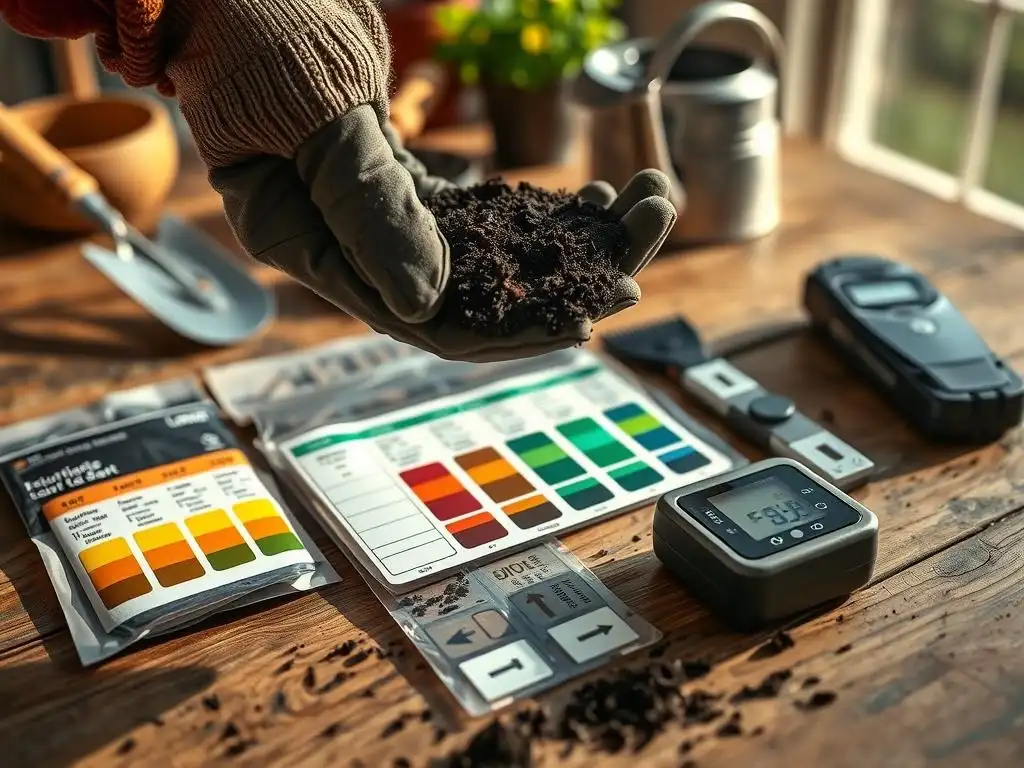
Choosing the right home soil test kit is crucial for successful gardening. A poorly chosen kit can lead to inaccurate results, hindering your ability to optimize nutrient levels and potentially harming your plants. This section will guide you through selecting the best kit for your needs, ensuring you get the most accurate and informative results for your home soil test.
This comprehensive guide will help you navigate the world of home soil testing and achieve a bountiful harvest. Remember, understanding your soil's nutrient profile is paramount in achieving optimal plant growth and yield, and this begins with the right tools. This "home soil test nutrient guide" will help you select the perfect kit for your needs.
Types of Home Soil Test Kits: Comparing Options
Several types of home soil test kits cater to different needs and budgets. The most common types include:
- DIY Kits: These kits typically involve mixing a soil sample with reagents and comparing the resulting color to a chart. They are inexpensive and easy to use, providing a basic overview of pH and nutrient levels (Nitrogen, Phosphorus, Potassium - often represented as NPK). However, they lack precision and may not detect micronutrients. Think of them as a quick snapshot of your soil's health. Accuracy may vary depending on the user's ability to accurately match colors.
- Mail-Order Kits: These kits require sending a soil sample to a laboratory for analysis. They offer more comprehensive results, including detailed nutrient profiles and sometimes even heavy metal detection. While more expensive and time-consuming, they provide much more precise data for tailored nutrient strategies. These are ideal for gardeners who want a detailed understanding of their soil composition.
- Electronic Soil Meters: These digital devices measure soil pH and moisture levels directly in the soil. While convenient and quick, they typically don't provide information on specific nutrient levels. They are best suited for quick checks and monitoring soil moisture, but not a replacement for comprehensive testing.
| Kit Type | Cost | Accuracy | Speed | Comprehensive Analysis | Micronutrient Detection |
|---|---|---|---|---|---|
| DIY | Low | Low | Fast | No | Usually No |
| Mail-Order | Moderate | High | Slow | Yes | Often Yes |
| Electronic Soil Meter | Moderate | Moderate | Very Fast | No | No |
Factors to Consider When Selecting a Soil Testing Kit
Choosing the right kit involves careful consideration of several factors:
- Your Gardening Experience: Beginners might find DIY kits easier to use, while experienced gardeners may appreciate the detailed results of mail-order kits.
- Budget: DIY kits are the most affordable option, while mail-order kits can be significantly more expensive.
- Time Constraints: DIY kits provide immediate results, whereas mail-order kits require waiting for laboratory analysis, which can take several days or even weeks.
- Level of Detail Needed: If you simply want a general idea of your soil's pH and nutrient levels, a DIY kit might suffice. However, for precise nutrient management, a mail-order kit is recommended. Understanding your soil's specific deficiencies is key to successful plant growth.
- Specific Nutrient Needs: If you are growing specific plants with known high nutrient requirements (e.g., heavy feeders like tomatoes), a more comprehensive test is warranted.
Understanding Test Kit Results: Interpreting Your Data
Once you receive your test results, understanding the data is crucial. Most kits will provide information on pH and the levels of primary macronutrients (NPK). A pH range of 6.0-7.0 is generally ideal for most plants, though some prefer slightly acidic or alkaline conditions. Low NPK levels indicate potential nutrient deficiencies, while excessively high levels can be detrimental.
The results will guide you in adjusting your fertilization strategy. For instance, low nitrogen might manifest as pale green leaves, while phosphorus deficiency could show stunted growth. Using this home soil test nutrient guide, you'll be able to improve your gardening outcomes.
Example Interpretation:
Let's say your test reveals a pH of 5.5, low nitrogen, and adequate phosphorus and potassium. This indicates your soil is slightly acidic and needs nitrogen supplementation. You can amend the soil with organic nitrogen sources like compost or blood meal to address the deficiency.
Remember, soil testing is not a one-time event. Regular testing, especially before planting each season, allows for proactive nutrient management, leading to healthier plants and higher yields. Consistent monitoring is vital for long-term soil health and sustainable gardening practices. Using a home soil test regularly allows you to fine-tune your nutrient strategy and optimize your garden's potential.
Conducting Your Home Soil Test: A Step-by-Step Guide
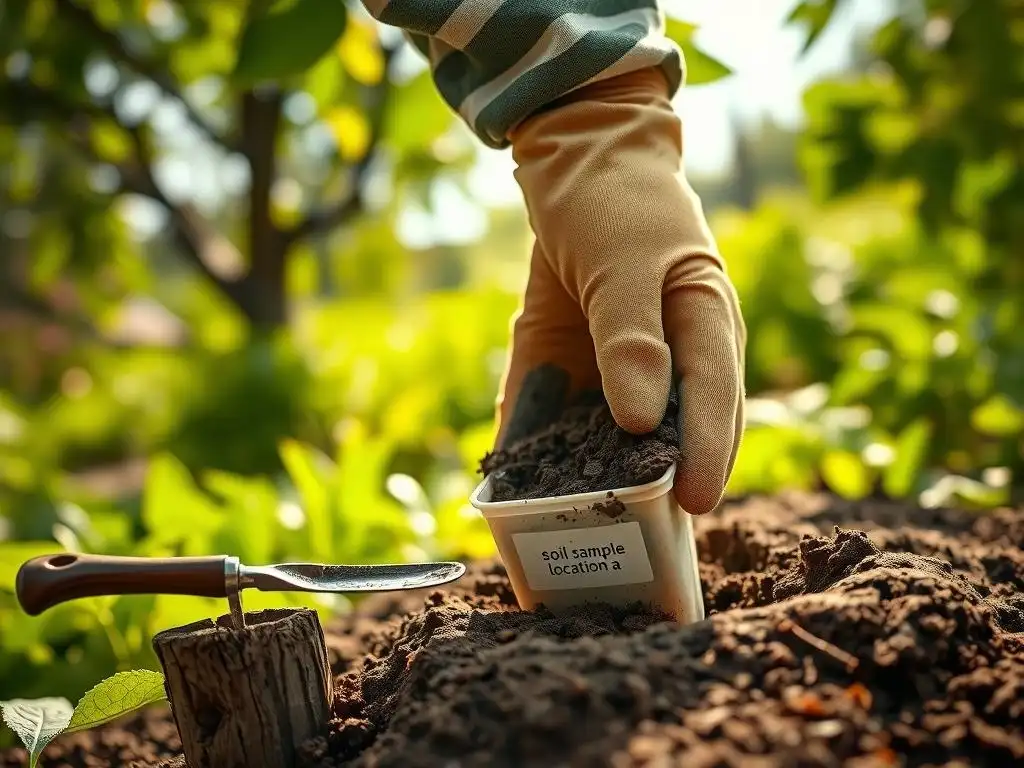
This section provides a practical, step-by-step guide to conducting your own home soil test, crucial for understanding your garden's nutritional needs and optimizing plant growth. A successful home soil test hinges on meticulous sample collection and precise adherence to kit instructions. Following these steps will help you achieve accurate results, paving the way for a thriving, healthy garden. This guide is tailored to help you master your own home soil test nutrient guide.
Gathering Your Samples: Best Practices for Accurate Results
Accurate soil sampling is paramount for a reliable home soil test. Inconsistent sampling can lead to misleading results, potentially harming your plants through improper fertilization. Here's how to ensure you collect representative samples:
- Multiple Samples: Don't rely on a single sample. Collect at least 10-15 subsamples from different areas of your garden bed, representing the variability within the planting area. This is especially important if your garden has different soil textures or sun exposure. Think of it as creating a composite sample that reflects the overall soil health.
- Depth Matters: Most home soil test kits require samples from the top 6-8 inches of soil. Use a clean trowel or soil auger to collect samples from this depth, avoiding surface debris and heavily compacted areas.
- Avoid Contaminated Areas: Steer clear of areas with unusual features, such as recent additions of compost, fertilizer, or areas impacted by pest control measures. These localized nutrient concentrations could skew your results.
- Sample Size: Aim for approximately one cup of soil per sample. Combine all subsamples in a clean bucket, thoroughly mixing them to create a homogenous composite sample.
- Proper Storage: Once collected, place your composite sample in a clean, labeled plastic bag. Keep it cool and dry until you're ready to perform the test. Avoid leaving it in direct sunlight.
Following Kit Instructions: Ensuring Accurate Readings
Once you have your composite soil sample, carefully follow the instructions provided with your home soil testing kit. Each kit has unique procedures, and deviating from these instructions can compromise the accuracy of your results.
- Read Carefully: Before starting, read all instructions thoroughly. Understanding each step is crucial for obtaining reliable data. Pay close attention to details about sample preparation, reagent additions, and reading the results.
- Precise Measurements: Use the measuring tools provided with your kit. Accurate measurements of soil and reagents are essential for obtaining precise readings. Improper measurements can significantly alter the results and your nutrient strategy.
- Cleanliness is Key: Maintain a clean workspace to prevent contamination. Use clean tools and containers to avoid introducing foreign substances that could affect the test's accuracy. This is especially important for avoiding cross-contamination if you are testing multiple samples.
- Timing is Important: Observe the recommended waiting times specified in the instructions. These times are crucial for chemical reactions to complete accurately. Rushing the process will likely lead to inaccurate readings.
- Interpreting Results: Familiarize yourself with how to interpret the results provided by your kit. Many kits offer color charts or numerical scales to compare your sample's nutrient levels against optimal ranges for different plants.
Recording Your Results: Maintaining a Soil Health Log
Maintaining a detailed record of your soil test results is vital for tracking soil health trends over time and for making informed decisions about fertilization. A well-maintained soil health log allows you to monitor the effectiveness of your nutrient management strategies and helps to prevent nutrient deficiencies or excesses.
| Date | Sample Location | pH Level | Nitrogen (ppm) | Phosphorus (ppm) | Potassium (ppm) | Notes |
|---|---|---|---|---|---|---|
| 2024-03-15 | North Garden Bed | 6.5 | 20 | 15 | 25 | Added compost two weeks prior. 🌱 |
| 2024-04-10 | South Garden Bed | 7.0 | 15 | 10 | 30 | Slightly alkaline, consider adjusting pH. 🤔 |
| 2024-05-01 | North Garden Bed | 6.2 | 25 | 20 | 22 | Good nitrogen levels after compost addition. 👍 |
- Detailed Notes: Include detailed notes about any amendments or treatments applied to your soil, such as fertilizers, compost, or pest control measures. This will help you understand how these actions impact your soil's nutrient levels.
- Regular Testing: Regular soil testing, ideally once or twice a year, is recommended for effective nutrient management. This allows you to monitor changes in your soil's composition and adjust your fertilization strategies accordingly. Consistent testing is key to creating your own effective home soil test nutrient guide.
- Visual Inspection: Don't rely solely on the test kit. Regularly visually inspect your plants for signs of nutrient deficiencies or excesses. Yellowing leaves, stunted growth, or other visible symptoms can provide valuable insights into your soil's nutritional status, complementing your test results. This holistic approach ensures a healthy and productive garden.
Interpreting Your Home Soil Test Results: Understanding Nutrient Levels

This section delves into the interpretation of your home soil test results, focusing on how to understand the nutrient levels and pH to optimize your plant's health and yield. A comprehensive home soil test provides invaluable information for tailoring your nutrient strategy, allowing you to avoid unnecessary fertilizer application and promote sustainable gardening practices. Remember, understanding your soil is the cornerstone of successful home gardening. This "home soil test nutrient guide" will walk you through the key elements to look for.
Deciphering Your Soil's pH Level and its Impact on Nutrient Availability
Soil pH, a measure of soil acidity or alkalinity, significantly impacts nutrient availability. The ideal pH range for most plants is between 6.0 and 7.0, although some plants prefer slightly more acidic or alkaline conditions. A pH level outside this optimal range can hinder nutrient uptake, even if the nutrients are present in the soil.
For instance, a soil pH that is too low (acidic) can lead to increased levels of soluble aluminum and manganese, which can be toxic to plants. Conversely, a high pH (alkaline) can reduce the availability of essential nutrients like iron, manganese, and phosphorus, leading to deficiencies and stunted growth.
Understanding your soil's pH is crucial for effective nutrient management. A pH of 5.5, for example, might indicate a need to add lime to raise the pH and improve nutrient uptake. Conversely, a pH of 8.0 might suggest the need for amendments to lower the pH. Your home soil test report should clearly state your soil's pH and offer recommendations for adjustments. Always follow the instructions carefully, as over-correction can be just as detrimental as under-correction. Regular monitoring of your soil's pH is vital for maintaining optimal growing conditions.
Identifying Essential Macronutrients: Nitrogen, Phosphorus, and Potassium Levels
Macronutrients, including nitrogen (N), phosphorus (P), and potassium (K), are essential for robust plant growth. Your soil test will quantify these nutrients, typically expressed as parts per million (ppm) or pounds per acre. Understanding these levels helps determine the appropriate fertilizer application.
- Nitrogen (N): Crucial for vegetative growth (leaf and stem development). Nitrogen deficiency manifests as pale green or yellow leaves, stunted growth, and reduced yields. Excess nitrogen can lead to lush, leafy growth at the expense of flowering and fruiting.
- Phosphorus (P): Essential for root development, flowering, and fruiting. Phosphorus deficiency results in stunted growth, dark green leaves, and delayed flowering. Symptoms often appear first on older leaves.
- Potassium (K): Important for overall plant health, disease resistance, and fruit quality. Potassium deficiency can lead to weak stems, scorched leaf margins, and reduced yields. Symptoms usually appear on older leaves first.
The following table summarizes typical optimal ranges for these macronutrients:
| Nutrient | Optimal Range (ppm) | Deficiency Symptoms | Excess Symptoms |
|---|---|---|---|
| Nitrogen (N) | 100-200 | Pale green or yellow leaves, stunted growth | Lush vegetative growth, delayed flowering/fruiting |
| Phosphorus (P) | 50-100 | Stunted growth, dark green leaves, delayed flowering | Generally less toxic than N or K |
| Potassium (K) | 150-250 | Weak stems, scorched leaf margins | Can interfere with uptake of other nutrients |
Remember, the optimal ranges can vary depending on the plant species and soil type. Always consult your specific plant's needs and your soil test report for accurate guidance. Using a balanced fertilizer that addresses any deficiencies is key to achieving optimal plant health.
Recognizing Micronutrient Deficiencies: Addressing Trace Element Needs
Micronutrients, such as iron (Fe), manganese (Mn), zinc (Zn), copper (Cu), boron (B), molybdenum (Mo), and chlorine (Cl), are required in smaller quantities but are still vital for various plant processes. Deficiencies can significantly impact plant health and yield, even if macronutrient levels are adequate.
Micronutrient deficiencies often manifest as interveinal chlorosis (yellowing between leaf veins), stunted growth, and other specific symptoms depending on the deficient nutrient. For example, iron deficiency typically shows up as yellowing between the veins of young leaves, while manganese deficiency can cause similar symptoms but on older leaves. Zinc deficiency can lead to small, distorted leaves.
Your home soil test may not always include all micronutrients. If a deficiency is suspected based on visual symptoms, a more comprehensive soil analysis might be necessary. Addressing micronutrient deficiencies often involves applying chelated micronutrients, which are more readily available to plants. Always follow the product instructions carefully, as over-application can be harmful. 🌱 Regular soil testing and observation of your plants are crucial for early detection and timely correction of micronutrient deficiencies. A healthy soil ecosystem is vital for supplying these essential trace elements naturally, making organic practices particularly beneficial for long-term soil health.
Tailoring Your Nutrient Strategy Based on Soil Test Results
Understanding your soil's nutrient profile is the cornerstone of successful gardening. A home soil test provides invaluable data, allowing you to move beyond generic fertilization recommendations and create a truly personalized nutrient strategy optimized for your specific plants and soil conditions. This section will guide you through interpreting your soil test results and developing a tailored plan that maximizes plant health and yield while minimizing environmental impact. Remember, a successful "home soil test nutrient guide" starts with accurate testing and informed action.
Developing a Personalized Fertilization Plan: Organic vs. Synthetic Options
Once you receive your soil test results, you'll have a clear picture of your soil's nutrient levels (Nitrogen, Phosphorus, Potassium – NPK). This data informs your fertilization choices. You'll need to decide between organic and synthetic fertilizers.
Synthetic fertilizers offer a quick, readily available source of nutrients. They typically contain precise NPK ratios, allowing for targeted supplementation. For example, a soil test revealing low phosphorus might lead you to choose a fertilizer with a higher phosphorus percentage (e.g., a 10-20-10 formulation). However, synthetic fertilizers can negatively impact soil health over time if overused, potentially leading to nutrient imbalances and harming beneficial soil organisms.
Organic fertilizers, such as compost, bone meal, and blood meal, release nutrients more slowly. This slow-release action provides a sustained supply of nutrients, promoting healthier soil structure and microbial activity. While they might not provide the immediate boost of synthetics, they contribute significantly to long-term soil fertility. For instance, if your soil is deficient in nitrogen, you might incorporate composted manure, which is rich in organic nitrogen.
Choosing between organic and synthetic often involves a balanced approach. Many gardeners utilize a combination of both. They might use a synthetic fertilizer for a quick boost when needed and then rely on organic amendments for long-term soil improvement. The best approach depends on your specific gardening goals, the type of plants you're growing, and your personal preferences.
Adjusting Your Soil pH: Lime and Sulfur Applications
Your soil test will also indicate your soil's pH level – a measure of its acidity or alkalinity. Most plants thrive within a specific pH range (generally 6.0-7.0, but this varies by plant). If your soil's pH is outside the optimal range for your chosen plants, you'll need to adjust it using lime (to raise pH) or sulfur (to lower pH).
The amount of lime or sulfur needed depends on your soil's current pH and the desired target pH. Your soil test report might provide recommendations, or you can consult with a local agricultural extension office for guidance. It's crucial to follow application instructions carefully, as over-liming or over-sulfuring can harm your plants and soil organisms.
For example, if your soil test reveals a pH of 5.0 (too acidic for many vegetables), you would need to apply agricultural lime to increase the pH. The quantity of lime needed would be based on the soil test results and the type of lime used (e.g., dolomitic lime, which also adds magnesium). Conversely, if your soil pH is 8.0 (too alkaline), elemental sulfur would be applied to lower the pH. Remember, pH adjustment is a gradual process, requiring monitoring and potential adjustments over time.
Implementing Organic Amendments to Improve Soil Health: Compost and Mulch
Beyond addressing specific nutrient deficiencies, improving overall soil health is crucial. Organic amendments like compost and mulch are invaluable for this. Compost adds a wealth of beneficial microorganisms, improves soil structure, and enhances water retention. A soil test might not directly measure the benefits of compost, but its inclusion is vital for long-term soil fertility and plant health.
Mulch, such as shredded leaves or wood chips, helps to suppress weeds, retain moisture, and moderate soil temperature. This indirectly benefits nutrient availability and uptake by plants. It also protects the soil from erosion and improves the overall soil ecosystem. The type of mulch you choose will depend on your climate and the types of plants you are growing.
Consider the following table illustrating the benefits of compost and mulch:
| Amendment | Benefits | Application Method |
|---|---|---|
| Compost | Improves soil structure, adds nutrients, enhances microbial activity | Spread evenly over the soil surface, till lightly into top layer |
| Wood Chip Mulch | Suppresses weeds, retains moisture, moderates soil temperature | Spread a 2-3 inch layer around plants |
| Straw Mulch | Similar to wood chips, but decomposes faster | Spread a 2-3 inch layer around plants |
By combining the insights from your soil test with the strategic use of organic amendments, you can create a thriving garden ecosystem that produces healthy, abundant crops year after year. Remember, consistent monitoring and adjustments are key to optimizing your nutrient strategy.
Maintaining Soil Health Through Ongoing Monitoring
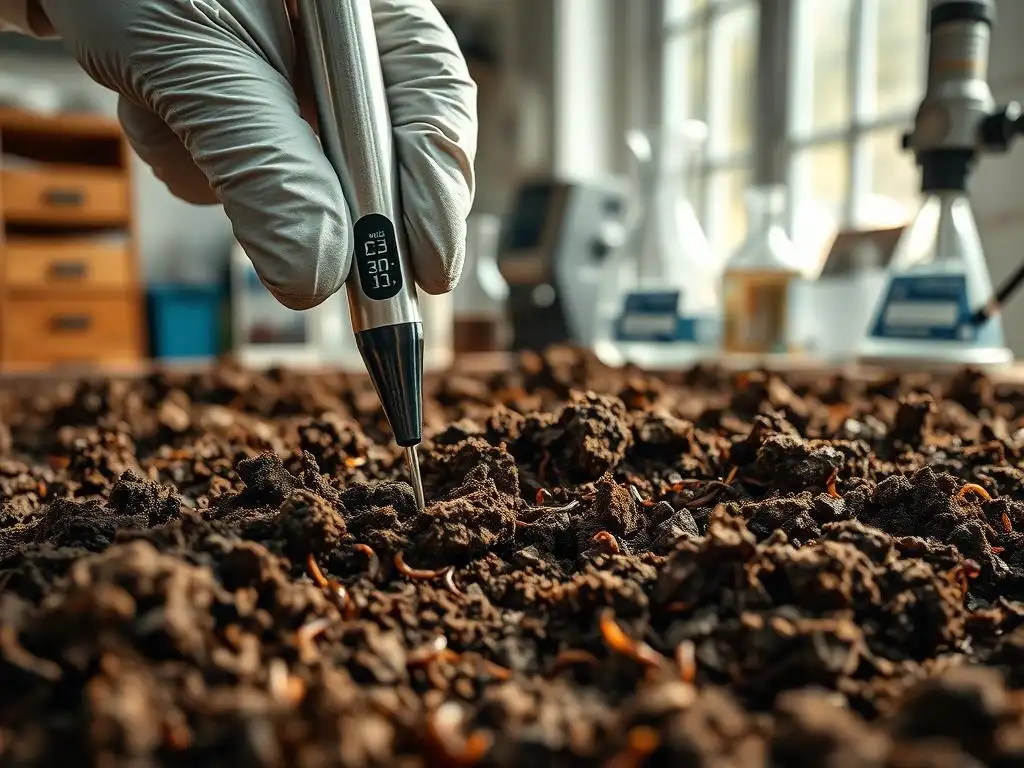
Maintaining optimal soil health is crucial for successful home gardening, and a key component of this is consistent monitoring. Regular soil testing allows gardeners to proactively address nutrient deficiencies and imbalances, preventing stunted growth and reduced yields. This proactive approach, coupled with careful observation of your plants, ensures your nutrient strategy remains effective throughout the growing season.
Ignoring soil health can lead to decreased yields, increased susceptibility to pests and diseases, and ultimately, a less rewarding gardening experience. Understanding your soil's nutrient profile is the first step towards a thriving garden. This section details how to effectively monitor your soil's health and adapt your fertilization plan accordingly.
Regular Soil Testing: Frequency and Best Practices
The frequency of soil testing depends on several factors, including your soil type, the types of plants you grow, and your fertilization practices. For most home gardeners, testing once or twice a year is sufficient. Ideally, test in the spring, before planting, to assess nutrient levels and adjust your fertilization plan accordingly. A second test in the late summer or fall can help you understand how your soil has changed throughout the growing season and inform your winter soil preparation.
Choosing the right home soil test kit is vital for accurate results. Look for kits that test for essential macronutrients (nitrogen, phosphorus, and potassium – often represented as NPK) and micronutrients (such as iron, zinc, and manganese). Some kits offer more comprehensive analyses, including pH levels and organic matter content. Following the kit's instructions carefully is crucial for obtaining reliable data. Inconsistent or inaccurate testing will lead to misinterpretations and potentially harmful adjustments to your nutrient strategy.
Remember to collect representative soil samples. Avoid sampling areas with fresh organic matter or areas directly under plants. Instead, take multiple samples from different locations in your garden, mixing them thoroughly to create a composite sample. This composite sample provides a more accurate representation of the overall soil nutrient levels in your garden bed.
| Test Frequency Recommendation | Soil Type | Plant Type | Fertilization Practices |
|---|---|---|---|
| Twice Yearly (Spring & Fall) | Clay, Sandy | Vegetables, Fruits | Heavy fertilization |
| Once Yearly (Spring) | Loam | Herbs, Flowers | Light fertilization |
| As Needed | All Types | Sensitive plants | Organic matter amendments only |
Observing Plant Growth for Nutrient Deficiency Signs
Even with regular soil testing, visual observation of your plants is invaluable. Plants often exhibit tell-tale signs of nutrient deficiencies before soil tests reveal significant imbalances. Learning to recognize these signs can allow for early intervention, preventing serious damage. For example, nitrogen deficiency often manifests as yellowing leaves, while phosphorus deficiency can lead to stunted growth and dark green or purplish leaves. Potassium deficiency can cause browning leaf edges and wilting.
Careful observation should include examining the overall plant vigor, leaf color, and growth patterns. Compare the health of your plants to the expected growth stage and look for discrepancies. Note any unusual patterns, such as yellowing, browning, or discoloration of leaves. Also, pay attention to the plant's overall size and structure.
Stunted growth or unusually small leaves can indicate a nutrient deficiency. Keep a detailed garden journal or log to record your observations. This record helps you track changes in plant health over time and correlate them with nutrient levels and fertilization practices. This detailed record is invaluable for future planning and refinement of your home soil test nutrient guide.
Adapting Your Nutrient Strategy Over Time: A Dynamic Approach
Your nutrient strategy shouldn’t be static. Soil conditions change over time, due to factors like weather, plant uptake, and decomposition of organic matter. Therefore, regularly adjusting your fertilization plan based on soil tests and plant observations is crucial. This dynamic approach ensures your plants receive the nutrients they need throughout their growing cycle. Regular soil testing provides a baseline, but plant observations are essential to fine-tune your approach.
For instance, if your soil test reveals a low potassium level and you observe browning leaf edges on your tomato plants, you can amend the soil with a potassium-rich fertilizer or compost. Similarly, if your plants show signs of nitrogen deficiency despite adequate nitrogen in your initial soil test, you may need to apply a supplemental nitrogen source. Continuously adjusting your approach based on the data you collect ensures that your plants receive optimal nutrition, leading to healthier plants and higher yields.
This iterative process transforms your home soil test nutrient guide into a living document, constantly updated and improved based on real-world experience. Remember, successful gardening is an ongoing learning process! 🌱
Resources for Further Learning: Expanding Your Knowledge of Home Soil Testing and Nutrient Management
This section provides valuable resources to deepen your understanding of home soil testing and nutrient management for optimal plant growth. Mastering these techniques is crucial for successful home gardening, regardless of whether you're cultivating tomatoes, basil, or a vibrant array of colorful flowers. A comprehensive understanding allows you to tailor your nutrient strategy, leading to healthier plants and ultimately, a bountiful harvest. This empowers you to become a truly effective and informed home gardener.
Recommended Books and Websites on Soil Health and Plant Nutrition
Investing in reliable resources is key to becoming a proficient home gardener. Many excellent books and websites offer in-depth information on soil health, plant nutrition, and sustainable gardening practices. These resources provide a wealth of knowledge beyond the basics, allowing you to refine your techniques and troubleshoot challenges effectively. They often include practical advice, detailed explanations of complex processes, and visual aids to enhance understanding. Look for books and websites that offer detailed information on:
- Specific nutrient requirements for different plants: Understanding the unique needs of each plant species is vital for optimizing growth. For example, tomatoes are heavy feeders, requiring more phosphorus than some leafy greens.
- Interpreting soil test results: Knowing how to decipher the results of your home soil test is crucial for making informed decisions about nutrient amendments. Many resources provide step-by-step guides and examples.
- Organic soil amendments: Learn about various organic materials, like compost, manure, and cover crops, and how to effectively incorporate them into your soil to improve its structure and nutrient content.
- Sustainable soil management techniques: Explore practices such as crop rotation, cover cropping, and no-till gardening to promote long-term soil health.
Here's a sample table showcasing the type of information you might find in these resources:
| Resource Type | Example Topic | Key Benefit |
|---|---|---|
| Book | Nutrient Deficiencies in Vegetables | In-depth analysis of specific nutrient needs. |
| Website | Soil Savvy: A Guide to Soil Testing | Interactive tools and resources for interpretation. |
| Online Course | Organic Gardening for Beginners | Structured learning with expert guidance. |
| University Extension | Soil Testing and Fertility Management Guide | Region-specific advice and research-based data. |
Remember to choose resources relevant to your specific gardening climate and the types of plants you're cultivating. The more you learn, the better equipped you'll be to nurture your plants to their full potential. This detailed approach will help you avoid common mistakes and achieve optimal results in your home garden.
Local Agricultural Extension Offices: Accessing Expert Advice
Don't underestimate the value of local expertise! Agricultural extension offices, often affiliated with universities or government agencies, provide invaluable resources and personalized advice to home gardeners. These offices frequently offer:
- Soil testing services: Many offer affordable soil testing services, providing accurate analyses of your soil's nutrient content and pH levels. This personalized data is far more valuable than generic advice.
- Workshops and seminars: Attend workshops and seminars on various aspects of gardening, including soil health, nutrient management, and pest control. These events provide opportunities for hands-on learning and networking with other gardeners.
- Personalized consultations: Schedule consultations with experts to discuss your specific gardening challenges and receive tailored recommendations for improving your soil and plant health. They can provide guidance based on your local conditions and the types of plants you grow.
- Publications and resources: Access a wealth of free publications, guides, and fact sheets on various topics related to gardening and sustainable agriculture. These often contain region-specific information crucial for success.
Engaging with your local extension office is a proactive step towards becoming a more knowledgeable and successful home gardener. Their expertise, combined with your own observations and learning, is a powerful combination for long-term success. Remember, sustainable gardening practices are key to long-term soil health, and these offices are a great resource to help you achieve that.
Online Communities and Forums for Home Gardeners
Connecting with other gardeners through online communities and forums offers a unique opportunity for learning and support. These platforms provide a space to:
- Share experiences and advice: Learn from other gardeners' successes and challenges, gaining valuable insights and tips for improving your own practices. You can ask specific questions about your own soil tests and get tailored advice from those with similar experiences.
- Ask questions and get quick answers: Get quick answers to your questions from experienced gardeners, saving you time and potentially preventing mistakes. This immediate feedback can be invaluable when dealing with urgent plant health issues.
- Find solutions to common problems: Discover effective solutions to common gardening problems, such as nutrient deficiencies, pest infestations, and disease management. The collective knowledge of the community can offer a wide range of solutions.
- Stay updated on the latest techniques and trends: Keep abreast of the latest advancements in sustainable gardening practices, ensuring your techniques are always up to date and effective.
Remember to always critically evaluate the information you find online, and prioritize advice from reputable sources and experienced gardeners. Participating actively in these communities fosters a sense of belonging and helps you build a supportive network of fellow gardening enthusiasts. The combination of expert advice and peer-to-peer learning is a powerful tool for enhancing your home gardening skills.
Frequently Asked Questions
Why is soil testing important for home gardening?
Soil testing is crucial because it reveals your soil's nutrient levels, pH, and potential problems. This allows you to amend your soil effectively, maximizing plant growth and minimizing waste. Knowing your soil's composition ensures you're providing exactly what your plants need.
What nutrients are typically tested for in a home soil test?
Common tests assess macro-nutrients like nitrogen (N), phosphorus (P), and potassium (K), and micro-nutrients such as iron, zinc, and manganese. The specific nutrients tested can vary depending on the testing lab and your specific needs. Results will guide your fertilizer choices.
How do I collect a soil sample for testing?
Collect samples from various areas of your garden, combining them into one representative sample. Dig to a depth of approximately 6-8 inches, avoiding areas with rocks or debris. Follow the specific instructions provided by your chosen soil testing lab.
How do I interpret my soil test results?
Your results will provide a detailed breakdown of nutrient levels and pH. The report usually includes recommendations for fertilizer amendments based on your findings. Consult resources like the CultivateYourFood website for further guidance on interpreting the results and amending your soil accordingly.
Where can I get my soil tested, and how much does it cost?
Many local agricultural extension offices and commercial labs offer soil testing services. Costs vary depending on the tests performed and the lab. Look for options offering comprehensive analysis for the most accurate results, ensuring you’re making informed decisions about your soil’s nutrient needs.
Final Reflection: Nurturing the Earth, One Test at a Time
Understanding your soil is not just a gardening hobby; it's a fundamental step towards a more sustainable and productive future. The information presented in this guide highlights the crucial role soil testing plays in optimizing plant health, minimizing environmental impact, and maximizing yields, whether you're tending a small balcony garden or a sprawling farm. This knowledge empowers us to move beyond guesswork and embrace a more precise, responsible approach to cultivation.
The impact of soil health extends far beyond the individual garden or farm; it's intricately woven into the fabric of our food systems and the overall well-being of our planet. The nation that destroys its soil destroys itself.
- Franklin D. Roosevelt. This quote rings truer than ever in the face of climate change and dwindling resources. By understanding the nuances of soil testing and applying its principles, we contribute to a more resilient and sustainable agricultural landscape, ensuring healthier food for generations to come. This personal journey of learning about soil health has profoundly shifted my own gardening practices, leading to healthier plants and a deeper appreciation for the interconnectedness of life.
Now, it's your turn. Take the knowledge gained from this guide and apply it to your own gardening or farming practices. Consider purchasing a home soil testing kit, analyzing your results, and tailoring your nutrient strategy accordingly. Remember, every small step towards understanding and nurturing our soil contributes to a larger movement towards a healthier planet. Let's cultivate a future where sustainable practices are not just an ideal, but a reality.
Unlock Your Garden's Potential: Take Control of Your Soil!
You've taken the first step towards cultivating healthier, more vibrant plants by learning about soil testing. Ready to put your knowledge into action?
- Prioritize a soil test: Order a soil testing kit and begin creating a truly tailored nutrient plan for your garden. Understanding your soil's specific needs is fundamental to successful gardening.
- Share your results: Join our online community and share your soil test results. Let's learn from each other and build a thriving gardening network!
- Explore advanced techniques: Consider researching various composting methods to naturally and sustainably enrich your soil.
What garden nutrient challenge will you tackle first this year?