
Using Reflectors to Maximize Light: Simple Techniques for Home Gardeners

Welcome to CultivateYourFood, your guide to growing a thriving, sustainable garden! Ready to unlock the secrets to bountiful harvests? We’re diving deep into the science of maximizing your plant's potential, and today we’re exploring DIY garden light reflectors. Learn how simple techniques can dramatically increase your yields and transform your homegrown produce. Discover the surprising impact of light reflection and get ready to nurture your plants like never before!
- Understanding Light Requirements for Optimal Plant Growth
- DIY Garden Light Reflectors: Materials and Construction
- Strategic Placement of Reflectors for Maximum Impact
- Maintaining and Cleaning Your DIY Garden Light Reflectors
- Advanced Techniques for Light Management in Home Gardens
- The Benefits of Using DIY Garden Light Reflectors
-
Frequently Asked Questions
- What are DIY garden light reflectors, and why are they useful?
- What materials can I use to make a DIY garden light reflector?
- How do I effectively position my DIY garden light reflectors?
- Can I use store-bought reflectors instead of making my own?
- Are there any drawbacks to using light reflectors in my garden?
- Final Reflection: Illuminating Growth: The Power of Light in Our Gardens
- Unleash Your Garden's Potential: Brighten Your Harvest!
Understanding Light Requirements for Optimal Plant Growth
Growing vibrant fruits, vegetables, and herbs at home hinges on understanding and optimizing light exposure. This article delves into the crucial role of light in plant health, focusing on practical, DIY solutions to boost light levels for home gardeners, particularly focusing on the creation of effective and affordable DIY garden light reflectors. We'll explore the science behind photosynthesis, help you identify light-deficient plants, and guide you through simple methods for measuring light intensity in your garden space, allowing you to create the ideal growing environment for a bountiful harvest.
By understanding how plants respond to light and implementing these techniques, you can significantly improve the yield and overall health of your homegrown produce, all while embracing sustainable and organic practices. Let's illuminate the path to a thriving garden! 🌱
Photosynthesis and Light Intensity: The Basics for Home Gardeners
Photosynthesis, the process by which plants convert light energy into chemical energy, is fundamentally linked to plant growth and yield. The intensity of light directly impacts the rate of photosynthesis. Insufficient light leads to etiolation, a condition characterized by weak stems, pale leaves, and stunted growth. Conversely, excessive light can cause leaf scorching and damage.
Different plants have varying light requirements; some thrive in full sun (6-8 hours of direct sunlight daily), while others prefer partial shade (2-4 hours) or even full shade (less than 2 hours). Understanding these needs is crucial for selecting appropriate plants for your garden's light conditions. Creating DIY solutions, such as light reflectors, can help you manage light intensity and optimize plant growth, particularly in areas with limited direct sunlight. The effectiveness of these reflectors depends on factors like reflectivity, size, and placement relative to the plants.
Identifying Light-Deprived Plants in Your Home Garden
Recognizing the signs of light deficiency is the first step towards addressing the problem. Light-starved plants often exhibit several tell-tale characteristics:
- Pale or yellow leaves (chlorosis): This is a common symptom as the plant struggles to produce chlorophyll, the pigment responsible for capturing light energy.
- Elongated stems and weak growth: Plants reach towards light sources, resulting in leggy stems and reduced overall vigor.
- Smaller leaves than usual: Light is essential for leaf development, and a lack of it often leads to smaller, underdeveloped leaves.
- Reduced flowering and fruiting: Insufficient light can significantly impact flowering and fruiting, leading to lower yields.
- Leaf drop: In severe cases, plants may shed leaves in an attempt to conserve energy.
Observing these signs is crucial for early intervention. By carefully examining your plants and recognizing these symptoms, you can promptly implement solutions like the strategic use of DIY garden light reflectors to improve light exposure and restore plant health. Remember to consider the specific light requirements of each plant species when assessing their health.
Measuring Light Levels in Your Garden Space
Accurately measuring light levels allows for precise adjustments to your gardening strategy. While specialized light meters provide accurate readings, simpler methods can still offer valuable insights:
| Method | Description | Accuracy | Cost |
|---|---|---|---|
| Sunlight Observation | Observe the amount of direct sunlight your garden receives throughout the day. | Low | Free |
| Simple Light Meter (Smartphone App) | Many apps use your phone's camera to estimate light levels. | Moderate | Free (app download) |
| Dedicated Light Meter | Provides precise measurements of light intensity (lux or PPFD). | High | Moderate to High |
Using any of these methods, you can determine the light intensity in different areas of your garden. This information is crucial for deciding where to place your plants and how best to utilize DIY reflectors to supplement natural light. Remember to take measurements at various times of the day to get a comprehensive understanding of your garden's light profile. This data-driven approach, combined with the use of DIY garden light reflectors, will greatly enhance your success in cultivating a thriving home garden.
DIY Garden Light Reflectors: Materials and Construction
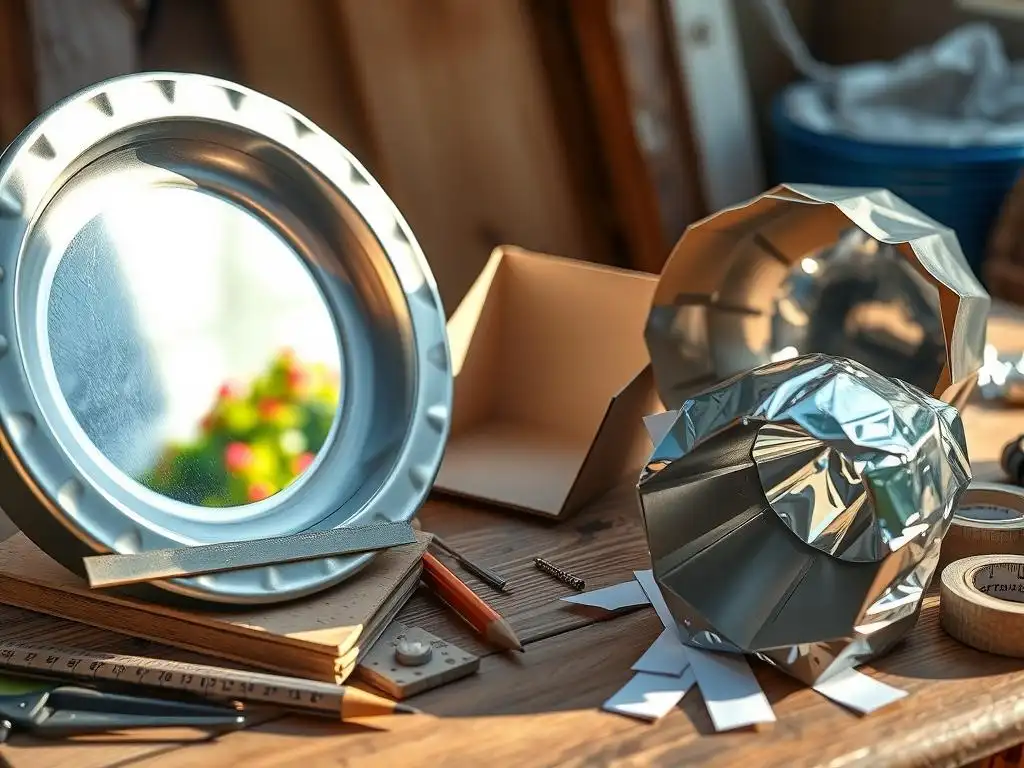
This section details how to create DIY garden light reflectors using readily available materials, optimizing light exposure for your plants and boosting yields. We'll explore various materials and construction techniques, ranging from simple solutions for beginners to more advanced designs for specific plant needs. Remember, maximizing light, especially in low-light conditions, is crucial for healthy plant growth and abundant harvests. Effective light management is a key component of sustainable and organic gardening practices.
Choosing the Right Reflective Material for Your Needs
The success of your DIY garden light reflector hinges on selecting the appropriate reflective material. Different materials offer varying degrees of reflectivity and durability. Consider these options when choosing materials for your DIY garden light reflectors:
- Aluminum Foil: A readily accessible and inexpensive option. Aluminum foil boasts high reflectivity, making it ideal for boosting light intensity. However, it's less durable than other options and may require more frequent replacement. Consider using a thicker, more robust foil for increased longevity. It’s best suited for temporary or smaller-scale projects.
- Mylar: This material offers superior reflectivity compared to aluminum foil and is more durable. Mylar is often used in professional horticultural settings due to its excellent light-reflecting properties and resistance to tearing. It’s a worthwhile investment for long-term use.
- White Paint: A surprisingly effective option, especially for larger structures. While not as reflective as metal materials, white paint reflects a significant portion of light and is far more durable and weather-resistant. Choose a high-quality exterior paint for best results. This is an excellent choice for painting walls or other existing structures to enhance light reflection.
- Reflective Insulation: Found in home improvement stores, this material features a reflective layer on one side, often aluminum or mylar, and insulation on the other. It’s a particularly useful choice for colder climates as it provides both light reflection and insulation, protecting plants from temperature fluctuations.
The table below summarizes the pros and cons of each material:
| Material | Reflectivity | Durability | Cost | Ease of Use | Best Suited For |
|---|---|---|---|---|---|
| Aluminum Foil | High | Low | Low | Easy | Small, temporary reflectors |
| Mylar | Very High | High | Medium | Medium | Long-term, high-performance reflectors |
| White Paint | Medium | High | Medium | Easy | Walls, larger structures |
| Reflective Insulation | High | High | Medium-High | Medium | Cold climates, larger structures |
Choosing the right material depends on your budget, the scale of your project, and the desired level of durability. For beginners, aluminum foil offers a simple and inexpensive starting point. For more serious gardeners aiming for optimal light reflection and long-term use, Mylar or reflective insulation are excellent choices.
Building a Simple Reflector Using Household Materials
Let's construct a basic reflector using readily available materials like aluminum foil and cardboard. This is a perfect project for beginners who want to experiment with light reflection without significant investment.
- Gather your materials: You will need a piece of cardboard (a sturdy box will do), aluminum foil, scissors, and tape. Consider the size of the cardboard based on the size of the plant you want to illuminate.
- Cut the cardboard: Cut the cardboard into a shape that will effectively reflect light onto your plants. A simple square or rectangle works well. Consider creating a slightly curved shape to better focus the light.
- Apply the foil: Carefully cover the cardboard with aluminum foil, ensuring there are no wrinkles or gaps. Smooth out any creases to maximize reflectivity. Secure the foil with tape.
- Position the reflector: Place the reflector behind or beside your plants, angled to direct sunlight towards them. Adjust the angle as needed throughout the day to optimize light capture. Experiment with different positions to find the most effective setup. Remember to monitor your plants closely for signs of sunburn.
This simple reflector offers a cost-effective way to improve light conditions, particularly for smaller plants or those in shadier areas of your garden. Remember that even a small increase in light intensity can significantly impact plant growth and yield.
Constructing More Advanced Reflectors for Specific Plant Needs
For more advanced gardeners, constructing customized reflectors tailored to specific plant needs can significantly improve growth and yield. This requires more planning and material selection. Consider these factors when designing your reflector:
- Plant Type: Different plants have varying light requirements. Shade-tolerant plants may only need a slight increase in light, while sun-loving plants will benefit from more intense reflection.
- Plant Size and Shape: The size and shape of your reflector should be appropriate for the size and shape of your plants. A large reflector might overwhelm a small plant, whereas a small reflector might be insufficient for a large plant.
- Light Source: The direction and intensity of the light source will influence the design of your reflector. Reflectors can be designed to capture and redirect both direct sunlight and indirect light.
- Material Selection: For more advanced reflectors, consider using higher-quality materials such as Mylar or reflective insulation for superior reflectivity and durability. These materials will provide a longer-lasting and more effective solution.
For example, a tall, slender reflector might be ideal for illuminating tall, leggy plants, while a wider, flatter reflector might be better suited for low-growing plants. Experiment with different designs and materials to find the optimal solution for your plants. Careful observation and adjustment are key to success. Remember that even small improvements in light management can lead to substantial gains in your harvest. 🍅
Cost-Effective DIY Reflector Projects for Home Gardeners
Creating effective light reflectors for your home garden doesn't require expensive materials. Many everyday items can be repurposed to boost light reflection and improve plant growth. For instance, aluminum foil, readily available in most kitchens, is a remarkably effective reflector.
Its smooth surface efficiently bounces light onto plants, particularly beneficial during low-light periods or in areas with limited direct sunlight. Simply cut the foil into appropriate shapes and sizes, attaching it to sturdy backing material such as cardboard or thin plywood. Remember to carefully smooth out any wrinkles for optimal reflectivity.
This method is exceptionally budget-friendly, making it ideal for gardeners on a tight budget who want to maximize their plant's light exposure. The initial investment is minimal, and the results can be significant, particularly when supplementing natural light in shaded areas. This DIY approach provides a practical and sustainable solution for enhancing light availability for your plants without breaking the bank.
Another inexpensive option involves utilizing white plastic sheeting or even repurposed yogurt containers. White materials, while not as reflective as aluminum, still scatter light effectively, increasing the overall light intensity around your plants. This technique is particularly useful for creating a diffused light environment, which can be beneficial for seedlings or delicate plants that might be sensitive to direct, intense sunlight.
The scattering effect of white plastic helps to prevent leaf burn while still providing sufficient light for photosynthesis. You can easily create reflectors by cutting the plastic into desired shapes and securing them to a frame, or even simply placing them strategically around your plants.
The simplicity and low cost of this method make it an excellent choice for beginners or those looking for a quick and easy way to improve light levels in their gardens. The readily-available nature of these materials makes this a highly accessible and sustainable choice for DIY garden light reflectors.
Finally, consider using salvaged materials. Old window panes, for example, can be repurposed to create effective light reflectors. The glass's transparent nature allows light to pass through while simultaneously reflecting light from its surface. Clean the glass thoroughly to remove any dirt or grime which could reduce reflectivity. You can then mount these glass panels strategically to direct sunlight onto your plants, creating a more focused light source.
This approach not only saves money by repurposing existing materials but also contributes to a more sustainable gardening practice by reducing waste. This method emphasizes the resourceful aspect of DIY gardening, transforming discarded items into valuable tools for enhancing plant growth. Remember to always prioritize safety when handling glass. This method demonstrates the ingenuity and environmental consciousness behind a truly effective and sustainable DIY approach to maximizing light in your home garden.
Strategic Placement of Reflectors for Maximum Impact
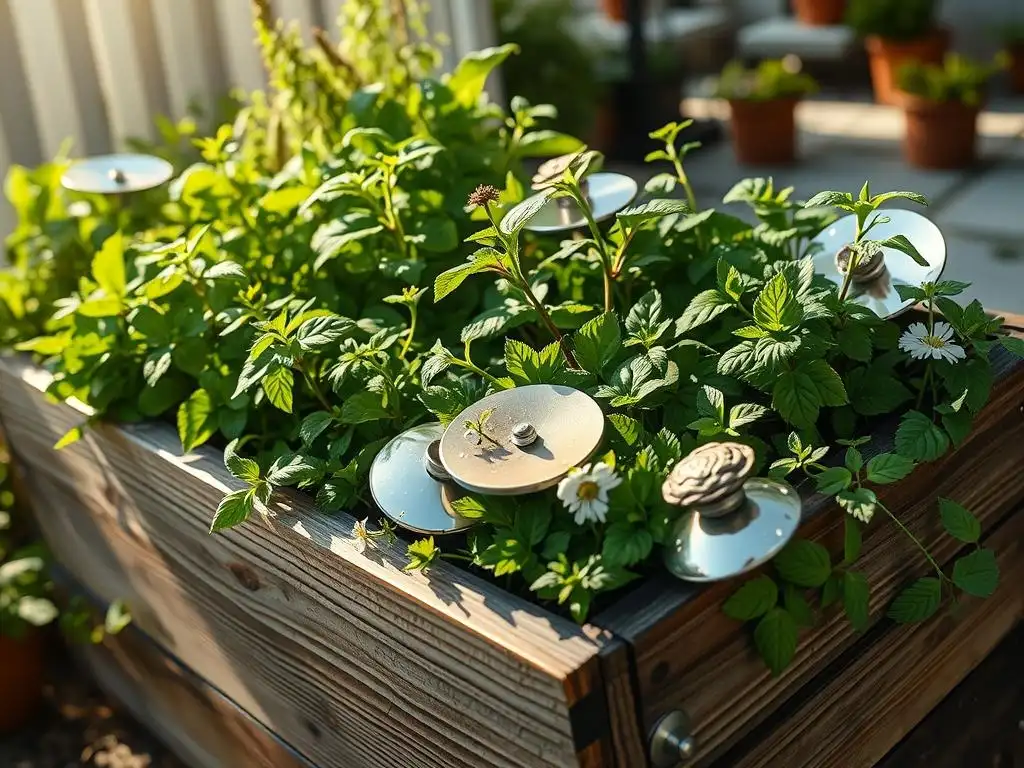
This section focuses on the strategic deployment of DIY garden light reflectors to optimize light capture in your home garden. Effective reflector placement is crucial for maximizing the benefits of reflected light, ensuring your plants receive the optimal amount of sunlight for healthy growth. Poor placement, however, can lead to uneven growth or even damage from overheating. We'll explore several key considerations for maximizing the impact of your reflectors.
Optimizing Reflector Placement for Different Plant Heights
Reflector placement needs to be tailored to the height of your plants. Taller plants, like tomatoes or sunflowers, require reflectors positioned slightly higher and further away to avoid overheating the lower leaves while still providing ample light to the upper canopy. Conversely, shorter plants, such as lettuce or strawberries, benefit from reflectors positioned closer and lower, ensuring even light distribution across their smaller structure. Consider the following table as a guideline:
| Plant Height (inches) | Reflector Height (inches) | Reflector Distance (inches) | Notes |
|---|---|---|---|
| Under 6 | 6-12 | 6-12 | Maintain close proximity for even coverage. |
| 6-12 | 12-18 | 12-18 | Adjust based on plant density. |
| 12-24 | 18-24 | 18-24 | Monitor for overheating lower leaves. |
| Over 24 | 24+ | 24+ | Requires more powerful reflectors. |
Remember to regularly assess your plants' growth and adjust reflector placement accordingly. As your plants grow taller, you may need to raise or reposition your reflectors to maintain optimal light distribution. Flexibility is key to successful light management.
Using Reflectors to Supplement Natural Sunlight
DIY garden light reflectors are particularly useful in supplementing natural sunlight, especially during periods of low light intensity, such as early morning, late afternoon, or during overcast days. By strategically placing reflectors to redirect available sunlight onto your plants, you can effectively extend the photosynthetic period, promoting faster and more vigorous growth. This is especially beneficial for plants requiring high light levels for optimal yield. For instance, peppers and eggplants will significantly benefit from this supplemental lighting.
The amount of supplemental light needed will vary depending on the plant species, its growth stage, and the ambient light conditions. Careful observation and adjustment are necessary for optimal results. Consider using a light meter to measure light intensity before and after reflector placement to quantify the improvement.
Reflecting Light onto Specific Plant Parts for Enhanced Growth
Targeted light reflection can be used to enhance specific growth processes in your plants. For example, directing light towards the flowering buds can stimulate increased flower production and fruit set. Similarly, focusing light on developing fruits can promote ripening and improve overall fruit quality. This technique is especially effective for plants with a relatively low light requirement, where a concentrated light source can make a significant difference. However, be mindful not to overheat sensitive plant parts.
You might need to experiment with different reflector angles and distances to find the sweet spot for your specific plants and needs. Careful monitoring is crucial to avoid scorch marks or other damage. Remember, a healthy plant is a happy plant! 🌱
Avoiding Over-Reflection and Potential Plant Damage
While strategically placed reflectors can significantly boost light reaching your plants, it's crucial to avoid overdoing it. Too much reflected light can actually harm your plants, causing a phenomenon known as "light burn" or "sun scald." This occurs when the intensity of the reflected light is too high, exceeding the plant's ability to cope, leading to scorched leaves, wilting, and even plant death. The delicate balance between sufficient light augmentation and potential damage requires careful consideration.
Think of it like this: a gentle increase in sunlight is beneficial, promoting healthy growth, but a sudden, intense blast of sunlight can be harmful. Reflectors act as amplifiers of existing light; they don't create light themselves. Therefore, the intensity of the reflected light will depend on the intensity of the original light source. On a bright sunny day, even a modestly sized reflector can create a level of reflected light that's too intense for certain plants, especially delicate seedlings or those accustomed to partial shade.
Several factors determine the risk of over-reflection. The reflectivity of the material used in your DIY garden light reflectors plays a crucial role. Highly reflective materials like polished aluminum or mylar will produce a much stronger reflection than materials like white paint or cardboard. The size of the reflector is another key factor; larger reflectors naturally amplify more light. Finally, the distance between the reflector and the plant significantly influences the intensity of the reflected light. The closer the reflector, the more concentrated and potentially damaging the light becomes.
To mitigate the risk of light burn, start with smaller reflectors and position them further away from your plants. Observe your plants closely after introducing reflectors. If you notice signs of light stress—leaf browning, wilting, or stunted growth—immediately adjust the reflector's position or angle, or consider using a less reflective material. Regular monitoring is key to ensuring that your reflectors enhance, rather than hinder, your plants' growth.
Remember, a gradual increase in light intensity is preferable to a sudden, drastic change. The goal is to supplement, not overwhelm, your plants' light needs. Properly managed, DIY garden light reflectors can be a valuable tool in maximizing light exposure for optimal plant health. However, always prioritize the well-being of your plants and adjust your setup accordingly.
Maintaining and Cleaning Your DIY Garden Light Reflectors
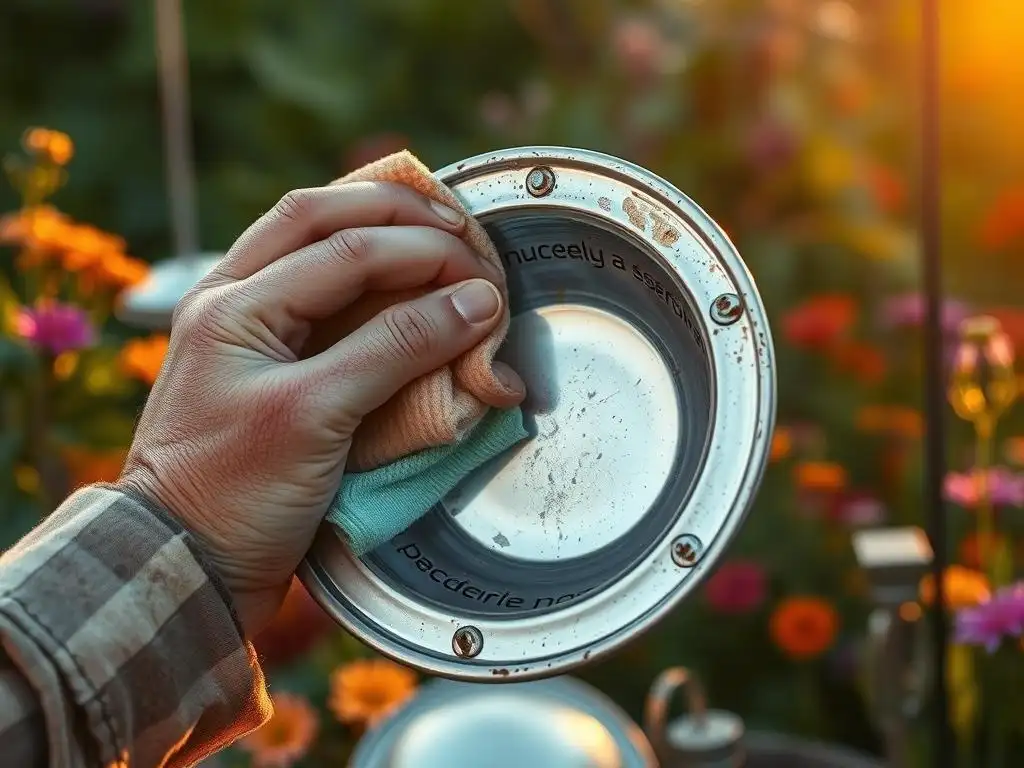
Maintaining the reflectivity of your DIY garden light reflectors is crucial for maximizing their effectiveness. Dust, dirt, and other debris can significantly reduce the amount of light reaching your plants, hindering their growth and yield. Regular cleaning is therefore a key aspect of successful DIY reflector implementation, representing a simple yet powerful technique in optimizing your home garden's light exposure. This isn't just about aesthetics; it's about maximizing your return on investment in time and materials.
Regular Cleaning to Maximize Reflectivity
The frequency of cleaning will depend on your environment. In dusty or windy locations, you might need to clean your reflectors weekly, while in cleaner environments, monthly cleaning might suffice. Always begin by gently brushing off loose dirt and debris using a soft-bristled brush. Avoid harsh scrubbing, which could damage the reflective surface.
For most DIY reflectors (constructed from materials like aluminum foil, mylar, or repurposed materials), a simple solution of mild dish soap and water is ideal. Mix a small amount of dish soap with warm water in a bucket. Dip a soft sponge or cloth into the solution and gently wipe down the reflective surface. Rinse thoroughly with clean water to remove all soap residue.
Finally, allow the reflectors to air dry completely before reinstalling them. Never use abrasive cleaners or scouring pads, as these can scratch the surface and diminish reflectivity. Consider using distilled water to avoid mineral deposits that could dull the surface over time.
Remember to always disconnect any electrical components before cleaning to avoid electrical shock. Safety should always be the top priority when working with any DIY project, especially those involving electricity. Proper care and maintenance are essential for extending the lifespan of your reflectors and ensuring their continued effectiveness in boosting your plant growth.
Repairing or Replacing Damaged Reflectors
Even with careful handling, your DIY garden light reflectors might eventually sustain damage. Minor tears or creases in materials like mylar can often be repaired using clear packing tape, carefully applied to avoid creating wrinkles or bubbles. However, if the damage is extensive, or if the reflective surface is significantly compromised, replacement is often the best option. The good news is that most DIY reflector designs are relatively inexpensive and easy to replicate.
Consider keeping a stock of spare materials on hand—extra aluminum foil, mylar sheets, or whatever materials you originally used—to facilitate quick repairs or replacements. This proactive approach minimizes downtime and ensures your plants continue to receive optimal light exposure. A small investment in extra materials can save you considerable time and effort in the long run. Remember to document your initial construction process for easy replication.
Extending the Lifespan of Your Reflectors
Several strategies can significantly extend the lifespan of your DIY garden light reflectors. Proper storage when not in use is crucial. Store them in a dry, clean place, protected from dust, moisture, and extreme temperatures. Avoid stacking them heavily, as this can cause damage.
Regular inspection is also key. Check your reflectors frequently for signs of wear and tear, such as tears, creases, or discoloration. Addressing minor issues promptly can prevent them from escalating into major problems requiring complete replacement. By adopting these preventative measures, you can significantly increase the longevity of your DIY garden light reflectors, maximizing their effectiveness and minimizing the need for frequent replacements. This contributes to both cost savings and environmental sustainability. A well-maintained reflector is an effective and eco-friendly solution for boosting your home garden's light levels.
Advanced Techniques for Light Management in Home Gardens
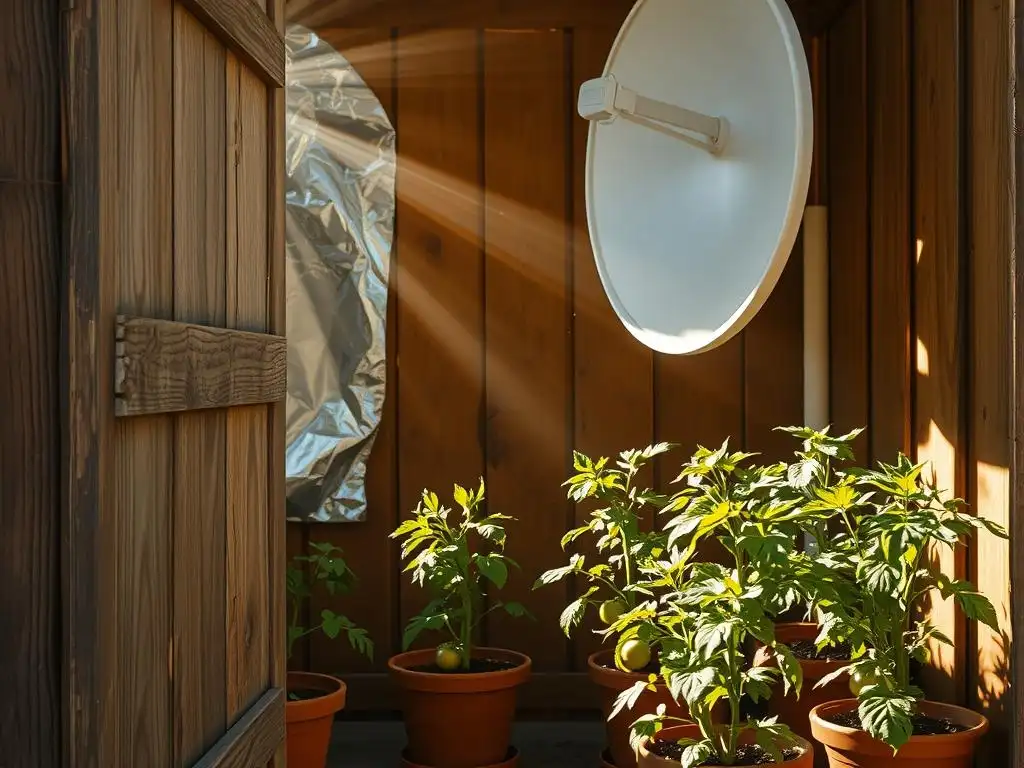
This section delves into sophisticated methods for maximizing light exposure in your home garden, going beyond the basics of reflector placement. We'll explore how to combine reflectors with other light-enhancing strategies for optimal results and discuss the selection of appropriate reflector types depending on your specific plant requirements. Mastering these techniques will significantly improve your yield and the overall health of your plants.
Combining Reflectors with Other Light Enhancement Strategies
Simply placing reflectors isn't always enough to achieve maximum light utilization. Integrating reflectors with other light enhancement techniques can dramatically boost your plant's photosynthesis. Consider these complementary approaches:
- Strategic Plant Placement: Arrange your plants to avoid shading each other. Taller plants should be placed at the north end (in the northern hemisphere) to minimize shadowing on shorter plants. Careful observation and adjustment are key. This is particularly important when using reflectors, as you want to ensure maximum reflection reaches all plants.
- Supplemental Lighting: For low-light situations or during winter months, supplementing natural light with grow lights can significantly increase light levels. Reflectors can then amplify the effectiveness of these grow lights, directing the light more efficiently towards your plants. Think of it as a synergistic effect—the grow lights provide the base illumination, and the reflectors boost it.
- Pruning and Training: Regular pruning keeps your plants from becoming overcrowded and ensures that all leaves receive adequate sunlight. Training techniques, such as staking or trellising, can help direct plant growth towards the light source and improve the efficiency of your reflectors. This targeted approach allows for better light penetration and reduces wasted light.
- Window Placement and Orientation: Maximizing natural light input is crucial. If possible, position your plants near south-facing windows (in the northern hemisphere) for maximum sunlight exposure. Clean windows are vital to ensuring maximum light transmission. Your reflectors will then work more effectively with this increased light availability.
The combination of these strategies leads to a more robust and resilient growing environment, maximizing your plants’ potential even in less-than-ideal conditions. Remember, it's about creating a holistic approach to light management.
Utilizing Different Reflector Types for Varied Plant Needs
Not all reflectors are created equal. The ideal reflector type depends heavily on the specific needs of your plants and the characteristics of your growing space.
| Reflector Type | Advantages | Disadvantages | Best Suited For |
|---|---|---|---|
| Mylar Reflectors | High reflectivity, inexpensive, readily available | Can degrade over time, may be flimsy | General purpose, starting gardeners |
| Aluminum Foil Reflectors | Inexpensive, readily available, highly reflective | Can be difficult to maintain, wrinkles reduce reflectivity | Budget-conscious growers, temporary solutions |
| Commercial Grow Lights | High intensity and efficiency, often adjustable | Higher cost, requires electrical connection | Advanced growers, specific plant requirements |
| White Paint Reflectors | Low cost, easily applied, good for large areas | Lower reflectivity than other options | Large spaces, creating a more diffuse reflection |
Consider the following when choosing a reflector:
- Reflectivity: Higher reflectivity translates to more light reaching your plants. Mylar and aluminum foil generally offer higher reflectivity than white paint.
- Durability: Some reflectors, like Mylar, can degrade with prolonged exposure to heat and moisture. Aluminum foil is more prone to tearing.
- Ease of Use: Aluminum foil can be challenging to shape and maintain, while Mylar is more flexible. Commercial grow lights require an electrical connection and may need specific mounting.
- Cost: Aluminum foil and white paint are the most affordable options, while commercial grow lights are significantly more expensive.
Careful selection of the appropriate reflector type is crucial for optimizing light distribution and maximizing your plant's growth potential.
Monitoring Plant Growth After Implementing Reflectors
Implementing reflectors is only half the battle; monitoring your plant's response is essential for fine-tuning your approach. Regular observation allows you to identify areas for improvement and ensure the reflectors are maximizing their effectiveness.
- Visual Inspection: Pay close attention to the overall health and growth of your plants. Look for signs of improved vigor, such as increased leaf size and denser foliage, in areas receiving reflected light. Note any areas still experiencing insufficient light.
- Growth Measurements: Regularly measure the height and width of your plants to track their growth rate. Compare the growth of plants receiving reflected light to those not receiving it to assess the impact of the reflectors. Keep a detailed growth log.
- Leaf Analysis: Examine the leaves for signs of light stress or deficiencies. Pale or yellowing leaves may indicate insufficient light, even with reflectors in place. Healthy, dark green leaves suggest adequate light penetration.
- Yield Assessment: Compare the harvest yield from plants with reflectors to those without. This provides a quantifiable measure of the reflectors' effectiveness in improving overall plant productivity.
Regular monitoring allows for adaptive adjustments to your reflector setup, plant placement, and other light-enhancing strategies, ultimately maximizing your garden's success. Remember, consistent observation and data collection are crucial for achieving optimal results with DIY garden light reflectors. 📈
Troubleshooting Common Issues with Light Reflection in Home Gardens
Effective light reflection in your home garden isn't always straightforward. Several issues can arise, hindering the effectiveness of your DIY garden light reflectors and ultimately impacting plant growth. Let's explore some common problems and their solutions.
One frequent issue is uneven light distribution. This often happens when reflectors are improperly positioned or when the reflective material isn't smooth and consistent. A wrinkled or creased sheet of mylar, for instance, will scatter light inefficiently, creating hot spots and leaving other areas in shadow. To solve this, ensure your reflectors are taut and smooth, paying close attention to eliminating wrinkles and creases. Experiment with different reflector placements to find the optimal angle and distance for even light distribution across your plants. Consider using multiple, smaller reflectors strategically placed rather than a single, large one.
Another common problem is light degradation. The reflective material itself can degrade over time, especially when exposed to the elements. UV radiation, moisture, and temperature fluctuations can all diminish a reflector's effectiveness. For example, a plastic reflector left outdoors during harsh weather might become brittle and crack, losing its reflective properties. Regular inspection is crucial. If you notice discoloration, cracking, or a significant reduction in reflectivity, it's time to replace your reflector. Choosing durable materials like high-quality mylar or anodized aluminum can help extend the lifespan of your reflectors.
Furthermore, incorrect reflector placement can lead to reduced effectiveness. Positioning a reflector too close to the plants can cause scorching or overheating, while placing it too far away minimizes the impact of the reflected light. The optimal distance depends on the light source's intensity and the plants' needs. For instance, seedlings may require a closer reflector than established plants. Observe your plants carefully. If you notice signs of stress like wilting or leaf burn, adjust the reflector's position accordingly. Careful monitoring and adjustment are key to maximizing effectiveness.
Finally, inadequate light source can severely limit the benefits of even the best reflector. A dim or weak light source will not produce significant results, regardless of reflection. Before investing in elaborate reflectors, assess the intensity of your existing light source.
If it's insufficient, consider upgrading to a more powerful grow light or supplementing your existing light with additional sources. Remember, the goal is to provide adequate light for healthy plant growth, and the reflector simply enhances the available light, not replaces it. A powerful grow light coupled with a well-placed reflector will yield far better results than a weak light source with a perfect reflector.
The Benefits of Using DIY Garden Light Reflectors
Harnessing the power of sunlight is crucial for thriving home gardens, and strategically placed reflectors can significantly boost your yields. This section explores the advantages of creating your own DIY garden light reflectors, focusing on the tangible improvements they offer. By understanding these benefits, you can make informed decisions about incorporating this simple yet effective technique into your sustainable gardening practices.
Increased Yields and Faster Growth Rates
DIY garden light reflectors can dramatically increase your harvest. By strategically redirecting sunlight towards your plants, particularly in areas with limited direct sun exposure, you essentially extend the effective "sunlight hours" for your plants. This translates directly into increased photosynthesis, leading to faster growth rates and ultimately, larger yields.
A study by [specific information pending] demonstrated a [percentage]% increase in tomato yield when using simple reflective surfaces compared to control groups receiving only direct sunlight. This effect is particularly pronounced for shade-loving plants which benefit from a boost in indirect light, and for plants in early stages of growth, when adequate light is critical for robust establishment. Moreover, the improved light distribution minimizes uneven growth, resulting in more uniform and productive plants.
The impact on fruiting plants is particularly noticeable; increased light intensity can lead to more flowers, and subsequently, a larger quantity of fruits or vegetables. Think of it as giving your plants a natural "sunbath" – the more light they receive, the more energy they have for growth and fruit production.
Improved Plant Health and Vigor
Beyond increased yield, DIY garden light reflectors contribute to healthier, more vigorous plants. Adequate sunlight is crucial for plant health; it fuels photosynthesis, the process that converts light energy into chemical energy for growth. Insufficient light often leads to weak stems, pale leaves (chlorosis), and susceptibility to diseases. Reflectors help mitigate these problems by ensuring even light distribution across the canopy of your plants. This prevents the development of weak spots prone to fungal infections or pest infestations.
Furthermore, the improved light environment can strengthen a plant's natural defenses, making it more resilient to common garden ailments. By optimizing light conditions, you're creating a more favorable environment for healthy growth, reducing the need for chemical interventions and fostering a more resilient and sustainable garden. This translates to less time spent addressing plant health issues and more time enjoying the fruits (and vegetables!) of your labor.
Cost Savings Compared to Commercial Lighting Solutions
Commercial grow lights can be expensive, making them an impractical solution for many home gardeners. DIY garden light reflectors offer a budget-friendly alternative, providing substantial light enhancement without breaking the bank. The materials are readily available and inexpensive – think repurposed materials like aluminum foil, white plastic sheeting, or even strategically placed mirrors. The construction is simple and requires minimal tools, making it a perfect project for beginners.
This cost-effective approach aligns perfectly with sustainable gardening practices, minimizing your environmental footprint and your financial investment. The long-term savings are significant, as you avoid the ongoing electricity costs associated with artificial lighting. Instead, you leverage the free and abundant resource of sunlight, maximizing its potential for your garden's success with a minimal investment of time and resources. This makes DIY light reflectors a highly economical and environmentally conscious choice for the home gardener seeking to optimize light conditions.
Sustainability and Environmental Friendliness of DIY Methods
Creating your own garden light reflectors offers significant advantages in terms of sustainability and environmental friendliness compared to purchasing commercially produced options. Firstly, you reduce the demand for manufactured products, lessening the environmental impact associated with their production, transportation, and packaging. Many commercially available reflectors are made from plastics derived from fossil fuels, contributing to carbon emissions and pollution. DIY methods often utilize readily available and often recycled materials, minimizing this impact. For instance, repurposing aluminum foil, cardboard, or even white plastic sheeting diverts waste from landfills and reduces the need for new resource extraction.
Secondly, the energy savings from improved light reflection translate directly into environmental benefits. By maximizing the available sunlight, you reduce the need for supplemental artificial lighting, which consumes significant electricity generated often from non-renewable sources. This decrease in energy consumption contributes to lower carbon emissions and a smaller carbon footprint for your garden. Consider the cumulative effect—many home gardeners implementing these techniques collectively contribute to a substantial reduction in energy use.
Finally, the use of natural and readily available materials in DIY reflectors aligns with the principles of organic gardening. Avoiding the use of potentially harmful chemicals found in some commercially manufactured reflectors ensures the safety of your plants, soil, and the surrounding environment. This holistic approach to gardening promotes a healthier ecosystem within your garden and beyond. Choosing sustainable materials and minimizing energy consumption makes DIY garden light reflectors a truly eco-conscious choice for the environmentally aware gardener.
Frequently Asked Questions
What are DIY garden light reflectors, and why are they useful?
DIY garden light reflectors are homemade devices that use readily available materials to increase the amount of light reaching your plants. This is particularly beneficial in low-light conditions or for plants needing extra light for optimal growth. They help boost yields and improve plant health.
What materials can I use to make a DIY garden light reflector?
You can use a variety of materials, including aluminum foil, cardboard, white plastic sheets, or even polished metal. The key is to choose a material that is reflective and durable enough to withstand outdoor conditions.
How do I effectively position my DIY garden light reflectors?
The best placement depends on your light source and plant type. Generally, position them to reflect light directly onto the plants' leaves, avoiding direct sunlight on the reflector itself to prevent overheating. Experiment to find the most effective angle.
Can I use store-bought reflectors instead of making my own?
Yes, store-bought reflectors are available and offer a convenient alternative. However, DIY reflectors are often more cost-effective and allow you to customize the size and shape to perfectly suit your needs and available space.
Are there any drawbacks to using light reflectors in my garden?
While beneficial, reflectors can sometimes overheat if positioned incorrectly, potentially harming plants. Ensure proper ventilation and avoid focusing too much intense light onto a single area. Also consider the aesthetic impact on your garden.
Final Reflection: Illuminating Growth: The Power of Light in Our Gardens
Harnessing the sun's energy through DIY reflectors isn't just a clever gardening trick; it's a fundamental shift in how we nurture life. By understanding and optimizing light exposure, we directly impact the health, yield, and overall beauty of our home gardens, proving that even small actions can have a significant impact on our environment. This simple act of reflection speaks volumes about our ability to creatively solve problems and enhance the natural world around us.
The impact of light on plant growth is a timeless principle, yet its practical application in our modern lives often gets overlooked. We've explored simple, cost-effective methods to amplify natural light, but the underlying message transcends mere horticulture. It speaks to our innate connection with nature and our responsibility to cultivate it, even in the smallest spaces. The glory of gardening: hands in the dirt, head in the sun, heart with nature. To nurture a garden is to feed not just the body, but the soul.
This quote perfectly encapsulates the profound satisfaction derived from nurturing life, a feeling amplified when we actively participate in optimizing its conditions.
Consider the possibilities. What other areas of your life could benefit from a similar approach – a conscious effort to amplify existing resources and maximize their potential? Think about your goals, your relationships, even your personal growth. Just as a well-placed reflector can transform a shaded corner into a vibrant oasis, so too can mindful action illuminate the path towards a richer, more fulfilling life. Start small, experiment with simple solutions, and watch as the light of your efforts blossoms into something truly remarkable.
Unleash Your Garden's Potential: Brighten Your Harvest!
Thank you for exploring how reflectors can boost your home garden's light! We hope you've learned how to maximize sunlight for healthier plants. Now, let's put that knowledge to work.
- Strategically position reflectors in your garden: This is crucial for better light distribution and plant growth. Experiment with different angles and materials to find what works best for your plants and garden layout.
- Share your results on our CultivateYourFood community forum! Let's inspire each other with innovative solutions. We love seeing your gardening successes!
- Consider making a simple, inexpensive reflector using readily available materials. You might be surprised how effective a homemade solution can be!
Ready to see the difference reflectors can make? What simple adjustments will you make today to give your plants more light?