
Water's Role in Plant Life: Hydration and Turgor Pressure

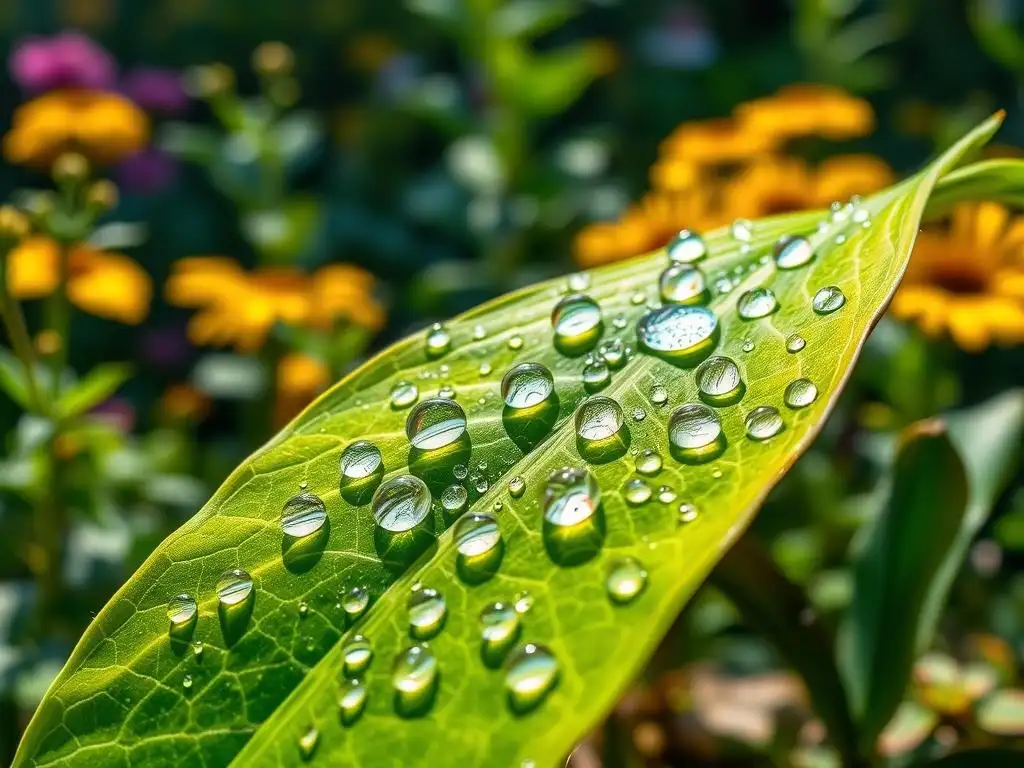
Welcome to CultivateYourFood, your guide to nurturing a thriving home garden using sustainable and organic methods! Are you ready to unlock the secrets to bountiful harvests? We'll delve into the fascinating world of plant care, starting with a crucial element often overlooked: Plant watering for best growth. Discover how proper hydration affects everything from turgor pressure to overall yield in our latest article, "Water's Role in Plant Life: Hydration and Turgor Pressure," and begin your journey towards a greener, healthier, and more rewarding garden. Let's cultivate abundance together!
- Understanding Plant Watering for Best Growth
- Turgor Pressure: The Driving Force Behind Plant Growth
- Plant Watering Techniques for Optimal Growth
- Troubleshooting Common Watering Issues
- Sustainable Watering Practices for Home Gardens
- Monitoring Soil Moisture for Effective Watering
- Frequently Asked Questions
- Final Reflection: The Unsung Hero of Growth – Water's Vital Role
- Unlock Your Plants' Full Potential: Thrive with Hydration!
Understanding Plant Watering for Best Growth
Water is undeniably the lifeblood of any plant, playing a pivotal role in its growth, health, and overall productivity. Mastering the art of plant watering is crucial for successful home gardening, whether you're cultivating vibrant tomatoes, fragrant herbs, or lush leafy greens. This article delves into the fundamental science behind plant hydration, exploring how water contributes to optimal plant growth and what techniques ensure your plants receive the perfect amount of moisture.
We will cover the importance of proper hydration, the fascinating journey water takes through a plant, and the critical role water plays in the process of photosynthesis – all essential components for achieving thriving and bountiful harvests using sustainable and organic practices. Understanding these principles will empower you to cultivate healthy plants and enjoy the rewards of your homegrown produce. Let's dive into the science of keeping your plants optimally hydrated for peak performance!
The Importance of Proper Hydration for Plant Health
Proper hydration is paramount for plant health and growth. Water acts as a solvent, dissolving essential nutrients within the soil that are then absorbed by the roots. These nutrients, in their dissolved form, are transported throughout the plant, fueling its various metabolic processes. Insufficient watering leads to wilting, stunted growth, and reduced yield.
Conversely, overwatering can be equally detrimental, leading to root rot and other diseases. The optimal watering frequency depends on various factors, including the type of plant, soil type, climate, and pot size. For example, clay pots dry out much faster than plastic ones, requiring more frequent watering. Similarly, plants in full sun will require more frequent hydration than those in shade.
Observing your plants carefully – checking the soil moisture level and looking for signs of wilting – is key to determining the appropriate watering schedule. Remember, the goal is to maintain consistently moist but not waterlogged soil, allowing for proper aeration around the roots. Consistent monitoring and careful adjustment are essential for successful plant cultivation. 💦
Water Uptake and Transportation in Plants: From Roots to Leaves
Water enters the plant through its roots via osmosis, a process driven by the difference in water potential between the soil and the root cells. The root hairs, tiny extensions of root cells, significantly increase the surface area for water absorption. Once inside the roots, water travels through the xylem, a specialized vascular tissue that forms a continuous network throughout the plant.
The xylem acts like a straw, transporting water upwards from the roots to the leaves against gravity. This upward movement is facilitated by a combination of factors, including capillary action, root pressure, and transpiration. Transpiration, the evaporation of water from the leaves, creates a pulling force that draws water up the xylem.
This continuous flow of water is essential for delivering nutrients and maintaining turgor pressure, which keeps the plant upright and its cells firm. The efficiency of water transport is influenced by environmental factors such as temperature and humidity, highlighting the importance of providing appropriate conditions for optimal plant growth. Understanding this complex process allows for a more informed approach to plant care and irrigation techniques.
The Crucial Role of Water in Photosynthesis
Photosynthesis, the process by which plants convert light energy into chemical energy, is heavily reliant on water. Water molecules are split during the light-dependent reactions of photosynthesis, releasing electrons that are essential for the production of ATP (adenosine triphosphate) and NADPH (nicotinamide adenine dinucleotide phosphate), which are the energy carriers driving the subsequent synthesis of sugars. Without sufficient water, the rate of photosynthesis decreases significantly, impacting plant growth and overall productivity.
The availability of water directly affects the stomata, tiny pores on the leaves that regulate gas exchange. When water is scarce, the stomata close to conserve water, but this also limits the uptake of carbon dioxide, a crucial ingredient for photosynthesis.
Therefore, maintaining adequate hydration is directly linked to the plant's ability to efficiently carry out photosynthesis and produce the energy it needs to thrive. Optimizing watering practices ensures the continuous supply of water needed for this essential life process.
Turgor Pressure: The Driving Force Behind Plant Growth
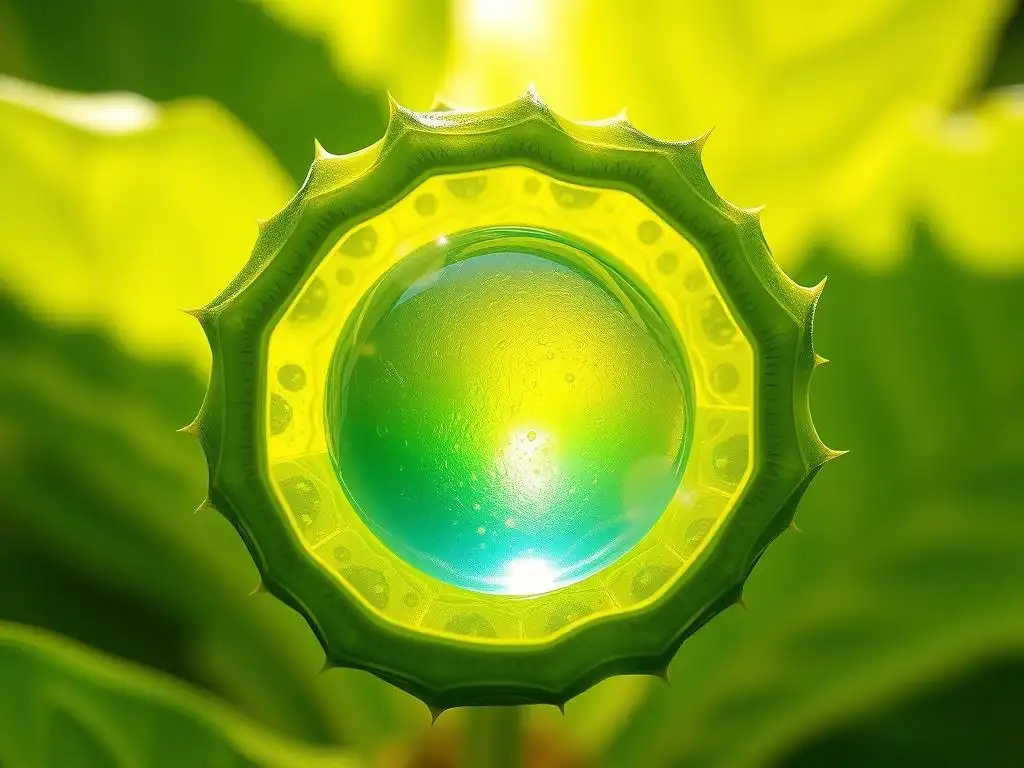
Turgor pressure is the pressure exerted by water inside a plant cell against the cell wall. This pressure is crucial for plant growth, structure, and overall health. Think of it as the plant's internal "skeleton," providing rigidity and support. Without sufficient turgor pressure, plants wilt and become vulnerable to disease and pests. Optimal turgor pressure is directly linked to effective plant watering for best growth, making it a key concept for successful home cultivation. Understanding how turgor pressure functions is fundamental to mastering plant hydration. We'll explore this vital mechanism and its relationship with water management in detail.
What is Turgor Pressure and How Does it Work?
Plant cells possess a rigid cell wall surrounding a semi-permeable cell membrane. Inside the cell is a watery solution called the cytoplasm, containing dissolved nutrients and other essential substances. When a plant is adequately watered, water moves into the cell via osmosis, a process driven by the difference in water potential between the soil and the cell. As water enters the cell, it increases the internal pressure against the cell wall, creating turgor pressure.
This pressure pushes the cell membrane against the cell wall, keeping the cell firm and turgid. The degree of turgor pressure directly reflects the plant's hydration status. A well-hydrated plant boasts high turgor pressure, leading to strong, upright growth. Conversely, insufficient water leads to reduced turgor pressure, resulting in wilting.
This process is not static. Water constantly moves in and out of plant cells, influenced by environmental factors like temperature, humidity, and sunlight. Transpiration, the loss of water vapor from leaves, plays a significant role. As water evaporates from leaves, it creates a "pull" that draws water upwards from the roots through the xylem, the plant's vascular system. This continuous flow of water maintains turgor pressure, ensuring the plant's structural integrity and facilitating nutrient transport throughout the plant. Effective plant watering for best growth, therefore, necessitates a balance between water uptake and water loss.
Maintaining Optimal Turgor Pressure Through Effective Watering Techniques
Maintaining optimal turgor pressure requires careful attention to watering practices. The key is to provide sufficient water to prevent wilting without overwatering, which can lead to root rot and other problems. The specific watering needs vary greatly depending on the plant species, its growth stage, the climate, and the type of soil.
Here's a breakdown of effective watering strategies:
- Water deeply and less frequently: Encourage deep root growth by watering thoroughly until water drains from the bottom of the pot or soil bed. This promotes deeper root systems, leading to better water absorption and increased drought tolerance. Allow the soil to dry slightly between waterings to prevent waterlogging.
- Observe the soil moisture: Don't rely on a fixed schedule. Check the soil moisture before watering. Stick your finger about an inch into the soil; if it feels dry, it's time to water.
- Consider the plant's needs: Different plants have different water requirements. Research the specific needs of your plants to tailor your watering strategy accordingly. Succulents, for instance, require much less frequent watering than leafy greens.
- Use appropriate watering methods: Overhead watering can lead to fungal diseases. Consider using a watering can or drip irrigation to deliver water directly to the base of the plant.
- Mulch your plants: Mulch helps retain soil moisture, reducing the frequency of watering and minimizing water loss through evaporation.
Signs of Underwatering and Overwatering: Recognizing the Symptoms
Recognizing the symptoms of underwatering and overwatering is crucial for maintaining optimal plant health. Both conditions negatively impact turgor pressure, leading to visible changes in the plant.
| Symptom | Underwatering | Overwatering |
|---|---|---|
| Leaves | Wilting, drooping, browning, leaf curl | Yellowing, browning, leaf drop, mushy texture |
| Soil | Dry, crumbly | Soggy, waterlogged |
| Growth | Stunted growth, slow development | Stunted growth, root rot |
| Stems | Brittle, weak | Soft, mushy |
| Overall Appearance | Lethargic, weak | Pale, sickly |
Early detection is key. If you notice any of these symptoms, adjust your watering practices immediately. For underwatered plants, provide a thorough watering. For overwatered plants, allow the soil to dry out and consider improving drainage. Remember, consistent monitoring and prompt action are essential for maintaining healthy plants with optimal turgor pressure. Effective plant watering for best growth is a continuous process of observation and adjustment. 🌱
Plant Watering Techniques for Optimal Growth
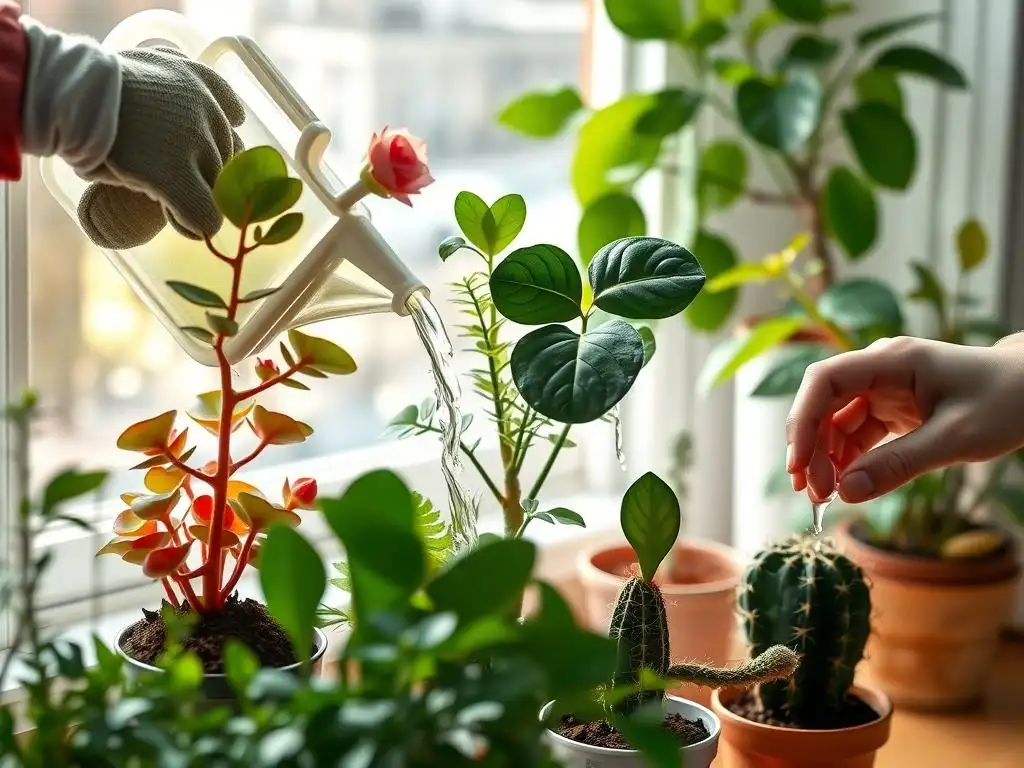
This section delves into the practical application of understanding water's role in plant life, focusing on techniques for optimal plant growth through efficient watering. Mastering these techniques is crucial for achieving bountiful harvests and healthy plants, regardless of the specific fruits, vegetables, or herbs you're cultivating. Proper plant watering is fundamental to achieving the best growth and yield.
Watering Frequency: Adapting to Different Plants and Seasons
Watering frequency is not a one-size-fits-all solution. It depends heavily on several factors, including plant type, soil type, climate, and season. Overwatering is just as detrimental as underwatering, leading to root rot or wilting, respectively.
Consider these points when determining your watering schedule:
- Plant Type: Succulents, for example, require far less frequent watering than leafy greens. Deep-rooted plants like tomatoes can tolerate longer periods between waterings than shallow-rooted plants like lettuce. Understanding your plant's specific water needs is paramount.
- Soil Type: Sandy soils drain quickly, requiring more frequent watering than clay soils, which retain moisture longer. Well-draining soil is crucial to prevent waterlogging and root rot. Amend heavy clay soils with organic matter to improve drainage.
- Climate: Hot, dry climates necessitate more frequent watering than cooler, more humid ones. Monitor your plants closely during heat waves, as they may require additional watering.
- Season: Plants generally require more frequent watering during hot summer months and less during cooler spring and fall months. Reduce watering frequency during dormancy periods in winter.
Here’s a simplified table to illustrate the concept:
| Plant Type | Soil Type | Summer Watering Frequency (approx.) | Winter Watering Frequency (approx.) |
|---|---|---|---|
| Tomatoes | Sandy | Daily or every other day | Every 3-5 days |
| Lettuce | Clay | Every 2-3 days | Every 5-7 days |
| Succulents | Well-draining | Once every 1-2 weeks | Once every 2-4 weeks |
| Herbs (Basil, Mint) | Well-draining | Every 2-3 days | Every 3-5 days |
Remember to always check the soil moisture before watering. Stick your finger about an inch into the soil; if it feels dry, it's time to water. Avoid watering based solely on a schedule; adapt to the specific needs of your plants and environmental conditions. Consistent monitoring is key to successful plant watering for best growth.
Watering Methods: Drip Irrigation, Soaker Hoses, and Hand Watering
The method of watering significantly impacts water efficiency and plant health. Different methods suit different garden setups and plant types.
- Drip Irrigation: This method delivers water directly to the plant's roots, minimizing water loss through evaporation. It's highly efficient and ideal for larger gardens or areas with limited water resources. Drip irrigation systems also reduce weed growth around plants by keeping the soil surface dry.
- Soaker Hoses: These are porous hoses that slowly release water over a longer period. They're a more affordable and simpler alternative to drip irrigation, well-suited for smaller gardens or raised beds. They provide consistent moisture to the soil and are less likely to cause soil erosion compared to other methods.
- Hand Watering: While less efficient than drip irrigation or soaker hoses, hand watering allows for more control and observation. It's best suited for small gardens or individual plants that require careful attention. Ensure thorough watering to reach the roots, avoiding surface wetting only. Using a watering can with a rose head helps distribute water evenly.
Choosing the right method depends on your garden's size, your budget, and your level of involvement. Consider the pros and cons of each method before making a decision. Experiment to find what works best for you and your plants.
Choosing the Right Water Source: Tap Water vs. Rainwater
The quality of water used for irrigation also plays a significant role in plant health. While tap water is readily available, its chemical composition might not be ideal for all plants.
- Tap Water: Tap water often contains chlorine and other chemicals that can be harmful to plants. Allowing tap water to sit overnight helps dissipate chlorine. The mineral content of tap water can also vary depending on your location, potentially affecting plant growth. Testing your tap water's pH is advisable to ensure it's within the optimal range for your plants.
- Rainwater: Rainwater is generally considered the best water source for plants, being naturally soft and free of chemicals. Collecting rainwater through rain barrels is a sustainable and environmentally friendly practice. Rainwater also helps to naturally leach salts from the soil.
Ideally, rainwater harvesting should be a priority. However, if rainwater isn't readily available, using tap water that has been allowed to sit for at least 24 hours is a suitable alternative. Always be mindful of the potential impact of your water source on your plants' health and adjust your watering practices accordingly. Sustainable and organic gardening practices emphasize the use of rainwater whenever possible.
Troubleshooting Common Watering Issues
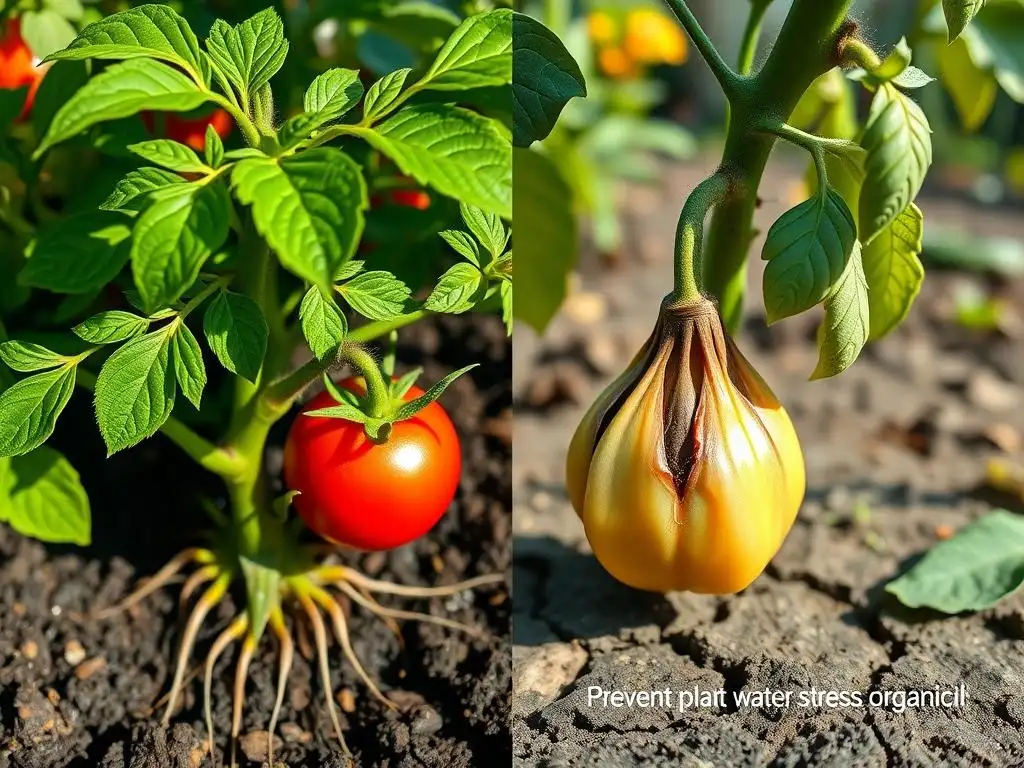
This section delves into the practical aspects of plant watering, focusing on identifying and resolving common problems that hinder optimal plant growth. Mastering proper watering techniques is crucial for achieving lush, healthy plants, and understanding the nuances of plant hydration is key to successful cultivation. This will help you achieve the best plant watering for best growth.
Dealing with Wilting Plants: Diagnosing and Addressing the Problem
Wilting is a common sign of plant stress, often indicating insufficient water. However, it's crucial to differentiate between wilting caused by underwatering and other factors. Overwatering can also lead to wilting, as waterlogged soil suffocates roots and prevents nutrient uptake. The key is careful observation.
- Underwatering: Leaves will appear dry and brittle, often curling upwards. The soil will be dry to the touch, several inches below the surface. Addressing this involves thorough watering, ensuring water penetrates deeply into the root zone. You might need to water more frequently, especially during hot, dry periods. Consider using a moisture meter to monitor soil moisture levels for more precise watering.
- Overwatering: Leaves may wilt despite moist soil. The soil will likely be soggy, and you may notice a foul odor. The roots may be rotting. Treatment involves allowing the soil to dry out partially before watering again. Improving soil drainage by adding organic matter like compost can prevent future occurrences. In severe cases, repotting with fresh, well-draining soil might be necessary.
- Other Factors: Wilting can also result from pest infestations (e.g., aphids sucking sap), diseases, or even extreme temperatures. Careful inspection of the plant for pests or signs of disease is vital. If wilting persists despite proper watering and no visible pests or diseases, consider factors like extreme heat or nutrient deficiencies. Providing shade during peak sun hours or adjusting fertilization practices might be necessary. Remember, consistent monitoring is crucial for early detection and timely intervention. This proactive approach is essential for healthy plant development and achieving the best plant watering for best growth.
Preventing Root Rot: Ensuring Proper Drainage and Soil Aeration
Root rot, a devastating fungal disease, thrives in consistently wet soil. Preventing root rot is paramount for healthy plant growth. This involves ensuring adequate drainage and sufficient aeration within the soil.
- Drainage: Well-draining soil is essential. Amend heavy clay soils with organic matter like compost or perlite to improve drainage. Ensure pots have drainage holes to prevent water from accumulating at the base. Avoid overwatering, allowing the top inch or two of soil to dry out between waterings.
- Aeration: Good soil aeration allows oxygen to reach the roots, crucial for their health and function. Adding organic matter improves soil structure, creating air pockets that facilitate oxygen exchange. Avoid compacting the soil during planting or watering. Regularly loosen the top layer of soil to improve aeration, particularly in container gardens.
- Choosing the Right Pot: The size and material of the pot also affect drainage and aeration. Terracotta pots are porous and allow for better airflow compared to plastic pots. Choose pots with appropriate drainage holes, and avoid over-potting, which can lead to excessive moisture retention. Proper pot selection is another crucial aspect of achieving the best plant watering for best growth.
The Impact of Soil Type on Water Retention and Plant Hydration
Different soil types possess varying water retention capacities. Understanding how your soil type affects water retention is key to effective watering practices.
| Soil Type | Water Retention | Drainage | Watering Frequency |
|---|---|---|---|
| Sandy Soil | Low | Excellent | Frequent |
| Silty Soil | Moderate | Moderate | Moderate |
| Clay Soil | High | Poor | Infrequent |
| Loamy Soil (Ideal) | Moderate | Good | Moderate |
Sandy soils drain quickly, requiring more frequent watering. Clay soils retain water for extended periods, making overwatering a significant risk. Loamy soil, a balanced mix of sand, silt, and clay, offers the best combination of water retention and drainage. Knowing your soil type allows you to tailor your watering schedule accordingly, optimizing water usage and promoting healthy plant growth.
This precise approach is essential for achieving the best plant watering for best growth. Regular soil testing can help determine its type and inform your watering strategy. Amendments like compost can improve the water retention and drainage properties of most soil types.
Sustainable Watering Practices for Home Gardens
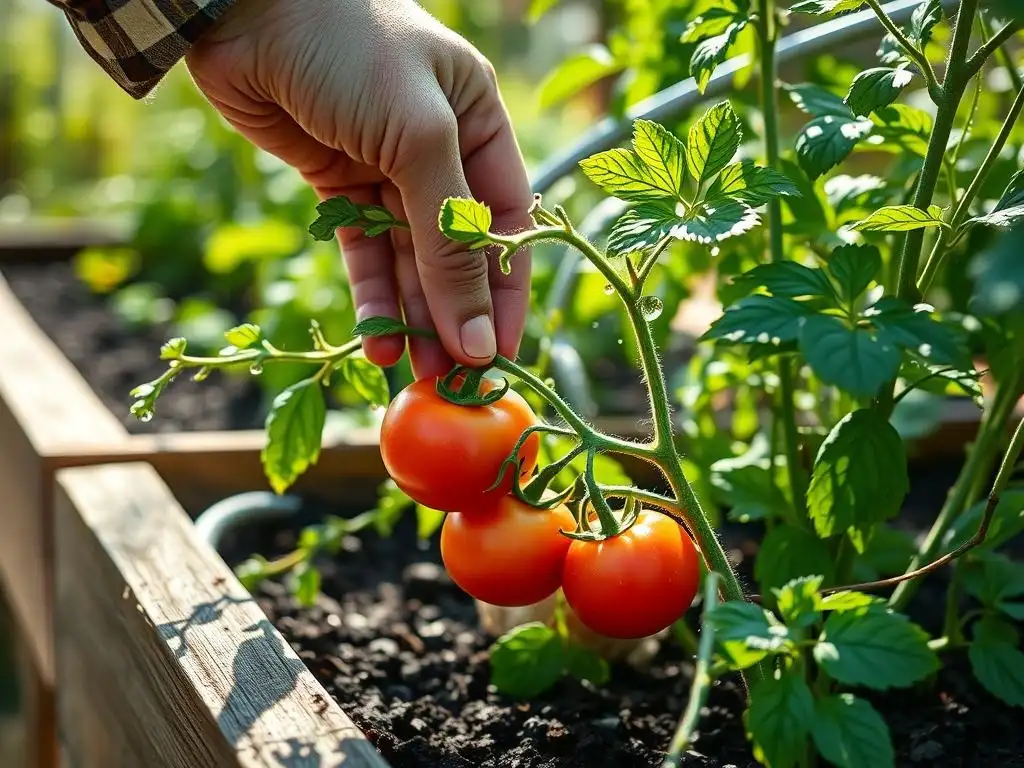
Sustainable plant watering is crucial for optimal growth while minimizing water waste and environmental impact. Efficient irrigation techniques, coupled with mindful water usage, are key components of a thriving, eco-conscious garden. This section explores practical strategies to achieve this balance, focusing on methods that enhance plant health and promote water conservation.
Understanding your plants' specific water needs is paramount; overwatering can be just as detrimental as underwatering, leading to root rot or stunted growth. Therefore, a balanced approach is essential for achieving the best growth and yield in your home garden. Proper plant watering for best growth involves more than just turning on a hose; it requires understanding the nuances of water absorption and plant physiology.
Water Conservation Techniques for Efficient Irrigation
Efficient irrigation is the cornerstone of sustainable plant watering. Drip irrigation, for instance, delivers water directly to the roots, minimizing evaporation and runoff. This method significantly reduces water consumption compared to traditional overhead sprinklers, which can lose a substantial amount of water to evaporation, especially during hot, windy days.
Consider the following data: a study by [specific information pending] showed that drip irrigation systems reduced water usage by 40-60% compared to sprinkler systems in similar climatic conditions. Furthermore, soaker hoses offer a less expensive alternative, providing gentle, consistent watering along their length. Choosing the right irrigation method based on your garden's size and plant types is crucial for maximizing efficiency and achieving optimal plant watering for best growth.
Another crucial aspect is scheduling your watering. Watering deeply but less frequently encourages deeper root growth, making plants more drought-tolerant in the long run. Shallow, frequent watering, on the other hand, leads to shallow roots, making plants more susceptible to stress during dry periods. Consider using a soil moisture meter to monitor soil moisture levels before watering, ensuring you only water when necessary, thereby preventing overwatering and conserving water. This practice is particularly important for different types of plants, as their water requirements vary greatly. For example, succulents require significantly less frequent watering compared to leafy greens.
Utilizing Rainwater Harvesting for Sustainable Plant Watering
Rainwater harvesting offers a sustainable and cost-effective way to supplement your garden's water needs. Collecting rainwater reduces reliance on municipal water supplies, conserving precious resources and minimizing your environmental footprint. Simple systems, such as rain barrels connected to downspouts, can collect substantial amounts of water, especially during periods of heavy rainfall. This collected rainwater is naturally soft and free of chemicals often found in treated tap water, making it ideal for nurturing your plants.
The benefits extend beyond water conservation. Rainwater is naturally slightly acidic, a pH level that many plants prefer. This can contribute to improved plant health and nutrient uptake.
Furthermore, rainwater harvesting reduces the strain on municipal water systems, contributing to a more sustainable community-wide water management strategy. Setting up a rainwater harvesting system is a relatively simple process, and the long-term benefits far outweigh the initial investment, particularly in areas with limited water resources or high water costs. The collected water can be used for various purposes, including irrigating vegetable patches, fruit trees, and flowerbeds, effectively reducing your reliance on treated water for plant watering for best growth.
Mulching Strategies to Reduce Water Loss and Improve Soil Health
Mulching is a highly effective technique to conserve water and enhance soil health simultaneously. A layer of organic mulch, such as wood chips, straw, or shredded leaves, acts as a barrier against evaporation, reducing water loss from the soil surface. This is especially beneficial during hot, dry periods. The mulch also helps regulate soil temperature, preventing extreme fluctuations that can stress plants. Furthermore, mulch improves soil structure, increasing its water-holding capacity.
Studies have shown that mulching can significantly reduce water usage in gardens. [Specific information pending] By reducing evaporation, mulch allows you to water less frequently, saving both water and time. Beyond water conservation, mulching suppresses weeds, reducing competition for water and nutrients. The decomposing organic matter also enriches the soil, improving its fertility and overall health.
Choosing the right type of mulch for your plants and soil conditions is crucial for maximizing its benefits. For instance, heavier mulches are better suited for retaining moisture in dry climates. Applying mulch correctly, ensuring an adequate depth without smothering plants, is vital for achieving optimal results and ensuring the best plant watering for best growth.
Monitoring Soil Moisture for Effective Watering
Effective plant watering hinges on understanding the soil's moisture content. Overwatering leads to root rot and nutrient deficiencies, while underwatering stunts growth and weakens plants, making them susceptible to pests and diseases. Therefore, regularly monitoring soil moisture is crucial for achieving optimal plant growth and maximizing your harvest. This involves a combination of technological tools and keen observation skills. Getting this right is key to mastering plant watering for best growth.
Using a Soil Moisture Meter for Accurate Measurements
A soil moisture meter provides a precise, quantifiable measurement of soil wetness. These handy tools come in various designs, from simple analog probes to digital meters with multiple sensor readings. The principle is the same: a probe is inserted into the soil, and the meter displays a reading, often represented as a percentage of water saturation or a scale indicating dry, moist, or wet conditions.
For best results, use the meter multiple times in different locations around the plant. Soil moisture can vary significantly even within a small area, especially in containers or raised beds. Avoid over-reliance on a single reading. Consider the type of soil you're working with; clay soils tend to retain water longer than sandy soils.
This will influence the interpretation of the meter's reading. Regularly calibrating your meter according to the manufacturer's instructions will ensure accurate and consistent measurements over time. Remember, the goal is not to achieve 100% saturation but to maintain a consistently moist, yet well-drained, soil environment. This is crucial for ensuring healthy plant watering for best growth.
Observing Visual Cues: Soil Texture and Plant Appearance
While technology provides precise measurements, visual cues offer valuable insights into soil moisture levels. A simple finger test is a quick and effective way to assess soil moisture. Insert your index finger about an inch into the soil. If the soil feels dry to the touch, it's time to water. If it feels slightly moist, you can wait. If it feels soggy or muddy, you may be overwatering.
Beyond the finger test, observe the plant itself. Wilting leaves, especially during the hottest part of the day, indicate a need for watering. However, be aware that some plants naturally wilt during the day and recover at night.
Pay attention to the overall appearance of the plant: drooping leaves, yellowing, or browning can be symptoms of both under- and overwatering, depending on other factors. Combine this visual assessment with your finger test and/or soil moisture meter readings for a comprehensive understanding of your plant's hydration needs. Consistent monitoring of these cues is essential for effective plant watering for best growth.
Adjusting Watering Schedules Based on Environmental Conditions
Watering schedules are not static; they need to adapt to changing environmental conditions. Factors such as temperature, humidity, sunlight, wind, and rainfall significantly influence how quickly soil dries out. During hot, dry, and windy periods, plants will require more frequent watering. Conversely, during cooler, cloudy, and humid days, watering frequency can be reduced.
Consider the following:
| Factor | Impact on Watering Schedule | Example |
|---|---|---|
| Temperature | Higher temperatures increase evaporation, requiring more frequent watering. | 90°F (32°C) day requires more frequent watering than a 70°F (21°C) day. |
| Humidity | Higher humidity reduces evaporation, requiring less frequent watering. | Humid climate requires less frequent watering than a dry climate. |
| Sunlight | More sunlight increases evaporation, requiring more frequent watering. | Plants in full sun require more frequent watering than those in shade. |
| Wind | Wind increases evaporation, requiring more frequent watering. | Windy locations require more frequent watering than sheltered areas. |
| Rainfall | Rainfall reduces the need for supplemental watering. | Adjust watering schedule based on the amount of rainfall received. |
By carefully observing these environmental factors and adapting your watering schedule accordingly, you ensure that your plants receive the precise amount of water they need, maximizing their growth potential. This careful approach to plant watering for best growth is crucial for a thriving garden.
Frequently Asked Questions
How often should I water my plants?
There's no single answer; it depends on factors like plant type, soil type, climate, and pot size. Generally, water when the top inch of soil feels dry. Overwatering is more common than underwatering.
What's the best time of day to water plants?
Watering in the morning is generally recommended. This allows leaves to dry before nightfall, reducing the risk of fungal diseases. Evening watering can lead to damp conditions overnight.
How can I tell if my plants need water?
Check the soil moisture by sticking your finger about an inch into the soil. If it feels dry, it's time to water. Wilting leaves can also be a sign of thirst, but this is a late indicator.
What type of water is best for my plants?
Use room temperature water whenever possible. Avoid using very cold or very hot water. Avoid chlorinated water if possible, as chlorine can harm plants. Rainwater is ideal.
How does watering affect plant growth?
Proper watering is crucial for optimal growth. Water provides turgor pressure, keeping plants upright and allowing for nutrient uptake. Insufficient watering leads to stunted growth and wilting.
Final Reflection: The Unsung Hero of Growth – Water's Vital Role
The lifeblood of our planet, water, is not merely a necessity for plant survival; it's the very architect of their growth and prosperity. Understanding the intricate dance between hydration and turgor pressure is not just botanical knowledge; it's the key to unlocking the full potential of any plant, from a humble houseplant to a sprawling agricultural field. This knowledge empowers us to cultivate thriving ecosystems, both large and small.
The impact of proper watering techniques extends far beyond the individual plant; it ripples outwards, influencing entire landscapes and food security. We've explored the science behind turgor pressure, the mechanism by which plants stand tall and strong, and how even slight imbalances can lead to wilting and stunted growth. This understanding underscores the importance of mindful watering practices. The earth without art is just 'eh'.
– While not directly about plants, this quote highlights the transformative power of understanding and applying knowledge to nurture life, mirroring the impact of proper plant watering.
Now, consider your own relationship with the natural world. How can you apply the principles discussed here to nurture the plants in your life? Whether it's a single succulent on your windowsill or a vibrant vegetable garden, take a moment to observe your plants closely. Learn their individual needs, understand their subtle cues, and respond with mindful watering practices. By doing so, you'll not only cultivate healthier plants but also cultivate a deeper appreciation for the interconnectedness of life and the vital role water plays in it all.
Unlock Your Plants' Full Potential: Thrive with Hydration!
Thanks for exploring the world of plant hydration! You now have a solid understanding of how water fuels growth and keeps your plants healthy. Ready to put this knowledge into practice?
- Develop a personalized watering schedule: Carefully consider each plant's unique needs, including soil type, sunlight exposure, and species, to create the perfect watering plan. This is crucial for success.
- Share your gardening experiences: Connect with other plant enthusiasts to discuss your successes and challenges. Let's cultivate a thriving community of gardeners together.
- Explore various watering methods: Experiment with techniques like bottom-watering or drip irrigation to discover the most efficient and effective approach for your plants and lifestyle.
What's the first adjustment you'll make to your watering routine based on what you've learned?