
The Art of the Urban Trellis: Supporting Your Plants in Small Spaces

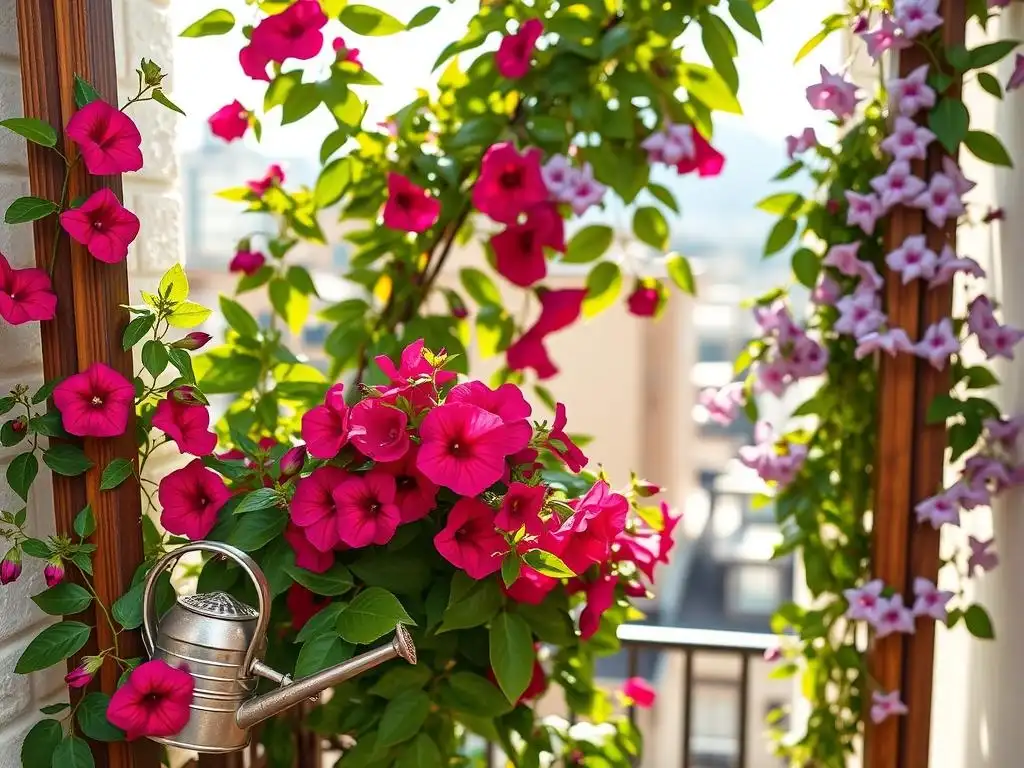
Welcome to CultivateYourFood, your guide to a greener, more fulfilling life through homegrown goodness! Are you dreaming of fresh, organic produce, but short on space? Then prepare to be inspired by our exploration of Urban trellis plant support ideas, ingenious solutions for maximizing yields in even the smallest urban gardens. Discover how simple structures can transform your balcony, patio, or even windowsill into a thriving oasis. Let's unlock the secrets to successful urban farming – read on to learn more!
- Maximizing Vertical Space: Urban Trellis Plant Support Ideas
- Designing Your Urban Trellis System: Planning for Success
- Building and Installing Your Urban Trellis: A Step-by-Step Guide
- Maintaining Your Urban Trellis and Plants
- Harvesting and Enjoying the Fruits (and Vegetables!) of Your Labor
- Advanced Urban Trellis Techniques for Increased Yields
- Frequently Asked Questions
- Final Reflection: Weaving Green into the Urban Fabric
- Unleash Your Inner Urban Gardener!
Maximizing Vertical Space: Urban Trellis Plant Support Ideas
Urban gardening presents unique challenges, especially when space is limited. Finding ways to maximize yield in small plots requires creative solutions, and the urban trellis is a prime example of ingenious space-saving technology. This article delves into the art of the urban trellis, providing practical advice and inspiring ideas for supporting your plants, even in the smallest of urban gardens. We'll explore various trellis types, materials, and DIY projects to help you cultivate a thriving, vertical garden, boosting your harvest and adding aesthetic appeal to your outdoor space. This guide will empower you to transform your limited urban area into a productive and visually stunning oasis, proving that even the smallest balcony or backyard can yield abundant harvests. We'll cover everything from selecting the perfect trellis for your plants and space to building your own custom trellis using readily available materials. Let's get started on maximizing your urban gardening potential!
Choosing the Right Trellis for Your Urban Garden
Selecting the appropriate trellis is crucial for the success of your vertical garden. The type of trellis you choose will depend on several factors, including the type of plants you're growing, the available space, and your aesthetic preferences. Consider these key aspects:
- Plant Type: Different plants have different growth habits. Vining plants like cucumbers, tomatoes, and beans require a sturdy trellis with ample support, while smaller herbs might only need a simple, less robust structure.
- Space Constraints: Measure your available space carefully before purchasing or building a trellis. A large, sprawling trellis might overwhelm a small balcony, while a tiny trellis might not provide sufficient support for vigorous growers.
- Aesthetics: Trellises come in a variety of styles and designs. Choose a trellis that complements your existing outdoor decor and enhances the overall aesthetic of your urban garden.
Here's a table summarizing suitable trellis types for different plants:
| Plant Type | Recommended Trellis Type | Notes |
|---|---|---|
| Tomatoes | Obelisk, cage, or A-frame trellis | Requires strong support due to heavy fruit. |
| Cucumbers | Vertical trellis, netting | Needs ample space for sprawling vines. |
| Beans (pole beans) | Pole trellis, teepee trellis | Requires tall, sturdy support. |
| Herbs (basil, mint) | Small wall-mounted trellis, decorative cage | Less robust support needed. |
Remember to always prioritize sturdiness. A wobbly trellis will not only fail to support your plants but could also cause damage or injury.
Different Trellis Materials: Wood, Metal, and More
The material you choose for your trellis significantly impacts its durability, aesthetic appeal, and overall lifespan. Let's explore some popular options:
- Wood: Wooden trellises offer a natural and rustic look, blending seamlessly with most garden settings. They are relatively easy to work with for DIY projects but require regular maintenance to prevent rot and insect damage. Cedar and redwood are particularly durable choices.
- Metal: Metal trellises, often made of steel or aluminum, are incredibly strong and durable, able to withstand harsh weather conditions. They are low-maintenance but can be more expensive than wood and may rust over time if not properly treated.
- Plastic/PVC: Plastic or PVC trellises are lightweight, affordable, and easy to assemble. However, they are less durable than wood or metal and may not be as aesthetically pleasing.
- Recycled Materials: Get creative and use recycled materials like pallets or repurposed metal to build a unique and sustainable trellis. This is a great way to reduce waste and add a personal touch to your garden.
Consider the pros and cons of each material before making your decision. The best material for you will depend on your budget, DIY skills, and aesthetic preferences. Remember to factor in the weight of your plants when choosing a material; a sturdy material is essential for supporting heavy plants.
DIY Trellis Projects for Small Spaces
Building your own trellis can be a rewarding experience, allowing you to customize the design and size to perfectly fit your space and plants. Here are a few simple DIY trellis ideas perfect for small urban spaces:
- A-frame trellis: This classic design is easy to build using readily available lumber. It's ideal for tomatoes or other vining plants. You can adjust the size to fit your space.
- Wall-mounted trellis: Perfect for balconies or walls, a wall-mounted trellis can be constructed using simple materials like wood slats or even repurposed metal grids. This option maximizes vertical space without taking up valuable floor area.
- Repurposed materials trellis: Get creative and use recycled materials like pallets or old window frames to build a unique and eco-friendly trellis. This is a cost-effective and sustainable option.
Remember to always prioritize safety when working with tools. If you are unsure about any aspect of the construction process, consult a professional. With a little creativity and effort, you can create a beautiful and functional trellis that will enhance your urban garden and support the healthy growth of your plants. Enjoy the process and the bountiful harvest it will bring!
Adapting Trellises for Specific Plants: Tomatoes, Cucumbers, and Beans
Tomatoes, cucumbers, and beans—three popular choices for the urban gardener—each have unique growth habits that require slightly different trellis designs for optimal support. Understanding these differences is crucial for maximizing yield and preventing damage. Ignoring these nuances can lead to stunted growth, reduced fruit production, and even plant collapse.
For tomatoes, a sturdy structure is paramount. Their relatively heavy fruit requires robust support to prevent bending or breaking stems. Consider using a strong, vertical trellis made from wood or metal, with evenly spaced horizontal supports to hold the weight of the ripening tomatoes. A cage-like structure is also effective, allowing for easy access to the fruits.
Regular pruning and tying the main stem to the trellis is essential to maintain plant shape and prevent overcrowding. Failure to provide adequate support can result in the fruit touching the ground, leading to rot and disease. Think of the support as a scaffold, providing a strong backbone for the plant's growth. The type of tomato also matters; indeterminate varieties (those that continue to grow indefinitely) require taller trellises than determinate varieties (those that grow to a certain height and then stop).
Cucumbers, on the other hand, are vining plants that require a different approach. While they benefit from vertical support, they are less heavy than tomatoes and can tolerate more flexible structures. A simple trellis made from netting or twine strung between stakes is often sufficient. The key here is to provide ample space for the vines to climb and spread.
Overcrowding can lead to poor air circulation, increasing the risk of fungal diseases. Regularly guiding the vines along the trellis is crucial to prevent them from becoming tangled and hindering growth. A well-designed cucumber trellis should encourage the vines to climb upwards, maximizing space utilization and preventing the fruits from dragging on the ground. Furthermore, choosing compact cucumber varieties can also minimize the need for a large trellis.
Finally, beans offer versatility in trellis design. Bush beans generally require minimal support, while pole beans are vigorous climbers needing a sturdy trellis. For pole beans, a strong, vertical trellis, similar to that used for tomatoes, is ideal. However, because beans are lighter than tomatoes, the supports need not be as robust. The spacing of the supports can be slightly wider for pole beans than for tomatoes.
The trellis should be tall enough to accommodate the bean plants' full height, allowing for maximum yield. Pay attention to the variety of beans you're growing; some may require more support than others. A well-supported bean plant will reward you with a bountiful harvest. Remember to regularly check for any damage to the trellis and make repairs as needed.
This careful consideration of each plant's unique needs is key to successful urban gardening. By tailoring your trellis design to the specific plant, you can optimize growth, increase yields, and enjoy a thriving, productive urban garden. Remember, the right trellis is not just about support; it's about maximizing the potential of your plants within the constraints of urban living.
Designing Your Urban Trellis System: Planning for Success
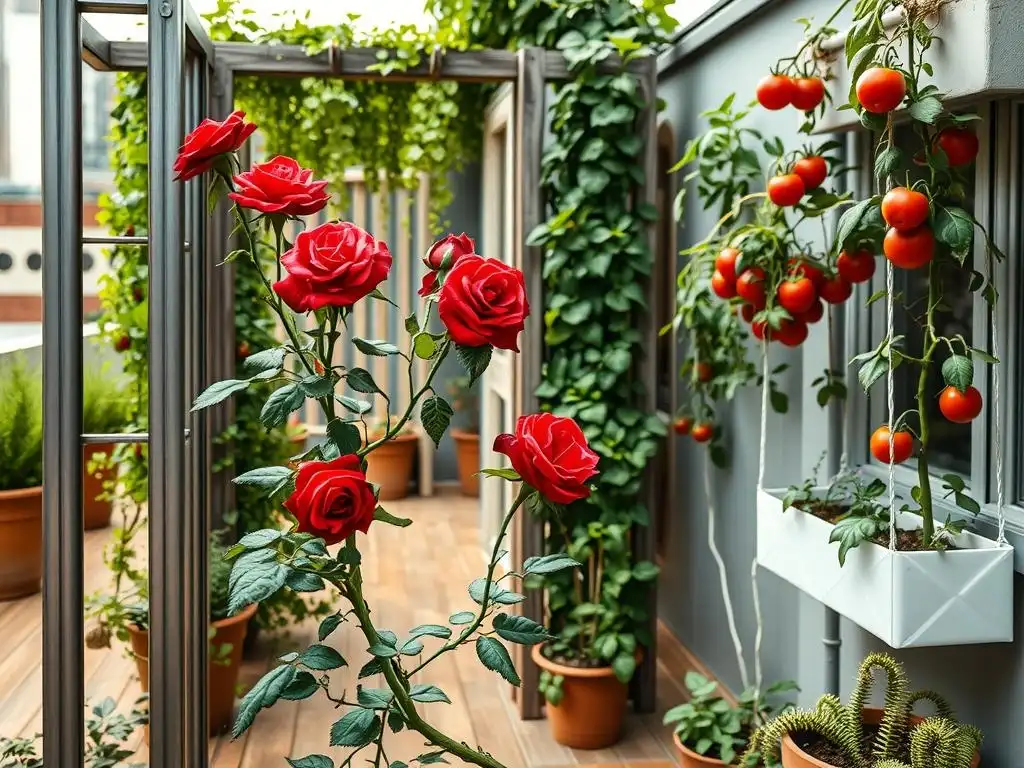
This section focuses on the crucial initial steps in creating a thriving urban trellis system. Careful planning ensures your trellis maximizes space and supports healthy plant growth, ultimately leading to a bountiful harvest. We'll explore key considerations to transform your urban garden from a space-challenged struggle to a vertical farming paradise. Remember, successful urban gardening often hinges on intelligent design.
Assessing Your Space and Sunlight Conditions
Before even thinking about plant selection or trellis materials, a thorough assessment of your space is paramount. This involves more than just measuring the area; it's about understanding the nuances of your environment. Consider these vital factors:
- Available Sunlight: Most fruiting plants, like tomatoes and cucumbers, need at least 6-8 hours of direct sunlight daily. Carefully observe your urban space throughout the day to identify areas receiving optimal sun exposure. Note the direction the sun travels – east-facing trellises receive morning sun, west-facing receive afternoon sun, and south-facing receive the most intense sunlight throughout the day. This will directly influence plant choice and trellis placement.
- Space Dimensions: Measure the length, width, and height of your available area. Consider not only the ground space, but also the vertical space. A small balcony might only accommodate a narrow trellis, while a larger patio could support a more elaborate structure. Think about the overall footprint of the trellis and ensure there's enough room for access and maintenance.
- Structural Considerations: Will your trellis be attached to a building, fence, or freestanding? If attaching to a structure, ensure it can safely support the weight of the trellis and the mature plants. For freestanding trellises, you’ll need sturdy materials and potentially ground anchors for stability, especially in windy conditions.
- Wind Exposure: Strong winds can damage plants and even topple trellises. Consider planting windbreaks or choosing a sheltered location to minimize wind exposure. A more robust trellis design might be necessary in exposed areas. For example, a stronger material like cedar might be preferable to bamboo in a windy location.
Choosing the Right Plants for Trellis Growing
Not all plants thrive on trellises. Selecting appropriate climbing or vining plants is key to success. Here's a breakdown of suitable options, categorized for ease of understanding:
| Plant Type | Examples | Sunlight Needs | Space Requirements | Harvest Time |
|---|---|---|---|---|
| Vining Vegetables | Cucumbers, Zucchini, Beans | Full Sun | Moderate | Summer |
| Climbing Fruits | Tomatoes, Grapes, Kiwis | Full Sun to Partial | High | Summer/Autumn |
| Ornamental Vines | Clematis, Honeysuckle, Ivy | Varies | Varies | Varies |
Remember to consider the mature size of the chosen plants. Overgrown plants can overwhelm a smaller trellis, leading to tangled growth and reduced yield. Research the specific growth habits of your selected plants to ensure they're compatible with your trellis design. For instance, vigorous growers like cucumbers require robust support and ample spacing.
Integrating Trellises into Your Overall Garden Design
Integrating your trellis seamlessly into your existing or planned garden design is crucial for a cohesive and visually appealing space. Consider these aspects:
- Aesthetic Considerations: Choose trellis materials and designs that complement the overall style of your garden. A rustic wooden trellis might suit a traditional garden, while a modern metal trellis would be more appropriate for a contemporary setting. Think about color, texture, and the overall visual impact.
- Functional Integration: Position your trellis strategically to maximize sunlight and minimize shading of other plants. Avoid placing trellises where they obstruct walkways or other garden features. Consider the flow of your garden and how the trellis fits into the overall layout.
- Plant Companionship: Consider companion planting to enhance the growth and health of your trellis plants. For example, basil can deter pests from tomatoes, making for a beneficial combination. Research companion planting strategies to optimize your urban garden's productivity.
- Future Expansion: Design your trellis system with potential expansion in mind. Modular designs allow for easy additions as your garden grows and your needs evolve. This forward-thinking approach ensures your urban gardening system adapts and thrives over time. This is especially important for "urban trellis plant support ideas" that need to evolve with changing plant needs.
Building and Installing Your Urban Trellis: A Step-by-Step Guide
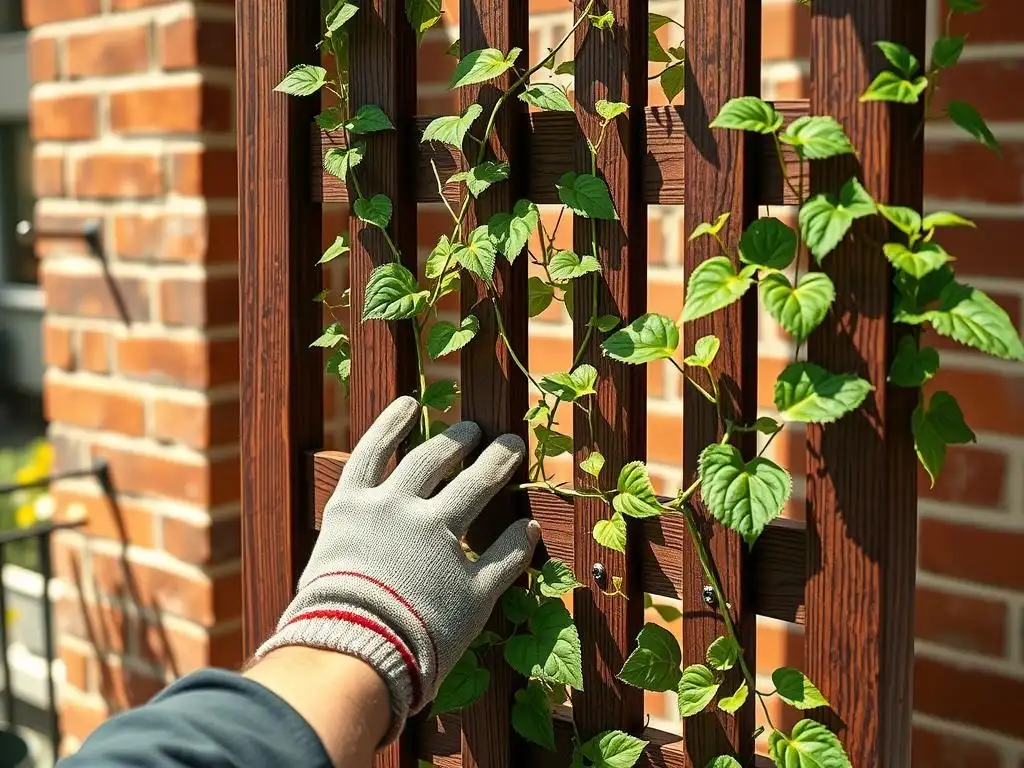
This section provides a practical guide to building and installing your own urban trellis, maximizing vertical space in your small garden. We'll cover everything from site preparation to securing your trellis, ensuring your climbing plants thrive. Remember, proper installation is crucial for the longevity and effectiveness of your trellis system, providing optimal support for your plants and preventing damage. This guide focuses on providing urban trellis plant support ideas suitable for various settings.
Preparing the Site and Gathering Materials
Before you begin construction, careful planning is essential. Assess your chosen location. Consider sunlight exposure – most climbing plants need at least 6 hours of direct sunlight daily. Also, check for existing structures – walls, fences, or posts – that can serve as anchors for your trellis. Accurate measurements are vital to ensure your trellis fits perfectly and provides adequate support for your chosen plants.
Next, gather your materials. The specific materials will depend on your chosen trellis design, but common materials include:
- Wood: Cedar, redwood, or pressure-treated lumber are durable and weather-resistant options. Consider using reclaimed wood for a sustainable approach.
- Metal: Galvanized steel or aluminum are strong and long-lasting, but can be more expensive.
- PVC: A budget-friendly option, but may not be as aesthetically pleasing as wood or metal.
- Strong twine or rope: For attaching plants to the trellis structure.
- Screws, bolts, or nails: Appropriate fasteners for your chosen materials.
- Post hole digger (if necessary): For installing freestanding trellises.
- Level: To ensure your trellis is installed straight.
- Measuring tape: For accurate measurements.
- Safety glasses and gloves: To protect yourself during construction.
Remember to choose materials appropriate for your climate and the weight of your mature plants. A sturdy trellis is crucial, especially for heavy-bearing plants like tomatoes or cucumbers. Consider the overall aesthetics of your trellis in relation to your garden's design.
Assembling Your Chosen Trellis Structure
The assembly process varies significantly depending on your trellis design. Let's consider two common types:
1. Simple Lattice Trellis: This is a beginner-friendly option. You'll need to cut your lumber to the desired dimensions and then use screws or nails to create a lattice pattern. Ensure the spacing between the slats is adequate to allow for air circulation and easy plant access. Here's a simple example using 1x2 inch lumber:
| Step | Description |
|---|---|
| Cut lumber | Cut vertical and horizontal pieces to your desired dimensions. |
| Drill pilot holes | This prevents the wood from splitting when screwing. |
| Assemble lattice | Attach horizontal pieces to vertical pieces, creating a lattice pattern. |
| Secure with screws | Use exterior-grade screws to ensure durability. |
2. A-Frame Trellis: This freestanding design is ideal for smaller spaces and requires more advanced carpentry skills. The assembly involves creating two triangular frames and connecting them at the top. Consider using stronger lumber for added stability. Reinforce joints with metal brackets for extra strength and longevity. Remember to firmly secure all joints to create a stable structure that can withstand the weight of growing plants.
Remember to pre-drill holes to prevent wood splitting and use exterior-grade fasteners for long-lasting results. Always prioritize safety and use appropriate tools and protective gear.
Securing the Trellis to a Wall or Fence
Once your trellis is assembled, it's time to secure it to a wall or fence. The method will depend on the material of your wall or fence and your trellis design.
- For wooden walls or fences: Use long, sturdy screws designed for exterior use. Pre-drill pilot holes to prevent splitting. Ensure the screws are long enough to penetrate the wood sufficiently. Consider using additional supports for extra stability, especially for larger trellises.
- For brick or concrete walls: Use masonry anchors and appropriate drilling equipment. These anchors provide a firm grip and are designed to withstand the weight of the trellis and growing plants. Ensure you use anchors suitable for the weight of your trellis and plants. Consult a professional if unsure about the appropriate technique.
- For metal fences: Use appropriate metal fasteners and ensure they are securely attached to both the trellis and the fence. Consider using additional bracing to strengthen the connection, especially in windy areas.
Remember to check local building codes and regulations before installing your trellis. Proper installation ensures the longevity and safety of your urban gardening project, maximizing the benefits of your urban trellis plant support ideas. Regularly inspect your trellis for any signs of damage or loosening and make necessary repairs promptly. This proactive approach ensures your plants receive optimal support throughout their growth cycle.
Training Your Plants to Climb the Trellis
Training your plants to effectively utilize the trellis is crucial for maximizing yield and maintaining plant health. Different plants require slightly different techniques, but the general principles remain the same. Gentle guidance is key; forceful manipulation can damage delicate stems and leaves. Start early, ideally when the plants are young and pliable. This allows them to adapt to the trellis structure more easily, minimizing stress.
For vining plants like cucumbers, tomatoes, and beans, you'll want to gently guide the tendrils or stems around the trellis supports. Use soft ties made from cloth or biodegradable materials to secure them. Avoid using wire or other materials that can cut into the stems as the plant grows. Regularly check the ties to ensure they aren't constricting the plant's growth. As the plant grows taller, you may need to add more ties to support its weight and prevent it from becoming top-heavy and potentially breaking.
With sprawling plants like squash or melons, you may need to use a different approach. Instead of tying individual stems, you might gently spread the main stems along the trellis, encouraging them to grow horizontally. This allows the plant to maximize sunlight exposure and fruit production. You can use small supports to keep the stems elevated and prevent them from rotting on the ground. Remember to regularly inspect your plants for any signs of disease or pest infestation, addressing these promptly to maintain healthy growth.
The frequency of training will depend on the growth rate of your plant. Some plants are vigorous growers, requiring daily attention in their early stages, while others grow more slowly. Always observe your plants closely and adjust your training schedule accordingly. Remember that patience and consistent attention will lead to a thriving and productive trellis garden.
Observe how your plants naturally grow; understanding their growth habits will make training them much easier and more effective. This careful observation and adaptation are essential for successful urban gardening. Don't be afraid to experiment and find what works best for your specific plants and trellis design.
Maintaining Your Urban Trellis and Plants
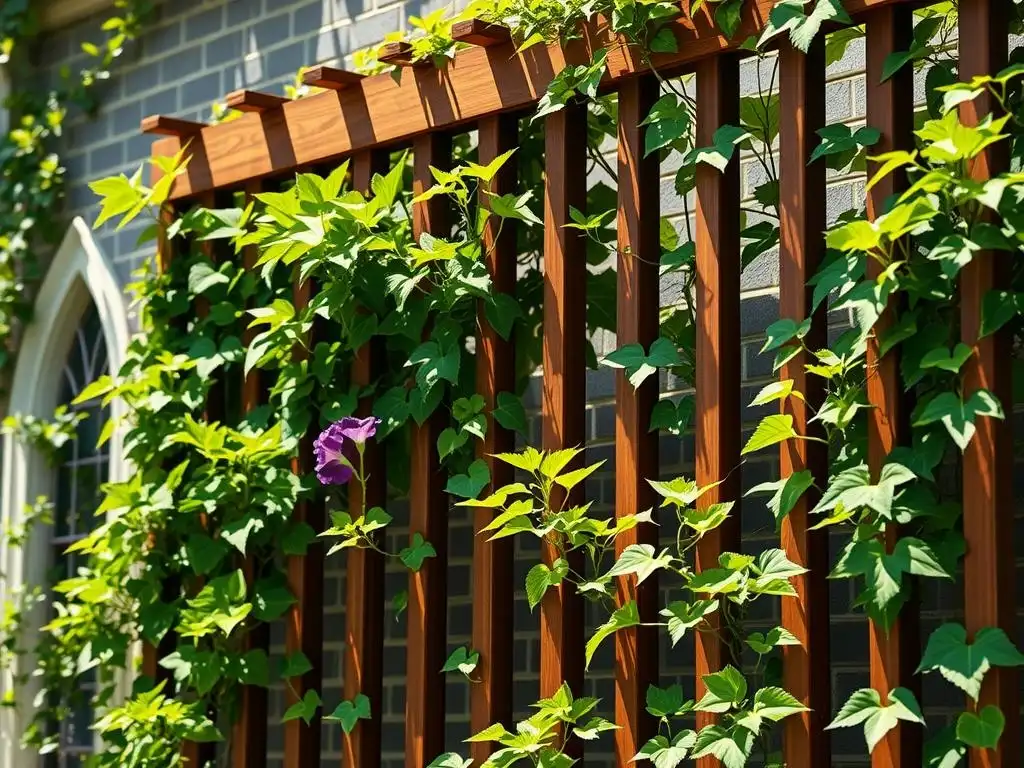
This section focuses on the ongoing care required to keep your urban trellis thriving and supporting your plants effectively. Neglecting maintenance can lead to structural failure, compromised plant health, and reduced yields. Proper upkeep ensures the longevity of your trellis and the success of your urban garden. Remember, regular attention pays dividends in a bountiful harvest.
Regular Inspection and Maintenance of the Trellis
Regular inspection is crucial for the long-term health of your urban trellis. Aim for weekly checks, particularly during periods of heavy growth or inclement weather. Look for signs of wear and tear, such as:
- Loose screws or bolts: Tighten any loose fasteners immediately to prevent structural compromise. Use a screwdriver appropriate for the type of screw and avoid over-tightening, which could strip the threads.
- Damaged or rotting wood: Replace any damaged or rotting sections promptly. Wood rot can weaken the trellis significantly, making it unsafe and unstable. Consider using pressure-treated lumber for increased durability.
- Rusting metal: For metal trellises, check for rust and apply a rust-inhibiting paint or coating as needed. Rust weakens the structure and can impact plant health through potential leaching of harmful substances.
- Sagging or bending: Address any sagging or bending immediately. This may indicate insufficient support or overloading. Consider adding extra supports or distributing the plant weight more evenly.
A well-maintained trellis is a strong trellis. Proactive maintenance prevents costly repairs and ensures your plants receive the support they need throughout their growing season. Remember to clean your trellis regularly to remove debris and prevent the build-up of pest infestations.
Providing Support and Guidance for Growing Plants
Once your trellis is established, providing the right support for your climbing plants is key. This involves training the plants to climb the trellis effectively and preventing overcrowding. Here's how:
- Training Vines: Gently guide young vines onto the trellis structure using soft ties or clips. Avoid using wire or anything that could damage the delicate stems. Regularly adjust the ties as the plants grow to ensure they remain supported and evenly distributed across the trellis.
- Preventing Overcrowding: Regular pruning is essential to prevent overcrowding. Overcrowded plants compete for resources, leading to reduced yields and increased susceptibility to pests and diseases. Thin out excess growth to ensure adequate air circulation and sunlight penetration.
- Using Plant Supports: In addition to the trellis, consider using additional supports such as plant clips or netting to further guide the growth of your plants, particularly for heavy-yielding varieties. This helps prevent the plants from becoming too heavy for the trellis structure.
- Rotating Plants: For optimal sunlight exposure, consider rotating heavier plants periodically to ensure even growth and prevent one side from becoming excessively shaded. This technique is particularly important for plants with large leaves or dense foliage.
Pest and Disease Control on Vertical Trellis Systems
Vertical trellis systems, while offering many advantages, can also create microclimates conducive to pest and disease proliferation. Proactive pest and disease control is essential for a healthy urban garden. Here are some effective strategies:
- Regular Inspection: Regularly inspect your plants for signs of pests or diseases. Early detection is crucial for effective treatment. Look for unusual spots, discoloration, wilting, or insect activity.
- Natural Pest Control: Utilize natural pest control methods whenever possible. This can include introducing beneficial insects, using insecticidal soap, or employing companion planting techniques. These methods are environmentally friendly and less harmful to your plants and pollinators.
- Disease Prevention: Ensure good air circulation around your plants by pruning and thinning as needed. Avoid overcrowding, which can create humid conditions that favor fungal diseases. Consider using disease-resistant plant varieties.
- Sanitation: Remove and dispose of any infected plant material immediately to prevent the spread of disease. Clean and sanitize your gardening tools regularly to prevent contamination. Proper sanitation is a cornerstone of effective disease management.
Implementing these strategies will help you cultivate a thriving and productive urban garden, optimizing your urban trellis plant support ideas for maximum yield and plant health. 🌱
Harvesting from Your Vertical Garden
Harvesting from a vertical garden, especially one utilizing an urban trellis system, presents unique opportunities and challenges. The accessibility of plants trained upwards makes harvesting easier in some ways, but requires careful consideration to avoid damaging the trellis structure or other plants. The key is a gentle, methodical approach.
One significant advantage is the improved visibility of ripe produce. With plants growing vertically, you can easily spot ripe tomatoes, peppers, or cucumbers that are ready for picking. This allows for more frequent harvesting, leading to improved yields and preventing overripe fruits from spoiling on the vine. Regular harvesting also encourages the plant to produce more fruit, as it focuses its energy on developing new blossoms and fruits rather than sustaining already mature ones.
However, reaching higher branches or accessing plants nestled within the trellis requires careful planning. Use a sturdy step stool or ladder, ensuring it's placed on a stable surface to avoid accidents. When harvesting, gently pull or twist the fruit from the vine, taking care not to damage the stem or the surrounding plants. Sharp pruning shears can be useful for removing heavier fruits or those with tough stems. Avoid pulling forcefully, which could damage the plant or the trellis itself.
Consider the weight of your harvest. Overly heavy fruits can strain the trellis, so regular harvesting is crucial. It’s also important to inspect the trellis for any signs of wear and tear after each harvest. Look for loose wires, broken supports, or any signs of stress on the structure.
Addressing these issues promptly will help maintain the longevity and structural integrity of your urban trellis. This preventative maintenance is key to the ongoing success of your vertical garden, ensuring it continues to provide a bountiful harvest for years to come. Remember that regular maintenance, including harvesting, contributes directly to the overall health and productivity of your vertical gardening system. This careful attention to detail transforms the urban trellis from a simple support system into a key element in the success of your urban farming endeavors.
Harvesting and Enjoying the Fruits (and Vegetables!) of Your Labor
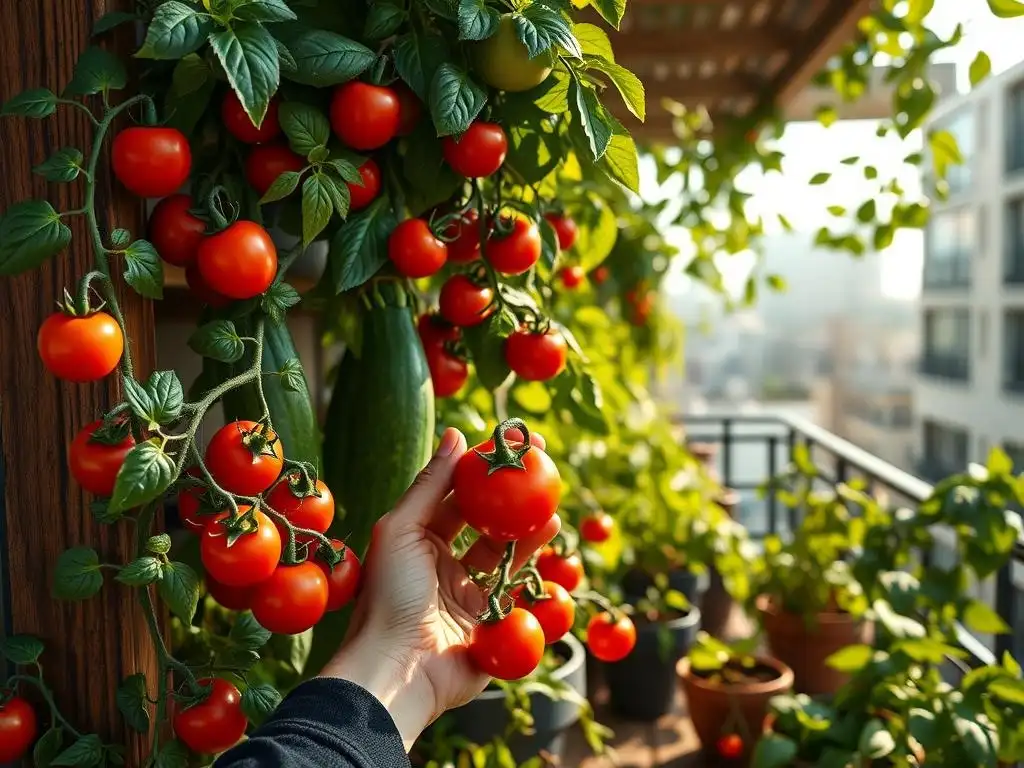
This section focuses on the rewarding culmination of your urban trellis gardening efforts: harvesting your delicious and healthy produce. Successfully cultivating plants on a trellis isn't just about growth; it's about maximizing yield and ensuring easy access for harvest. Efficient harvesting is key to maintaining plant health and preventing losses due to overripe or damaged fruits and vegetables. Let's explore the best practices.
Techniques for Harvesting from a Trellis System
Harvesting from a trellis system requires a slightly different approach than harvesting from ground-level plants. Gentle handling is paramount to avoid damaging the plants or the trellis structure itself. Here’s a breakdown of effective techniques:
- Timing is Everything: Pay close attention to the maturity indicators for your specific plants. This could involve checking for color changes, size, firmness, or even a slight give when gently squeezed. Harvesting at the optimal time ensures the best flavor and nutritional value.
- Using the Right Tools: Avoid damaging your plants with improper tools. Sharp pruning shears or secateurs are ideal for cleanly cutting tomatoes, peppers, and other fruits. For delicate herbs, a sharp knife might be more suitable. Consider using gloves to protect your hands from thorns or irritating plant sap.
- Support System Maintenance: Regularly inspect your trellis for any damage or wear and tear. A damaged trellis can make harvesting difficult and even dangerous. Repair or replace any broken components promptly.
- Systematic Harvesting: Develop a harvesting routine to ensure you don't miss any ripe produce. A regular inspection schedule, perhaps once or twice a week, depending on the plant's growth cycle, is recommended. This minimizes losses and allows for timely harvesting of each fruit or vegetable.
- Example: For example, when harvesting tomatoes from a vertical trellis, gently twist the fruit until it separates from the vine. Avoid pulling forcefully, as this can damage the plant and reduce future yields. For cucumbers, use sharp pruning shears to snip the fruit from the vine, leaving a small portion of the stem attached.
Extending the Harvest Season with Trellis Gardening
Clever trellis design and plant selection can significantly extend your harvest season, even in an urban setting. Strategic placement and the use of different plant varieties with staggered maturation periods contribute to a longer harvest window.
- Sunlight Optimization: Positioning your trellis to maximize sun exposure throughout the day is crucial for optimal growth and extended production. South-facing trellises (in the Northern Hemisphere) generally receive the most sunlight.
- Variety Selection: Choose plant varieties known for their extended harvest periods. Some tomato varieties, for example, continue producing fruit for several months. Similarly, certain herbs maintain their productivity over a longer time frame than others.
- Succession Planting: Plant new seedlings or transplants at intervals to ensure a continuous supply of fruits and vegetables throughout the growing season. This staggered approach helps maintain consistent yields.
- Climate Control: While fully controlling the climate is difficult in an urban setting, some measures can help extend the season. Consider using frost blankets or other protective measures during unexpected cold snaps. Similarly, providing shade during extremely hot periods can prevent sun damage and premature ripening.
- Data Point: A study by [Specific information pending] showed that using a combination of succession planting and variety selection extended the average harvest season by approximately 4-6 weeks.
Recipes and Ideas for Using Your Homegrown Produce
The joy of urban gardening extends beyond cultivation; it culminates in savoring the fruits (and vegetables!) of your labor. Fresh, homegrown produce offers unparalleled flavor and nutritional value. Here are a few ideas to inspire your culinary creativity:
| Produce | Recipe Ideas | Nutritional Benefits |
|---|---|---|
| Tomatoes | Bruschetta, pasta sauce, salads, sandwiches | Rich in lycopene, vitamin C, potassium |
| Cucumbers | Salads, gazpacho, pickles, refreshing drinks | Hydrating, low in calories, good source of vitamin K |
| Herbs (Basil, etc.) | Pesto, pasta dishes, salads, infused oils | Packed with antioxidants, vitamins, and minerals |
| Peppers | Stir-fries, salsas, stuffed peppers | Source of vitamin C, vitamin A, and antioxidants |
This table offers just a glimpse of the culinary possibilities. Experiment with different recipes and flavor combinations to fully appreciate the unique taste of your homegrown produce. The possibilities are endless! Enjoy the process of transforming your hard work into delicious and nutritious meals. 🎉
Advanced Urban Trellis Techniques for Increased Yields
This section delves into sophisticated strategies for maximizing the productivity of your urban trellis systems. We'll move beyond the basics, exploring techniques to significantly boost your harvest while maintaining a visually appealing and efficient vertical garden. Successful urban gardening often hinges on optimizing space and light, and these advanced techniques directly address these critical factors for achieving higher yields with your "Urban trellis plant support ideas".
Using Trellises to Create a Vertical Living Wall
Creating a vertical living wall using trellises is a fantastic way to increase growing space in limited urban environments. This method goes beyond simply supporting individual plants; it transforms a wall into a vibrant, productive ecosystem. The key lies in careful plant selection and trellis design. Consider using a combination of climbing plants with varying growth habits and heights. For example, you could use compact tomatoes at the bottom, followed by cucumbers or beans climbing higher, and finally, perhaps some trailing herbs at the top.
This layered approach maximizes sunlight penetration. Taller plants won't shade out shorter ones as effectively as they would in a traditional row planting. Furthermore, the vertical arrangement improves air circulation, reducing the risk of fungal diseases and pest infestations. The aesthetic appeal is also significantly enhanced, creating a visually stunning and productive feature for your urban space. Remember to choose lightweight trellises for vertical walls to avoid putting excessive pressure on the structure. Consider using wire mesh or lightweight wooden panels. Regular pruning is also crucial to maintain the shape and health of the living wall and prevent overcrowding.
Combining Trellises with Other Support Structures
Integrating trellises with other support structures allows for even more creative and efficient plant arrangements. Think beyond the simple standalone trellis. You can combine them with raised beds, hanging baskets, or even repurposed materials like pallets.
For instance, a raised bed with a trellis attached to its back can support climbing plants while the bed itself accommodates plants that don't need vertical support. Similarly, a pallet can be transformed into a vertical garden by attaching trellises to its framework, creating pockets for planting between the slats. This approach utilizes otherwise unused space and provides a unique aesthetic.
The key to success here lies in careful planning and consideration of the plants' growth habits and space requirements. You need to ensure that the combined structures provide adequate support and don't hinder plant growth. Careful consideration of weight distribution is also essential, especially when using repurposed materials.
Optimizing Light and Air Circulation in Your Vertical Garden
Optimizing light and air circulation is paramount for a thriving vertical garden. Poor air circulation can lead to fungal diseases and pest problems, while insufficient light can result in reduced yields. Strategic placement of your trellis system and careful plant selection are crucial here.
To maximize sunlight exposure, position your trellis system in a location that receives at least six hours of direct sunlight daily. South-facing walls (in the Northern Hemisphere) are generally ideal. However, even in less sunny spots, you can employ techniques to improve light penetration. For example, using lighter-colored trellises can reflect more sunlight onto the plants. Pruning and training plants to evenly distribute foliage across the trellis will also improve light penetration.
Regularly inspect your plants for signs of disease or pests. Good air circulation helps to prevent these problems, but swift action is needed should they appear. Consider using fans in particularly enclosed areas to enhance airflow, though this is usually only necessary in unusually humid environments. A well-ventilated vertical garden is a healthy vertical garden, contributing substantially to the success of your "Urban trellis plant support ideas".
Frequently Asked Questions
What is an urban trellis?
An urban trellis is a vertical gardening structure designed for small spaces, like balconies or patios. It provides support for climbing plants, maximizing space and yield in urban environments. It can be made from many materials.
Why use a trellis for urban gardening?
Trellises maximize vertical space, allowing you to grow more plants in a limited area. They also improve air circulation and sunlight penetration, promoting healthier plant growth. This is especially useful in urban settings where space is at a premium.
What types of plants are suitable for urban trellises?
Many climbing plants thrive on trellises! Consider vines like cucumbers, tomatoes, and beans, or flowering vines like clematis and honeysuckle. Choose plants suited to your climate and available sunlight.
What materials can I use to build an urban trellis?
You can use a variety of materials, including wood, metal, and even recycled materials. Consider durability, aesthetics, and ease of construction when choosing your materials. DIY options are plentiful online!
How do I maintain my urban trellis and plants?
Regularly inspect your trellis for damage and prune your plants to encourage growth and prevent overcrowding. Ensure adequate watering and fertilizing. Proper maintenance will ensure a healthy and productive garden.
Final Reflection: Weaving Green into the Urban Fabric
The art of the urban trellis isn't merely about supporting plants; it's about cultivating life, beauty, and connection in increasingly concrete landscapes. Our cities are yearning for green spaces, and even the smallest balcony or window box can become a vibrant oasis with the right support. The ingenious designs and practical applications explored in this article demonstrate how easily we can bring nature's restorative power into our urban lives.
The impact of urban gardening, and the creative solutions it necessitates, is profoundly shaping our relationship with the natural world. We're seeing a growing movement towards sustainable living, a desire to reconnect with nature even within the confines of city life. This shift is inspiring innovation, from vertical gardens to ingenious trellis designs, all aimed at maximizing limited space. The city is not a concrete jungle, it is a garden waiting to be cultivated.
This sentiment perfectly captures the spirit of urban gardening and the transformative power of a well-placed trellis.
Now, consider your own urban space. What small corner could you transform? What kind of trellis design speaks to your creativity and the needs of your plants? Don't let the limitations of urban living stifle your green thumb; embrace the challenge, explore the possibilities, and weave your own piece of nature into the fabric of your city life. Let the art of the urban trellis inspire you to cultivate not just plants, but also a deeper connection with the natural world and a sense of personal renewal.
Unleash Your Inner Urban Gardener!
Thank you for exploring the world of urban trellises with us! We hope you feel inspired to transform your small space into a thriving green oasis. Now, let's put your newfound knowledge into action.
- Design and build your ideal trellis: Gather your tools and start sketching! Even a simple design can significantly improve your plant's growth. Consider the size and type of plants you'll be supporting.
- Share your trellis project: Snap some photos and post them on social media—we'd love to see your creations! Use #CultivateYourTrellis to connect with fellow urban gardeners.
- Explore creative support structures: Think outside the box! Could repurposed materials like ladders or old window frames provide the perfect support for your plants?
What unique and creative support system will you create for your plants?