
Beyond the Garden Gate: The Ripple Effect of Community Gardening Initiatives

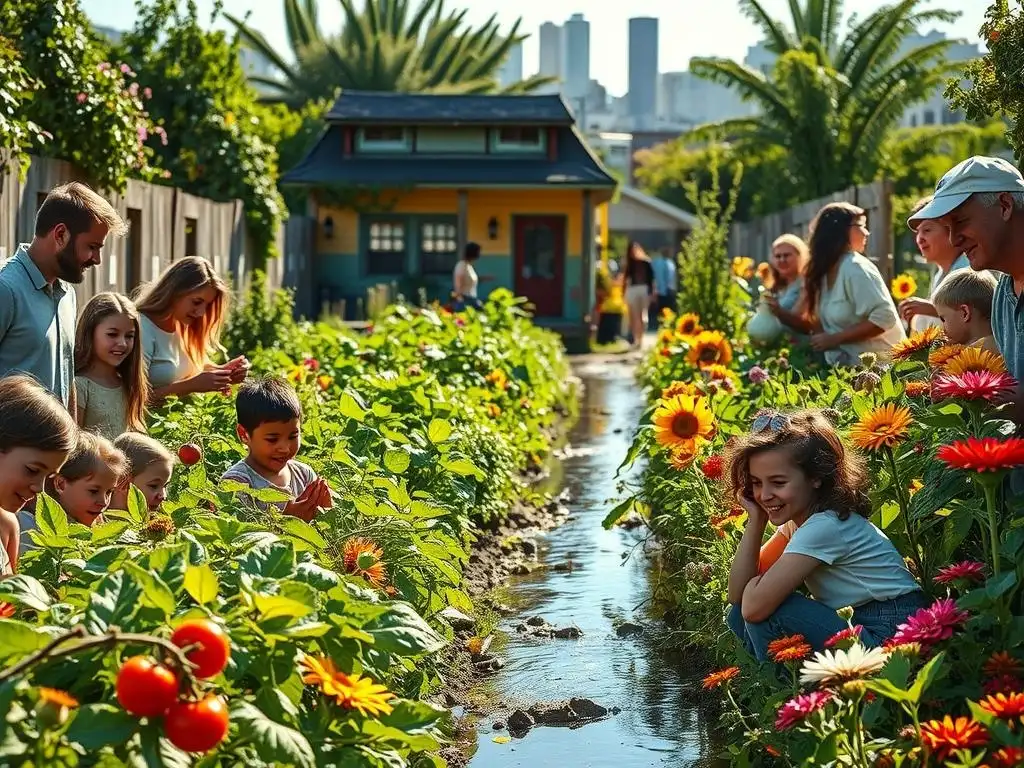
Welcome to CultivateYourFood, your guide to nurturing a thriving garden, sustainably and organically! Are you ready to discover how even a small patch of land can make a big difference? Our latest article explores the surprising ways community garden benefits sustainability, revealing the powerful ripple effect of these initiatives. Dive in and uncover the secrets to growing your own food while contributing to a healthier planet – your journey to a bountiful harvest starts here!
- Community Garden Benefits Sustainability: Environmental Impact
-
Frequently Asked Questions
- What are the main sustainability benefits of community gardens?
- How do community gardens contribute to a more sustainable food system?
- What role does composting play in a community garden's sustainability efforts?
- Beyond food production, what other sustainability aspects are enhanced by community gardens?
- How can I get involved in promoting the sustainability benefits of my local community garden?
- Final Reflection: Cultivating a Sustainable Future, One Garden at a Time
- Unleash Your Inner Gardener: Grow Community, Grow Yourself
Community Garden Benefits Sustainability: Environmental Impact
Community gardens are blossoming across urban landscapes, transforming neglected spaces into vibrant hubs of food production and community engagement. But the benefits extend far beyond fresh tomatoes and friendly neighbors. This article delves into the significant contribution community gardening makes to environmental sustainability, exploring how these initiatives foster ecological responsibility and contribute to a greener future.
We'll examine the multifaceted ways community gardens reduce our environmental footprint, from mitigating carbon emissions to promoting biodiversity and reducing waste. By understanding the ripple effect of these initiatives, we can better appreciate their crucial role in building a more sustainable world, one garden plot at a time. The positive impact on "Community garden benefits sustainability" is undeniable, and we will explore this in detail.
Reduced Carbon Footprint and Transportation Emissions
Community gardens significantly reduce carbon emissions associated with food transportation. Conventional agriculture often involves transporting produce over long distances, consuming vast amounts of fuel and contributing to greenhouse gas emissions. By growing food locally within community gardens, the transportation footprint is drastically minimized. Consider this: a single community garden supplying even a small neighborhood with fresh produce can eliminate hundreds, if not thousands, of miles of truck travel annually.
This translates directly into a lower carbon footprint for the community. Furthermore, many community gardens actively promote sustainable practices like composting and reducing the use of fossil fuel-powered equipment, further reducing their environmental impact. The cumulative effect of these practices across numerous community gardens represents a substantial contribution to mitigating climate change.
Enhanced Biodiversity and Ecosystem Support
Beyond food production, community gardens actively promote biodiversity. The introduction of diverse plant species creates habitats for pollinators like bees and butterflies, which are crucial for the health of the entire ecosystem. These gardens often incorporate native plants and create spaces for beneficial insects, fostering a more balanced and resilient local ecosystem.
This contrasts sharply with monoculture farming practices, which can deplete biodiversity and make ecosystems more vulnerable to pests and diseases. The presence of flowering plants, shrubs, and trees within community gardens also helps improve air quality and provide shade, reducing the urban heat island effect. Studies show a direct correlation between increased green spaces and improved air quality, highlighting the environmental benefits of community gardening.
Waste Reduction and Composting Practices
Many community gardens actively implement composting programs, diverting organic waste from landfills. Food scraps, yard waste, and other organic materials are composted on-site, creating nutrient-rich soil amendments that reduce the need for synthetic fertilizers. This process not only reduces landfill waste and the associated methane emissions, but also promotes a closed-loop system of nutrient cycling, improving soil health and reducing reliance on external inputs.
Furthermore, the educational aspect of composting within community gardens fosters awareness and encourages sustainable practices among participants, extending the positive impact beyond the garden itself. The reduction in reliance on chemical fertilizers also contributes to cleaner water resources, preventing runoff contamination.
Water Conservation and Sustainable Irrigation Techniques
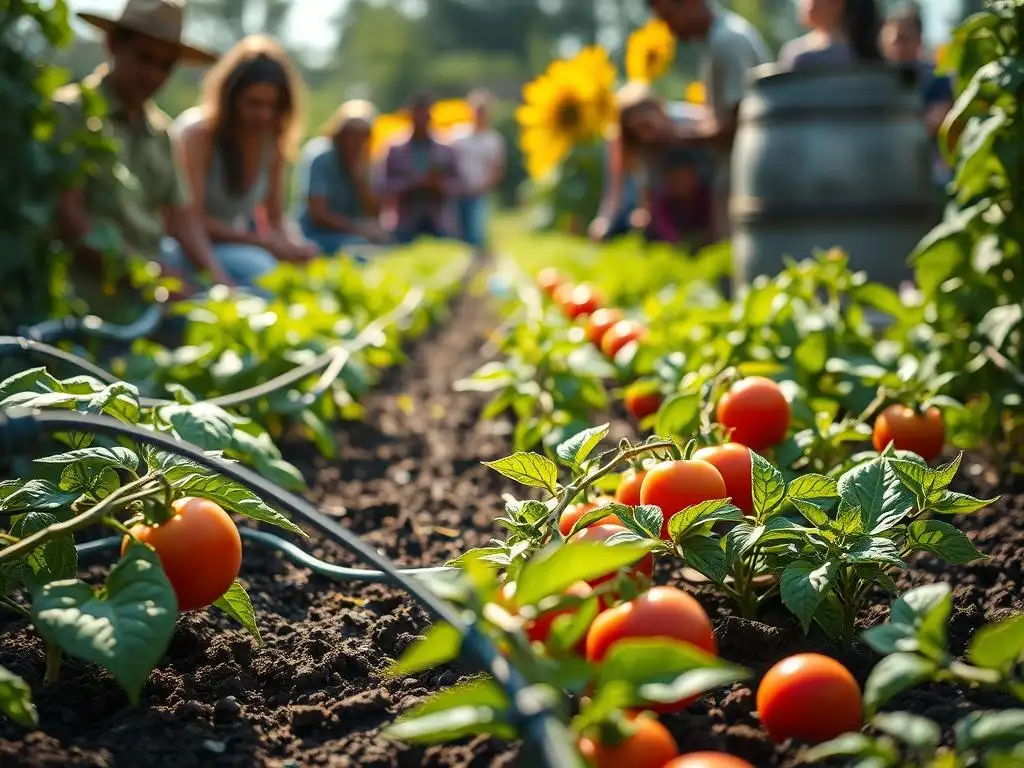
Community gardens often employ water-wise irrigation techniques, such as drip irrigation and rainwater harvesting, to conserve water resources. These methods minimize water waste compared to traditional agricultural practices, which often rely on inefficient sprinkler systems and excessive water consumption. Rainwater harvesting systems, in particular, are a sustainable solution that reduces reliance on municipal water supplies, especially beneficial in areas facing water scarcity. The implementation of drought-tolerant plants and mulching further enhances water conservation efforts, ensuring that the garden thrives while minimizing environmental impact. These practices serve as valuable educational tools, showcasing efficient water management strategies to the wider community.
Promoting Sustainable Food Systems and Local Food Security
Community gardens contribute directly to local food security by providing access to fresh, healthy produce, particularly in food deserts where supermarkets are scarce. By fostering the growth of food within the community, these gardens reduce reliance on long-distance food transportation and support local economies. This localized food production strengthens the resilience of food systems, making them less vulnerable to disruptions in global supply chains.
Furthermore, the educational aspect of community gardening empowers individuals to grow their own food, fostering a deeper understanding of sustainable food systems and promoting responsible consumption habits. The focus on organic and sustainable practices further strengthens the link between community gardens and the broader goal of building more resilient and environmentally friendly food systems.
Frequently Asked Questions
What are the main sustainability benefits of community gardens?
Community gardens promote sustainability by reducing food miles through locally grown produce, minimizing packaging waste, and fostering sustainable practices like composting and water conservation.
How do community gardens contribute to a more sustainable food system?
They strengthen local food systems by providing access to fresh, healthy food, reducing reliance on industrial agriculture, and supporting biodiversity. They also educate participants about sustainable food production.
What role does composting play in a community garden's sustainability efforts?
Composting diverts organic waste from landfills, creating nutrient-rich soil amendment for the garden. This reduces reliance on synthetic fertilizers and improves soil health, promoting sustainable gardening practices.
Beyond food production, what other sustainability aspects are enhanced by community gardens?
Community gardens foster environmental stewardship, improve green spaces in urban areas, and build a sense of community engagement around environmental issues. They also contribute to carbon sequestration through plant growth.
How can I get involved in promoting the sustainability benefits of my local community garden?
Share your experiences and knowledge with others, participate in volunteer activities, advocate for sustainable policies, and educate your community about the environmental and social benefits of community gardening.
Final Reflection: Cultivating a Sustainable Future, One Garden at a Time
The revitalization of urban spaces through community gardening initiatives isn't just a trend; it's a vital necessity for building sustainable and resilient communities. These gardens offer tangible solutions to food insecurity, environmental degradation, and social isolation, proving that even small-scale actions can have a profound impact on the larger world. The benefits extend far beyond the bounty of fresh produce, reaching into the very fabric of our neighborhoods and our future.
The power of community gardening lies not only in its practical contributions to sustainability, but also in its ability to foster a sense of belonging and shared purpose. It's a space where diverse individuals connect, learn from each other, and collaboratively build something beautiful and meaningful. This shared experience fosters a deeper understanding of environmental responsibility and strengthens community bonds. As the renowned urban planner, Jane Jacobs, once said: Cities have the capability of providing something for everybody, only because, and only when, they are created by everybody.
Community gardens embody this philosophy, creating spaces where everyone can contribute and reap the rewards.
Now, consider your own role in fostering sustainability. Think about how you can contribute to your community, whether it's by volunteering at a local garden, starting a small herb garden on your balcony, or simply becoming more mindful of your consumption habits. You have the power to cultivate positive change, and even the smallest act of planting a seed can blossom into a vibrant and sustainable future for all. Let's work together to nurture the growth of these vital community spaces and reap the abundant rewards they offer.
Unleash Your Inner Gardener: Grow Community, Grow Yourself
Thank you for exploring the powerful impact of community gardens! We hope you've gained a new appreciation for how these initiatives benefit so many, extending far beyond the fresh produce they provide. Now it's time to take action and cultivate your own positive change.
- Start small, but start now: Find a local community garden or green space and volunteer a few hours this week. Even a small contribution makes a big difference.
- Share the bounty: Tell your friends and family about the benefits of community gardening. Share this article and inspire others to get involved. Consider starting a small seed-saving project to share with your neighbors.
- Join the conversation: Let's discuss! What small step can you take to nurture your community and grow a more sustainable future?
What unique skills or resources could you offer to strengthen your local gardening initiative?