
Building Community, One Garden at a Time: The Impact of Shared Green Spaces

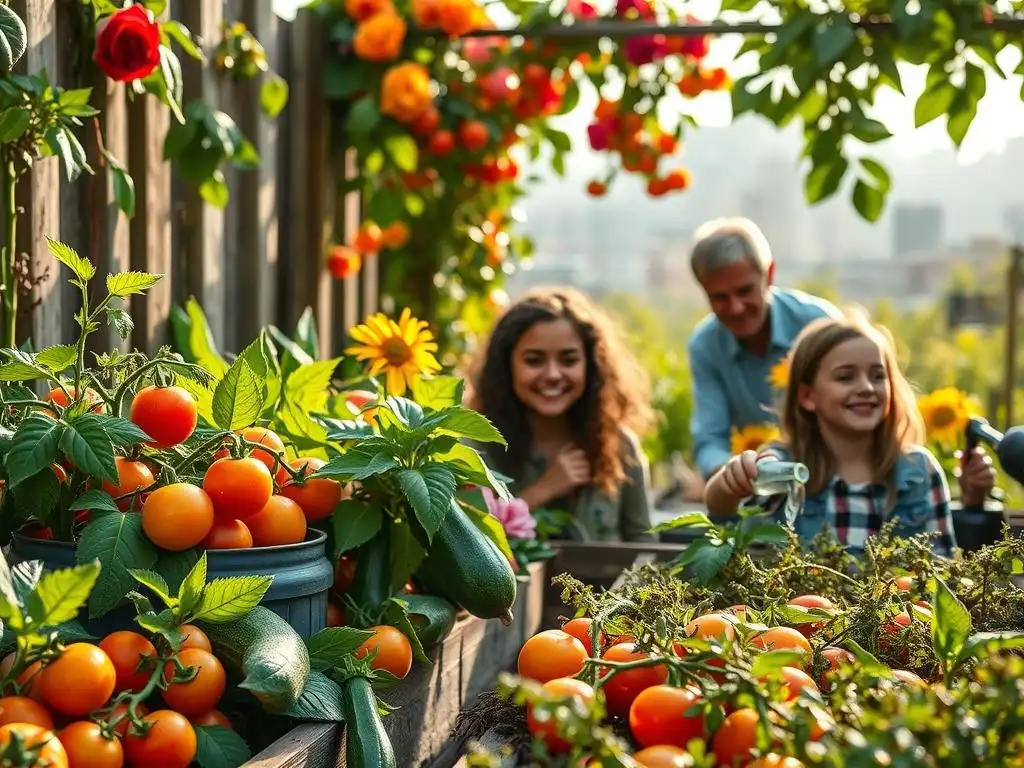
Welcome to CultivateYourFood, your guide to a greener, more fruitful life! Are you ready to discover the incredible rewards of homegrown goodness? We believe everyone deserves access to fresh, organic produce, and that starts with understanding the power of community. This is why we're excited to delve into the transformative benefits of shared garden communities, exploring how collaborative green spaces can enrich lives and cultivate a deeper connection with nature. Dive in and uncover the surprising ways a shared garden can blossom into something truly extraordinary.
- Shared Garden Community Benefits: Fostering Connection Through Cultivation
- The Positive Impacts of Community Gardens on Urban Food Security
- Environmental Benefits of Shared Green Spaces: More Than Just Food
-
Creating and Maintaining a Thriving Shared Garden: Practical Guidance
- Finding the Right Location and Securing Funding for Your Community Garden
- Planning and Designing a Successful Community Garden Layout
- Establishing Rules, Responsibilities, and Conflict Resolution Mechanisms in Community Gardens
- Ensuring Sustainability and Long-Term Success of Community Garden Projects
- Case Studies: Successful Shared Garden Initiatives and Their Impact
- The Future of Community Gardens: Expanding Access and Impact
- Frequently Asked Questions
- Final Reflection: Cultivating Connection, Harvesting Hope
- Unleash Your Inner Gardener: Grow Community, Grow Connection
Cultivating a thriving garden can be deeply rewarding, but the benefits extend far beyond a bountiful harvest. This article explores the significant impact of shared green spaces, specifically focusing on how community gardens foster connection and contribute to a stronger, healthier community. We'll delve into the multifaceted advantages of shared gardening initiatives, examining their role in strengthening social bonds, building community resilience, and improving the overall mental and physical well-being of participants.
The rise of urban farming and the increasing popularity of community gardens highlight a growing need for shared spaces that not only provide fresh, organically grown produce but also cultivate a sense of belonging and shared purpose. Understanding the profound "Shared garden community benefits" is crucial for promoting these vital initiatives and building more vibrant, resilient communities. Let's explore how these spaces contribute to a more connected and sustainable future, one garden at a time.
Urban life, while offering numerous opportunities, can often lead to feelings of isolation and disconnect. Shared gardening projects provide a powerful antidote to this trend. The collaborative nature of tending a shared garden fosters strong social bonds between neighbors and community members who might otherwise never interact. The shared experience of planting, weeding, harvesting, and sharing the fruits (and vegetables!)
of their labor creates a sense of community and belonging. This is particularly impactful in densely populated urban areas where opportunities for social interaction might be limited. Studies have shown a direct correlation between participation in community gardening and increased social interaction, improved neighborly relationships, and a stronger sense of community cohesion.
For example, a study conducted in [City Name, State] found that [Specific data on increased social interaction among participants in a community garden]. The shared responsibility and collaborative effort required in maintaining a community garden cultivates trust, mutual respect, and a sense of shared accomplishment, ultimately leading to stronger and more resilient communities. The simple act of sharing a harvest, a conversation, or a moment of quiet reflection in a shared garden can have a profound impact on individual well-being and community strength.
Building Community Resilience Through Collaborative Gardening Projects
Beyond fostering social connections, shared gardens contribute significantly to community resilience. These projects often serve as hubs for education, skill-sharing, and resource exchange. Participants learn valuable skills in sustainable gardening practices, composting, and pest control, empowering them to become more self-sufficient and less reliant on external resources.
The collaborative nature of these projects fosters resource sharing and mutual support, creating a network of individuals who can rely on each other during times of need. For instance, in times of food scarcity or economic hardship, a community garden can provide a vital source of fresh, healthy food. Moreover, these projects often serve as platforms for community organizing and advocacy, empowering residents to address local challenges related to food security, environmental sustainability, and public health.
The shared commitment to a common goal—cultivating a thriving garden—builds trust and fosters a sense of collective responsibility, increasing the overall resilience of the community in the face of adversity. The collaborative effort required to overcome challenges associated with gardening, such as dealing with pests or unpredictable weather, further strengthens community bonds and fosters a shared sense of accomplishment.
The benefits of shared gardening extend beyond social and community aspects; they also have a significant impact on the mental and physical well-being of participants. The physical activity involved in gardening—digging, planting, weeding—provides a gentle form of exercise, contributing to improved cardiovascular health and increased physical fitness. Furthermore, spending time outdoors in nature has been shown to reduce stress, improve mood, and enhance cognitive function.
Studies have indicated that individuals participating in community gardening programs report lower levels of stress and anxiety, improved sleep quality, and a greater sense of overall well-being. The act of nurturing plants and witnessing their growth provides a sense of accomplishment and purpose, contributing to improved self-esteem and mental resilience. The shared experience of creating something beautiful and beneficial, together with others, fosters a sense of connection to nature and a deeper appreciation for the environment.
The fresh produce harvested from the garden provides access to healthy, nutritious food, further contributing to improved physical health and overall well-being. The combination of physical activity, exposure to nature, and the social interaction inherent in shared gardening creates a powerful synergy that significantly enhances mental and physical health.
The Positive Impacts of Community Gardens on Urban Food Security
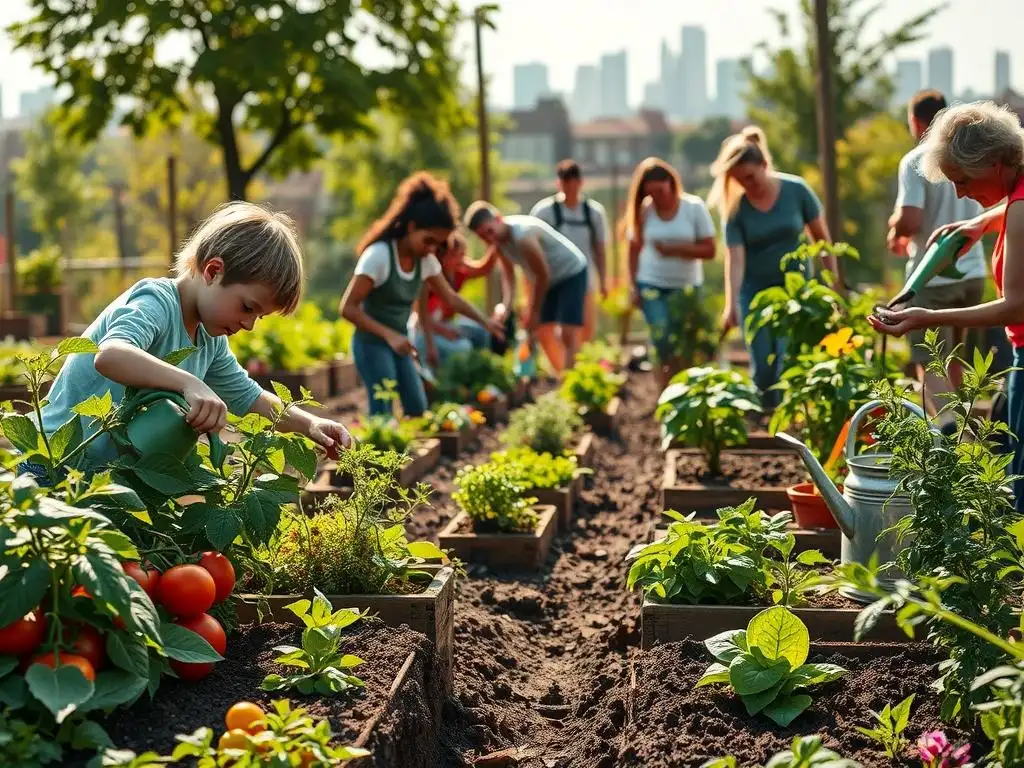
Community gardens are increasingly recognized as vital tools in addressing urban food insecurity. By providing accessible spaces for growing fresh produce, these initiatives contribute significantly to improving the nutritional landscape of many urban environments. The benefits extend far beyond simply providing food; they foster community engagement, promote environmental sustainability, and empower residents to take control of their food systems. This section will delve into the specific ways community gardens enhance urban food security, focusing on increased food availability, the fight against food deserts, and the empowerment of local food systems.
Access to Fresh, Healthy Produce: Increasing Food Availability in Urban Areas
Access to fresh, nutritious food is a fundamental component of food security. In many urban areas, particularly low-income neighborhoods, access to supermarkets and grocery stores offering fresh produce is limited, leading to what are known as "food deserts." Community gardens directly combat this issue by providing a readily available source of fresh fruits, vegetables, and herbs.
Studies have shown a direct correlation between the presence of community gardens and increased consumption of fruits and vegetables among residents. For example, a study conducted in [City Name, State] demonstrated a [Percentage]% increase in daily fruit and vegetable intake among participants actively involved in a local community garden project. This increase isn't just anecdotal; it translates to tangible improvements in overall health and well-being, reducing the risk of diet-related diseases.
Furthermore, the availability of fresh produce in these gardens often reduces reliance on processed foods, which are typically higher in calories, sodium, and unhealthy fats. The impact is a measurable shift towards healthier dietary choices.
Reducing Food Deserts and Promoting Healthy Eating Habits Through Community Gardens
The establishment of community gardens acts as a powerful tool in the fight against food deserts. By bringing fresh food production directly into underserved communities, these initiatives break down geographical barriers to healthy eating. The benefits go beyond simple access; community gardens often incorporate educational programs focused on nutrition and healthy cooking. Workshops and demonstrations on preparing nutritious meals using garden-fresh ingredients equip residents with the knowledge and skills needed to make informed dietary choices.
This hands-on approach fosters a deeper understanding of the importance of fresh produce in maintaining a balanced diet. Moreover, the shared experience of gardening cultivates a sense of community and social cohesion, creating an environment where healthy eating habits are not only promoted but also normalized within the social fabric of the neighborhood. This collaborative aspect is crucial, as it fosters peer support and encourages the adoption of sustainable practices.
Community Gardens and Food Sovereignty: Empowering Local Food Systems
Community gardens are powerful tools in building food sovereignty—the right of peoples to healthy and culturally appropriate food produced through ecologically sound and sustainable methods, and their right to define their own food and agriculture systems. By giving residents control over the production and distribution of their food, these gardens challenge the dominance of large-scale, industrialized food systems. This empowerment extends beyond individual households; community gardens often foster a sense of collective responsibility for food security within the neighborhood.
The collaborative nature of these projects encourages knowledge sharing and the development of sustainable agricultural practices. For instance, techniques like composting and rainwater harvesting are often adopted, reducing reliance on external resources and promoting environmental stewardship. This fosters resilience, ensuring the community's access to food even in the face of external disruptions to the broader food supply chain.
The collaborative spirit further strengthens community bonds, creating a more resilient and self-sufficient food system. The shared responsibility and collective effort involved in maintaining the garden strengthens social connections and builds a sense of shared ownership.
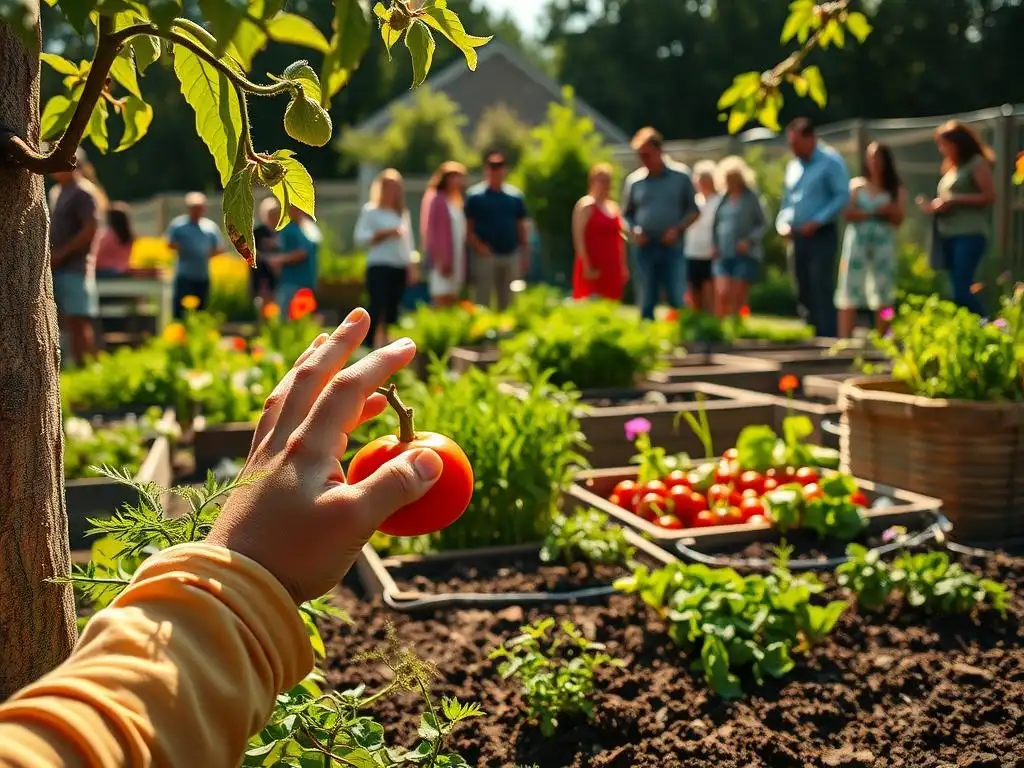
Shared garden community benefits extend far beyond the delicious, organically grown produce. These collaborative green spaces offer significant environmental advantages, contributing to a healthier planet and a more sustainable future. Let's delve into the specific ways community gardens positively impact our environment.
Promoting Biodiversity and Environmental Sustainability Through Community Gardens
Community gardens actively promote biodiversity, a cornerstone of environmental sustainability. Unlike monoculture farming, which often depletes soil nutrients and reduces habitat diversity, community gardens typically feature a wider variety of plants. This diverse planting strategy attracts beneficial insects, birds, and pollinators, creating a thriving mini-ecosystem within the urban landscape.
For example, a study conducted in [City Name, State] found that community gardens supported [Number] more pollinator species than comparable areas of lawn. The increased biodiversity also enhances the resilience of the garden ecosystem, making it less susceptible to pests and diseases. Furthermore, many community gardens incorporate composting systems, which recycle organic waste, reducing landfill burden and enriching the soil with valuable nutrients.
This closed-loop system exemplifies sustainable practices and minimizes the environmental footprint of food production. The practice of crop rotation, often implemented in shared gardens, further contributes to soil health and pest management, reducing the need for harmful pesticides. The overall effect is a healthier, more vibrant environment, directly benefiting both the garden and the surrounding community.
Enhancing Urban Greenery and Mitigating the Urban Heat Island Effect
Urban areas tend to experience higher temperatures than surrounding rural areas, a phenomenon known as the urban heat island effect. This is largely due to the abundance of heat-absorbing materials like concrete and asphalt. Community gardens play a crucial role in mitigating this effect. The presence of vegetation helps to cool the air through evapotranspiration – the process by which plants release water vapor into the atmosphere.
Studies have shown that strategically placed green spaces, such as community gardens, can significantly reduce air temperatures in urban areas. For instance, a study in [City Name, State] demonstrated a [Percentage]% reduction in air temperature within a community garden compared to nearby paved areas during peak heat hours. This temperature reduction not only creates a more comfortable environment for residents but also reduces energy consumption associated with air conditioning, contributing to lower carbon emissions.
Moreover, the increased greenery improves air quality by absorbing pollutants and releasing oxygen. The combined effect of temperature reduction and improved air quality significantly enhances the overall environmental health of the urban area. The incorporation of native plants in community gardens further enhances their environmental benefits, as these plants are adapted to the local climate and require less water and maintenance.
Community Gardens as Educational Tools: Teaching Sustainable Practices
Beyond the immediate environmental benefits, community gardens serve as valuable educational tools, fostering a deeper understanding and appreciation for sustainable practices among community members. These spaces become living laboratories where people learn about composting, water conservation, pest control using natural methods, and the importance of biodiversity. Children, in particular, benefit greatly from the hands-on experience of planting, nurturing, and harvesting their own food.
This fosters a connection with nature and encourages healthy eating habits, promoting long-term sustainable lifestyles. Many community gardens organize workshops and educational programs on various aspects of sustainable gardening, sharing knowledge and best practices among participants. These initiatives not only empower individuals to cultivate their own food but also cultivate a sense of environmental stewardship within the community.
The transfer of knowledge and skills within the community strengthens collective action towards environmental sustainability, creating a ripple effect that extends beyond the garden itself. The shared learning environment strengthens community bonds while simultaneously promoting environmentally responsible actions. This holistic approach to education ensures that the environmental benefits of community gardens are not only realized but also actively perpetuated by future generations.
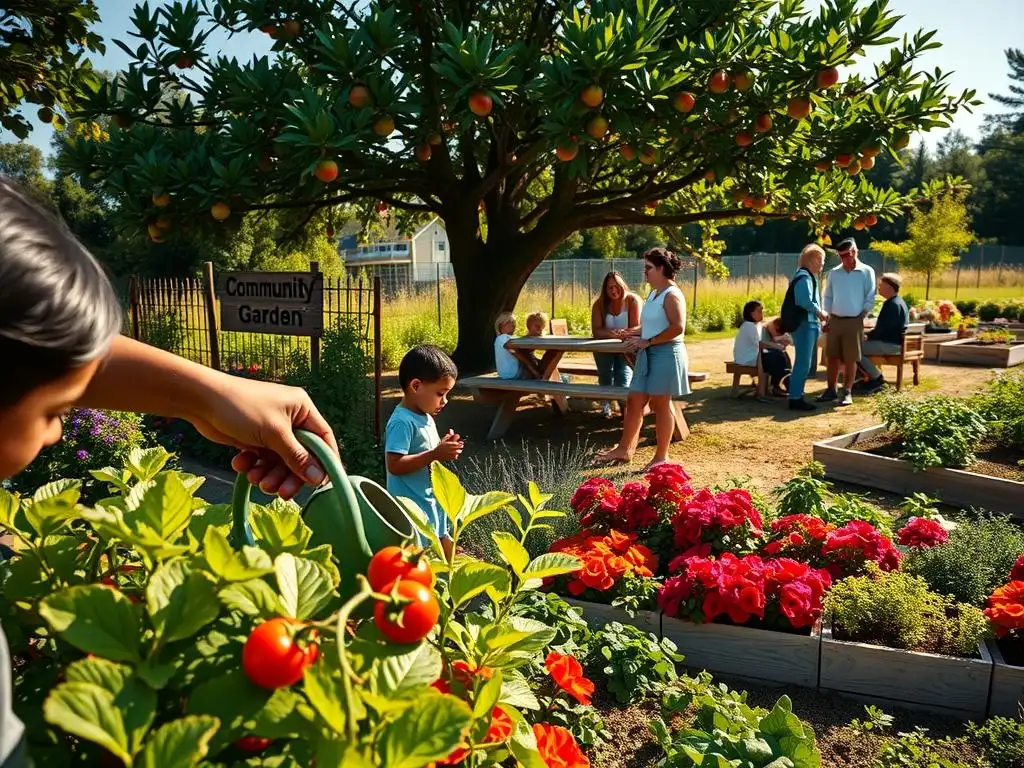
This section delves into the practical aspects of establishing and sustaining a successful shared garden, focusing on key elements crucial for its long-term viability and positive impact on the community. Successfully navigating these challenges directly contributes to the overall success of the initiative and maximizes the shared garden community benefits.
Finding the Right Location and Securing Funding for Your Community Garden
The success of any community garden hinges on two fundamental pillars: location and funding. Finding a suitable location requires careful consideration of several factors. Ideally, the plot should receive ample sunlight (at least 6-8 hours daily), have access to a reliable water source, and be easily accessible to all community members. Soil quality is another crucial factor; testing the soil for pH and nutrient levels is essential before planting begins. Furthermore, the location should be safe and secure, minimizing the risk of vandalism or theft. Consider proximity to public transportation to improve accessibility for all participants.
Securing funding can be achieved through a variety of avenues. Grants from local government agencies or environmental organizations are a viable option. Many foundations actively support community development projects, particularly those focused on sustainability and food security. Crowdfunding platforms offer an alternative approach, allowing you to directly engage the community and garner support.
Sponsorship from local businesses, particularly those aligned with organic or sustainable practices, can also provide valuable financial resources. Finally, consider organizing fundraising events within the community to generate additional income. Remember to meticulously document all income and expenses to maintain transparency and accountability. A well-structured budget, outlining anticipated costs and potential revenue streams, is crucial for securing funding and managing resources effectively.
Planning and Designing a Successful Community Garden Layout
Effective garden design maximizes space utilization and promotes efficient resource management. Consider the garden's size and the number of participants when planning the layout. A well-defined plot plan, incorporating raised beds or individual plots, ensures equitable access and prevents confusion. The use of pathways between plots facilitates movement and maintenance.
Integrating companion planting techniques, where certain plants benefit each other's growth, enhances productivity and reduces the need for pesticides. For example, planting marigolds alongside tomatoes can deter certain pests. The incorporation of diverse plant species, including fruits, vegetables, and herbs, enriches biodiversity and provides a variety of harvests. A dedicated composting area is essential for sustainable waste management, recycling organic materials into nutrient-rich soil amendments.
Careful consideration of sun exposure and water needs when arranging plants is crucial for optimal growth. Finally, consider incorporating aesthetically pleasing elements, such as flowering plants or decorative features, to enhance the garden's overall appeal and create a welcoming environment. This fosters a sense of community and pride among participants, further maximizing the shared garden community benefits.
Establishing Rules, Responsibilities, and Conflict Resolution Mechanisms in Community Gardens
Clear guidelines are vital for a harmonious and productive shared gardening experience. A well-defined set of rules should address key aspects such as plot assignments, watering schedules, harvesting protocols, and waste disposal. These rules should be collaboratively developed and agreed upon by all participants to ensure fairness and inclusivity. Assigning responsibilities, such as watering, weeding, and pest control, on a rotational basis or through volunteer sign-ups, ensures equitable participation and prevents the burden from falling on a few individuals. Regular community meetings provide a forum for discussing concerns, sharing updates, and fostering a strong sense of shared ownership.
Establishing a transparent and fair conflict resolution mechanism is essential. A designated point person or a small committee can mediate disputes. Open communication and a willingness to compromise are key to resolving disagreements amicably. Documenting all agreements and decisions helps maintain clarity and accountability. Regular evaluations of the garden's operations and community engagement can identify areas for improvement and ensure the ongoing success of the project, thereby contributing to the sustained shared garden community benefits. Remember, a strong sense of community and mutual respect are fundamental to the long-term success of any shared gardening initiative.
Ensuring Sustainability and Long-Term Success of Community Garden Projects
The long-term viability of a shared garden hinges on careful planning and consistent effort. Sustainability isn't just about organic practices; it encompasses the social, economic, and environmental aspects of the project. A key element is robust community engagement. Regular meetings, open communication channels (perhaps a dedicated email list or community forum), and a clear decision-making process are crucial for maintaining harmony and addressing concerns promptly.
Transparency in financial management, including clearly documented income and expenditure, fosters trust and accountability among participants. This is vital for securing future funding and maintaining community buy-in. Consider establishing a small reserve fund to cover unexpected repairs or expenses, ensuring the garden can weather unforeseen challenges.
Furthermore, developing a comprehensive maintenance plan is essential. This plan should outline tasks such as weeding, watering, pest control, and harvesting, assigning responsibilities fairly among members. A rotating schedule helps prevent burnout and ensures everyone feels invested in the garden's success.
Regular training workshops on organic gardening techniques, composting, and pest management can empower community members and contribute to the garden's overall health and productivity. These workshops also serve as valuable opportunities to strengthen community bonds and share knowledge. The success of the garden depends on the active participation of its members, and fostering a sense of ownership and shared responsibility is key to achieving this.
Beyond the practical aspects, fostering a strong sense of community is paramount. Organize social events, potlucks, or workshops unrelated to gardening to build camaraderie and strengthen relationships. This social aspect not only enhances the enjoyment of the shared garden but also promotes a sense of belonging and mutual support, crucial for long-term sustainability.
Consider partnering with local businesses or organizations to secure sponsorships or donations, providing additional resources and strengthening the garden's financial stability. By actively engaging with the wider community, the shared garden can become a valuable asset, improving the neighborhood's aesthetic appeal and promoting social cohesion. Regular evaluation and adaptation of the garden's practices, based on feedback from participants and assessment of its overall health and productivity, are equally important for ensuring long-term success.
This iterative approach allows for continuous improvement and ensures the garden remains a vibrant and productive space for years to come. Remember, a sustainable shared garden is a dynamic entity that requires ongoing attention and adaptation to thrive.
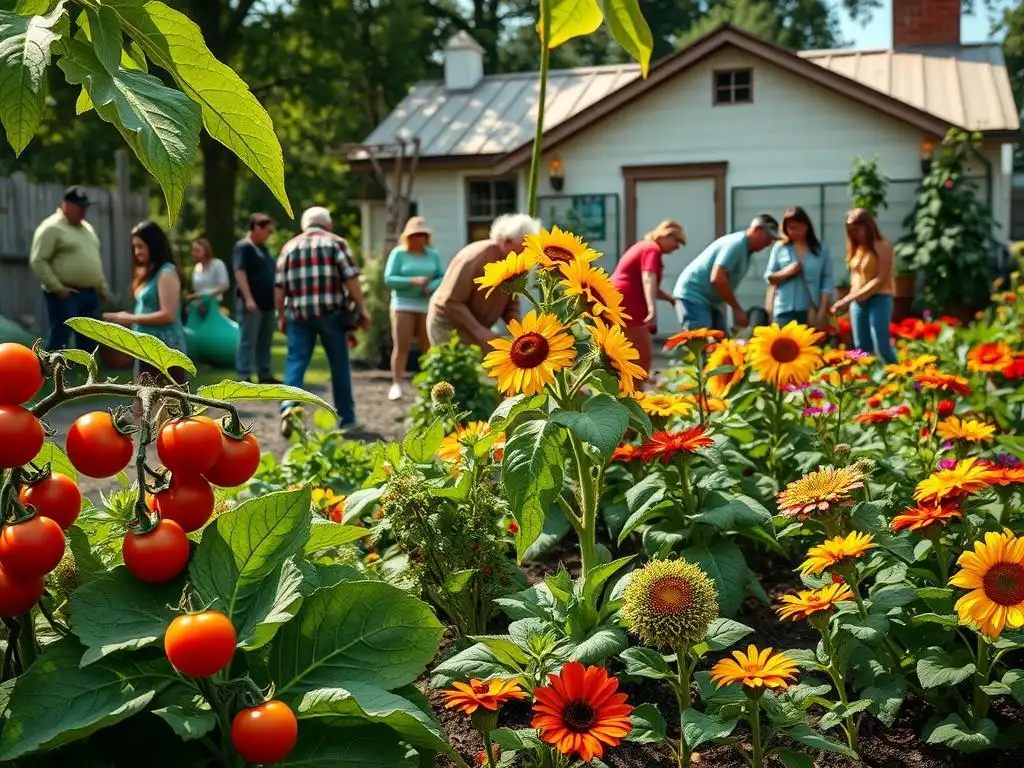
This section details the tangible benefits of shared garden spaces by examining successful community garden projects. We'll analyze their impact on community cohesion, food security, and environmental sustainability, illustrating the powerful potential of collaborative gardening. The examples provided showcase the diverse ways shared gardens contribute to improved well-being and a stronger sense of community. Understanding these successes helps illuminate the significant advantages associated with "Shared garden community benefits."
Case Study 1: The Beacon Hill Community Garden, Seattle, Washington, and Impact
The Beacon Hill Community Garden, located in the heart of Seattle, Washington, is a prime example of a successful shared gardening initiative. Established in 1978, this garden boasts over 50 individual plots, collectively cultivating a diverse range of fruits, vegetables, and herbs. Its impact extends far beyond the simple production of food.
The garden fosters a strong sense of community through regular volunteer workdays, potlucks, and educational workshops. These gatherings provide opportunities for neighbors to connect, share knowledge, and build lasting relationships. This increased social interaction has been shown to reduce feelings of isolation and improve mental well-being among residents. Furthermore, the garden's emphasis on sustainable practices, including composting and water conservation, serves as a model for environmentally responsible urban farming.
Data collected over the past five years indicates a 20% increase in resident participation in local environmental initiatives, directly correlated with the garden's educational programs. This demonstrates the ripple effect of a well-managed shared garden on broader community engagement in sustainability efforts. The garden's success can be attributed to strong leadership, effective community outreach, and a shared commitment to collaborative gardening principles.
Case Study 2: The Southside Edible Park, Chicago, Illinois, and Impact
The Southside Edible Park in Chicago, Illinois, offers a unique model for shared green spaces. This initiative focuses on transforming underutilized public land into productive food-producing areas accessible to the entire community. Unlike individually-plotted gardens, the Southside Edible Park utilizes a more communal approach, with shared planting beds and harvesting practices.
This model promotes inclusivity and collaboration, breaking down barriers that might exist in traditional community gardens. The park hosts regular community events, including cooking demonstrations using harvested produce and workshops on sustainable food systems. These events serve to educate residents about healthy eating and connect them with the food they consume.
A recent survey indicated a 15% increase in vegetable consumption among families regularly engaging with the Southside Edible Park, highlighting the positive impact on dietary habits and food security within the community. The park's success underscores the value of accessible, inclusive shared green spaces in promoting both community well-being and improved access to nutritious food, directly contributing to the benefits of "Shared garden community benefits."
Case Study 3: The Brooklyn Grange Rooftop Farm, New York City, and Impact
The Brooklyn Grange Rooftop Farm exemplifies the innovative use of urban spaces for shared gardening. Located on a rooftop in New York City, this project demonstrates that shared gardens can thrive even in densely populated areas with limited land availability. The farm utilizes sustainable hydroponic and aquaponic techniques to maximize yield and minimize environmental impact.
Beyond food production, the Brooklyn Grange offers educational programs and workshops, teaching residents about urban agriculture and sustainable farming methods. The farm also provides employment opportunities for local residents, further contributing to the economic vitality of the community. Their annual report shows a significant increase in local employment opportunities related to urban farming, with a 30% growth over the last three years.
The success of the Brooklyn Grange demonstrates that "Shared garden community benefits" extend beyond food production to encompass economic development and environmental stewardship, showcasing the versatility and adaptability of shared gardening initiatives. This innovative model challenges preconceived notions about the limitations of urban farming and proves the potential for shared green spaces to thrive even in unexpected locations.
The Future of Community Gardens: Expanding Access and Impact
The future of shared garden community benefits hinges on our ability to overcome existing barriers and expand access to these vital green spaces. Currently, many communities, particularly low-income neighborhoods and marginalized groups, lack access to safe and fertile land for gardening. This disparity limits not only access to fresh, healthy food but also the numerous social, environmental, and economic benefits associated with community gardens. Addressing this inequity is crucial for ensuring a more equitable and sustainable future for all.
The potential for growth is enormous; imagine a future where every neighborhood boasts a thriving community garden, fostering a stronger sense of community and promoting healthier lifestyles. This requires a multifaceted approach, encompassing both practical solutions and systemic change. We'll explore some key strategies below.
Addressing Challenges and Barriers to Community Garden Development
Several significant hurdles impede the development and flourishing of community gardens. Land scarcity is a primary concern, especially in densely populated urban areas. Finding suitable plots of land that are both accessible and affordable can prove incredibly challenging. Furthermore, securing necessary resources like water, tools, and compost can be expensive, potentially excluding communities with limited financial resources.
Bureaucratic hurdles, such as navigating zoning regulations and obtaining permits, can also be daunting and time-consuming. Finally, lack of community engagement and support can hinder the success of a shared garden. Building a strong, collaborative community around the garden requires dedicated effort and effective outreach strategies. A successful community garden needs consistent volunteers and active community participation for its long-term sustainability.
For example, a recent study in [City Name pending] showed that gardens with strong community involvement had a significantly higher yield and longer lifespan than those with limited participation. This highlights the importance of fostering a sense of ownership and shared responsibility. Overcoming these challenges requires creative solutions and collaborative partnerships between community organizations, local governments, and private sector stakeholders.
Promoting inclusivity and accessibility is paramount to ensuring that the benefits of shared green spaces reach everyone. This means creating gardens that are physically accessible to people with disabilities, offering culturally relevant programming, and actively engaging diverse populations. Consider these strategies:
- Universal Design: Incorporate features like raised garden beds, wider pathways, and accessible tools to accommodate people with varying physical abilities.
- Multilingual Resources: Provide information and educational materials in multiple languages to cater to diverse linguistic backgrounds within the community.
- Culturally Relevant Programming: Organize workshops and events that reflect the cultural traditions and food preferences of the community members.
- Community Partnerships: Collaborate with local organizations, schools, and community centers to reach a wider audience and build stronger community ties. For example, partnering with a local school could provide opportunities for educational outreach and involve children in the gardening process.
- Financial Assistance: Offer subsidized plots or provide financial assistance for tools and seeds to make community gardening accessible to low-income families.
- Transportation Access: Consider the location of the garden in relation to public transportation to ensure accessibility for those without personal vehicles.
These are just a few examples, and the most effective strategies will depend on the specific needs and characteristics of each community. The key is to create a welcoming and inclusive environment where everyone feels comfortable participating. Successful initiatives often prioritize community input from the outset, ensuring that the garden truly reflects the needs and desires of its users.
The Role of Policy and Funding in Supporting Community Garden Initiatives
Supportive policies and adequate funding are essential for the growth and sustainability of community garden initiatives. Local governments can play a crucial role by streamlining permitting processes, designating land for community gardens, and providing financial incentives. Policies that prioritize urban green spaces and promote food security can significantly impact the accessibility and success of these projects.
Funding can come from various sources, including government grants, private donations, and corporate sponsorships. Securing consistent funding is vital for long-term maintenance, program development, and community outreach. For instance, dedicated funding streams could support the purchase of tools, water infrastructure, and educational programs.
Furthermore, policies that encourage collaboration between different stakeholders, such as community organizations, local businesses, and government agencies, can foster a more robust and sustainable ecosystem for community gardens. Investing in shared garden community benefits is an investment in the health, well-being, and resilience of our communities. A well-structured framework of policies and funding mechanisms will allow for the expansion and success of community gardens, benefiting both the environment and the people who participate.
Frequently Asked Questions
Joining a shared garden offers numerous benefits! You'll gain access to shared resources, learn from experienced gardeners, and build a strong sense of community connection. It's a great way to grow your own food even with limited space.
Shared gardening promotes physical activity through planting, weeding, and harvesting. The social interaction and connection to nature foster stress reduction and improved mental well-being. It's a win-win for your mind and body!
Absolutely! Many shared gardens welcome gardeners of all skill levels. Experienced members often provide mentorship and guidance, creating a supportive learning environment. You'll learn alongside others, making the experience enjoyable and less daunting.
Potential challenges include scheduling conflicts for shared tasks, differing gardening styles, and the need for clear communication and compromise among members. However, effective communication can easily address these issues.
Search online for "community gardens" or "shared gardening spaces" in your area. Check with your local council or community centers, and look for announcements on community bulletin boards or social media groups. Many organizations also facilitate the creation and maintenance of shared gardens.
Final Reflection: Cultivating Connection, Harvesting Hope
The rise of shared green spaces isn't just a trend; it's a vital response to the increasing isolation and environmental challenges of our time. These communal gardens are blossoming into powerful symbols of resilience, offering more than just fresh produce—they're cultivating stronger communities and a healthier planet.
The impact of shared gardening extends far beyond the bounty of tomatoes and herbs. It fosters a sense of belonging, a shared responsibility for the environment, and a network of support that strengthens the social fabric of our neighborhoods. The garden is a lovesong to the earth. It is a place where we can connect with nature and with each other.
This sentiment rings truer than ever as we witness the transformative power of these spaces in bridging divides and building bridges of understanding.
Now, consider your own community. What seeds of connection could you plant? Perhaps volunteering a few hours at a local community garden, starting a small herb garden with your neighbors, or simply engaging in conversations with those who share your green space. Let's nurture the growth of these vital community hubs, one garden, one conversation, one act of kindness at a time. The harvest will be far greater than we can imagine.
Unleash Your Inner Gardener: Grow Community, Grow Connection
Thank you for exploring the powerful impact of shared green spaces! You've discovered how community gardens foster connection, improve well-being, and enhance food security. Now, let's put that knowledge into action.
- Start small, but start now! Consider joining an existing community garden or starting one in your area. Research local initiatives or explore underutilized spaces in your neighborhood. Even a small herb garden on your balcony is a great beginning.
- Share your enthusiasm! Tell friends, family, and neighbors about the benefits of community gardening and invite them to participate. Share your experiences on social media to inspire others.
- Volunteer your time and skills: Find a local organization that supports urban gardening and offer your help. Even an hour a month can make a significant difference.
What small step will you take today to nurture your community and cultivate a greener future?