
Decoding City Ordinances: A Guide to Legal Urban Gardens

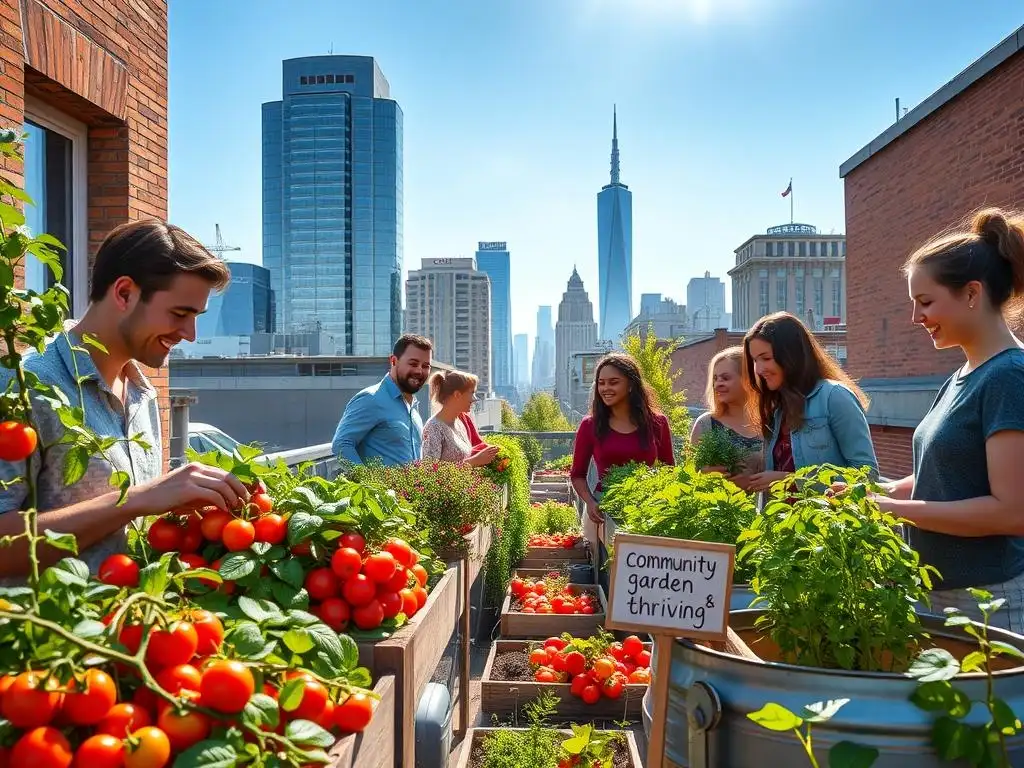
Ready to transform your urban space into a thriving oasis? At CultivateYourFood, we empower you to grow your own fruits, vegetables, and herbs organically. But before you start digging, understanding the rules is key. Our comprehensive Legal Urban Gardening Guide unravels the complexities of city ordinances, ensuring your green thumb stays on the right side of the law. Discover how to legally cultivate your dream garden – let's get growing!
Understanding Your City's Zoning Regulations for Urban Gardens
Cultivating your own fruits, vegetables, and herbs in the heart of the city offers numerous benefits: fresher produce, a connection to nature, and even a potential reduction in your carbon footprint. However, before you start digging, it's crucial to understand your city's zoning ordinances regarding urban gardening. This comprehensive guide will help you navigate the legal landscape of urban farming, ensuring your green thumb stays on the right side of the law.
We'll explore the intricacies of zoning regulations, common restrictions, and strategies for obtaining necessary permits, empowering you to create a thriving and legal urban garden. This guide will act as your essential legal urban gardening guide, helping you avoid costly mistakes and potential conflicts with local authorities. Let's get started on your journey to a legally compliant and bountiful urban oasis!
Deciphering Zoning Codes: What to Look For
Navigating zoning codes can feel like deciphering a complex code, but with the right approach, it becomes manageable. First, locate your city's official zoning ordinances. These are usually available online through your city's website, often under sections dedicated to planning, development, or public works. Look for keywords like "agriculture," "gardening," "urban farming," "home gardens," or "landscaping." Pay close attention to definitions of terms such as "agricultural use," "permitted uses," and "height restrictions."
These definitions will clarify what types of gardening activities are allowed and any limitations placed upon them. For example, some cities might restrict the size of your garden based on the size of your property or the type of plants you're growing. Understanding these nuances is key to compliance. Remember to carefully review all applicable sections; some restrictions might be embedded within seemingly unrelated sections of the code.
Common Restrictions on Urban Gardening
Many cities have regulations affecting urban gardens, even if they generally support the practice. Some common restrictions include:
- Minimum lot size: Some ordinances stipulate a minimum lot size for agricultural or gardening activities. If your property falls below this threshold, you might be prohibited from having a garden of a certain size or type.
- Setbacks: Setback regulations dictate how far from property lines you can plant. These setbacks are often designed to maintain sightlines, prevent obstruction, and ensure adequate space for things like utilities and walkways.
- Height restrictions: The height of your plants or structures (like trellises or raised beds) might be limited. This is particularly relevant for taller plants or structures that could obstruct views or pose other issues.
- Types of plants: Certain types of plants, especially those considered invasive or noxious weeds, might be prohibited. Always check your local ordinances for a list of restricted species.
- Composting regulations: Regulations concerning composting might exist, specifying appropriate methods and locations for compost piles to prevent odors or attract pests.
- Water usage: In areas with water restrictions, your garden's water consumption could be regulated, especially during drought periods.
Obtaining Necessary Permits and Approvals
Depending on the scale and nature of your urban garden, you might need permits or approvals from your city. These could include:
- Agricultural permits: Some cities require permits specifically for agricultural activities, even on a small scale.
- Building permits: If you plan to construct any structures for your garden, such as raised beds, sheds, or greenhouses, you'll likely need building permits.
- Variance requests: If your garden plans don't fully comply with existing regulations, you might need to apply for a variance. This involves demonstrating why a deviation from the regulations is necessary and justifiable.
Before starting any significant gardening project, contact your city's planning or zoning department to inquire about necessary permits and approvals. This proactive approach will help you avoid potential legal issues and ensure your urban garden thrives legally.
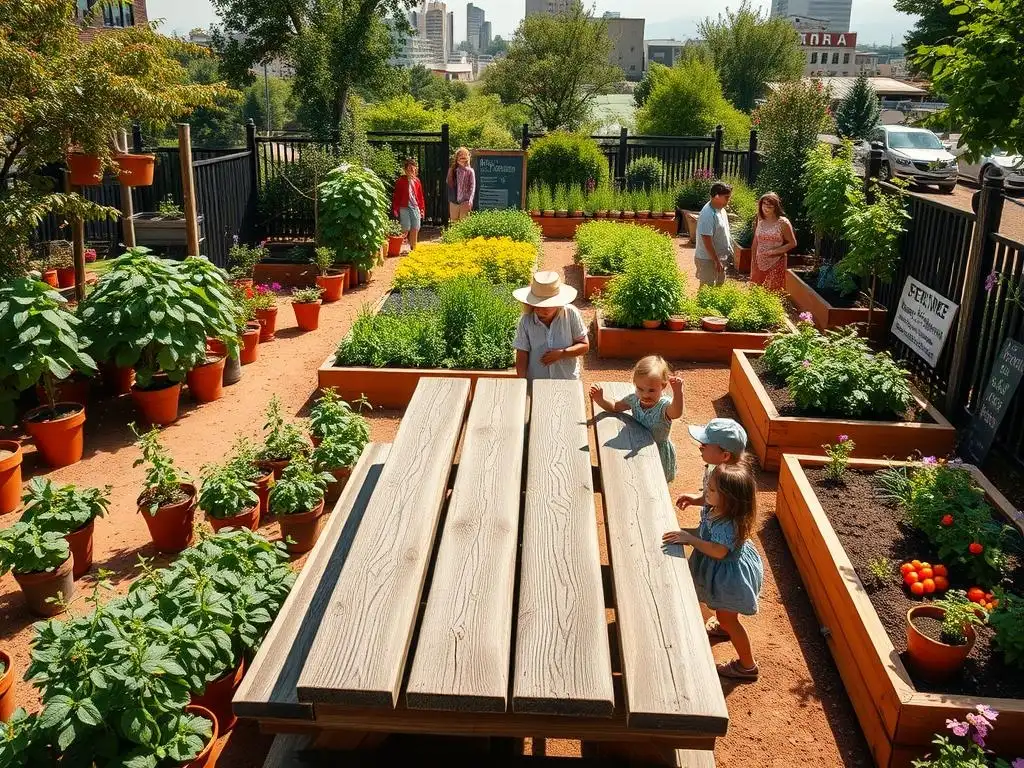
If your property doesn't allow for a large garden, or if you encounter significant zoning restrictions, consider joining or starting a community garden. Many cities have dedicated spaces for community gardening, often managed by local organizations or government agencies. These shared spaces often have streamlined permitting processes and provide opportunities for collaboration and shared resources among urban gardeners. This is a fantastic way to participate in urban farming while bypassing some of the individual property-related zoning challenges. Moreover, community gardens frequently offer educational opportunities and a strong sense of community.
Staying Informed and Adapting to Changes
Zoning regulations can change, so it's crucial to stay informed about any updates or modifications. Regularly check your city's website for updates to the zoning ordinances and any new regulations that may impact urban gardening. Staying informed will help you maintain compliance and avoid any unintentional violations. Remember, a proactive and informed approach is key to enjoying the benefits of a legal and successful urban garden. 🎉
Frequently Asked Questions
What are the common legal restrictions on urban gardening?
Many cities have ordinances regarding property lines, permitted plant types, and water usage. Some might limit garden size or require permits for larger projects. Always check your local regulations.
Do I need a permit to start an urban garden?
This depends entirely on your city's ordinances and the size and location of your garden. Small, private gardens may not require permits, while larger community gardens likely will. Check your local government website.
Can I grow anything I want in my urban garden?
No, some plants may be prohibited due to invasiveness or other concerns. Check your local ordinances for restrictions on specific plants or regulated species.
What are my responsibilities as an urban gardener?
You're responsible for maintaining your garden to avoid nuisances like attracting pests or creating hazards. This includes proper waste disposal and adhering to water restrictions.
Where can I find my city's specific regulations on urban gardening?
Your city's website, usually under parks and recreation or planning and zoning, should have the relevant ordinances. You can also contact your local government directly for clarification.
Final Reflection: Cultivating Community Through Legal Urban Gardens
The right to grow food in our cities is not just a niche interest; it's a vital component of food security, community building, and environmental sustainability. Access to fresh, locally grown produce combats food deserts, strengthens neighborhood bonds, and contributes to a greener urban landscape. This is particularly crucial in a world grappling with climate change and increasing food insecurity.
The journey of understanding city ordinances surrounding urban gardening has been a revealing one. It highlights the complex interplay between individual rights, community needs, and municipal regulations. The process of navigating these legal landscapes underscores the importance of proactive engagement and collaboration. The city is not merely a collection of buildings, but a living organism, and its health depends on the health of its citizens and its environment.
This quote perfectly encapsulates the symbiotic relationship between thriving urban gardens and a thriving urban community.
You, the reader, now hold the knowledge to transform a patch of unused land into a vibrant, productive space. Consider the potential impact – not just on your own access to fresh food, but on the beauty and resilience of your neighborhood. Take the first step. Research your local ordinances, connect with your community, and begin cultivating a greener, more sustainable, and more connected urban future.
Unleash Your Urban Oasis: Grow Your Green Dream!
Thank you for exploring the world of legal urban gardening! You've gained valuable knowledge about cultivating your own food, even in a city environment. Now let's put that knowledge into practice.
- Start planning your garden today! Sketch out your ideal urban garden, considering sunlight, available space, and local regulations. This is the first step towards a thriving and productive green space.
- Share your gardening journey! Connect with our community on social media – let's inspire each other and learn from each other's successes and challenges.
- Consider maximizing your space with alternative growing methods like vertical gardening or container farming.
What unique challenges or opportunities do you foresee in creating an urban garden in your specific neighborhood? Let's discuss!