
The EcoFriendly Garden: How to Implement Sustainable Practices in Shared Spaces

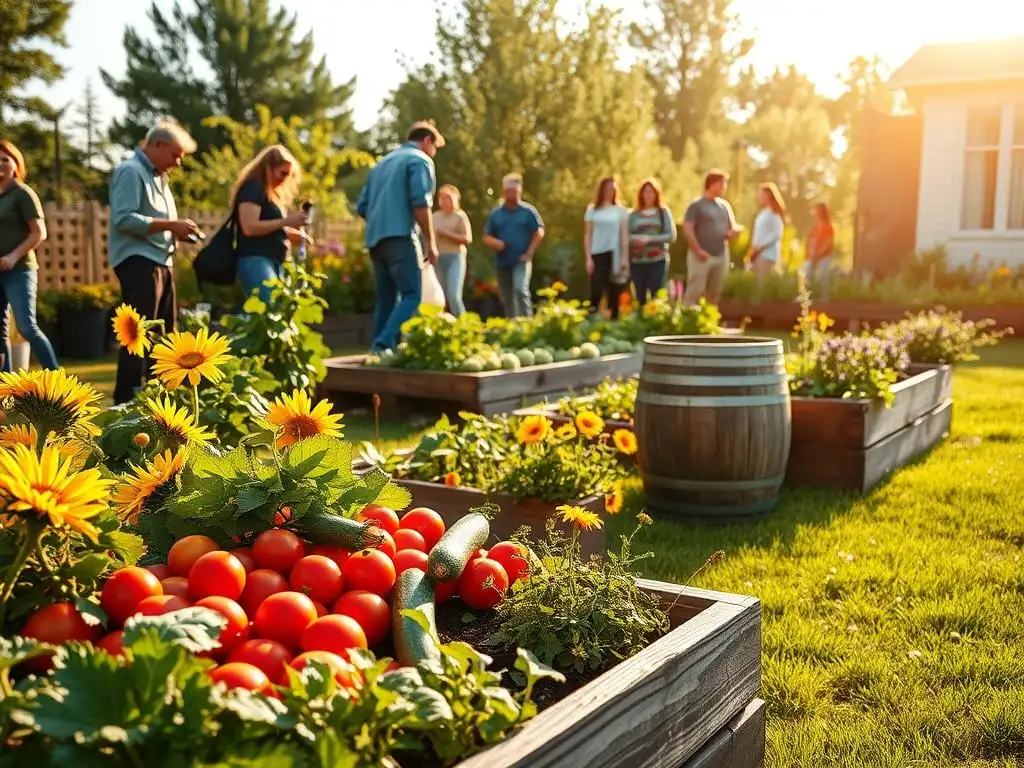
Ready to transform your urban space into a thriving, eco-friendly oasis? CultivateYourFood is your guide to growing your own fruits, vegetables, and herbs sustainably. Discover the secrets to bountiful harvests with our expert advice, from planting and harvesting to composting and natural pest control. Learn how to implement sustainable shared garden practices and unlock the joys of community gardening in our latest article on Urban Farming—a journey that starts now!
- Building a Sustainable Shared Garden: Key Principles
- Implementing Sustainable Practices in Your Shared Garden
- Fostering Community and Collaboration in Your Sustainable Garden
- Maintaining a Sustainable Shared Garden Over Time
-
Frequently Asked Questions
- How can I ensure fair water usage in a shared garden?
- What are some effective strategies for shared composting?
- How do we handle pest control in a shared, organic garden?
- What's the best way to resolve conflicts over garden space or resources?
- How can we ensure the sustainability of our shared garden over the long term?
- Final Reflection: Cultivating a Shared Future, One Sustainable Garden at a Time
- Unleash Your Green Thumb: Grow a More Sustainable Shared Garden
Creating a thriving and sustainable shared garden requires careful planning and collaboration. This guide focuses on implementing environmentally friendly practices within a community gardening context, emphasizing resource conservation, biodiversity, and responsible pest management. We'll explore key strategies for selecting appropriate locations, choosing plants that flourish in shared spaces, and maintaining healthy soil – all vital components of a successful and eco-conscious shared gardening experience.
By adopting these sustainable shared garden practices, you can contribute to a greener environment while fostering a strong sense of community and shared responsibility. This approach not only benefits the environment but also ensures a bountiful harvest for everyone involved, promoting food security and access to fresh, organically grown produce.
The principles outlined here are designed to be adaptable to various community garden settings, from small urban plots to larger suburban initiatives. Let's delve into the specifics to help you build a truly flourishing and sustainable shared garden.
The success of your shared garden hinges significantly on location selection. Several crucial factors must be considered to ensure optimal sunlight, water access, and overall ease of maintenance for all participants. Ideally, the chosen space should receive at least six hours of direct sunlight daily, particularly for fruiting plants and vegetables. Access to a reliable water source, whether a shared tap or a rainwater harvesting system, is paramount.
Furthermore, accessibility for all gardeners, including those with mobility limitations, should be a priority. Consider proximity to pathways, and the overall layout to minimize potential conflicts and ensure fair distribution of space. Soil analysis is crucial before planting; understanding the soil's composition – its pH level, nutrient content, and drainage capacity – will inform your planting choices and guide necessary soil amendments.
Finally, security is a vital consideration, especially in urban environments. A location that minimizes the risk of theft or vandalism will promote a more peaceful and productive gardening experience for everyone involved. Remember, proper site selection is the foundation upon which a thriving and sustainable shared garden is built.
Choosing the right plants is crucial for a successful and sustainable shared garden. Prioritize plant varieties known for their resilience, low water requirements, and pest resistance. Consider incorporating a diverse range of species to promote biodiversity and reduce the risk of widespread pest infestations. This approach mimics natural ecosystems and promotes a healthier, more resilient garden.
Native plants are excellent candidates as they're well-adapted to the local climate and require less maintenance. Furthermore, selecting plants with varying maturity times allows for a staggered harvest, ensuring a continuous supply of fresh produce throughout the growing season. For example, you might choose fast-growing leafy greens alongside slower-growing fruiting plants.
Collaboration among gardeners is key; discuss individual preferences and needs to create a balanced and productive planting plan that accommodates everyone's interests and dietary requirements. Remember to account for plant spacing to ensure adequate growth and prevent overcrowding. A well-planned selection of plants will contribute significantly to the overall sustainability and success of your shared garden.
Maintaining healthy soil is fundamental to sustainable shared gardening. Healthy soil is teeming with beneficial microorganisms that improve nutrient cycling and suppress plant diseases. Avoid the use of synthetic fertilizers and pesticides, opting instead for organic methods like composting and cover cropping. Composting kitchen and garden waste reduces landfill waste and enriches the soil with essential nutrients.
Cover crops, such as clover or rye, help prevent soil erosion, improve soil structure, and suppress weeds. Regular soil testing will help monitor nutrient levels and pH, guiding the application of organic amendments as needed. Implementing crop rotation can also improve soil health by preventing the buildup of pests and diseases associated with specific plant families. Regular watering, ideally using a drip irrigation system to minimize water waste, is also crucial.
Mulching helps retain soil moisture, suppress weeds, and regulate soil temperature. By prioritizing these sustainable soil management practices, you'll create a fertile and resilient foundation for a thriving and productive shared garden, benefiting both the environment and the community. The collective effort in maintaining soil health will ensure a bountiful harvest for years to come.
Implementing water conservation strategies is crucial for the long-term health and sustainability of any shared garden, especially in urban areas where water resources can be limited. Effective water management not only reduces environmental impact but also helps to lower the overall costs associated with maintaining the shared space. Several techniques can be adopted to significantly reduce water consumption without compromising the yield and vibrancy of the garden.
One highly effective method is the adoption of drip irrigation systems. Unlike traditional overhead sprinklers which lose a significant amount of water through evaporation and runoff, drip irrigation delivers water directly to the roots of plants. This targeted approach minimizes water waste and ensures that plants receive the precise amount of moisture they need, promoting healthy growth and reducing the risk of water stress.
Furthermore, drip irrigation systems can be easily adjusted to accommodate different plant needs and soil conditions within the shared garden, maximizing efficiency and resource optimization. For example, a section dedicated to drought-tolerant herbs might require less frequent watering than a section with water-intensive vegetables like tomatoes. Proper installation and maintenance are key to ensuring the longevity and efficiency of a drip irrigation system.
Another vital aspect of water conservation in shared gardens is the use of mulch. Applying a layer of organic mulch, such as wood chips, straw, or shredded leaves, around plants helps retain soil moisture, reducing the frequency of watering. Mulch acts as a natural barrier, preventing evaporation and suppressing weed growth, which further reduces competition for water resources.
The thickness of the mulch layer should be adjusted based on the specific needs of the plants and the climate; a thicker layer might be needed in hotter, drier climates. Regular replenishment of the mulch layer throughout the growing season is essential to maintain its effectiveness. The shared garden community can easily organize mulch gathering and application events, fostering collaboration and a sense of shared responsibility.
Beyond irrigation and mulching, the selection of drought-tolerant plant varieties plays a significant role in water conservation. Choosing plants that are naturally adapted to drier conditions reduces the overall water demand of the shared garden. Many vegetables, herbs, and flowers thrive with minimal watering once established. Educating the community members about selecting appropriate plant species and providing resources to help them make informed choices is crucial for long-term sustainability.
The shared garden could even dedicate a section to showcase drought-tolerant varieties, making it easier for community members to identify and select them for their plots. This approach minimizes water usage while maintaining a diverse and productive shared garden. Careful planning and community engagement are key to successful implementation of these water conservation techniques.
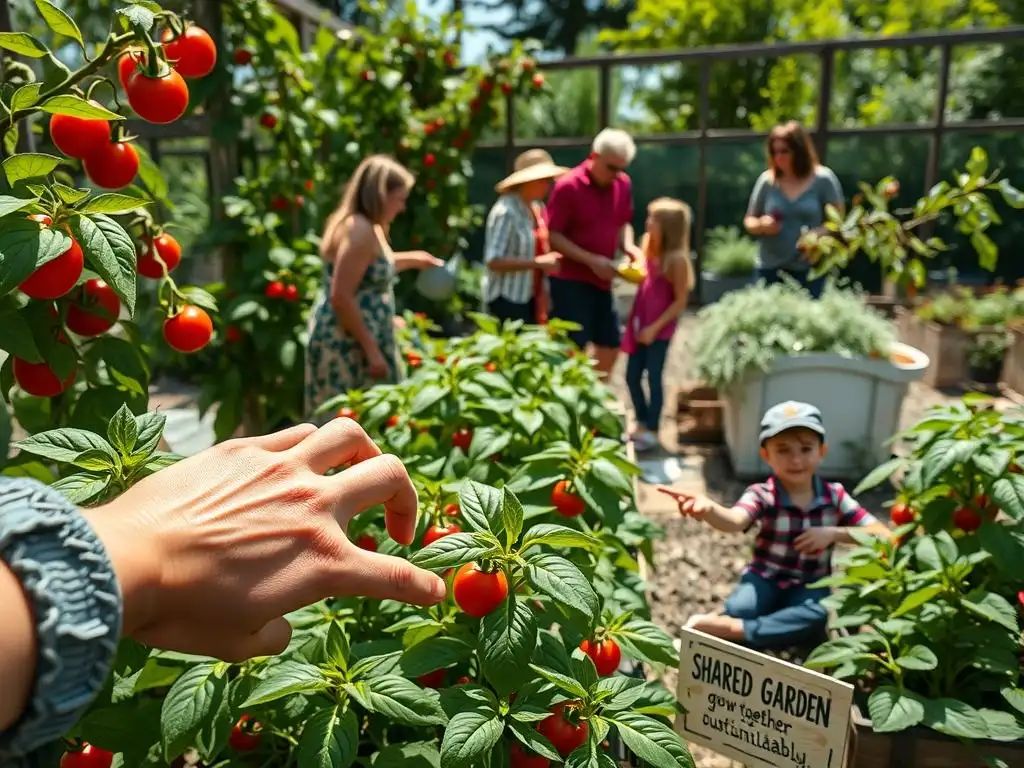
This section delves into the practical application of sustainable practices within a shared garden environment. Successfully implementing these methods requires clear communication, shared responsibility, and a commitment from all participants to prioritize ecological harmony. The success of your shared garden hinges on the collective adoption of sustainable practices. Let's explore some key areas:
Effective composting is crucial for a thriving and sustainable shared garden. It reduces waste, enriches the soil, and minimizes the need for external inputs. However, managing composting in a shared space demands careful planning and coordination.
Several methods can be employed, each with its own advantages and disadvantages:
- Centralized Composting System: This involves a single, shared compost bin strategically located within the garden. This system simplifies management but requires a clear protocol for contributions and maintenance, including regular turning and monitoring for moisture levels. A designated compost committee could be established to oversee this process. Successful implementation relies on clear communication regarding acceptable compost materials (avoiding meat, dairy, and oily foods) and a schedule for emptying the finished compost.
- Individual Composting Bins: Each gardener maintains their own compost bin. This approach minimizes potential conflicts but may lead to inconsistencies in the quality of the compost produced. Educating gardeners on proper composting techniques is crucial for this model. A shared resource of information, perhaps a laminated guide or a shared online document, could prove beneficial.
- Worm Composting (Vermicomposting): This method uses worms to break down organic matter, producing nutrient-rich castings. Vermicomposting is particularly well-suited to shared gardens with limited space, as the bins are typically smaller and less visually imposing than traditional compost piles. However, it requires a higher level of knowledge and maintenance. Workshops or informational sessions could be organized to train participants in vermicomposting techniques.
Regardless of the chosen method, clear labeling, designated areas for compost materials, and regular maintenance are essential for a successful shared composting system. The quality of the compost directly impacts the health and productivity of the garden, representing a significant component of sustainable shared garden practices.
Protecting your shared garden from pests while adhering to sustainable principles requires a multifaceted approach that prioritizes prevention and natural methods over harmful chemicals. The use of pesticides in a shared garden can pose risks to human health and the environment, making natural pest control crucial.
Here are some effective strategies:
- Beneficial Insects: Introducing ladybugs, lacewings, and other beneficial insects can help control pest populations naturally. These insects are natural predators of many common garden pests. Providing habitat for these beneficial insects, such as planting flowering plants that attract them, is essential.
- Companion Planting: Strategically planting certain species together can deter pests. For example, basil planted near tomatoes can repel tomato hornworms. Careful planning and research into companion planting combinations are essential for maximizing effectiveness.
- Crop Rotation: Rotating crops annually helps disrupt pest life cycles and prevents the buildup of pests in the soil. A coordinated plan across the shared garden is needed to ensure consistency in this practice.
- Physical Barriers: Using row covers, netting, or other physical barriers can prevent pests from accessing plants. This approach is particularly effective against flying insects and larger pests.
- Regular Monitoring: Early detection of pests is crucial for effective control. Regular garden inspections and prompt action are key to preventing infestations. A shared responsibility system, with each gardener taking turns inspecting specific areas, could be implemented. This promotes collective vigilance and contributes to the success of sustainable shared garden practices.
Implementing these methods requires a collaborative effort and shared understanding of the importance of natural pest control in maintaining a healthy and productive shared garden.
Minimizing waste is a cornerstone of sustainable gardening. In a shared garden setting, this requires a collective commitment to reduce, reuse, and recycle.
Here's how you can approach waste reduction and recycling:
| Waste Type | Reduction/Recycling Strategies |
|---|---|
| Plastic Containers | Reuse for seedling starts, storage, or composting (if accepted in your system) |
| Food Scraps | Composting (as discussed above) |
| Cardboard & Paper | Composting (cardboard) or recycling (paper) |
| Glass & Metal | Recycling (ensure proper sorting and disposal according to local regulations) |
| Water | Use rainwater harvesting systems whenever possible; implement efficient irrigation methods |
| Packaging Materials | Choose products with minimal packaging; reuse or recycle whenever possible |
Beyond these strategies, consider implementing a shared tool library to reduce the need for individual purchases, promoting resourcefulness and minimizing waste associated with single-use tools. This fosters a sense of community and embodies the spirit of sustainable shared garden practices. Regular clean-up days, with shared responsibility for waste removal and recycling, are key to ensuring the garden’s cleanliness and environmental responsibility. The collective commitment to waste reduction significantly contributes to the long-term sustainability and success of your shared gardening endeavor.
Effective resource management is crucial for the success and longevity of any shared garden. This involves careful planning, clear communication, and a commitment from all participants to sustainable practices. One key aspect is water conservation. Implementing a drip irrigation system, rather than overhead watering, minimizes water waste and reduces the risk of fungal diseases.
Furthermore, regularly checking for leaks in hoses and watering cans can significantly reduce water consumption. Consider using rain barrels to collect rainwater for irrigation, a truly sustainable and cost-effective solution. The collected water can then be used to supplement your regular watering schedule, reducing reliance on municipal water supplies.
Another vital resource to manage is soil. Shared gardens often face challenges in maintaining soil health due to the multiple users and varying gardening styles. Implementing a composting system within the garden is a fantastic way to recycle organic waste from the garden and kitchen, improving soil fertility and reducing the need for external inputs.
Regular soil testing can help determine nutrient deficiencies and guide the application of compost or other organic amendments. This ensures a healthy and productive growing environment for all gardeners. A shared responsibility for soil health, with a rotating schedule for tasks like composting and soil amendment, can encourage participation and avoid overburdening any single individual.
Finally, tool and equipment sharing requires careful planning and clear protocols. A shared inventory of tools, clearly labeled and stored in a designated area, prevents loss or damage. Establishing a system for borrowing and returning tools, perhaps a simple signup sheet or shared online calendar, ensures equitable access and accountability. Regular maintenance and cleaning of shared tools are essential to prolong their lifespan and prevent the spread of diseases.
By implementing these strategies, shared gardens can effectively manage their resources, promoting sustainability and fostering a thriving community garden. This collaborative approach to resource management is a cornerstone of successful and environmentally conscious shared gardening initiatives. Regular meetings and open communication among gardeners are vital to ensure everyone understands and adheres to these resource management practices.
Fostering Community and Collaboration in Your Sustainable Garden
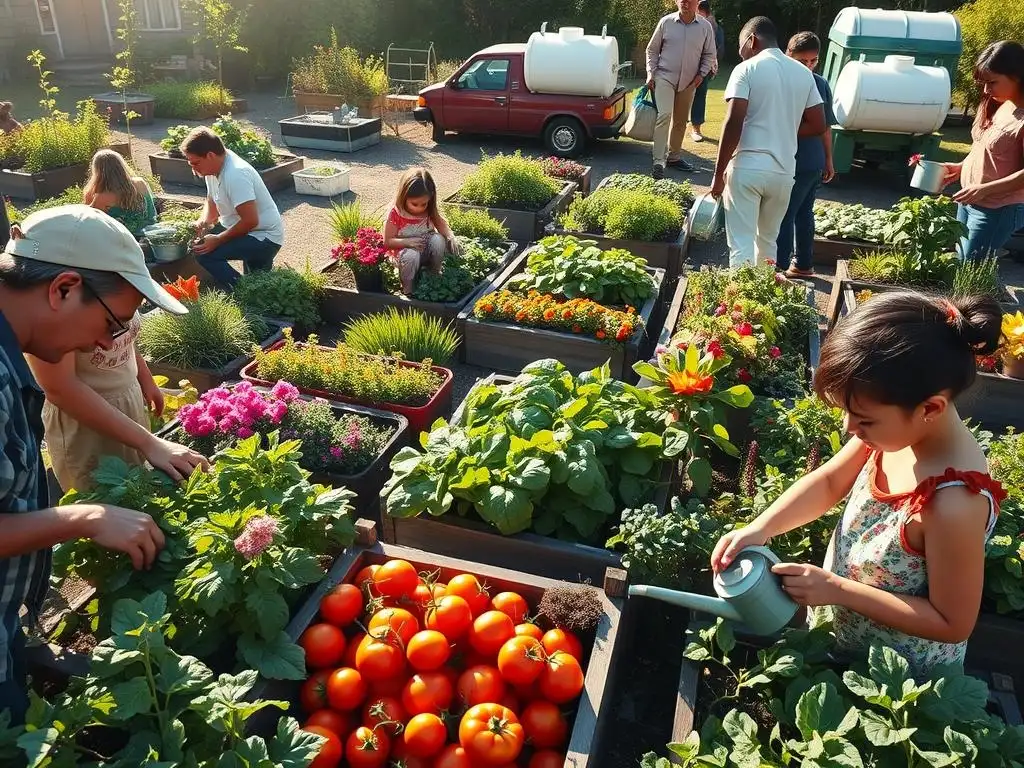
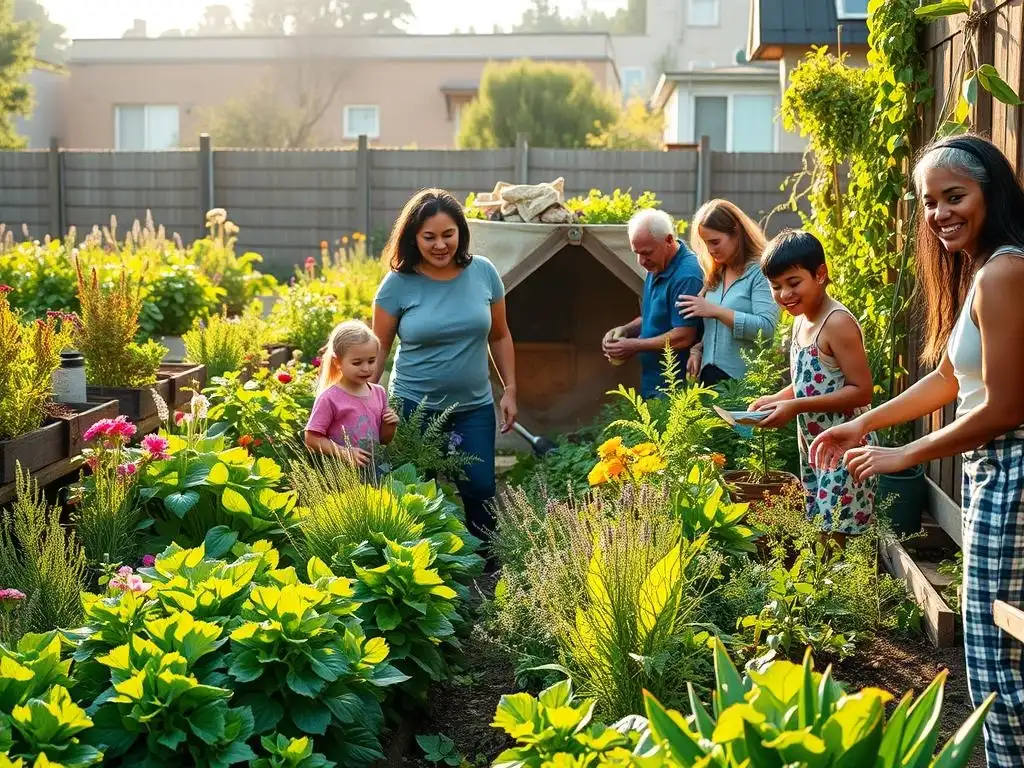
Cultivating a successful shared garden hinges on strong community building. It's not just about growing food; it's about growing relationships and fostering a sense of shared ownership and responsibility. Successful community gardens thrive on open communication, equitable task distribution, and a shared commitment to sustainable practices. This section delves into practical strategies to nurture a thriving, collaborative environment in your shared gardening space. The success of your "Sustainable shared garden practices" directly correlates with the strength of your community.
Effective communication is the bedrock of any successful shared gardening project. Regular meetings, ideally monthly, are crucial. These shouldn't just be announcements; they should be interactive discussions where gardeners voice concerns, share ideas, and collaboratively solve problems. Consider using a variety of communication channels to cater to different preferences. For example:
- Email newsletters: For announcements and important updates.
- A shared online platform (e.g., a dedicated group chat): For quick questions and updates.
- In-person meetings: For more detailed discussions and decision-making.
Inevitably, conflicts may arise. Establishing clear guidelines upfront, such as a code of conduct addressing issues like plant theft or disagreements over gardening styles, can minimize conflict. However, a proactive approach to conflict resolution is key. This involves:
- Encouraging open dialogue: Creating a safe space for individuals to express their concerns.
- Mediation: If necessary, involving a neutral third party to facilitate a resolution.
- Compromise: Emphasizing finding solutions that work for everyone involved. Remember, a shared garden thrives on mutual respect and understanding. A well-defined conflict resolution process is a crucial aspect of "Sustainable shared garden practices".
Equitable task distribution is vital for a sustainable and harmonious shared garden. Avoid situations where a few individuals bear the brunt of the work. Consider these strategies:
- Task rotation: Assign tasks on a rotating basis, ensuring everyone contributes equally. This promotes a sense of fairness and shared responsibility.
- Skill-based assignments: Match tasks to individuals' skills and interests. Someone with expertise in pest control can lead that effort, while another might excel at composting.
- Volunteer sign-up sheets: Utilize a simple system for volunteers to sign up for specific tasks, ensuring that all responsibilities are covered.
- Work parties: Organize regular work parties to tackle larger projects collaboratively. These events can be social opportunities, fostering community spirit while completing essential tasks.
Implementing a clear and transparent task management system is paramount. This could include a shared calendar, a whiteboard in the garden, or a dedicated online tool. The key is to ensure that everyone understands their responsibilities and the overall plan. This structured approach is essential for effective "Sustainable shared garden practices".
Building a Thriving Community Around Your Eco-Friendly Garden
Beyond efficient task management and conflict resolution, fostering a strong sense of community is crucial for a sustainable shared garden. Consider these community-building activities:
- Shared harvests: Organize harvest celebrations where everyone shares the bounty of the garden. This creates a sense of collective achievement and reinforces the shared nature of the project.
- Workshops and educational events: Host workshops on various gardening topics, such as composting, pest control, or seed saving. These events provide valuable learning opportunities and strengthen community bonds.
- Social gatherings: Organize potlucks, movie nights, or other social events to build camaraderie and foster relationships among gardeners. These informal gatherings can significantly contribute to a positive and supportive garden environment.
- Community outreach: Consider partnering with local organizations or schools to share the garden's produce or educate others about sustainable gardening practices. This expands the garden's impact and strengthens its connection to the wider community.
By focusing on community building, your shared garden will not only produce abundant food but also cultivate strong relationships and a shared sense of purpose. This holistic approach is essential for successful and long-lasting "Sustainable shared garden practices". 🌱
Shared gardening, while incredibly rewarding, isn't without its hurdles. Open communication and a spirit of collaboration are key to navigating these challenges and maximizing the positive experiences. Celebrating successes, both big and small, is crucial for building morale and fostering a sense of community. A bountiful harvest of juicy tomatoes, a thriving herb garden bursting with fragrant basil, or even the successful composting of garden waste – these are all achievements worth acknowledging.
One effective strategy is to hold regular community gatherings, perhaps a potluck using produce from the shared garden itself. This provides a casual setting for sharing stories, celebrating triumphs, and openly discussing challenges encountered. For example, a particularly successful year might be celebrated with a community feast, featuring dishes prepared with ingredients harvested from the shared plot. Conversely, a year where pests ravaged a particular crop can be a valuable learning experience, prompting discussions about preventative measures and pest control strategies for the following season.
Documenting successes and challenges through a shared garden journal or online forum can also be beneficial. This allows gardeners to reflect on their experiences, track progress over time, and identify patterns or trends that can inform future gardening decisions. Pictures of thriving plants, recipes using harvested produce, and even humorous anecdotes about gardening mishaps can all contribute to a vibrant and engaging record of the shared gardening journey. This shared documentation fosters a sense of collective ownership and pride in the garden's progress, reinforcing the community aspect of the shared space.
Moreover, establishing a system for constructive feedback is crucial. Regular meetings should include time dedicated to discussing both successes and challenges, ensuring everyone feels comfortable voicing their concerns and suggestions. This open dialogue facilitates problem-solving and fosters a sense of collective responsibility for the garden's well-being. For instance, if a particular section of the garden is consistently struggling, the group can brainstorm solutions together, leveraging the diverse knowledge and experience within the community.
This collaborative approach not only resolves issues but also strengthens bonds between gardeners. Remember, a shared garden is a living, evolving entity, and embracing both triumphs and setbacks is part of its unique charm and the learning experience it offers. The ability to learn from mistakes and adapt strategies is a cornerstone of sustainable shared gardening practices.
Maintaining a thriving and sustainable shared garden requires ongoing effort and commitment from all participants. It's not a "set it and forget it" proposition; rather, it's a dynamic process requiring adaptation and consistent attention to detail. Successful long-term sustainability hinges on proactive planning, flexible adaptation, and a commitment to continuous learning. This section will explore key strategies for ensuring your shared garden remains a productive and enjoyable space for years to come.
Long-Term Planning for Your Sustainable Community Garden
Long-term planning is crucial for the success of any sustainable shared garden. This involves more than just deciding what to plant this year; it requires a holistic vision encompassing several key aspects:
- Soil health: A comprehensive soil testing program should be implemented and repeated annually. This helps determine nutrient levels and pH, guiding decisions on composting and amendment strategies. Regular soil analysis is vital for maintaining soil fertility, a cornerstone of sustainable gardening practices. Consider rotating crops annually to prevent soil depletion and pest build-up. Documenting soil test results and amendment strategies over time provides valuable data for future planning.
- Water conservation: Develop a comprehensive irrigation plan that prioritizes water efficiency. Consider drip irrigation systems or rain barrels to minimize water waste. Explore drought-tolerant plant varieties suited to your region's climate. Regularly inspect irrigation systems for leaks and maintain efficient watering schedules, taking into account rainfall. This will significantly reduce your water footprint and contribute to the garden's long-term sustainability.
- Resource management: Plan for the long-term management of resources like compost, tools, and seeds. Establish a system for sharing and maintaining these resources to avoid duplication and ensure equitable access for all gardeners. Consider creating a shared tool shed or designated storage area. Regular inventory and maintenance of tools is essential.
- Succession planting: Plan for continuous harvests by implementing succession planting techniques. This ensures a steady supply of fresh produce throughout the growing season. Research the optimal planting times for different crops in your area to maximize yield and minimize downtime. A well-planned succession planting schedule will contribute to a vibrant and productive garden year-round.
Even the most meticulously planned shared garden will encounter unexpected challenges. Adaptability is key to maintaining sustainability over time. This might involve dealing with:
- Pest and disease outbreaks: Monitor plants regularly for signs of pests or diseases. Implement integrated pest management (IPM) strategies that prioritize preventative measures and minimize the use of harmful chemicals. Encourage beneficial insects and birds to help control pests naturally. Document any pest or disease occurrences and the effectiveness of implemented control methods. This information will be invaluable in future seasons.
- Unforeseen weather events: Extreme weather events can significantly impact garden productivity. Develop contingency plans for dealing with droughts, floods, or unexpected frosts. This might involve implementing supplemental irrigation systems, providing shade or frost protection, or adjusting planting schedules. Flexibility and proactive planning are vital in mitigating the impact of unforeseen weather events on your shared garden.
- Changing participant involvement: Shared gardens rely on the consistent participation of their members. Establish clear communication channels and guidelines to ensure everyone feels responsible for the garden's well-being. Develop strategies for onboarding new members and providing adequate training on sustainable practices. Regular meetings and shared responsibilities are crucial for maintaining participation and enthusiasm.
- Evolving community needs: The needs of the garden community may evolve over time. Regularly assess the community's preferences and adapt the garden accordingly. This might involve changing the types of crops grown, adjusting the garden layout, or adding new features. A flexible approach ensures the garden remains relevant and valuable to its members.
Continuous improvement is an integral part of maintaining a sustainable shared garden. This involves:
- Regular evaluation: Conduct regular evaluations of the garden's performance. This includes assessing crop yields, water usage, pest control effectiveness, and overall community satisfaction. Use this data to identify areas for improvement. Documenting evaluation results provides a valuable record for tracking progress and making data-driven decisions.
- Knowledge sharing: Encourage knowledge sharing among garden participants. Organize workshops, training sessions, or informal discussions to share best practices and learn from each other's experiences. This fosters a sense of community and helps everyone improve their gardening skills. A collaborative learning environment enhances the garden's overall sustainability.
- Experimentation and innovation: Don't be afraid to experiment with new techniques and approaches. Try different composting methods, explore new plant varieties, or test out innovative water conservation strategies. Document the results of your experiments to learn from both successes and failures. Continuous experimentation and innovation are essential for long-term success.
- Adapting to feedback: Actively solicit feedback from all participants. Use this feedback to improve the garden's management and operations. A responsive and adaptable approach ensures everyone feels heard and valued. This collaborative approach is crucial for long-term sustainability and community satisfaction. Regular feedback mechanisms will improve the garden's overall performance.
By embracing these strategies, your shared garden can thrive as a vibrant, productive, and sustainable space for years to come, embodying the best principles of sustainable shared garden practices. 🌱
Inspiring others to adopt sustainable shared gardening practices is crucial for building a resilient and eco-conscious community. This involves more than just sharing your own garden's success; it's about fostering a sense of empowerment and providing practical tools for others to replicate the model. One effective strategy is to host workshops and open days at your shared garden.
These events can showcase the garden's successes, demonstrating the tangible benefits of sustainable practices like composting and pest control using natural methods. Participants can actively engage in tasks like seed-starting, weeding, or harvesting, providing hands-on experience and fostering a deeper connection to the process. Furthermore, providing clear and concise documentation – perhaps a simple guide or a series of informative videos – detailing the garden's setup, maintenance routines, and successes can significantly increase accessibility for newcomers.
Beyond workshops, consider partnering with local community centers, schools, or libraries to offer presentations or gardening courses. This broadens your reach and allows you to engage with a wider audience, sharing your knowledge and enthusiasm for sustainable gardening. Sharing your experiences—both triumphs and challenges—through local newsletters, community blogs, or even social media platforms can also be incredibly effective.
Authentic storytelling, highlighting the collaborative spirit and the environmental benefits, can inspire others to take action. Remember to emphasize the positive social aspects of shared gardening: the sense of community, the opportunity for skill-sharing, and the increased access to fresh, healthy produce. By actively promoting the positive impact on both the environment and the community, you can effectively inspire others to create their own sustainable shared garden spaces.
The more sustainable shared gardens flourish, the greater the collective impact on the environment and community well-being. This ripple effect is the ultimate goal of inspiring others to join this movement.
Frequently Asked Questions
Establish a watering schedule from the beginning, perhaps using a rota system, or allocating specific plot areas to individuals. Consider using water-efficient irrigation methods like drip irrigation.
Designate a central composting area with clearly defined rules for contributions. Clearly label bins for different materials (greens/browns) and ensure regular turning and maintenance by all participants.
Employ integrated pest management (IPM) strategies. Focus on preventative measures like companion planting and encourage the use of beneficial insects, rather than chemical pesticides.
What's the best way to resolve conflicts over garden space or resources?
Establish a clear set of guidelines and a communication protocol at the outset. Consider having regular meetings to discuss concerns and make decisions collaboratively. Mediation may be needed in some cases.
Develop a shared vision and plan for the garden's future. Rotate crops, regularly replenish soil nutrients through composting, and involve new members in the ongoing maintenance and decision-making processes. Regular maintenance is key.
The urgent need for sustainable practices extends far beyond individual backyards; it demands a collective effort, starting with the spaces we share. The future of our planet hinges on our ability to cultivate environmentally conscious habits, and community gardens offer a powerful microcosm of this larger challenge. By embracing sustainable practices in shared green spaces, we not only enhance biodiversity and reduce our environmental footprint but also foster a stronger sense of community and shared responsibility.
The impact of shared, sustainable gardening extends beyond the immediate benefits of fresh produce and beautiful blooms. It cultivates a deeper understanding of ecological interconnectedness and empowers individuals to become active participants in environmental stewardship. The earth laughs in flowers.
– Ralph Waldo Emerson. This simple quote encapsulates the joy and profound connection we can experience when we actively participate in nurturing our shared environment. The lessons learned in a community garden—from composting to water conservation—translate directly into our daily lives, influencing our consumption habits and our relationship with the natural world.
Now, consider the seeds of change you can plant. Think about how you can contribute to the sustainability of your own community garden, or even start one. Will you advocate for water-wise irrigation systems? Will you share your knowledge of composting with your neighbors? Will you dedicate time to educating others about the importance of biodiversity? The journey towards a more sustainable future begins with small, intentional actions, and the shared garden is the perfect place to cultivate those actions, one plant, one person, one community at a time.
Thank you for exploring the world of eco-friendly shared gardening! We hope you've gained valuable insights into creating a thriving and sustainable garden that benefits everyone. Now, let's put your knowledge into practice.
- Start small, but start now! Begin by implementing one sustainable gardening technique in your shared garden this week. For example, you could start composting food scraps, collect rainwater for irrigation, or experiment with companion planting. Even a small change can make a significant difference.
- Share your experiences – both successes and challenges – with your fellow gardeners. Collaboration is crucial for a thriving shared garden. Discuss what worked well and brainstorm alternative approaches for future gardening efforts.
- Consider documenting your journey: Take photos or keep a journal to track your progress and inspire others to adopt sustainable practices in their own gardens. This will be a valuable resource for the entire community.
Ready to transform your shared garden into a vibrant, sustainable haven? What's the first eco-friendly step you'll take?