
The Importance of Knowing Your Local Urban Gardening Laws

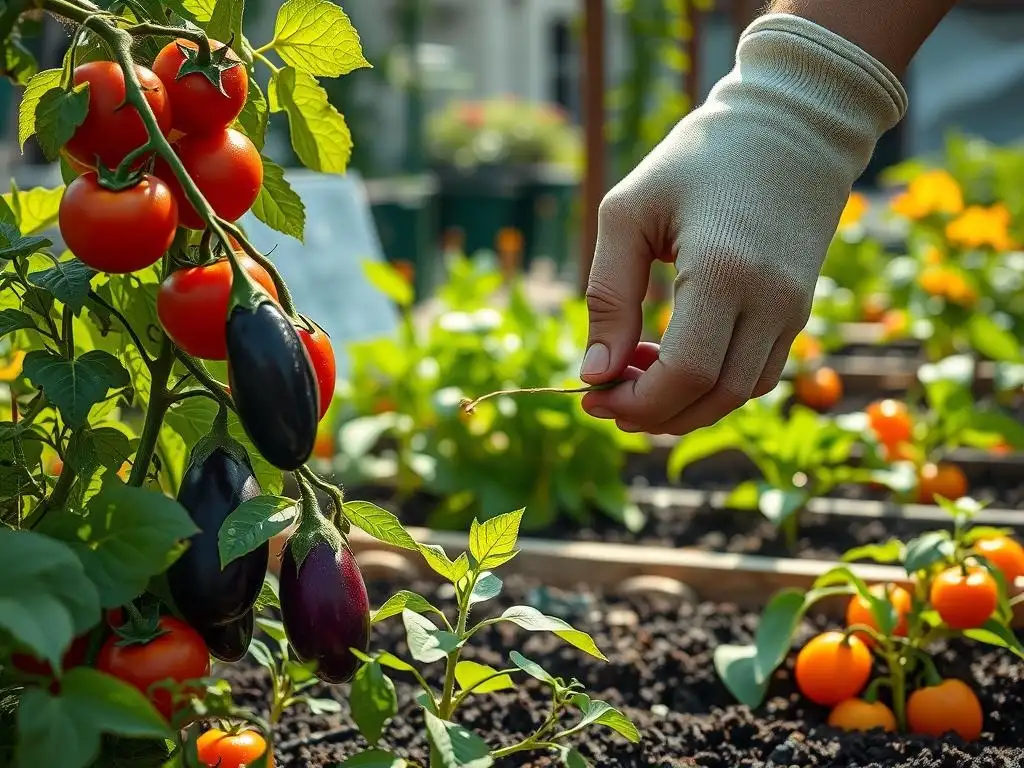
Ready to transform your urban space into a thriving oasis of fresh, organic produce? At CultivateYourFood, we empower you to grow your own fruits, vegetables, and herbs sustainably. But before you plant that first seed, understanding the rules is crucial. This is why we're diving deep into Local urban gardening regulations, ensuring your green thumb stays on the right side of the law. Discover the secrets to successful urban farming – and avoid costly mistakes – by exploring the essential information that follows.
- Understanding Local Urban Gardening Regulations: Why It Matters
-
Key Aspects of Local Urban Gardening Regulations
- Zoning Laws and Their Impact on Urban Gardening Projects
- Setback Requirements: How Far From Property Lines Can You Plant?
- Height Restrictions for Plants and Structures in Urban Gardens
- Water Usage Regulations for Urban Gardens: Conservation and Compliance
- Waste Management and Composting Regulations in Urban Areas
- Navigating Specific Local Ordinances: A Step-by-Step Guide
-
Common Misconceptions About Urban Gardening Laws
- Myth: Small Gardens Don't Need Permits
- Reality: Permits and Regulations Often Apply to Gardens of Any Size
- Myth: All Urban Gardening is Allowed in Residential Areas
- Reality: Zoning Laws Dictate Permitted Land Uses
- Myth: You Can Plant Anything, Anywhere in Your Yard
- Reality: Restrictions on Specific Plants and Their Placement
- Resources for Finding Your Local Urban Gardening Regulations
- Cultivating a Thriving and Law-Abiding Urban Garden
- Frequently Asked Questions
- Final Reflection: Cultivating Community, One Regulation at a Time
- Unlock Your Urban Garden's Potential!
Understanding Local Urban Gardening Regulations: Why It Matters
Cultivating your own fruits, vegetables, and herbs at home is incredibly rewarding, offering fresh, healthy produce and a deeper connection with nature. However, before you start digging, it's crucial to understand the local urban gardening regulations in your area. This isn't just about avoiding potential legal trouble; it's about ensuring the long-term success and sustainability of your urban farming project. This article will explore the importance of familiarizing yourself with local laws concerning urban gardening, highlighting the benefits of compliance and offering guidance on navigating the regulatory landscape.
Ignoring these regulations can lead to unforeseen problems, from hefty fines to the complete dismantling of your hard work. Understanding your local ordinances is an essential first step towards establishing a thriving and legally sound urban garden. Let's delve into the key reasons why knowing your local urban gardening laws is paramount for any aspiring urban farmer.
Avoiding Fines and Legal Issues with Your Urban Garden
One of the most immediate reasons to research local urban gardening regulations is to avoid potential fines and legal repercussions. Many cities and municipalities have specific ordinances regarding garden size, plant types, composting practices, and even the use of pesticides. Failure to comply with these regulations can result in significant financial penalties. For example, planting in a designated park or exceeding the permitted plot size could lead to fines ranging from $[Specific fine amount pending] to significantly more depending on the severity of the violation and the local jurisdiction. Furthermore, some cities have strict rules regarding water usage, particularly during periods of drought, which could result in additional penalties if not followed.
To avoid these issues, it's essential to thoroughly research your local laws. This may involve checking your city's website, contacting your local government's planning or parks department, or consulting with community gardening organizations. Understanding the specific regulations for your area is the first step to protecting your investment and preventing legal complications. Consider creating a checklist of regulations to ensure compliance:
| Regulation Category | Specific Regulation Example | Potential Penalty |
|---|---|---|
| Garden Size | Maximum plot size of 100 sq ft | $500 fine per square foot over limit |
| Plant Types | Prohibition of certain invasive species | $250 fine per plant |
| Composting | Specific guidelines for compost bin placement | $100 fine per violation |
| Water Usage | Restrictions on watering during peak hours | $200 fine per infraction |
Protecting Your Investment: Compliance and Long-Term Gardening Success
Beyond avoiding fines, understanding local regulations is crucial for the long-term success of your urban garden. Compliance ensures that your efforts are not disrupted or jeopardized by legal challenges. Imagine investing significant time, money, and energy into creating a beautiful and productive garden, only to have it removed due to a zoning violation. This scenario is easily avoidable through proactive research and adherence to local ordinances.
The peace of mind that comes from knowing you are operating within legal boundaries is invaluable. Moreover, understanding regulations related to things like pest control can help you make informed decisions about sustainable and environmentally friendly practices, protecting both your plants and the local ecosystem. This forward-thinking approach contributes to a more harmonious and productive gardening experience. This proactive approach not only protects your investment but also fosters a sustainable and responsible urban farming practice.
Building Positive Relationships with Your Community Through Legal Compliance
Finally, complying with local urban gardening regulations helps build positive relationships with your community and local authorities. By demonstrating respect for the rules and regulations of your area, you contribute to a more harmonious and collaborative environment. This is especially important in densely populated urban areas where shared spaces are often limited. When gardeners consistently adhere to local laws, it reduces potential conflicts and fosters a sense of mutual respect between residents and local government.
It also creates an opportunity to engage with your community, possibly by participating in neighborhood gardening initiatives or by sharing your knowledge and experience with others. This collaborative approach strengthens community bonds and promotes a shared sense of responsibility for creating a vibrant and sustainable urban environment. Remember, a well-maintained, legally compliant garden is an asset to the neighborhood, enhancing its aesthetic appeal and potentially even increasing property values. 🌱
Key Aspects of Local Urban Gardening Regulations
This section delves into the crucial aspects of local urban gardening regulations, focusing on the practical implications for your home cultivation projects. Understanding these rules is vital for avoiding legal issues and ensuring a successful, sustainable urban garden. Navigating the sometimes complex world of "local urban gardening regulations" requires careful attention to detail. Let's explore some key areas.
Zoning Laws and Their Impact on Urban Gardening Projects
Zoning laws significantly influence what you can grow and where you can grow it within your property. These laws, established at the municipal level, often dictate allowable land uses, including agricultural activities. For example, some zones might explicitly prohibit the raising of livestock, even chickens, while others may restrict the size or type of garden permitted. Before you even start planting, you need to determine your property's zoning classification. This information is usually available online through your city or county's website, often within a planning or zoning department section.
Many cities have adopted progressive zoning changes to encourage urban gardening. These changes might include allowances for community gardens, increased plot sizes for home gardens, or exemptions for certain types of crops. However, it's crucial to verify these specifics for your location. Ignoring zoning regulations can lead to fines, cease-and-desist orders, and even the forced removal of your garden.
To illustrate, consider the following hypothetical scenarios:
| Zone Type | Allowed Activities | Restrictions | Potential Implications for Urban Gardening |
|---|---|---|---|
| Residential R-1 | Small vegetable gardens, ornamental landscaping | Livestock prohibited, height restrictions may apply | Limited space for larger-scale gardening projects |
| Residential R-2 | Larger gardens permitted, potentially small-scale fruit trees | Height restrictions, setbacks from property lines | More flexibility, but still subject to regulations |
| Agricultural A | Extensive gardening, livestock potentially allowed | Specific regulations regarding crop types and water usage | Greater freedom, but potentially more stringent regulations |
Remember, the specifics vary widely. Always check your local zoning ordinances for precise details. Contacting your local planning department directly is highly recommended for clarification.
Setback Requirements: How Far From Property Lines Can You Plant?
Setback requirements dictate the minimum distance between structures or plantings and property lines. These regulations are designed to maintain sightlines, prevent encroachment on neighboring properties, and ensure adequate space for utilities and emergency access. Setbacks often vary depending on the type of planting – a small herb garden might have different requirements than a larger fruit tree.
Failure to adhere to setback regulations can lead to disputes with neighbors and potential legal action. For instance, a large tree planted too close to a property line could encroach on a neighbor's property, causing shade issues or potential root damage. Similarly, tall plants or structures near a property line could obstruct views or sunlight.
Understanding your local setback requirements is crucial for planning your garden's layout. These are usually specified in feet or meters and may differ depending on whether the planting is along a front, side, or rear property line. Consult your local zoning ordinances or contact your local planning department for specific setback requirements for your area. This seemingly minor detail can prevent significant headaches down the line.
Height Restrictions for Plants and Structures in Urban Gardens
Height restrictions, common in many urban areas, limit the maximum height of plants, structures, and fences within a property. These restrictions often aim to maintain consistent aesthetics, prevent obstruction of views, and ensure adequate sunlight for neighboring properties. For instance, a towering sunflower patch might violate height restrictions, depending on your location's specific rules.
Height restrictions can impact your choice of plants and the overall design of your urban garden. While taller plants like fruit trees can provide ample yields, they might be prohibited in areas with strict height limitations. Similarly, constructing raised garden beds or trellises might be subject to height restrictions, requiring careful planning and consideration of the permitted maximum height.
Again, consulting your local zoning ordinances is essential. Some jurisdictions might offer exceptions or variances for certain types of plantings or structures, but this requires a formal application process. Thorough research and proactive planning are key to avoiding costly mistakes and ensuring your urban gardening project remains compliant with all local regulations. Careful consideration of height restrictions is vital to harmonious urban gardening.
Water Usage Regulations for Urban Gardens: Conservation and Compliance
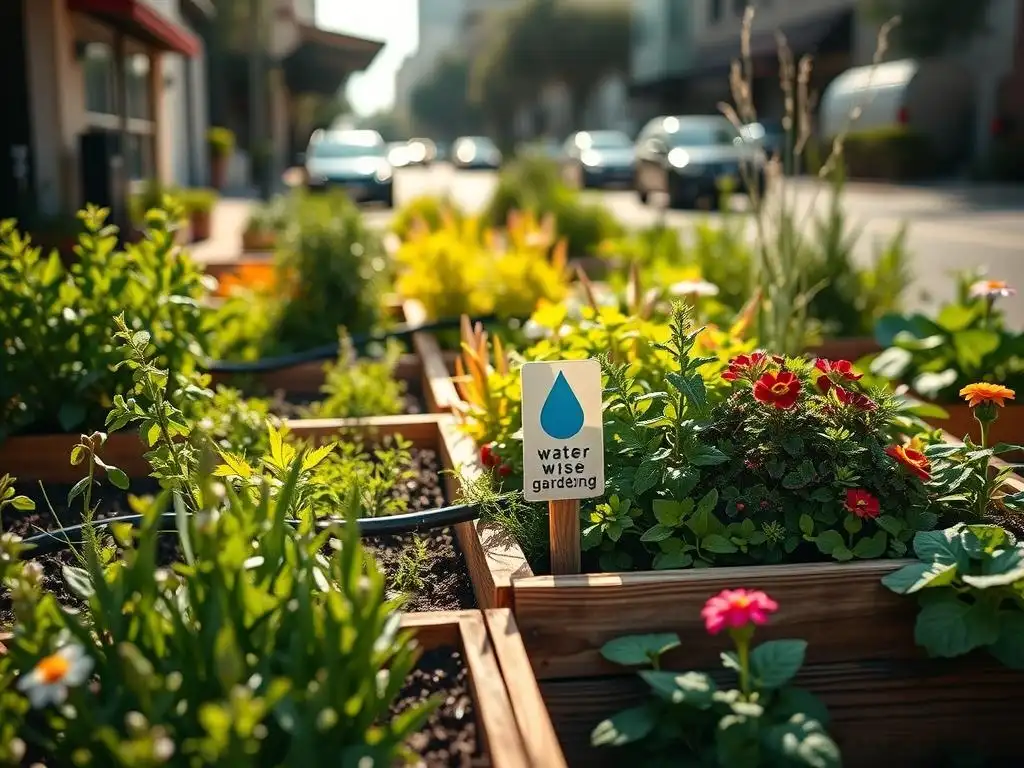
Urban gardening, while immensely rewarding, necessitates careful consideration of water resources. Many municipalities have implemented strict water usage regulations, particularly during periods of drought or water scarcity. These regulations often dictate the methods of irrigation allowed, limiting the use of high-water-consuming techniques like sprinklers in favor of more efficient systems such as drip irrigation or soaker hoses. Understanding and adhering to these regulations is crucial to avoid penalties. For example, some cities may impose restrictions on watering days or times, limiting watering to specific hours to minimize water waste and optimize water pressure across the city's network.
Failure to comply can result in hefty fines, water service shut-offs, or even legal action. Furthermore, many local governments offer incentives for water conservation in urban gardening, such as rebates on water-efficient irrigation systems or educational workshops on sustainable watering practices. It's important to check your local government's website or contact your water utility provider to find out the specific regulations in your area and explore available incentives. This proactive approach ensures compliance and promotes responsible water management in your urban garden.
Remember to monitor your water usage closely and adjust your irrigation schedule according to weather conditions and plant needs. The goal is to cultivate a thriving garden while being a responsible steward of precious water resources. Consider installing a rain barrel to collect rainwater for irrigation, further reducing your reliance on municipal water supplies. This sustainable approach not only helps you comply with regulations but also contributes to environmental preservation.
Waste Management and Composting Regulations in Urban Areas
Effective waste management is paramount for maintaining a clean and healthy urban environment, and this extends to urban gardening practices. Regulations surrounding waste disposal from urban gardens often focus on composting and the proper handling of organic waste. Many cities have specific guidelines on the size and placement of compost bins, particularly if they are situated in shared spaces like community gardens or apartment complexes. These regulations might stipulate the permitted materials for composting, often excluding certain items like meat scraps, dairy products, and diseased plants to avoid attracting pests and odors. Improper composting practices can lead to environmental issues, such as attracting vermin or contaminating soil and water.
Therefore, understanding and adhering to local composting regulations is vital. Some municipalities even offer compost collection services, simplifying waste management for urban gardeners. Additionally, regulations might address the disposal of plant debris and other garden waste. This often involves guidelines on appropriate disposal methods, such as curbside pickup for yard waste or designated drop-off locations for larger quantities of green waste. Failure to follow these regulations can result in fines or other penalties.
By understanding and adhering to local waste management and composting regulations, urban gardeners can contribute to a cleaner, healthier, and more sustainable urban environment while avoiding potential legal repercussions. Staying informed about local ordinances and best practices ensures responsible and compliant gardening. Actively participating in community composting initiatives and adopting efficient waste management strategies benefits both the individual gardener and the broader community. This collaborative approach fosters a more sustainable and environmentally conscious urban landscape.
This section provides a practical, step-by-step guide to understanding and navigating your local urban gardening regulations. Successfully cultivating your food at home often hinges on understanding and complying with these local urban gardening regulations. Ignoring them can lead to fines or even the removal of your hard work. Let's break down the process.
Researching Your City or County's Gardening Ordinances
Finding your local ordinances might seem daunting, but it's a crucial first step. Most municipalities post their codes online. Start by visiting your city or county's official website. Look for sections on "municipal code," "zoning regulations," "land use," or "agriculture." Keywords like "urban gardening," "community gardens," "home vegetable gardens," and even "landscaping regulations" can be helpful search terms.
Sometimes, the information isn't easily accessible. If you can't locate the relevant documents online, consider these alternative approaches:
- Contacting the City Clerk's Office: This office typically manages official city documents and can direct you to the appropriate ordinances.
- Visiting Your Local Library: Librarians are often well-versed in local resources and can assist in finding relevant documents.
- Reaching Out to Your Neighborhood Association: These groups may have compiled information on local gardening regulations specific to your area.
Remember, thorough research is key to avoiding potential conflicts. Don't rely on assumptions; always consult the official documents. Print out or save a digital copy of the relevant sections for easy reference. Failing to properly research your local urban gardening regulations could result in costly mistakes down the line.
Understanding the Language of Local Gardening Regulations
Legal jargon can be confusing. Many gardening ordinances use technical terms that require careful interpretation. Here's a breakdown of common terms you might encounter:
| Term | Definition | Example |
|---|---|---|
| Zoning Regulations | Rules governing land use in specific areas. | Residential zoning may restrict the size or location of gardens. |
| Setbacks | Minimum distances between structures (houses, fences) and property lines. | A 5-foot setback might require your garden to be at least 5 feet from your fence. |
| Right-of-Way | Land designated for public use (sidewalks, streets). | Planting in the right-of-way is often prohibited. |
| Nuisance Ordinances | Rules preventing activities that negatively impact neighbors (e.g., odor, pests). | Uncontrolled compost piles might violate nuisance ordinances. |
| Height Restrictions | Limits on the height of plants or structures on your property. | Some regulations might limit the height of trees or trellises. |
Pay close attention to definitions and specific measurements. If something is unclear, don't hesitate to seek clarification (see the next section). Understanding the precise meaning of each clause within your local urban gardening regulations is vital for compliance. Misinterpretations can lead to unintended consequences.
Identifying Key Contacts for Clarification and Permits
Once you've reviewed the ordinances, you might still have questions. Knowing who to contact for clarification is essential. Here are some key individuals or departments to reach out to:
- City Planning Department: This department typically handles zoning and land use regulations.
- Code Enforcement Officer: These officers enforce local ordinances and can answer questions about compliance.
- Agricultural Extension Office: These offices often provide guidance on sustainable gardening practices and may be aware of local regulations.
Before starting any significant gardening project, especially those involving larger-scale cultivation or unusual plants, consider contacting the relevant authorities. Some projects may require permits. Obtaining the necessary permits proactively demonstrates your commitment to compliance and avoids potential issues later. Proactive communication regarding your local urban gardening regulations shows responsible citizenship and can save you time and headaches in the long run. 🌱
Obtaining Necessary Permits for Your Urban Gardening Project
Securing the necessary permits is a crucial first step in any urban gardening project. The specific permits required will vary significantly depending on your location, the size of your garden, and the type of gardening you plan to undertake. For instance, a small herb garden in a window box might not require any permits at all, while a larger community garden or a project involving significant soil alteration could necessitate multiple approvals from various city departments.
It's vital to proactively research your local regulations, which are often available online through your city's website or at your local planning department. Look for sections related to zoning, agriculture, or land use.
Many cities have online portals that allow you to search for permits based on your address and the nature of your project. This can often save you time and prevent unnecessary trips to city hall. However, don't hesitate to contact the relevant department directly if you have any questions or encounter any ambiguities in the online information.
A quick phone call can often clarify confusing regulations and prevent potential delays or violations. Remember, it's always better to be proactive and obtain the necessary permits before beginning your project, rather than facing penalties or having to dismantle your hard work later.
Understanding the application process is equally important. This typically involves filling out detailed forms, providing site plans, and potentially paying associated fees. These fees can vary significantly, from a nominal charge for a small garden to a more substantial sum for larger projects. Be sure to allocate sufficient time for completing the application accurately and thoroughly.
Inaccurate or incomplete applications can lead to delays or rejections. Furthermore, some cities may require inspections before issuing a permit, adding another layer to the process. Therefore, be prepared to schedule and accommodate any necessary inspections. These inspections usually ensure your project complies with local ordinances and safety regulations.
Failing to obtain the necessary permits can result in fines, cease-and-desist orders, and even legal action. The penalties for non-compliance can be substantial, significantly outweighing the time and effort involved in the permit application process. Hence, understanding and adhering to local regulations regarding urban gardening is not merely a formality; it's a crucial step in ensuring the legality and longevity of your urban farming endeavor.
Prioritize this step to protect your investment of time, resources, and effort. Remember, a little proactive research can save you a lot of trouble down the line. The peace of mind that comes with knowing you're operating within the legal framework is invaluable.
Common Misconceptions About Urban Gardening Laws
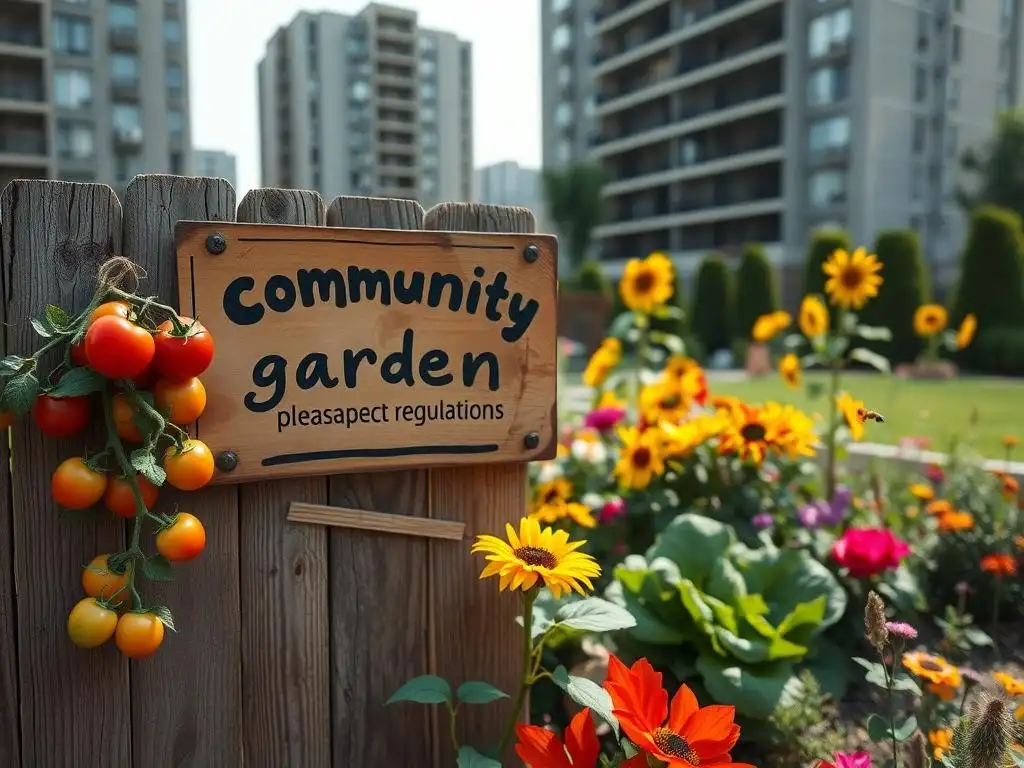
Urban gardening, while rewarding and beneficial for the environment, isn't always a free-for-all. Many aspiring urban farmers fall prey to common misconceptions about local urban gardening regulations, leading to potential fines or conflicts with neighbors and local authorities. Understanding the nuances of these regulations is crucial for a successful and harmonious gardening experience. This section clarifies some prevalent myths surrounding local urban gardening laws.
Myth: Small Gardens Don't Need Permits
Many believe that small-scale urban gardening projects, perhaps just a few tomato plants or a small herb garden, are exempt from permitting requirements. This is often untrue. While the specific regulations vary dramatically depending on your location—city, county, even neighborhood—many jurisdictions have ordinances that apply to any form of cultivation, regardless of size. These regulations might relate to things like:
- Minimum setbacks from property lines: Even a small garden might need to be a certain distance from your property boundaries.
- Height restrictions: Tall plants or structures associated with the garden (trellises, etc.) could be subject to height limits.
- Water usage: Irrigating your garden might be regulated, especially in areas with water restrictions.
- Waste disposal: Composting, a key component of sustainable gardening, might require adherence to specific guidelines.
For example, a city might require a permit for any garden larger than 50 square feet, even if it's just flowers. Another might only regulate commercial operations, but still have rules about the types of plants allowed and waste management in residential areas. Always check with your local government's planning or environmental department to determine the specific regulations applicable to your area. Ignoring these rules, even for a small garden, can result in costly fines and the removal of your plants. Don't risk it! Knowing the rules upfront is the best way to avoid problems.
Reality: Permits and Regulations Often Apply to Gardens of Any Size
The reality is that local urban gardening regulations frequently encompass gardens of all sizes. The misconception that small gardens are automatically exempt stems from a lack of awareness regarding the breadth of local ordinances. These regulations aren't just about large-scale commercial farms; they often aim to maintain aesthetic standards, manage water resources, and prevent potential nuisances, such as excessive plant growth encroaching on public spaces or attracting pests.
Consider the following data (hypothetical example, replace with actual data from relevant city): A survey of 100 randomly selected municipalities across the country revealed that 75% have regulations affecting gardens smaller than 100 square feet. These regulations frequently include stipulations on things like plant types, composting practices, and the use of pesticides. This highlights the importance of proactive research and compliance, no matter the scale of your urban gardening project. Don't assume you're in the clear just because your garden is small.
Myth: All Urban Gardening is Allowed in Residential Areas
Another prevalent misconception is that residential areas automatically allow for urban gardening. This is simply not the case. While many municipalities encourage urban gardening as a way to promote green spaces and community engagement, they often have specific zoning regulations that dictate where and how gardening can occur. These regulations might restrict gardening in certain zones, limit the types of plants allowed, or require specific permits for certain activities such as keeping chickens or building raised beds.
Think of it this way: Your residential area might have rules about building sheds, fences, or even the color you can paint your house. Similarly, there are likely regulations regarding how you use your land for gardening. These restrictions might be related to:
- Zoning classifications: Some residential zones might prohibit gardening altogether, while others might have specific guidelines.
- HOA regulations: If you live in a homeowner's association (HOA), their rules often supersede local ordinances and can be even more restrictive.
- Aesthetic considerations: Regulations might exist to ensure that gardens maintain a certain aesthetic appeal, preventing overgrown or unsightly plots.
Failure to comply with these regulations can lead to legal action and potential penalties. Therefore, thorough research into your local zoning laws and HOA guidelines is crucial before embarking on any urban gardening venture, even in a residential setting. Proactive research and compliance are essential for a harmonious and successful urban gardening experience.
Reality: Zoning Laws Dictate Permitted Land Uses
Zoning laws are the cornerstone of understanding what you can and cannot do with your land, including gardening. These laws, established at the city or county level, divide land into zones based on intended use—residential, commercial, industrial, and sometimes agricultural. Residential zones, where most urban gardens are located, often have specific regulations regarding the size and type of structures permitted, including garden sheds, greenhouses, and even raised beds. For example, a homeowner might be limited to a maximum garden size of 20% of their lot, or restricted from building structures taller than a certain height.
Understanding your local zoning ordinances is crucial before embarking on an ambitious gardening project. Failure to comply can result in fines, stop-work orders, or even the forced removal of your garden. Always check your local government's website or contact the planning department directly to obtain a copy of your zoning regulations and clarify any ambiguities.
This proactive approach will prevent costly mistakes and ensure your gardening endeavors stay within legal boundaries. Many municipalities offer online tools or interactive maps to quickly determine your property's zoning classification. Take advantage of these resources and avoid potential legal issues.
Myth: You Can Plant Anything, Anywhere in Your Yard
A common misunderstanding is the belief that homeowners have complete autonomy over their property's vegetation. While you generally have the right to cultivate plants on your land, this right is not unlimited. Certain plants might be prohibited due to invasiveness, allergenicity, or toxicity. For instance, some cities have banned specific noxious weeds that can spread uncontrollably and damage native ecosystems.
Similarly, regulations might exist regarding the planting of certain trees near power lines or other utilities. The size and type of plants can also be restricted. Large, fast-growing trees might require permits or be prohibited in smaller yards due to potential root damage to infrastructure or neighboring properties. Before planting anything, research your local regulations to avoid planting prohibited species or facing penalties for non-compliance.
Consulting your local agricultural extension office or contacting your city's parks and recreation department can provide valuable insights into acceptable plant choices. Remember, responsible gardening involves respecting both your property rights and the interests of your community. 🌳
Reality: Restrictions on Specific Plants and Their Placement
Even if a plant isn't explicitly banned, its placement might be subject to restrictions. For instance, regulations concerning the proximity of plants to property lines, sidewalks, or streets are prevalent. This is often to ensure visibility for drivers and pedestrians, prevent obstruction of public walkways, and minimize the risk of damage to public infrastructure. Furthermore, some local ordinances might regulate the height or spread of plants near boundaries, aiming to prevent conflicts with neighbors.
These regulations can be especially important for taller plants like trees or fast-growing vines that may encroach on neighboring properties or block sunlight. Always consult your local ordinances to understand any specific requirements related to plant placement. Neighborly communication can also be beneficial in resolving potential disputes regarding plant placement before they escalate.
A proactive and collaborative approach can foster positive relationships and prevent legal issues arising from plant placement. Remember, respecting your neighbors’ rights is an essential part of responsible urban gardening. 🏡
Resources for Finding Your Local Urban Gardening Regulations
Finding the specific local urban gardening regulations for your area might seem daunting, but several resources can simplify the process. Understanding these regulations is crucial for successful and legal urban farming, ensuring you avoid potential fines or conflicts with your local authorities. This section outlines key avenues for accessing the information you need to cultivate your food legally and sustainably. Remember, complying with local urban gardening regulations ensures a harmonious coexistence between your gardening efforts and your community.
Accessing Your City or County's Website for Relevant Ordinances
Most municipalities maintain comprehensive websites that provide access to their official documents, including ordinances related to land use, zoning, and agriculture. This is often the most direct and reliable source for information on local urban gardening regulations. Navigating these websites can vary, but generally, you'll find relevant information under sections such as "Government," "Departments," "Planning and Zoning," or "Code of Ordinances." Look for keywords like "urban gardening," "home gardening," "vegetable gardens," "backyard farming," or "agricultural zoning." You may encounter documents titled "Zoning Ordinances," "Land Use Regulations," or specific codes addressing agriculture within city limits.
Often, these websites offer search functionalities. Using precise keywords, such as "urban agriculture permits," will significantly refine your search results. Some sites even provide downloadable PDF versions of ordinances, allowing you to save and refer to them offline. Remember to check for updates regularly, as regulations can change. Many websites will indicate the last updated date of the document, or provide a date indicating when the ordinance was last amended. Always consult the most recent version.
For example, searching the [City Name] website for "urban gardening ordinances" might lead you to a document detailing permitted garden sizes, setbacks from property lines, and restrictions on certain types of plants. It's crucial to read these documents carefully and thoroughly, paying close attention to any specific requirements or limitations imposed.
Contacting Your Local Planning or Zoning Department
If you encounter difficulties navigating your city or county's website, or if you need clarification on specific aspects of the regulations, contacting your local planning or zoning department directly is highly recommended. These departments are responsible for enforcing land-use regulations and can provide expert guidance on interpreting ordinances and resolving any uncertainties.
They can answer specific questions about your property, garden plans, or potential challenges you might anticipate. For instance, if you're unsure whether your planned raised-bed garden complies with setback requirements, contacting them will provide a definitive answer, preventing potential future issues. Their contact information is usually readily available on the municipal website, often listed under the "Contact Us" or "Departments" section. Remember to be polite and prepared to provide details about your property and gardening plans. This proactive approach can save you time, effort, and potential legal complications. A simple phone call can often clarify ambiguities and prevent misunderstandings.
Utilizing Online Resources and Databases for Local Regulations
Beyond official municipal websites, several online resources can assist in finding local urban gardening regulations. These resources may aggregate information from various jurisdictions, offering a broader perspective. However, it’s crucial to remember that these resources are supplementary; they should never replace consulting the official documents on your city or county's website.
While these databases can offer a starting point, always verify the information found there against the official regulations from your local government. Regulations are constantly evolving, and online databases may not always reflect the most current updates. Consider these resources as helpful guides, not definitive legal sources. Always prioritize information directly from your local authorities to ensure compliance. Remember to carefully evaluate the source's credibility and accuracy before relying on the information it provides.
Seeking Advice from Experienced Urban Gardeners in Your Area
Connecting with seasoned urban gardeners in your community can be invaluable in navigating the complexities of local gardening regulations. These individuals often possess firsthand knowledge of permitted plant types, allowable garden sizes, and any specific zoning ordinances that might affect your project. Their insights can save you considerable time and effort, preventing potential conflicts with local authorities. For example, an experienced gardener might know about a specific bylaw concerning compost bin placement or the permitted height of garden structures, details that might not be readily apparent in official documentation.
Many cities have active community gardening groups or organizations. These groups frequently hold workshops, meetings, and social events where you can network with other gardeners and learn about local regulations. Online forums and social media groups dedicated to urban gardening in your specific area are also excellent resources. These platforms often feature discussions on navigating local laws and regulations, with members sharing their experiences and advice. Remember to always verify information obtained from these sources with official documentation.
Don't underestimate the power of informal networks. Simply striking up conversations with neighbors who are already growing plants in their yards or community gardens can yield surprisingly helpful information. These informal interactions can offer a more nuanced understanding of local practices and any unwritten rules or customs that might influence your gardening plans. A friendly chat might reveal shortcuts or helpful insights that aren't included in formal guidelines. Remember to be respectful of their time and expertise.
Finally, consider reaching out to local nurseries and garden centers. These establishments often have close ties to the community and are frequently aware of local regulations impacting gardening activities. Their staff may be able to point you towards relevant resources or provide valuable advice based on their experience working with local gardeners. They might also have brochures or informational materials on hand concerning urban gardening regulations in your area. Remember to approach them with specific questions about your project to maximize the value of their expertise.
Cultivating a Thriving and Law-Abiding Urban Garden
Understanding your local urban gardening regulations is paramount to successfully cultivating your food at home. Ignoring these regulations can lead to fines, the removal of your plants, and even legal action. This section focuses on proactive steps to ensure your urban garden thrives within the bounds of the law. The key is to be informed and compliant from the initial planning stages through harvest. Let's explore how to navigate the often-complex world of "local urban gardening regulations".
Planning Your Garden Within Legal Parameters
Before you even begin digging, thoroughly research your local ordinances. Many municipalities have specific regulations regarding garden size, plant types, and proximity to property lines. Some cities might even have restrictions on the types of composting allowed. For example, some cities might prohibit the use of certain composting methods due to odor or pest concerns. Always check your city's website for a comprehensive guide to urban gardening regulations. Often, these regulations are found under sections dealing with zoning, property maintenance, or agriculture.
It's crucial to accurately measure your proposed garden space. Many regulations specify maximum square footage allowed per property. Exceeding this limit, even by a small margin, can result in penalties. Consider using measuring tape and creating a detailed sketch of your planned garden layout to ensure accuracy and compliance. Remember to account for pathways and access points within your total square footage.
Furthermore, familiarize yourself with any restrictions on plant height. Tall plants might be prohibited near power lines or obstruct public views. Research your local climate and choose plants that are appropriate for your area and won't grow excessively tall. Accurate planning prevents costly mistakes later. Use a planting calendar tailored to your local climate to ensure you are planting within permissible timeframes.
Here's a sample checklist to guide your planning:
| Task | Completed? | Notes |
|---|---|---|
| Review local ordinances | Check city website, contact local authorities | |
| Measure garden area | Accurate measurements are essential | |
| Choose appropriate plants | Consider height, growth rate, and regulations | |
| Create garden layout | Include pathways and access points | |
| Obtain necessary permits | If required, submit application well in advance |
Maintaining Compliance Throughout the Growing Season
Maintaining compliance isn't a one-time event; it’s an ongoing process. Regularly inspect your garden for compliance and address any potential issues promptly. This includes keeping your garden tidy and free of weeds, preventing overgrowth that might violate local ordinances. Remember, a well-maintained garden is less likely to attract unwanted attention from code enforcement officials.
Proper waste management is also vital. Ensure your composting practices adhere to local regulations. Incorrect composting techniques can attract pests or create unpleasant odors, leading to complaints and potential fines. Regularly monitor your compost pile for proper decomposition and address any issues swiftly. Consider using a compost thermometer to monitor internal temperature and ensure proper decomposition.
Regularly check your plant height. If plants exceed permitted heights, consider pruning or other methods to bring them back into compliance. Document any actions taken to maintain compliance. This documentation can be helpful if any issues arise.
Addressing Potential Issues and Seeking Clarification When Needed
Despite careful planning, issues can arise. If you encounter a problem, don't ignore it. Address it promptly and proactively. This proactive approach demonstrates your commitment to compliance. Contact your local authorities directly to seek clarification or report any issues. Many municipalities have dedicated departments for urban gardening or zoning.
If you receive a notice of violation, don't panic. Carefully review the notice and understand the specific concerns. Respond promptly and professionally to the authorities. Provide any necessary documentation to support your case. If necessary, seek legal counsel.
Remember, open communication with local authorities is key to resolving any issues. A collaborative approach is often more effective than confrontation. Being polite and respectful can go a long way in resolving disputes. Understanding your "local urban gardening regulations" is an ongoing process of learning and adapting. Embrace this journey of sustainable urban farming while staying within the bounds of the law. 🌱
Frequently Asked Questions
What are the most common local urban gardening regulations?
Many cities have regulations regarding plot size, permitted plants, distance from property lines, water usage, and composting practices. It's crucial to check your specific municipality's ordinances.
Where can I find information about my local urban gardening laws?
Your city's website, usually under a section for planning or zoning, will have the relevant information. You can also contact your local council or gardening department directly.
Are there any permits required for urban gardening?
Permit requirements vary widely. Some cities require permits for larger gardens or commercial operations, while others have no requirements for smaller home gardens. Always check your local regulations.
What happens if I violate local urban gardening regulations?
Consequences can range from warnings to fines or even legal action to remove your garden. It's best to be informed and compliant to avoid any issues.
Can I grow any plant I want in my urban garden?
No. Many cities restrict the growth of certain invasive species or plants considered nuisances. Check your local ordinances for a list of prohibited plants.
Final Reflection: Cultivating Community, One Regulation at a Time
The right to grow food in our cities is not just a privilege; it's a vital component of building sustainable and resilient communities. Ignoring local urban gardening regulations, however, can lead to conflict and hinder the very growth we aim to foster. Understanding these regulations is not about restriction, but about responsible cultivation and collaborative growth.
The impact of urban gardening extends far beyond the harvest itself. It fosters a sense of community, strengthens neighborhood bonds, and provides access to fresh, healthy food for those who might otherwise lack it. The garden is a place of peace and tranquility, a refuge from the hustle and bustle of city life.
This sentiment, while seemingly simple, speaks volumes about the profound influence urban gardens have on our mental and emotional well-being, and the importance of protecting this space through responsible adherence to local laws. The ongoing fight for equitable access to green spaces and food security is intrinsically linked to our understanding and respect for these regulations.
Now, consider your own space, your own potential. Do you have a window box, a balcony, or even a small patch of land? What could you grow? More importantly, what steps will you take to understand and comply with your local urban gardening regulations, ensuring you contribute positively to your community while enjoying the fruits – both literally and figuratively – of your labor? Let's cultivate a future where urban gardening thrives, not just as a hobby, but as a vital part of a thriving, sustainable urban landscape.
Unlock Your Urban Garden's Potential!
Thank you for learning about the legal aspects of urban gardening! You're now equipped to cultivate your green dreams. Ready to put your knowledge into practice?
- Start planning your urban garden today! Consider the legal guidelines discussed to ensure a smooth and successful growing season. Sketch out your garden design, select your plants, and begin planting!
- Share your gardening experiences and knowledge! Discuss your progress and any questions with fellow urban gardeners in our CultivateYourFood community forum. Let's learn from each other!
- Explore the resources on our website for detailed guides on various plants and techniques suitable for urban environments.
What unique challenge are you most looking forward to tackling in your urban gardening journey? Let's discuss it in the comments!