
The Magic of Urban Gardening: Transforming City Spaces into Green Havens

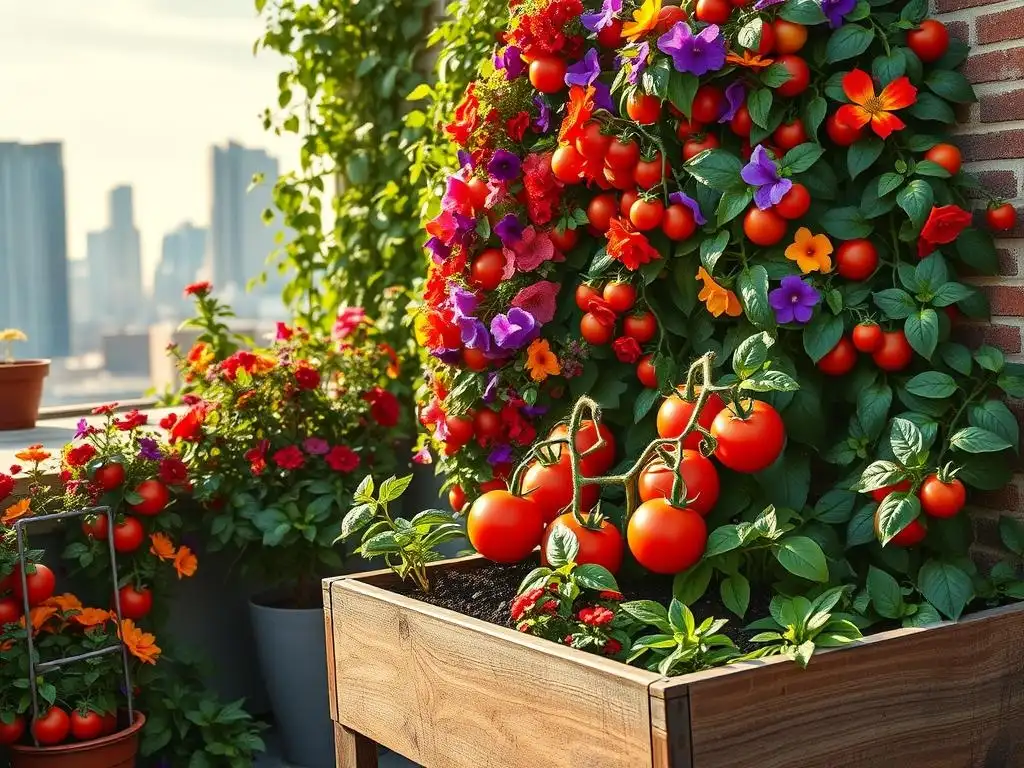
Welcome to CultivateYourFood, your guide to transforming even the smallest urban space into a thriving garden! Are you ready to unlock the secrets of sustainable urban gardening? Discover how to grow your own delicious fruits, vegetables, and herbs using organic methods, from planting your first seed to harvesting your bountiful crop. We'll delve into the magic of urban gardening sustainable practices, helping you create a green haven right in your city. Let's begin your journey to a healthier, more sustainable lifestyle, one plant at a time.
- Urban Gardening Sustainable Practices: Getting Started
- Urban Gardening Sustainable Practices: Planting Your Garden
- Urban Gardening Sustainable Practices: Nurturing Your Urban Oasis
- Urban Gardening Sustainable Practices: Harvesting and Enjoying Your Bounty
- Expanding Your Urban Gardening Skills: Advanced Techniques
- The Benefits of Urban Gardening: More Than Just Food
- Resources and Further Learning: Embracing Sustainable Urban Farming
-
Frequently Asked Questions
- What are some sustainable practices for urban gardening?
- How can I start an urban garden with limited space?
- What are the benefits of urban gardening using sustainable practices?
- What are common challenges of urban gardening and how can I overcome them?
- How can I incorporate composting into my urban garden?
- Final Reflection: Cultivating a Greener Future, One City Block at a Time
- Unleash Your Inner Gardener: Grow Your Green Oasis Today!
Urban Gardening Sustainable Practices: Getting Started
Urban gardening is experiencing a remarkable surge in popularity, driven by a growing awareness of the environmental benefits, the desire for fresh, healthy produce, and a yearning for a deeper connection with nature, even within the confines of a city. This guide delves into the magic of urban gardening, focusing on sustainable practices that minimize environmental impact while maximizing yields.
We'll explore how to transform even the smallest urban spaces into thriving green havens, fostering biodiversity and contributing to a more sustainable food system. From selecting the perfect location and soil to choosing the right tools and implementing eco-friendly pest control, we'll equip you with the knowledge and techniques to embark on your urban gardening journey successfully, embracing sustainable practices every step of the way.
This comprehensive approach to urban gardening prioritizes environmental responsibility, ensuring your garden thrives while contributing positively to the planet. Let's cultivate a greener, healthier, and more sustainable future, one urban garden at a time!
Choosing the Right Location for Your Urban Garden
Selecting the ideal location for your urban garden is crucial for its success. Sunlight is paramount; most vegetables and herbs require at least six hours of direct sunlight daily. Observe your space throughout the day to identify areas receiving ample sunlight. Consider factors like wind exposure; a sheltered spot will protect your plants from harsh winds, preventing damage and water loss. Accessibility is also key; choose a location convenient for watering, weeding, and harvesting.
Furthermore, proximity to a water source can significantly simplify maintenance. Finally, assess the existing soil conditions. While we will discuss soil amendment later, understanding the initial conditions will inform your soil preparation strategy. Remember to consider the long-term growth of your plants, anticipating their mature size to avoid overcrowding. A well-chosen location lays the foundation for a thriving urban garden.
Selecting Sustainable Soil and Compost for Urban Gardening
Sustainable soil and compost are cornerstones of successful and environmentally friendly urban gardening. Instead of relying on chemically-enhanced soil mixes, prioritize organic and sustainable options. Composting kitchen scraps and yard waste is a fantastic way to create nutrient-rich compost, reducing waste and enriching your soil. This reduces reliance on commercially produced soil, which often involves significant transportation and potential chemical inputs. Consider the specific needs of your chosen plants; different plants have different soil requirements.
For example, some prefer well-drained soil while others thrive in more moisture-retentive conditions. You can amend your soil with organic matter like peat moss, coco coir, or well-rotted manure to improve its structure, drainage, and nutrient content. By creating your own compost and using organic soil amendments, you minimize your environmental footprint and contribute to a healthier ecosystem within your urban garden. This approach ensures a sustainable and productive growing environment.
Essential Tools and Supplies for Urban Gardening Success
Investing in the right tools and supplies is crucial for a successful urban garden. A selection of high-quality tools makes gardening more efficient and enjoyable. This includes a sturdy trowel for planting and weeding, a hand rake for soil preparation, and gardening gloves to protect your hands.
Watering cans or a soaker hose are essential for efficient and water-conserving irrigation. Consider using raised beds or containers to improve drainage and soil quality, especially in urban environments where soil conditions might be less than ideal. For pest control, opt for natural and organic methods, such as introducing beneficial insects or using insecticidal soap.
A journal or app to track your planting and harvesting schedules can significantly improve your gardening success. Remember, the right tools and supplies, combined with sustainable practices, contribute to a thriving and productive urban garden. Investing in quality tools now will save you time and effort in the long run.
Planning Your Urban Garden Layout: Space Optimization Techniques
Efficient space utilization is paramount in urban gardening, where square footage is often at a premium. Careful planning can maximize your yield and minimize wasted space. Before even thinking about planting, consider the dimensions of your available area – be it a balcony, rooftop, or a small backyard. Measure carefully and sketch a detailed plan, noting existing structures like walls, fences, and buildings. This will be your blueprint for success.
One effective technique is vertical gardening. Instead of spreading plants horizontally, utilize vertical space with trellises, hanging baskets, or stacked planters. Tomatoes, cucumbers, and beans are excellent climbers that thrive in vertical systems, significantly increasing your harvest per square foot. Furthermore, using vertical structures can also help protect your plants from strong winds often found in urban environments.
Another key aspect is companion planting. This involves strategically placing plants that benefit each other nearby. For example, basil planted near tomatoes is known to repel certain pests while attracting beneficial insects. Marigolds can also be interspersed to deter nematodes and other harmful organisms. Careful consideration of plant heights and sunlight requirements is crucial when implementing companion planting to ensure all plants receive adequate sunlight and nutrients. A well-planned companion planting strategy can improve overall plant health and reduce the need for chemical pesticides – a cornerstone of sustainable urban gardening.
Choosing the right plant varieties is equally crucial. Opt for compact or dwarf varieties of vegetables and herbs that are suitable for containers and limited spaces. These smaller plants require less space and still offer a bountiful harvest. Consider researching varieties specifically bred for container gardening to ensure optimal growth in your chosen setup. Remember to check the mature size of each plant to avoid overcrowding. Overcrowding can lead to competition for resources, resulting in weaker plants and reduced yields. Proper spacing ensures each plant receives enough sunlight, water, and nutrients to thrive.
Finally, consider the use of raised beds or vertical towers. These structures allow for better soil management and drainage, which is especially important in urban settings where soil conditions may not be ideal. Raised beds can also help to control weeds and improve soil temperature. Vertical towers, similar to vertical gardening, maximize space utilization by growing plants upwards. Both methods contribute to a more efficient and productive urban garden, enhancing the sustainability of your gardening efforts. Careful consideration of these space optimization techniques ensures a thriving and productive urban garden, regardless of the size of your available area.
Urban Gardening Sustainable Practices: Planting Your Garden
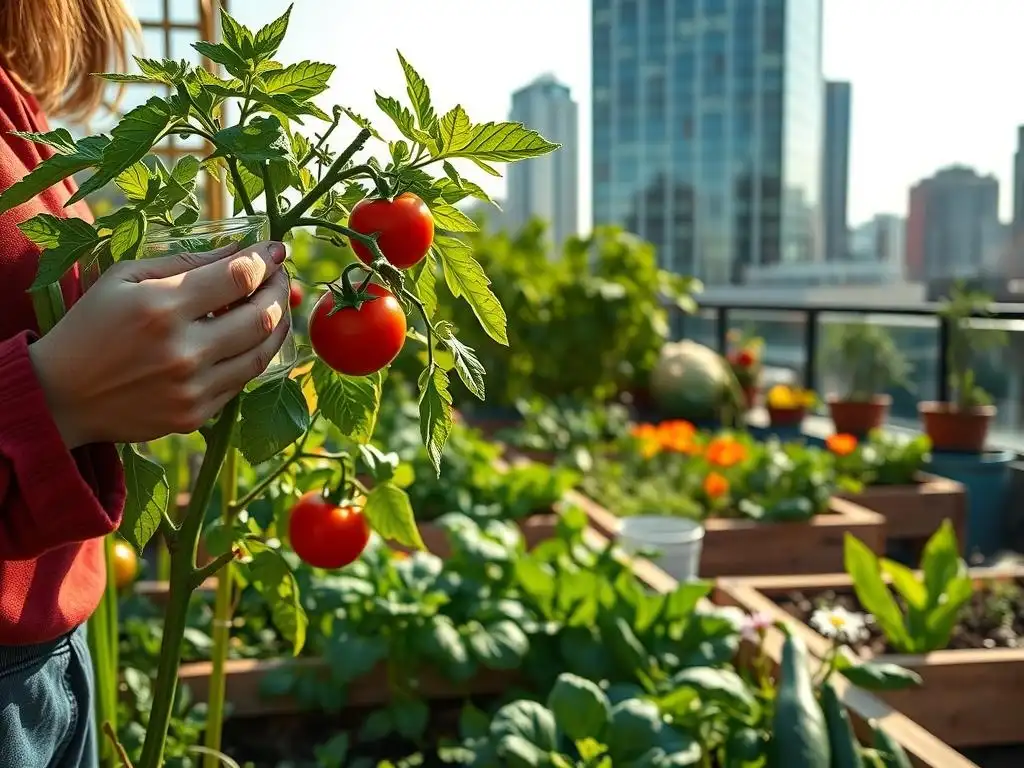
This section delves into the core of urban gardening: planting your garden using sustainable practices. Successfully transitioning your city space into a thriving green haven requires careful planning and a commitment to environmentally friendly methods. We'll explore crucial aspects to ensure your urban garden flourishes while minimizing its environmental impact. The key is to integrate sustainable practices from the very beginning, from plant selection to planting techniques.
Selecting the Right Plants for Your Urban Garden Space
Choosing the right plants is paramount for successful urban gardening, especially when prioritizing sustainability. Consider your space's specific conditions – sunlight exposure, soil type, and available space – to select plants that will thrive without excessive inputs. Prioritize native plants whenever possible. Native species are naturally adapted to your local climate, requiring less water and fewer pesticides than non-native varieties. They also support local ecosystems and biodiversity.
For example, if your urban garden receives limited sunlight, opt for shade-tolerant plants like hostas, ferns, or certain leafy greens. Conversely, sunny locations are ideal for tomatoes, peppers, and many herbs. Understanding the specific needs of each plant – water requirements, soil pH preferences, and growth habits – will allow you to create a balanced and thriving ecosystem.
Consider the following factors when selecting plants for your urban garden:
- Sunlight: How many hours of direct sunlight does your space receive daily?
- Space: How much vertical and horizontal space do you have available? Think about trellises or vertical gardening techniques to maximize space.
- Soil: Is your soil well-draining? What is its pH level? Amend your soil with compost to improve its structure and fertility.
- Water availability: How readily available is water? Choose drought-tolerant varieties if water is scarce.
- Pest resistance: Select plants known for their inherent resistance to common pests, reducing the need for pesticides.
Seed Starting Techniques for Urban Gardeners
Seed starting is a cost-effective and rewarding method for cultivating your urban garden, especially when practicing sustainable urban gardening. Starting seeds indoors allows for greater control over the germination process and ensures healthier seedlings. This approach reduces the reliance on purchasing already-grown plants, saving money and minimizing transportation emissions.
Here's a step-by-step guide to seed starting:
- Choose high-quality seeds: Opt for organic seeds from reputable suppliers to avoid genetically modified organisms (GMOs) and support sustainable agriculture.
- Use appropriate seed-starting mix: A sterile, well-draining seed-starting mix is crucial for healthy germination. Avoid using garden soil, which may contain diseases or pests.
- Properly sow the seeds: Follow the seed packet instructions for planting depth and spacing. Ensure adequate moisture levels.
- Provide adequate light: Seedlings require sufficient light for healthy growth. Use grow lights if natural light is insufficient.
- Maintain consistent moisture: Keep the seed-starting mix consistently moist but not waterlogged.
- Hardening off seedlings: Before transplanting outdoors, gradually acclimate seedlings to outdoor conditions over a period of several days. This process reduces transplant shock.
Sustainable Planting Methods for Urban Environments
Sustainable planting in urban environments requires careful consideration of soil health, water conservation, and pest control. Avoid the use of chemical fertilizers and pesticides, opting instead for organic alternatives.
- Composting: Composting kitchen scraps and yard waste is a fantastic way to create nutrient-rich soil amendment for your urban garden. Compost improves soil structure, water retention, and fertility while reducing waste sent to landfills.
- Water conservation: Utilize water-wise irrigation techniques, such as drip irrigation or soaker hoses, to minimize water waste. Consider collecting rainwater for irrigation.
- Mulching: Applying a layer of mulch around plants helps retain soil moisture, suppress weeds, and regulate soil temperature. Organic mulches, such as straw or wood chips, decompose over time, enriching the soil.
- Companion planting: Planting compatible plant species together can enhance growth and deter pests. For example, basil planted near tomatoes can repel certain pests.
- Pest control: Employ integrated pest management (IPM) strategies, prioritizing preventative measures such as companion planting and beneficial insects before resorting to organic pesticides. Handpicking pests can also be effective.
Implementing these sustainable planting methods will not only contribute to a thriving urban garden but also foster a healthier environment in your city. Remember, urban gardening is a journey, and continuous learning and adaptation are crucial for success. Enjoy the process of transforming your urban space into a vibrant and productive garden!
Protecting Your Plants from Common Urban Challenges
Urban gardening presents unique challenges compared to rural farming. The concrete jungle throws a few curveballs at even the most seasoned green thumb. Successfully navigating these obstacles is key to practicing sustainable urban gardening and achieving a bountiful harvest. Let's explore some common urban gardening threats and how to mitigate them.
One major hurdle is limited sunlight. Many urban gardens are situated in areas with significant shading from buildings or trees. To combat this, careful plant selection is crucial. Opt for sun-loving vegetables that thrive in partial shade, like lettuce, spinach, and kale. Consider the sun's path throughout the day when planning your garden layout, placing sun-demanding plants in the sunniest spots. Supplementing with grow lights, especially during shorter winter days, can significantly boost plant growth and yield. Furthermore, strategically pruning overhanging branches from nearby trees can improve sunlight penetration.
Another significant challenge is limited space. Urban gardens often occupy small areas, such as balconies, rooftops, or even window boxes. Vertical gardening techniques, such as using trellises or hanging planters, can maximize space utilization. Compact plant varieties are also essential; choosing dwarf or bush varieties of vegetables and herbs allows for more plants in a smaller area. Careful planning and efficient space management are vital for a thriving urban garden.
Furthermore, pollutants present a unique problem in urban environments. Air pollution, soil contamination from industrial activities, and runoff from nearby roads can negatively impact plant health. Employing raised beds filled with clean, organic soil helps to isolate your plants from contaminated soil. Regularly testing your soil for heavy metals and other pollutants is also advisable. Choosing plants that are more tolerant to pollution can further enhance resilience. Consider using rainwater harvesting systems to avoid using potentially contaminated tap water for irrigation. This reduces your reliance on municipal water sources and minimizes exposure to potential contaminants.
Finally, pest and disease management in urban gardens requires a different approach. The proximity of other plants and the presence of wildlife can increase the risk of pest infestations. Employing integrated pest management (IPM) techniques, which focus on prevention and natural control methods, is crucial for sustainable urban gardening.
This includes using beneficial insects like ladybugs to control aphids, companion planting to deter pests, and using organic pesticides as a last resort. Regular monitoring of your plants for signs of pests or diseases is essential for early intervention. Early detection allows for timely, less intensive control measures, reducing the need for harsh chemicals.
By proactively addressing these challenges through careful planning, plant selection, and sustainable practices, urban gardeners can create thriving and productive gardens, even in the heart of the city. Remember, success in urban gardening is a testament to resourcefulness and a commitment to sustainable practices. 🎂
Urban Gardening Sustainable Practices: Nurturing Your Urban Oasis
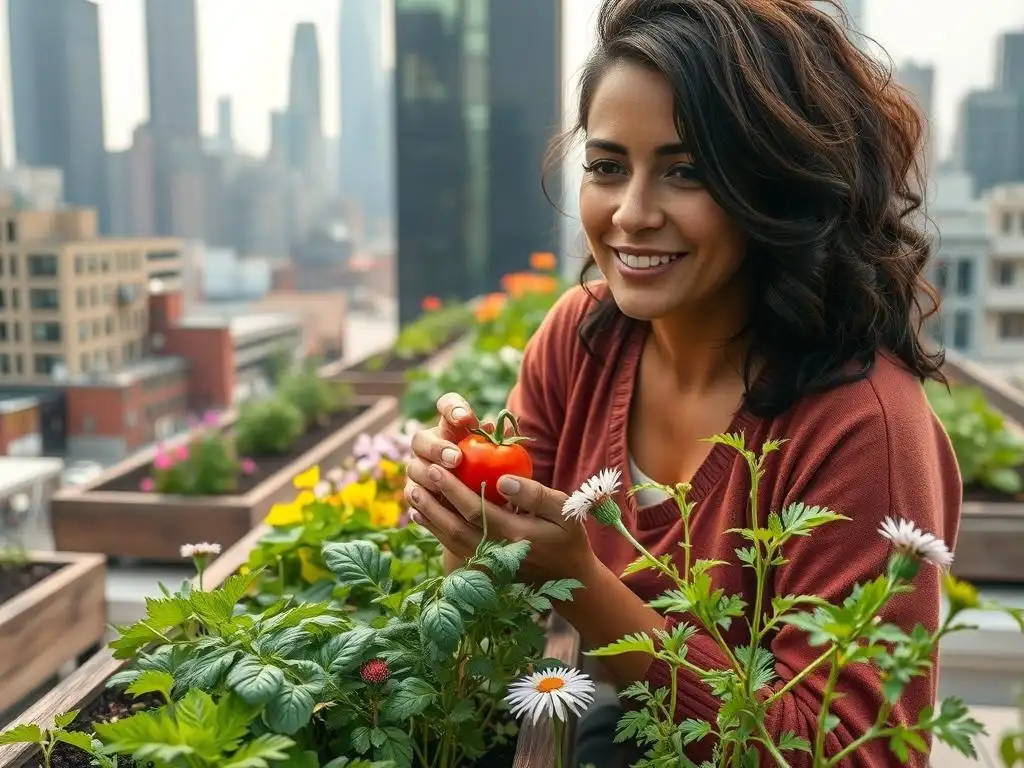
Urban gardening, while offering immense rewards, demands a mindful approach to sustainability. Integrating eco-friendly practices isn't just beneficial for the environment; it also leads to healthier plants and a more fulfilling gardening experience. This section explores key sustainable practices crucial for nurturing your urban oasis, focusing on water conservation, natural pest control, and sustainable fertilization.
By adopting these techniques, you contribute to a greener city while enjoying bountiful harvests. The core principle is to mimic nature's cycles, minimizing our impact and maximizing the health of your urban garden. This approach to "Urban gardening sustainable practices" is essential for long-term success and environmental responsibility.
Watering Techniques for Urban Gardens: Conservation Strategies
Efficient watering is paramount in urban gardening, where resources are often limited. Traditional methods can waste significant amounts of water, leading to runoff and impacting water bills. Sustainable watering practices prioritize conservation and optimize water uptake by plants. Here are some key strategies:
- Drip irrigation: This method delivers water directly to the roots, minimizing evaporation and runoff. A simple DIY drip system can be created using recycled bottles and tubing, significantly reducing water waste compared to overhead watering. Data shows that drip irrigation can reduce water consumption by up to 50% compared to sprinkler systems.
- Soaker hoses: Similar to drip irrigation, soaker hoses slowly release water along their length, directly hydrating the root zone. They are particularly effective for larger areas or raised beds. The slow release also encourages deeper root growth, leading to more drought-tolerant plants.
- Mulching: Applying a layer of mulch (wood chips, straw, or compost) around plants helps retain soil moisture, reducing the frequency of watering. Mulch also suppresses weeds, further conserving water and reducing the need for herbicides. Studies have shown that mulching can reduce water evaporation by up to 70%.
- Water harvesting: Collect rainwater in barrels or containers to supplement your watering needs. Rainwater is naturally soft and free of chemicals, providing ideal hydration for your plants. This approach directly addresses the sustainable use of water resources in urban environments.
- Watering deeply but infrequently: Encourage deep root growth by watering less frequently but more deeply. This promotes drought tolerance and reduces the risk of shallow root systems susceptible to stress. Allow the top inch of soil to dry before watering again. This strategy aligns with the principles of sustainable water management.
Natural Pest Control for Urban Gardening
Chemical pesticides pose risks to human health, beneficial insects, and the environment. Sustainable urban gardening emphasizes natural pest control methods that minimize these risks while effectively managing pests. These techniques focus on prevention and natural remedies:
- Beneficial insects: Attract beneficial insects like ladybugs and lacewings, which prey on common garden pests like aphids and mealybugs. Planting flowering plants that attract these predators is a simple yet effective strategy. For example, dill and fennel attract beneficial insects.
- Companion planting: Certain plants repel pests or attract beneficial insects when planted together. For instance, basil planted near tomatoes helps repel tomato hornworms. Careful planning of companion plants can significantly reduce pest problems.
- Handpicking: Regularly inspect your plants for pests and handpick them off. This is especially effective for dealing with small infestations. This method avoids any harmful chemicals and allows for precise targeting of pests.
- Neem oil: This natural oil derived from the neem tree is a potent insecticide that disrupts the life cycle of many common garden pests. It is a safe and effective alternative to harsh chemicals. It's important to follow label instructions carefully.
- Diatomaceous earth: This naturally occurring sedimentary rock effectively controls various insects by damaging their exoskeletons. It is non-toxic to humans and pets, making it a safe and sustainable option.
Sustainable Fertilization and Soil Enrichment for Urban Gardens
Healthy soil is the foundation of a thriving urban garden. Sustainable fertilization prioritizes soil health over quick fixes with synthetic fertilizers. Here's how to enrich your soil sustainably:
- Composting: Composting kitchen scraps and yard waste creates nutrient-rich compost that improves soil structure, aeration, and water retention. Composting is a cornerstone of sustainable gardening, reducing waste and providing a natural source of nutrients.
- Worm castings: Worm castings (worm poop) are a highly effective fertilizer rich in nutrients and beneficial microbes. They improve soil structure and promote healthy plant growth. Worm composting is a particularly space-efficient method for urban gardeners.
- Cover cropping: Planting cover crops like legumes (beans, peas) adds nitrogen to the soil, reducing the need for synthetic nitrogen fertilizers. Cover crops also improve soil structure and suppress weeds. This method aligns with the principles of sustainable soil management.
- Organic fertilizers: Use organic fertilizers like bone meal, blood meal, or seaweed extract to provide essential nutrients to your plants. These fertilizers are naturally derived and release nutrients slowly, promoting healthy and sustained growth. They are a natural alternative to chemically derived fertilizers.
- Soil testing: Regularly test your soil to determine its nutrient levels and pH. This allows you to tailor your fertilization strategy to the specific needs of your plants and soil, maximizing efficiency and minimizing waste. This data-driven approach ensures optimal nutrient supply.
Dealing with Common Urban Gardening Challenges
Urban gardening, while incredibly rewarding, presents unique challenges compared to rural farming. Limited space, exposure to pollution, and the lack of readily available fertile soil are just a few hurdles urban gardeners must overcome. Successfully navigating these challenges requires a strategic and sustainable approach. Let's explore some common issues and their solutions.
One of the biggest obstacles is limited space. Many urban gardens are confined to balconies, rooftops, or small patches of land. This necessitates careful planning and the selection of compact, vertical gardening techniques. Utilizing trellises, hanging baskets, and stacked planters can maximize yield in limited areas. Consider dwarf varieties of fruits and vegetables, specifically bred for smaller spaces, to optimize your harvest. For example, compact tomato varieties like 'Patio Choice' or 'Tumbling Tom' are excellent choices for container gardening. Strategic planning of plant placement, taking into account sunlight exposure and plant growth patterns, is crucial for maximizing space efficiency.
Another significant challenge is soil quality. Urban soils often lack essential nutrients and may contain pollutants like heavy metals accumulated from industrial activities or vehicle emissions. Addressing this requires careful soil preparation and amendment. Testing your soil is a crucial first step to understand its composition and pH levels.
This informs the type and amount of amendments needed. Composting is invaluable; it enriches the soil with organic matter, improving its structure, water retention, and nutrient content. Using raised beds or containers filled with a high-quality potting mix allows you to bypass potentially contaminated soil altogether, providing a controlled environment for your plants to thrive. Adding vermicompost, created from worm castings, further enhances soil fertility and provides beneficial microorganisms.
Finally, urban environments often present pest and disease challenges. Close proximity to other plants and increased human activity can increase the risk of pest infestations and disease outbreaks. A proactive approach is key to minimizing these issues. Employing organic pest control methods is crucial for maintaining a sustainable urban garden.
This can include introducing beneficial insects like ladybugs or lacewings to control aphids, using neem oil as a natural insecticide, or implementing companion planting techniques, where certain plants deter pests from others. Regular inspection of plants for signs of pests or diseases is essential for early intervention, preventing widespread damage. Rotating crops annually helps to break pest and disease cycles, further contributing to a healthy and sustainable urban garden. Remember that prevention is always better than cure, so consistent attention to plant health is vital.
Urban Gardening Sustainable Practices: Harvesting and Enjoying Your Bounty
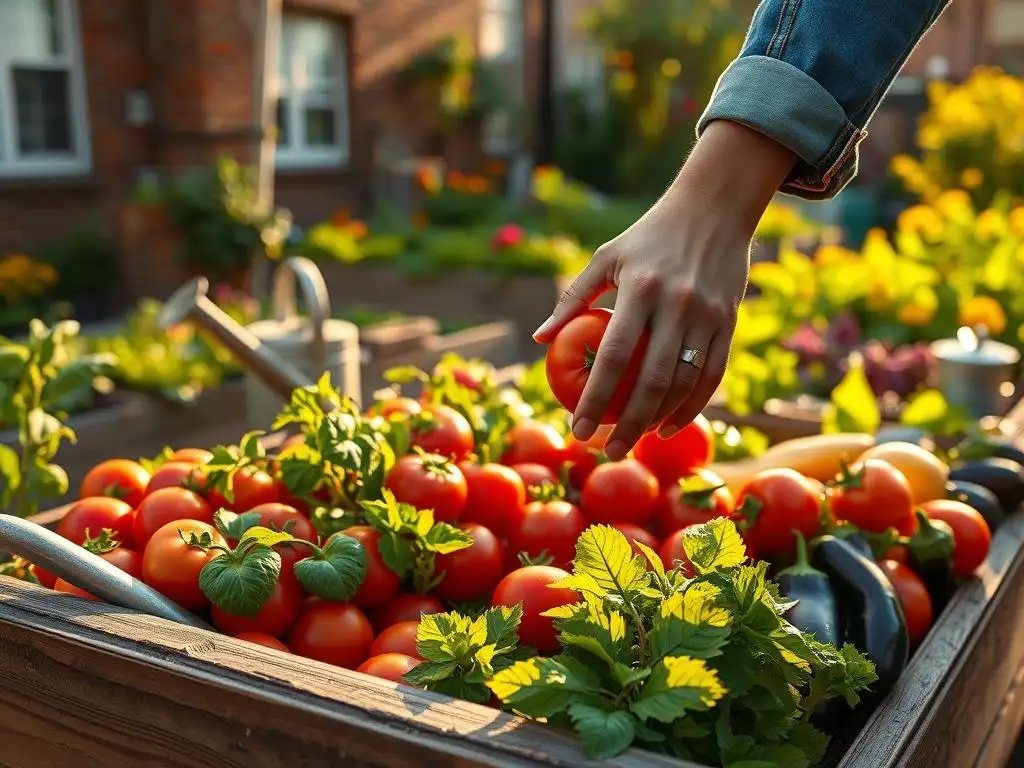
This section delves into the crucial aspects of harvesting and preserving your urban garden's produce, emphasizing sustainable practices to maximize yield and minimize waste. Successfully cultivating your urban garden is only half the battle; knowing when and how to harvest, and then preserving your bounty, are equally important for a truly rewarding and sustainable urban farming experience. We'll explore techniques that respect the environment and ensure you enjoy the fruits (and vegetables!) of your labor for as long as possible.
Harvesting Techniques for Maximum Yield
Harvesting at the optimal time is paramount for maximizing yield and flavor. Different plants have different readiness cues. For example, tomatoes are typically ready when they're deeply colored and slightly soft to the touch. However, some varieties may ripen better off the vine. Similarly, zucchini should be harvested when relatively small, preventing overgrowth and encouraging continued production.
Here's a breakdown of sustainable harvesting practices:
- Timing is Key: Observe your plants carefully. Many fruits and vegetables will show signs of ripeness, such as color changes, softening, or the development of a distinct aroma. Harvesting at the peak of ripeness ensures the best flavor and nutritional value.
- Gentle Handling: Avoid bruising or damaging your plants during harvesting. Use clean tools, such as sharp scissors or pruning shears, to prevent the spread of disease. This is especially important for delicate herbs and leafy greens.
- Selective Harvesting: Don't strip your plants bare. Leave some fruits or vegetables to continue growing and producing, ensuring a continuous harvest throughout the season. This approach is crucial for sustainable urban gardening, promoting plant health and longevity.
- Composting Plant Scraps: Instead of discarding plant scraps, consider composting them. This sustainable practice enriches the soil for future plantings, reducing waste and improving soil fertility. Even seemingly unusable parts, like tomato stems and wilted leaves, can be composted, reducing the need for external inputs.
Preserving Your Urban Garden Harvest: Sustainable Methods
Preserving your harvest extends the enjoyment of your urban garden's bounty far beyond the growing season. Sustainable preservation methods minimize waste and avoid harmful chemicals.
| Preservation Method | Description | Suitable for | Sustainability Considerations |
|---|---|---|---|
| Freezing | Quick freezing preserves freshness and nutrients. | Berries, vegetables, herbs | Use reusable containers and minimal packaging. |
| Canning | Sterilizing jars and sealing preserves food for extended periods. | Tomatoes, jams, pickles | Prioritize glass jars and avoid single-use plastics. |
| Drying | Dehydrating removes moisture, preventing spoilage. | Herbs, tomatoes, peppers | Air drying is the most sustainable method. |
| Pickling | Preserving in vinegar or brine inhibits bacterial growth. | Cucumbers, onions, peppers | Use natural ingredients and reusable containers. |
| Root Cellaring | Storing root vegetables in a cool, dark place. | Potatoes, carrots, beets | Reduces the need for refrigeration. |
Consider these practices to minimize your environmental impact:
- Reduce, Reuse, Recycle: Prioritize reusable containers and jars for storing your preserved produce. Choose sustainable packaging options whenever possible.
- Energy Efficiency: When using energy-intensive methods like freezing or canning, try to batch process to minimize energy consumption.
Recipes and Ideas for Using Your Urban Garden Produce
The true reward of urban gardening lies in enjoying the fruits – quite literally – of your labor. Here are a few ideas to inspire you:
- Fresh Salads: Nothing beats a vibrant salad bursting with freshly picked vegetables and herbs.
- Homemade Pesto: Transform your basil harvest into a delicious and versatile pesto.
- Quick Pickles: Pickle your cucumbers or peppers for a tangy side dish.
- Tomato Sauce: Preserve your tomato harvest by making your own homemade sauce. This allows you to control ingredients and avoid excessive packaging.
- Herbal Infusions: Create fragrant and flavorful teas using your homegrown herbs.
Remember to experiment and find recipes that suit your taste and the produce you've grown. The possibilities are endless! The joy of urban gardening extends beyond simply growing your own food; it's about experiencing the entire cycle, from seed to plate, in a sustainable and fulfilling way. Enjoy the process! 🎉
Expanding Your Urban Gardening Skills: Advanced Techniques
This section delves into advanced techniques to optimize your urban garden's yield and sustainability, building upon the foundational knowledge of urban gardening sustainable practices. We'll explore innovative methods to maximize space utilization and minimize waste, transforming your urban oasis into a highly productive and environmentally friendly haven.
Vertical Gardening Techniques for Space-Saving Solutions
Vertical gardening is a game-changer for urban spaces where horizontal area is limited. By growing plants upwards, you dramatically increase your growing capacity. Several effective methods exist:
- Trellises: These structures, ranging from simple DIY designs to elaborate store-bought options, provide support for climbing plants like tomatoes, cucumbers, and beans. A well-placed trellis can easily double or triple your yield in a limited space. Consider the plant's mature size when selecting a trellis; a robust structure is crucial for heavier crops.
- Wall-mounted planters: These are ideal for herbs, strawberries, and smaller vegetables. They can be easily customized to fit your wall space and aesthetic preferences. Ensure proper drainage to prevent root rot.
- Hanging baskets: These versatile containers are perfect for trailing plants and herbs. Choose lightweight potting mixes to prevent excessive weight. Regular watering is crucial, especially during hot weather.
- Vertical towers: These innovative systems utilize stacked containers or tubes, allowing for efficient space utilization. They are particularly well-suited for leafy greens and herbs. Proper spacing between plants is vital to ensure adequate air circulation and prevent disease.
The implementation of vertical gardening techniques significantly boosts the efficiency of urban gardening sustainable practices. By optimizing vertical space, you reduce the need for expansive horizontal plots, minimizing your environmental footprint while maximizing your harvest. The choice of vertical gardening system depends on your available space, budget, and the types of plants you wish to cultivate.
Container Gardening for Urban Spaces: Creative Ideas
Container gardening offers unparalleled flexibility for urban environments. You can create a thriving garden even without access to traditional soil beds. However, selecting the right containers and potting mix is paramount for success.
Here are some creative ideas to enhance your container gardening experience:
- Repurposed containers: Unleash your creativity by using recycled materials such as old buckets, crates, and even tires (ensure proper drainage and treatment to prevent leaching). This approach aligns perfectly with sustainable urban gardening practices.
- Self-watering containers: These systems minimize the frequency of watering, ideal for busy urban dwellers. They maintain consistent soil moisture, reducing the risk of underwatering or overwatering.
- Grouping containers: Create visually appealing and productive arrangements by grouping containers of varying sizes and heights. This not only enhances the aesthetic appeal but also allows for diverse plant selections.
- Choosing the right potting mix: A well-draining potting mix is crucial for container gardening. Avoid using garden soil, as it can compact and restrict root growth. Opt for a specialized potting mix formulated for containers.
Remember, the success of container gardening hinges on selecting appropriate containers, using the correct potting mix, and providing adequate watering and fertilization. Experimentation is key—try different container materials, sizes, and plant combinations to discover what works best for you and your urban space.
Composting in Urban Settings: Sustainable Waste Management
Composting is an essential component of sustainable urban gardening practices. It transforms kitchen scraps and yard waste into nutrient-rich compost, reducing landfill waste and providing a natural fertilizer for your plants. However, space constraints in urban areas often pose challenges.
Several methods are suitable for urban composting:
- Worm composting (vermicomposting): This method uses worms to break down organic matter, producing nutrient-rich castings. It's ideal for smaller spaces, requiring minimal space and producing little odor. Worms efficiently process food scraps and create valuable fertilizer.
- Bokashi composting: This anaerobic method uses beneficial microorganisms to ferment food scraps, producing a nutrient-rich compost tea. It's suitable for smaller spaces and can handle a wider range of food waste, including meats and dairy.
- Small-scale outdoor composting: If you have a small backyard or balcony, you can use a simple compost bin. Regular turning is essential for aeration and efficient decomposition. Layer "browns" (dry materials like leaves and twigs) and "greens" (wet materials like fruit and vegetable scraps) to maintain the correct carbon-to-nitrogen ratio.
Efficient composting in urban areas is vital for sustainable urban gardening. By diverting organic waste from landfills, you minimize your environmental impact and create a valuable resource for your plants. Choose the composting method that best suits your space and lifestyle, and you'll be well on your way to a more sustainable and productive urban garden.
Rainwater Harvesting for Urban Gardens: Water Conservation
Urban gardening, while incredibly rewarding, often faces the challenge of limited water resources. Traditional watering methods can be expensive and environmentally unsustainable. This is where rainwater harvesting steps in as a crucial sustainable practice for urban gardeners. By collecting rainwater, you significantly reduce your reliance on municipal water supplies, conserving this precious resource and lowering your water bill. This is particularly important in areas experiencing drought or water restrictions. The process is surprisingly simple and can be implemented using various methods, from simple rain barrels to more sophisticated systems.
Rainwater harvesting offers several key advantages for urban gardens. Firstly, rainwater is naturally soft and free of chlorine and other chemicals often found in treated tap water, making it ideal for plants. These chemicals can build up in the soil over time, negatively impacting plant health and potentially harming beneficial soil organisms. Secondly, rainwater is naturally filtered as it passes through the atmosphere, removing many impurities.
This reduces the need for additional filtration, saving you time and money. Thirdly, and perhaps most importantly, it significantly reduces your carbon footprint. The production, treatment, and distribution of municipal water are energy-intensive processes. By harvesting rainwater, you directly lessen your environmental impact.
Implementing a rainwater harvesting system in your urban garden can be tailored to your specific needs and space constraints. A simple setup might involve placing several large rain barrels beneath your downspouts. These barrels can then be connected to a watering system, allowing you to easily irrigate your plants. For larger gardens or those with more complex needs, more sophisticated systems involving pumps and filtration might be necessary.
Regardless of the scale, remember to clean your rain barrels regularly to prevent the build-up of mosquito larvae and other contaminants. Regular cleaning ensures the water remains clean and safe for your plants. Consider adding a mesh screen to your downspouts to prevent debris from entering the barrels.
Beyond the environmental and economic benefits, rainwater harvesting also contributes to a more resilient and self-sufficient urban garden. By relying less on external water sources, your garden becomes less vulnerable to water shortages or supply disruptions. This is particularly vital in urban environments where access to water can be unpredictable.
This increased resilience is a key element of sustainable urban gardening practices, ensuring the long-term health and productivity of your green haven, even in the face of unexpected challenges. The practice of rainwater harvesting represents a significant step towards creating a truly sustainable and thriving urban garden, showcasing the potential for environmentally conscious urban farming.
The Benefits of Urban Gardening: More Than Just Food
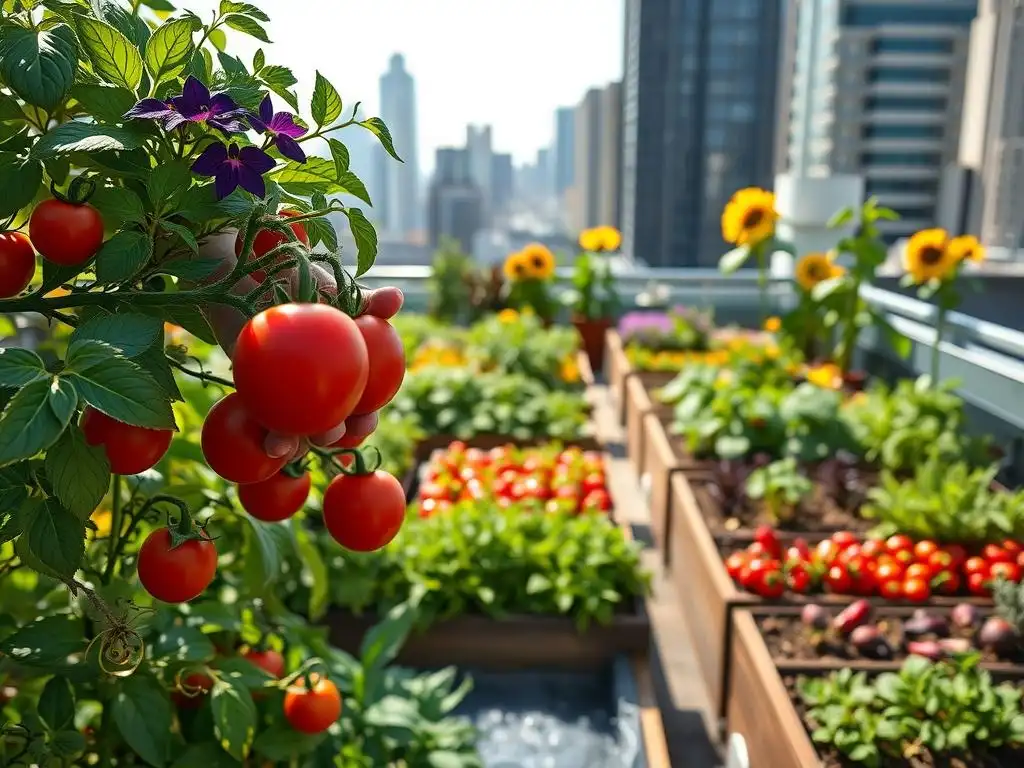
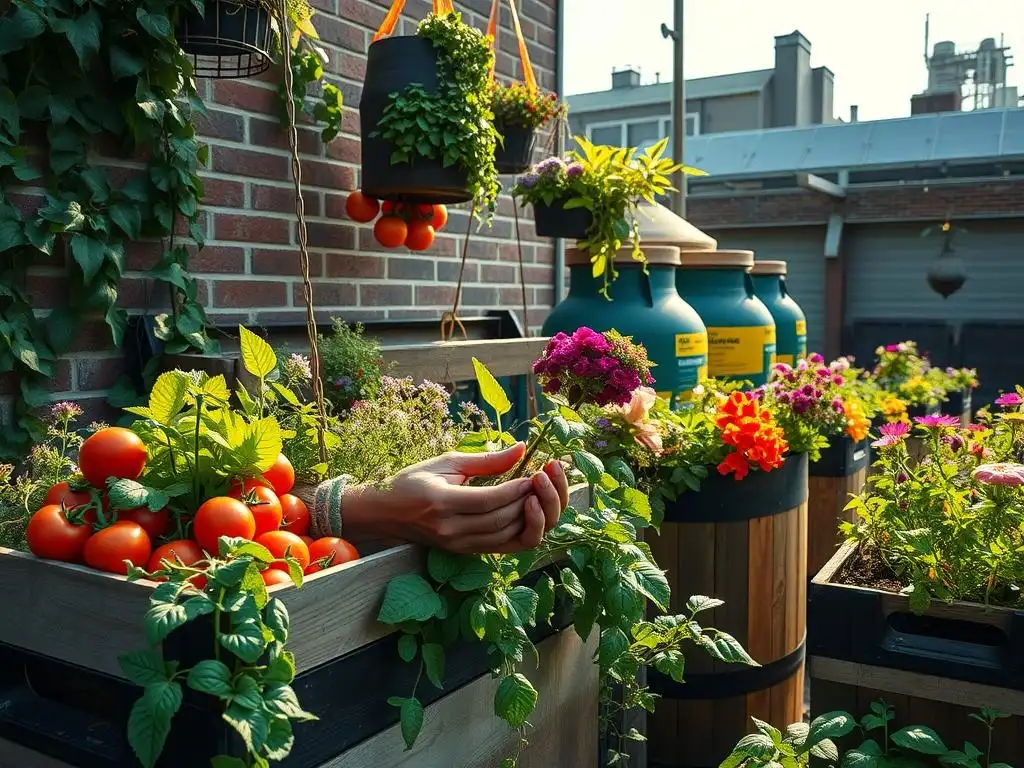
Urban gardening, encompassing sustainable practices, offers a wealth of advantages extending far beyond the simple act of growing your own food. It's a transformative process that positively impacts our environment, strengthens community bonds, and enhances our physical and mental well-being. This section delves into the multifaceted benefits of embracing urban gardening, highlighting its crucial role in creating healthier, more vibrant cityscapes. The practice of urban gardening, especially when coupled with sustainable methods, provides a powerful way to reconnect with nature within the confines of urban life.
Environmental Benefits of Urban Gardening
Urban gardening, particularly when implemented using sustainable practices, significantly contributes to environmental improvement within urban areas. Think of the positive impact on air quality: plants act as natural air filters, absorbing pollutants and releasing oxygen. Studies have shown that even small green spaces can measurably improve air quality in densely populated areas. Furthermore, urban gardens help mitigate the urban heat island effect, a phenomenon where cities experience higher temperatures than surrounding rural areas. The presence of vegetation helps regulate temperature, reducing energy consumption associated with air conditioning.
Beyond air quality and temperature regulation, urban gardening promotes biodiversity. By creating habitats for pollinators like bees and butterflies, and providing food sources for birds and other small animals, urban gardens contribute to a healthier ecosystem within the city. The reduced reliance on industrially produced food also minimizes the environmental impact associated with transportation, packaging, and food waste.
The incorporation of composting techniques further enhances environmental sustainability by reducing landfill waste and enriching the soil with nutrient-rich organic matter. This closed-loop system minimizes the environmental footprint of urban food production. For example, a single community garden with 20 families actively composting can divert hundreds of pounds of organic waste from landfills annually.
Community Building Through Urban Gardening Initiatives
Urban gardening initiatives foster a strong sense of community and social connection. Shared gardening spaces, such as community gardens, provide opportunities for neighbors to interact, collaborate, and learn from each other. These spaces become hubs of social activity, promoting a sense of belonging and shared responsibility.
The collaborative nature of tending a garden often leads to the development of strong social bonds and friendships among participants. Moreover, urban gardening projects can serve as catalysts for broader community engagement. They can provide educational opportunities for children and adults alike, teaching valuable skills related to food production, environmental stewardship, and community building.
Community gardens often host workshops, educational events, and social gatherings, further strengthening community ties. The shared experience of nurturing plants and harvesting food cultivates a sense of collective accomplishment and pride within the community. Consider the impact of a large-scale community garden project, potentially transforming a neglected area into a vibrant green space that serves as a focal point for social interaction and community pride.
The Mental and Physical Health Benefits of Urban Gardening
Engaging in urban gardening offers a multitude of benefits for both mental and physical health. The physical activity involved in planting, weeding, and harvesting provides exercise, contributing to improved cardiovascular health and increased strength and flexibility. Gardening is a low-impact activity suitable for people of all ages and fitness levels. Furthermore, spending time outdoors in nature has been shown to reduce stress and improve mood.
The act of nurturing plants and watching them grow can be incredibly therapeutic, providing a sense of accomplishment and connection to nature. Studies have shown that gardening can reduce symptoms of anxiety and depression, promoting a sense of calm and well-being. The process of tending a garden encourages mindfulness, promoting relaxation and stress reduction.
The simple act of being present in the garden, focusing on the task at hand, can be a powerful form of meditation. The fresh produce harvested from the garden also contributes to a healthier diet, further enhancing physical and mental well-being. The tangible rewards of a bountiful harvest boost self-esteem and provide a sense of satisfaction and accomplishment.
Urban Gardening and Food Security: Growing Your Own Food
Urban gardening plays a crucial role in enhancing food security, particularly in densely populated areas where access to fresh, affordable produce can be limited. By cultivating your own fruits, vegetables, and herbs, you gain greater control over the quality and origin of your food. This is especially important in the face of rising food prices and concerns about food miles – the distance food travels from farm to table. Growing your own food reduces your reliance on potentially unsustainable industrial agricultural systems, fostering greater self-sufficiency and resilience.
The ability to harvest fresh, nutritious food directly from your garden contributes significantly to a healthier diet and improved nutritional intake, especially for families with limited budgets or access to grocery stores offering diverse, healthy options. Furthermore, urban gardening can contribute to a more equitable food system, empowering communities to produce their own food and reduce reliance on external sources. The reduction in transportation needs associated with homegrown food also minimizes the carbon footprint, contributing to a more sustainable food system overall.
For example, a family growing their own tomatoes reduces their reliance on commercially grown tomatoes shipped from potentially far-off locations, reducing both costs and environmental impact. This increased access to nutritious food translates to improved health outcomes for individuals and communities, strengthening the overall urban food security landscape. The act of growing your own food also fosters a deeper connection to the food system and a greater appreciation for the effort involved in producing food, leading to more mindful consumption habits.
Resources and Further Learning: Embracing Sustainable Urban Farming
This section provides valuable resources to deepen your understanding and skills in urban gardening, focusing on sustainable practices. We'll explore recommended books and websites, local community support networks, and available certifications. Remember, continuous learning is key to maximizing your urban garden's potential and minimizing its environmental impact. Adopting sustainable urban gardening practices not only benefits your plants but also contributes to a healthier planet.
Recommended Books and Websites on Urban Gardening
Embarking on your urban gardening journey requires access to reliable information. Here are some excellent resources to help you cultivate a thriving and environmentally conscious garden:
- Books:
- The Urban Farmer: Growing Food for Cities – This book provides comprehensive guidance on various aspects of urban farming, including sustainable techniques and business models. It delves into practical considerations for maximizing yields while minimizing environmental impact.
- Square Foot Gardening – This classic offers a space-saving method ideal for urban settings, promoting efficient use of resources and maximizing productivity in limited areas.
- Gaia's Garden: A Guide to Home-Scale Permaculture – For those interested in permaculture principles, this book integrates sustainable practices into urban gardening, focusing on creating self-sustaining ecosystems.
- Websites:
- Many reputable online platforms offer detailed information on urban gardening techniques. Look for websites focusing on sustainable practices, organic methods, and community engagement. Search for terms like "organic urban gardening tips," "sustainable urban farming guides," or "eco-friendly urban agriculture."
- University extension programs often provide free resources and guides on sustainable gardening practices tailored to local climates and conditions. Check your local university's website for agricultural or horticultural departments.
- Online forums and communities dedicated to urban gardening are invaluable for sharing experiences, troubleshooting problems, and finding local advice.
Local Urban Gardening Communities and Support Groups
Connecting with fellow urban gardeners is crucial for sharing knowledge, exchanging tips, and building a supportive community. Active participation fosters a sense of belonging and accelerates your learning curve. Look for:
- Local community gardens: These shared spaces often offer workshops, mentorship opportunities, and collective learning experiences, fostering a sense of community and shared responsibility for sustainable practices.
- Online forums and social media groups: These digital spaces offer immediate access to a wider network of urban gardeners, facilitating the exchange of experiences and advice on a range of topics, including sustainable practices.
- Local workshops and classes: Many organizations and community centers offer workshops and classes on urban gardening, often covering topics like composting, pest control, and sustainable water management. Look for workshops that specifically address sustainable urban gardening practices.
Sustainable Urban Farming Certifications and Courses
Formal training can significantly enhance your knowledge and skills in sustainable urban farming. Consider exploring:
- Permaculture Design Certificates: These courses provide in-depth training in permaculture principles, which are highly relevant to sustainable urban gardening. The certification demonstrates a commitment to environmentally responsible practices.
- Organic gardening certifications: Several organizations offer certifications in organic gardening, validating your knowledge and commitment to sustainable and chemical-free methods.
- Urban agriculture courses: Many educational institutions and organizations offer courses specifically focused on urban agriculture, covering topics like sustainable food production, resource management, and community engagement. These courses often incorporate practical training and hands-on experience.
Further Exploration: Advanced Sustainable Urban Gardening Techniques
Delve deeper into advanced techniques such as rainwater harvesting, greywater recycling, and vermicomposting to significantly reduce your environmental footprint while maximizing your urban garden's productivity. These methods align perfectly with the principles of sustainable urban gardening.
Frequently Asked Questions
What are some sustainable practices for urban gardening?
Sustainable urban gardening involves minimizing environmental impact. This includes using organic fertilizers and pest control, conserving water through techniques like drip irrigation, and composting food scraps to enrich the soil.
How can I start an urban garden with limited space?
Even small spaces can be utilized! Consider vertical gardening, using hanging planters or wall-mounted systems. Container gardening is also ideal for maximizing limited areas.
What are the benefits of urban gardening using sustainable practices?
Reduced carbon footprint, improved air quality, access to fresh, healthy food, and enhanced biodiversity are key benefits. It also fosters a connection with nature and promotes community engagement.
What are common challenges of urban gardening and how can I overcome them?
Challenges include limited sunlight, soil quality, and space. Solutions include selecting sun-loving plants, using raised beds or containers with quality soil, and employing vertical gardening techniques.
How can I incorporate composting into my urban garden?
Composting is crucial! Use a composting bin or tumbler to break down organic waste. This creates nutrient-rich soil for your plants, reducing your need for external fertilizers and minimizing waste.
Final Reflection: Cultivating a Greener Future, One City Block at a Time
The resurgence of urban gardening isn't just a trend; it's a vital response to the urgent need for sustainable urban development. From combating food insecurity to mitigating the effects of climate change, the power of green spaces within our cities is undeniable, offering a tangible path towards a more resilient and equitable future. The practices discussed—from composting and water conservation to choosing native plants—are not merely suggestions, but essential tools in building a healthier world.
The impact of urban gardening extends far beyond the immediate benefits of fresh produce. It fosters community, strengthens social bonds, and reconnects us with the natural world in a way that is increasingly crucial in our fast-paced, technology-driven lives. The glory of gardening: hands in the dirt, head in the sun, heart with nature. To nurture a garden is to feed not just the body, but the soul.
This quote perfectly encapsulates the profound and often overlooked emotional and spiritual rewards of cultivating even a small patch of urban green.
Now, consider your own space. Do you have a balcony, a window box, even a small patch of land? No matter the size, you can contribute to this vital movement. Start small, experiment with different techniques, and share your experiences with others. Let's transform our concrete jungles into thriving ecosystems, one seed, one plant, one community garden at a time. The magic of urban gardening awaits – let's cultivate it together.
Unleash Your Inner Gardener: Grow Your Green Oasis Today!
Thank you for joining us on this journey into the magic of urban gardening! We hope you've discovered the incredible potential to transform your city space into a vibrant, food-producing haven. Now it's time to put your knowledge into practice.
- Start small, but start now! Begin with a manageable space—a balcony, window box, or even a single pot—and start planting. Herbs or easy-to-grow vegetables like lettuce and radishes offer quick rewards.
- Share your urban gardening plans in the comments below! Let's inspire each other!
- Explore our free resources: Discover more gardening tips and inspiration on our website to help you on your journey.
Ready to cultivate your own urban paradise? What's the first plant you'll nurture?