
Permits and Plants: Navigating Regulations for Urban Agriculture

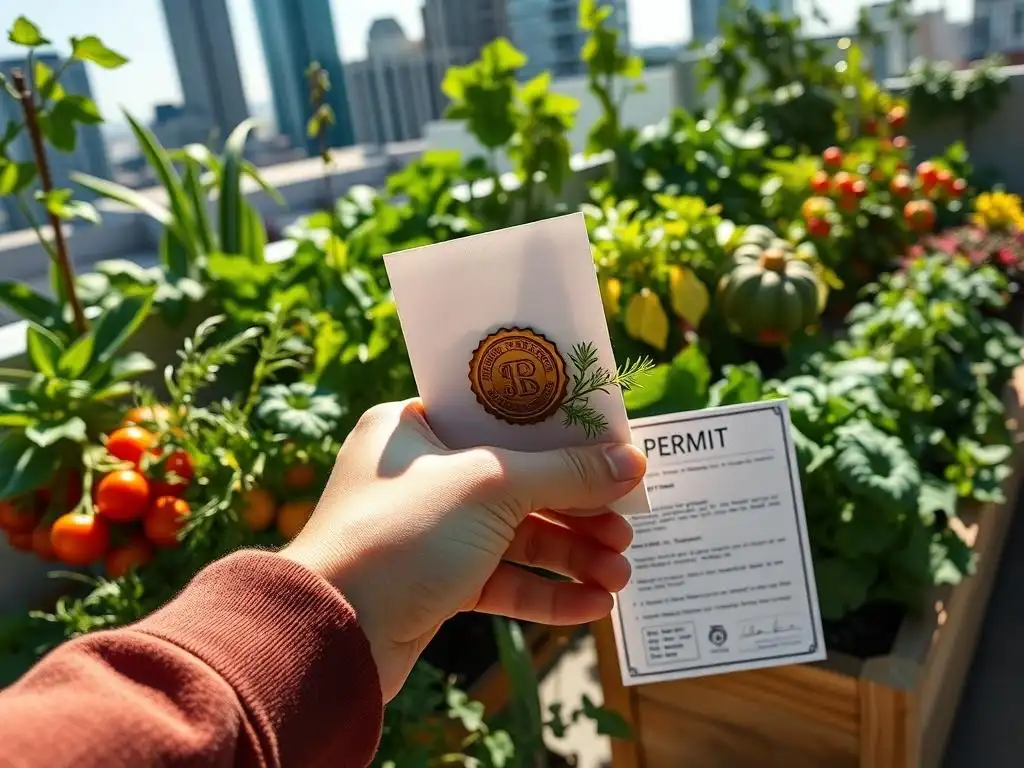
Welcome to CultivateYourFood, your guide to a greener, more flavorful life! Are you ready to transform your urban space into a thriving oasis of fruits, vegetables, and herbs? We'll help you cultivate your own food sustainably, from seed to table. But first, let's address a crucial element for successful urban gardening: understanding the legal landscape. Our latest article on Urban gardening legal permits explores the regulations you need to know before you plant your first seed. Dive in and discover how to navigate the permitting process and begin your journey towards a bountiful, homegrown harvest!
- Understanding Urban Gardening Legal Permits: A Comprehensive Guide
- The Application Process for Urban Gardening Permits
- Common Regulations for Urban Agriculture and Their Implications
- Navigating Challenges and Obtaining Necessary Variances
- Resources and Further Support for Urban Gardeners
-
Frequently Asked Questions
- Do I need a permit for an urban garden in my city?
- What types of urban gardening activities might require permits?
- Where can I find information about urban gardening regulations in my area?
- What happens if I garden without a required permit?
- Are there any exceptions or exemptions to urban gardening permits?
- Final Reflection: Cultivating Community Through Legal Landscapes
- Unleash Your Urban Garden: Take Root Today!
Understanding Urban Gardening Legal Permits: A Comprehensive Guide
Urban gardening, the practice of cultivating fruits, vegetables, and herbs within city limits, is experiencing a surge in popularity. Driven by a growing awareness of food security, sustainability, and community building, more and more people are transforming balconies, rooftops, and even vacant lots into thriving urban oases. However, before you start planting those tomatoes or herbs, it's crucial to understand the legal landscape of urban agriculture.
This comprehensive guide will walk you through the process of obtaining necessary permits for your urban gardening project, ensuring you're complying with local regulations and avoiding potential legal issues. We'll cover everything from defining urban agriculture in a legal context to identifying the relevant authorities and navigating the application process, ensuring your urban gardening journey is both fruitful and legally sound. This guide is essential for anyone interested in learning about "Urban gardening legal permits" and ensuring compliance with local ordinances.
Defining Urban Agriculture and its Legal Landscape
Urban agriculture encompasses a wide range of activities, from small-scale container gardening on balconies to larger-scale community gardens and rooftop farms. The legal definition of urban agriculture, however, can vary significantly depending on your location. Some municipalities have specific ordinances addressing urban farming, while others may fall under broader zoning regulations or land-use laws. Understanding these nuances is crucial. For example, growing a few herbs in pots on your patio may not require a permit, while establishing a community garden on a vacant lot almost certainly will. The legal landscape often considers factors such as:
- Plot size: The area dedicated to gardening directly impacts permit requirements. Smaller plots are often exempt from stringent regulations.
- Type of produce: Growing fruits and vegetables for personal consumption may have different legal implications than cultivating crops for sale or commercial purposes.
- Location: Zoning laws and regulations can vary significantly depending on the specific location within a city. A plot in a residential zone might face different rules than one in a commercial or industrial zone.
- Water usage: Sustainable water management practices are frequently a factor in permit approvals, especially in areas with water scarcity concerns.
Lack of clarity regarding local regulations can lead to unexpected fines or even the removal of your plants. Therefore, proactive research and understanding of your city's specific ordinances are paramount. A thorough understanding of these factors is essential before embarking on any urban gardening project.
Types of Urban Gardening Permits: From Small Plots to Community Gardens
The type of permit required for urban gardening depends heavily on the scale and nature of the project. While some small-scale projects may not require any permits, larger initiatives often necessitate specific approvals. Here are some common types of permits you might encounter:
| Permit Type | Description | Typical Requirements |
|---|---|---|
| Right-of-Way Permit | Allows gardening in public spaces (e.g., along sidewalks or in parklets). | Detailed plans, liability insurance, proof of adherence to safety standards. |
| Zoning Permit | Required for projects that alter the use of land or involve structural modifications (e.g., building raised beds). | Compliance with zoning codes, site plans, environmental impact assessments (in some cases). |
| Agricultural Use Permit | For larger-scale urban farms or community gardens, often involving commercial activities. | Business license, detailed operational plans, compliance with agricultural best practices. |
| Special Use Permit | Addresses projects that don't fit neatly into existing zoning categories. | Varies greatly depending on the project and local regulations. |
It's crucial to note that these are just examples, and the specific permits required will vary by location and project scope. Always consult your local authorities for detailed information. Failure to obtain the necessary permits can result in legal repercussions.
Navigating the bureaucracy of permit applications can seem daunting, but knowing where to go is the first step. Several agencies might be involved in the process:
- City Council: The primary governing body of the city, responsible for enacting zoning ordinances and approving major land-use changes.
- Zoning Department/Board: Specifically handles zoning regulations and permit applications related to land use and development.
- Department of Parks and Recreation: May be involved in projects located in public parks or green spaces.
- Environmental Protection Agency (Local): Can oversee environmental impact assessments and water usage regulations.
Before submitting any applications, it's essential to identify the correct authority responsible for handling permits related to your specific project and location. Contacting your city's planning or zoning department is usually a good starting point to determine the appropriate agency and required paperwork. Remember, proactive communication and a thorough understanding of local regulations are vital for a successful and legally compliant urban gardening experience. Don't hesitate to seek clarification and guidance; it's better to ask questions upfront than to face consequences later.
The Application Process for Urban Gardening Permits

Securing the necessary permits for your urban gardening project can seem daunting, but understanding the process simplifies it considerably. Remember, the specific requirements for obtaining an urban gardening permit vary significantly depending on your location – city, county, and even neighborhood zoning regulations can differ. Always check with your local authorities for the most up-to-date and precise information. This section will provide a general overview of the common steps involved. Successful urban gardening often hinges on navigating these legal aspects effectively. This helps ensure your project complies with local ordinances related to “urban gardening legal permits.”
Gathering Necessary Documentation: Property Deeds, Site Plans, and More
Before you even begin filling out the application, you need to gather crucial documentation. This typically includes, but is not limited to:
- Proof of Property Ownership: This usually means a copy of your property deed or a lease agreement if you're renting. Ensure the document clearly shows your legal right to cultivate the land. Missing this crucial piece of documentation is a common reason for application delays.
- Site Plan: A detailed site plan is often required, illustrating the proposed location and dimensions of your garden. This should include measurements, the types of plants you intend to grow, and any structures (like raised beds or greenhouses) you plan to build. Consider using professional drafting services for a more polished and accurate plan, particularly if your garden is extensive. A clear site plan demonstrates careful planning and respect for local regulations.
- Water Management Plan: Many municipalities require a plan outlining how you will manage water usage for your garden, especially in areas prone to drought. This might include details on irrigation systems, water collection methods (rain barrels), and your strategy for water conservation. Addressing water management proactively shows environmental responsibility.
- Pest and Disease Control Plan: Demonstrate your understanding of sustainable pest and disease management. Your plan should detail your methods for preventing and controlling pests and diseases without harmful chemicals, aligning with organic and sustainable urban gardening principles. This demonstrates your commitment to environmentally friendly practices.
- Other Supporting Documents: Depending on your location and the scale of your project, you might need additional documents, such as letters of support from neighbors or proof of insurance. Always check the specific requirements listed on your local government's website.
Completing the Application Form: Addressing Specific Requirements
The application form itself will vary depending on your location, but it will generally require detailed information about your proposed urban garden. Pay close attention to each section, ensuring accuracy and completeness. Common questions include:
- Garden Dimensions and Location: Precise measurements of your garden area and its location on your property. Inaccurate information can lead to delays or rejection.
- Types of Plants: A list of the fruits, vegetables, and herbs you plan to grow. This is important for assessing potential impacts on the surrounding environment and neighborhood.
- Intended Use: Will your garden be for personal consumption, community sharing, or commercial purposes? This impacts the type of permit and the associated regulations.
- Waste Management: How will you handle garden waste, such as compost and trimmings? Many municipalities have strict regulations regarding waste disposal.
- Emergency Contact Information: Provide accurate and readily available contact information.
Remember to thoroughly review the completed form before submitting it. Errors can cause delays, and a well-prepared application demonstrates professionalism and attention to detail. This increases your chances of obtaining your “urban gardening legal permits” swiftly and without complications.
Understanding Permit Fees and Associated Costs
Obtaining an urban gardening permit usually involves associated costs. These fees vary significantly based on location, the size of your garden, and the complexity of your project. Some municipalities offer reduced or waived fees for community gardens or projects that demonstrate significant environmental benefits.
- Application Fee: A standard fee for processing your application.
- Inspection Fees: Fees may be charged for inspections of your garden during and after construction.
- Additional Fees: Depending on your project, additional fees may apply for specific aspects, such as building permits for structures or water usage permits.
It's crucial to budget for these costs upfront. Contact your local authorities to get a clear breakdown of the anticipated fees before submitting your application. Understanding the financial commitment beforehand helps you avoid unexpected expenses and ensures a smoother process in obtaining your urban gardening permits. Knowing these costs is an essential part of responsible and successful urban gardening.
Common Regulations for Urban Agriculture and Their Implications
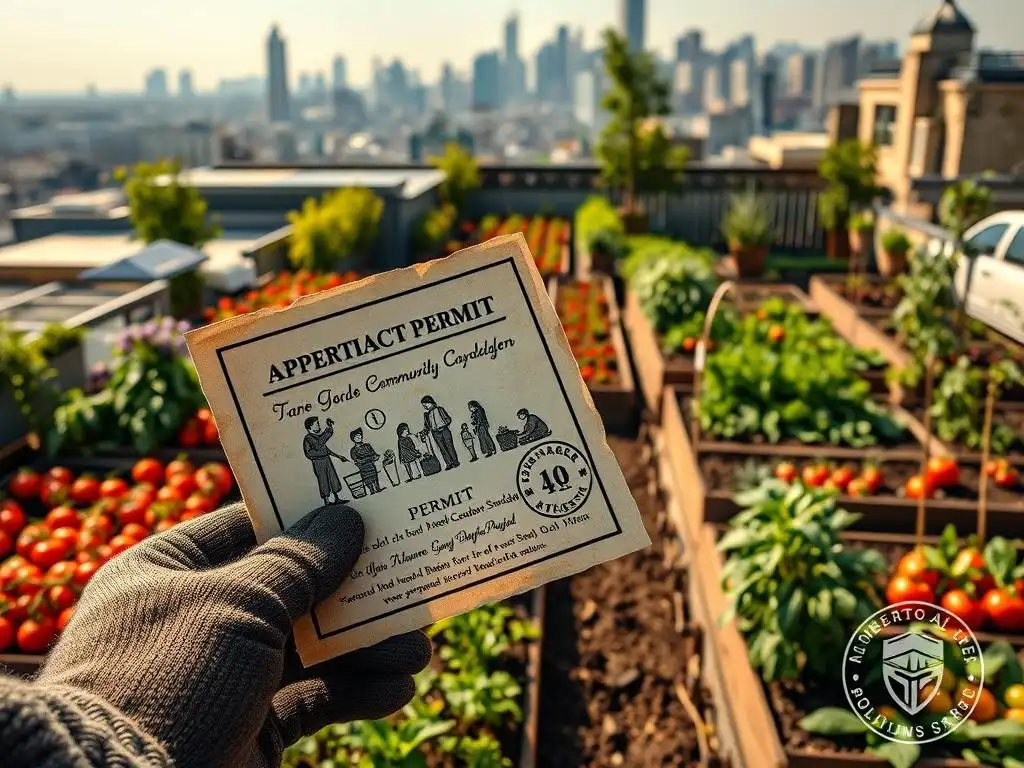
This section delves into the frequently encountered regulations impacting urban agriculture, focusing on their practical implications for home gardeners. Understanding these rules is crucial for ensuring compliance and avoiding potential legal issues while cultivating your food sustainably. Successfully navigating these regulations contributes to the growth and acceptance of urban gardening initiatives within your community. Remember, specific regulations vary significantly by location; always check with your local authorities for the most up-to-date and precise information.
Zoning Regulations and Setbacks: Restrictions on Lot Size and Building Proximity
Zoning regulations often dictate what activities are permitted on a given piece of land, significantly influencing urban gardening projects. These regulations frequently include stipulations about lot size minimums, which could restrict the scale of your urban farm, especially in densely populated areas. For example, a minimum lot size of 10,000 square feet might prohibit extensive vegetable production in many urban environments.
Furthermore, setback requirements—the minimum distance a structure or planting must be from property lines—can limit the space available for gardening. A 5-foot setback from the house and a 10-foot setback from the property line could drastically reduce the usable area for planting, especially in smaller lots.
Beyond lot size and setbacks, zoning ordinances may also regulate the height of structures, such as greenhouses or raised beds. These height restrictions can impact the design and functionality of your urban garden, particularly if you plan to grow taller plants like tomatoes or sunflowers. Some jurisdictions even have specific regulations on the types of plants permitted, potentially restricting the cultivation of certain fruits or vegetables.
It's essential to thoroughly review your local zoning ordinances to understand these restrictions before beginning any significant gardening project. Failure to comply can lead to fines or even legal action. The impact on your urban gardening project can range from minor adjustments in design to the complete prohibition of your plans.
Water Usage Restrictions and Conservation Practices
Water conservation is a critical concern in many urban areas, leading to regulations governing water usage for landscaping and agriculture. These regulations often involve restrictions on irrigation, such as limiting watering days or times, or imposing limitations on the total amount of water used. For instance, a city might enforce a "no watering on Tuesdays" rule or limit the duration of irrigation to specific hours to manage water demand during peak times. These restrictions can significantly influence your gardening practices, requiring you to implement water-wise techniques such as drip irrigation, rainwater harvesting, or xeriscaping (landscape design using drought-tolerant plants).
Furthermore, some municipalities offer incentives or rebates for adopting water-efficient irrigation systems, recognizing the importance of sustainable water management in urban agriculture. Understanding these incentives can help you plan and budget for your urban garden effectively. For instance, a rebate program might cover a portion of the cost of installing a drip irrigation system, making water conservation more economically feasible. Ignoring water usage restrictions can result in hefty fines, highlighting the importance of understanding and adhering to these regulations. Efficient water management not only ensures compliance but also promotes sustainable urban gardening practices.
Waste Management and Composting Regulations
Urban gardening often involves the generation of organic waste, such as plant debris and food scraps. Proper waste management is crucial for maintaining sanitation and preventing environmental issues. Many municipalities have regulations governing the handling and disposal of this waste, including specific guidelines on composting. For instance, some cities may regulate the size or location of compost bins, requiring them to be screened or enclosed to prevent attracting pests. Others might prohibit composting certain materials, such as meat or dairy products, due to odor or pest control concerns.
Regulations surrounding composting often aim to prevent the spread of disease and maintain public health. Understanding these regulations helps ensure your composting practices are both effective and compliant. For example, knowing which materials are acceptable for composting in your area allows you to optimize your composting system and avoid potential violations.
Failure to adhere to composting regulations can result in penalties, emphasizing the need for thorough research and responsible waste management. Proper composting not only complies with regulations but also contributes to sustainable urban farming by enriching the soil and reducing waste. Understanding and adhering to these regulations contributes to a cleaner, healthier, and more sustainable urban environment.
Pest Control and Organic Practices: Compliance with Local Ordinances
Many municipalities are increasingly encouraging sustainable and organic gardening practices within urban environments. This positive trend often translates into specific regulations regarding pest control. For example, some cities may prohibit the use of certain chemical pesticides, particularly those deemed harmful to pollinators like bees or potentially dangerous to human health. Understanding these restrictions is crucial for urban gardeners aiming for compliance. Failure to adhere to these ordinances can result in fines or even the removal of your garden.
It's essential to research your local government's website or contact your city's agricultural department to obtain a comprehensive list of permitted and prohibited pest control methods. This typically includes information on acceptable organic pesticides, such as neem oil or insecticidal soap, and may also specify restrictions on the use of traps or other non-chemical methods. Some cities might even offer workshops or resources to educate residents on effective and environmentally friendly pest management strategies. Taking advantage of these resources can not only ensure your compliance but also enhance your gardening skills.
Furthermore, the regulations often extend beyond just the type of pest control methods used. They might also dictate when and how these methods are employed. For instance, there might be restrictions on spraying pesticides during certain hours of the day to minimize disruption to neighbors or to protect pollinators during their active periods. Detailed information on application methods and safety precautions is usually included in these ordinances.
Careful study of these regulations is necessary to avoid unintentional violations and maintain harmonious relations with your community. Remember, proactive compliance demonstrates responsible urban gardening and fosters a positive relationship with local authorities. A well-maintained, pest-free garden that adheres to local ordinances is a testament to your commitment to sustainable urban agriculture and contributes to a greener, healthier city. Ignoring these regulations, however, can lead to unnecessary conflict and potentially harm the overall movement towards supporting urban gardening initiatives.
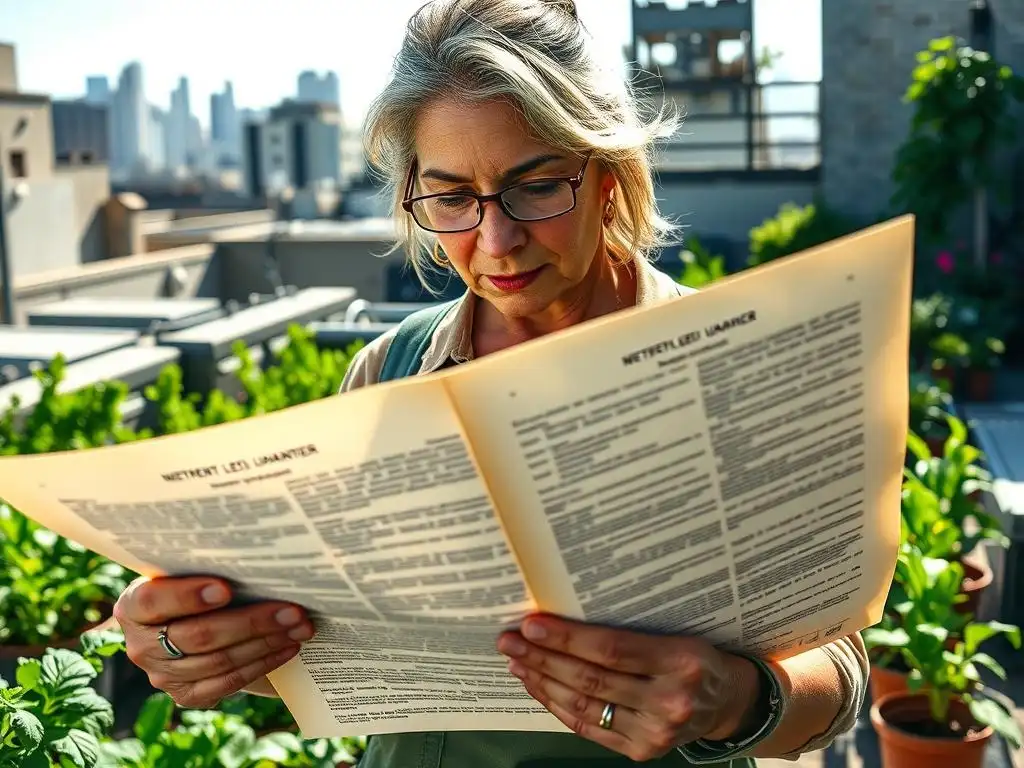
Urban gardening, while rewarding, often presents legal hurdles. Securing the necessary permits for your urban farming project can be complex, demanding patience and a thorough understanding of local ordinances. This section focuses on overcoming common obstacles and navigating the variance process. Successfully navigating these challenges ensures a smooth transition from planning your urban garden to enjoying its fruits (and vegetables!). The keyword "Urban gardening legal permits" is central to understanding this process. Obtaining the right permits is the foundation of responsible and legal urban agriculture.
Addressing Common Permit Denial Reasons and Appeal Processes
Permit applications for urban gardening projects are frequently denied due to several recurring issues. Understanding these common reasons is crucial for preparing a robust and successful application. A well-prepared application significantly increases your chances of approval, minimizing delays and frustrations.
Many denials stem from incomplete applications. Failing to provide all necessary documentation, including detailed site plans, proposed planting schedules, and evidence of compliance with zoning regulations, is a major cause for rejection. Remember, meticulous attention to detail is key. Think of your application as a comprehensive business plan for your garden – it needs to showcase your preparedness and understanding of local regulations.
Another frequent reason for denial is non-compliance with zoning regulations. This includes issues like setbacks from property lines, height restrictions for structures (like greenhouses or raised beds), and limitations on the types of plants allowed. Carefully review your local zoning ordinances before submitting your application. This proactive step saves time and potential setbacks. Many municipalities offer online resources or dedicated staff to help clarify these regulations.
Finally, concerns about potential impacts on neighbors often lead to permit denials. Noise complaints, potential for attracting pests, and concerns about property values can all influence a decision. Addressing these concerns proactively in your application, perhaps through proposed mitigation strategies (e.g., sound barriers, pest control plans, and community engagement), demonstrates your responsible approach to urban gardening.
If your application is denied, understand that you have avenues for appeal. The appeal process usually involves submitting a revised application addressing the reasons for denial, possibly with additional supporting documentation. Familiarize yourself with the specific appeal procedures outlined in your local government's regulations. This might involve attending a hearing, presenting your case, and potentially providing further evidence to support your application. Persistence and a well-articulated appeal can often overturn an initial denial. Remember, obtaining the necessary urban gardening legal permits requires careful planning and a willingness to address any concerns raised by the authorities.
Obtaining Variances for Non-Conforming Uses
Sometimes, your urban gardening project might not fully comply with existing zoning regulations. In such cases, you might need to apply for a variance. A variance is a permission granted by the local government to deviate from specific regulations, usually under specific circumstances. This is particularly relevant when dealing with unique property characteristics or unusual circumstances.
Applying for a variance requires demonstrating that strict adherence to the regulations would create an unnecessary hardship. This is often easier to prove if you can show that the proposed use is consistent with the overall character of the neighborhood and that the variance would not negatively impact public health, safety, or welfare. The process typically involves detailed documentation, including photos, surveys, and potentially expert opinions, to support your application.
For example, if your property has unusual topography that prevents you from meeting setback requirements for raised beds, you might be able to obtain a variance by demonstrating that adjusting your plans to meet these requirements would be impractical or excessively costly. Similarly, you might seek a variance for planting specific types of fruit trees if local ordinances restrict certain species, arguing that these trees are well-suited to your local climate and would not pose a nuisance to neighbors. The key is to meticulously document your case, demonstrating the necessity of the variance and minimizing potential negative impacts.
Remember to carefully review your local government's guidelines regarding variance applications and ensure you provide all necessary documentation. This is a critical step in securing the necessary urban gardening legal permits and ensuring the success of your project.
Resources and Further Support for Urban Gardeners
This section provides valuable resources to help urban gardeners navigate the sometimes complex world of legal permits and regulations. Understanding your local ordinances is crucial for successful and sustainable urban farming, and these resources can assist in that process. Remember, proactive engagement with local authorities is key to avoiding potential issues and ensuring a harmonious relationship between your urban garden and your community. Successfully obtaining the necessary urban gardening legal permits is a significant step toward achieving your gardening goals.
Local Agricultural Extension Offices and Support Networks
Many municipalities and counties offer invaluable support to urban gardeners through their agricultural extension offices. These offices are often a treasure trove of information, providing guidance on everything from soil testing and plant selection to pest control and navigating local regulations regarding urban gardening legal permits. They frequently host workshops, seminars, and even offer one-on-one consultations with experienced agricultural experts.
These offices are a vital link between local governments and the community of urban farmers. They can provide tailored advice based on your specific location and the unique challenges of urban agriculture. For example, they may offer insights into:
- Specific permit requirements: The exact paperwork needed for urban gardening legal permits can vary greatly by location. Extension offices can clarify these requirements, saving you time and potential frustration.
- Zoning regulations: Understanding zoning laws related to gardening in urban areas is crucial. Extension offices can help you interpret these complex regulations and ensure your garden complies.
- Water conservation techniques: Efficient water usage is vital in urban settings. Extension offices often provide resources and guidance on water-wise gardening practices.
- Sustainable pest management: They can provide information on environmentally friendly pest control methods, minimizing the use of harmful chemicals.
- Community garden connections: Many extension offices connect urban gardeners with established community gardens, fostering collaboration and shared resources.
Beyond extension offices, consider seeking out local community organizations focused on urban agriculture. These groups often act as advocates for urban gardeners, providing networking opportunities, educational resources, and even collective bargaining power when addressing regulatory challenges. They often have established relationships with local government officials, making them a valuable resource for navigating the complexities of urban gardening legal permits.
Online Resources and Legal Aid for Urban Farming
The digital landscape offers a wealth of information for urban gardeners seeking to understand and comply with local regulations. While always verifying information with official sources, numerous websites and online platforms dedicated to urban farming offer valuable resources, including:
- Legal databases: Some online legal databases provide access to local ordinances and regulations, allowing you to research the specific rules governing urban gardening in your area. This can significantly aid in understanding the requirements for obtaining urban gardening legal permits.
- Urban farming advocacy groups: Many national and regional organizations advocate for urban agriculture, offering online resources, legal guides, and templates for navigating permit applications.
- Online forums and communities: Connecting with other urban gardeners through online forums and communities can provide valuable peer support and shared experiences in obtaining the necessary urban gardening legal permits. This shared knowledge can be invaluable in anticipating and overcoming common challenges.
However, remember that online information should be considered supplemental, not definitive. Always confirm information with official sources like your local government's website or agricultural extension office. In cases of complex legal issues, seeking legal counsel specializing in environmental or land-use law might be necessary to ensure compliance and protect your rights as an urban farmer. Remember, proactive research and engagement are key to a successful and legally sound urban gardening experience. The effort invested in understanding urban gardening legal permits will pay off in the long run with a thriving and sustainable urban garden.
Frequently Asked Questions
Do I need a permit for an urban garden in my city?
This depends entirely on your city's ordinances. Some cities have specific regulations for urban agriculture, requiring permits for gardens exceeding a certain size or involving specific activities like composting. Check with your local government's planning or agricultural department.
What types of urban gardening activities might require permits?
Permits might be needed for activities like composting, especially large-scale operations, selling produce grown in your urban garden, or constructing permanent structures (e.g., greenhouses) on your property.
Where can I find information about urban gardening regulations in my area?
Your city's website, specifically the planning or agricultural department, is a great starting point. You can also contact them directly or visit your local library for resources on local ordinances.
What happens if I garden without a required permit?
You could face fines or be ordered to remove your garden. It's always best to check the regulations upfront to avoid potential legal issues.
Are there any exceptions or exemptions to urban gardening permits?
Some cities offer exemptions for small-scale gardens or community gardens meeting specific criteria. Review your local ordinances carefully to see if you qualify for any exceptions.
Final Reflection: Cultivating Community Through Legal Landscapes
The fight for urban green spaces is far from over, and navigating the legal thicket of permits and regulations remains a crucial battle in the ongoing quest for food security and community building. The complexities surrounding urban agriculture, as detailed in this article, highlight a critical need for accessible and transparent legal frameworks that support, rather than hinder, the growth of community gardens and urban farms. This isn't just about paperwork; it's about empowering individuals and communities to shape their own environments.
The impact of accessible urban agriculture extends far beyond the harvest itself. It fosters a sense of ownership and responsibility within neighborhoods, creating spaces for social interaction, education, and environmental stewardship. The garden is a place of peace and tranquility, a refuge from the harsh realities of urban life.
This quote, while seemingly simple, encapsulates the profound impact that even small-scale urban gardening projects can have on the well-being of individuals and the vibrancy of communities. The legal hurdles, however, often overshadow these benefits, creating unnecessary barriers to entry for those who wish to participate.
Now, consider your own space. Do you have a balcony, a window box, or even a small patch of land? What steps can you take, armed with the knowledge gained from this article, to contribute to the growing movement of urban agriculture in your community? Whether it's advocating for more streamlined permitting processes, starting your own small garden, or simply raising awareness about the importance of urban green spaces, your actions can make a difference. Let's work together to cultivate a future where access to fresh food and vibrant community gardens are not just privileges, but fundamental rights.
Unleash Your Urban Garden: Take Root Today!
Thanks for joining us on this urban agriculture journey! You've now learned how to navigate the often-complex world of permits and regulations. Ready to put that knowledge to work and grow some thriving plants?
- Start your permit application: Don't wait another season! Gather the necessary information and begin the application process today. This crucial first step will pave the way for a flourishing urban garden.
- Share your experiences: Connect with fellow urban gardeners in our CultivateYourFood community forum—let's grow together! Sharing your journey can help others and may even uncover unexpected tips and tricks.
- Document your progress: Take photos or keep a journal to track your garden's growth. It's a rewarding way to see how far you've come and inspire others.
What unique challenges or unexpected rewards have you encountered in your urban gardening adventures? Let's discuss!