
The Secret to Successful Urban Gardening: Planning and Preparation

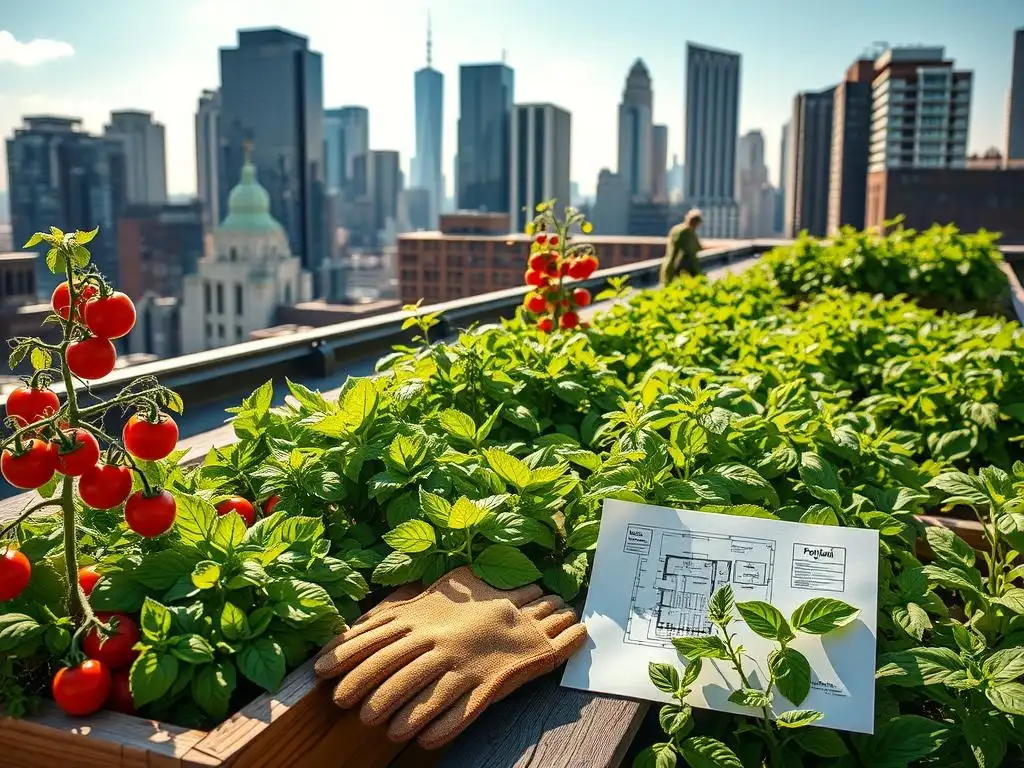
Welcome to CultivateYourFood, your guide to thriving home gardens! Are you dreaming of fresh, organic produce grown right outside your door? Then you've come to the right place. We’ll help you unlock the secrets of sustainable cultivation, from seed to harvest. Discover the essential steps to success with our comprehensive Urban garden planning guide, and learn how to transform even the smallest space into a vibrant oasis of flavor. Let's get started on your journey to a bountiful harvest!
- Essential Steps in Your Urban Garden Planning Guide
- Sourcing Your Urban Gardening Supplies: Tools and Materials
- Preparing Your Urban Garden Space: Soil Improvement and Planting
- Maintaining Your Urban Garden: Watering, Weeding, and Fertilizing
- Harvesting Your Urban Garden Bounty: Timing and Techniques
- Extending Your Urban Garden Season: Protection from the Elements
- Frequently Asked Questions
- Final Reflection: Cultivating Community, One Seed at a Time
- Unleash Your Inner Urban Gardener!
Essential Steps in Your Urban Garden Planning Guide
Embarking on an urban gardening journey can be incredibly rewarding, connecting you with nature and providing fresh, healthy produce right at your doorstep. However, success hinges on careful planning and preparation. This comprehensive guide will walk you through the essential steps to transform your urban space into a thriving oasis of fruits, vegetables, and herbs, using sustainable and organic methods. We'll cover everything from assessing your available space and selecting the perfect plants to creating a detailed planting plan that maximizes yield and minimizes challenges.
This guide serves as your ultimate resource for navigating the intricacies of urban garden planning, ensuring a bountiful harvest and a fulfilling gardening experience. Let's delve into the key elements that will set you up for success in your urban gardening adventure! 🥕🌿
Assessing Your Urban Gardening Space: Sunlight, Soil, and Size
Before you even think about planting a single seed, you need to understand the characteristics of your urban gardening space. This crucial first step will determine the types of plants you can successfully cultivate and the overall design of your garden. Let's break down the key factors:
- Sunlight: Most fruits, vegetables, and herbs require at least six hours of direct sunlight daily. Observe your space throughout the day to determine the sunniest areas. Note the amount of sunlight each area receives – full sun (6+ hours), partial sun (4-6 hours), or shade (less than 4 hours). This information will dictate your plant selection. Consider using a sun-tracking app or simply observing your space over a week to get an accurate assessment.
- Soil: The quality of your soil is paramount. Is it compacted clay, loose sandy soil, or something in between? Poor soil can severely limit plant growth. Consider conducting a simple soil test to determine its pH level and nutrient content. Amendments like compost can significantly improve soil structure and fertility, creating a healthier environment for your plants. Remember, healthy soil equals healthy plants!
- Size: Be realistic about the size of your available space. A small balcony can still support a thriving herb garden, while a larger rooftop offers more possibilities. Measure your space accurately to determine how many plants you can realistically accommodate without overcrowding. Overcrowding can lead to competition for resources, hindering growth and increasing the risk of disease. Plan for walkways and access to easily tend to your plants.
Choosing the Right Plants for Your Urban Garden: Sun Exposure and Space Requirements
With a clear understanding of your space, it's time to select the plants that will thrive in your specific conditions. This involves careful consideration of sun exposure and space requirements. Remember to choose plants suited to your climate and growing season.
Here's a table to help you get started:
| Plant Type | Sun Exposure | Space Requirements | Harvest Time |
|---|---|---|---|
| Tomatoes | Full Sun | Large (individual plants) | Summer |
| Lettuce | Full Sun/Partial Sun | Small | Spring/Summer/Fall |
| Basil | Full Sun | Small | Summer/Fall |
| Strawberries | Full Sun | Medium (depending on variety) | Summer |
| Peppers | Full Sun | Medium | Summer/Fall |
Consider starting with easy-to-grow plants, especially if you're a beginner. Herbs like basil, mint, and chives are excellent choices for beginners, requiring minimal space and offering quick harvests.
Creating a Detailed Urban Garden Planting Plan: Layout and Spacing
Now for the fun part – designing your urban garden! A well-thought-out planting plan maximizes space utilization and promotes healthy plant growth. Consider the following:
- Layout: Sketch out a plan of your garden space, indicating the location of each plant. Group plants with similar sun and water requirements together. Consider creating zones for different types of plants, such as a sunny area for tomatoes and a shadier area for lettuce.
- Spacing: Proper spacing is crucial to prevent overcrowding and allow for adequate airflow. Consult seed packets or plant tags for recommended spacing guidelines. Adequate spacing prevents competition for nutrients, light, and water, resulting in healthier and more productive plants. Remember to leave room for walkways to easily access your plants for watering, harvesting, and pest control.
- Succession Planting: To maximize your harvest throughout the growing season, consider succession planting. This involves planting new crops as others finish their harvest, ensuring a continuous supply of fresh produce. Plan your planting schedule accordingly, taking into account the maturation time of each plant.
By meticulously following these steps, you'll lay the groundwork for a successful and rewarding urban gardening experience. Remember, planning is key to a bountiful harvest and a fulfilling gardening journey. Happy gardening! 🎉
Sourcing Your Urban Gardening Supplies: Tools and Materials
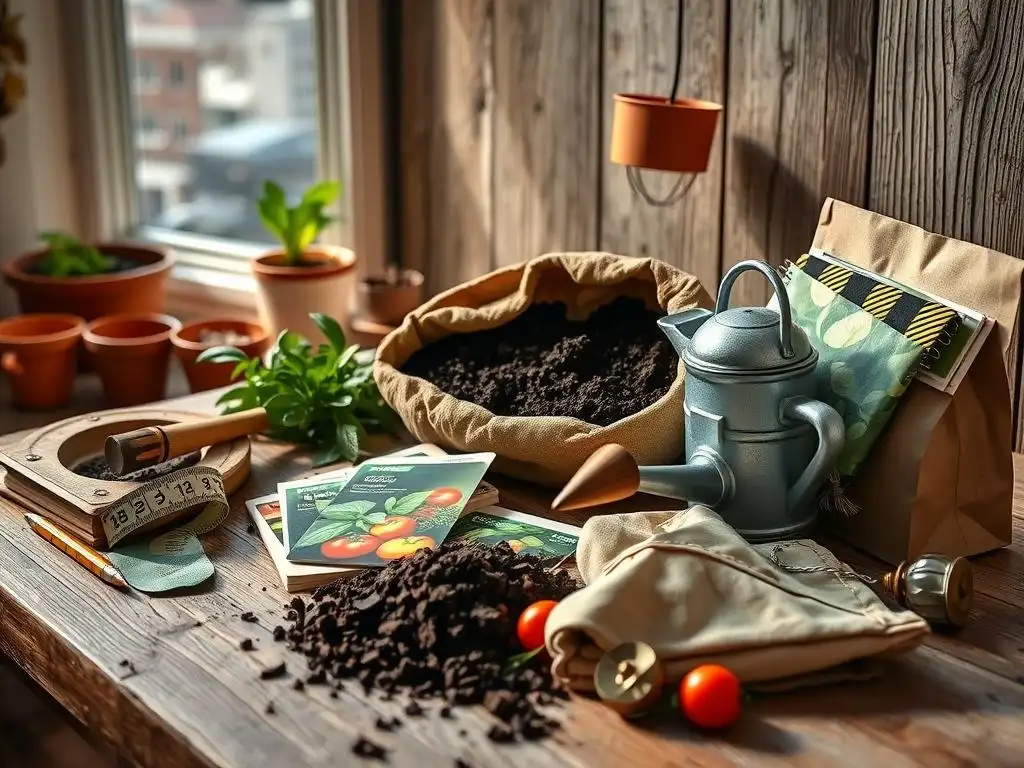
This section focuses on acquiring the necessary supplies for a thriving urban garden, emphasizing quality and sustainability. Remember, choosing the right tools and materials is a crucial step in your urban garden planning guide. Investing wisely upfront will save you time, frustration, and ultimately, yield healthier plants.
Selecting High-Quality Seeds and Seedlings for Your Urban Garden
Choosing superior seeds and seedlings is paramount for a successful urban garden. Don't skimp here! Poor quality seeds translate directly into poor yields. Look for seeds from reputable suppliers known for high germination rates and disease resistance. Consider these factors:
- Seed Age: Always check the seed packet for the expiration date. Older seeds have a lower germination rate.
- Seed Source: Opt for heirloom varieties or open-pollinated seeds whenever possible. These are less likely to be treated with chemicals and often better adapted to local climates. Avoid genetically modified organisms (GMOs) if you're aiming for truly organic practices.
- Seed Starting vs. Seedlings: Starting seeds from scratch offers more variety and can be cost-effective. However, it requires more time and effort. Seedlings provide a head start, especially for slower-growing plants. Consider your time constraints and gardening experience when making your decision.
- Variety Selection: Choose varieties suited to your specific urban environment. Consider factors like sunlight availability, space constraints, and your local climate. For example, compact tomato varieties are ideal for containers, while leafy greens thrive in partial shade.
Let's illustrate with an example: If you're planting tomatoes, choose a determinate variety for container gardening, as these grow to a specific height and are easier to manage in limited space. Indeterminate varieties, on the other hand, are vigorous climbers requiring more space and support.
Gathering Essential Tools for Successful Urban Gardening
The right tools make urban gardening easier and more enjoyable. You don't need a vast array, but a few key items are essential. This list considers both basic needs and some helpful additions for a more efficient process.
| Tool | Description | Necessity Level |
|---|---|---|
| Trowel | For digging small holes, transplanting, and weeding. | High |
| Hand Rake | For loosening soil and removing debris. | High |
| Garden Gloves | Protect your hands from dirt, thorns, and potential irritants. | High |
| Watering Can/Hose | For efficient and gentle watering. A watering can is ideal for containers. | High |
| Secateurs/Pruners | For trimming plants and harvesting. | Medium |
| Soil Thermometer | To monitor soil temperature for optimal planting and germination. | Medium |
| Gardening Kneeler | To make working in your garden more comfortable. | Low |
Remember to prioritize quality over quantity. Investing in durable, ergonomic tools will make your urban gardening experience much more pleasant and efficient.
Sourcing Organic Soil and Amendments for Optimal Growth
Healthy soil is the foundation of any successful garden, especially in an urban environment where soil quality can be compromised. Using organic soil and amendments is crucial for sustainable urban gardening and avoids harmful chemicals.
- Compost: Compost is a fantastic soil amendment that improves soil structure, drainage, and nutrient content. Consider making your own compost using kitchen scraps and yard waste, or purchase high-quality compost from a local supplier.
- Worm Castings: These are the excrement of earthworms and are incredibly rich in nutrients. They improve soil aeration and water retention.
- Organic Fertilizers: Choose organic fertilizers like bone meal, blood meal, or fish emulsion to provide essential nutrients to your plants without harming the environment. Avoid synthetic fertilizers, which can pollute the environment and damage soil health.
- Soil Testing: Before planting, test your soil's pH level and nutrient content. This will help you determine what amendments are necessary to optimize conditions for your chosen plants. This is particularly important in urban environments where soil conditions can vary significantly.
Using organic methods not only benefits your plants but also contributes to a healthier environment for you and your community. This is a key component in any comprehensive urban garden planning guide. 🌱
Preparing Your Urban Garden Space: Soil Improvement and Planting
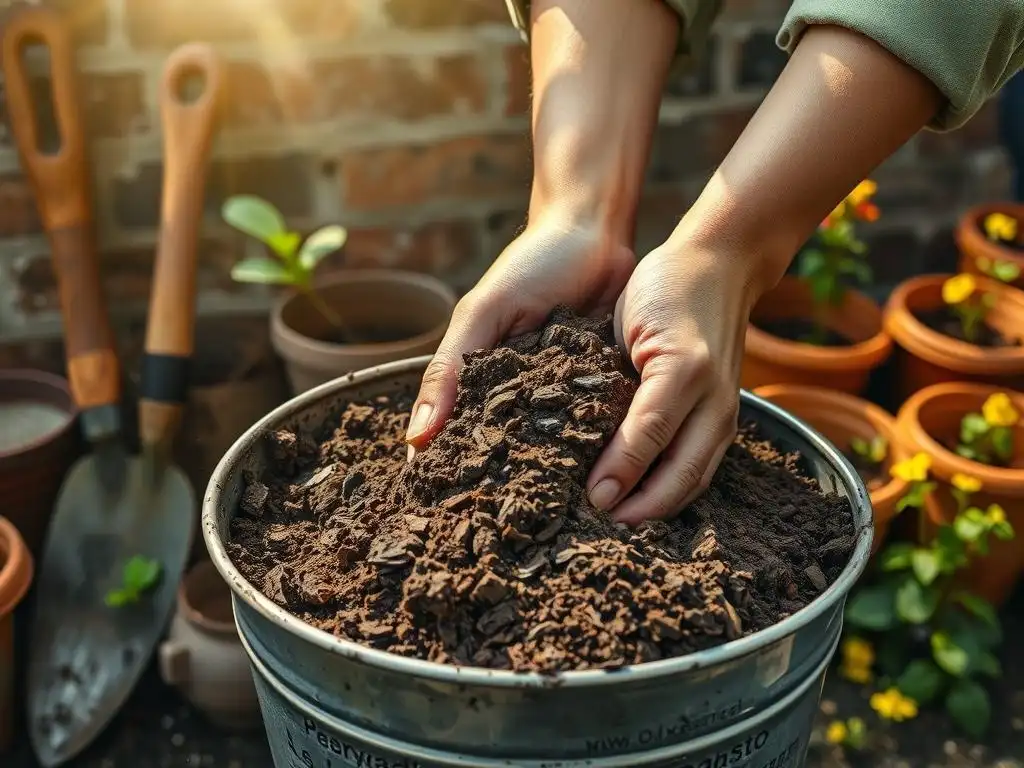
This section focuses on the crucial first steps in establishing a thriving urban garden: soil preparation and planting bed creation. A healthy soil foundation is paramount for successful urban gardening, regardless of whether you're planting in raised beds, containers, or directly into the ground. This guide provides detailed steps to ensure your plants have the best possible start.
Improving Your Urban Garden Soil: Testing, Amending, and Enrichment
Before you even think about planting, understanding your soil's composition is vital. Many urban environments have compacted or depleted soils, lacking essential nutrients necessary for robust plant growth. A simple soil test—available at most garden centers or through online services—will reveal your soil's pH level and nutrient content (Nitrogen, Phosphorus, and Potassium, or NPK). This information is your roadmap to soil improvement.
Knowing your soil's pH is crucial because different plants thrive within specific pH ranges. For example, tomatoes prefer slightly acidic soil (pH 6.0-6.8), while blueberries need a much more acidic environment (pH 4.5-5.5). Amendments like lime (to raise pH) or sulfur (to lower pH) can adjust your soil to the ideal range for your chosen plants.
Nutrient deficiencies are equally important to address. Low NPK levels can lead to stunted growth, yellowing leaves, and reduced yields. Amendments like compost, aged manure, or commercial fertilizers can replenish these essential nutrients. Compost is particularly beneficial for urban gardening as it improves soil structure, increases water retention, and introduces beneficial microorganisms. Aim for a rich, dark brown soil that crumbles easily when squeezed. Consider the following table as a guide for common nutrient deficiencies and their symptoms:
| Nutrient Deficiency | Symptoms | Amendment Suggestions |
|---|---|---|
| Nitrogen (N) | Yellowing leaves, stunted growth | Compost, manure, nitrogen-rich fertilizer |
| Phosphorus (P) | Dark green leaves, poor flowering/fruiting | Bone meal, rock phosphate, phosphorus fertilizer |
| Potassium (K) | Brown leaf edges, weak stems | Wood ash, potassium sulfate, potassium fertilizer |
Remember, applying amendments is an iterative process. You may need to test and amend your soil over several months to achieve optimal conditions. Regular soil testing, especially after a growing season, is a key component of sustainable urban gardening practices. This ensures the long-term health and productivity of your urban garden.
Preparing Your Planting Beds or Containers: Drainage and Support
Proper drainage is critical, preventing root rot and ensuring healthy plant growth. If planting directly into the ground, amend heavy clay soils with organic matter like compost to improve drainage and aeration. For raised beds or containers, ensure adequate drainage holes to prevent waterlogging. Containers should have at least one inch of drainage material (like gravel or broken pottery) at the bottom.
The size and type of containers or planting beds will also depend on the plants you are growing. Consider the mature size of your plants and provide enough space for their root systems to develop. Tall plants might require staking or other support structures to prevent them from falling over, especially in windy urban environments. For climbing plants, trellises or other support structures are essential.
Choosing the right container material is also important. Terracotta pots are porous and allow for good aeration but can dry out quickly. Plastic containers retain moisture better but can overheat in direct sunlight. Consider your climate and the specific needs of your plants when choosing your containers. Proper planning in this stage minimizes future issues and ensures a successful harvest.
Protecting Your Urban Garden from Pests and Diseases: Prevention Strategies
Proactive pest and disease management is key to a successful urban garden. Since urban environments can present unique challenges, focusing on prevention is more effective than reactive treatments. A healthy and robust plant, well-nourished and properly watered, is less susceptible to pests and diseases. This is often referred to as building plant resilience.
Employing companion planting, a technique where plants are strategically placed to deter pests, is a natural and effective method. For example, planting basil near tomatoes helps repel tomato hornworms. Regularly inspecting your plants for signs of pests or diseases and addressing them promptly will minimize potential damage. Implementing a thorough cleaning process at the end of the growing season is also critical. Removing all plant debris and weeds prevents the overwintering of pests and diseases.
Consider using natural pest control methods whenever possible. Diatomaceous earth, neem oil, and insecticidal soaps are effective against many common garden pests. Always follow the instructions carefully and choose the least toxic option. Integrating beneficial insects, such as ladybugs, into your garden can help control pest populations naturally. Remember that a healthy ecosystem is the best defense against pests and diseases. A balanced approach combining preventative measures and natural controls will help you cultivate a thriving urban garden.
Maintaining Your Urban Garden: Watering, Weeding, and Fertilizing
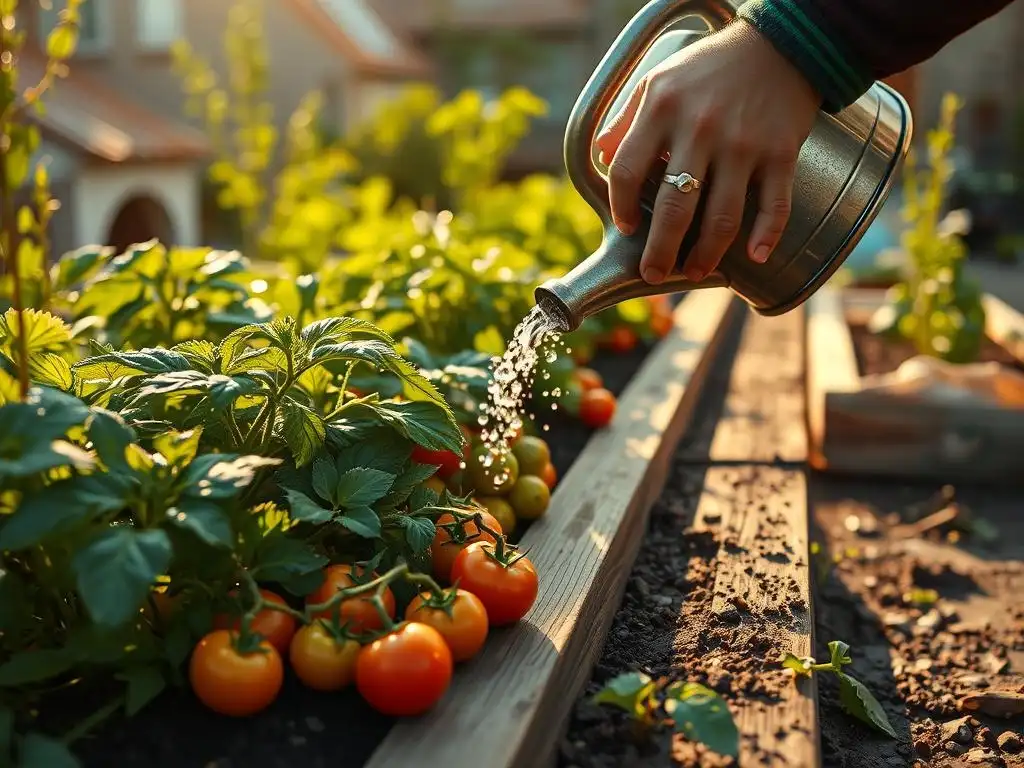
Successfully establishing an urban garden requires diligent maintenance. This section focuses on three crucial aspects: watering, weeding, and fertilizing, all vital for a thriving and productive urban farming experience. Following these guidelines will significantly increase your chances of a bountiful harvest, even within the constraints of urban spaces. This detailed urban garden planning guide will help you navigate these essential tasks.
Establishing a Consistent Watering Schedule for Your Urban Garden
Consistent watering is paramount, especially during the hot summer months. Overwatering can lead to root rot, while underwatering stunts growth. The best approach is to water deeply but infrequently. Instead of light, daily sprinkles, aim for thorough soaking that reaches the roots. This encourages deeper root growth, making your plants more resilient to drought.
The frequency of watering depends on several factors: the type of plant, the weather, and the soil type. Clay soils retain moisture longer than sandy soils. Observe your plants closely; wilting leaves are a clear sign of thirst. However, don't wait until your plants are severely wilted before watering. A simple finger test can help: stick your finger about an inch into the soil. If it feels dry, it's time to water.
Consider using a watering can with a rose head for gentle, even distribution, or a soaker hose for more efficient and deeper watering. Morning watering is generally preferred, as it allows the foliage to dry before nightfall, reducing the risk of fungal diseases. A drip irrigation system can be a great investment for larger urban gardens, providing automated and efficient watering.
Here's a sample watering schedule (adjust based on your specific needs):
| Plant Type | Watering Frequency (Summer) | Watering Frequency (Spring/Autumn) |
|---|---|---|
| Leafy Greens | Every 2-3 days | Every 3-5 days |
| Tomatoes | Every 1-2 days | Every 3-4 days |
| Peppers | Every 1-2 days | Every 3-4 days |
| Herbs (Basil etc.) | Every day or every other day | Every 2-3 days |
Remember, consistent monitoring and adaptation are key to perfecting your watering schedule. Observe your plants and adjust accordingly. This attention to detail is a cornerstone of successful urban gardening.
Effective Weeding Techniques for a Healthy Urban Garden
Weeds compete with your plants for water, nutrients, and sunlight, hindering their growth and potentially introducing pests and diseases. Regular weeding is essential for maintaining a healthy urban garden. Early detection and prompt removal are crucial.
Several techniques can be employed:
- Hand weeding: This is the most effective method for small gardens, allowing for precise removal of weeds, including their roots. Use a trowel or weeding fork to get below the soil surface and remove the entire weed.
- Mulching: Applying a layer of mulch (straw, wood chips, or compost) around your plants suppresses weed growth by blocking sunlight. This reduces the frequency of weeding.
- Hoeing: A hoe can be used to cut weeds at the soil surface, but it's less effective for removing established weeds with deep roots. It's best used for preventing weeds from getting established.
- Solarization: Covering the soil with clear plastic during hot weather can kill weeds and soil-borne pathogens through heat. This is effective for preparing a new garden bed.
Remember to dispose of weeds properly to prevent seed dispersal. Composting weeds that are not flowering or going to seed is a sustainable option, but be careful not to introduce weed seeds into your compost pile. Regular weeding, combined with effective preventative measures, is a crucial part of urban garden maintenance and a significant element of any urban garden planning guide.
Organic Fertilization Strategies for Urban Gardening
Healthy soil is the foundation of a productive urban garden. Organic fertilizers provide essential nutrients to your plants without harming the environment. Avoid chemical fertilizers, which can contaminate soil and water, and harm beneficial insects and microorganisms.
Several organic fertilization options are available:
- Compost: Compost is a rich source of nutrients and improves soil structure. Adding compost to your garden beds before planting provides a slow-release fertilizer.
- Worm castings: These are the excretions of earthworms, highly rich in nutrients and beneficial microorganisms. They improve soil aeration and water retention.
- Manure: Well-rotted animal manure (cow, horse, chicken) provides nutrients and improves soil fertility. Ensure it's well-composted to avoid burning your plants.
- Seaweed extract: This is a natural liquid fertilizer rich in micronutrients, promoting healthy growth and disease resistance.
- Cover cropping: Planting cover crops (legumes, etc.) adds organic matter to the soil and improves its fertility. They can then be tilled into the soil as green manure.
Remember to test your soil regularly to determine its nutrient levels and adjust your fertilization strategy accordingly. Over-fertilizing can be as harmful as under-fertilizing. A balanced approach, tailored to your specific plants and soil conditions, is key to achieving optimal results in your urban garden. This careful consideration is vital in any comprehensive urban garden planning guide.
Harvesting Your Urban Garden Bounty: Timing and Techniques
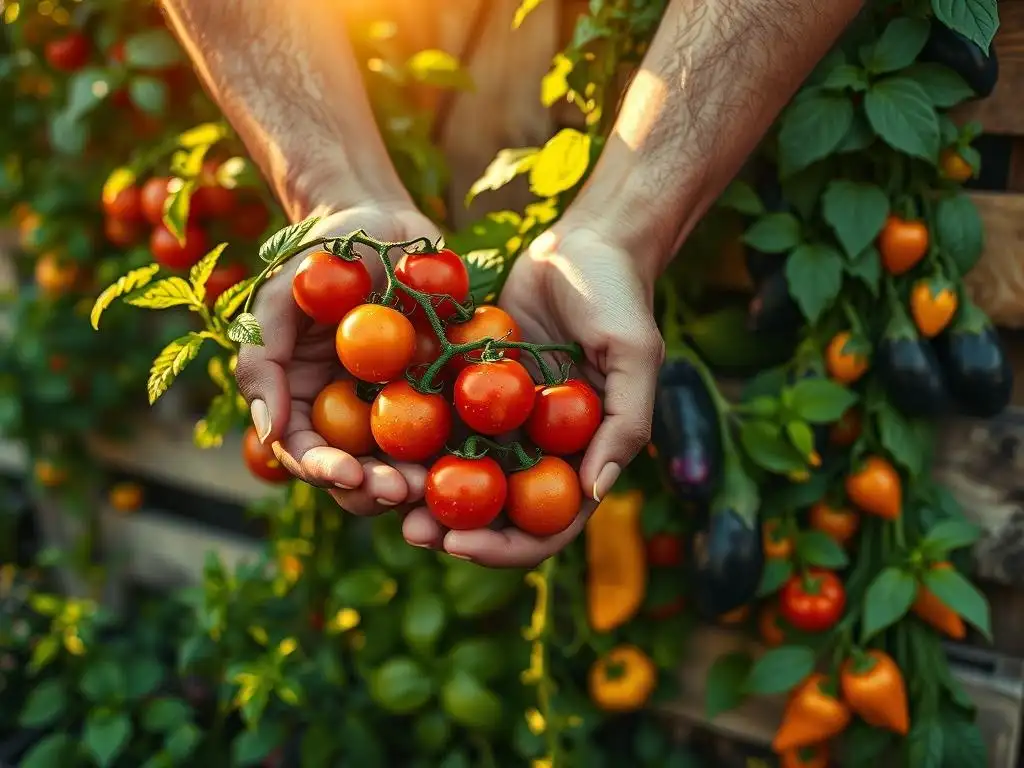
This section focuses on maximizing your harvest from your urban garden, a crucial aspect of successful urban gardening. Proper timing and technique are key to reaping the rewards of your efforts and ensuring a plentiful and flavorful yield. This urban garden planning guide will help you understand the nuances of harvesting your homegrown produce.
Recognizing Signs of Maturity in Your Urban Garden Vegetables and Herbs
Knowing when to harvest is half the battle. Harvesting too early results in smaller, less flavorful produce; harvesting too late can lead to tough, woody vegetables or herbs that have gone past their prime. Here's how to recognize maturity in some common urban garden plants:
- Tomatoes: Tomatoes are ripe when they are uniformly colored (deep red, yellow, orange, etc., depending on the variety) and give slightly to gentle pressure. Avoid harvesting green tomatoes unless you plan to ripen them indoors.
- Cucumbers: Harvest cucumbers when they reach the desired size specified on the seed packet or plant tag. They should feel firm to the touch. Overripe cucumbers will be yellow and seedy.
- Zucchini & Squash: These are ready for harvest when they're firm and have reached the desired size, typically 6-8 inches for zucchini. The skin should be smooth and glossy.
- Lettuce: Lettuce is ready to harvest when the leaves are fully developed and have reached the desired size. You can harvest individual leaves as needed ("cut-and-come-again" method) or harvest the entire head at once.
- Basil: Basil leaves are ready to harvest when they are fully expanded and fragrant. Harvest individual leaves or pinch off the top sets of leaves to encourage bushier growth. Harvesting frequently promotes continuous growth.
- Herbs (Generally): Most herbs are ready for harvest when they are actively growing and have reached a good size. Harvest early in the morning after the dew has dried for the best flavor and essential oil content.
This detailed observation is crucial for optimizing your urban garden's productivity and ensuring the best quality produce. Remember that environmental factors, such as sunlight and water availability, can influence the rate of maturation.
Proper Harvesting Techniques to Maximize Yield and Quality
The way you harvest your produce significantly impacts the overall health of your plants and the quality of your harvest. Gentle handling is key to preventing damage and encouraging continued production.
Here are some best practices:
| Vegetable/Herb | Harvesting Technique | Tips |
|---|---|---|
| Tomatoes | Gently twist or snip the stem with pruning shears. | Avoid pulling, which can damage the plant. |
| Cucumbers | Use a sharp knife or pruning shears to cut the stem. | Leave a short stem attached to prevent rot. |
| Zucchini & Squash | Use a sharp knife to cut the fruit from the vine. | Be careful not to damage the plant. |
| Lettuce | Cut the outer leaves or harvest the entire head. | Use a sharp knife to avoid tearing the leaves. |
| Basil | Pinch or cut individual leaves or stems. | Harvest frequently to encourage bushier growth and prevent flowering. |
| Herbs (Generally) | Cut stems, leaving some foliage for regrowth. | Harvest early in the morning after the dew has dried for optimal quality. |
Remember to always use clean and sharp tools to prevent the spread of disease. Proper harvesting techniques, combined with careful observation of maturity signs, will contribute significantly to your overall urban gardening success. This mindful approach ensures a bountiful and healthy harvest throughout the growing season, maximizing the potential of your urban garden. 🧑🌾 Happy harvesting!
Extending Your Urban Garden Season: Protection from the Elements
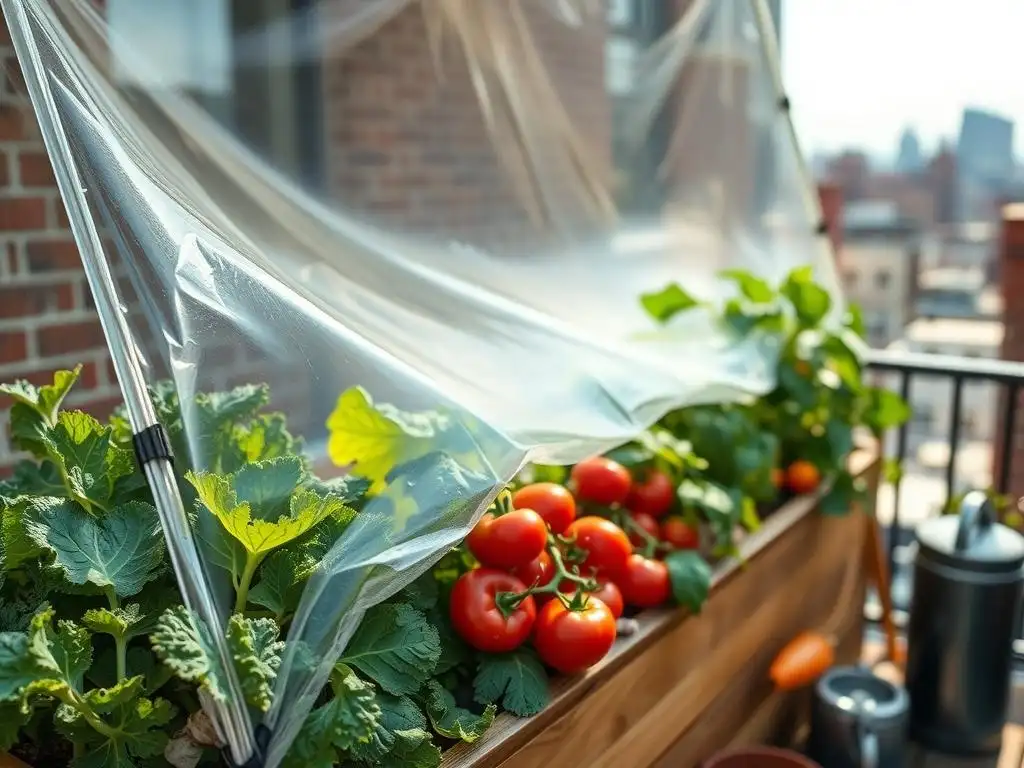
Urban gardening presents unique challenges, particularly concerning the unpredictable nature of weather. Extending your growing season requires proactive planning and the implementation of effective protection strategies. This section will focus on safeguarding your precious plants from frost, extreme temperatures, and other environmental stressors common in urban environments. A well-planned approach to season extension can significantly increase your harvest yield and diversify the types of plants you can successfully cultivate in your urban plot. This detailed guide will equip you with the knowledge to maximize your urban garden's potential, regardless of the season.
Protecting Your Urban Garden from Frost and Extreme Temperatures
Frost and extreme temperature fluctuations pose significant threats to urban gardens, often resulting in stunted growth or complete crop failure. Understanding the vulnerability of different plants is crucial. For example, tender plants like tomatoes and peppers are far more susceptible to frost damage than hardier vegetables like kale and spinach. Protecting your plants requires a multi-pronged approach:
- Row Covers: Lightweight, breathable row covers provide excellent protection against light frost and sudden temperature drops. These are easily draped over plants and secured with soil or weights. They allow sunlight and air circulation while creating a microclimate that is warmer than the surrounding air. Consider using different weights of row covers depending on the severity of the expected temperature drop. For heavier frost, you may need multiple layers.
- Cold Frames: Cold frames are more substantial structures that provide greater insulation than row covers. They often incorporate a glass or plastic cover, creating a miniature greenhouse effect. Cold frames are ideal for extending the season at the beginning and end of the growing season, protecting young seedlings from cold snaps and mature plants from early frosts. They're particularly beneficial for delicate seedlings and transplants.
- Mulching: Applying a thick layer of organic mulch around your plants helps regulate soil temperature. Mulch acts as an insulator, preventing extreme temperature fluctuations in the soil. This is especially important for root systems, which are vulnerable to both frost and extreme heat. Consider using materials like straw, shredded leaves, or wood chips.
- Microclimates: Strategically positioning your garden to take advantage of natural microclimates can significantly improve temperature regulation. South-facing walls absorb heat, creating warmer microclimates nearby. Using these areas for frost-sensitive plants can enhance their survival chances during cold snaps.
- Water Management: Proper watering is vital in mitigating temperature extremes. Well-hydrated plants are better equipped to withstand temperature fluctuations. Avoid overwatering, as this can lead to root rot, and water deeply but infrequently to encourage deep root growth.
Utilizing Season Extension Techniques for Year-Round Harvesting
Extending your urban garden's productive season beyond the typical growing period requires adopting various techniques aimed at manipulating the environment around your plants. This allows you to harvest throughout the year, even in challenging climates. The following strategies are commonly employed:
- Indoor Growing: For year-round harvesting of specific crops, indoor growing is essential. This might involve using grow lights, hydroponic systems, or simple windowsill setups. Leafy greens, herbs, and even some fruiting plants can thrive indoors with proper lighting and environmental controls. Careful consideration must be given to light cycles, humidity, and nutrient solutions.
- High Tunnels and Greenhouses: These structures create controlled environments that allow for extended growing seasons. High tunnels are generally less expensive than greenhouses, while greenhouses offer more climate control capabilities. They offer protection from frost, wind, and harsh weather conditions, enabling year-round cultivation of a wider range of plants. Consider the size and type of structure that best suits your needs and space constraints.
- Crop Selection: Careful selection of plant varieties is key to success. Choose varieties known for their cold hardiness or heat tolerance, depending on your climate and the time of year. Many seed catalogs and online resources provide detailed information on plant characteristics, including frost tolerance and heat tolerance. This strategic selection is crucial for maximizing yield throughout the year.
- Succession Planting: This involves planting crops in stages, ensuring a continuous harvest. For example, you might plant early-season lettuce in spring, followed by a summer planting of heat-tolerant varieties, and then a fall planting of cold-hardy greens. This ensures that you have a constant supply of fresh produce throughout the year. Careful planning of planting schedules is vital for successful succession planting.
By implementing these strategies, you can significantly increase the length of your growing season and enjoy a bountiful harvest year-round, even within the confines of an urban environment. Remember, consistent monitoring and adaptation are key to success in urban gardening. Careful observation of your plants and the environment will help you fine-tune your techniques for optimal results.
Frequently Asked Questions
What is the most important aspect of urban garden planning?
Careful planning and preparation are key. Consider factors like sunlight, space, and your local climate before planting anything. This will save you time and frustration in the long run.
How much space do I need for a successful urban garden?
Even a small space can be productive! A small balcony or window box can yield a surprising amount of food. Focus on vertical gardening techniques and compact plant varieties to maximize space.
What are some essential tools for urban gardening?
You'll need basic tools like a small shovel, trowel, watering can, and garden gloves. Consider adding seed starting trays and compost bin for a more advanced setup.
Which plants are best suited for urban gardens?
Choose low-maintenance, compact varieties that thrive in containers and your specific climate. Consider herbs, dwarf fruit trees, and bush vegetables like tomatoes or peppers.
How can I manage pests and diseases in my urban garden?
Organic pest control methods are crucial. Use beneficial insects, companion planting, and natural sprays to keep pests away, and ensure good air circulation to prevent fungal diseases.
Final Reflection: Cultivating Community, One Seed at a Time
The meticulous planning and preparation detailed in this guide are not merely steps toward a bountiful harvest; they are the foundation for building resilient, thriving urban communities. Successfully cultivating an urban garden transcends the simple act of growing food; it's about fostering connection, promoting sustainability, and reclaiming our relationship with the natural world in the heart of the city.
The impact of urban gardening extends far beyond individual plots; it fosters a sense of shared responsibility and collective action. It's about neighbors sharing knowledge, resources, and the joy of a homegrown tomato. This shared experience builds stronger bonds within communities, creating a sense of belonging often missing in the anonymity of urban life. The garden is a place of peace, a place of beauty, a place of hope.
This sentiment, though simple, encapsulates the profound impact a well-planned urban garden can have on the human spirit and the social fabric of our cities.
Now, consider your own space, your own potential. What seeds of change can you plant? Perhaps it's a single herb pot on your balcony, a community garden plot shared with neighbors, or simply a renewed appreciation for the food you consume. No matter the scale, the act of planning and preparing, of nurturing life from seed to harvest, is a powerful act of creation and a testament to the enduring human spirit. Embrace the journey, and let your urban garden blossom.
Unleash Your Inner Urban Gardener!
Thank you for exploring the world of urban gardening! We hope you've gained valuable insights into planning and preparing a thriving garden, regardless of space limitations. Now it's time to put your knowledge into practice.
Here's how to get started:
- Start your urban garden project today! Even a small step, like sketching a garden layout or choosing your first seeds, will build momentum.
- Share your gardening journey with our community! Tell us what you're planting, the challenges you face, and your successes. We love hearing from fellow urban gardeners!
- Explore various planting techniques: Consider vertical gardening, container gardening, or even a rooftop garden to maximize your space.
Ready to transform your urban space into a flourishing oasis? What's the first plant you're looking forward to growing?