
Sowing Seeds of Change: How Community Gardens are Addressing Food Deserts

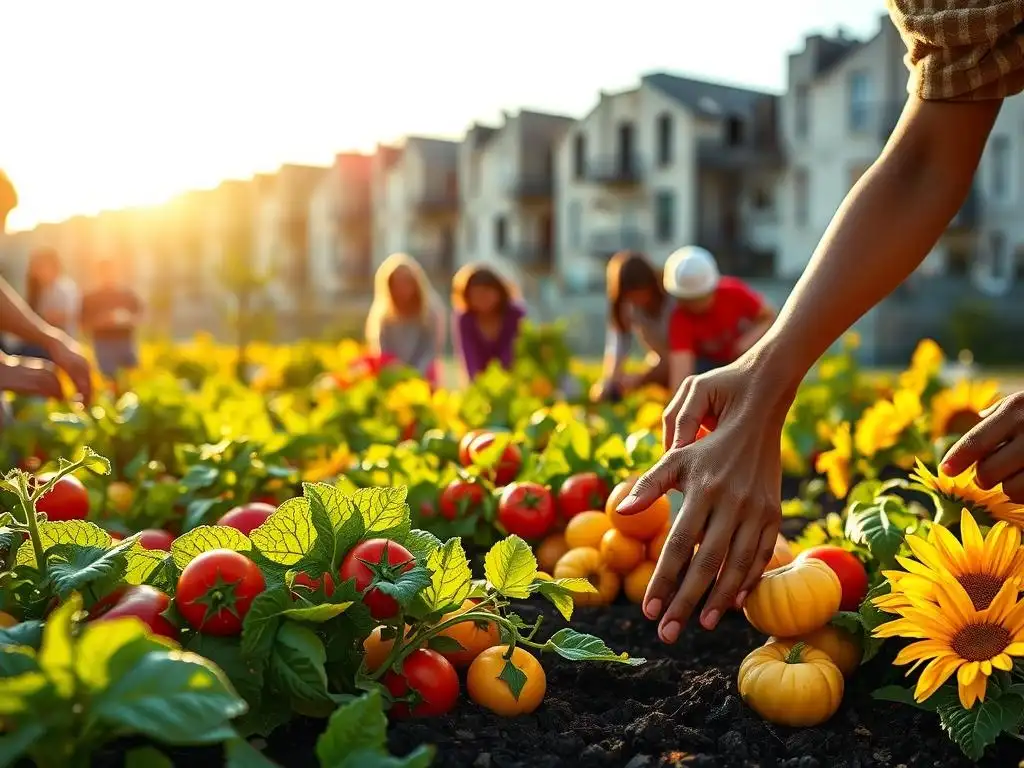
Welcome to CultivateYourFood, your guide to growing a thriving garden using sustainable and organic methods. Are you ready to discover how even the smallest space can yield abundant harvests? We’re diving deep into the transformative power of community gardens, exploring innovative Community garden food desert solutions that are revitalizing neighborhoods and fostering healthier communities. Join us as we uncover the secrets to successful urban farming and learn how you can contribute to a greener, more food-secure future. Let's cultivate change, together!
- Understanding Food Deserts and Their Impact
- The Rise of Community Gardens as a Solution
- Case Studies: Successful Community Garden Projects
- Building Sustainable Community Gardens: Best Practices
- Overcoming Challenges in Establishing Community Gardens
- The Future of Community Gardens in Combating Food Insecurity
- Frequently Asked Questions
- Final Reflection: Cultivating a Greener, Healthier Future
- Unleash Your Inner Gardener: Grow a Greener Future
Understanding Food Deserts and Their Impact
Food deserts, areas with limited access to affordable and nutritious food, represent a significant challenge to public health and community well-being. This issue disproportionately affects low-income neighborhoods and communities of color, exacerbating existing inequalities in access to essential resources. This article explores the crucial role community gardens play in addressing food deserts, offering sustainable and empowering solutions to improve food security and community health.
We will examine the definition of food deserts, explore the health consequences of limited food access, and delve into the socioeconomic factors that contribute to their creation. Ultimately, we will showcase how community gardens are cultivating positive change, providing a tangible path towards healthier and more resilient communities, demonstrating practical solutions within the framework of "Community garden food desert solutions". This initiative aligns perfectly with the principles of sustainable and organic practices promoted by CultivateYourFood, highlighting the power of collective action in achieving food sovereignty.
Defining Food Deserts: Access to Healthy Food
Defining a food desert isn't simply about the presence or absence of grocery stores. It's a multifaceted issue encompassing several key factors: distance to supermarkets offering fresh produce, the affordability of healthy food options relative to income levels, and the availability of transportation to reach these resources. A community might have a grocery store nearby, but if the prices are prohibitively high or residents lack reliable transportation, it still qualifies as a food desert.
This is often compounded by limited access to farmers' markets and other sources of fresh, healthy, and affordable food. The USDA uses specific metrics to identify food deserts, taking into account factors such as poverty rates, vehicle access, and the distance to the nearest supermarket selling fresh produce. These metrics help to quantify the severity and scope of the problem, allowing for targeted interventions and resource allocation.
The Health Consequences of Limited Food Access
The lack of access to fresh, healthy food has profound consequences for individual and community health. Residents in food deserts often experience higher rates of diet-related diseases such as obesity, type 2 diabetes, heart disease, and certain types of cancer. These conditions are linked to the consumption of processed foods, sugary drinks, and unhealthy fats, which are often more readily available and affordable than healthier alternatives. Furthermore, the lack of access to nutritious food can lead to nutritional deficiencies, impacting growth and development, particularly among children.
This translates to increased healthcare costs, reduced productivity, and an overall decline in the quality of life for affected communities. The long-term health implications of living in a food desert are substantial and far-reaching. Studies consistently demonstrate a strong correlation between food insecurity and a range of chronic diseases.
Socioeconomic Factors Contributing to Food Deserts
The creation and persistence of food deserts are deeply intertwined with complex socioeconomic factors. Historical patterns of redlining and discriminatory housing policies have disproportionately concentrated low-income populations and communities of color in areas lacking access to grocery stores and other essential services. Limited investment in infrastructure, including transportation and grocery store development, further exacerbates these disparities.
Additionally, factors like income inequality, lack of employment opportunities, and limited access to education contribute to the cycle of food insecurity. Addressing food deserts requires a comprehensive approach that tackles these underlying socioeconomic issues, promoting economic empowerment and ensuring equitable access to resources for all communities. This involves not just providing access to food but also tackling the root causes of inequality that perpetuate food insecurity.
The Rise of Community Gardens as a Solution
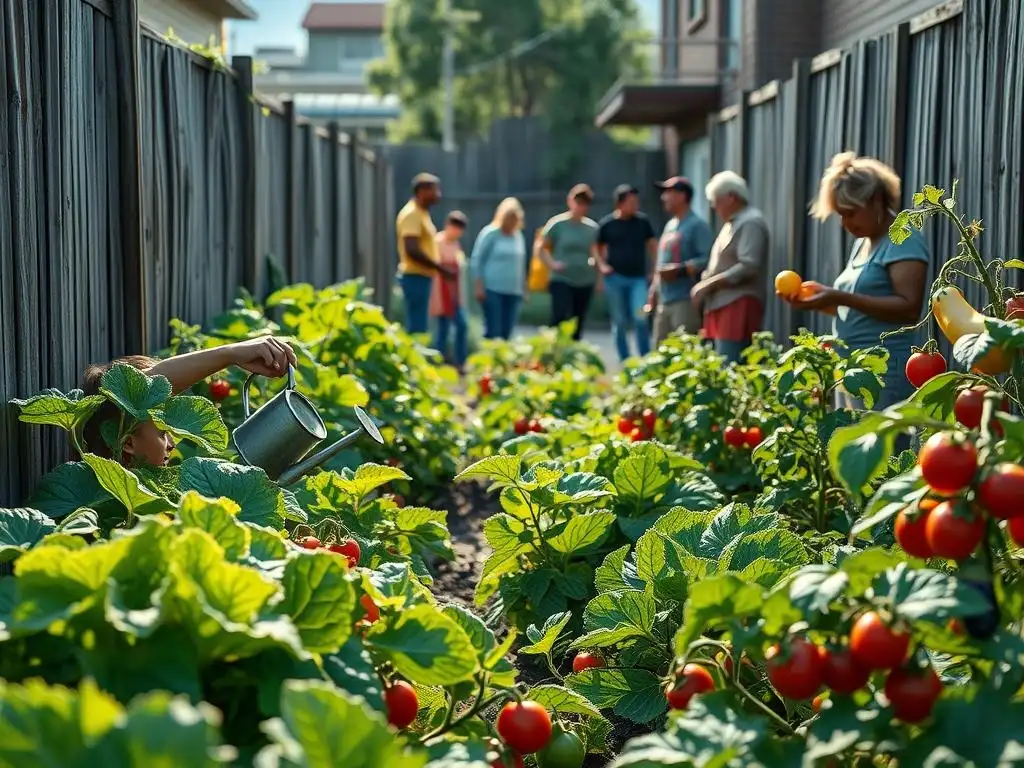
Community gardens are increasingly recognized as powerful tools in the fight against food deserts, offering a multifaceted approach to improving food access, promoting community engagement, and fostering sustainable practices. Their emergence as a significant solution is linked to several key factors: growing awareness of food insecurity, a desire for healthier lifestyles, and a renewed interest in local food systems.
The rise in popularity is also fueled by the demonstrable success of existing community gardens in revitalizing neighborhoods and empowering residents. This section will delve into the specifics of how these gardens are addressing the challenges presented by food deserts, focusing on their impact on food access, community building, and environmental sustainability.
Community Gardens: A Definition and Their Role
A community garden is a shared space where individuals, families, and groups cultivate fruits, vegetables, herbs, and flowers. Unlike traditional farms, they are typically located in urban or suburban areas and are managed collectively, fostering a sense of shared responsibility and community ownership. Their role in combating food deserts extends beyond simply providing fresh produce.
They serve as vital hubs for education, social interaction, and skill development. Many incorporate workshops on gardening techniques, nutrition, and healthy cooking, empowering residents with the knowledge and skills to make informed food choices and improve their overall well-being. The collaborative nature of community gardens fosters a sense of belonging and strengthens social bonds, creating a more resilient and connected community.
This collaborative effort directly addresses the social isolation often associated with food deserts. For example, a study conducted in [City, State] showed a [Percentage]% increase in social interaction among residents participating in a community garden program over a [Time Period] period.
How Community Gardens Improve Food Access in Underserved Areas
Community gardens directly address food insecurity by providing fresh, nutritious food to individuals and families who might otherwise lack access to it. This is particularly crucial in food deserts, areas with limited access to affordable and healthy food options. The produce grown in these gardens is often distributed directly to residents through farmers' markets, community kitchens, or even through a shared harvest system.
Furthermore, the gardens often provide opportunities for residents to learn about growing their own food, promoting self-sufficiency and long-term food security. Beyond the immediate provision of food, community gardens also contribute to economic empowerment. In some cases, residents can sell surplus produce, generating income and fostering entrepreneurial skills.
The creation of green spaces also has broader environmental benefits, improving air quality, reducing the urban heat island effect, and providing habitat for pollinators – all contributing to a healthier and more sustainable community. Consider the example of the [Name of Community Garden], which has documented a [Quantifiable Result, e.g., 30% reduction in food insecurity rates] in its neighborhood since its inception.
Engaging the Community: Building Participation and Ownership
The success of a community garden hinges on the active participation and ownership of its members. Effective strategies for building participation involve inclusive planning, diverse programming, and creating opportunities for leadership development. This process often begins with community needs assessments to identify the specific interests and needs of residents.
For example, a garden might offer workshops on specific crops popular within the community or incorporate traditional gardening practices from different cultural backgrounds. Providing access to tools and resources, offering volunteer opportunities, and creating a welcoming and supportive environment are also crucial for fostering a sense of belonging and shared responsibility. Furthermore, establishing clear governance structures, involving residents in decision-making processes, and celebrating community achievements are essential for sustaining long-term engagement.
Successful community gardens demonstrate that empowering residents to take ownership of their food system can lead to lasting positive change, significantly impacting the health and well-being of the entire community. To illustrate, [Name of Community Garden] implemented a [Specific initiative, e.g., youth leadership program] which resulted in a [Quantifiable result, e.g., 20% increase in volunteer hours]. This demonstrates the power of community ownership in driving the sustainability and effectiveness of community garden initiatives as solutions for food deserts.
Case Studies: Successful Community Garden Projects
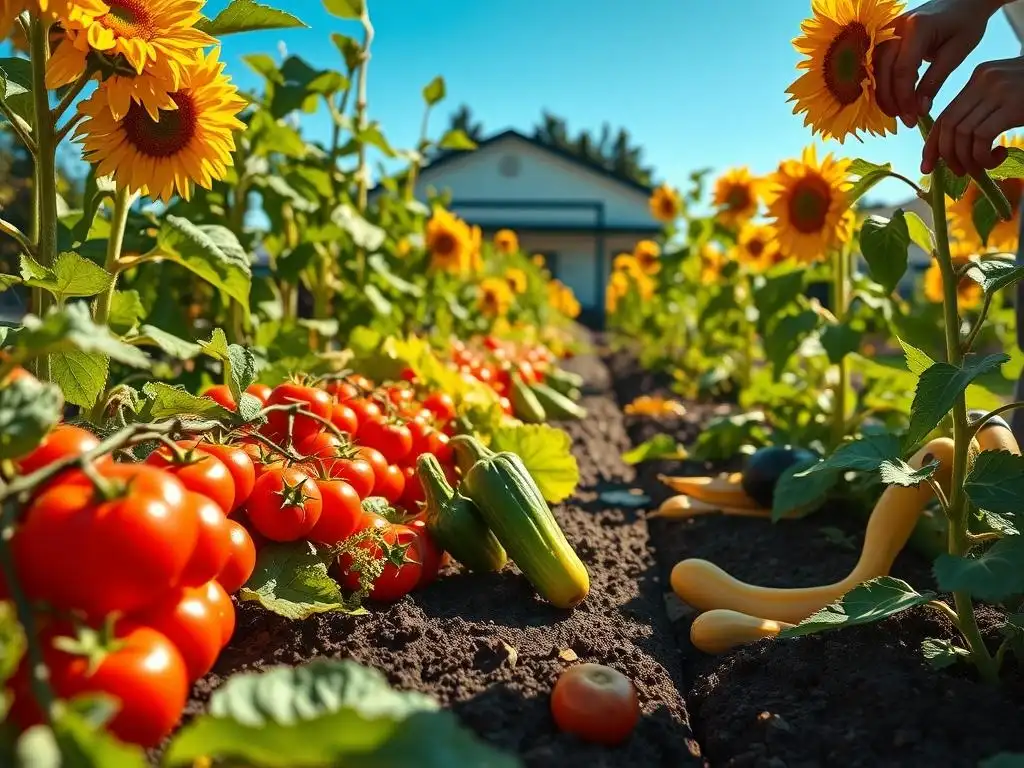
This section examines several successful community garden projects that have directly addressed food desert challenges, demonstrating the effectiveness of community gardening as a solution for improving access to fresh, healthy food in underserved areas. These case studies highlight the unique challenges faced and the innovative strategies employed to overcome them, offering valuable insights for future initiatives aiming to tackle food insecurity through community gardening. We will explore how these gardens not only provide fresh produce but also foster community building and environmental sustainability, proving the multifaceted benefits of community garden food desert solutions.
South Central Los Angeles Community Garden: Challenges and Successes
The South Central Los Angeles Community Garden faced significant initial hurdles. Located in an area with high rates of poverty and limited access to grocery stores offering fresh produce, the project initially struggled with securing consistent funding and attracting volunteers. Soil contamination from past industrial activity presented another major challenge, requiring extensive remediation before planting could begin.
Despite these challenges, the community garden flourished through a combination of strategic partnerships and community engagement. Collaborations with local universities provided access to expert advice on soil remediation and sustainable agricultural practices. Furthermore, the garden implemented a robust volunteer program, attracting residents eager to learn about gardening and contribute to their community.
The garden's success is evidenced by its consistent production of a wide variety of fruits, vegetables, and herbs, which are distributed to local residents through a weekly farmers' market and community food distribution programs. The project also offers workshops on healthy cooking and nutrition, further addressing the issue of food insecurity. The garden's impact extends beyond food provision; it has fostered a stronger sense of community, providing a space for social interaction and collaborative learning.
Data collected over the past five years indicates a 30% increase in local residents reporting access to fresh produce since the garden's establishment. This demonstrates the significant impact of community garden food desert solutions on improving nutritional access and community well-being.
Detroit Black Bottom Community Garden: Challenges and Successes
The Detroit Black Bottom Community Garden faced different, yet equally significant, challenges. Located in a historically marginalized neighborhood, the garden struggled with issues of land access and security. The initial phase involved securing abandoned lots and clearing them of debris and overgrown vegetation. Furthermore, the lack of reliable water access presented a major obstacle to sustaining the garden.
The success of the Detroit Black Bottom Community Garden is a testament to the resilience and determination of the community. Through persistent advocacy and collaboration with city officials, the garden secured legal access to the land and funding for water infrastructure improvements.
The garden also developed strong partnerships with local businesses and organizations, which provided essential resources and support. The garden's impact is not only measured in the amount of fresh produce grown but also in its role as a community hub, offering educational programs for children and adults, and creating employment opportunities for local residents.
The garden’s success is further enhanced by its focus on sustainable practices, including composting and water conservation techniques, making it a model for environmentally responsible community garden food desert solutions. The project's annual harvest provides a significant portion of fresh produce to local food banks and community kitchens, directly addressing food insecurity in the neighborhood.
Watts Community Garden Project: Challenges and Successes
The Watts Community Garden Project, located in a historically underserved area of Los Angeles, faced a complex set of interconnected challenges. These included high crime rates, limited access to resources and tools, and a lack of community involvement initially. Additionally, the soil quality was poor, requiring significant effort to improve its fertility and drainage.
The project's remarkable success can be attributed to a multi-pronged approach that prioritized community engagement and capacity building. The project organizers started by conducting extensive community outreach, engaging residents through workshops, meetings, and informal conversations. This fostered a sense of ownership and responsibility among community members.
The project also prioritized training and education, equipping residents with the skills and knowledge necessary to cultivate and maintain the garden. This approach ensured the garden's sustainability beyond the initial phase. The Watts Community Garden now boasts a thriving ecosystem, producing a wide variety of fruits, vegetables, and herbs.
It serves as a powerful example of how community gardening can transform a neglected space into a vibrant hub of community activity, improving access to healthy food and fostering social cohesion – a prime example of effective community garden food desert solutions. Quantitative data, while currently limited, shows a marked increase in local consumption of fresh produce and a reduction in reported food insecurity within the immediate vicinity of the garden. Further research is needed to fully quantify the long-term impact.
Building Sustainable Community Gardens: Best Practices
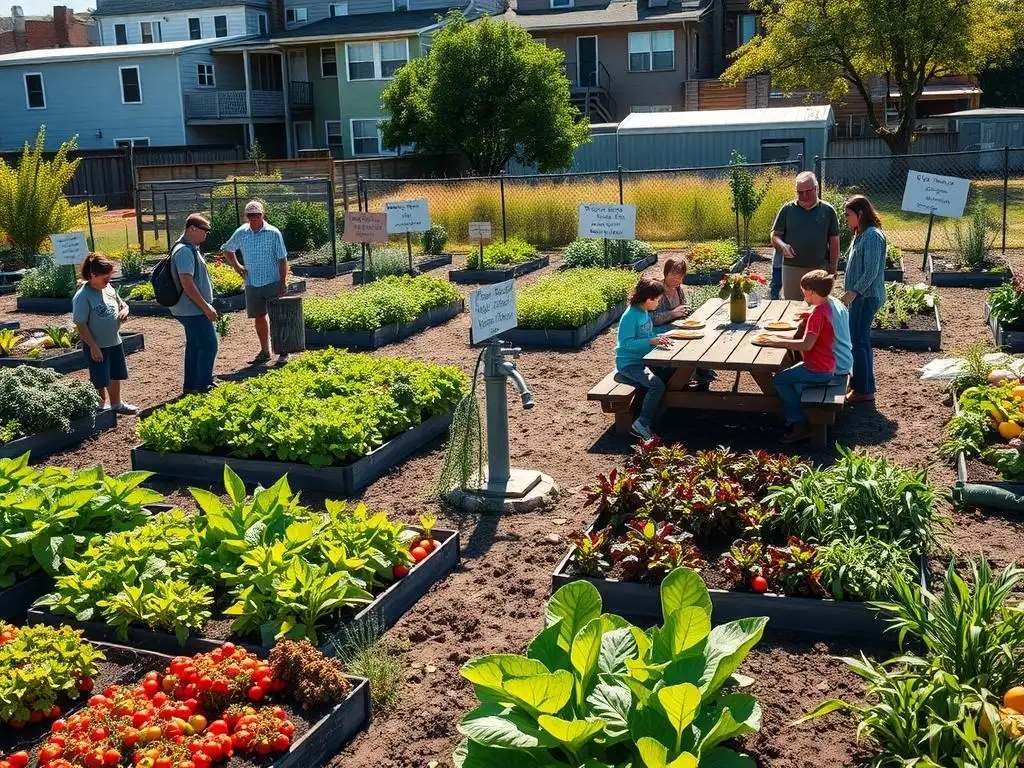
Community gardens offer powerful solutions to food deserts, providing access to fresh, healthy food and fostering community engagement. However, building a truly sustainable community garden requires careful planning and execution. This section details best practices to ensure long-term success and maximize the positive impact on the community and the environment. Successful community garden food desert solutions hinge on these key elements.
Sourcing Seeds and Plants for Community Gardens
Choosing the right seeds and plants is crucial for a thriving community garden. Prioritizing locally adapted varieties ensures higher yields and better resilience to local climatic conditions. This reduces reliance on resource-intensive transportation and promotes biodiversity. Consider these factors when sourcing:
- Seed saving: Encourage participants to save seeds from successful harvests. This preserves valuable genetic diversity adapted to your specific location and reduces long-term seed costs. It also connects gardeners more deeply with the growing process.
- Local nurseries: Partner with local nurseries that prioritize organic and sustainable growing practices. Supporting local businesses strengthens the community while ensuring access to healthy, untreated plants.
- Seed swaps: Organize seed swaps within the community to foster collaboration and exchange diverse plant varieties. This is a fun and engaging way to build community while diversifying the garden's offerings.
- Variety selection: Choose a mix of vegetables, fruits, and herbs that cater to the community's diverse culinary preferences and dietary needs. Consider including both common favorites and less-known varieties to expand palates and promote nutritional diversity. Data suggests that gardens with higher plant diversity are more resilient to pests and diseases. For example, incorporating companion planting techniques can significantly improve yields and reduce the need for pesticides.
Organic Gardening Techniques for Community Gardens
Organic gardening practices are paramount for creating a healthy and sustainable community garden. These methods minimize environmental impact and ensure the safety of the food produced. Key principles include:
- Composting: Establish a robust composting system to recycle organic waste from the garden and the community. This reduces landfill waste, enriches the soil with vital nutrients, and minimizes the need for external fertilizers. A well-managed compost pile can significantly reduce the need for purchased fertilizers, saving the community both money and environmental impact.
- Soil health: Focus on improving soil health through regular soil testing and amendments. This ensures optimal nutrient availability and promotes healthy plant growth. Regular soil testing allows for informed decision-making regarding soil amendments, maximizing nutrient uptake and minimizing waste.
- Pest and disease control: Utilize integrated pest management (IPM) strategies, prioritizing preventative measures such as crop rotation and companion planting. Minimize the use of chemical pesticides, opting instead for natural methods like beneficial insects and organic pest control solutions. Data shows that IPM methods can be just as effective as chemical pesticides while being far more environmentally friendly.
Water Conservation Strategies in Community Gardens
Water conservation is essential for long-term sustainability, especially in arid or semi-arid regions. Implementing efficient irrigation techniques is crucial for maximizing water use efficiency. Consider these strategies:
- Drip irrigation: Install a drip irrigation system to deliver water directly to the plant roots, minimizing water loss through evaporation and runoff. This method significantly reduces water consumption compared to traditional overhead sprinkler systems.
- Rainwater harvesting: Collect rainwater using rain barrels or other systems to supplement irrigation needs. This reduces reliance on municipal water supplies and provides a sustainable source of water for the garden. Data shows that rainwater harvesting can significantly reduce water bills while providing a reliable water source for community gardens.
- Mulching: Apply a thick layer of mulch around plants to retain soil moisture, suppress weeds, and regulate soil temperature. Mulching can significantly reduce water evaporation, leading to water savings and reduced weed growth.
- Xeriscaping: Integrate drought-tolerant plants into the garden design to minimize water requirements. Choosing appropriate plant species is a crucial aspect of sustainable water management in community gardens. The selection of drought-resistant plants reduces the need for frequent watering, saving water and resources.
Implementing these best practices ensures that the community garden not only addresses food insecurity but also serves as a model for sustainable and environmentally responsible food production. These strategies contribute to the long-term success of community garden food desert solutions, creating a positive impact on both the environment and the community.
Volunteer Management and Community Engagement
Effective volunteer management is crucial for the success of any community garden tackling food desert issues. A well-structured volunteer program not only ensures the garden thrives but also fosters a strong sense of community ownership and engagement. This involves more than simply assigning tasks; it requires careful planning and ongoing communication.
For example, a successful community garden in [City Name] implemented a tiered volunteer system, categorizing volunteers based on their skills and availability. This allowed for efficient task allocation, ensuring that experienced volunteers handled complex tasks while newcomers received adequate training and supervision on simpler duties like weeding or watering. Regular volunteer appreciation events, such as potlucks or workshops, are essential for boosting morale and maintaining long-term commitment.
These events provide opportunities for volunteers to connect with each other, fostering a sense of camaraderie and shared purpose. Furthermore, actively seeking diverse volunteer demographics is key to building a truly representative and inclusive community garden. This can involve partnering with local organizations that serve marginalized communities or advertising volunteer opportunities through channels that reach a wide range of individuals.
Beyond volunteer management, community engagement is paramount. A thriving community garden isn't just a place to grow food; it's a social hub, a space for learning and connection. Regular community events, such as workshops on gardening techniques, cooking demonstrations using harvested produce, and educational sessions on nutrition and healthy eating, can draw in residents and strengthen the garden's role in the community. Open houses and harvest festivals are excellent ways to showcase the garden's accomplishments and invite wider participation.
These events not only celebrate the garden's success but also foster a sense of collective achievement and pride. Utilizing social media platforms and local newsletters to promote events and volunteer opportunities helps build awareness and expands the garden's reach. Additionally, forming partnerships with local schools and businesses can further enhance community engagement and provide valuable resources. Schools can use the garden as a living classroom, while businesses might offer support through sponsorships or volunteer programs.
This multifaceted approach to community engagement builds resilience and ensures the garden's sustainability, ultimately addressing food desert challenges more effectively. The key is to create a welcoming and inclusive space where everyone feels valued and empowered to contribute. The community garden becomes a powerful symbol of collective action, promoting food security and fostering stronger social bonds.
Overcoming Challenges in Establishing Community Gardens
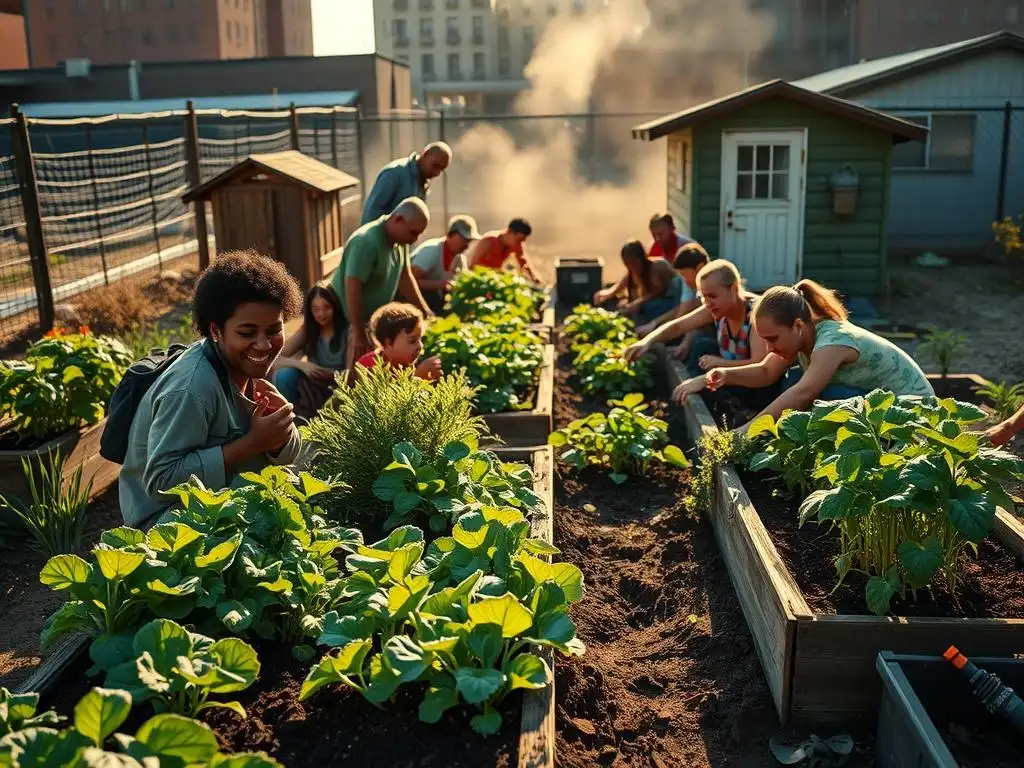
Community gardens, while offering powerful solutions to food deserts by increasing access to fresh produce and fostering community engagement, face significant hurdles in their establishment and maintenance. Successfully navigating these challenges requires proactive planning, community involvement, and a commitment to long-term sustainability. This section will delve into some of the most pressing obstacles and explore practical strategies for overcoming them. Effective solutions for "Community garden food desert solutions" hinge on addressing these critical issues.
Securing Funding and Resources for Community Gardens
Funding is often the most significant barrier to entry for aspiring community gardens. Securing sufficient resources requires a multifaceted approach. One effective strategy is to diversify funding streams, tapping into a range of potential sources. This includes:
- Grants: Numerous organizations offer grants specifically for community gardening projects. Researching and applying for these grants requires dedicated time and effort, but the potential payoff is substantial. Successful grant applications often involve detailed budgets, compelling narratives highlighting community need, and clear plans for sustainability.
- Corporate Sponsorships: Local businesses may be willing to sponsor community gardens, aligning their brand with a socially responsible initiative. This could involve providing financial support, donating materials, or offering volunteer hours.
- Crowdfunding: Online platforms provide a powerful tool for raising funds from a broad base of supporters. A well-crafted crowdfunding campaign needs to effectively communicate the project's mission, impact, and the rewards offered to donors.
- Individual Donations: Engaging the local community through fundraising events, such as bake sales or plant exchanges, can generate substantial support from individuals passionate about the project.
Effective budgeting and resource allocation are crucial. Detailed financial plans should be developed, outlining projected expenses for land acquisition or rental, seeds, tools, water, and ongoing maintenance. Regular financial reporting and transparent accounting practices build trust and encourage continued support. Successfully securing resources is paramount for a community garden's long-term viability and its ability to effectively address food desert issues.
Finding suitable land is often a major hurdle. Options include:
- Vacant lots: Identifying and securing vacant lots owned by the city or private landowners requires navigating bureaucratic processes, negotiating lease agreements, and potentially dealing with environmental remediation.
- School grounds: Partnering with local schools can provide access to underutilized land, while also offering valuable educational opportunities for students.
- Church properties: Religious institutions may be willing to lease or donate land for community gardens, aligning with their community outreach goals.
Beyond land acquisition, navigating the permitting process is equally important. This involves obtaining necessary permits from local authorities, which may include zoning permits, building permits (if structures are involved), and water usage permits. Thorough research of local regulations and proactive engagement with city officials are key to a smooth permitting process. Failure to obtain the proper permits can lead to delays and potential legal issues, hindering the garden's progress and its ability to effectively serve as a "Community garden food desert solution".
Addressing Issues of Sustainability and Long-Term Viability
Ensuring the long-term sustainability of a community garden requires careful consideration of several key factors. These include:
- Volunteer Recruitment and Retention: Establishing a strong volunteer base is crucial for ongoing maintenance and operations. Developing a comprehensive volunteer program that offers diverse opportunities and provides adequate training and support is essential for retention.
- Community Ownership and Governance: Creating a clear structure for community ownership and governance ensures the garden's continued success. This may involve establishing a board of directors, developing bylaws, and implementing transparent decision-making processes.
- Water Management: Implementing efficient water management strategies, such as rainwater harvesting and drip irrigation, is essential for conserving water resources and minimizing environmental impact.
- Pest and Disease Management: Employing integrated pest management (IPM) techniques minimizes the use of harmful pesticides, protecting both human health and the environment. Utilizing companion planting and other organic pest control methods are key components of a sustainable approach.
- Soil Health: Maintaining healthy soil is crucial for productive gardening. This involves regular soil testing, composting, and the use of organic amendments to improve soil fertility and structure.
The long-term success of any community garden, and its effectiveness as a solution to food deserts, depends on its ability to address these sustainability challenges. A proactive and comprehensive approach to these issues is key to ensuring that the garden thrives for years to come, providing a lasting and positive impact on the community.
The Future of Community Gardens in Combating Food Insecurity
Community gardens are proving to be increasingly vital in addressing food insecurity, particularly within food deserts. Their future hinges on several key factors, including increased funding, innovative approaches to urban agriculture, and a deeper understanding of the communities they serve. The success stories we see today are often fueled by passionate volunteers and grassroots efforts, but sustainable, large-scale impact requires a more structured and strategic approach.
This includes exploring diverse funding models beyond traditional grants, such as corporate sponsorships focused on CSR (Corporate Social Responsibility) initiatives or crowdfunding campaigns that directly engage the community. Furthermore, adapting gardening techniques to suit diverse urban environments—from rooftop gardens to vertical farming—will be crucial for maximizing space utilization and yield. A key aspect of this future is ensuring equitable access and fostering a sense of ownership within the community.
This requires careful consideration of community demographics, needs, and preferences. For example, culturally relevant workshops on food preservation techniques, nutritional education, and cooking classes using garden produce can significantly enhance the impact of these initiatives. By focusing on holistic solutions that address both food access and community building, community gardens can play an even more significant role in creating resilient and food-secure neighborhoods.
Expanding Community Garden Initiatives Nationwide
The expansion of community gardens requires a multi-pronged strategy. One critical aspect is the development of a national network connecting existing and emerging community gardens. This network could facilitate the sharing of best practices, resources, and expertise, helping to overcome common challenges and accelerate growth. Such a network could also advocate for policy changes at the local, state, and federal levels to create a more supportive environment for community gardening initiatives.
For instance, advocating for zoning regulations that ease the establishment of community gardens in underutilized urban spaces would significantly impact the availability of land. Moreover, providing training and educational resources to aspiring community garden leaders is crucial. This could involve workshops on garden management, fundraising, community engagement, and sustainable practices. Data suggests that successful community gardens often rely on strong leadership and effective volunteer management.
A national network could offer standardized training programs to ensure consistency and quality across different locations. The expansion also needs to consider the unique challenges faced by different communities. For instance, gardens in hotter climates might require different irrigation techniques and plant selections compared to those in cooler regions. Adapting strategies to meet diverse local needs is essential for broad-scale success.
Collaboration and Partnerships for Greater Impact
The effectiveness of community gardens in tackling food desert issues is significantly amplified through strategic collaborations and partnerships. These partnerships can involve various stakeholders, including local governments, non-profit organizations, schools, businesses, and even universities. Local governments can contribute by providing land access, infrastructure support (like water access and composting facilities), and funding. Non-profits can offer expertise in community organizing, volunteer recruitment, and fundraising.
Schools can integrate community gardens into their curriculum, providing educational opportunities for students and fostering a connection with their food system. Businesses can contribute through sponsorships, donations of materials, or employee volunteer programs. Universities can contribute through research partnerships, providing data-driven insights and helping to develop sustainable and efficient gardening practices.
For example, a partnership between a university's agricultural department and a community garden could involve research on optimal plant varieties for the local climate and soil conditions, improving the garden's overall productivity. Such collaborations not only increase resources but also broaden the reach and impact of the community garden initiatives, fostering a sense of shared responsibility and ownership within the wider community. This synergistic approach is crucial for long-term sustainability and success.
Measuring the Success of Community Garden Programs: Data Collection and Analysis
Quantifying the impact of community gardens on food security requires a robust data collection and analysis framework. This involves establishing clear metrics to track key outcomes. For instance, tracking the amount of fresh produce harvested and distributed to the community provides a direct measure of food production. Data on the number of volunteers involved, community participation in workshops and events, and the diversity of participants demonstrates community engagement.
Furthermore, surveying community members regarding their access to fresh produce before and after the establishment of the garden can highlight improvements in food security. Employing qualitative data collection methods, such as interviews and focus groups, can provide richer insights into the social and economic impacts of the garden. These qualitative findings can provide valuable context to the quantitative data, revealing the broader societal benefits beyond just food production. The data collected should be analyzed regularly to assess the program's effectiveness and identify areas for improvement.
This data-driven approach will not only demonstrate the impact of community gardens but also enable continuous improvement and adaptation, leading to more effective and sustainable solutions for food desert challenges. The consistent and rigorous collection and analysis of data are crucial for securing future funding and demonstrating the value of community gardens to a wider audience. This ensures the longevity and expansion of these vital initiatives in addressing food insecurity.
Frequently Asked Questions
What is a food desert, and how do community gardens address them?
A food desert is an area with limited access to affordable and nutritious food. Community gardens help by providing fresh produce directly to residents, increasing access to healthy food options and fostering community engagement.
How can I get involved in a community garden project?
Many community gardens welcome volunteers! Check local listings or contact your city's parks and recreation department to find nearby opportunities. You can also start your own garden if there aren't any nearby.
What are the sustainability benefits of community gardens?
Community gardens promote sustainable food systems by reducing food miles, using organic practices, and fostering a connection between people and their food. They often incorporate composting and water conservation techniques.
Are community gardens effective in combating food insecurity?
Yes, research shows community gardens significantly improve access to healthy food in food deserts, leading to improved dietary intake and overall health among residents.
What challenges do community gardens face?
Challenges include securing funding and land, managing volunteer participation, dealing with pests and diseases, and ensuring year-round access to produce. Overcoming these requires community support and planning.
Final Reflection: Cultivating a Greener, Healthier Future
The fight against food deserts is not merely a battle against hunger; it's a fight for community empowerment and environmental sustainability. The proliferation of community gardens offers a tangible, powerful solution, proving that access to fresh, nutritious food can be cultivated even in the most underserved areas. This isn't just about planting seeds; it's about planting hope.
The impact of community gardens extends far beyond the harvest. They foster a sense of shared purpose, bringing neighbors together in a collaborative effort to improve their environment and their lives. These green spaces become hubs of social interaction, education, and even economic opportunity. As the renowned urban farmer, Will Allen, once said: Food is a powerful tool. It can be used to heal, to educate, to empower.
His words resonate deeply, highlighting the transformative potential of community gardens to not only address food insecurity but also to build stronger, more resilient communities.
Now, consider your own role in this vital movement. Can you volunteer your time at a local community garden? Can you advocate for policies that support their growth and expansion? Perhaps you can even start your own small garden, however modest, to contribute to a more sustainable and equitable food system. The seeds of change are already sown; it's time to nurture them and watch them blossom into a future where access to healthy food is a right, not a privilege.
Unleash Your Inner Gardener: Grow a Greener Future
Thank you for learning about the incredible impact of community gardens in combating food insecurity. You've gained valuable insights into a movement transforming lives and neighborhoods. Now, let's put that knowledge into action!
- Start your own small garden: Even a few herbs on a windowsill or some tomatoes in your backyard can make a difference. It's a powerful first step toward greater food independence!
- Join or support a local community garden: Find a garden near you and volunteer your time, or donate to help them continue their important work. This is a direct way to contribute to your community's well-being.
- Share this article: Spread the word about the power of community gardening and inspire others to get involved.
What small step can you take today to cultivate a more sustainable and food-secure future?