
Understanding the Role of Oxygen in Hydroponics: Essential for Root Health

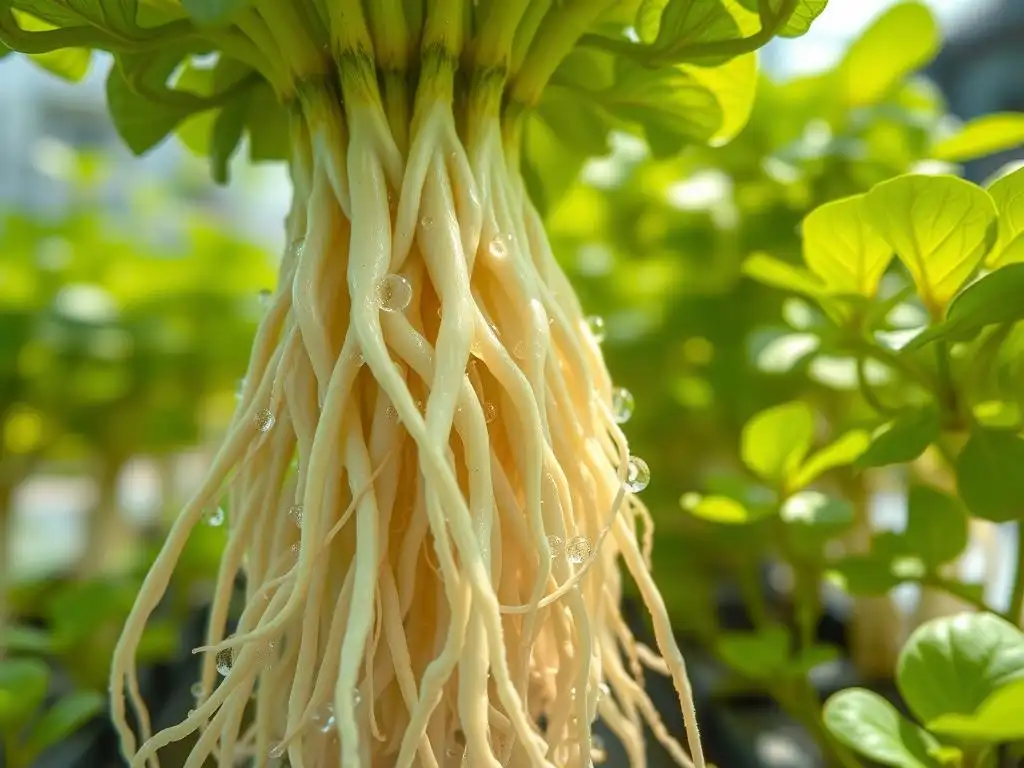
Welcome to CultivateYourFood, your guide to a greener, more fulfilling life through homegrown goodness! Are you ready to unlock the secrets of thriving plants and bountiful harvests? We delve into the fascinating world of sustainable and organic gardening, and in this article, we explore the critical link between hydroponics oxygen root health. Discover how understanding oxygen's role can transform your urban farming success. Let's cultivate a healthier future, together!
- The Importance of Oxygen for Hydroponic Root Systems
- Aeration Techniques for Optimal Oxygen Levels in Hydroponic Solutions
- Maintaining Adequate Oxygen Levels: Best Practices
- Troubleshooting Oxygen-Related Issues in Hydroponic Systems
- Choosing the Right Hydroponic System for Optimal Oxygenation
-
Frequently Asked Questions
- What is the importance of oxygen for hydroponic plants?
- How can I ensure my hydroponic system provides enough oxygen to the roots?
- What are the signs of oxygen deficiency in hydroponic plants?
- Can too much oxygen harm my hydroponic plants?
- How does the growing medium affect oxygen availability to roots in hydroponic systems?
- Final Reflection: Breathing Life into Hydroponic Systems
- Unlock Your Hydroponic Potential: Thrive with Oxygen-Rich Roots
The Importance of Oxygen for Hydroponic Root Systems
Hydroponics, a method of growing plants without soil, offers a sustainable and efficient way to cultivate fruits, vegetables, and herbs, even in urban environments. While providing plants with essential nutrients is crucial, often overlooked is the vital role of oxygen in ensuring healthy root development and overall plant vigor. This article delves into the critical importance of oxygen for hydroponic root systems, exploring its impact on respiration, nutrient uptake, and identifying signs of oxygen deficiency.
Understanding these factors is paramount for successful hydroponic gardening, allowing cultivators to optimize their systems for maximum yield and healthy plant growth. Mastering oxygen management is key to unlocking the full potential of your hydroponic setup, leading to thriving plants and bountiful harvests.
Let's explore how proper oxygenation contributes to robust root health and overall success in your hydroponic journey. This is essential for achieving optimal results in your urban farming endeavors and cultivating a thriving, sustainable garden.
Oxygen's Crucial Role in Root Respiration
Root respiration, the process by which plant roots convert sugars into energy, is fundamentally reliant on oxygen. Unlike humans who breathe in oxygen and breathe out carbon dioxide, plants perform this process through their roots and leaves. In hydroponic systems, the roots are submerged in a nutrient solution, and adequate oxygen availability is critical. The roots utilize oxygen to break down sugars produced during photosynthesis, generating the energy necessary for growth, nutrient absorption, and overall plant function.
Insufficient oxygen leads to anaerobic respiration, a less efficient process that produces less energy and harmful byproducts, ultimately hindering plant growth and potentially leading to root rot. Maintaining sufficient dissolved oxygen (DO) levels in the nutrient solution is therefore a cornerstone of successful hydroponics. Think of it as providing your plants with the air they need to thrive underwater.
The optimal dissolved oxygen level for hydroponic systems generally ranges from 4 to 6 ppm (parts per million), although this can vary depending on the specific plant species and system design. Maintaining these levels requires careful attention to factors such as water temperature (cooler water holds more oxygen), nutrient solution flow rate (agitation increases oxygen dissolution), and the use of aeration techniques such as air pumps and air stones.
Nutrient Uptake and Oxygen Availability: A Symbiotic Relationship
Oxygen availability directly impacts a plant's ability to absorb nutrients. The process of nutrient uptake involves active transport, where root cells use energy (produced during respiration) to move nutrients from the nutrient solution into the plant. This energy-intensive process is heavily dependent on the efficient respiration fueled by oxygen. When oxygen levels are low, the energy production decreases, impairing the plant's capacity to absorb essential nutrients, even if those nutrients are readily available in the solution.
This can lead to nutrient deficiencies, despite seemingly adequate nutrient levels in the water. It's a vicious cycle: less oxygen means less energy, leading to less nutrient uptake, further weakening the plant and its ability to thrive. This highlights the interconnectedness of oxygen and nutrient management in successful hydroponics. A balanced approach is essential, ensuring both sufficient oxygen and the correct nutrient profile for optimal plant health.
Signs of Oxygen Deficiency in Hydroponic Systems
Recognizing the signs of oxygen deficiency is crucial for taking corrective action. Several indicators can signal that your hydroponic system is not providing enough oxygen to the roots. These include:
- Stunted growth: Plants exhibiting slower than expected growth, despite adequate nutrients and light, may be suffering from oxygen deprivation.
- Chlorosis (yellowing of leaves): While this can indicate nutrient deficiencies, it can also be a symptom of oxygen stress, as nutrient uptake is impaired.
- Root discoloration: Healthy roots are typically white or light-colored. Brown or black roots often indicate root rot, a common consequence of oxygen deficiency.
- Wilting: Even with adequate watering, plants may wilt if their roots are unable to absorb water and nutrients due to lack of oxygen.
- Off-putting odor: Anaerobic respiration produces foul-smelling gases, providing a clear indication of oxygen deficiency.
Observing these signs promptly allows for adjustments to your system, such as increasing aeration, improving water flow, or lowering water temperature, to restore optimal oxygen levels and prevent further damage to your plants. Early detection and intervention are key to maintaining a healthy and productive hydroponic system.
Aeration Techniques for Optimal Oxygen Levels in Hydroponic Solutions
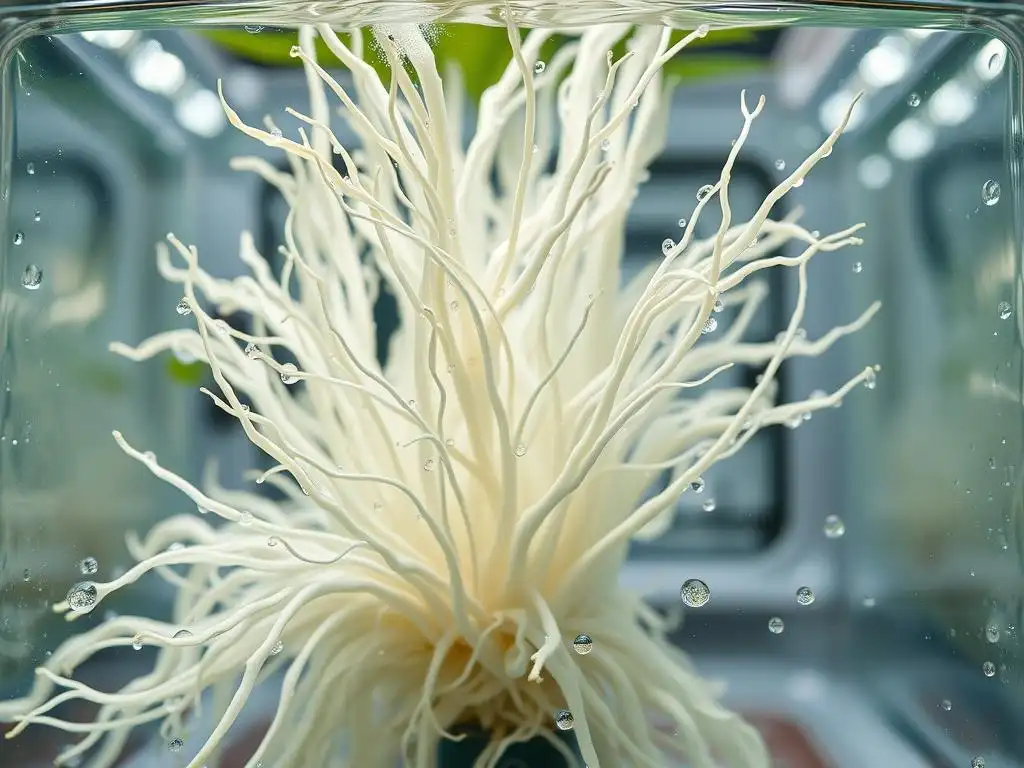
Hydroponics oxygen root health is paramount for successful cultivation. While hydroponics offers many advantages, the lack of soil means roots are entirely dependent on the nutrient solution for oxygen uptake. Insufficient oxygen leads to root rot, stunted growth, and ultimately, crop failure. Therefore, implementing effective aeration techniques is crucial.
This section explores various methods to ensure your hydroponic system delivers the optimal amount of oxygen to your plant's roots. We'll examine different approaches, from simple air pumps to system design considerations, all contributing to a thriving hydroponic garden. Remember, consistent monitoring of dissolved oxygen (DO) levels is key to maintaining a healthy root environment. [Specific DO level recommendations pending based on plant type and system].
Implementing Effective Air Pumps and Air Stones
Air pumps are the workhorses of hydroponic aeration. They provide a constant supply of air, crucial for maintaining adequate dissolved oxygen levels in your nutrient solution. Choosing the right air pump depends on the size of your hydroponic system. Smaller systems might only require a small, quiet air pump, while larger setups necessitate more powerful models. Consider these factors:
- Air Pump Capacity (L/min): This indicates the volume of air the pump can deliver per minute. Higher capacity is needed for larger systems.
- Air Pump Noise Level (dB): Noise can be a concern, particularly for indoor setups. Look for pumps with lower decibel ratings.
- Air Pump Reliability: A reliable pump ensures consistent aeration. Check reviews and consider warranties.
Air stones, also known as air diffusers, are essential for distributing the air effectively. These porous stones create tiny bubbles, maximizing the surface area for oxygen absorption. Different types of air stones are available:
- Ceramic Air Stones: Durable and long-lasting, but can become clogged over time.
- Silicone Air Stones: More flexible and less prone to clogging.
- Wood Air Stones: Aesthetically pleasing, but may not be as durable.
The number of air stones needed depends on the system's size and the pump's capacity. For larger systems, multiple air stones strategically placed throughout the reservoir ensure even oxygen distribution. Regular cleaning of air stones is vital to prevent clogging and maintain optimal performance. Failure to clean them can reduce efficiency and compromise oxygen levels. Consider a simple cleaning schedule — [Cleaning schedule pending based on system type and water quality].
Designing Your Hydroponic System for Maximum Oxygenation
System design plays a significant role in oxygenation. Even the most powerful air pump will be ineffective if the system itself hinders oxygen diffusion. Several design choices can significantly improve oxygen levels:
- Reservoir Shape and Size: A shallower, wider reservoir allows for better oxygen absorption compared to a deep, narrow one. The larger surface area exposes more of the nutrient solution to the air.
- Nutrient Solution Volume: Avoid excessively large volumes of nutrient solution, as this can lead to oxygen depletion in deeper areas.
- Water Circulation: Efficient water circulation ensures that oxygenated water reaches all parts of the system, preventing stagnant areas where oxygen levels can drop significantly. This can be achieved through strategically placed pumps or by using systems that naturally promote water movement, such as deep water culture (DWC) systems with a gentle continuous flow.
Utilizing Water Movement to Enhance Oxygen Dispersion
Water movement is crucial for enhancing oxygen dispersion beyond simple aeration. Moving the water increases surface area contact with air, facilitating oxygen absorption. Several methods can be employed:
- Water Pumps: Using submersible pumps to create a gentle current within the reservoir enhances oxygen transfer. The flow should be sufficient to circulate the solution without being overly turbulent, which could damage delicate roots.
- Drip Systems: Drip systems, commonly used in hydroponics, naturally introduce oxygen as water drips onto the roots. The constant dripping creates a micro-environment around the roots with higher oxygen levels.
- Recirculating Systems: Recirculating systems, which constantly pump the nutrient solution through the system, ensure continuous oxygenation. These systems often incorporate features like air pumps and water pumps to maximize oxygenation.
Implementing a combination of techniques – air pumps, appropriate system design, and water movement – ensures your hydroponic plants receive the oxygen they need for optimal growth and health. Remember that monitoring dissolved oxygen levels using a DO meter is crucial for fine-tuning your aeration strategies and ensuring your hydroponics oxygen root health remains at its peak.
Maintaining Adequate Oxygen Levels: Best Practices
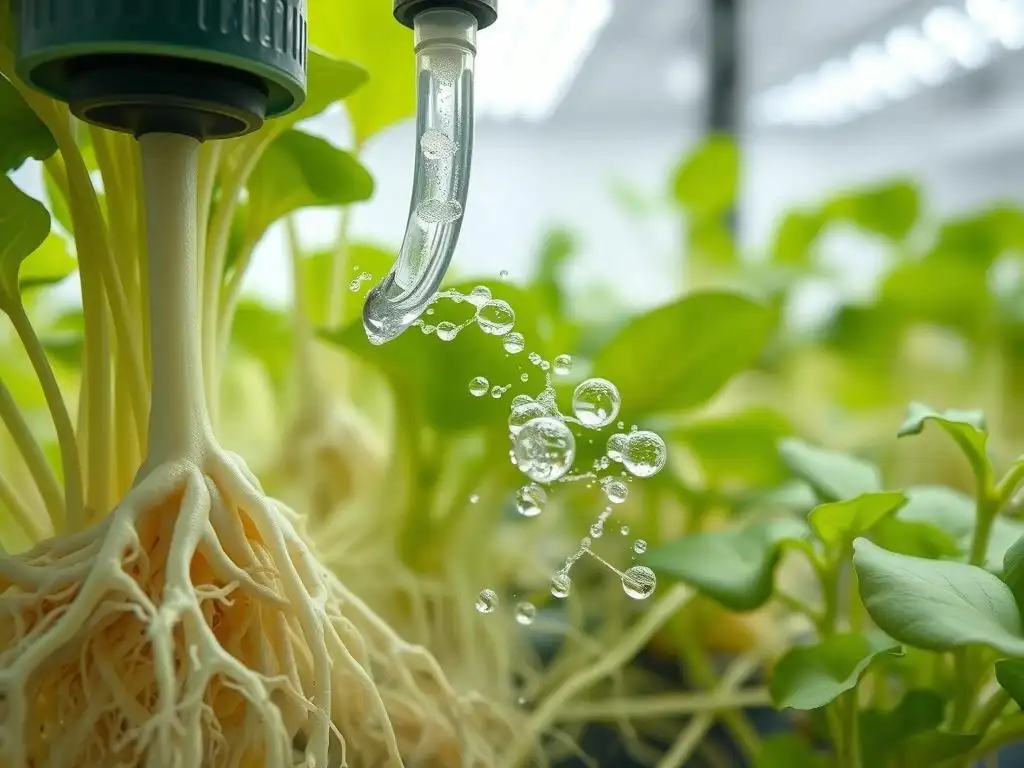
Providing sufficient oxygen to the roots is paramount for successful hydroponic gardening. Root health directly impacts plant growth, nutrient uptake, and overall yield. Insufficient oxygen leads to root rot, stunted growth, and ultimately, crop failure. This section details practical methods for ensuring your hydroponic system delivers the oxygen your plants need to thrive. Understanding the interplay between oxygen, water temperature, and organic matter is crucial for optimizing your hydroponic setup and achieving bountiful harvests. Effective oxygen management is a cornerstone of successful hydroponics oxygen root health.
Monitoring Dissolved Oxygen Levels in Your System
Regular monitoring of dissolved oxygen (DO) levels is essential for proactive management. While visual cues like stunted growth or discolored roots can indicate oxygen deficiency, proactive measurement prevents significant damage. A dissolved oxygen meter is a valuable investment for any serious hydroponic grower. These meters provide a precise reading of the oxygen concentration in the nutrient solution, enabling you to identify potential problems before they severely impact your plants.
Aim for a dissolved oxygen level between 6 and 8 ppm (parts per million) for optimal root health. Levels below 4 ppm indicate a serious oxygen deficiency, requiring immediate action. Regular monitoring, ideally daily or every other day, allows you to track changes and make necessary adjustments. Consider keeping a log to chart DO levels, water temperature, and any other relevant system parameters.
This data will prove invaluable in understanding your system's dynamics and optimizing its performance over time. Consistent monitoring is key to ensuring the success of your hydroponics oxygen root health strategy. You can also note any changes in your nutrient solution, such as cloudiness or unusual odors, which could indicate potential problems.
Adjusting Water Temperature to Optimize Oxygen Solubility
Water temperature significantly impacts oxygen solubility. Colder water holds more dissolved oxygen than warmer water. While the ideal temperature range varies depending on the specific plant species, generally maintaining a cooler nutrient solution is beneficial for maximizing oxygen levels. This is particularly important during warmer months.
Maintaining a temperature between 65°F and 72°F (18°C and 22°C) is often recommended for many hydroponic crops. Using a water chiller or placing your reservoir in a cool, shaded location can help regulate temperature, especially in warmer climates. Conversely, in colder environments, you might need to employ heating elements to prevent temperatures from dropping too low.
Regularly monitor your water temperature alongside your dissolved oxygen levels to identify any correlations and fine-tune your system's temperature control. Remember that even small temperature fluctuations can impact oxygen solubility and, subsequently, your plants' overall health and productivity. Careful temperature management is a critical component of hydroponics oxygen root health.
Preventing the Buildup of Organic Matter and Algae
The accumulation of organic matter and algae in your hydroponic system can severely deplete oxygen levels. Organic matter consumes oxygen as it decomposes, creating anaerobic conditions harmful to roots. Algae, while not inherently harmful, compete with your plants for oxygen and can block light penetration, further inhibiting growth.
Regular cleaning and maintenance are crucial for preventing this buildup. This includes:
- Regularly siphoning out accumulated debris from the reservoir.
- Using a filter to remove particulate matter from the nutrient solution.
- Periodically cleaning the system components, including tubing and air stones.
- Employing UV sterilization to control algae growth. UV sterilizers effectively kill algae without the use of harmful chemicals, contributing to a sustainable and organic hydroponic system.
- Regularly replacing the nutrient solution to prevent the accumulation of salts and other dissolved solids.
Implementing these practices will ensure a clean and oxygen-rich environment for your plants, promoting robust root development and maximizing yields. Proactive maintenance is essential for long-term success in hydroponics, especially for maintaining optimal hydroponics oxygen root health. Ignoring these steps can quickly lead to oxygen depletion and compromised plant health.
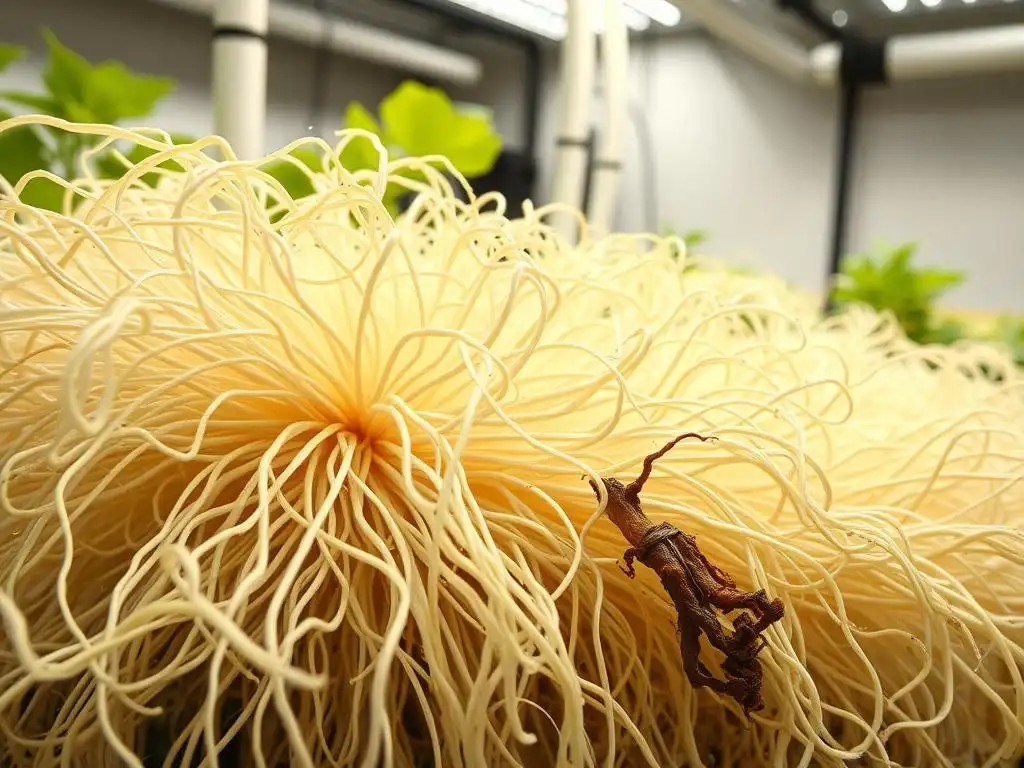
Hydroponics, while offering efficient food production, demands careful management of oxygen levels for optimal root health. Insufficient oxygen can lead to a cascade of problems, impacting plant growth and yield. This section details common oxygen-related issues and practical solutions for maintaining a thriving hydroponic system. Understanding the interplay between oxygen, roots, and overall plant health is crucial for successful hydroponic cultivation. The keyword "Hydroponics oxygen root health" is central to this process, encompassing the prevention, identification, and remediation of oxygen deficiency.
Identifying and Addressing Root Rot Caused by Low Oxygen
Root rot, a common hydroponic ailment, often stems from oxygen deprivation. Anaerobic conditions (lack of oxygen) create an environment where harmful microorganisms thrive, attacking vulnerable roots. Symptoms include a slimy, dark brown or black discoloration of the roots, a foul odor emanating from the nutrient solution, and wilting plants despite adequate watering. The roots may become mushy and easily detach from the plant.
Early detection is critical. Regularly inspect your roots; a healthy root system is firm, white, or light-colored, and has a pleasant, earthy smell. If you suspect root rot, immediately take action. The first step involves removing affected roots using sterile pruning shears to prevent further contamination. Subsequently, flush the entire system with a fresh, oxygenated nutrient solution.
Adding beneficial microorganisms, such as certain strains of bacteria, can help restore the microbial balance and outcompete harmful pathogens. Proper aeration, discussed in the following sections, is paramount in preventing recurrence. Remember, prompt action significantly increases the chances of saving your plants. Prevention is, however, always better than cure.
Preventing Anaerobic Conditions in Your Hydroponic Setup
Proactive measures are key to preventing oxygen-deficient environments in your hydroponic setup. This includes careful system design and consistent maintenance. Several strategies can ensure adequate oxygen levels for healthy root development:
- Optimal Nutrient Solution Depth: Avoid overly deep nutrient solutions, as this can limit oxygen diffusion to the roots. Maintaining a shallower depth, appropriate for the plant's root system, improves oxygen availability.
- Air Pumps and Air Stones: Using air pumps and air stones is a fundamental method of oxygenating the nutrient solution. The air stones create bubbles that increase the surface area for oxygen absorption. Regularly check air pumps for functionality and replace air stones when necessary.
- Water Movement: Water movement within the system is crucial. This can be achieved through various methods, including using water pumps to circulate the nutrient solution or employing techniques like ebb and flow systems. Circulation prevents stagnant areas where oxygen depletion is most likely to occur.
- Regular System Cleaning: Accumulated debris and algae can block oxygen diffusion and create anaerobic pockets. Regularly cleaning the system removes these obstacles, promoting optimal oxygen levels. This includes cleaning air stones and replacing the nutrient solution periodically.
- Choosing the Right System: Certain hydroponic systems are inherently better at providing oxygen than others. Deep water culture (DWC) systems, for example, often require diligent aeration. Consider the oxygenation capabilities of the system when choosing a setup for your hydroponic garden. The choice of system significantly impacts the “Hydroponics oxygen root health” equation.
Strategies for Remediating Oxygen-Deficient Environments
If you’ve already identified an oxygen-deficient environment, several strategies can help remediate the situation and restore root health. These build upon the preventative measures described above, but offer more targeted intervention for existing problems:
- Increased Aeration: Immediately increase aeration by adding more air stones or increasing the output of existing air pumps. Monitor oxygen levels closely using a dissolved oxygen (DO) meter to gauge the effectiveness of your intervention.
- Nutrient Solution Exchange: Partially or completely replace the nutrient solution with a fresh, oxygen-rich batch. This removes any accumulated toxins or pathogens that may have thrived in the anaerobic conditions. Ensure the new solution is properly aerated.
- Root Pruning and Cleaning: Gently remove any severely damaged or rotting roots. Clean the remaining roots with a mild hydrogen peroxide solution to disinfect and stimulate growth.
- Improved Water Circulation: If circulation is inadequate, consider adding a more powerful water pump or adjusting the system's design to improve flow. Stagnant areas are breeding grounds for anaerobic conditions.
- Supplemental Oxygen: In severe cases, you might consider using supplemental oxygen, such as pure oxygen delivered directly to the roots. This is a more advanced technique and should be used with caution. Careful monitoring is essential to avoid damaging the roots. Successfully addressing oxygen deficiencies directly improves the “Hydroponics oxygen root health” balance. Careful attention to detail and proactive maintenance are crucial for preventing and treating oxygen-related problems in your hydroponic system.
Choosing the Right Hydroponic System for Optimal Oxygenation
Selecting the appropriate hydroponic system is paramount for ensuring robust root health, and a key factor in this selection is the system's ability to deliver adequate oxygen to the roots. Insufficient oxygen leads to root rot and dramatically reduces plant vigor and yield. Therefore, understanding how different hydroponic systems manage oxygen is crucial for successful cultivation.
This section will analyze several popular systems, focusing specifically on their oxygenation capabilities and highlighting best practices for maximizing root health. We'll explore how factors like water flow, air pumps, and system design directly impact oxygen availability for your plants. Optimizing oxygen levels is a critical aspect of successful hydroponics, directly impacting the health and productivity of your plants.
Deep Water Culture (DWC) and Oxygenation
Deep Water Culture (DWC) systems, while simple to set up, require diligent attention to oxygenation. In DWC, the plant roots are submerged in a nutrient-rich solution. Because oxygen dissolves poorly in water, supplemental aeration is absolutely essential. This is typically achieved through an air pump and air stones placed within the reservoir. The air stones create bubbles that increase the dissolved oxygen (DO) levels in the solution.
The key to successful oxygenation in DWC lies in choosing the right air pump and air stone. A pump that's too weak will not provide sufficient aeration, leading to oxygen deficiency. Conversely, an overly powerful pump can create excessive turbulence, potentially damaging delicate roots. Regular monitoring of DO levels using a dissolved oxygen meter is highly recommended.
Aim for a DO level between 6 and 8 ppm (parts per million) for optimal root health. Regular water changes are also crucial to prevent the buildup of harmful anaerobic bacteria which thrive in low-oxygen environments. Failure to maintain adequate oxygen levels can quickly lead to root rot, a devastating condition that can kill your plants. Therefore, consistent monitoring and maintenance are key to successful DWC hydroponics.
Nutrient Film Technique (NFT) and Oxygen Management
Nutrient Film Technique (NFT) systems offer a different approach to oxygen delivery. In NFT, a thin film of nutrient solution is constantly circulated over the roots, providing a continuous supply of nutrients and, critically, oxygen. The constant flow of the solution ensures a higher level of dissolved oxygen compared to static systems like DWC. However, proper system design and maintenance are still vital for optimal oxygenation.
Clogs in the system's tubing can significantly reduce the flow rate, leading to oxygen depletion in stagnant areas. Regular cleaning and inspection of the tubing are therefore essential. The pump used in an NFT system must be appropriately sized for the system’s volume and the desired flow rate. Too little flow compromises oxygen delivery, while excessive flow can damage the delicate roots.
Furthermore, the temperature of the nutrient solution influences oxygen solubility; cooler water holds more oxygen than warmer water. Maintaining a consistently cool nutrient solution is therefore beneficial. NFT systems, while generally better at oxygen delivery than DWC, still benefit from careful monitoring and proactive maintenance to ensure consistent and sufficient oxygen levels reach the roots.
Aeroponics and Oxygen Delivery
Aeroponics represents a significant advancement in oxygen delivery for hydroponic systems. In aeroponics, plant roots hang suspended in the air, and a nutrient solution is periodically sprayed onto them. This method provides maximum oxygen exposure to the roots, as they are constantly surrounded by air. Consequently, root rot is significantly less of a concern in well-maintained aeroponic systems.
However, aeroponic systems require precise control of several parameters to ensure optimal plant growth. The frequency and duration of the nutrient spray are crucial to prevent the roots from drying out. The nutrient solution must be perfectly balanced to provide all the necessary nutrients without causing salt buildup. Furthermore, the system needs to be protected from pests and diseases, as the exposed roots are more vulnerable.
While aeroponics offers superior oxygenation, its complexity demands a higher level of technical expertise and careful management to ensure success. The high oxygen environment fosters vigorous root growth, resulting in healthier, more productive plants. However, the system's sensitivity requires diligent monitoring and maintenance to prevent issues.
Frequently Asked Questions
What is the importance of oxygen for hydroponic plants?
Oxygen is absolutely crucial for healthy root development in hydroponics. Roots need oxygen for respiration, the process that provides energy for growth and nutrient uptake. Without sufficient oxygen, roots will suffer, impacting the overall plant health.
How can I ensure my hydroponic system provides enough oxygen to the roots?
Proper aeration is key. This can be achieved through several methods including using air pumps and air stones, ensuring good water flow, and selecting a suitable growing medium with good air pockets. Avoid stagnant water.
What are the signs of oxygen deficiency in hydroponic plants?
Symptoms include stunted growth, wilting even with adequate watering, and a generally unhealthy appearance of roots (brown, mushy). You might also notice a foul odor from the nutrient solution.
Can too much oxygen harm my hydroponic plants?
While crucial, excess oxygen isn't beneficial. It's unlikely to directly harm the plants, but it can lead to increased evaporation and potentially alter the nutrient solution's pH levels. Aim for optimal, not excessive, aeration.
How does the growing medium affect oxygen availability to roots in hydroponic systems?
The choice of growing medium significantly impacts oxygen availability. Inert media like clay pebbles allow for good air circulation, while others might retain too much water, limiting oxygen access to roots. Consider the medium's aeration capacity when choosing.
Final Reflection: Breathing Life into Hydroponic Systems
The critical role of oxygen in hydroponic systems isn't just a technical detail; it's the very foundation upon which successful cultivation rests. A lack of understanding about oxygen's influence on root health can lead to stunted growth, disease, and ultimately, failed harvests. This underscores the urgent need for growers to prioritize oxygenation strategies in their hydroponic setups.
The impact of properly oxygenated roots extends far beyond simply increased yield; it speaks to the overall health and resilience of the plant. It's a testament to the interconnectedness of all aspects of plant life, highlighting how a seemingly small detail can have profound consequences. As the renowned botanist, Luther Burbank, once said: The greatest discovery of all time is that a person can change his future by merely changing his attitude.
This applies equally to hydroponics; by changing our approach to root oxygenation, we can dramatically change the future of our harvests.
Now, consider your own hydroponic system. Are you providing your plants with the optimal oxygen environment they need to thrive? Take a moment to assess your current setup. Are your nutrient solutions properly aerated? Is your growing medium allowing for sufficient gas exchange? By actively engaging with these questions and implementing the knowledge gained from this article, you can unlock the full potential of your hydroponic garden, fostering healthier plants and more abundant harvests. The journey to mastering hydroponics is a continuous process of learning and adaptation; let oxygenation be your next step towards success.
Unlock Your Hydroponic Potential: Thrive with Oxygen-Rich Roots
Thanks for exploring the world of oxygen-rich hydroponics! You've gained valuable knowledge to cultivate healthier, more productive plants. Now let's put that knowledge into practice.
- Optimize aeration: Carefully evaluate your current hydroponic system to identify ways to improve oxygen delivery to your plant roots. This might involve adjusting your air pump, adding air stones, or even switching to a more suitable system.
- Share your experiences: Tell us about your journey—both successes and challenges—with oxygenation in your hydroponic setup. We're building a supportive community of growers, and your insights will benefit others.
- Explore advanced techniques: Research various aeration methods to find the best solution for your specific hydroponic system and the types of plants you're growing.
What simple improvement will you implement today to boost oxygen levels in your hydroponic system?