
Urban Garden 101: Essential Knowledge for New Gardeners

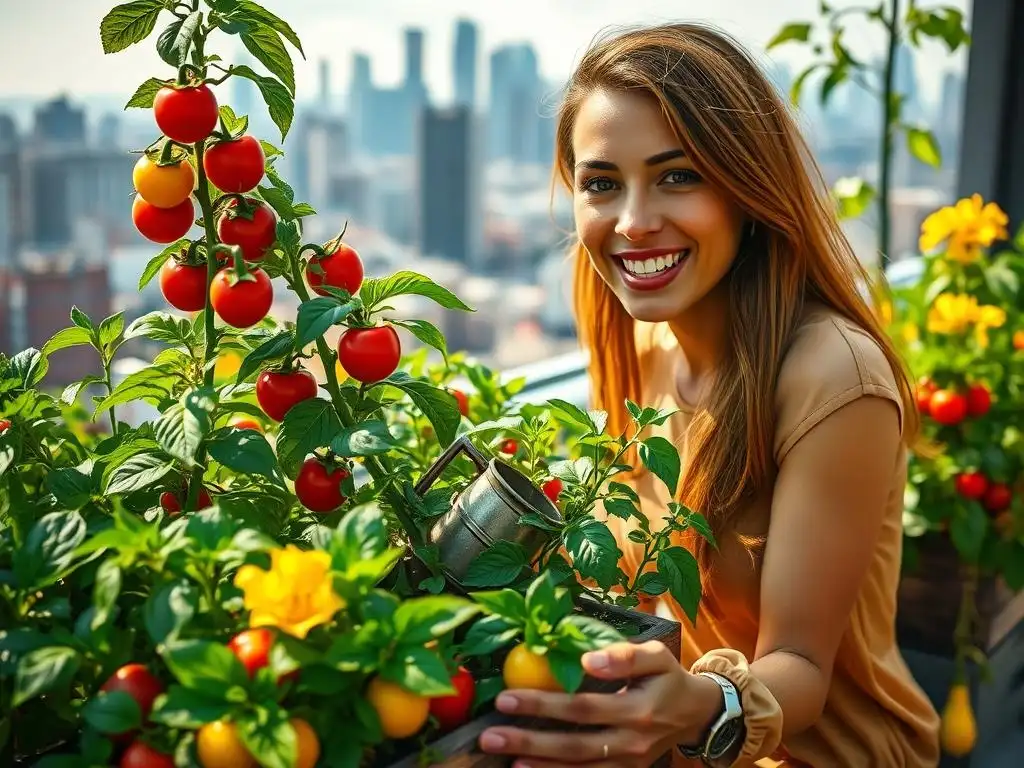
Ready to transform your urban space into a thriving oasis? At CultivateYourFood, we empower you to grow your own delicious and healthy fruits, vegetables, and herbs using sustainable methods. Discover the secrets to a bountiful harvest with our guide on how to Start urban gardening now. Learn practical techniques for planting, harvesting, composting, and pest control – your journey to a greener, more flavorful life begins here!
- Getting Started: Your First Steps to Start Urban Gardening Now
- Planning Your Urban Garden Design
- Soil Preparation and Planting Techniques for Urban Gardening
- Urban Garden Maintenance: Tips for Success
- Harvesting and Enjoying Your Urban Garden Bounty
- Expanding Your Urban Gardening Skills
- Frequently Asked Questions
- Final Reflection: Cultivating Community, One Seed at a Time
- Unleash Your Inner Gardener: Grow Your First Urban Harvest!
Getting Started: Your First Steps to Start Urban Gardening Now
Embarking on your urban gardening journey can feel both exciting and daunting. This guide, "Urban Garden 101: Essential Knowledge for New Gardeners," provides a foundational understanding of the key elements needed to successfully cultivate your own fruits, vegetables, and herbs in a city environment. We'll cover everything from selecting the ideal location and plants to understanding sunlight needs and basic pest control – all while adhering to sustainable and organic practices.
Whether you have a balcony, a rooftop, or even just a sunny windowsill, this comprehensive guide will empower you to start urban gardening now and experience the joy of growing your own food, no matter the size of your space. Let's cultivate a greener, healthier, and more fulfilling urban lifestyle together! 🎉
Choosing the Right Location for Your Urban Garden
The success of your urban garden hinges significantly on location selection. Consider these crucial factors:
- Sunlight: Most edible plants require at least 6 hours of direct sunlight daily. Observe your space throughout the day to identify areas receiving optimal sun exposure. South-facing locations generally receive the most sunlight in the Northern Hemisphere, while north-facing locations are better suited for shade-loving plants.
- Accessibility: Choose a spot that's easily accessible for watering, weeding, and harvesting. A location close to a water source will save you time and effort.
- Space: Begin with a realistic assessment of the available space. Even a small balcony or window box can yield a surprising harvest!
- Drainage: Poor drainage can lead to root rot and plant death. Ensure the soil drains well, or amend it with organic materials like compost to improve drainage.
- Wind Protection: Strong winds can damage plants, especially seedlings. Consider planting near a wall or building for shelter.
Remember to factor in the height of mature plants. Taller plants might require more spacing and could potentially block sunlight for smaller plants. Careful planning will prevent future issues and maximize your yield.
Assessing Sunlight and Shade in Your Urban Space
Understanding the sunlight patterns in your chosen location is critical for plant selection. Using a simple sun-tracking app or even just observing your space over a few days can provide valuable insights.
| Time of Day | Sunlight Exposure (Example) | Notes |
|---|---|---|
| Morning (7am-12pm) | Full Sun | Ideal for many vegetables and herbs |
| Afternoon (12pm-5pm) | Partial Shade | Suitable for heat-sensitive plants |
| Evening (5pm-8pm) | Partial Sun | Might need supplemental watering |
Consider the following:
- Full Sun: At least 6 hours of direct sunlight daily.
- Partial Sun: 4-6 hours of direct sunlight daily.
- Partial Shade: 2-4 hours of direct sunlight daily, with filtered sunlight for the remainder.
- Full Shade: Less than 2 hours of direct sunlight daily.
Accurate sunlight assessment ensures that you select plants that will thrive in your specific conditions, maximizing your chances of a successful harvest. Failing to do so could result in stunted growth or plant death.
Selecting the Perfect Plants for Your Urban Garden: Vegetables, Herbs, and Flowers
Choosing the right plants is crucial for a bountiful urban garden. Consider the following:
- Space Constraints: Opt for compact varieties of vegetables, herbs, and flowers suitable for containers or small plots.
- Sunlight Requirements: Match plant needs to the available sunlight in your chosen location (as discussed above).
- Climate: Choose plants that thrive in your local climate. Check plant tags or online resources for hardiness zones.
- Personal Preferences: Select plants you enjoy eating or aesthetically appreciate. This will keep you motivated throughout the growing season!
Here are some excellent choices for beginner urban gardeners:
- Vegetables: Lettuce, cherry tomatoes, radishes, peppers, zucchini (compact varieties).
- Herbs: Basil, mint, chives, parsley, rosemary.
- Flowers: Nasturtiums (edible flowers! ), sunflowers (dwarf varieties), zinnias.
Remember to carefully read plant labels for planting instructions and care requirements. Starting small and gradually expanding your garden will help you gain experience and confidence. Happy gardening! 🌱
Essential Tools for the Beginner Urban Gardener
Starting an urban garden doesn't require a massive investment in expensive tools. However, having a few key items will significantly improve your experience and success rate. Focus on quality over quantity, opting for durable tools that will last for years. Investing wisely upfront will save you money and frustration in the long run. Let's explore some essentials:
A good quality trowel is paramount. You'll use it constantly for planting seedlings, weeding, and general soil manipulation. Look for one with a comfortable grip and a strong, sharp blade. Stainless steel is a durable and relatively inexpensive option. Avoid flimsy plastic trowels; they tend to break easily and are less effective for working in compact soil.
Next, a sturdy hand rake is incredibly useful for preparing your garden beds. It's perfect for smoothing out the soil, removing small rocks and debris, and creating a level surface for planting. A smaller, lightweight rake is ideal for urban gardening, as you'll likely be working in smaller spaces. Look for one with strong tines that won't bend easily under pressure.
Watering can: While you might consider a hose, a watering can offers more control, especially in smaller urban gardens where overwatering is a common problem. Choose a watering can with a rose head for gentle watering, preventing soil erosion and damage to delicate seedlings. A capacity of around 2 gallons is generally sufficient for most small urban gardens.
Gloves are crucial for protecting your hands from dirt, thorns, and potential irritants. Opt for durable, breathable gardening gloves that offer good dexterity. Leather gloves provide excellent protection but can be less flexible. Consider nitrile gloves for tasks involving pesticides or handling potentially harmful plants.
Finally, consider a small garden wheelbarrow or a sturdy bucket for transporting soil, compost, and other gardening materials. A wheelbarrow is ideal for larger projects, while a bucket is sufficient for smaller tasks. Choose a durable, weather-resistant option to ensure it lasts for multiple gardening seasons. Remember, these are just the essentials; as you gain experience, you might discover other tools that suit your specific needs and gardening style. But starting with these basics will equip you well for your urban gardening journey. Happy planting! 🌱
Planning Your Urban Garden Design
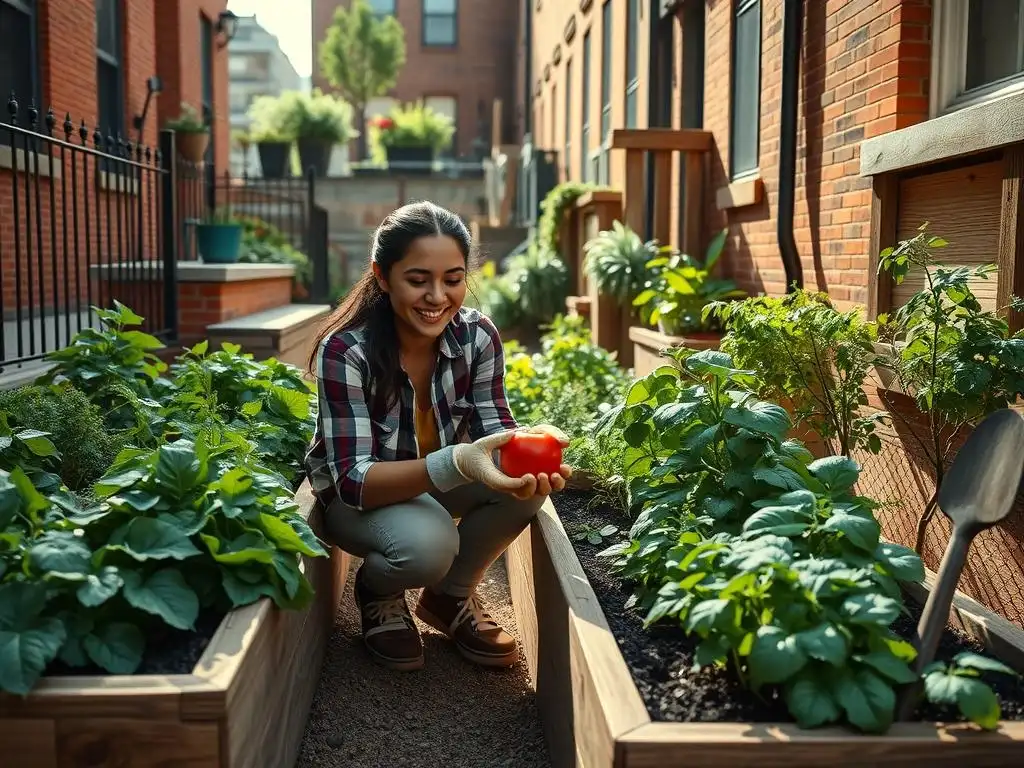
Starting your urban gardening journey requires careful planning. Successfully cultivating fruits, vegetables, and herbs in a limited space demands a strategic approach. This section will guide you through the essential steps of designing your urban garden, focusing on maximizing yield and minimizing space constraints. Remember, even a small space can produce a bountiful harvest if planned efficiently. This is your key to successfully answering the call to "Start urban gardening now!"
Designing for Space Optimization in Small Urban Gardens
Space is often the biggest constraint for urban gardeners. Clever design is crucial to overcome this. Vertical gardening is your best friend! Think vertically to maximize your growing area. Trellises, hanging baskets, and stacked planters allow you to grow more plants in less horizontal space. Consider the height of your plants at maturity – tall plants should be placed at the back or sides to avoid shading smaller ones.
Here's a simple example: Imagine a 4ft x 4ft balcony. Instead of planting only ground-level vegetables, you can use this area for:
- A vertical herb garden on a trellis along one wall.
- Hanging baskets of strawberries or trailing tomatoes.
- A raised bed with compact vegetables like lettuce and spinach.
- A small stackable planter system for herbs and flowers to attract pollinators.
By utilizing all three dimensions, you dramatically increase your growing capacity. Don't forget about using wall space! Attaching shelves or hanging planters maximizes vertical space efficiently.
Creating a Layout that Maximizes Sunlight and Air Circulation
Sunlight and air circulation are vital for healthy plant growth. When designing your urban garden, carefully consider the sun's path throughout the day. Most vegetables and herbs need at least 6 hours of direct sunlight. Observe your space throughout the day to identify areas with maximum sun exposure. Place sun-loving plants in these locations.
Air circulation helps prevent fungal diseases and pest infestations. Ensure sufficient space between plants to allow for good airflow. Avoid overcrowding, which can lead to damp conditions and disease. Choose containers with drainage holes to prevent waterlogging.
Here's a table summarizing sunlight requirements for common urban garden plants:
| Plant Type | Sunlight Requirement |
|---|---|
| Tomatoes | 6-8 hours direct sunlight |
| Lettuce | 4-6 hours direct sunlight |
| Basil | 6-8 hours direct sunlight |
| Strawberries | 6-8 hours direct sunlight |
| Spinach | 4-6 hours direct sunlight |
Consider the wind patterns in your area. If your balcony is windy, you might need to provide some wind protection for delicate plants.
Choosing the Right Gardening Containers and Materials
The choice of containers significantly impacts your urban garden's success. Select containers that are large enough to accommodate the mature size of your plants. Consider using:
- Raised beds: Offer excellent drainage and soil volume.
- Large pots: Provide ample space for root growth.
- Hanging baskets: Ideal for trailing plants and saving space.
- Vertical planters: Maximize space utilization on walls or fences.
The material of the container also matters. Consider:
- Wood: Aesthetically pleasing but requires regular maintenance to prevent rot.
- Plastic: Lightweight and inexpensive but can degrade over time and retain heat.
- Metal: Durable but can overheat in direct sunlight.
- Terracotta: Porous and allows for good drainage, but can dry out quickly.
Remember to choose containers with drainage holes to prevent root rot. Drainage is paramount to avoid waterlogging, a common problem in container gardening. Proper drainage is essential for healthy root systems and successful plant growth. This is a key element for those who want to "Start urban gardening now!" and achieve optimal results.
Incorporating Vertical Gardening Techniques in Your Space
Vertical gardening is a game-changer for urban gardeners, maximizing yield in limited spaces. Think of it as building your garden upwards instead of outwards. This approach is especially crucial when dealing with balconies, patios, or even small backyard plots. The key is to utilize vertical structures to support climbing plants and those that can be trained upwards.
Several effective vertical gardening techniques exist, each with its own advantages and disadvantages. Trellises, for example, are incredibly versatile. They can be made from readily available materials like bamboo poles, repurposed wood, or even strong netting. Trellises are perfect for vining plants like cucumbers, beans, and tomatoes, encouraging them to grow upwards and maximizing sunlight exposure for each fruit or vegetable. Proper spacing between plants on the trellis is crucial to avoid overcrowding and ensure adequate air circulation, which helps prevent fungal diseases.
Another excellent option is using stacked planters or hanging baskets. These are ideal for herbs, strawberries, and smaller leafy greens. Stacked planters save valuable floor space and allow you to grow a variety of plants at different heights. Hanging baskets, meanwhile, can add a touch of elegance while utilizing otherwise unused vertical space, such as under a balcony overhang or on a fence. Remember to choose lightweight containers for hanging baskets to avoid stressing your structure.
Vertical gardening also opens up the possibility of using walls. Wall-mounted planters, often made from recycled materials or purpose-built systems, can transform a plain wall into a vibrant, productive garden. These planters are particularly useful for plants that don't require extensive root systems, such as succulents, herbs, and certain types of lettuce. Proper drainage is essential to prevent root rot in wall-mounted systems. Careful consideration should be given to the weight distribution and structural integrity of the wall before installing heavy planters.
Finally, consider using pallet gardening. Repurposed wooden pallets can provide a rustic and inexpensive vertical gardening solution. Simply fill the gaps between the wooden slats with soil and plant your chosen vegetables or herbs. However, make sure the pallets are treated wood, suitable for food cultivation, and are securely mounted to prevent accidents. This method is particularly well-suited to hardy plants that can tolerate slightly less-than-ideal soil conditions. Choosing the right pallet and appropriately preparing the wood is crucial for success with this technique. Improperly treated wood can leach harmful chemicals into your plants.
Soil Preparation and Planting Techniques for Urban Gardening
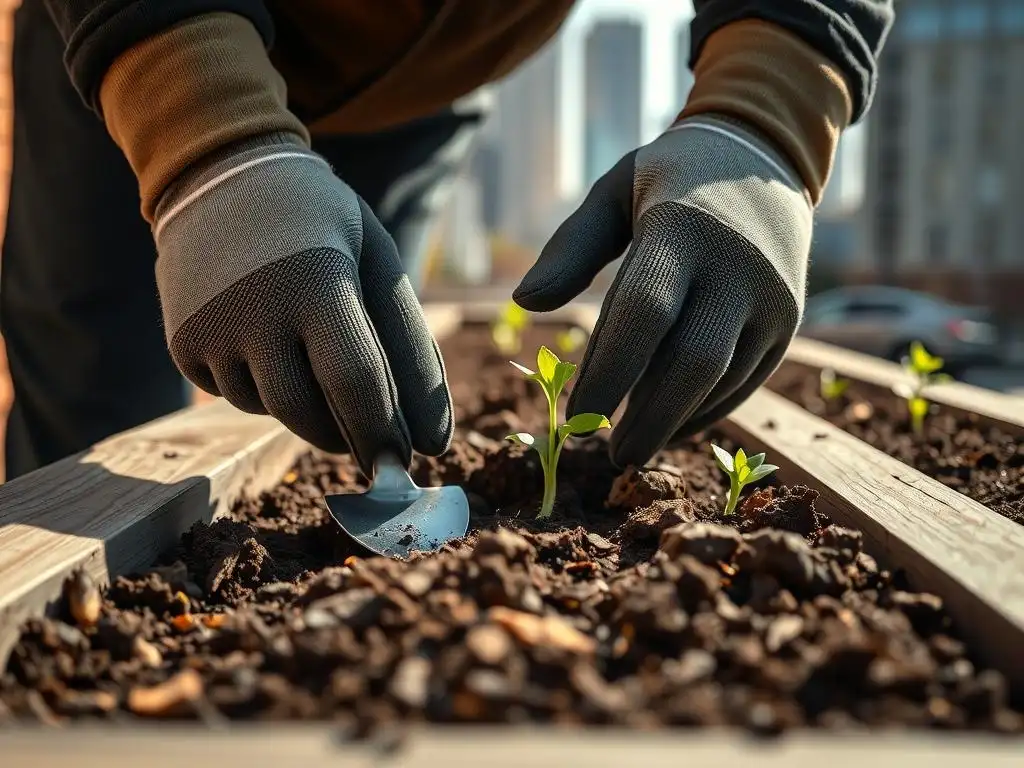
This section delves into the crucial aspects of soil preparation and planting techniques specifically tailored for urban gardening environments. Successfully cultivating fruits, vegetables, and herbs in a city setting requires careful consideration of soil quality and planting methods. Let's explore how to optimize your urban garden's potential for a bountiful harvest. Remember, starting your urban gardening journey now means embracing these essential practices.
Selecting the Best Soil Mix for Your Urban Garden
Choosing the right soil mix is paramount for successful urban gardening. Unlike established garden beds, urban gardens often rely on containers or raised beds, demanding a soil blend that provides optimal drainage, aeration, and nutrient retention. Avoid using soil directly from your yard, as it may contain contaminants common in urban areas. Instead, consider these options:
-
Pre-mixed potting soil: Look for a high-quality potting mix specifically formulated for vegetables and herbs. These blends typically contain peat moss, perlite, vermiculite, and composted organic matter, providing a balanced mix of drainage and nutrient retention. Check the label for NPK ratios (Nitrogen, Phosphorus, Potassium) to ensure it suits your chosen plants.
-
DIY soil mix: For a more customized approach, you can create your own blend. A good starting point is a combination of:
- 2 parts composted organic matter (e.g., leaf mold, well-rotted manure)
- 1 part perlite or vermiculite (for drainage and aeration)
- 1 part peat moss (for water retention)
Adjust the ratios based on your specific needs and the type of plants you're growing. For example, succulents require a more well-draining mix, while leafy greens prefer a mix that retains more moisture.
-
Consider your container material: The material of your container (e.g., plastic, terracotta, wood) can influence the soil's moisture retention. Terracotta pots, for example, dry out more quickly than plastic ones. Adjust your soil mix accordingly.
Remember, healthy soil is the foundation of a thriving urban garden. Investing in high-quality soil is an investment in your harvest.
Preparing Your Soil: Essential Steps for Success
Once you've selected your soil mix, preparing it properly is vital. This involves several key steps to ensure optimal conditions for plant growth. These steps are particularly crucial for urban gardening, where soil conditions can be less ideal than in larger, established gardens.
- Sterilization (Optional but recommended): To prevent diseases and pests, consider sterilizing your soil, especially if you're reusing containers. This can be done by baking the soil in the oven at a low temperature (around 180°F) for about 30 minutes, or by using a soil sterilizing solution.
- Adding Amendments: Depending on your soil mix, you may need to add amendments to improve its properties. This might include:
- Compost: Enhances soil structure, aeration, and nutrient content.
- Worm castings: A rich source of nutrients and beneficial microorganisms.
- Bone meal: Provides phosphorus, crucial for root development and flowering.
- Epsom salts: Supplies magnesium, essential for chlorophyll production.
- pH Testing: Using a soil testing kit, check the pH level of your soil. Most vegetables and herbs prefer a slightly acidic to neutral pH (around 6.0-7.0). Adjust the pH as needed using lime (to raise pH) or sulfur (to lower pH).
- Moisture Content: Before planting, ensure your soil is evenly moist but not waterlogged. Gently water the soil until it's evenly damp.
Planting Seeds and Seedlings: A Step-by-Step Guide
Planting seeds and seedlings correctly is crucial for a successful harvest. Here's a step-by-step guide tailored for urban gardening:
- Seed Starting (for seeds): Start seeds indoors 6-8 weeks before the last expected frost. Use seed starting trays or small pots filled with seed starting mix. Follow the instructions on the seed packet regarding planting depth and spacing.
- Seedling Transplanting (for seedlings): Carefully remove seedlings from their containers, avoiding damage to the roots. Plant seedlings at the same depth they were growing in their original containers. Gently firm the soil around the roots.
- Spacing: Proper spacing is essential to prevent overcrowding and ensure adequate sunlight and air circulation for each plant. Follow the spacing recommendations on the seed packet or plant tag.
- Watering: Water gently after planting, ensuring the soil is evenly moist. Avoid overwatering, which can lead to root rot. Water deeply and less frequently rather than shallowly and often.
- Mulching (Optional but recommended): Applying a layer of mulch (e.g., straw, shredded leaves) helps retain moisture, suppress weeds, and regulate soil temperature.
By following these steps, you'll significantly increase your chances of a thriving urban garden. Remember, patience and consistent care are key to success in urban gardening—and starting your urban gardening now puts you on the path to fresh, homegrown produce!
Watering Your Urban Garden Efficiently
Efficient watering is crucial for a thriving urban garden, especially considering the often-limited space and resources. Overwatering can lead to root rot and attract pests, while underwatering stunts growth. The key is to understand your plants' needs and develop a tailored watering strategy. Different plants have different water requirements; leafy greens generally need more frequent watering than drought-tolerant herbs like rosemary or thyme. Observe your plants closely – wilting leaves are a clear sign of thirst, while overly saturated soil indicates overwatering.
One effective technique is drip irrigation. This method delivers water directly to the roots, minimizing evaporation and runoff. You can create a simple drip system using recycled plastic bottles with holes punched in the bottom, buried near the plants. More sophisticated drip irrigation systems are available commercially, offering precise control over water delivery. Remember to adjust the frequency and duration of watering based on weather conditions; hotter, drier days will necessitate more frequent watering.
Another approach is soaker hoses, which slowly release water along their length, providing consistent moisture to the soil. Soaker hoses are particularly beneficial for larger garden beds, ensuring even hydration. When using soaker hoses, ensure they are placed appropriately to avoid waterlogging certain areas while leaving others dry. Regularly check the soil moisture level by sticking your finger a couple of inches into the soil; if it feels dry, it's time to water.
Consider the type of soil you're using. Well-draining soil is essential to prevent waterlogging. Adding organic matter like compost improves soil structure and water retention, reducing the frequency of watering. Sandy soils drain quickly and require more frequent watering than clay soils, which retain water for longer periods. Understanding your soil type is key to developing an efficient watering schedule.
Finally, remember to water deeply but infrequently. This encourages deeper root growth, making your plants more resilient to drought conditions. Shallow, frequent watering encourages shallow root systems, making plants more susceptible to stress during dry spells. A deep watering allows the soil to absorb moisture fully, providing your plants with a consistent water supply. By implementing these techniques and paying close attention to your plants' needs, you can effectively conserve water and cultivate a flourishing urban garden. 💧
Urban Garden Maintenance: Tips for Success
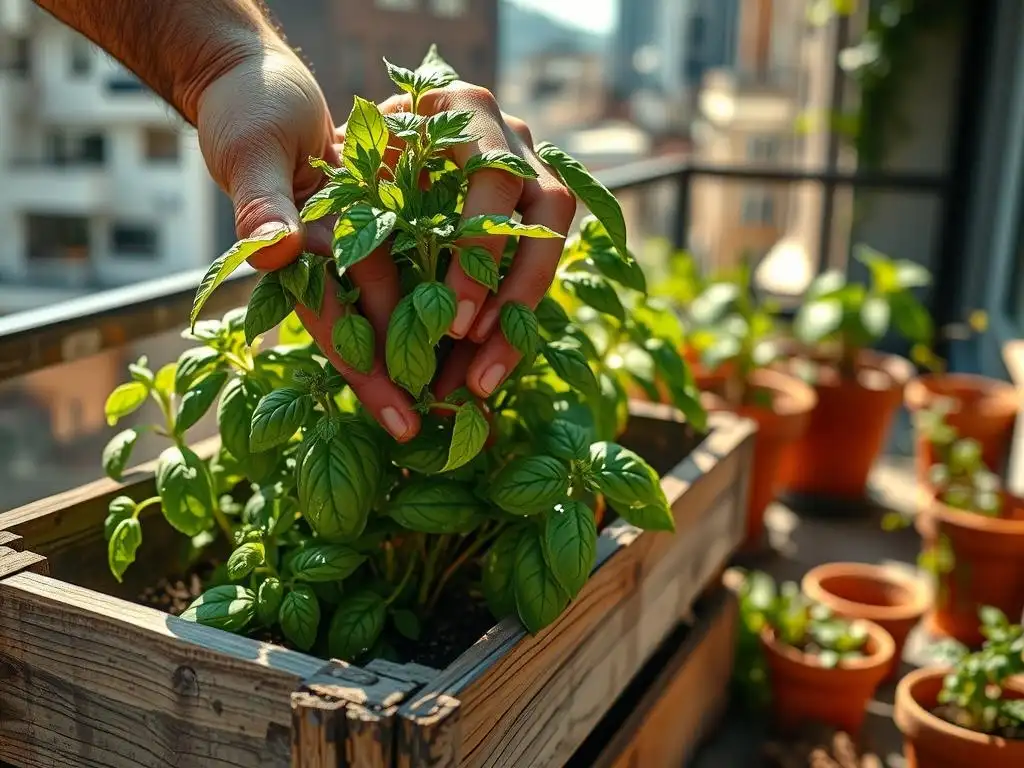
Starting your urban garden is exciting, but maintaining it for a thriving harvest requires consistent effort. This section focuses on key maintenance tasks to ensure your plants flourish, even in the often-challenging urban environment. Remember, consistent, mindful care is the cornerstone of successful urban gardening, allowing you to truly Start urban gardening now and enjoy the fruits (and vegetables!) of your labor.
Watering Strategies for Urban Gardens
Water is life, especially for plants in containers or small urban plots. Overwatering and underwatering are equally detrimental. The key is to understand your plants' needs and adjust your watering schedule accordingly. Factors such as sunlight exposure, temperature, plant type, and pot size all influence how often you need to water.
Consider these strategies:
- Finger Test: Stick your finger about an inch into the soil. If it feels dry, it's time to water. If it's moist, wait a day or two.
- Watering deeply, less frequently: Encourage deep root growth by watering thoroughly until water drains from the bottom of the pot. This is better than frequent shallow watering.
- Mulching: A layer of mulch (organic matter like straw or shredded leaves) helps retain soil moisture, reducing the frequency of watering.
- Water in the morning: This allows plants to absorb water before the heat of the day evaporates it.
- Use a watering can or soaker hose: These methods deliver water directly to the roots, minimizing evaporation and runoff. Avoid overhead watering, which can promote fungal diseases.
Remember, different plants have different water requirements. Research the specific needs of your chosen plants for optimal results. Consistent monitoring and adaptation are crucial for successful urban gardening—a key part of successfully starting your urban gardening journey now.
Fertilizing Your Urban Plants Naturally
Urban gardens often lack the rich soil found in rural areas. Supplying your plants with essential nutrients through fertilization is therefore vital for healthy growth and bountiful harvests. Opt for natural, organic fertilizers to maintain the integrity of your sustainable urban garden.
Here are some effective natural fertilizing options:
- Compost: Compost is a goldmine of nutrients! It improves soil structure, aeration, and water retention, while providing slow-release nutrients.
- Worm Castings: These are the waste products of worms, incredibly rich in nutrients and beneficial microbes.
- Seaweed Extract: Provides a wide range of micronutrients and stimulates plant growth.
- Bone Meal: A good source of phosphorus, essential for root development and flowering.
- Epsom Salts: A source of magnesium, crucial for chlorophyll production and overall plant health.
Remember to follow the instructions on any fertilizer you use and avoid over-fertilizing, which can harm your plants. Regular soil testing can help you determine the specific nutrient needs of your garden and guide your fertilization strategy. A well-nourished garden is a happy garden, making your endeavor to Start urban gardening now a rewarding experience.
Pest and Disease Control in Urban Environments
Urban gardens are susceptible to various pests and diseases. However, you can minimize problems through proactive measures and organic pest control methods. This is especially important to maintain the integrity of your sustainable urban farming practices.
Here’s a breakdown of strategies:
| Pest/Disease Type | Prevention Strategies | Organic Control Methods |
|---|---|---|
| Aphids | Plant resistant varieties; companion planting | Insecticidal soap; neem oil; ladybugs |
| Spider Mites | Good air circulation; regular inspection | Neem oil; insecticidal soap; water spray |
| Powdery Mildew | Good air circulation; avoid overhead watering | Baking soda solution; neem oil; sulfur |
| Slugs & Snails | Physical barriers (copper tape); beer traps | Diatomaceous earth; handpicking |
| Cabbage White Butterfly | Row covers; companion planting (dill, nasturtiums) | Bacillus thuringiensis (Bt); handpicking |
Remember to identify pests and diseases accurately before applying any treatment. Early detection and intervention are crucial for effective control. By adopting these techniques, you can create a thriving urban garden, making “ Start urban gardening now” a successful and enjoyable reality. Integrating these practices into your urban gardening routine will ensure your plants thrive and your harvest is plentiful.
Dealing with Common Urban Gardening Challenges
Urban gardening, while incredibly rewarding, presents unique challenges compared to rural farming. Limited space, exposure to pollution, and varying microclimates all demand careful consideration. Successfully navigating these obstacles is key to a thriving urban garden. Let's explore some common issues and practical solutions.
One significant hurdle is limited sunlight. Many urban spaces, particularly balconies and patios, receive less direct sunlight than ideal. This can hinder plant growth and yield. To combat this, carefully select sun-loving plants that thrive in partial shade. Consider the orientation of your garden space – south-facing locations generally receive the most sun. Supplementing sunlight with grow lights, especially during shorter winter days, can also significantly boost plant health. Strategic placement of taller plants can also help to shade more delicate varieties from harsh afternoon sun, while still allowing for enough light for growth.
Another common problem is soil quality. Urban soil often lacks nutrients and may contain pollutants. To address this, invest in high-quality potting mix or create your own soil blend using compost and other organic matter. Regular soil testing can help identify nutrient deficiencies, allowing you to amend your soil accordingly with fertilizers tailored to the needs of your specific plants. Consider raised beds or containers to improve drainage and soil quality, isolating your plants from potentially problematic existing soil. Regularly adding compost will improve soil structure, aeration, and nutrient content over time, creating a healthier environment for your plants.
Pest and disease control is another crucial aspect of urban gardening. The proximity of buildings and other structures can create microclimates that favor certain pests. Implementing preventative measures, such as companion planting (planting certain plants together to deter pests) and using natural pest control methods (like neem oil or insecticidal soap), is crucial.
Regular inspection of your plants is essential to catch infestations early. Early detection allows you to address problems before they spread, minimizing damage and the need for harsh chemicals. Remember that many pests are attracted to unhealthy plants, so maintaining healthy, vigorous plants is a strong line of defense.
Finally, water management is a critical factor in urban gardens. Overwatering or underwatering can significantly impact plant health. Consider using drip irrigation or self-watering containers to efficiently deliver water directly to the roots, preventing water waste and minimizing the risk of soilborne diseases. Monitor the soil moisture regularly and adjust your watering schedule accordingly, considering factors like weather conditions and plant type. Remember that overwatering is often more damaging than underwatering, so err on the side of caution. Using a moisture meter can help you determine when your plants actually need watering.
Addressing these common challenges proactively will significantly increase your chances of a successful and bountiful urban garden. Remember, patience and observation are key – learning from your experiences will make you a more adept urban gardener over time. By understanding the unique conditions of your urban environment and taking appropriate steps, you can cultivate a thriving oasis in the heart of the city. This is a rewarding journey, and the fruits (and vegetables!) of your labor will be well worth the effort! 🥕🍅🌶️
Harvesting and Enjoying Your Urban Garden Bounty
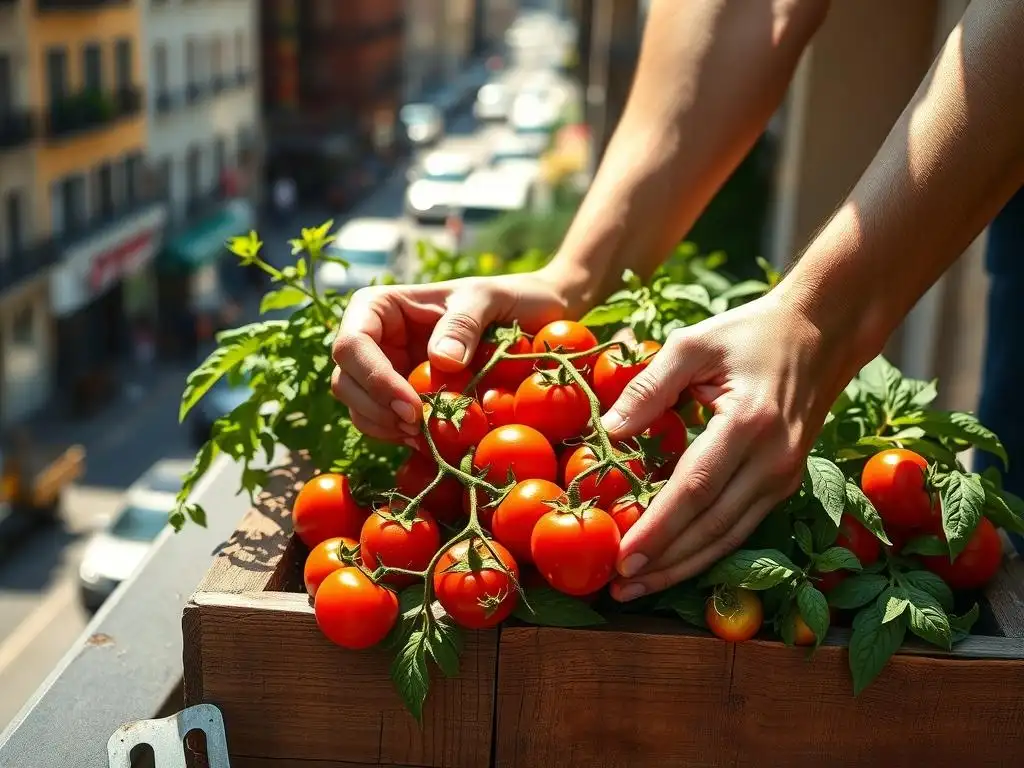
This section focuses on the rewarding culmination of your urban gardening efforts: harvesting your homegrown produce. Successfully harvesting ensures you maximize the yield from your hard work and enjoy the freshest, most flavorful fruits, vegetables, and herbs possible. Let's delve into the essential knowledge needed to reap the benefits of your urban garden. Ready to start urban gardening now? This section will guide you through the process.
Knowing When to Harvest Your Vegetables, Herbs, and Flowers
Timing is everything when it comes to harvesting. Harvesting too early results in smaller yields and less flavor, while harvesting too late can lead to tough, woody vegetables or wilted herbs. The optimal harvest time varies greatly depending on the plant.
Here's a quick guide to help you determine peak harvest time for some common urban garden staples:
| Plant Type | Harvest Indicator | Optimal Harvest Time |
|---|---|---|
| Tomatoes | Deep red color, slightly soft to the touch | 60-80 days after transplanting (varies by variety) |
| Cucumbers | Dark green color, firm skin | 50-70 days after planting |
| Zucchini/Squash | Fully grown, but still tender | 45-60 days after planting |
| Lettuce | Mature leaves, firm and crisp | 40-60 days after planting (varies by variety) |
| Basil | Leaves are fully developed, fragrant | Harvest regularly, pinching off top leaves |
| Marigolds | Flowers are fully open, vibrant color | When flowers are fully open and showing their best color |
Remember to always check the seed packet or plant tag for specific harvest timelines for your chosen varieties. Many factors influence growth rates, including sunlight, water, and soil conditions. Regular observation is key! Starting urban gardening now means paying close attention to your plants' development.
Proper Harvesting Techniques to Maximize Yield
The way you harvest your produce directly impacts your overall yield and the health of your plants. Gentle techniques are essential to avoid damaging plants and encourage continued growth.
- Vegetables: Use sharp, clean scissors or a knife to cut vegetables cleanly at their stem. Avoid pulling or twisting, which can damage the plant's roots or stems. For example, harvest zucchini by carefully cutting the fruit from the vine, leaving a small portion of the stem attached. This prevents the entry of pests and diseases.
- Herbs: Pinch or cut individual leaves or stems, rather than removing entire branches. This promotes bushier growth and a more continuous harvest. For example, regularly harvesting basil by pinching off the top sets of leaves will encourage the plant to grow more leaves.
- Flowers: Cut flowers early in the morning or late in the evening when they are at their freshest and most hydrated. Use sharp shears to make clean cuts, removing flowers with minimal damage to the stem. For example, cut marigolds just below the bloom, leaving a portion of the stem for continued growth.
Regular harvesting also prevents overproduction, which can stress the plants and reduce the quality of subsequent harvests. Think of it as a form of plant care!
Storing and Preserving Your Urban Garden Harvest
Once harvested, proper storage and preservation methods are crucial to extend the life of your bounty. Wasted food is a shame, especially when it’s homegrown!
- Refrigeration: Most vegetables and herbs should be stored in the refrigerator in airtight containers or plastic bags to maintain freshness and prevent wilting. Proper refrigeration can extend shelf life by several days.
- Freezing: Many fruits and vegetables can be frozen for longer storage. Blanching (briefly boiling) vegetables before freezing helps to retain their color, texture, and nutrients. Freezing is a great way to preserve your surplus for later use.
- Canning and Pickling: Canning and pickling are excellent methods for preserving large quantities of produce, particularly fruits and vegetables that are abundant in your garden. These methods require careful sterilization and processing to ensure safety and prevent spoilage. Many online resources and books offer detailed instructions for safe canning and pickling practices.
By employing these techniques, you can enjoy your urban garden harvest for weeks, even months, after the growing season ends. Starting urban gardening now also means planning ahead for preserving your delicious produce! 🍅 Enjoy the fruits (and vegetables!) of your labor.
Recipes and Ideas for Using Your Homegrown Produce
Transforming your freshly harvested vegetables, fruits, and herbs into delicious meals is a rewarding part of urban gardening. The unique flavors of homegrown produce often surpass those found in supermarkets, adding a special touch to your culinary creations. Don't let your hard work go to waste! Plan your garden with an eye towards meal planning, considering what you enjoy cooking and eating most. For example, if you love pasta dishes, planting plenty of tomatoes, basil, and zucchini will ensure you have the ingredients for many satisfying summer meals.
Here are a few ideas to inspire you:
- Simple Salads: Nothing beats a fresh salad made with your own homegrown lettuce, tomatoes, cucumbers, and herbs. Experiment with different combinations and dressings to find your favorites. A simple vinaigrette made with olive oil, lemon juice, and a pinch of salt and pepper is a perfect complement. Consider adding edible flowers for a beautiful and flavorful touch.
- Delicious Sauces: Transform your abundant harvest into flavorful sauces. Roasted tomatoes can form the base of a rich pasta sauce, while blended herbs like basil, parsley, and mint can create vibrant pesto. Experiment with different flavor profiles by adding garlic, onions, or chili peppers. Remember to properly sterilize jars for long-term storage if you plan to can your sauces.
- Herb Infusions: Fresh herbs add a delightful aroma and taste to many dishes. Experiment with infusing oils with herbs like rosemary, thyme, or oregano for a flavorful addition to roasted vegetables or grilled meats. You can also create refreshing herb-infused waters by adding mint, cucumber, and lemon slices to a pitcher of water.
- Preserving Your Harvest: To enjoy your bounty year-round, consider preserving your produce. Freezing is a simple method for many fruits and vegetables, maintaining their nutritional value and flavor. Pickling and canning are excellent options for preserving tomatoes, cucumbers, and other vegetables, offering a satisfying way to savor the taste of summer throughout the year. Properly following canning and preserving guidelines is crucial to ensure food safety.
- Creative Cooking: Don't be afraid to experiment with new recipes and cooking techniques. The unique flavors of your homegrown produce will inspire you to create innovative and delicious meals. For example, consider using your homegrown zucchini to make zucchini bread or fritters, or creating a vibrant gazpacho with your homegrown tomatoes and cucumbers.
Remember to harvest your produce at its peak ripeness for the best flavor and nutritional value. Enjoy the fruits (and vegetables!) of your labor! Starting an urban garden is a journey of discovery, and the culinary rewards are a testament to your dedication and effort. So, start urban gardening now and savor the delicious rewards!
Expanding Your Urban Gardening Skills
This section delves into advanced techniques to elevate your urban gardening game, helping you maximize yield and minimize environmental impact. We'll explore strategies beyond the basics, focusing on efficient resource management and sustainable practices to truly Start urban gardening now and thrive.
Advanced Techniques for Urban Gardeners
Mastering urban gardening requires more than just planting seeds. Advanced techniques unlock significant improvements in yield and sustainability. Consider these strategies:
- Vertical Gardening: Utilize vertical space with trellises, hanging baskets, and stacked planters to maximize growing area in limited urban environments. This technique is particularly useful for vining plants like tomatoes, cucumbers, and beans, increasing your harvest significantly. For example, a single tomato plant trained vertically can produce far more fruit than one grown horizontally.
- Hydroponics and Aquaponics: Explore soilless gardening methods. Hydroponics uses nutrient-rich water solutions, while aquaponics integrates fish farming to provide natural fertilizer. These systems offer increased yields and reduced water usage compared to traditional soil-based gardening. Data shows hydroponic systems can yield up to 3x more produce than traditional methods in the same space.
- Precision Irrigation: Implement drip irrigation or soaker hoses for efficient water delivery directly to plant roots. This minimizes water waste, crucial in urban settings where water resources may be limited. Precision irrigation can reduce water consumption by up to 50% compared to overhead watering.
- Companion Planting: Strategically plant species that benefit each other. For instance, basil repels insects that harm tomatoes, and marigolds deter nematodes. Research companion planting combinations suited to your specific urban garden environment to maximize plant health and yield. Careful planning can improve overall plant health and reduce the need for pesticides.
Composting in Urban Spaces: A Beginner's Guide
Composting is essential for sustainable urban gardening. It reduces waste, enriches your soil, and minimizes your environmental footprint. Here's how to start composting in a small urban space:
- Worm Composting (Vermicomposting): This method is ideal for apartments and small balconies. Worms break down organic waste into nutrient-rich castings, a fantastic fertilizer. You can purchase a commercially available worm composting bin or build your own using readily available materials. A single worm bin can process a surprising amount of kitchen waste weekly.
- Bokashi Composting: This anaerobic composting method uses beneficial microbes to ferment food scraps, even meat and dairy. It's a great solution for apartments with limited space and produces a liquid fertilizer as a byproduct. Bokashi composting is incredibly efficient in breaking down a wide range of organic materials.
- Small-Scale Outdoor Composting: If you have a small backyard or balcony, a small compost bin is manageable. Layer "brown" materials (dried leaves, twigs) with "green" materials (fruit and vegetable scraps, grass clippings) to maintain a balanced carbon-to-nitrogen ratio. Regular turning ensures proper decomposition. Even a small compost bin can make a significant difference in your garden's fertility.
Remember to keep your compost bin away from strong odors, and turn it regularly to promote optimal decomposition. The resulting compost will significantly improve the health and fertility of your urban garden soil.
Creating a Sustainable Urban Gardening System
A truly sustainable urban garden minimizes its environmental impact while maximizing its yield. Key elements include:
- Water Conservation: Implement water-wise gardening techniques like rainwater harvesting, drip irrigation, and mulching. Rain barrels can collect rainwater for later use, significantly reducing reliance on municipal water supplies.
- Pest Control: Employ natural pest control methods like companion planting, beneficial insects, and organic pesticides to avoid harmful chemicals. Introducing ladybugs can effectively control aphid infestations, for example.
- Soil Health: Build healthy soil by regularly adding compost, cover crops, and avoiding harsh chemicals. Healthy soil is the foundation of a thriving urban garden. Regular soil testing can help you determine nutrient deficiencies and adjust your approach accordingly.
- Waste Reduction: Compost all organic waste to reduce landfill waste and create nutrient-rich fertilizer. This closes the loop and creates a self-sustaining system.
By implementing these strategies, you’ll transform your urban garden into a self-sustaining ecosystem, minimizing your impact on the environment while producing abundant, healthy food. This approach allows you to truly Start urban gardening now with a long-term vision for sustainable food production in an urban environment.
Joining the Urban Gardening Community: Resources and Support
Starting an urban garden can feel overwhelming at first, but you don't have to go it alone! Connecting with other urban gardeners provides invaluable support, shared knowledge, and a sense of community. There are numerous avenues to explore to find your urban gardening tribe.
One excellent way to connect is through local community gardens. Many cities boast these shared gardening spaces, offering plots to rent or volunteer opportunities. These gardens often host workshops, potlucks, and other events that foster a strong sense of community and provide a platform to learn from experienced gardeners. Look for initiatives sponsored by your city council, local parks departments, or community organizations. You might be surprised by the wealth of resources available in your neighborhood! For example, the [Name of City] Community Garden Network boasts over 20 active gardens, each offering unique opportunities for learning and collaboration.
Online forums and social media groups dedicated to urban gardening are another fantastic resource. These platforms offer a space to ask questions, share successes and failures, and connect with gardeners across geographical boundaries. You can find advice on everything from choosing the right plants for your climate to dealing with common pests.
The vibrant exchange of information and experiences can be incredibly helpful, especially when facing unexpected challenges. Look for groups focused on specific urban gardening techniques, such as vertical gardening or container gardening, to find more specialized advice. The sheer number of online communities dedicated to urban gardening reflects its growing popularity and the supportive nature of the hobby.
Finally, consider attending local workshops and classes focused on urban gardening techniques. These opportunities provide hands-on learning experiences and chances to network with other enthusiastic gardeners. Many community colleges, botanical gardens, and nurseries offer such courses. These classes often cover a wide range of topics, from soil preparation and plant selection to harvesting and preserving your homegrown produce.
Investing in your skills through these resources will significantly enhance your gardening journey and build your confidence as you cultivate your own urban oasis. Participating in these events is a fantastic way to "start urban gardening now" and build lasting connections within the community. The knowledge gained and friendships forged are invaluable assets in your urban gardening adventure.
Frequently Asked Questions
What are the essential tools for starting an urban garden?
You'll need some basic tools to get started, including a good quality trowel, a watering can, and seeds or seedlings. Consider gardening gloves for comfortable and clean work.
How much space do I need to start an urban garden?
Even a small space can be used for urban gardening! A sunny windowsill, a small balcony, or even a few square feet of yard are enough to grow herbs, vegetables, or flowers. Think vertically!
What are some easy-to-grow plants for beginners?
Start with easy-to-grow vegetables like lettuce, radishes, and spinach. Herbs like basil, mint, and chives are also great options for beginners. They are relatively low maintenance.
What kind of soil is best for urban gardening?
Use a high-quality potting mix specifically designed for containers or raised beds. Ensure it's well-draining to prevent root rot. Amend your soil with compost for added nutrients.
How much sunlight do my plants need?
Most vegetables and herbs need at least six hours of sunlight per day. Choose a location in your urban space that receives ample sunlight, or supplement with grow lights if necessary. Consider the sun's path throughout the day.
Final Reflection: Cultivating Community, One Seed at a Time
The resurgence of urban gardening isn't just a trend; it's a vital movement reclaiming our connection to nature and fostering resilient communities. From rooftop farms to community plots, the ability to grow your own food, no matter the size of your space, offers a powerful antidote to the disconnect of modern life and the challenges of food security. This accessibility, combined with the undeniable joy of nurturing life from seed to harvest, makes urban gardening a powerful force for positive change.
The impact of urban gardening extends far beyond the individual harvest. It fosters a sense of community, connecting neighbors through shared experiences and collaborative efforts. The garden is a place of peace and tranquility, a refuge from the hustle and bustle of city life, but it is also a place of community and connection.
This quote perfectly encapsulates the spirit of urban gardening – a space where we not only grow food but also cultivate relationships and a deeper understanding of our environment. The shared knowledge, the mutual support, and the simple act of sharing the fruits of one's labor create bonds that strengthen our urban landscapes.
Now, consider your own space, your own potential. What small step can you take today to begin your own urban gardening journey? Perhaps it's starting with a single herb pot on your windowsill, joining a local community garden, or simply researching the best plants for your climate. Don't underestimate the power of a single seed; it holds the potential not only for delicious food but also for personal growth, community building, and a renewed connection with the natural world. Embrace the opportunity, and let your urban garden flourish.
Unleash Your Inner Gardener: Grow Your First Urban Harvest!
Thank you for exploring the world of urban gardening with us! We hope you're feeling inspired to create your own green space. Now it's time to put your knowledge into practice.
Here's how to get started:
- Start your urban garden! Choose a sunny spot, select seeds or seedlings, and get your hands dirty. Even a small balcony pot can make a difference.
- Share your progress! Post pictures on social media using #CultivateYourFood to connect with other urban gardeners.
- Join our online forum! Ask questions, share tips, and learn from experienced urban farmers.
What's the first vegetable you'll plant?