
Urban Garden Maintenance: Keeping Your Plants Healthy and Productive

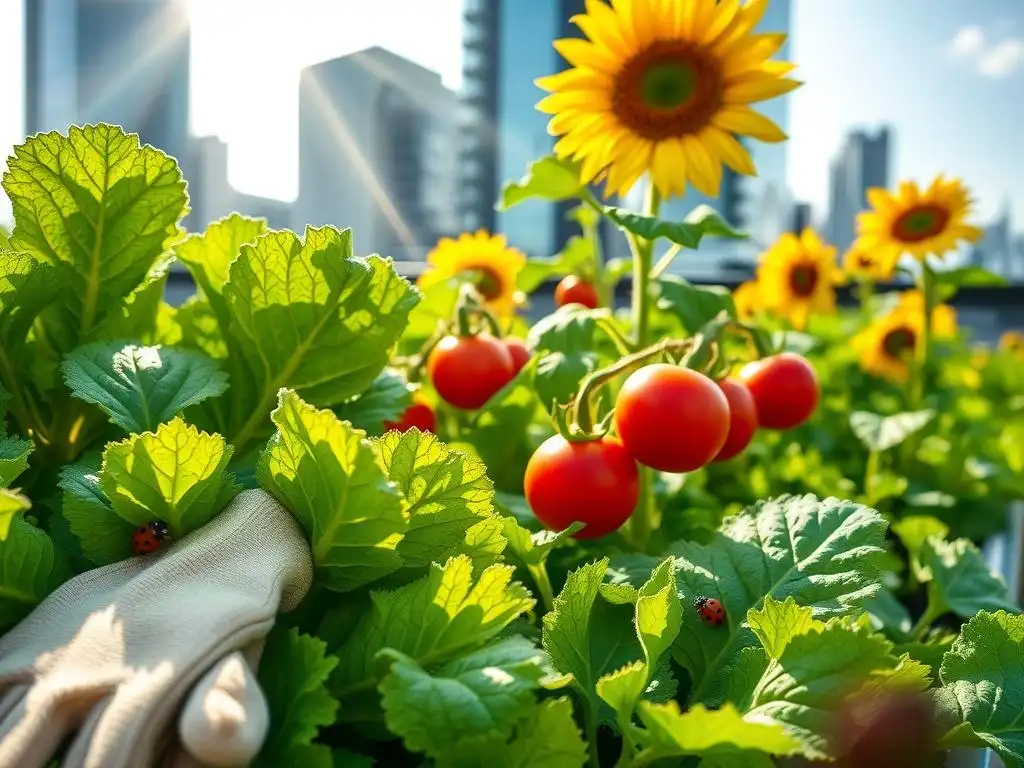
Welcome to CultivateYourFood, your guide to thriving home gardens! Are you ready to transform your space into a vibrant oasis of fresh, organic produce? We'll help you achieve that, from seed to harvest. But what about those pesky uninvited guests? Learn how to effectively manage Urban Garden Pest Control and keep your plants healthy and productive – discover the secrets to a bountiful harvest, no matter your location, in our latest article on Urban Farming. Let's get growing!
- Understanding Your Urban Garden Ecosystem
- Essential Urban Garden Maintenance Tasks
- Effective Urban Garden Pest Control
- Harvesting and Post-Harvest Care
- Sustainable Practices for Urban Garden Maintenance
- Frequently Asked Questions
- Final Reflection: Cultivating Resilience in the Concrete Jungle
- Unleash Your Green Thumb: Take Charge of Your Urban Oasis!
Understanding Your Urban Garden Ecosystem
Cultivating a thriving urban garden requires a deep understanding of the unique ecosystem you're creating. Unlike sprawling rural farms, urban gardens face specific challenges, including limited space, compacted soil, and exposure to pollutants. Successfully managing an urban garden hinges on proactive maintenance, particularly concerning pest control and nutrient management. This article will guide you through essential urban garden maintenance practices, focusing on strategies for keeping your plants healthy and productive while embracing sustainable, organic methods.
We’ll explore practical steps for assessing soil health, identifying common pests and diseases prevalent in urban environments, and recognizing signs of nutrient deficiencies. By understanding these key elements, you can effectively address potential problems and cultivate a bountiful harvest in your own urban oasis. Effective urban garden pest control is a crucial component of this process, ensuring the health and longevity of your plants. Let's delve into the specifics.
Assessing Soil Health in Urban Gardens
Healthy soil is the foundation of any successful garden, especially in urban areas where soil quality can be compromised by pollution and compaction. Before even planting, you need to evaluate your soil's condition. This involves a few key steps:
- Visual Inspection: Examine the soil's texture. Is it loose and crumbly, or compacted and hard? Observe the color; dark brown or black usually indicates rich organic matter, while light gray or pale brown might suggest nutrient deficiencies. Look for signs of erosion or unusual substances.
- Soil Testing: A professional soil test provides valuable insights into your soil's pH level, nutrient composition (nitrogen, phosphorus, potassium), and potential contaminants. Knowing these parameters is crucial for selecting appropriate plants and amending your soil effectively.
- Improving Soil Health: Urban soils often benefit from the addition of organic matter, such as compost, well-rotted manure, or leaf mold. This improves drainage, aeration, and nutrient retention. Consider adding vermiculite or perlite to improve drainage in heavy clay soils. Regular tilling can also help break up compacted soil.
Identifying Common Urban Garden Pests and Diseases
Urban gardens are susceptible to various pests and diseases. Early identification is key to effective pest control and preventing widespread damage. Here are some common culprits and how to spot them:
- Aphids: These tiny sap-sucking insects cluster on leaves and stems, causing stunted growth and leaf curling. Look for small, pear-shaped insects, often with a waxy coating.
- Whiteflies: Similar to aphids, whiteflies suck plant sap, leaving behind sticky honeydew that can attract other pests like ants and sooty mold. They are small, white, and fly up when disturbed.
- Spider mites: These microscopic pests create fine webbing on leaves and cause stippling (small, yellow spots) and leaf discoloration.
- Powdery mildew: A common fungal disease that appears as a white, powdery coating on leaves, stems, and flowers. It thrives in humid conditions.
- Leaf spot: Various fungal and bacterial diseases cause leaf spots, characterized by small, discolored spots on leaves. These spots can enlarge and coalesce, leading to leaf drop.
Tackling these pests and diseases early on is crucial. Organic pest control methods, such as introducing beneficial insects (ladybugs for aphids), using insecticidal soap, or applying neem oil, are effective and environmentally friendly options for urban garden pest control.
Recognizing Nutrient Deficiencies in Urban Plants
Nutrient deficiencies can significantly impact plant growth and yield. Learning to identify these deficiencies is crucial for maintaining healthy plants. Here are some common signs:
- Nitrogen Deficiency: Plants exhibiting nitrogen deficiency show stunted growth, pale green or yellow leaves, and often premature leaf drop. The yellowing starts at the older leaves.
- Phosphorus Deficiency: Phosphorus deficiency can lead to stunted growth, dark green or purplish leaves, and delayed flowering and fruiting.
- Potassium Deficiency: Potassium deficiency manifests as yellowing and browning of leaf margins, often accompanied by leaf curling and wilting.
Addressing nutrient deficiencies requires appropriate fertilization. Organic fertilizers, such as compost tea or bone meal, provide slow-release nutrients and improve soil health. Always follow the fertilizer instructions carefully, avoiding over-fertilization which can damage plants and pollute the environment. Regular soil testing helps monitor nutrient levels and guide your fertilization strategy. Remember that a healthy and balanced soil is your best defense against nutrient deficiencies and a key element in successful urban garden pest control.
Essential Urban Garden Maintenance Tasks
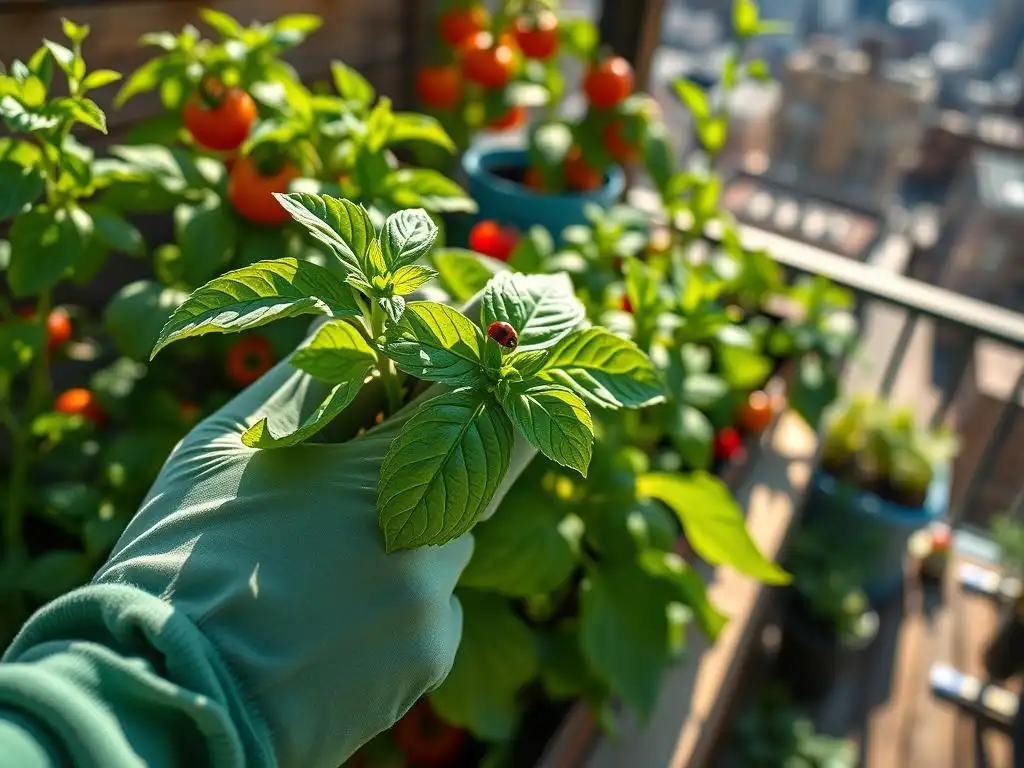
This section delves into the crucial maintenance tasks necessary for a thriving urban garden, focusing on techniques that are both effective and sustainable. Maintaining a productive and healthy urban garden requires consistent attention to detail. Neglecting even seemingly minor tasks can lead to significant problems down the line, impacting yield and plant health. This guide will equip you with the knowledge to proactively address common challenges and optimize your urban gardening experience. Effective urban garden pest control is an integral part of this process, as discussed below.
Watering Techniques for Urban Gardens
Efficient watering is paramount in urban gardening, where resources are often limited. Overwatering can lead to root rot and fungal diseases, while underwatering stunts growth. The best approach involves understanding your plants' specific needs and adapting your watering schedule accordingly.
Several factors influence watering frequency:
- Plant Type: Different plants have different water requirements. Succulents, for example, are drought-tolerant and require infrequent watering, whereas leafy greens need more consistent moisture.
- Soil Type: Well-draining soil dries out faster than clay soil. Clay soils retain water longer, reducing the frequency of watering needed.
- Weather Conditions: Hot, sunny days increase evaporation rates, necessitating more frequent watering. Conversely, cloudy or rainy days may allow you to space out your watering sessions.
- Container Size: Smaller containers dry out much faster than larger ones. Monitor smaller containers closely and water more frequently.
Effective watering techniques include:
- Deep Watering: Water thoroughly until water drains from the bottom of the pot or until the soil is evenly moist. This encourages deeper root growth.
- Watering at the Base: Avoid wetting the foliage, as this can promote fungal diseases. Water directly at the base of the plant or use a drip irrigation system.
- Mulching: Applying a layer of mulch helps retain soil moisture, reducing the frequency of watering. Organic mulches like straw or shredded leaves are ideal.
- Monitoring Soil Moisture: Regularly check the soil moisture using your finger. If the top inch of soil feels dry, it's time to water.
Urban Gardening Fertilization Strategies
Nutrient-rich soil is crucial for healthy plant growth in urban gardens. However, confined spaces often limit soil volume, making fertilization a key aspect of urban garden pest control and overall plant health. Over-fertilization can be just as harmful as under-fertilization, potentially burning plant roots or contributing to nutrient runoff.
Organic fertilizers, such as compost, worm castings, and bone meal, are excellent choices for urban gardens. They provide a slow-release of nutrients, minimizing the risk of burning plants and promoting healthy soil ecosystems.
Here's a breakdown of effective fertilization strategies:
- Soil Testing: Before fertilizing, conduct a soil test to determine nutrient levels. This helps you tailor your fertilization plan to your specific needs. Knowing your soil's pH is also crucial for nutrient uptake.
- Composting: Composting kitchen scraps and yard waste creates a valuable source of organic fertilizer. It improves soil structure, aeration, and water retention.
- Liquid Fertilizers: Diluted liquid fertilizers can provide a quick boost of nutrients, especially during periods of rapid growth. Always follow package instructions carefully.
- Slow-Release Granules: These granules release nutrients gradually, minimizing the risk of nutrient burn and providing consistent fertilization over time.
Weed Control in Confined Spaces
Weed control is essential in urban gardens, as weeds compete with your plants for resources like water, nutrients, and sunlight. This competition can significantly impact your yield and the overall health of your plants. In confined spaces, weeds can quickly become a major problem. Effective weed control requires a multi-pronged approach.
Effective weed control techniques for urban gardens include:
- Mulching: A thick layer of mulch helps suppress weed growth by blocking sunlight.
- Hand Weeding: Regularly hand-weeding helps remove weeds before they go to seed.
- Pre-emergent Herbicides (organic options preferred): These herbicides prevent weed seeds from germinating. Choose organic options whenever possible to protect beneficial insects and the environment.
- Careful Planning: Selecting plants that spread densely can help to naturally suppress weed growth.
Remember that consistent attention to these maintenance tasks is key to maximizing the productivity and health of your urban garden. By implementing these strategies, you can create a thriving urban oasis, even within the constraints of a city environment. Proactive urban garden pest control, integrated with these techniques, ensures a bountiful harvest.
Pruning and Training Techniques for Urban Plants
Pruning and training are crucial aspects of urban garden pest control and overall plant health. Regular pruning removes dead, diseased, or overcrowded branches, improving air circulation and sunlight penetration. This reduction in density makes it harder for pests to thrive and facilitates quicker detection of infestations. Think of it as preventative pest management; a healthy plant is far less susceptible to attack.
For example, consider tomato plants, a common urban garden staple. Regularly pinching off suckers (the small shoots that grow from the leaf axils) encourages the plant to focus its energy on producing fruit rather than vegetative growth. This stronger, more focused growth makes the plant more resilient to pests and diseases. Furthermore, removing lower leaves improves airflow, preventing fungal diseases that often attract pests. This simple pruning technique significantly contributes to effective urban garden pest control.
Training techniques, such as staking or caging, are also vital. Staking helps support tall plants, preventing them from sprawling and becoming overcrowded. This makes the plants easier to inspect for pests and diseases, allowing for early intervention. Caging, particularly useful for sprawling plants like cucumbers, keeps the foliage off the ground, reducing the risk of soilborne diseases and pest infestations. These methods aren't directly about pest control, but they dramatically improve plant health, creating an environment less hospitable to pests and reducing your need for chemical intervention.
Different plants have unique pruning and training needs. For instance, herbs like rosemary benefit from light pruning to maintain their shape and encourage bushier growth, while fruit trees require more extensive pruning to manage their size and yield. Understanding the specific requirements of each plant in your urban garden is key to effective maintenance and, consequently, successful urban garden pest control.
Researching the specific pruning needs of your chosen plants is a crucial step in establishing a thriving and resilient urban garden. Failing to prune properly can lead to weak, overcrowded plants, which are more susceptible to diseases and pest attacks, ultimately harming your harvest and negating the benefits of your urban gardening efforts.
Effective Urban Garden Pest Control
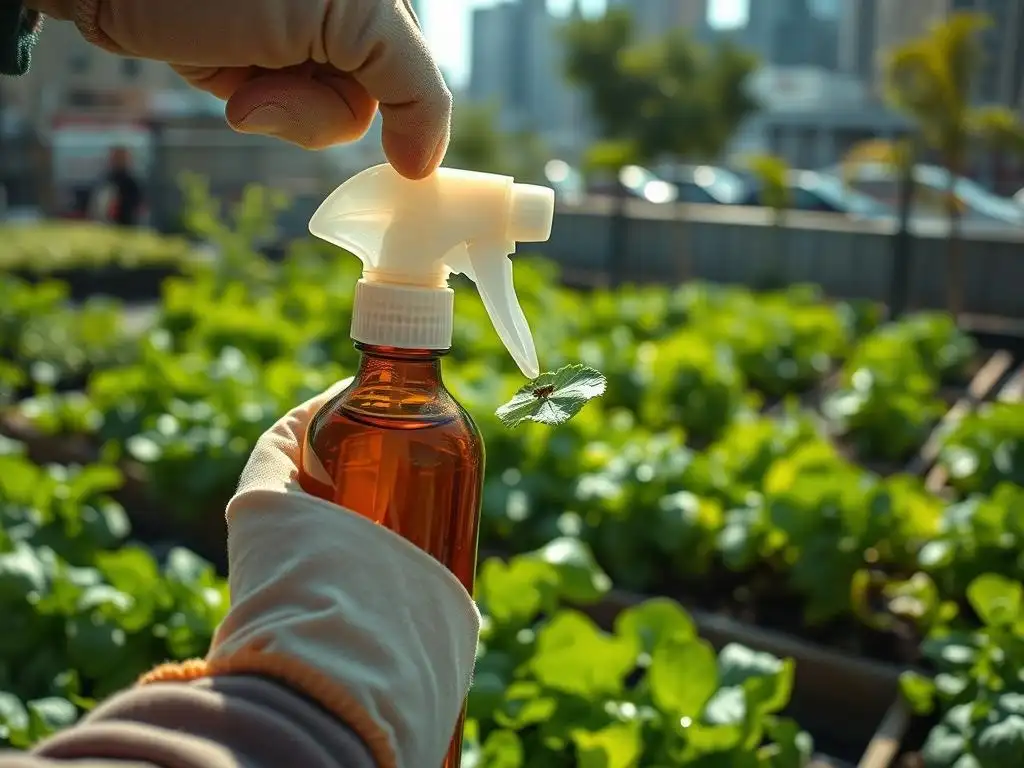
Urban gardening presents unique challenges, especially when it comes to pest control. The proximity to other buildings, limited space, and the potential for higher pest densities require a strategic and sustainable approach. This section explores effective pest control methods specifically tailored for urban environments, focusing on minimizing environmental impact while maximizing plant health and yield. We will examine integrated pest management (IPM), natural control methods, and organic strategies to help you cultivate a thriving urban garden free from unwanted visitors. Effective urban garden pest control is crucial for a successful harvest.
Implementing Integrated Pest Management (IPM) in Urban Settings
Integrated Pest Management (IPM) is a holistic approach that emphasizes prevention and monitoring before resorting to control measures. In urban gardens, IPM is particularly crucial due to space constraints and the potential for unintended consequences from widespread pesticide use. IPM involves several key steps:
- Regular Monitoring: Diligent observation is paramount. Daily or at least weekly inspections are necessary to detect pests early, before infestations become widespread. Note the type and severity of pest damage, and the areas most affected. A simple notebook or a gardening app can be used to track observations.
- Threshold Identification: For each pest, determine the acceptable level of infestation before intervention becomes necessary. A few aphids might not warrant immediate action, but a large colony requires intervention. Knowing the thresholds allows for targeted control and prevents unnecessary pesticide use.
- Cultural Controls: These preventative measures aim to create an environment less hospitable to pests. This includes selecting pest-resistant plant varieties, practicing crop rotation, maintaining proper plant spacing for good air circulation, and providing adequate watering and fertilization.
- Biological Controls: Introducing beneficial insects, such as ladybugs (which feed on aphids) or lacewings (which prey on various soft-bodied insects), can naturally control pest populations. These beneficial insects can be purchased from garden supply stores or sometimes attracted by planting specific plants that they favor.
- Mechanical Controls: Physical removal of pests, such as handpicking insects or using sticky traps, is an effective and environmentally friendly method for small infestations. Barriers, such as netting, can also prevent pests from accessing plants.
Natural Pest Control Methods for Urban Gardens
Several natural methods effectively manage pests in urban gardens without resorting to chemical pesticides. These methods often leverage the power of nature to control pest populations:
- Neem Oil: Derived from the neem tree, this oil disrupts the life cycle of many insects, acting as a natural insecticide. It's effective against aphids, whiteflies, and other soft-bodied insects. Always follow label instructions carefully.
- Insecticidal Soaps: These soaps disrupt the cell membranes of insects, leading to their death. They are effective against a range of soft-bodied insects and are generally considered safe for beneficial insects and pollinators when used correctly.
- Diatomaceous Earth: This naturally occurring sedimentary rock consists of microscopic fossilized algae. Its sharp edges cut into the exoskeletons of insects, causing dehydration and death. It's effective against slugs, snails, and some crawling insects.
- Companion Planting: Strategic planting of certain plants together can deter pests. For example, marigolds are known to repel nematodes and some other insects. Research companion planting combinations for your specific garden and pest concerns.
Organic Pest Control Strategies for Urban Gardens
Organic pest control focuses on methods that are environmentally friendly and do not use synthetic pesticides. These methods often involve a combination of cultural, biological, and natural controls:
- Beneficial Nematodes: Microscopic worms that prey on specific soil-dwelling pests, such as grubs and other larvae. These nematodes are applied to the soil and effectively control pest populations without harming beneficial organisms.
- Bacillus thuringiensis (Bt): A naturally occurring bacterium that produces toxins lethal to specific insect larvae. Bt is highly effective against caterpillars and other chewing insects, but it is specific to certain insect groups and harmless to humans and beneficial insects.
- Rotation of Crops: Alternating the types of plants grown in a particular area each year helps disrupt pest life cycles and reduces the buildup of specific pests. This is a crucial preventative measure in organic urban gardening.
- Proper Sanitation: Removing plant debris, weeds, and fallen fruit promptly reduces breeding grounds for pests and diseases. This is a simple yet effective step in overall pest management.
Remember, consistent monitoring and a proactive approach are key to successful urban garden pest control. By integrating these strategies, you can create a healthy and productive urban garden while minimizing the use of harmful chemicals. The best approach often involves a combination of these methods, tailored to your specific garden and the pests you encounter.
Dealing with Specific Urban Garden Pests
Urban gardening presents unique pest challenges due to the proximity of human dwellings and the often-limited space available. Effective pest control requires identifying the specific culprits and employing targeted strategies. Ignoring early signs can lead to significant crop losses and necessitate more drastic measures later. Let's examine some common urban garden pests and how to manage them organically.
One prevalent issue is aphids, small, soft-bodied insects that suck sap from plants, causing stunted growth and leaf curling. A strong spray of water can dislodge them, while introducing beneficial insects like ladybugs, which prey on aphids, offers a more sustainable solution. Neem oil, a natural insecticide derived from the neem tree, is another effective option, disrupting the aphids' life cycle without harming beneficial insects. Regularly inspecting plants for aphid infestations is crucial for early intervention. The sooner you address an aphid problem, the easier it is to control.
Another common pest is the whitefly, a tiny, winged insect that also feeds on plant sap. Similar to aphids, whiteflies can cause significant damage to plants, leading to yellowing leaves and reduced yields. Sticky traps can effectively capture adult whiteflies, reducing their population. Again, introducing predatory insects, such as lacewings, can contribute to long-term control. Maintaining good air circulation around plants helps to prevent whitefly infestations, as humid, stagnant air favors their proliferation. Proper spacing of plants is therefore a key preventative measure.
Slugs and snails are notorious for their appetite for tender leaves and stems. These mollusks are particularly active during damp conditions, leaving behind characteristic slime trails. Diatomaceous earth, a natural powder made from fossilized algae, acts as a physical barrier, cutting into their bodies and dehydrating them. Beer traps can also be effective, attracting slugs and snails into a container from which they cannot escape. Hand-picking slugs and snails, especially in the early morning or evening when they are most active, is another simple, effective method. Remember to dispose of them far from your garden to prevent re-infestation.
Spider mites, despite their name, are not insects but arachnids. These tiny pests create webbing on the undersides of leaves, sucking sap and causing stippling or discoloration. A strong spray of water can help dislodge them, but regular monitoring is crucial, as infestations can quickly spread. Miticides are available, but organic options like insecticidal soaps are often sufficient for controlling spider mite populations. Maintaining healthy plants through proper watering and fertilization makes them less susceptible to spider mite infestations. Strong, healthy plants are far more resistant to pest attacks.
Finally, cutworms, the larval stage of certain moths, can severely damage seedlings by cutting them off at ground level. Collars made from cardboard or plastic around seedlings can protect them from cutworms. Manually removing cutworms from the soil is also an effective method, especially in smaller gardens. Beneficial nematodes, microscopic worms that prey on cutworms, can be introduced to the soil for long-term control. Careful soil preparation and regular monitoring are essential to prevent significant damage. Knowing the life cycle of the pest allows for more effective control.
Harvesting and Post-Harvest Care
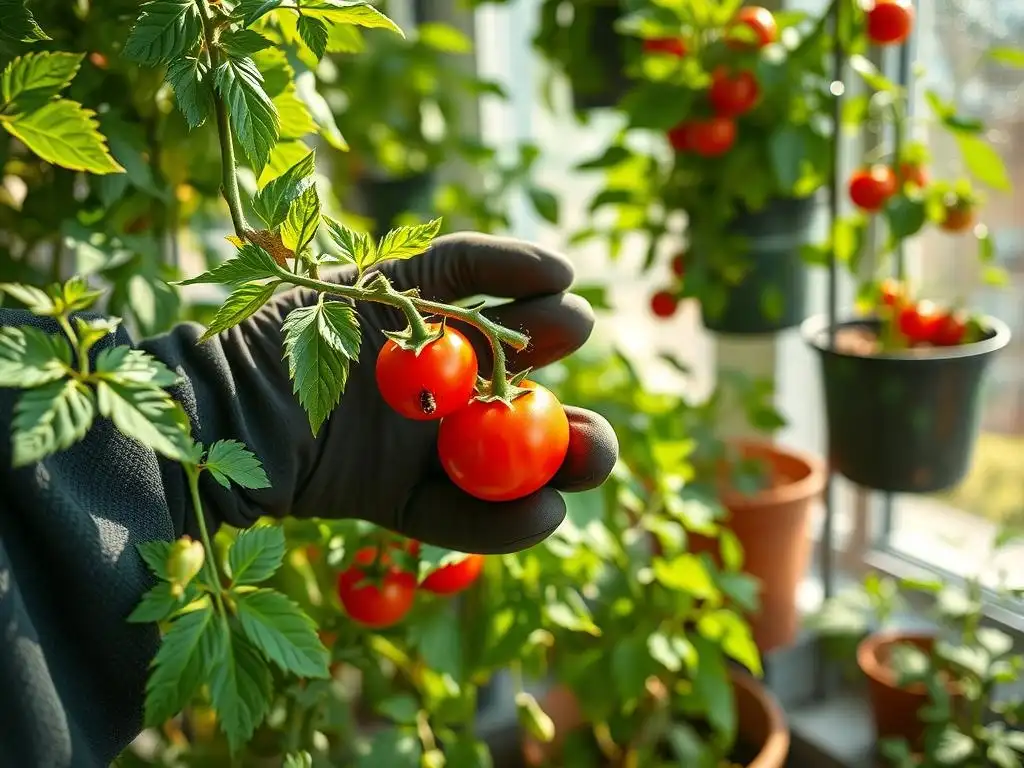
This section focuses on maximizing the yield and quality of your urban garden harvest, and then ensuring your hard work doesn't go to waste through proper storage and preservation techniques. Effective harvesting and post-harvest care are crucial components of successful urban gardening, contributing significantly to the overall sustainability and enjoyment of your homegrown produce. Proper techniques minimize waste and extend the life of your fruits, vegetables, and herbs.
Harvesting Techniques for Maximum Yield and Quality
Harvesting at the optimal time is key to achieving the best flavor and nutritional value from your urban garden. Different plants have different harvesting windows, so understanding the specific needs of each species is vital. Here's a breakdown of some effective techniques:
- Timing is Everything: Harvesting too early results in poor flavor and smaller yields, while harvesting too late can lead to tough, bitter, or overripe produce. Consult reliable resources (seed packets, gardening guides) for specific maturity indicators for your chosen plants. For example, tomatoes should be harvested when they exhibit their characteristic color and have a slight give when gently squeezed. Similarly, herbs are generally best harvested just before flowering for maximum flavor.
- Proper Tools: Utilizing the right tools makes harvesting more efficient and minimizes damage to the plants. Sharp pruning shears or scissors are ideal for herbs and delicate vegetables. For larger vegetables like tomatoes and peppers, a sturdy harvesting knife is recommended. Avoid pulling or tugging on plants, as this can damage roots and stems, potentially reducing future yields.
- Selective Harvesting: Don't harvest everything at once! Regular, selective harvesting encourages continued production. For example, picking only ripe tomatoes allows the plant to continue producing more fruit. This practice also helps prevent overcrowding and improves air circulation, reducing the risk of disease.
- Handling with Care: Once harvested, handle produce gently to avoid bruising or damage. Place harvested items in clean containers or baskets to prevent spoilage. Avoid piling produce on top of each other, as this can lead to crushing and rapid deterioration.
Proper Storage and Preservation of Urban Garden Produce
Preserving your bountiful urban garden harvest is crucial to extending its shelf life and preventing spoilage. Various methods exist, depending on the type of produce and your storage capabilities. Here are some effective strategies:
- Refrigeration: Many fruits and vegetables, such as leafy greens, berries, and some herbs, store best in the refrigerator. However, ensure proper storage conditions; avoid placing produce in airtight containers, as this can promote moisture buildup and accelerate decay. Instead, use breathable containers or bags.
- Freezing: Freezing is an excellent method for preserving many fruits and vegetables, extending their shelf life significantly. Blanching (briefly boiling) vegetables before freezing helps to maintain their color, texture, and nutritional value. Properly labeled and dated freezer bags or containers are essential for organized storage.
- Drying: Herbs and some fruits (like tomatoes) can be effectively preserved through drying. Air drying is a simple method, but dehydrators offer more consistent results and faster drying times. Properly dried herbs and fruits should be stored in airtight containers in a cool, dark, and dry place.
- Canning: Canning is a more involved process that requires sterilization and careful adherence to safety guidelines. However, it's a great method for preserving fruits, vegetables, and even some herbs for long-term storage. Properly canned goods can last for a year or more.
| Produce Type | Best Storage Method(s) | Notes |
|---|---|---|
| Leafy Greens | Refrigeration | Use breathable containers; wash before storing. |
| Berries | Refrigeration | Store in single layers; avoid washing until ready to use. |
| Tomatoes | Refrigeration, Canning | Avoid refrigerating until fully ripe; canning preserves flavor and texture. |
| Herbs | Refrigeration, Drying | Dry herbs for longer storage; store dried herbs in airtight containers. |
| Root Vegetables | Cool, dark, dry place | Avoid refrigeration for most root vegetables. |
Remember, consistent attention to detail throughout the entire growing and harvesting process is key to a successful and abundant urban garden. Careful planning, diligent maintenance, and thoughtful post-harvest care ensure you reap the rewards of your efforts for weeks to come. 🥕🍅🌿
Sustainable Practices for Urban Garden Maintenance
This section delves into the crucial role of sustainable practices in maintaining a thriving urban garden. By employing eco-friendly methods, you not only protect your plants but also contribute to a healthier environment. Effective urban garden pest control is intrinsically linked to these sustainable approaches, minimizing the need for harsh chemicals. Let's explore some key strategies.
Composting in Urban Gardens
Composting is a cornerstone of sustainable urban gardening. It transforms organic waste – kitchen scraps, yard clippings, even coffee grounds – into nutrient-rich compost, a natural fertilizer for your plants. This reduces your reliance on synthetic fertilizers, minimizing environmental impact and enhancing soil health.
Several composting methods are suitable for urban spaces. A simple bin compost system, even a small one, can be easily managed on a balcony or patio. Vermicomposting, using worms to break down organic matter, is another excellent option for limited space. It produces nutrient-rich "worm castings," a highly effective fertilizer.
The benefits extend beyond fertilization. Composting helps retain soil moisture, improves soil structure, and reduces the need for frequent watering. It also reduces the amount of organic waste going to landfills, contributing to a more sustainable lifestyle. A well-maintained compost bin can significantly reduce your carbon footprint and enhance the overall health of your urban garden. For example, a family of four could reduce their weekly garbage volume by up to 50% through diligent composting. This translates to a substantial reduction in landfill waste over a year.
Water Conservation Strategies for Urban Gardens
Water conservation is paramount in urban gardening, especially in areas with limited water resources. Implementing efficient watering techniques significantly reduces water consumption while ensuring the health of your plants.
- Drip irrigation: This method delivers water directly to the roots, minimizing evaporation and runoff. It's particularly effective for vegetables and herbs.
- Soaker hoses: These hoses slowly release water along their length, providing consistent moisture to the soil.
- Rainwater harvesting: Collecting rainwater in barrels or other containers provides a free and sustainable source of water for your plants. This significantly reduces reliance on municipal water supplies.
- Mulching: Applying a layer of mulch around your plants helps retain soil moisture, reducing the frequency of watering. Organic mulches, like shredded leaves or straw, also enrich the soil as they decompose. Proper mulching can reduce water needs by up to 50% depending on climate and soil type.
Consider the specific needs of your plants. Overwatering can be just as detrimental as underwatering. Observe the soil moisture levels before watering, and adjust your watering schedule according to weather conditions and plant requirements. Regular soil testing can provide valuable insights into your garden's water needs.
Reducing Waste and Recycling in Urban Gardening
Minimizing waste is integral to sustainable urban gardening. Recycling materials and repurposing items reduces your environmental footprint and can even save you money.
- Repurposing containers: Instead of buying new pots, consider reusing plastic containers, yogurt tubs (after thorough cleaning), or even old tires (ensure they are clean and free of harmful chemicals) for planting.
- Seed saving: Collect seeds from your plants to use in subsequent seasons, reducing the need to purchase new seeds. This is particularly beneficial for heirloom varieties.
- Composting food scraps: As discussed previously, composting plays a vital role in waste reduction. It diverts organic waste from landfills and creates valuable fertilizer.
- Recycling plastic bottles: Cut plastic bottles in half to create mini-greenhouses for seedlings or use them to create self-watering systems.
By adopting these practices, you’ll contribute to a more sustainable urban environment while enjoying a bountiful and healthy harvest. Remember, even small changes can make a big difference in protecting our planet and fostering a thriving urban garden. The reduction in waste directly translates to a smaller carbon footprint and promotes a healthier ecosystem for your plants and your community. 🌱
Frequently Asked Questions
What are some common pests in urban gardens?
Common urban garden pests include aphids, slugs, spider mites, and whiteflies. These pests can damage plants by sucking sap or chewing leaves. Early detection is key to effective control.
How can I control pests organically in my urban garden?
Organic pest control methods include introducing beneficial insects like ladybugs, using neem oil, or creating physical barriers like row covers. Diatomaceous earth can also be effective against many crawling insects.
What are some preventative measures for urban garden pest control?
Preventative measures include choosing pest-resistant varieties, maintaining good soil health, and regularly inspecting your plants for signs of infestation. Proper watering can also help prevent pest problems.
Are chemical pesticides safe to use in an urban garden?
Chemical pesticides can be harmful to beneficial insects, pets, and even humans. They may also contaminate the soil and water. Organic methods are generally preferred for urban gardening.
How do I deal with a severe pest infestation in my urban garden?
For severe infestations, consider contacting a local gardening expert or using a more intensive organic treatment, such as a stronger neem oil solution. Early intervention is crucial to minimize damage.
Final Reflection: Cultivating Resilience in the Concrete Jungle
The fight for healthy urban gardens is far from over, and the battle against pests is a crucial, ongoing element of that fight. Our cities are increasingly reliant on these green spaces not only for aesthetic appeal but also for food security, mental well-being, and environmental sustainability. The challenges we face in maintaining productive urban gardens, particularly in managing pests organically and effectively, directly impact our ability to reap these benefits.
The impact of urban gardening extends far beyond the individual plot; it's a collective effort shaping our relationship with nature in densely populated areas. It's about fostering a sense of community, reclaiming neglected spaces, and promoting biodiversity in often-sterile environments. As we learn to navigate the complexities of pest control, we are also learning to better understand the delicate balance of our urban ecosystems. The earth laughs in flowers.
– Ralph Waldo Emerson. This simple statement speaks volumes about the joy and resilience we can cultivate through tending to even the smallest urban garden.
Now, consider your own space, however small. Do you have a window box, a balcony planter, or perhaps a community garden plot? Take what you've learned here and apply it to your own green haven. Experiment with different pest control methods, observe the natural rhythms of your plants, and celebrate the small victories – a thriving tomato plant, a vibrant bloom, or simply the quiet satisfaction of nurturing life in the heart of the city. Let's work together to create a future where urban gardens flourish, providing sustenance, beauty, and a vital connection to the natural world.
Unleash Your Green Thumb: Take Charge of Your Urban Oasis!
Thank you for exploring the world of urban gardening with us! You now have the knowledge to cultivate a thriving and productive garden, regardless of space. Let's put that knowledge to good use!
- Start a gardening journal: Record your successes, challenges, and the growth of your plants. This will be an invaluable resource for next year's harvest.
- Share your urban gardening experiences on social media. Use #CultivateYourFood to connect with a community of fellow gardeners.
- Expand your gardening horizons by experimenting with a new plant variety next season.
Ready to transform your urban space into a vibrant, food-producing paradise? What exciting new plant will you grow next?