
The Urban Jungle's Critters: Dealing with Unwanted Urban Wildlife in Your Garden

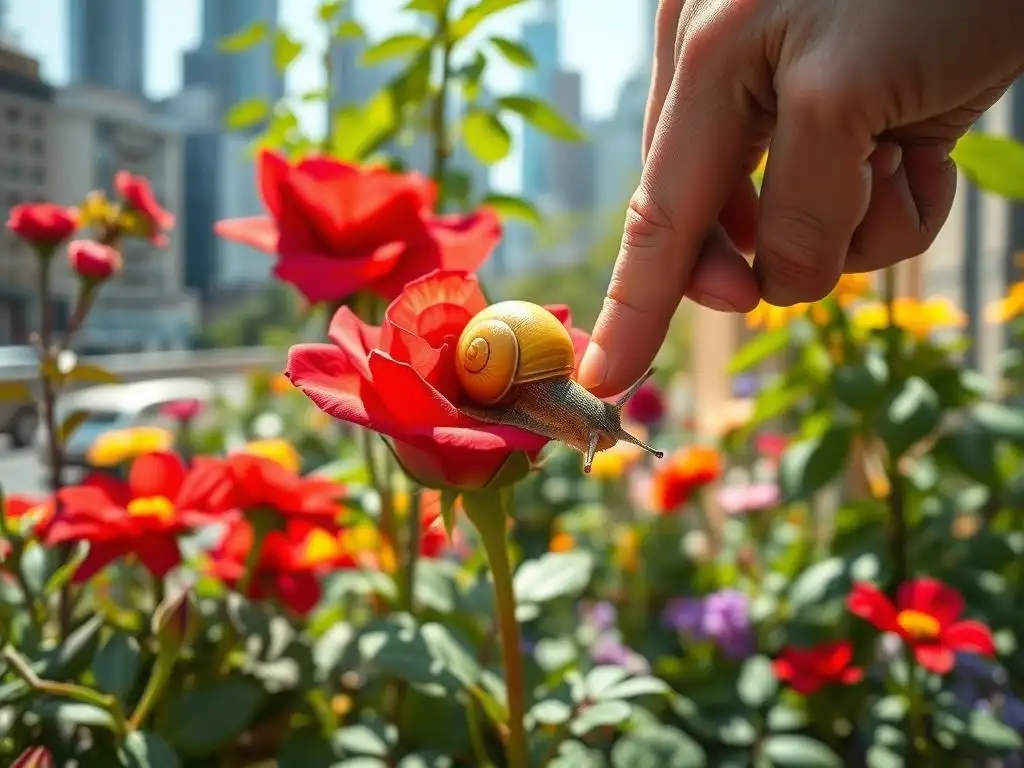
Welcome to CultivateYourFood, your guide to nurturing a thriving garden, organically and sustainably! Are you ready to transform your urban space into a bountiful oasis? Then discover the secrets to successfully navigating the challenges of urban garden pest control. Learn how to protect your precious fruits, vegetables, and herbs from unwanted visitors, and unlock the potential of your very own homegrown harvest. Let's dive into the fascinating world of urban farming and conquer those pesky critters – together!
- Understanding Common Urban Garden Pests
-
Effective Urban Garden Pest Control Strategies
- Natural Pest Control Methods for Urban Gardens: Companion Planting and Beneficial Insects
- Organic Pest Control Options for Urban Spaces: Homemade Sprays and Natural Repellents
- Integrated Pest Management (IPM) for Urban Gardens: A Balanced Approach
- Dealing with Specific Pests: Targeted Solutions for Common Urban Wildlife Problems
- Preventing Urban Wildlife from Invading Your Garden
- Humanely Managing Urban Wildlife
- Maintaining a Healthy and Thriving Urban Garden Despite Wildlife
-
Frequently Asked Questions
- What are some common pests found in urban gardens?
- How can I organically control pests in my urban garden?
- What are some effective ways to deter rodents from my urban garden?
- Is composting safe for urban gardens, considering pest control?
- How do I identify the specific pest affecting my plants before treating them?
- Final Reflection: Coexisting with Nature in the Concrete Jungle
- Reclaim Your Garden: Outsmarting Urban Wildlife!
Understanding Common Urban Garden Pests
Cultivating a thriving urban garden presents unique challenges, not least of which is contending with the diverse array of wildlife that shares our concrete jungles. This article delves into the world of urban garden pest control, focusing on identifying common culprits and understanding the damage they inflict on your precious plants. Successfully navigating these challenges is key to reaping the rewards of a bountiful, homegrown harvest, while employing sustainable and organic methods that respect both the environment and the delicate balance of nature within your urban oasis. We'll explore effective, eco-friendly strategies to protect your fruits, vegetables, and herbs from unwanted visitors, ensuring a fruitful and pest-free gardening experience.
This guide provides practical solutions for maintaining a healthy and productive urban garden, even amidst the challenges of urban wildlife. Remember, proactive pest management is crucial for a successful urban garden. Let's get started!
Identifying Common Urban Wildlife Pests: Birds, Squirrels, and Rodents
Urban environments, while seemingly devoid of extensive wilderness, are surprisingly teeming with wildlife. Birds, squirrels, and rodents are frequent visitors to urban gardens, often attracted by the readily available food source. Birds, for instance, can peck at ripening fruits and vegetables, causing significant damage.
Squirrels, with their nimble paws and insatiable appetites, are notorious for raiding seed packets and gnawing on young plants. Rodents, such as rats and mice, can cause more extensive damage, not only consuming plants but also contaminating the soil with their droppings. Understanding their behavior is the first step towards effective deterrents.
For example, netting can protect fruits and vegetables from birds, while strategically placed baffles can prevent squirrels from accessing bird feeders and climbing trellises. For rodent control, maintaining a clean garden and sealing potential entry points are crucial preventative measures. Remember, eliminating food sources and providing less appealing alternatives are key strategies for urban wildlife pest control.
Recognizing Insect Pests in the Urban Garden: Aphids, Slugs, and Snails
While larger animals present obvious challenges, insect pests pose a more insidious threat. Aphids, tiny sap-sucking insects, can quickly decimate plants, leaving behind sticky honeydew and weakening the overall health of your plants. Slugs and snails, notorious for their nocturnal foraging habits, leave behind characteristic slime trails and devoured foliage. Identifying these pests early is crucial for effective control. Regular inspection of your plants, particularly the undersides of leaves, can help you detect infestations before they become widespread.
Early detection allows for implementing less aggressive control methods. For instance, a strong jet of water can dislodge aphids, while beer traps can effectively lure and capture slugs and snails. Introducing beneficial insects, such as ladybugs that prey on aphids, is a natural and sustainable method of pest control. Remember to carefully observe your plants for signs of insect damage and act promptly to prevent large-scale infestations.
Identifying Damage Caused by Different Urban Wildlife Pests
Understanding the type of damage inflicted by different pests is crucial for implementing the appropriate control measures. Birds typically leave behind clean, precise pecks on fruits, while squirrels might cause more chaotic damage, gnawing on stems and leaving behind scattered debris. Rodents often cause more extensive damage, exhibiting gnaw marks on stems and roots, and potentially contaminating the soil.
Insect damage is often more subtle, with aphids causing leaf curling and discoloration, while slugs and snails leave behind characteristic holes and slime trails. Careful observation of the damage patterns can help you pinpoint the culprit and choose the most effective control strategy.
Maintaining detailed records of pest activity and the effectiveness of different control measures can help you refine your approach over time, leading to a more resilient and productive urban garden. Remember, a combination of preventative measures and targeted interventions is often the most effective approach to urban garden pest control.
Effective Urban Garden Pest Control Strategies
Urban gardening presents unique challenges, and managing pests effectively is crucial for a successful harvest. While the idyllic image of a thriving urban garden often overshadows the reality of pest infestations, proactive and sustainable pest control is essential for maintaining healthy plants and a bountiful yield. This section explores various strategies to protect your urban oasis from unwanted critters, focusing on natural, organic, and integrated approaches.
Remember, the goal is not eradication, but rather population management that minimizes damage while preserving the ecological balance of your urban garden. Effective urban garden pest control prioritizes the health of your plants and the environment.
Natural Pest Control Methods for Urban Gardens: Companion Planting and Beneficial Insects
Employing natural pest control methods in your urban garden is a sustainable and environmentally friendly approach to managing pests. Two highly effective techniques are companion planting and the introduction of beneficial insects.
Companion planting leverages the synergistic relationships between different plant species. Certain plants repel or deter specific pests, while others attract beneficial insects that prey on common garden pests. For example, planting marigolds alongside tomatoes can help repel nematodes and whiteflies. Similarly, basil planted near peppers can deter aphids and other insects. Careful planning and strategic placement of these companion plants can significantly reduce pest pressure. The key is understanding the specific pest-repelling properties of various plants and choosing appropriate combinations for your urban garden setup. Detailed research on companion planting for specific pests is essential for optimizing this approach.
Effective use of beneficial insects is another cornerstone of natural pest control. Ladybugs, lacewings, and praying mantises are voracious predators of aphids, mealybugs, and other soft-bodied insects. Attracting these beneficial insects to your garden can be achieved by providing habitat and food sources. This can include planting flowering plants that attract these insects, or even purchasing and releasing beneficial insects directly into your garden. The success rate of beneficial insect introduction can vary, depending on factors such as existing pest populations and the suitability of your garden environment. Careful monitoring is needed to assess their effectiveness.
| Companion Plant | Pest Repelled/Attracted | Target Plant |
|---|---|---|
| Marigolds | Nematodes, Whiteflies | Tomatoes |
| Basil | Aphids, Other Insects | Peppers |
| Nasturtiums | Aphids, Cabbage White Butterflies | Cabbage, Broccoli |
| Chamomile | Many insects | Various |
Organic Pest Control Options for Urban Spaces: Homemade Sprays and Natural Repellents
Organic pest control offers a safe and effective alternative to harsh chemical pesticides. Homemade sprays using readily available ingredients can be a cost-effective and environmentally conscious solution for many common garden pests. For instance, a simple neem oil spray can effectively control aphids, mites, and other soft-bodied insects. Dilute neem oil according to package instructions and apply as needed. Remember to test a small area first to check for any adverse effects on your plants. Always wear protective gloves when handling neem oil.
Another effective organic option is the use of natural repellents. Garlic spray, made by steeping crushed garlic cloves in water, can deter many insects. Similarly, a pepper spray made from hot peppers can act as a deterrent. These homemade repellents are generally safe for humans and pets, but always test a small area first and follow safety precautions when making and applying these sprays. The effectiveness of these sprays can vary depending on the severity of the infestation and environmental conditions. Regular application might be necessary for optimal results.
The use of diatomaceous earth (DE) is another organic approach. DE is a naturally occurring sedimentary rock that, when finely ground, can act as a desiccant, causing insects to dehydrate and die. It is effective against a range of crawling insects, but it's crucial to use food-grade DE to ensure safety for humans and pets. Apply DE sparingly and avoid inhaling the dust.
Integrated Pest Management (IPM) for Urban Gardens: A Balanced Approach
Integrated Pest Management (IPM) is a holistic approach that combines various pest control strategies to achieve long-term sustainable management. It emphasizes prevention, monitoring, and the use of least-toxic methods. IPM is particularly crucial in urban environments where non-target organisms may be more vulnerable.
IPM begins with careful monitoring of your garden for signs of pest activity. Regular inspection of plants can help detect infestations early, allowing for prompt intervention. This early detection allows for the use of less intensive methods, reducing the need for more aggressive interventions. Accurate identification of the pest is vital to determine the most effective control measure.
Once pests are identified, IPM prioritizes least-toxic methods, such as those previously discussed (companion planting, beneficial insects, and organic sprays). Chemical pesticides should only be considered as a last resort, when other methods have proven ineffective and the infestation poses a significant threat to the health of the plants. Even then, the choice should be limited to the least toxic option, and application should follow strict safety guidelines.
The success of IPM relies on careful observation, accurate identification, and a strategic approach to pest management that prioritizes the health of your plants and the environment. By combining various techniques, you can create a resilient urban garden that thrives despite the challenges posed by unwanted urban wildlife. Remember that patience and consistent monitoring are key to successful IPM.
Dealing with Specific Pests: Targeted Solutions for Common Urban Wildlife Problems
Urban gardening presents unique challenges when it comes to pest control. Unlike sprawling rural farms, urban gardens are often situated in close proximity to wildlife habitats, increasing the likelihood of encounters with various pests. Effective urban garden pest control requires a nuanced approach, focusing on targeted solutions for specific problems rather than broad-spectrum pesticides that can harm beneficial insects and pollute the environment. This section will explore some common urban wildlife pests and strategies for managing them sustainably.
One common problem is birds, particularly those attracted to ripening fruits and berries. While birds can be beneficial for pollination and pest control in other areas, excessive foraging can decimate a harvest. Effective deterrents include netting your plants, using shiny reflective tape or ribbons to scare them away, or deploying scarecrows (though their effectiveness can wane over time).
Consider also planting some sacrificial plants that are particularly attractive to birds, away from your main harvest. This will draw them away from your precious fruits and vegetables. Remember, solutions need to be humane and sustainable, avoiding any harm to the birds.
Another prevalent issue is squirrels, known for their voracious appetites and knack for raiding gardens. These clever creatures can be persistent, requiring a multi-pronged approach to deter them. This might include using physical barriers like cages around vulnerable plants, or employing commercially available squirrel repellents. However, always check the ingredients to ensure they're safe for your plants and pets. Planting squirrel-resistant varieties of vegetables and fruits can also help minimize damage. Remember that squirrels are wild animals and should be treated with respect. The goal is to deter them, not injure them.
Rodents, such as mice and rats, can be a serious problem, contaminating soil and potentially damaging plant roots. Maintaining a clean garden, removing fallen fruits and vegetables promptly, and sealing any cracks or holes in fences or buildings are crucial preventative measures. Traps can be used as a last resort, but remember to check local regulations and handle them safely. Remember that the presence of rodents can also indicate a larger problem, such as improper waste disposal nearby.
Finally, insects are a constant concern in urban gardens. While some insects are beneficial pollinators, others can cause significant damage. Careful monitoring is key. Early detection allows for targeted interventions, such as handpicking pests or using insecticidal soap or neem oil. These natural solutions are less harmful to beneficial insects and the environment compared to synthetic pesticides. Consider companion planting, strategically placing certain plants that repel common insect pests. For example, marigolds are known to repel many insects. This strategy promotes biodiversity and improves overall garden health.
Remember, the key to successful urban garden pest control is a proactive and integrated approach. Prioritize prevention through good garden hygiene, and employ targeted, sustainable solutions when pests do appear. By understanding the specific challenges posed by common urban wildlife, gardeners can cultivate thriving and abundant harvests while respecting the natural environment.
Preventing Urban Wildlife from Invading Your Garden
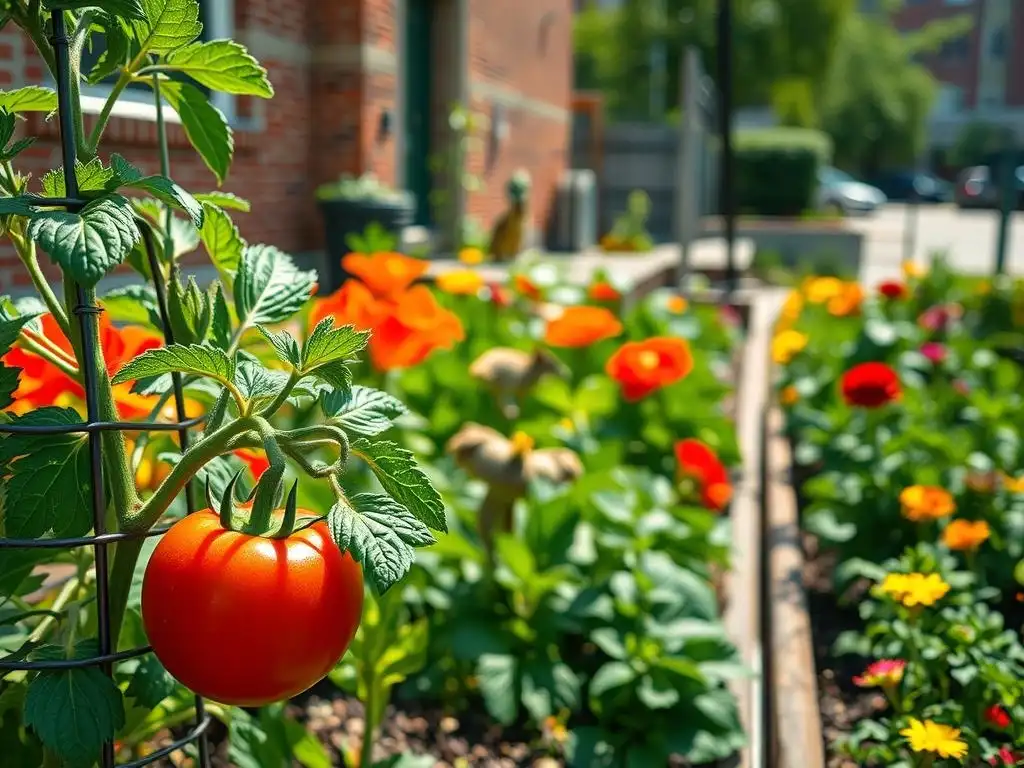
Urban gardening presents unique challenges, and managing unwanted wildlife is a significant one. Effective urban garden pest control requires a multi-pronged approach, focusing on prevention as the first line of defense. This section details strategies to minimize the appeal of your garden to common urban pests, thus reducing the need for more intensive interventions later. Remember, proactive measures are key to a thriving and pest-free urban oasis.
Creating a Less Attractive Environment for Pests: Removing Food Sources and Shelter
Many urban animals are attracted to gardens because of readily available food and shelter. By carefully managing these aspects, you significantly reduce their incentive to visit. This is a crucial element of effective urban garden pest control.
First, eliminate readily accessible food sources. This means regularly harvesting ripe fruits and vegetables, promptly cleaning up fallen produce, and avoiding over-watering, which can attract slugs and snails. Leaving pet food outdoors overnight also becomes an unintentional buffet for raccoons and other animals. Consider storing compost in sealed containers to prevent scavenging. A clean garden is a less appealing garden.
Second, reduce shelter opportunities. Many animals seek refuge in overgrown areas, under loose debris, or within gaps in fences or walls. Regular pruning and weeding removes hiding places. Keeping your garden neatly organized, with no piles of leaves or wood, significantly diminishes potential shelter. Secure any gaps or holes in fences, as these can serve as entry points for rodents and other unwanted guests. Properly storing garden tools and equipment also prevents them from becoming nesting spots.
Physical Barriers and Repellents to Deter Urban Wildlife
While removing attractants is paramount, physical barriers and repellents can further enhance your urban garden pest control strategy. These methods provide an additional layer of protection, deterring pests from entering your garden in the first place.
- Fencing: Installing chicken wire or other suitable fencing around vulnerable plants can prevent access by larger animals like rabbits and squirrels. Consider burying the wire a few inches deep to prevent digging.
- Netting: Netting is effective for protecting fruits and vegetables from birds and smaller animals. Ensure the netting is securely fastened to prevent animals from getting tangled or trapped.
- Motion-activated sprinklers: These devices startle and deter animals with a sudden burst of water when triggered by movement. They are particularly effective against deer and raccoons.
- Repellents: A range of commercially available repellents can deter specific animals. These often utilize scents or tastes that animals find unpleasant. Always follow the instructions carefully and choose repellents specifically designed for the target pest. Remember, many repellents are organic and environmentally friendly. For example, using strong-smelling herbs like rosemary or lavender can naturally deter some insects.
- Ultrasonic devices: These devices emit high-frequency sounds that are unpleasant to certain animals, driving them away. Their effectiveness can vary depending on the animal and the environment.
Choosing Pest-Resistant Plants for Your Urban Garden
Proactive urban garden pest control also includes selecting plants that are naturally resistant to common pests. This minimizes the need for pesticides and other interventions. Choosing the right plants is a crucial step in creating a healthy and thriving urban garden.
Consider researching varieties known for their resilience against specific pests prevalent in your area. For example, some tomato varieties are more resistant to blight than others. Similarly, certain herbs like basil and mint are naturally pest-repelling. This approach, combined with other preventative measures, creates a robust defense against unwanted visitors.
Remember that even pest-resistant plants can be susceptible under certain conditions. Maintaining good garden hygiene, proper watering, and adequate sunlight will still be necessary. Planning your garden with pest resistance in mind, however, significantly reduces the likelihood of encountering major pest problems. This strategic selection is a key component of long-term urban garden pest control.
Humanely Managing Urban Wildlife
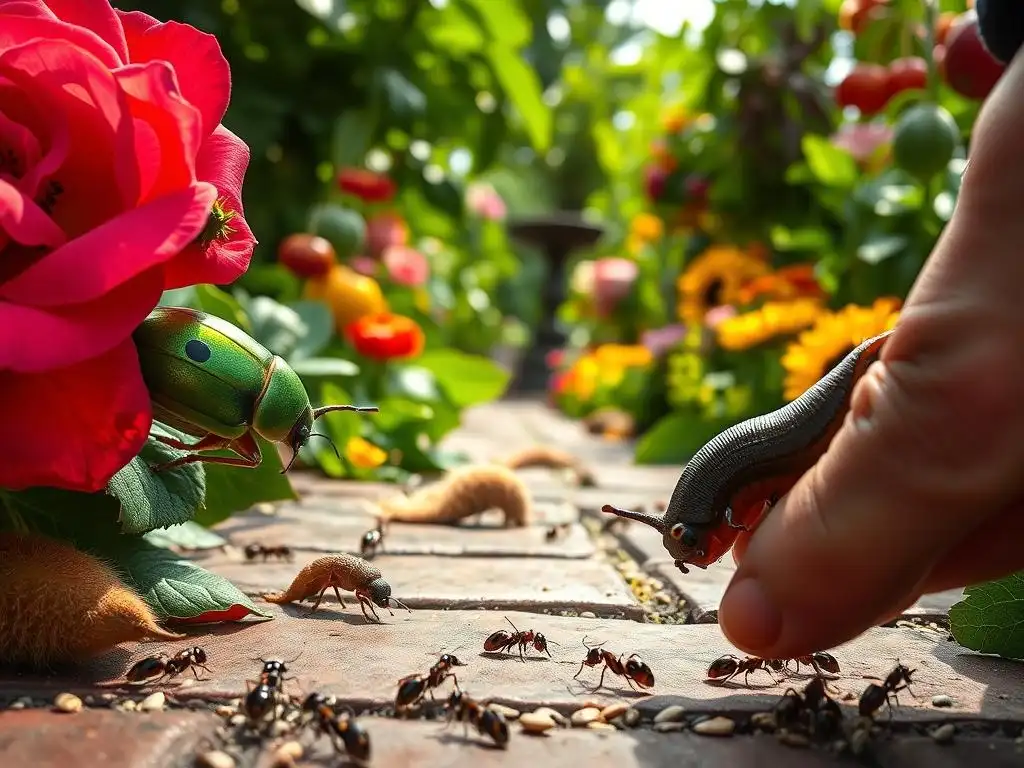
Urban gardening presents unique challenges, and dealing with wildlife is a significant one. While some animals can be beneficial to your garden ecosystem (like ladybugs preying on aphids), others can cause significant damage to your plants and even pose risks to your safety. Effective urban garden pest control requires a humane and sustainable approach, prioritizing the well-being of animals while protecting your crops. This section focuses on ethical and safe methods for managing unwanted wildlife visitors in your urban garden.
Dealing with Nuisance Animals Ethically and Safely
The first step in dealing with nuisance animals is identification. Knowing what animal is causing the problem allows for a targeted and effective solution. For example, squirrels might be digging up seeds, rabbits nibbling on young plants, or birds feasting on ripening fruits. Simply scaring them away might suffice in some cases. Consider using noise deterrents like motion-activated sprinklers or reflective tape. These methods startle animals without causing them harm.
However, more persistent problems require more robust solutions. Instead of lethal traps, consider using humane traps to relocate animals to a more suitable habitat. Always check local regulations before using any traps, as some may be restricted. Furthermore, ensure the traps are checked regularly and animals are relocated quickly and humanely to avoid stress and injury. Remember, the goal is to manage the animal population, not eliminate it.
| Animal | Common Damage | Humane Deterrents | More Intensive Methods (If Necessary) |
|---|---|---|---|
| Squirrels | Digging, seed theft, gnawing on branches | Motion-activated sprinklers, reflective tape | Humane traps and relocation to a park or wooded area |
| Rabbits | Nibbling on plants, damaging roots | Repellent sprays (pet-safe! ), fencing | Humane traps and relocation |
| Birds | Eating fruits and vegetables | Bird netting, scarecrows | Adjust planting times or use protective coverings |
| Raccoons | Trash raiding, digging | Secure trash cans, remove attractants | Contact animal control for removal |
| Cats | Predation on small animals, soil disturbance | Deterrents (citrus peels, etc. ), fencing | Contact animal control if persistently problematic |
Remember to always prioritize safety and avoid direct confrontation with wild animals. Observe them from a distance and never attempt to handle them without proper training and equipment. If you feel unsafe or are dealing with a particularly aggressive animal, contact your local animal control or wildlife management agency.
Relocating Animals: When and How
Relocating animals should be a last resort, used only when other methods have failed and the animal poses a significant threat to your garden or your safety. Improper relocation can harm the animal and disrupt the local ecosystem. Therefore, it's crucial to understand the implications and follow best practices.
Before attempting relocation, identify the species and confirm that it is permissible in your area. Some species may be protected, and relocating them could have legal consequences. Next, select a suitable release site—ideally a location with similar habitat and a sufficient food source, far away from your garden. It's often best to consult with a wildlife rehabilitation center or other experts to find the most appropriate location.
The method of relocation depends on the animal. For small animals like squirrels or rabbits, humane traps are commonly used. Once captured, handle the animal gently and quickly transport it to the designated release site. Larger animals, like raccoons, may require the assistance of professionals. Always ensure that the animal is released safely and has a reasonable chance of survival in its new environment. Improper handling can stress or injure the animal, potentially leading to its death.
Working with Local Wildlife Organizations for Support
Dealing with wildlife effectively often requires collaboration. Local wildlife organizations, animal control services, and wildlife rehabilitation centers can offer valuable expertise and support. These organizations can identify the species, advise on appropriate management strategies, and even assist with relocation.
They often have extensive knowledge of local wildlife populations and can provide guidance on long-term solutions. They might be able to offer advice on habitat modification to deter certain animals or suggest ways to make your garden less attractive to unwanted visitors. Connecting with these resources can significantly improve your success in managing wildlife in a humane and effective manner.
Don't hesitate to reach out for help—it's a sign of responsible and sustainable gardening practices. Moreover, these organizations often have educational programs that can help you understand the behaviors and needs of local wildlife, fostering a greater appreciation for the urban ecosystem.
Maintaining a Healthy and Thriving Urban Garden Despite Wildlife
This section focuses on practical strategies for protecting your urban garden from unwanted wildlife while maintaining a healthy and thriving ecosystem. Urban gardening presents unique challenges due to the proximity of various animals seeking food and shelter. Successfully navigating these challenges requires a multifaceted approach encompassing proactive monitoring, adaptive gardening practices, and long-term preventative measures. Remember, the goal isn't to eliminate all wildlife, but to manage their impact on your crops effectively.
Monitoring Your Garden for Pests and Signs of Damage
Regular and diligent monitoring is the cornerstone of effective urban garden pest control. Early detection allows for swift intervention, minimizing potential damage. This involves daily or at least every-other-day inspections, paying close attention to several key areas:
- Visual Inspection: Look for obvious signs of animal activity such as droppings (size and shape can indicate the culprit), gnawed stems or leaves, holes in fruits or vegetables, disturbed soil, and trails. Take photos to document the damage and help identify the pest.
- Trap Setting (Non-lethal): Consider using non-lethal traps such as bucket traps for slugs and snails or humane traps for small rodents. These provide valuable information about the types and numbers of pests present. Remember to check traps regularly and release captured animals far from your garden.
- Plant Health Assessment: Monitor the overall health of your plants. Wilting, discoloration, or stunted growth can be indicators of pest activity, even before visible damage appears. Compare your plants to healthy specimens to spot subtle signs of trouble.
For example, a sudden increase in small, round holes in your lettuce leaves might suggest slugs or snails, while larger, irregular gnawing on stems could indicate rodents. Keep a detailed garden journal noting observations, dates, and the specific plants affected to track pest activity and the effectiveness of your control measures. This data is invaluable for future planning and adapting your strategies.
Adapting Your Gardening Practices to Minimize Pest Problems
Modifying your gardening techniques can significantly reduce the attractiveness of your garden to unwanted wildlife. Here are some proven methods:
- Protective Barriers: Employ physical barriers such as netting to protect vulnerable plants from birds and other aerial pests. Hardware cloth can deter burrowing animals like gophers and moles. Consider raised beds to create a physical barrier against ground-dwelling pests.
- Companion Planting: Strategic planting of certain species can naturally deter pests. For instance, strong-smelling herbs like basil, rosemary, and mint can repel some insects. Marigolds are known for their pest-repelling properties. Research companion planting combinations suited to your specific urban garden and pest concerns.
- Organic Pest Control: Utilize organic methods such as insecticidal soaps, neem oil, or diatomaceous earth to control insect pests. Always follow label instructions carefully and consider the potential impact on beneficial insects. Remember to prioritize less toxic options whenever possible.
Long-Term Strategies for Urban Garden Pest Control and Prevention
Sustainable urban garden pest control requires a long-term perspective that integrates prevention and proactive management. Here are some key strategies:
| Strategy | Description | Benefits |
|---|---|---|
| Habitat Modification | Reduce areas that provide shelter for pests. Keep your garden tidy, remove debris, and avoid overwatering. | Decreases pest populations and reduces the likelihood of infestations. |
| Crop Rotation | Rotate your crops annually to disrupt pest life cycles. Avoid planting the same species in the same location year after year. | Prevents build-up of specific pests adapted to particular plants. |
| Natural Predators | Encourage beneficial insects and other predators (ladybugs, praying mantises) by providing habitat and avoiding broad-spectrum pesticides. | Creates a natural balance in your garden, reducing reliance on chemical controls. |
| Regular Garden Clean-up | Regularly remove fallen leaves, weeds, and decaying plant matter to eliminate potential breeding grounds for pests. | Reduces the overall pest population and prevents the spread of diseases. |
By implementing these strategies, you can effectively manage urban wildlife challenges and create a thriving and productive urban garden, minimizing the need for harsh chemical interventions while fostering a healthy ecosystem. Remember that patience and observation are key to long-term success in urban gardening pest control. 🎉
Frequently Asked Questions
What are some common pests found in urban gardens?
Urban gardens are susceptible to a variety of pests, including aphids, slugs, snails, whiteflies, and various rodents. The specific pests will depend on your location and the plants you're growing.
How can I organically control pests in my urban garden?
Natural pest control methods are crucial. Consider using beneficial insects like ladybugs, introducing companion plants, employing diatomaceous earth, and practicing crop rotation. Avoid harmful chemicals.
What are some effective ways to deter rodents from my urban garden?
To deter rodents, keep your garden clean and tidy, removing any fallen fruit or debris. Use physical barriers like chicken wire or mesh, and consider humane trapping methods rather than poisons.
Is composting safe for urban gardens, considering pest control?
Composting is generally safe and beneficial, but monitor your compost pile for pests. Ensure it's properly managed to avoid attracting unwanted insects or rodents. Turning the compost regularly helps prevent pest build-up.
How do I identify the specific pest affecting my plants before treating them?
Accurate identification is key! Use online resources or consult with local gardening experts to correctly identify the pest. This will allow you to choose the most effective and targeted organic control method.
Final Reflection: Coexisting with Nature in the Concrete Jungle
The delicate balance between human habitation and wildlife in urban environments is a growing concern, demanding innovative and compassionate solutions. Our cities are expanding, encroaching on natural habitats, and creating unavoidable conflicts with the creatures who share our spaces. This necessitates a shift in our perspective, moving away from eradication towards coexistence.
The impact of urban sprawl on wildlife is profound, forcing animals to adapt to increasingly fragmented and challenging environments. We've explored practical, humane methods of deterring unwanted guests from our gardens, but the underlying issue is far larger than simply protecting our tomatoes. The land ethic simply enlarges the boundaries of the community to include soils, waters, plants, and animals, or collectively: the land.
– Aldo Leopold. This quote highlights the interconnectedness of all living things, a truth often overlooked in our concrete jungles. Understanding this interconnectedness is crucial to fostering a more sustainable and harmonious relationship with the wildlife that shares our urban spaces.
Consider the choices you make in your own garden. Will you choose to repel wildlife with harsh chemicals, potentially harming both the animals and the environment? Or will you embrace a more holistic approach, creating a garden that welcomes beneficial insects and provides safe havens for birds, while simultaneously protecting your plants through natural deterrents and careful planning? The future of urban wildlife, and indeed our own well-being, depends on our collective commitment to finding a balance. Let's cultivate a future where our gardens are vibrant ecosystems, thriving with both human ingenuity and the beauty of the natural world.
Reclaim Your Garden: Outsmarting Urban Wildlife!
Thank you for learning about managing urban wildlife in your garden! We hope you've gained valuable insights to protect your plants and enjoy a peaceful outdoor space. Now, let's put that knowledge into practice.
- Develop a personalized wildlife deterrent strategy: Consider the specific animals causing problems and create a plan using the techniques discussed—from natural repellents to physical barriers. A multi-pronged approach is often the most effective!
- Share your experiences with our community: Join the conversation in the comments below! Let's learn from each other.
- Try something new this week: Experiment with a repellent or barrier method you haven't tried before. Even small changes can make a big difference.
What innovative, wildlife-friendly solution will you implement in your garden this week?