
Vertical Gardening 101: Growing Up, Not Out, in Limited Urban Spaces

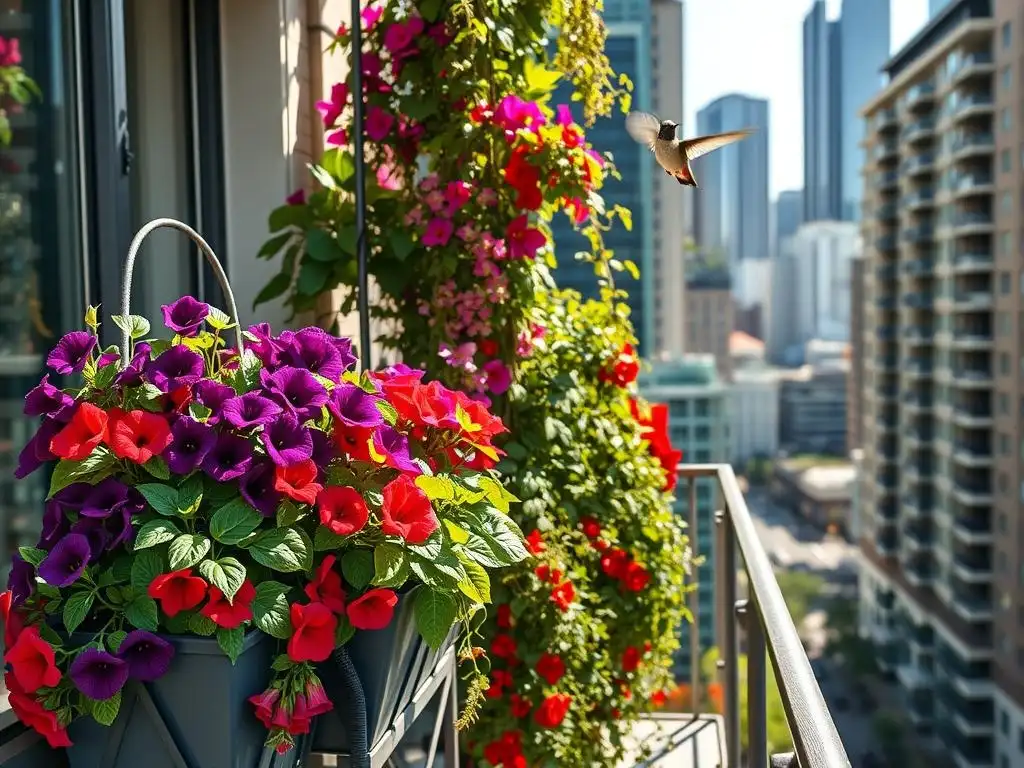
Welcome to CultivateYourFood, your guide to a greener, more flavorful life! Are you dreaming of fresh, homegrown produce but short on space? Then discover the exciting world of vertical gardening in urban spaces. Learn how to transform even the smallest balcony or rooftop into a thriving oasis, brimming with fruits, vegetables, and herbs, all while embracing sustainable and organic practices. Let's unlock the secrets to a bountiful harvest, no matter how limited your square footage. Dive into our comprehensive guide and begin your urban farming adventure today!
- Understanding Vertical Gardening for Urban Spaces
- Planning Your Vertical Garden
- Setting Up Your Vertical Garden System
- Maintaining Your Vertical Garden
- Harvesting Your Vertical Garden Bounty
- Troubleshooting Common Vertical Gardening Challenges
- Expanding Your Vertical Garden
-
Frequently Asked Questions
- What is vertical gardening, and why is it ideal for urban spaces?
- What are some examples of vertical gardening structures I can use?
- What types of plants are best suited for vertical gardening?
- How do I ensure proper watering and drainage in a vertical garden?
- What are the benefits of vertical gardening beyond space saving?
- Final Reflection: Reaching New Heights in Urban Greenery
- Unleash Your Urban Oasis: Start Growing Today!
Understanding Vertical Gardening for Urban Spaces
Vertical gardening is a revolutionary approach to urban farming, maximizing yield in limited spaces. It's the perfect solution for apartment dwellers, balcony gardeners, and anyone with a small yard who dreams of fresh, homegrown produce. This guide will equip you with the knowledge and tools needed to successfully cultivate fruits, vegetables, and herbs vertically, even in the most compact urban environments.
We'll explore various techniques, considerations for space and sunlight, and practical tips for achieving a thriving vertical garden, contributing to a more sustainable and fulfilling urban lifestyle. This article focuses specifically on optimizing vertical gardening in urban spaces, tackling the unique challenges and opportunities presented by limited outdoor areas. We'll cover everything from selecting the right method for your space to harvesting your delicious, homegrown bounty.
What is Vertical Gardening and its Benefits?
Vertical gardening, simply put, is the practice of growing plants upwards instead of outwards. This innovative technique uses vertical structures like walls, trellises, and hanging planters to cultivate plants in a space-saving manner. Instead of sprawling across a wide area, your plants grow vertically, maximizing your yield per square foot. This is particularly beneficial in urban settings where space is often at a premium.
The benefits extend beyond space saving. Vertical gardening offers several advantages:
- Increased yield: You can grow significantly more plants in a smaller area compared to traditional gardening methods.
- Improved air circulation: This reduces the risk of fungal diseases and pest infestations.
- Better sunlight exposure: Plants receive more direct sunlight, leading to healthier growth and higher yields, particularly important in shaded urban environments.
- Enhanced aesthetics: Vertical gardens can add a touch of beauty and vibrancy to your urban space, transforming a balcony or patio into a lush oasis.
- Reduced soil erosion: The vertical structure helps prevent soil erosion, which is especially important in containers.
- Water conservation: Vertical gardens can often be more efficient with water usage due to better drainage and reduced evaporation.
Choosing the Right Vertical Gardening Method for Your Space
Selecting the appropriate vertical gardening method is crucial for success. The best choice depends on your available space, the type of plants you want to grow, and your personal preferences. Here are some popular options:
- Living walls: These are systems where plants are grown in vertical panels or modules attached to a wall. They can range from simple DIY projects to sophisticated, professionally installed systems.
- Trellises: These provide support for climbing plants like tomatoes, cucumbers, and beans. Trellises come in various materials and designs, offering flexibility for different spaces.
- Hanging baskets: These are ideal for smaller spaces and trailing plants like strawberries and herbs. They offer a beautiful cascading effect.
- Vertical planters: These are freestanding structures with multiple levels or shelves for growing plants. They are versatile and can be placed almost anywhere.
- Stackable planters: These utilize vertical space by stacking individual containers on top of each other, maximizing the number of plants you can grow in a small footprint.
Choosing the right method requires careful consideration of factors such as plant type, available sunlight, and the overall aesthetic you want to achieve. For example, a living wall might be ideal for a large, sunny wall, while hanging baskets are perfect for smaller balconies or patios.
Assessing Your Urban Space for Vertical Gardening: Sunlight, Space, and Accessibility
Before you begin, a thorough assessment of your urban space is essential. Consider these key factors:
- Sunlight: Most plants require at least 6 hours of sunlight per day. Observe your space throughout the day to determine the amount of sunlight it receives. Note the direction of the sun and any shading from buildings or trees. Consider which plants thrive in partial shade if full sun isn't available.
- Space: Measure the available space carefully. Determine the dimensions of your wall, balcony, or patio. Consider the size and shape of the vertical gardening system you intend to use, ensuring it fits comfortably within your space without overcrowding.
- Accessibility: Think about how easily you will be able to access your plants for watering, fertilizing, and harvesting. Choose a location and system that allows for convenient access. Consider the height of the system; will you need a ladder or stool to reach the top? Accessibility is key for maintaining a healthy and productive vertical garden. Consider factors like proximity to a water source and ease of transporting tools and supplies.
By carefully considering these factors, you can create a thriving vertical garden that suits your urban space and gardening style. Remember that careful planning is key to success in vertical gardening, especially within the constraints of an urban environment.
Planning Your Vertical Garden
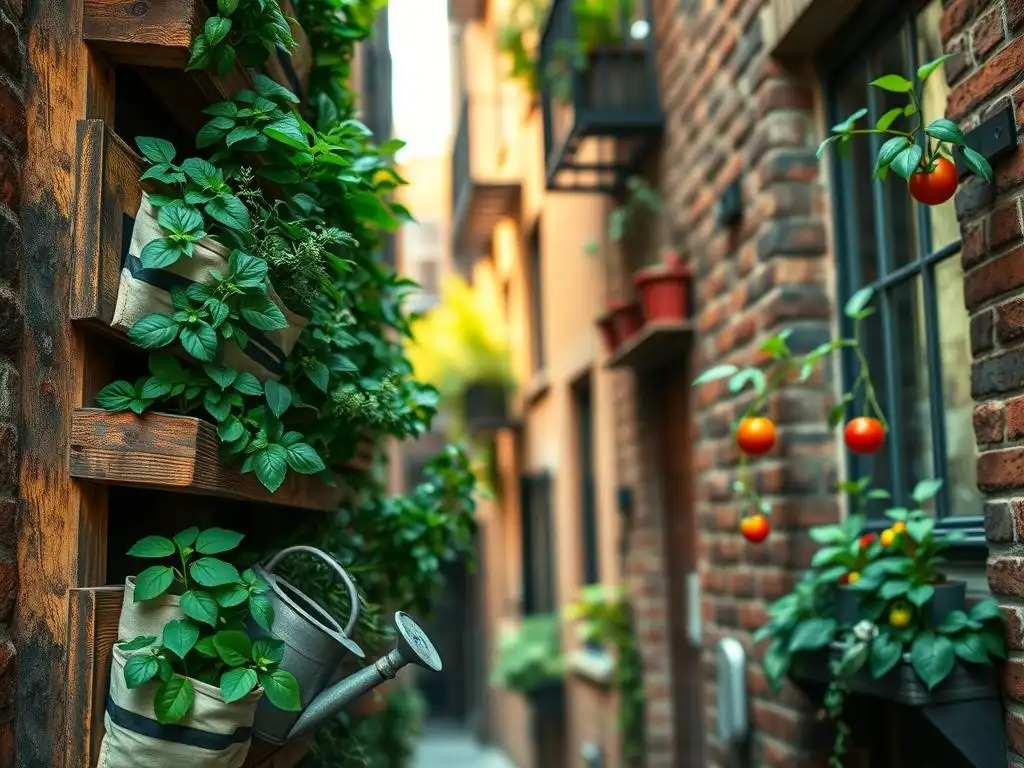
This section delves into the crucial initial steps of establishing a thriving vertical garden in your urban space. Careful planning is key to maximizing yield and minimizing frustration. We'll explore plant selection, essential tools, and efficient layout design, all tailored to the constraints and opportunities presented by vertical gardening in urban environments. Remember, successful vertical gardening hinges on thoughtful preparation.
Selecting the Right Plants for Vertical Gardening in Urban Environments
Choosing the right plants is paramount for a successful vertical garden. Not all plants are suited to vertical growth. Consider these factors when making your selections:
- Growth Habit: Opt for vining plants like cucumbers, tomatoes (certain varieties), beans, and peas, which naturally climb and trail. Compact varieties of fruiting plants are also excellent choices, minimizing the need for extensive support structures.
- Sunlight Requirements: Assess the amount of sunlight your chosen location receives. Many vertical gardens are situated on balconies or patios, where sun exposure can vary significantly throughout the day. Choose plants that thrive in the specific light conditions available. For example, sun-loving herbs like basil and oregano need at least 6 hours of direct sunlight, while leafy greens like lettuce can tolerate partial shade.
- Space Constraints: Consider the vertical space available. Fast-growing plants might need more frequent pruning or support adjustments to prevent overcrowding. Compact varieties are generally preferred to maximize yield within the limited space.
- Plant Hardiness: Urban environments can experience temperature fluctuations. Select plants that can tolerate the temperature ranges typical of your location and season. Hardy varieties are less susceptible to stress from sudden temperature changes.
Here's a sample plant list suitable for vertical gardening in urban spaces:
| Plant Type | Variety Suggestions | Sunlight Requirements | Space Requirements |
|---|---|---|---|
| Vining Vegetables | Cucumbers, Beans (bush or pole), Peas | Full Sun | Medium to High |
| Trailing Herbs | Strawberries, Mint, Thyme | Full Sun to Partial Shade | Medium |
| Compact Vegetables | Cherry Tomatoes, Peppers, Lettuce | Full Sun to Partial Shade | Low to Medium |
Remember to research specific plant varieties within these categories to find those best suited to your microclimate and preferences. Consult local gardening resources for recommendations on varieties that thrive in your area.
Essential Tools and Materials for Vertical Gardening Success
The right tools and materials are crucial for building and maintaining a successful vertical garden. These essentials will make the process smoother and more efficient:
- Vertical Gardening Structure: This could range from simple DIY trellises to more complex wall-mounted systems. The choice depends on your budget, available space, and aesthetic preferences.
- Planting Containers: Select containers appropriate for your chosen plants and the structure. Consider self-watering containers for easier maintenance.
- Soil: Use high-quality potting mix specifically designed for containers. This ensures proper drainage and aeration, essential for healthy plant growth.
- Support System: For vining plants, you'll need a support system, such as netting, stakes, or trellises. Ensure the support is sturdy enough to handle the weight of the plants as they grow.
- Watering Can/Hose: Efficient watering is vital, especially in vertical gardens. A watering can with a rose attachment or a low-pressure hose is ideal.
- Gardening Gloves: Protect your hands while working with soil and plants.
- Pruning Shears: Essential for trimming and maintaining the shape and size of your plants.
- Fertilizer: Regular fertilization is crucial to provide the necessary nutrients for optimal growth, especially in containers. Choose an organic, balanced fertilizer suitable for your chosen plants.
Investing in quality tools and materials upfront will save you time and effort in the long run and contribute significantly to the success of your vertical garden.
Designing Your Vertical Garden Layout: Maximizing Space and Aesthetics
Efficient space utilization is paramount in vertical gardening within urban environments. Careful planning of your layout is crucial for maximizing yield and aesthetic appeal. Consider these factors:
- Sunlight Exposure: Map the sunlight patterns in your chosen location throughout the day. Place sun-loving plants in areas receiving the most direct sunlight, while shade-tolerant plants can occupy less sunny spots.
- Plant Height and Spread: Arrange plants considering their mature height and spread. Taller plants should be placed at the back or higher levels to avoid shading smaller plants.
- Accessibility: Design the layout for easy access to all plants for watering, fertilizing, and harvesting.
- Aesthetics: Consider the overall visual appeal of your vertical garden. Mix different plant heights, colors, and textures to create an attractive and visually engaging display.
- Spacing: Avoid overcrowding. Allow sufficient space between plants for proper air circulation and to prevent competition for resources.
Creating a detailed plan before you begin planting will ensure a well-organized and aesthetically pleasing vertical garden that maximizes both yield and visual impact. Sketching out your layout on paper or using a digital gardening planner can be beneficial. Remember to account for the growth habits of each plant to prevent overcrowding and ensure optimal light access for all plants. This planning stage is crucial for realizing a flourishing and visually appealing vertical garden in your urban space.
Setting Up Your Vertical Garden System
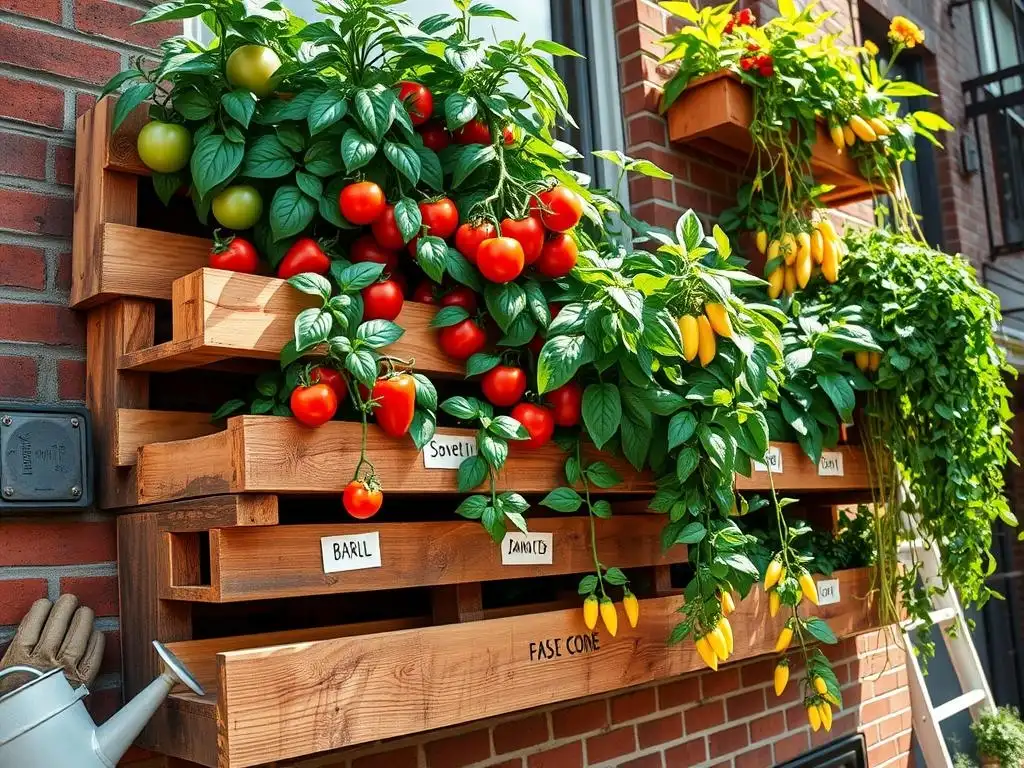
This section delves into the practical aspects of establishing a thriving vertical garden in your urban space. Successful vertical gardening hinges on careful consideration of several key factors, impacting both the yield and the longevity of your plants. We'll explore these crucial elements to ensure your urban farming venture flourishes. Optimizing your vertical gardening setup in urban spaces requires a strategic approach, maximizing space and minimizing resource consumption.
Building a DIY Vertical Garden: Step-by-Step Guide
Building your own vertical garden offers unparalleled customization and cost savings. Let's walk through a simple, effective method using readily available materials:
- Material Selection: Choose durable, weather-resistant materials. Recycled pallets are a popular, eco-friendly choice. Alternatively, consider using PVC pipes, sturdy wooden planks, or even repurposed plastic bottles. Ensure your chosen materials are appropriately sized for your plants' mature dimensions.
- Structure Design: Sketch a plan. Consider the overall dimensions of your garden, the number of plants you intend to grow, and the spacing required for optimal sunlight and air circulation. A simple tiered design or a vertical ladder configuration are excellent starting points. Remember to account for drainage.
- Construction: Carefully assemble your chosen materials, paying close attention to stability and structural integrity. Pre-drill holes to prevent wood splitting if using wood. Securely attach components using appropriate fasteners (screws, bolts, etc.). Ensure the structure is robust enough to support the weight of the soil and plants, especially when fully grown and potentially waterlogged.
- Planting Medium: Select a lightweight, well-draining potting mix. Avoid heavy clay-based soils, which can become waterlogged in vertical systems. Consider adding perlite or vermiculite to improve drainage and aeration. This is crucial for healthy root development in your vertical gardening urban spaces setup.
- Planting: Carefully plant your seedlings or seeds, ensuring adequate spacing between plants to prevent overcrowding. Use plant supports as needed, especially for vining plants. Regularly check for signs of stress, such as wilting or yellowing leaves, which could indicate insufficient water or nutrient levels.
Using Existing Structures for Vertical Gardening: Walls, Fences, and Trellises
Transforming existing structures into vertical gardens is a clever way to maximize space and minimize construction. Here's how to repurpose various features commonly found in urban environments:
- Walls: Utilize hanging planters, wall-mounted pockets, or even create a living wall using specialized systems. Consider the wall's material and its ability to support the weight of the plants and the watering system. Ensure proper drainage to prevent water damage.
- Fences: Train climbing plants like beans, cucumbers, or peas along fences using trellises or netting. This adds both beauty and productivity to your urban space. Select plants appropriate for the sunlight exposure your fence receives.
- Trellises: Trellises provide excellent support for climbing plants and can be easily integrated into existing garden layouts or created independently. Use sturdy materials and ensure the trellis is securely anchored to withstand the weight of the plants. Consider the height and width of your trellis in relation to the plant’s growth habit.
Assembling Pre-made Vertical Gardening Systems: A Comparative Overview
Pre-made vertical gardening systems offer convenience and often come with innovative features. However, a comparative analysis is crucial to select the system best suited to your needs and resources. Consider these key factors:
| Feature | System A (e.g., Fabric Pots) | System B (e.g., Modular Planters) | System C (e.g., Wall-Mounted System) |
|---|---|---|---|
| Material | Fabric, recycled plastic | Plastic, metal | Metal, wood |
| Capacity | Medium | High | High |
| Assembly | Easy | Moderate | Moderate |
| Cost | Low | Medium | High |
| Drainage | Excellent | Good | Good |
| Maintenance | Low | Moderate | Moderate |
| Suitability for Urban Spaces | Excellent | Excellent | Excellent |
Choosing the right pre-made system depends on your budget, available space, and gardening experience. Carefully evaluate each system's features before purchasing. Remember, effective vertical gardening in urban spaces requires a thoughtful approach, whether you build your own system or opt for a pre-made solution. Prioritize functionality, durability, and ease of maintenance.
Maintaining Your Vertical Garden
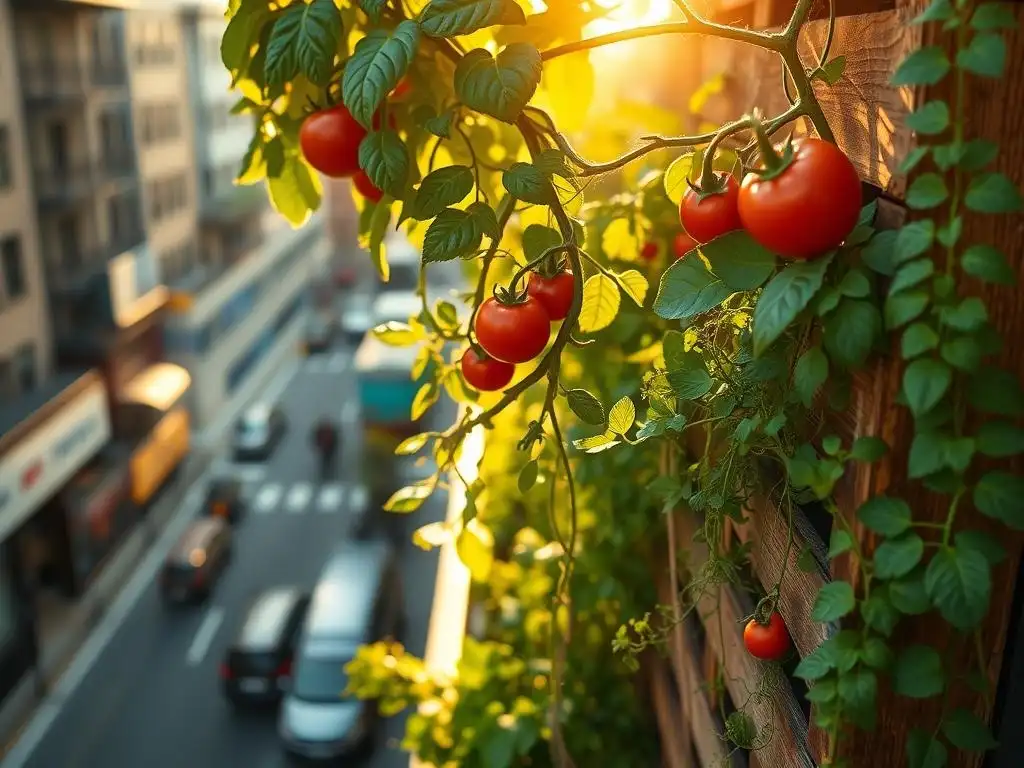
Vertical gardening, while offering a fantastic solution for urban spaces, demands a slightly different approach to maintenance compared to traditional gardening. Success hinges on consistent attention to detail, particularly regarding watering, fertilization, and pest control. Neglect in any of these areas can quickly compromise the health and yield of your vertical garden. This section will delve into the specific needs of your thriving vertical oasis.
Watering Techniques for Vertical Gardens: Preventing Overwatering and Underwatering
Efficient watering is paramount in vertical gardening. Unlike in-ground planting, the root systems in vertical setups have limited access to moisture and are more susceptible to both overwatering and underwatering. Overwatering leads to root rot, a common problem in densely planted vertical systems, while underwatering results in stunted growth and reduced yields.
The key is to find a balance. Several factors influence watering frequency:
- Plant Type: Different plants have varying water requirements. Leafy greens generally need more frequent watering than herbs or tomatoes.
- Container Material: Terracotta pots dry out faster than plastic or fabric pots.
- Climate: Hot, dry climates necessitate more frequent watering.
- Season: Watering needs increase during warmer months.
Effective watering techniques include:
- Deep Watering: Instead of frequent shallow watering, water deeply but less often, allowing the water to reach the roots thoroughly. This encourages deeper root growth.
- Drip Irrigation: This method delivers water directly to the plant's roots, minimizing water waste and preventing leaf diseases. It's particularly beneficial for vertical gardens due to its efficiency and precision.
- Water Meter: Using a soil moisture meter can help you determine when your plants need watering, preventing both overwatering and underwatering.
- Observing the Plants: Learn to recognize the signs of underwatering (wilting leaves, dry soil) and overwatering (yellowing leaves, soggy soil).
Consider this example: A vertical garden containing basil, lettuce, and strawberries in plastic pots during a hot summer will require daily watering, perhaps even twice daily, using a drip irrigation system. In contrast, the same garden in autumn might only require watering every other day or even less frequently.
Essential Nutrients and Fertilizers for Vertical Gardening
Vertical gardens, due to their limited soil volume, require regular fertilization to ensure optimal plant growth and yield. The restricted space means nutrients are depleted more quickly than in larger garden beds. Choosing the right fertilizer and application method is crucial for the success of your vertical garden.
Several fertilizer options are suitable for vertical gardening:
- Liquid Fertilizers: These are easily diluted and applied directly to the soil or through a drip irrigation system. They provide readily available nutrients. Look for balanced formulations (e.g., NPK ratios of 10-10-10 or similar).
- Slow-Release Fertilizers: These granules release nutrients gradually over time, reducing the frequency of application. They're an excellent choice for busy gardeners.
- Compost Tea: A natural and sustainable option, compost tea provides a rich source of nutrients and beneficial microbes. It's ideal for organic vertical gardening.
Remember to always follow the fertilizer instructions carefully, avoiding over-fertilization, which can damage plant roots and contaminate the environment. For example, applying too much nitrogen can lead to lush foliage but reduced fruit production. Observe your plants; if they show signs of nutrient deficiency (e.g., yellowing leaves), adjust your fertilization strategy accordingly. A soil test can provide valuable insights into the nutrient levels in your growing medium. Always prioritize organic fertilizers to maintain the integrity of your sustainable gardening practices.
Pest and Disease Control in Vertical Gardens: Organic Solutions
Vertical gardens are not immune to pests and diseases. The close proximity of plants can exacerbate the spread of problems. Proactive pest and disease management is essential. Prioritizing organic solutions protects your plants, the environment, and your health.
Here are some effective organic pest and disease control methods for vertical gardens:
- Beneficial Insects: Introduce beneficial insects like ladybugs or lacewings to control aphids and other pests.
- Neem Oil: A natural insecticide effective against many common garden pests.
- Insecticidal Soap: A safe and effective option for controlling soft-bodied insects.
- Companion Planting: Planting certain plants together can deter pests. For example, basil is known to repel many insects.
- Regular Inspection: Regularly inspect your plants for signs of pests or diseases. Early detection is key to effective control.
- Proper Sanitation: Remove diseased leaves or plants promptly to prevent the spread of disease. Keep the area around your vertical garden clean and free of debris.
Remember, prevention is key. Maintaining a healthy and balanced garden environment through proper watering, fertilization, and overall care will significantly reduce the likelihood of pest and disease problems. Choose disease-resistant plant varieties whenever possible. Use organic methods to prevent and control issues, protecting both your plants and the environment. Employing a proactive approach to pest and disease management is crucial for the long-term health and productivity of your vertical garden.
Harvesting Your Vertical Garden Bounty
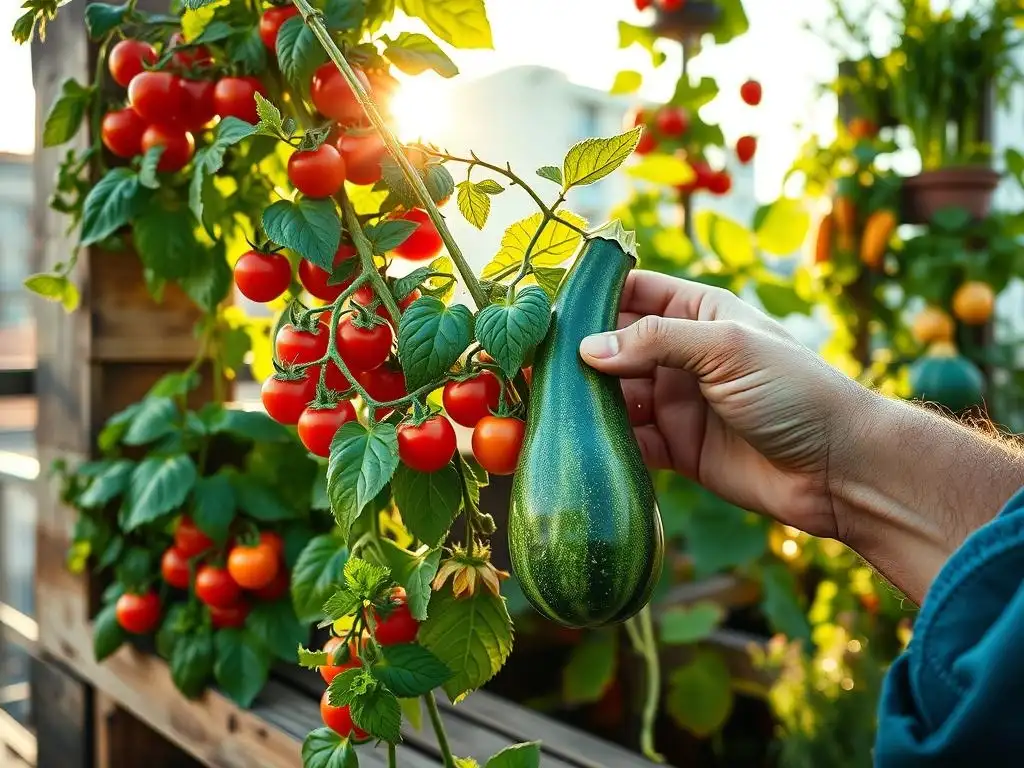
Vertical gardening, while offering space-saving solutions for urban dwellers, presents unique harvesting challenges compared to traditional gardening. Successfully harvesting your vertical garden requires careful observation, the right techniques, and smart preservation methods. This section will equip you with the knowledge to maximize your yield and enjoy the fruits (and vegetables!) of your labor. Optimizing your harvest is key to experiencing the full benefits of vertical gardening in urban spaces.
Knowing When to Harvest: A Guide to Recognizing Ripeness
Knowing precisely when to harvest is crucial for maximizing flavor and nutritional value. Overripe produce can become mushy and lose its taste, while underripe produce lacks flavor and may be tough. Here's a guide to recognizing ripeness in common vertical garden plants:
- Tomatoes: Look for deep color (red, yellow, orange, etc., depending on the variety), a slight give when gently squeezed, and a fragrant aroma. Avoid harvesting green tomatoes unless you plan to use them for pickling or frying.
- Strawberries: Fully ripe strawberries will be deep red, plump, and fragrant. They should pull easily from the plant.
- Herbs (e.g., basil, mint, parsley): Harvest herbs just before they flower for the most intense flavor. Pinch or cut stems, leaving some leaves behind to encourage further growth.
- Leafy Greens (e.g., lettuce, spinach): Harvest outer leaves first, leaving the inner leaves to continue growing. Harvest when the leaves are mature but still tender.
- Peppers: Peppers are ready for harvest when they reach their full size and characteristic color (green, red, yellow, orange, etc. ).
Remember that the optimal harvest time can vary depending on the specific variety of plant and growing conditions. Regularly inspect your plants and harvest accordingly. Pay close attention to the subtle cues each plant provides indicating ripeness. This attention to detail is key to successful vertical gardening.
Harvesting Techniques for Different Vertical Garden Plants
The method of harvesting differs depending on the plant type. Using the incorrect technique can damage the plant, reducing future yields. Here are some best practices:
| Plant Type | Harvesting Technique | Considerations |
|---|---|---|
| Tomatoes | Gently twist the tomato from the vine. | Use sharp pruning shears if the stem is tough. |
| Strawberries | Gently pull the ripe berry from the plant. | Avoid pulling on the green calyx (the leafy part) to prevent damage to the plant. |
| Herbs (Basil, Mint) | Pinch or cut stems just above a leaf node. | This encourages bushier growth. |
| Leafy Greens | Harvest outer leaves, leaving inner leaves to mature. | Use clean, sharp scissors or a knife. |
| Peppers | Cut the pepper from the plant with a sharp knife. | Leave a small portion of the stem attached to prevent rot. |
Using the correct harvesting technique is crucial for maximizing your yield and ensuring the long-term health of your vertical garden. Consider each plant individually and adopt the appropriate approach.
Preserving and Storing Your Harvest: Extending the Lifespan of Your Produce
Harvesting is only half the battle; preserving and storing your bounty correctly is essential to preventing spoilage and enjoying your vertical garden's produce for as long as possible. Here are several options:
- Refrigeration: Most harvested produce should be stored in the refrigerator. Wash and dry produce before storing to prevent decay. Store in airtight containers or plastic bags to maintain freshness.
- Freezing: Freezing is an excellent way to preserve excess produce for later use. Blanch vegetables (quickly dipping them in boiling water) before freezing to maintain their color and texture.
- Canning: Canning is a traditional method of preserving fruits and vegetables. It requires specific equipment and knowledge of safe canning procedures.
- Drying: Herbs and some vegetables can be dried for long-term storage. Hang bunches upside down in a dry, well-ventilated area, or use a food dehydrator.
Proper preservation and storage techniques are critical for extending the shelf life of your harvest from your vertical garden in urban spaces. These methods allow you to enjoy the fruits of your labor for longer, maximizing the return on your urban gardening investment. Experiment with different methods to find what works best for you and your specific crops. Enjoy the bounty!
Troubleshooting Common Vertical Gardening Challenges
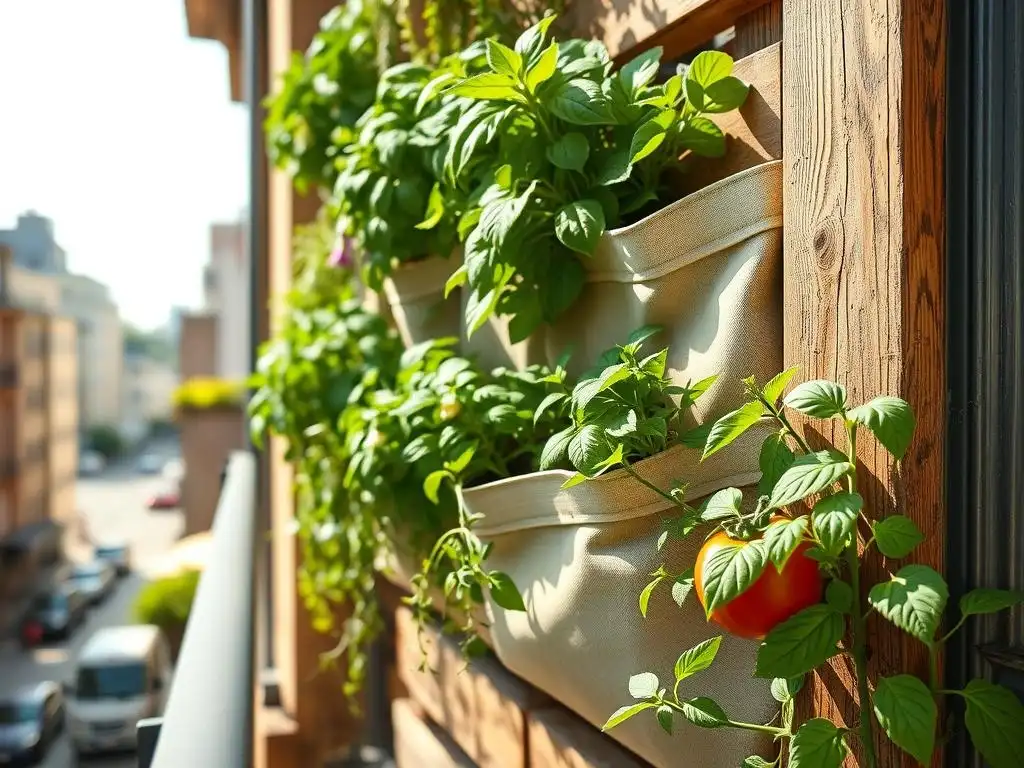
Vertical gardening, while offering a fantastic solution for maximizing yield in limited urban spaces, presents unique challenges. Successfully cultivating a thriving vertical garden requires proactive problem-solving and a keen eye for detail. This section addresses some of the most common issues encountered by urban vertical gardeners, providing practical solutions to help you overcome these hurdles and achieve a bountiful harvest. Mastering these techniques will significantly improve your chances of success with vertical gardening in urban environments.
Dealing with Limited Sunlight in Urban Vertical Gardens
Sunlight is crucial for healthy plant growth, and urban vertical gardens often face challenges securing adequate sun exposure. Tall buildings, dense foliage, and even the orientation of your building can significantly reduce the amount of sunlight your plants receive. Optimizing light exposure is paramount for success.
Several strategies can mitigate the effects of limited sunlight. Firstly, careful plant selection is key. Opt for shade-tolerant varieties of fruits, vegetables, and herbs. Leafy greens, for example, often tolerate lower light levels better than fruiting plants.
Secondly, consider the orientation of your vertical garden. South-facing walls (in the Northern Hemisphere) receive the most direct sunlight, maximizing light absorption. If a south-facing wall isn't feasible, strategically placing supplemental lighting can make a significant difference. LED grow lights are energy-efficient and provide the specific wavelengths of light needed for optimal photosynthesis.
Experiment with different light intensities and durations to find what works best for your plants. Remember to regularly monitor your plants for signs of etiolation (leggy growth due to insufficient light) and adjust your lighting strategy accordingly. Finally, regular pruning can help improve air circulation and allow more light to reach the lower parts of the plants. This is especially important in densely planted vertical gardens.
Managing Water Drainage in Vertical Gardening Systems
Effective water drainage is crucial for preventing root rot, a common problem in vertical gardens. Poor drainage leads to soggy soil, creating an ideal environment for fungal diseases and ultimately killing your plants. Proper drainage design is essential from the initial planning stages.
When constructing your vertical garden, ensure that the containers or growing system incorporates adequate drainage holes. For systems using fabric pots or other permeable materials, the drainage is often less of a concern. However, for systems with solid containers, strategically placed drainage holes are vital. Consider the material of your containers; terracotta pots, for instance, are porous and allow for some natural drainage, whereas plastic containers require more careful attention to drainage hole placement.
Furthermore, the type of growing medium plays a crucial role. Avoid using heavy clay soils that retain too much water. Opt for well-draining potting mixes that incorporate perlite, vermiculite, or coco coir to improve aeration and drainage. Regularly monitor the moisture levels of your soil to avoid overwatering.
Always allow the top inch or two of soil to dry out before watering again. Overwatering is a far more common problem than underwatering in vertical gardens, so err on the side of caution. Consider using a moisture meter to precisely gauge the soil moisture content.
Addressing Common Pests and Diseases in Vertical Gardens
Vertical gardens, due to their close proximity of plants, can be more susceptible to pest infestations and disease outbreaks compared to traditional gardens. Early detection and swift action are crucial to prevent widespread problems.
Regular inspection is key. Examine your plants regularly for signs of pests such as aphids, spider mites, or whiteflies. Look for discoloration, wilting, or unusual webbing. Early detection allows for targeted treatment, preventing a larger infestation. Natural pest control methods are often preferred in organic vertical gardens.
Introducing beneficial insects like ladybugs or lacewings can help control pest populations. Neem oil is a safe and effective organic pesticide for many common garden pests. For disease prevention, ensure good air circulation to prevent fungal growth. Avoid overcrowding plants to allow for adequate airflow.
Proper watering techniques are also essential; avoid wetting the foliage, as this can encourage fungal diseases. Rotating crops yearly can also help prevent the buildup of pests and diseases in the soil. Keep detailed records of your gardening practices, including pest and disease occurrences, to identify patterns and develop effective preventative strategies for future growing seasons. This proactive approach will significantly enhance the resilience of your vertical garden and its ability to thrive in the urban environment.
Expanding Your Vertical Garden
This section focuses on strategies for increasing your vertical gardening capacity within existing urban spaces. Remember, maximizing vertical space is key to successful urban gardening. We'll explore adding more structures and optimizing existing ones.
Adding More Vertical Gardening Structures to Your Space
Once you've mastered the basics of vertical gardening, you might find yourself needing more space. Thankfully, there are numerous ways to expand your vertical garden without significantly increasing your footprint. Consider these options:
- Tiered Planters: These planters stack vertically, allowing you to grow a greater variety of plants in a smaller area. The lower tiers can support taller, more established plants, while the upper tiers are perfect for smaller seedlings or herbs. Choose tiered planters made from sustainable materials like recycled plastic or repurposed wood.
- Wall-Mounted Trellises: These are ideal for climbing plants like tomatoes, cucumbers, and beans. Attach trellises directly to walls or fences using sturdy brackets. Ensure the trellis is strong enough to support the weight of the mature plants. Consider the orientation of the wall in relation to sunlight when positioning your trellis. South-facing walls generally receive the most sunlight.
- Hanging Baskets: These are perfect for herbs, strawberries, and trailing plants. Use strong, durable chains or hooks to hang baskets from ceilings, balconies, or even sturdy branches of trees (if permitted in your area). Choose baskets made from materials that are both lightweight and durable.
- Repurposed Materials: Get creative! Old ladders, pallets, and even shelves can be transformed into unique vertical gardening structures. A little creativity and DIY ingenuity can go a long way in expanding your vertical garden. Remember to clean and sanitize any repurposed materials before use.
The key is to carefully assess your available space and choose structures that complement your existing setup and the types of plants you wish to grow. Careful planning will prevent overcrowding and ensure optimal growth for all your plants.
Experimenting with Different Plant Varieties for Vertical Gardening
Vertical gardening isn't limited to just a few plant types. Many vegetables, herbs, and flowers thrive in a vertical environment. Experimentation is key to discovering what works best in your specific urban garden.
- Compact Varieties: Choose compact or dwarf varieties of plants to maximize space efficiency. These varieties are bred to be smaller and more manageable, perfect for vertical gardens. For example, choose compact tomato varieties instead of indeterminate ones that can become quite sprawling.
- Climbing and Trailing Plants: These are perfect for trellises and hanging baskets. Vining plants like cucumbers, melons, and beans are excellent choices for vertical growing. Their ability to climb maximizes space utilization.
- Herbs: Many herbs, such as basil, mint, and oregano, are well-suited for vertical gardening. They require less space than larger plants and their aromatic qualities add a pleasant touch to your urban oasis. Consider planting them in hanging baskets or small vertical planters near your kitchen.
- Succulents and Other Low-Maintenance Plants: These are great options for adding visual interest to your vertical garden, particularly in drier climates or areas with less frequent watering opportunities. They are relatively low-maintenance and can tolerate a variety of conditions.
By diversifying your plant selection, you can create a vibrant and productive vertical garden that provides a variety of fresh produce and aesthetic appeal throughout the growing season. Remember to research the specific needs of each plant variety before planting.
Creating a Year-Round Vertical Garden: Techniques for Different Seasons
Maintaining a productive vertical garden year-round in an urban setting requires strategic planning and adaptation to changing seasons.
- Season Extension Techniques: Utilizing cold frames, row covers, or even a simple greenhouse can significantly extend the growing season. These techniques protect your plants from frost and harsh weather conditions, allowing you to grow certain crops for longer periods.
- Succession Planting: Stagger your planting schedule to ensure a continuous harvest. Plant new seeds or seedlings every few weeks to replace plants that have finished their growing cycle. This is crucial for maintaining a consistent supply of fresh produce throughout the year.
- Indoor Vertical Gardening: For colder months, consider bringing some of your plants indoors. Small vertical planters or hanging baskets can easily be integrated into your home environment. Ensure that your indoor plants receive adequate sunlight and ventilation.
- Plant Selection for Different Seasons: Choose plant varieties appropriate for the prevailing seasonal conditions. For example, cold-hardy greens can be grown in the cooler months, while heat-tolerant vegetables are better suited for the summer. Careful planning and selection are vital for year-round success in vertical gardening.
By employing these techniques, you can enjoy the fruits (and vegetables!) of your labor throughout the year, regardless of the season. Remember, consistent monitoring and adjustments are key to success in maintaining a thriving vertical garden all year round. Adapting your methods to the specific climate of your urban space is crucial.
Frequently Asked Questions
What is vertical gardening, and why is it ideal for urban spaces?
Vertical gardening is a method of growing plants upwards, using walls, trellises, or other vertical structures. It's perfect for urban spaces because it maximizes growing area in limited space, making the most of balconies, patios, and rooftops.
What are some examples of vertical gardening structures I can use?
You can use many things! Consider trellises, hanging baskets, vertical planters, stackable planters, or even repurposed items like pallets or shelves. Get creative!
What types of plants are best suited for vertical gardening?
Many plants thrive vertically! Vining plants like tomatoes, cucumbers, and beans are excellent choices. Herbs, strawberries, and certain leafy greens also do well in vertical setups.
How do I ensure proper watering and drainage in a vertical garden?
Proper drainage is crucial to prevent root rot. Use well-draining potting mix and containers with drainage holes. Water regularly, but avoid overwatering; check the soil moisture before watering.
What are the benefits of vertical gardening beyond space saving?
Besides saving space, vertical gardening can improve air quality, offer aesthetic appeal, increase privacy, and potentially yield a higher harvest compared to traditional ground planting in limited areas.
Final Reflection: Reaching New Heights in Urban Greenery
The rise of vertical gardening isn't just a trend; it's a vital solution for thriving in increasingly dense urban spaces. Our cities are expanding, land is becoming scarcer, and the need for accessible, sustainable food sources and green spaces is more urgent than ever. Vertical gardening offers a powerful response to these challenges, transforming concrete jungles into vibrant, productive environments.
The impact of vertical gardening extends beyond simply growing food; it's about reclaiming our connection with nature in the heart of the city. It's about fostering community, beautifying our surroundings, and promoting a sense of well-being often lacking in urban environments. As the renowned landscape architect, Ian McHarg, once said, Design with nature, not against it.
Vertical gardening embodies this principle, working with the limitations of urban spaces to create something beautiful and beneficial.
Now, consider your own space. Do you have a balcony, a small patio, or even just a sunny windowsill? Imagine the possibilities: fresh herbs for your cooking, vibrant flowers to brighten your day, or even a small but productive vegetable garden. Take the first step today. Explore the techniques outlined in this article, find your own creative solutions, and begin to cultivate your own little piece of urban paradise. The rewards – both practical and emotional – are well worth the effort.
Unleash Your Urban Oasis: Start Growing Today!
Thank you for exploring the world of vertical gardening! We hope you've discovered valuable ways to maximize your space and grow delicious food, even in a small apartment. Now it's time to put your knowledge into practice.
- Design your dream vertical garden: Grab a notebook and sketch your ideal setup. Consider the plants you'd like to grow, the available sunlight, and the overall look you're aiming for. Let your creativity flow!
- Share your inspiration: Show us your plans (or even your existing garden!) on social media using #CultivateYourFood. Let's build a supportive community of urban gardeners!
- Order your seeds or seedlings: Don't delay! Start your vertical gardening adventure by visiting your local garden center or browsing online catalogs. The best time to plant is now.
Ready to transform your space into a thriving green haven? What will you grow first in your vertical garden?