
Beet Seed Saving: How to Save Your Own Seeds for Next Season

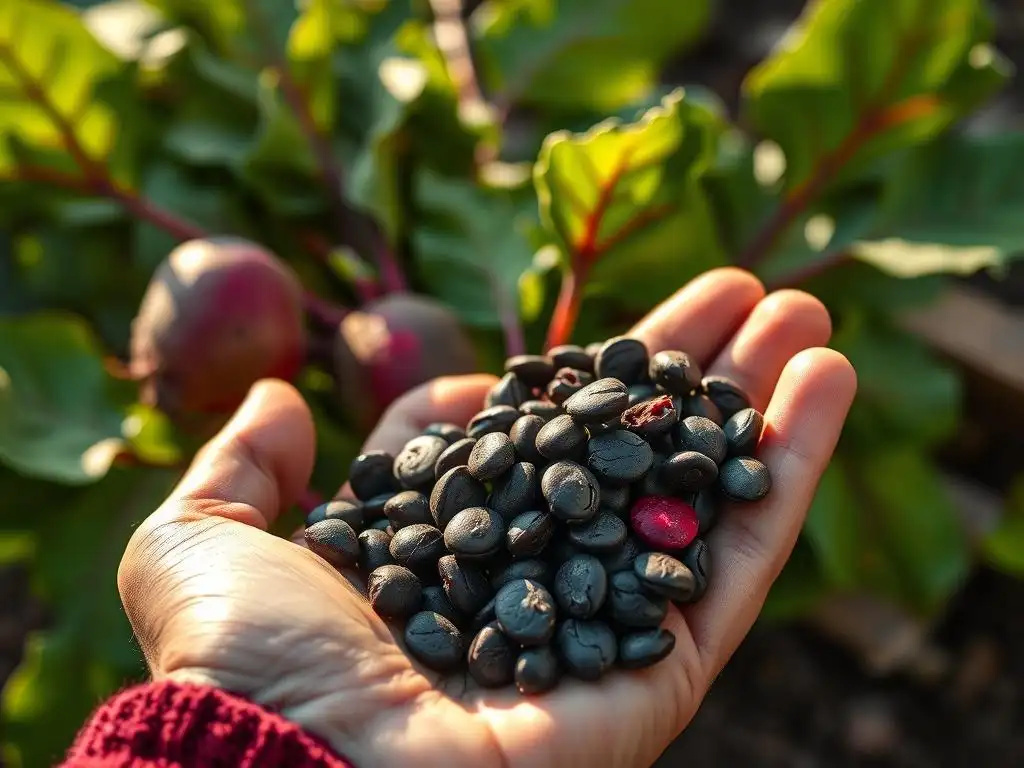
Welcome to CultivateYourFood, your guide to a thriving, sustainable garden! Are you ready to unlock the secrets of homegrown goodness? We're passionate about helping you cultivate your own fruits, vegetables, and herbs organically, and this journey begins with mastering techniques like saving beet seeds. Discover how you can easily save beet seeds organically for next season, ensuring a bountiful harvest year after year. Let's delve into the rewarding world of seed saving – your garden awaits!
- Understanding Beet Seed Production: A Guide to Organic Beet Seed Saving
- Harvesting Beet Seed Heads: Techniques for Organic Beet Seed Collection
- Processing and Storing Beet Seeds: Ensuring High-Quality Beet Seeds Organically
- Preparing for Next Season's Planting: Utilizing Your Saved Beet Seeds
- Troubleshooting Common Issues in Beet Seed Saving
- The Benefits of Saving Your Own Beet Seeds Organically
- Frequently Asked Questions
- Final Reflection: The Enduring Bounty of the Beet, and the Seeds We Sow
- Unlock the Bounty: Start Saving Your Beet Seeds Today!
Understanding Beet Seed Production: A Guide to Organic Beet Seed Saving
Saving your own beet seeds is a rewarding experience that connects you more deeply with your garden and promotes sustainable gardening practices. This guide will walk you through the process of organically saving beet seeds, ensuring a bountiful harvest for years to come. We'll cover selecting the right varieties, assessing maturity, understanding the crucial role of pollination, and finally, the proper techniques for seed collection and storage.
By following these steps, you can significantly reduce your reliance on commercially produced seeds, contributing to a more environmentally friendly and cost-effective gardening approach. This method is particularly relevant for those interested in maintaining heirloom varieties and ensuring the continued presence of specific desirable traits in your beet plants. Saving beet seeds organically is not only environmentally conscious but also allows you to truly appreciate the lifecycle of your vegetables, from seed to plate.
Selecting the Right Beet Variety for Seed Saving
Choosing the right beet variety is the cornerstone of successful seed saving. Not all beet varieties are equally suitable for seed production. You should prioritize open-pollinated varieties, as these are less likely to produce unpredictable results in subsequent generations. Hybrid varieties, while often exhibiting superior characteristics in the current generation, frequently don't breed true from seed.
Consider these factors when selecting your beets:
- Open-Pollinated: This is crucial for saving seeds that will reliably produce similar plants in the following year. Look for seed packets clearly labeling the variety as "open-pollinated."
- Disease Resistance: Select varieties known for their resistance to common beet diseases to minimize issues and ensure a healthy seed crop.
- Desired Traits: Choose beets with characteristics you value, such as size, color, and flavor, as these traits are passed down through seeds.
- Adaptability to Your Climate: Opt for varieties that thrive in your specific growing conditions to maximize your chances of success.
Assessing Beet Maturity for Seed Collection
Knowing when to harvest your beets for seed production is critical. Unlike harvesting for root vegetables, you'll let the beet plants go to seed, allowing the flower stalks to fully develop. This process takes considerably longer.
Here's how to determine beet maturity for seed saving:
- Flowering: The plants should have finished flowering, with the flowers having withered and the seed pods beginning to form.
- Seed Pod Development: The seed pods will initially be green and gradually turn brown as they mature. They will feel hard and dry to the touch.
- Seed Color: The seeds within the pods should be fully developed and have their characteristic dark color. This often occurs several weeks after flowering.
- Plant Appearance: The leaves of the plant may begin to yellow and wither, indicating the plant has completed its reproductive cycle.
The Importance of Pollination for Successful Beet Seed Saving
Successful beet seed saving hinges on adequate pollination. Beets are typically self-pollinating, meaning that pollen from the same plant can fertilize its own flowers. However, cross-pollination with other beet varieties can occur, potentially leading to unpredictable results in the next generation.
To maximize pollination and minimize cross-pollination:
- Isolation: If you're growing multiple beet varieties, ensure they are physically separated by a significant distance (at least 1000 feet) to prevent cross-pollination.
- Insect Activity: Encourage beneficial insect activity in your garden, as these insects play a vital role in pollination.
- Hand-Pollination (Optional): For particularly valuable varieties, you can manually transfer pollen from one flower to another to ensure pollination. This is generally unnecessary for most beet varieties, however.
- Monitor for Seed Production: Check regularly for seed pod development to ensure pollination has been successful. Lack of seed pods indicates insufficient pollination.
Harvesting Beet Seed Heads: Techniques for Organic Beet Seed Collection
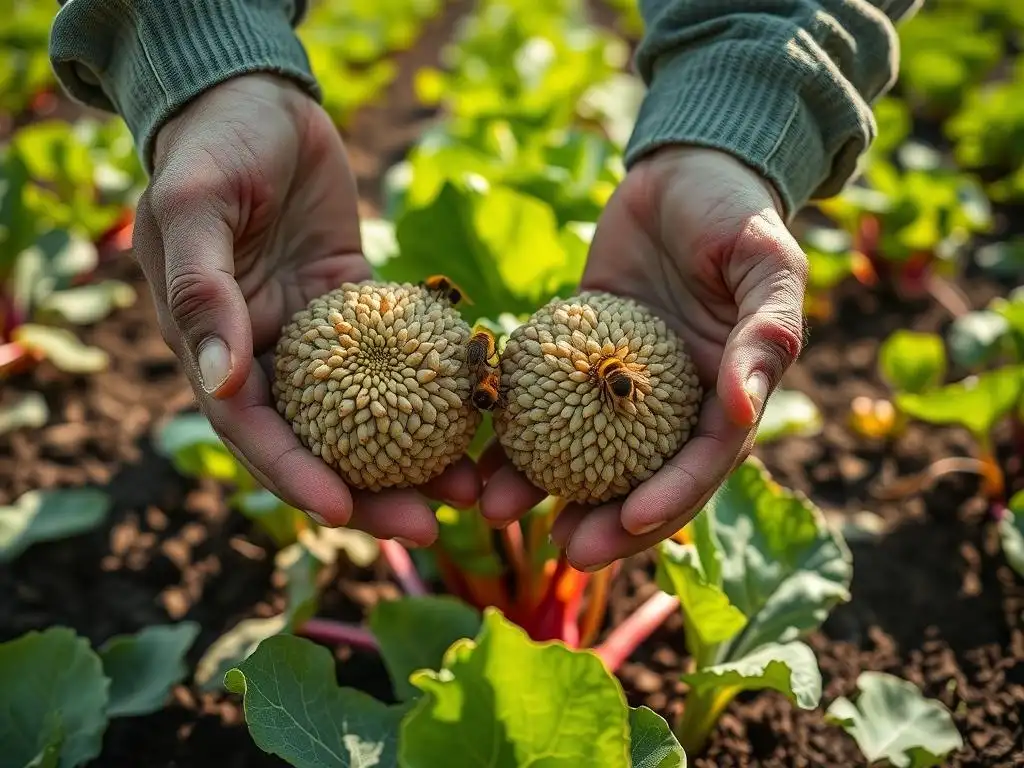
Saving beet seeds organically ensures you're maintaining the genetic integrity of your plants and avoiding the introduction of potentially harmful chemicals into your garden ecosystem. This section details the crucial steps involved in harvesting beet seed heads, focusing on methods that align with sustainable and organic practices. The process demands patience and attention to detail, but the reward of homegrown, organically-produced beet seeds is well worth the effort. Remember, successful seed saving hinges on selecting the right plants and employing proper harvesting techniques. This will maximize your chances of obtaining viable seeds for the following season.
Timing Your Beet Seed Harvest for Optimal Seed Viability
The timing of your beet seed harvest is paramount to ensuring high seed viability. Harvesting too early results in immature, unviable seeds, while harvesting too late exposes the seed heads to potential damage from pests, diseases, or harsh weather conditions. The optimal time for harvesting is when the seed heads are fully matured and have turned a dark brown or black color. This usually occurs several months after the beetroots are harvested – typically between late summer and early autumn, depending on your climate and beet variety.
To determine maturity, gently squeeze a seed head. If it feels firm and the seeds within are hard and dark, it’s ready for harvest. Look for seed heads that are dry and brittle. Avoid harvesting after the first frost, as this can damage the seed heads and reduce seed viability. Observe your specific beet variety carefully, as maturation times can vary. Consider keeping a detailed garden journal to track the maturation time of your beets each year for future reference. This will help you refine your harvesting schedule for optimal seed quality and yield.
Harvesting Beet Seed Heads: A Step-by-Step Guide
Once you've identified mature seed heads, follow these steps for a successful organic harvest:
- Select the Best Plants: Choose healthy, vigorous beet plants that produced high-quality roots. These plants are more likely to produce high-quality seeds.
- Careful Removal: Gently cut or snap the seed stalks from the plant, leaving about 6 inches of stalk attached to the seed head. This extra length aids in handling and drying. Avoid damaging the seed heads during this process.
- Labeling and Organization: Immediately label each harvested seed head with the beet variety and the harvest date. This meticulous record-keeping is crucial for tracking your seed varieties and their performance.
- Avoid Contamination: Keep harvested seed heads away from other plant materials to prevent cross-pollination and contamination.
- Small Batch Harvesting: Consider harvesting seed heads in small batches to prevent overwhelming your processing capacity. This approach ensures that the seeds are handled appropriately and that drying conditions are optimal for all batches.
Handling and Cleaning Harvested Beet Seed Heads
After harvesting, proper handling and cleaning are essential for preserving seed viability and purity. This stage requires patience and care to avoid damaging the delicate seeds.
- Air Drying: Hang the harvested seed heads upside down in a cool, dry, well-ventilated area. This allows the seed heads to dry completely, typically taking several weeks. Avoid direct sunlight, which can damage the seeds.
- Threshing: Once completely dry and brittle, gently rub the seed heads between your hands or use a threshing machine (if available) to separate the seeds from the seed heads. This process releases the seeds, leaving behind the dried seed stalks.
- Cleaning: Sieve or winnow the seeds to remove any remaining plant debris, chaff, or unwanted material. This cleaning step is critical for ensuring seed purity and preventing the introduction of contaminants into your seed stock.
- Seed Storage: Store the cleaned beet seeds in airtight containers in a cool, dry, and dark place. Proper storage is essential for maintaining seed viability and preventing deterioration. Maintaining low humidity is critical to preventing fungal growth. Consider using silica gel packets to absorb excess moisture. Properly stored seeds can retain viability for several years.
Remember, saving beet seeds organically is a rewarding process that connects you more deeply with your garden and its bounty. By following these steps, you can ensure a successful harvest and enjoy homegrown, organically-produced beet seeds for years to come. The meticulous attention to detail throughout the process ensures the preservation of desirable traits and the production of healthy, high-yielding beet plants in the next growing season.
Processing and Storing Beet Seeds: Ensuring High-Quality Beet Seeds Organically
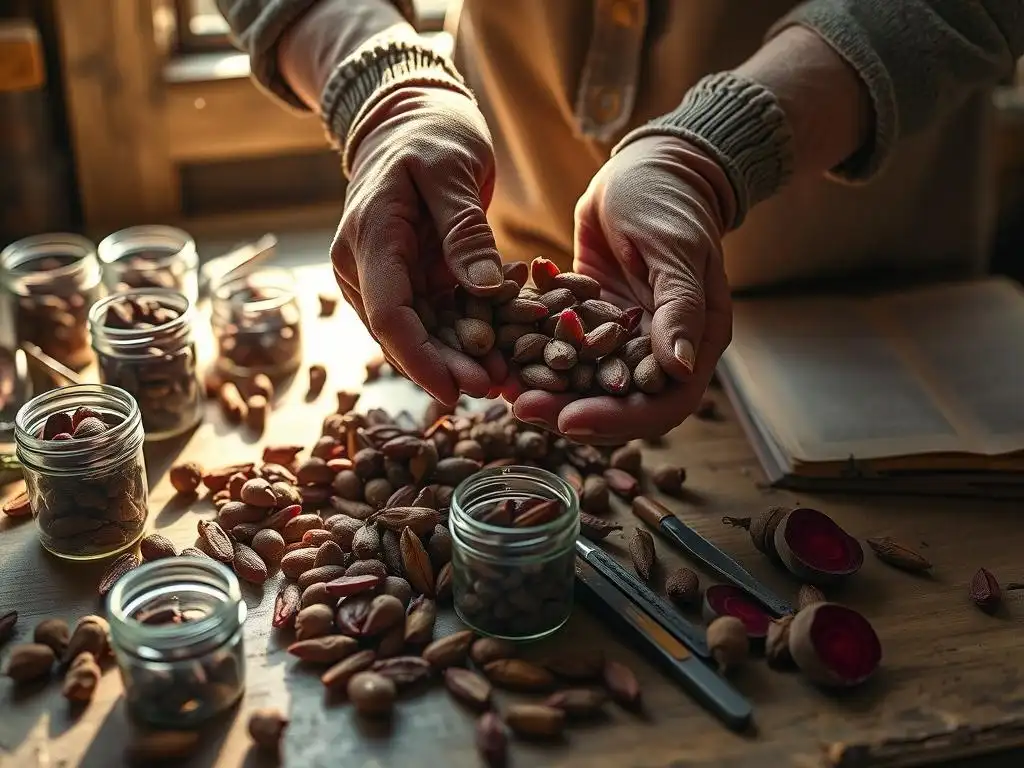
Saving beet seeds organically requires careful attention to detail throughout the entire process, from seed selection to final storage. This section focuses on the crucial steps of cleaning, drying, and storing your harvested beet seeds to ensure high germination rates for next year's planting. Proper handling maximizes the viability of your organically grown seeds, minimizing waste and guaranteeing a bountiful harvest.
Cleaning and Drying Beet Seeds for Long-Term Storage
Once your beet seed pods are fully mature and dry on the plant (typically turning brown and brittle), it's time for meticulous cleaning and drying. This is crucial for preventing mold and fungal growth, which can significantly compromise seed viability. The goal is to extract the tiny black seeds from the pods while removing any debris or damaged seeds.
Here's a step-by-step guide to cleaning and drying your beet seeds organically:
- Gentle Harvesting: Carefully collect the seed pods, avoiding any damage to the seeds. Handle them gently to prevent breakage.
- Initial Air Drying: Spread the seed pods thinly on a clean surface (e.g., a screen or tray) in a well-ventilated, shaded area. Allow them to air dry for several days, or until completely dry and brittle.
- Threshing: Once dry, gently rub the pods together or use a gentle threshing method to separate the seeds from the pods. This can be done by hand or with a small sieve.
- Winnowing: Use air currents (a gentle breeze or fan) to remove any chaff or lightweight debris from the seeds. This step helps in isolating the clean seeds.
- Final Cleaning: Carefully inspect the seeds, removing any damaged, discolored, or unusually small seeds. Use tweezers for precision. Only the plump, healthy-looking seeds should be saved.
- Drying: Spread the cleaned seeds thinly on a clean tray or paper towel in a well-ventilated, dark, and cool (but not freezing) place. Allow them to dry for another week or two, ensuring they are completely dry before storage. This minimizes moisture content, a major factor in seed decay.
Storing Beet Seeds Properly for Next Year's Planting
Proper storage is essential for maintaining the viability of your organically saved beet seeds. Improper storage can lead to reduced germination rates and even complete seed failure. The key is to maintain a cool, dry, and dark environment that prevents moisture absorption and minimizes the risk of pest infestation.
Here are some effective storage methods:
- Paper Envelopes: Store your cleaned and dried beet seeds in small paper envelopes, clearly labeled with the variety and harvest date. Avoid plastic bags, as they can trap moisture.
- Airtight Glass Jars: For larger quantities, airtight glass jars are excellent. Ensure the seeds are completely dry before sealing to prevent mold.
- Cool, Dark, and Dry Location: Store your seed containers in a cool, dark, and dry place, such as a pantry or basement. Avoid temperature fluctuations and direct sunlight.
Maintaining Seed Viability: Tips for Organic Beet Seed Preservation
Maintaining the viability of your organically saved beet seeds requires proactive measures beyond proper cleaning and storage. Several factors can impact seed longevity.
- Seed Quality: Start with high-quality seeds from healthy, vigorous plants. Select only the best beets for seed saving.
- Regular Checks: Periodically check your stored seeds for any signs of mold, insect infestation, or moisture damage. Discard any compromised seeds immediately.
- Rotation: Consider rotating your seed stock annually. While properly stored seeds can remain viable for several years, their germination rates may decline over time. Using fresh seeds ensures optimal results.
- Temperature Control: Consistent temperatures are crucial. Avoid extreme temperature fluctuations, which can damage the seeds.
- Humidity Control: Low humidity is key. Use a humidity indicator to monitor levels within your storage area. A dehumidifier can be helpful in very humid climates.
By following these guidelines for cleaning, drying, and storing your beet seeds, you can significantly improve your chances of successfully saving your own organic beet seeds and enjoying a bountiful harvest in the following season. Remember, patience and attention to detail are key to successful organic seed saving. 🌱
Preparing for Next Season's Planting: Utilizing Your Saved Beet Seeds
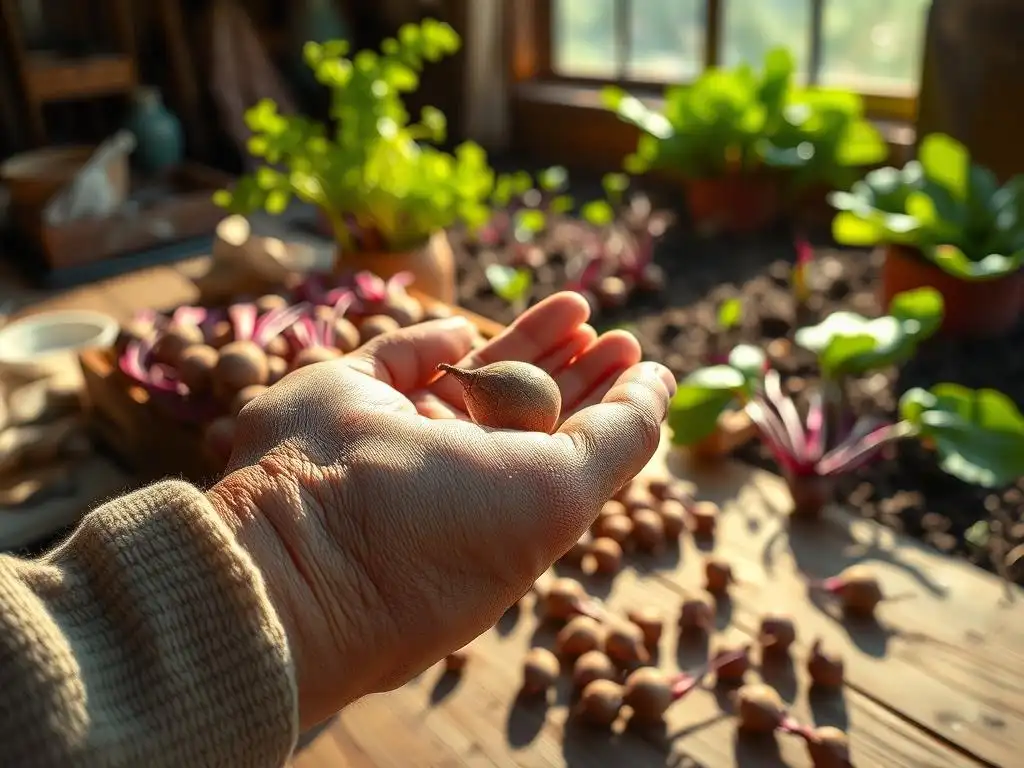
Saving beet seeds organically allows you to cultivate your garden sustainably, year after year. This process not only reduces your reliance on commercially produced seeds but also allows you to select and preserve the specific beet varieties you prefer, potentially enhancing their flavor and yield over time. Before you even think about planting, proper seed storage is crucial for germination success.
Keep your saved seeds in a cool, dry, dark place, ideally in an airtight container with a desiccant packet to absorb excess moisture. This prevents premature germination and maintains seed viability. Regularly check your seed storage conditions – a slightly damp environment can quickly compromise your hard work.
Remember, even with careful storage, seed viability diminishes over time. Aim to use your saved seeds within one year for optimal germination rates. Properly stored beet seeds can significantly contribute to a successful organic beet harvest next season, reducing your environmental footprint and connecting you more deeply with your garden.
Planting Your Saved Beet Seeds: A Guide to Organic Beet Seed Sowing
Successfully sowing your saved beet seeds requires attention to detail and timing. The best time to plant beets directly outdoors is typically after the last spring frost, when the soil has warmed to at least 50°F (10°C). Before planting, prepare the soil by loosening it to a depth of about 8-10 inches. Beets prefer well-drained soil rich in organic matter.
Amend your soil with compost to improve its structure and fertility – this is a crucial step in organic gardening. You can also conduct a soil test to determine nutrient levels and adjust accordingly. Sow seeds about ½ inch deep and 1-2 inches apart in rows spaced 12-18 inches apart. Beet seeds are actually clusters of several seeds, so thin seedlings to one strong plant per cluster once they have a few true leaves to avoid overcrowding.
Consistent watering is key, especially during germination. Avoid overwatering, which can lead to fungal diseases. Mulching around the plants can help retain soil moisture and suppress weeds, further supporting organic growing practices. Remember to carefully monitor your seedlings for any signs of disease or pests, taking swift action if necessary using organic pest control methods.
Germination Rates and Seedling Care for Successfully Grown Beets
Germination rates for saved beet seeds can vary depending on factors like seed age, storage conditions, and soil temperature. You should expect lower germination rates compared to commercially produced seeds, typically ranging from 60-80%, even with careful storage. To improve germination, consider soaking your seeds in water for 12-24 hours before sowing. This can help soften the seed coat and speed up the germination process.
Once your seedlings emerge, consistent watering is crucial. Aim for evenly moist soil, avoiding both drought stress and waterlogging. Regular weeding is essential to prevent competition for nutrients and water. Thinning seedlings to the correct spacing is critical; overcrowding leads to smaller beets and increased susceptibility to diseases.
Observe your seedlings closely for signs of pest infestations or diseases. Organic methods, such as companion planting (e.g., using herbs like rosemary to deter pests) and introducing beneficial insects, can help maintain a healthy crop. Careful monitoring and timely intervention are vital to maximize your yield of organically grown beets from saved seeds.
Optimizing Soil Conditions for Growing Beets from Saved Seeds
The success of your beet crop heavily relies on optimal soil conditions. Beets thrive in loose, well-drained soil rich in organic matter. Heavy clay soils can hinder root development, resulting in misshapen or stunted beets. Amend heavy clay soils with plenty of compost or other organic materials to improve drainage and aeration.
Sandy soils, conversely, may dry out too quickly, requiring more frequent watering. Adding organic matter to sandy soils improves water retention. The ideal soil pH for beets is slightly acidic to neutral, ranging from 6.0 to 7.0. A soil test can help you determine your soil's pH and guide you in making necessary adjustments.
Before planting, ensure the soil is free of large stones and debris that could interfere with root growth. Proper soil preparation is a cornerstone of organic gardening and is crucial for maximizing the yield and quality of your beets grown from saved seeds. Remember, healthy soil equals healthy beets!
Troubleshooting Common Issues in Beet Seed Saving
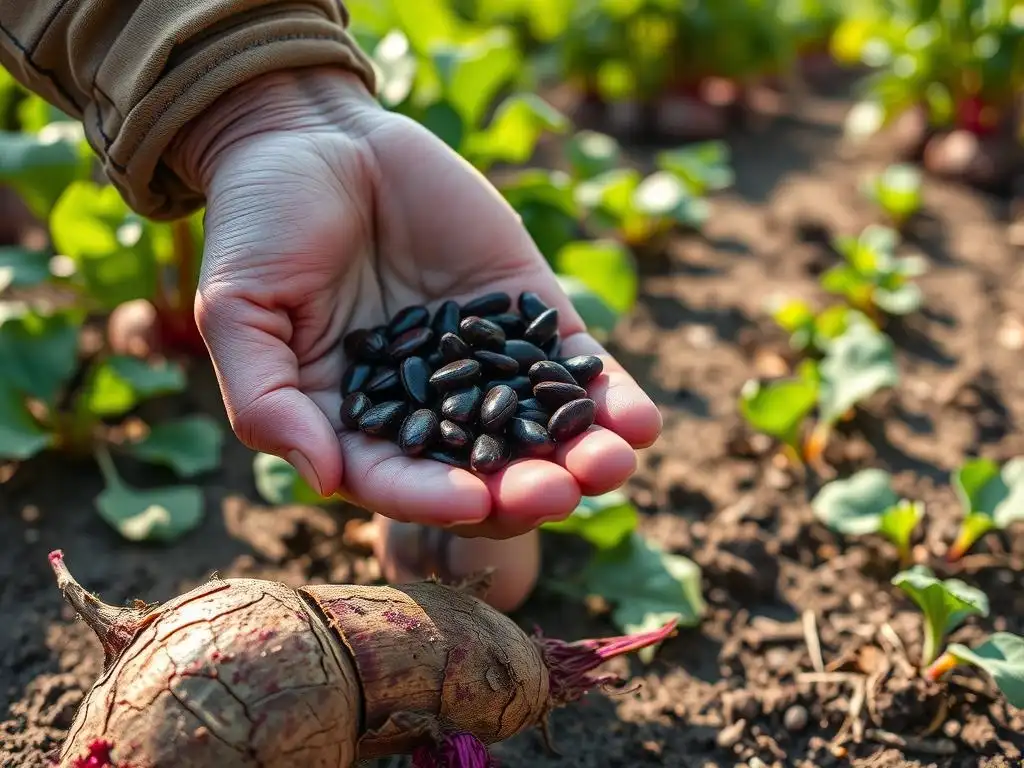
Saving beet seeds organically can be a rewarding experience, but it's not always smooth sailing. Several challenges can impact the viability and quality of your harvested seeds. This section focuses on addressing some common problems encountered during the beet seed saving process, offering practical solutions for improved success. Understanding these issues and proactively implementing preventative measures will significantly increase your chances of obtaining a bountiful harvest of viable beet seeds for next year's planting.
Addressing Low Germination Rates in Saved Beet Seeds
Low germination rates are a frequent frustration for home gardeners saving beet seeds. Several factors contribute to this issue, including improper seed storage, poor seed maturity at harvest, and the presence of seed-borne diseases. Let's explore these factors and how to mitigate them:
- Seed Maturity: Harvesting beet seeds too early or too late drastically affects germination. Ideally, you should harvest when the seed pods are fully dry and brown, but before they begin to split open. Premature harvesting results in immature, underdeveloped seeds with poor germination potential. Conversely, overripe seeds can lose viability due to environmental factors and potential fungal infections. Careful observation of the seed pods is crucial for optimal timing.
- Seed Storage: Improper storage conditions can significantly reduce seed viability. Beet seeds should be stored in a cool, dry, and dark place, preferably in airtight containers with a desiccant packet to absorb excess moisture. High humidity and fluctuating temperatures are detrimental to seed longevity. Proper storage can extend the viability of your beet seeds for several years.
- Seed-Borne Diseases: Fungal or bacterial infections can affect the seeds themselves, reducing germination rates. Ensuring healthy plants throughout the growing season, practicing good sanitation, and selecting disease-resistant beet varieties will help prevent this issue. Careful inspection of the seeds before storage can help identify any signs of disease.
- Testing Germination: To assess the germination rate of your saved seeds, conduct a germination test before planting. Plant a small sample of seeds and monitor their germination rate. This will give you a realistic expectation of the success rate of your saved seeds and allow you to adjust your planting density accordingly.
Identifying and Preventing Beet Seed Diseases
Disease can significantly impact beet seed production, leading to reduced yields and low germination rates. Several fungal and bacterial diseases can affect beet plants, impacting both the plant's health and the quality of the seeds it produces. Proactive measures are key to preventing these diseases:
| Disease | Symptoms | Prevention |
|---|---|---|
| Cercospora Leaf Spot | Small, circular brown spots on leaves; premature leaf drop | Crop rotation, disease-resistant varieties, good sanitation practices |
| Beet Curly Top Virus | Yellowing, stunting, leaf curling | Use resistant varieties, control leafhoppers (vectors) |
| Root Rot | Wilting, root discoloration, plant death | Well-draining soil, avoid overwatering, crop rotation |
Implementing these preventative measures will contribute to healthier plants and a higher yield of healthy, viable beet seeds. Remember, early detection and prompt action are crucial in managing any disease outbreaks.
Dealing with Pests Affecting Beet Seed Production
Various pests can attack beet plants throughout their life cycle, impacting both the plant's health and the quality of the seeds. These pests can directly consume the seeds or indirectly reduce seed production by damaging the plant's overall health. Effective pest management strategies are essential for successful beet seed saving:
- Aphids: These small insects suck sap from the plants, weakening them and reducing seed production. Regular inspection and hand-picking can help control small infestations. Natural predators like ladybugs can also be beneficial.
- Leaf Miners: These insects burrow into the leaves, creating unsightly tunnels and disrupting photosynthesis. Maintaining plant vigor and using row covers can help deter leaf miners.
- Flea Beetles: These small beetles feed on the leaves, causing small holes and potentially stunting the plant's growth. Row covers and companion planting can provide protection.
- Integrated Pest Management (IPM): A comprehensive IPM approach combines various strategies to minimize pest damage while minimizing the use of harmful chemicals. This includes monitoring pest populations, using natural predators, and employing cultural controls like crop rotation and companion planting. Saving your own beet seeds organically requires a commitment to sustainable practices, and IPM is crucial in achieving this goal. This approach ensures you save high-quality seeds while protecting the environment.
The Benefits of Saving Your Own Beet Seeds Organically
Saving your own beet seeds organically offers a multitude of advantages, extending beyond simple cost savings to encompass environmental responsibility and the preservation of genetic diversity. This practice aligns perfectly with the sustainable and organic ethos of CultivateYourFood, empowering home gardeners to cultivate their food in a more self-sufficient and environmentally conscious manner. Let's delve into the specifics.
Cost Savings and Environmental Benefits of Organic Beet Seed Saving
Purchasing beet seeds annually can add up, especially if you're cultivating multiple varieties or a large garden plot. Saving your own seeds represents a significant cost reduction over time. A single packet of beet seeds might seem inexpensive initially, but the cumulative cost across several years can be substantial. By saving seeds, you drastically reduce this recurring expense, making organic beet cultivation more accessible.
Furthermore, saving your own seeds contributes to a more sustainable and environmentally friendly approach to gardening. Commercially produced seeds often involve extensive use of pesticides and herbicides, potentially impacting soil health and the surrounding ecosystem. Organic seed saving eliminates this reliance on potentially harmful chemicals, promoting healthier soil and a more balanced environment. Consider the reduced carbon footprint associated with not shipping seeds across vast distances—a significant benefit for environmentally conscious gardeners. The positive impact on biodiversity is also notable, as organically saved seeds contribute to the preservation of local and heirloom varieties.
Maintaining Heirloom Beet Varieties Through Seed Saving
The practice of saving beet seeds organically plays a crucial role in preserving heirloom varieties. These unique beet strains, often passed down through generations, possess distinct flavors, colors, and disease resistances. Many heirloom varieties are not commercially available, making seed saving the only way to maintain their existence. By carefully selecting and saving seeds from your favorite heirloom beets, you contribute to the ongoing preservation of this valuable genetic heritage.
This active participation in seed saving ensures the continuity of these special beets for future generations of gardeners. Think of it as a contribution to agricultural biodiversity! The loss of heirloom varieties represents a loss of culinary and genetic diversity, something we actively strive to prevent.
The Satisfaction of Growing Beets from Your Own Saved Seeds
Beyond the practical benefits, there's an undeniable sense of accomplishment and satisfaction derived from growing beets from seeds you've saved yourself. It's a deeply rewarding experience that connects you more intimately with the entire growing process, from seed to harvest. This heightened connection fosters a deeper appreciation for the food you cultivate and a greater understanding of the natural cycles involved in plant reproduction. The act of saving seeds is a testament to your gardening skills and a tangible manifestation of your commitment to sustainable practices.
Seeing those tiny seeds you painstakingly saved sprout and flourish into vibrant beet plants is truly fulfilling, a testament to your efforts and a delicious reward for your labor. It's a connection to the land and a tangible expression of self-sufficiency that many gardeners find deeply satisfying. The pride in harvesting beets grown from your own saved seeds is unparalleled.
Frequently Asked Questions
Can I save beet seeds organically?
Yes, absolutely! Saving beet seeds organically is possible by selecting healthy, open-pollinated beet varieties and following organic seed-saving practices, avoiding the use of synthetic pesticides or fertilizers.
How do I select the best beets for seed saving?
Choose healthy, mature beets from your best-performing plants. Look for beets free from disease or pests, with good size and shape representative of the variety. Select several beets from different plants to ensure genetic diversity.
When is the best time to harvest beets for seed saving?
Allow your selected beets to remain in the ground well into the fall, after the leaves have died back. The beet's seed heads will develop over time. Harvest them once the seed heads have fully dried and turned brown.
How do I extract beet seeds after harvesting?
Once the seed heads are completely dry, you can gently rub them between your hands to release the seeds. Clean the seeds by removing any remaining plant debris. Store them in a cool, dry, dark place.
How should I store my saved beet seeds?
Store your saved beet seeds in a cool, dry, airtight container in a dark location. Proper storage is crucial for maintaining viability and ensuring successful germination in the following season.
Final Reflection: The Enduring Bounty of the Beet, and the Seeds We Sow
The simple act of saving beet seeds connects us directly to the cyclical nature of life and offers a powerful antidote to the homogenization of our food systems. In a world increasingly reliant on industrial agriculture and genetically modified crops, reclaiming control over our food production, even on a small scale, feels profoundly empowering. This resonates deeply with the growing movement towards sustainable and organic practices, demonstrating that even the smallest garden can contribute to a larger, more resilient food future.
Saving beet seeds is more than just a practical skill; it's a deeply satisfying act of stewardship. It's a tangible link to generations past who relied on this very practice for their survival and sustenance. It's about understanding the life cycle of a plant, appreciating its resilience, and honoring the interconnectedness of all living things. The earth laughs in flowers.
This simple quote encapsulates the joy and wonder that comes from nurturing life, from seed to harvest, and back again. The process fosters a deeper respect for the natural world and the bounty it provides.
Consider the seeds you hold in your hand – tiny vessels of potential, brimming with the promise of future harvests. This isn't just about saving money on next year's beet crop; it's about cultivating a deeper connection with your food, your environment, and yourself. I invite you to try saving your own beet seeds this year. Embrace the learning process, celebrate the small victories, and experience the profound satisfaction of nurturing life from the ground up. The rewards extend far beyond the delicious beets themselves; they nourish the soul as well.
Unlock the Bounty: Start Saving Your Beet Seeds Today!
Thank you for learning about the rewarding practice of saving beet seeds! You're now well-equipped to grow even more vibrant and flavorful beets next year. Let's put your knowledge into action.
- Begin collecting your best beet seeds now: Select the healthiest and most flavorful beets from your harvest and leave them in the ground to fully mature for optimal seed production. This is crucial for a successful harvest next season.
- Share your experience: Let fellow gardeners know about your success—share your tips and tricks on our CultivateYourFood community forum! Inspire others to start saving their own seeds.
- Consider experimenting with different beet varieties next year to expand your seed collection and discover new favorites.
What qualities are you most excited to cultivate in your next beet harvest by saving your own seeds?