
Beetroot Soup Recipes: Warm and Comforting Dishes

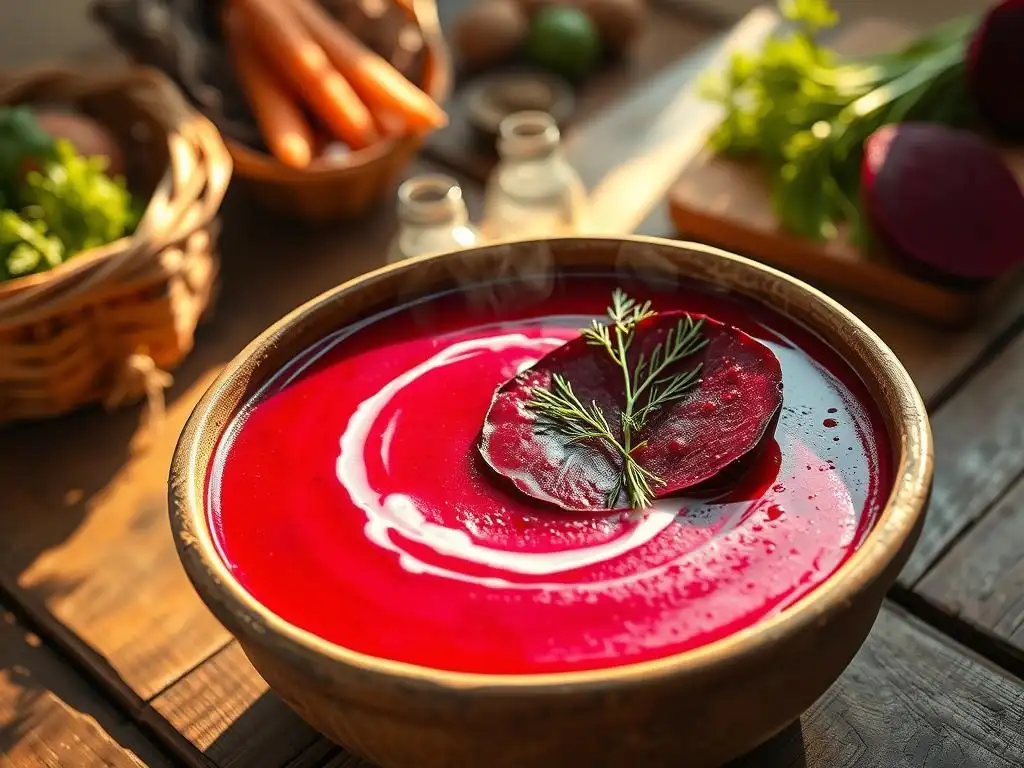
Welcome to CultivateYourFood, your guide to a greener, more flavorful life! Ready to transform your backyard into a thriving oasis of fruits, vegetables, and herbs? We'll show you how, using sustainable and organic methods. But first, let's dive into something deliciously warming and surprisingly simple: organic beetroot soup recipes. Discover the secrets to crafting hearty, healthy, and utterly satisfying bowls—and get inspired to grow your own vibrant beetroot this season. Let's get started!
- Delicious Organic Beetroot Soup Recipes for Every Season
- Harvesting and Preparing Your Homegrown Beetroots for Soup
- Health Benefits of Organic Beetroot Soup
- Beyond the Bowl: Creative Uses for Beetroot Soup
- Frequently Asked Questions
- Final Reflection: The Enduring Comfort of Organic Beetroot Soup
- Unleash Your Inner Chef: Craft the Perfect Beetroot Soup
Delicious Organic Beetroot Soup Recipes for Every Season
Growing your own organic beetroot is incredibly rewarding, and the vibrant, earthy flavor of homegrown beets elevates any recipe. This article explores two delicious and comforting organic beetroot soup recipes, perfect for showcasing your harvest. We'll guide you through sourcing the best organic beets, preparing them, and adding your own creative twists to create truly exceptional soups.
From a classic creamy version to a spicy, warming delight, these recipes will help you transform your homegrown bounty into nourishing and flavorful meals. We'll also touch upon sustainable practices throughout the process, ensuring that your culinary journey aligns with your commitment to organic gardening. Get ready to savor the delicious results of your hard work!
Classic Creamy Beetroot Soup with Organic Ingredients
This recipe highlights the natural sweetness of organic beetroot, creating a velvety smooth and deeply satisfying soup.
Sourcing the Best Organic Beetroots for Your Soup
The key to a truly exceptional beetroot soup begins with the quality of your ingredients. Choosing organic beetroots ensures you're avoiding pesticides and herbicides, resulting in a purer flavor and healthier meal. Look for beetroots that are firm to the touch, with smooth, unblemished skins. Avoid any that feel soft or have bruises. Ideally, choose beetroots that are relatively uniform in size for even cooking. Smaller beetroots often have a more concentrated flavor. Remember to wash your beetroots thoroughly before preparing them.
Step-by-Step Guide: Making Creamy Beetroot Soup from Scratch
This section provides a detailed, step-by-step guide to making a creamy organic beetroot soup.
- Preparation: Preheat your oven to 400°F (200°C). Wash and scrub your organic beetroots, leaving the stems and greens intact. Wrap each beetroot individually in aluminum foil.
- Roasting: Roast the beetroots for approximately 45-60 minutes, or until tender when pierced with a fork. Let them cool slightly before handling.
- Peeling and Chopping: Once cool enough to handle, peel the beetroots and roughly chop them.
- Sautéing Aromatics (Optional): In a large pot, sauté 1 finely chopped onion and 2 cloves of minced garlic in olive oil until softened. This adds depth of flavor.
- Simmering: Add the chopped beetroots to the pot along with 4 cups of vegetable broth. Bring to a simmer and cook for 15-20 minutes, until the beetroots are completely tender.
- Blending: Carefully transfer the soup to a blender (or use an immersion blender) and blend until completely smooth and creamy.
- Seasoning: Season with salt, pepper, and a squeeze of lemon juice to taste. You can also add a dollop of organic crème fraîche or yogurt for extra creaminess.
Flavor Variations: Enhancing Your Organic Beetroot Soup
To personalize your organic beetroot soup, consider these additions:
- A splash of red wine vinegar for a tangy twist.
- A teaspoon of grated fresh ginger for a subtle warmth.
- A handful of chopped fresh herbs like dill or parsley for a vibrant finish.
- A swirl of coconut milk for a richer, creamier texture.
- A pinch of nutmeg or cinnamon for a hint of spice.
Spicy Beetroot Soup with a Kick
This recipe offers a vibrant and warming alternative, perfect for colder months.
Incorporating Chili and Ginger for a Warming Flavor
This spicy variation uses chili and ginger to create a warming and flavorful soup. The heat from the chili complements the earthy sweetness of the beetroot beautifully. The ginger adds a subtle, aromatic warmth that enhances the overall flavor profile. Experiment with different chili types to adjust the level of spiciness to your preference.
Serving Suggestions: Accompaniments for Spicy Beetroot Soup
This spicy beetroot soup pairs well with a variety of accompaniments:
- A dollop of plain yogurt or crème fraîche to cool down the heat.
- A sprinkle of toasted pumpkin seeds or walnuts for added crunch.
- A crusty bread for dipping.
- A side salad with a light vinaigrette.
- A squeeze of lime juice for extra brightness.
Remember to always prioritize using high-quality, organic ingredients for the best taste and nutritional benefits! 🥕😋
Harvesting and Preparing Your Homegrown Beetroots for Soup
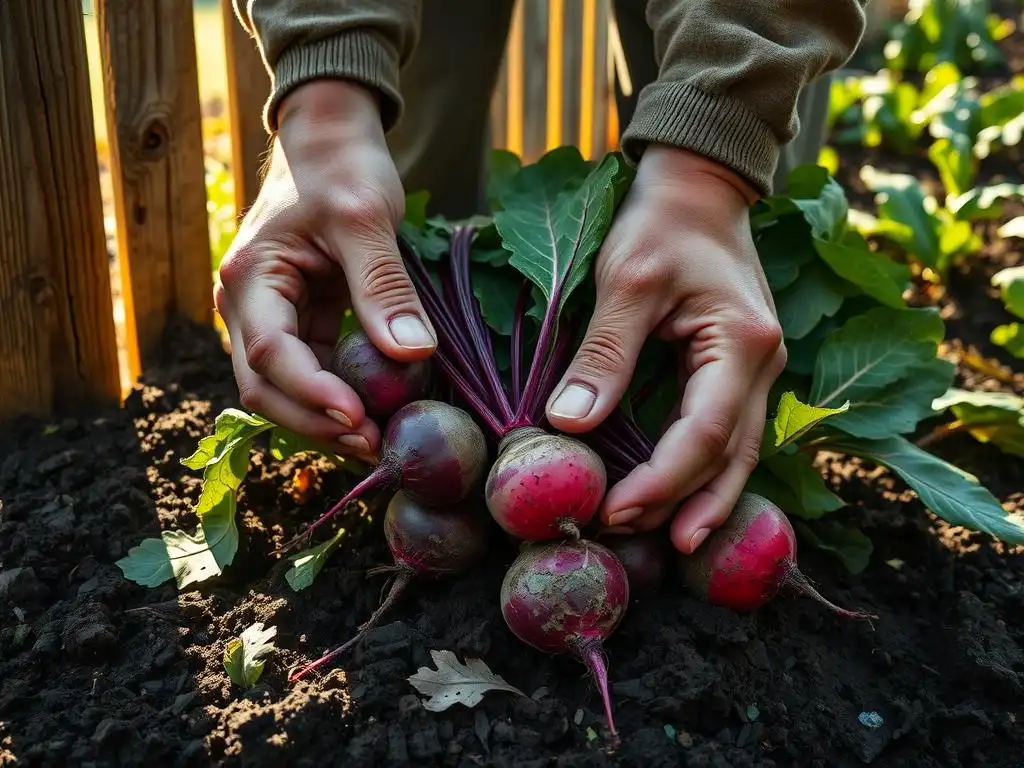
This section focuses on the crucial steps of harvesting and preparing your organically grown beetroots for delicious and nutritious soups. Successfully harvesting and storing your beetroots is key to maximizing their use and creating flavorful, organic beetroot soup recipes throughout the year.
Optimizing Beetroot Yield for Abundant Soup Ingredients
Achieving a bountiful beetroot harvest is essential for making multiple batches of your favorite organic beetroot soup recipes. Several factors contribute to maximizing your yield:
- Optimal Spacing: Planting beetroots too closely together leads to competition for resources, resulting in smaller, less developed roots. Aim for a spacing of 4-6 inches between plants.
- Consistent Watering: Beetroots require consistent moisture, especially during their growth period. Irregular watering can stress the plants and reduce yield. Consider using a drip irrigation system for even moisture distribution.
- Nutrient-Rich Soil: Healthy soil is fundamental for a successful harvest. Amend your soil with compost before planting to provide essential nutrients. Regular soil testing can help determine if additional nutrients are needed.
- Weed Control: Weeds compete with beetroots for water and nutrients. Regular weeding is crucial to ensure your beetroots receive the resources they need to grow to their full potential. Mulching can help suppress weed growth.
- Pest and Disease Management: Be vigilant in monitoring your beetroot plants for pests and diseases. Employ organic pest control methods, such as companion planting or introducing beneficial insects, to protect your crop.
Proper Beetroot Storage for Year-Round Soup Making
Proper storage is crucial to preserving the quality and flavor of your homegrown beetroots, ensuring you have enough for organic beetroot soup recipes all year long.
Here's a breakdown of effective beetroot storage methods:
- Root Cellar Storage: If you have a root cellar or cool, dark, and well-ventilated space, this is the ideal location for long-term beetroot storage. Beetroots can be stored for several months in this environment. Maintain a temperature between 32°F and 40°F (0°C and 4°C) and high humidity.
- Refrigerator Storage: For shorter-term storage (up to a couple of weeks), store your beetroots in the refrigerator's crisper drawer. Wrap them loosely in plastic wrap or place them in a perforated plastic bag to prevent moisture buildup.
- Freezing: Freezing is a great way to preserve beetroots for extended periods. Before freezing, wash, peel, and chop the beetroots. Blanch them briefly in boiling water, then immediately plunge them into ice water to stop the cooking process. Allow them to cool completely before packaging and freezing in airtight containers or freezer bags. Frozen beetroots are perfect for adding to your organic beetroot soup recipes throughout the year.
Cleaning and Prepping Beetroots for Soup Recipes
Once harvested, thorough cleaning and preparation are essential for creating delicious and safe organic beetroot soup recipes.
Here's a step-by-step guide:
- Washing: Gently wash the beetroots under cool running water to remove any soil or debris. A vegetable brush can help remove stubborn dirt.
- Trimming: Trim off the leafy greens, leaving about an inch of stem attached. The greens can be used in other recipes.
- Peeling (Optional): Whether or not you peel your beetroots depends on your preference and the recipe. For some soups, leaving the skins on adds texture and nutrients. If peeling, use a vegetable peeler or a sharp knife.
- Chopping or Dicing: Chop or dice the beetroots according to your recipe's instructions. The size of the pieces will affect the texture of your soup.
- Cooking: Beetroots can be boiled, roasted, or sautéed before adding them to your soup. Roasting brings out their natural sweetness, while boiling preserves their nutrients. Remember to always prioritize the use of organic ingredients for authentic organic beetroot soup recipes.
By following these steps, you can ensure your homegrown beetroots are transformed into a hearty and flavorful soup, showcasing the best of your organic garden. 🥕🥣
Health Benefits of Organic Beetroot Soup
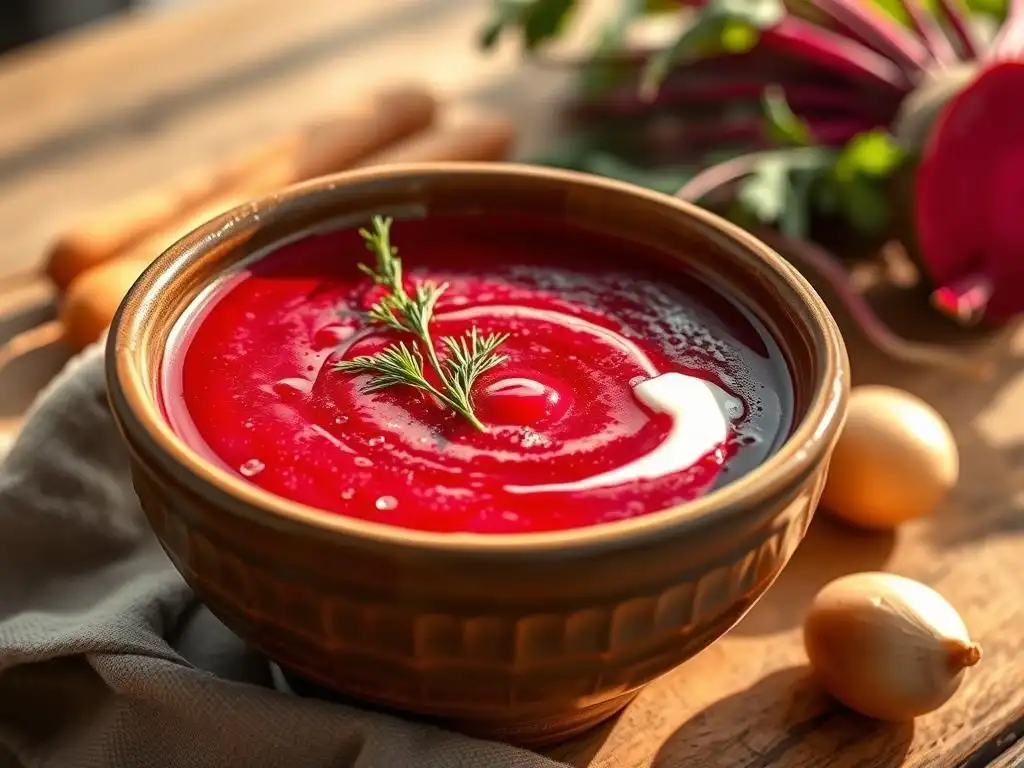
Organic beetroot soup, made with homegrown beets following sustainable practices, offers a wealth of health benefits beyond its delicious taste. The nutritional powerhouse that is the beetroot, when transformed into a comforting soup, provides readily accessible nutrients in a digestible form. This section will explore the significant health advantages associated with consuming organic beetroot soup, focusing on its nutritional profile and specific health improvements. Remember, using organically grown beets minimizes exposure to harmful pesticides and maximizes the nutritional value of your soup.
Nutritional Value of Beetroots and Their Soup
Beetroots are nutritional champions, packed with essential vitamins, minerals, and antioxidants. A single cup of cooked beetroot contains a significant amount of folate (crucial for cell growth and development), manganese (important for bone health and metabolism), potassium (essential for maintaining healthy blood pressure), and dietary fiber (promoting healthy digestion). These nutrients are largely retained in the soup-making process, especially when using gentle cooking methods like simmering.
Furthermore, the soup itself can be enriched with other nutrient-dense ingredients, such as carrots, onions, and vegetable broth, further boosting its nutritional profile. For example, adding a cup of organic carrots enhances the soup's vitamin A content, crucial for vision health. The inclusion of organic vegetable broth adds electrolytes, supporting hydration and overall bodily functions.
Consider this comparison: a typical serving of commercially produced beetroot soup might contain added sugars, sodium, and preservatives, negatively impacting its nutritional value. However, a homemade organic version allows for complete control over ingredients, ensuring a wholesome and healthy meal. The vibrant color of the soup itself is a testament to its high concentration of betalains, powerful antioxidants with anti-inflammatory properties.
Beetroot Soup for Improved Cardiovascular Health
The nitrates found abundantly in beetroot are converted into nitric oxide in the body. Nitric oxide is a potent vasodilator, meaning it relaxes and widens blood vessels, improving blood flow and lowering blood pressure. Regular consumption of beetroot soup, particularly organic varieties, can contribute to better cardiovascular health. Studies have shown that consuming beetroot juice (and by extension, beetroot soup) can significantly reduce systolic and diastolic blood pressure, even in individuals with hypertension.
This effect is amplified by the presence of other beneficial compounds in beetroot, such as potassium and fiber, which further support heart health. The reduction in blood pressure translates to a lowered risk of heart disease, stroke, and other cardiovascular complications. Remember that while beetroot soup is beneficial, it shouldn't replace medical advice or prescribed treatments for cardiovascular conditions.
Beetroot Soup's Anti-inflammatory Properties in Soup Form
Beetroot's vibrant color is a clear indication of its high betalain content. Betalains are potent antioxidants and possess significant anti-inflammatory properties. Chronic inflammation is linked to numerous health problems, including heart disease, arthritis, and certain types of cancer. By incorporating organic beetroot soup into your diet, you can harness the anti-inflammatory benefits of betalains to help combat chronic inflammation.
The gentle cooking process used in making beetroot soup preserves these beneficial compounds, ensuring that they remain bioavailable and readily absorbed by the body. Moreover, combining beetroot with other anti-inflammatory ingredients, such as ginger or turmeric (when appropriate for the recipe), can further enhance the soup’s anti-inflammatory potential. This makes organic beetroot soup a delicious and effective way to support your body's natural anti-inflammatory processes. The combination of nutrients and antioxidants works synergistically to promote overall well-being.
Beyond the Bowl: Creative Uses for Beetroot Soup
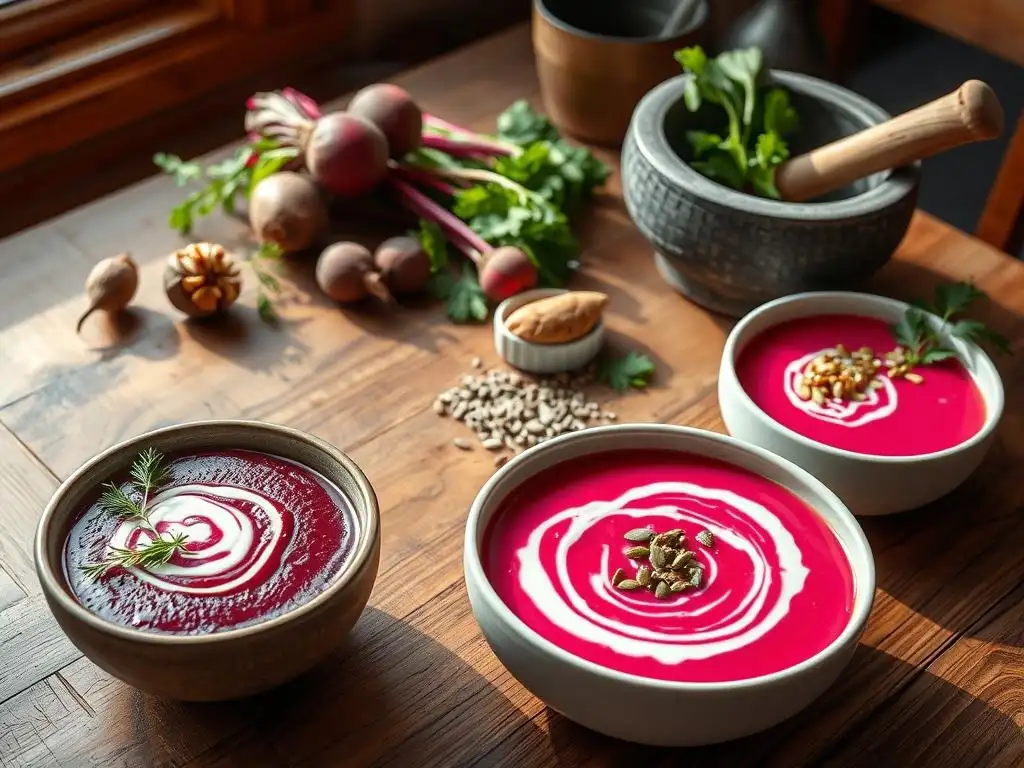
This section explores exciting ways to utilize your homemade organic beetroot soup beyond the typical bowl. We'll move beyond the standard serving suggestion and discover innovative culinary applications. The vibrant color and earthy sweetness of beetroot soup lend themselves perfectly to a variety of creative uses, expanding its versatility in your kitchen. Think of it as a culinary canvas, ready for your artistic touch!
Beetroot Soup as a Base for Other Dishes
Organic beetroot soup, with its rich flavor profile, serves as an exceptional base for numerous dishes. Its deep, earthy sweetness complements many ingredients, adding a unique depth to otherwise simple recipes. For example, consider using it as a sauce for roasted chicken or fish. The soup's natural sweetness will balance the savory notes of the protein, creating a delightful flavor combination. You can also reduce the soup to a thicker consistency and use it as a glaze for grilled vegetables, adding both color and a unique tang.
Another exciting application is in creating unique pasta sauces. Blend the soup with some cream cheese or coconut milk for a creamy, vibrant pasta sauce. Adding a touch of fresh herbs like thyme or rosemary will further enhance the flavor profile, offering a sophisticated and healthy alternative to traditional tomato-based sauces. The possibilities are truly endless!
Here's a simple example of using beetroot soup as a base for a pasta dish:
| Ingredient | Quantity | Notes |
|---|---|---|
| Organic Beetroot Soup | 2 cups | Use a well-seasoned soup for best results |
| Cream Cheese | 4 oz | Or substitute with coconut milk |
| Pasta | 8 oz (your choice) | Cook according to package directions |
| Fresh Rosemary | 1 tbsp chopped | Or other herbs, to taste |
| Salt & Pepper | To taste | Adjust to your preference |
Simply blend the soup with the cream cheese, then toss with cooked pasta and fresh rosemary. Season to taste and serve immediately. This recipe is easily adaptable—experiment with different herbs and spices to find your perfect combination!
Freezing Beetroot Soup for Future Meals
Freezing your homemade organic beetroot soup is an excellent way to preserve its delicious flavor and nutrients for later enjoyment. Proper freezing techniques ensure that the soup maintains its quality and texture. This is particularly useful if you've made a large batch or want to have a quick and healthy meal readily available.
Before freezing, allow the soup to cool completely. This prevents the formation of ice crystals that can affect the texture. Then, pour the cooled soup into freezer-safe containers, leaving about an inch of headspace to allow for expansion during freezing. Label the containers with the date and contents.
The soup can be stored in the freezer for up to three months. When ready to use, thaw the soup overnight in the refrigerator. Reheat gently on the stovetop or in the microwave, avoiding boiling, as this can alter the soup's texture and flavor. Freezing your organic beetroot soup is a fantastic way to minimize food waste and enjoy delicious, healthy meals throughout the year. Consider making large batches specifically for freezing during the peak beetroot season.
Beetroot Soup as a Healthy and Flavorful Side Dish
Often overlooked, organic beetroot soup can serve as a vibrant and nutritious side dish, complementing a wide variety of main courses. Its earthy sweetness and rich color provide a welcome contrast to richer or heavier entrees. Consider serving it alongside grilled meats, roasted poultry, or even vegetarian dishes like lentil stews or stuffed bell peppers.
The soup's inherent health benefits—packed with vitamins, minerals, and antioxidants—add a nutritional boost to any meal. Its smooth texture and mild flavor make it appealing to a wide range of palates, including children. A simple garnish of fresh herbs, a dollop of crème fraîche, or a sprinkle of toasted nuts can elevate the presentation and add further textural complexity.
Serving beetroot soup as a side dish offers a convenient and healthy way to incorporate this nutrient-rich vegetable into your daily diet. It's a delightful and unexpected addition to your culinary repertoire, showcasing the versatility of this often-underestimated root vegetable. 🥕
Frequently Asked Questions
What makes the beetroot soup recipes on CultivateYourFood special?
Our recipes emphasize organic ingredients and sustainable practices, guiding you towards delicious and healthy beetroot soup while minimizing environmental impact. We provide options for various skill levels, from beginner to advanced home cooks.
Are the beetroot soup recipes suitable for beginners?
Yes! We offer recipes with simple instructions and readily available ingredients, perfect for those new to cooking or organic gardening. More advanced recipes are clearly marked as such.
Can I adapt the recipes to use different vegetables?
Absolutely! Many recipes are easily adaptable. Feel free to experiment with adding other root vegetables like carrots or parsnips, or incorporating herbs from your own garden for extra flavor.
What's the best way to store leftover beetroot soup?
Store your soup in an airtight container in the refrigerator for up to 3-4 days. Freezing is also a great option for longer storage – simply thaw and reheat gently.
Where can I find more information on growing organic beetroot?
CultivateYourFood offers extensive resources on growing organic beetroot, from seed selection and planting techniques to harvesting and pest control. Explore our articles and guides for a comprehensive approach.
Final Reflection: The Enduring Comfort of Organic Beetroot Soup
The vibrant hues and earthy sweetness of organic beetroot soup resonate deeply with our modern need for wholesome, comforting food. This simple dish, far from being a mere culinary creation, offers a powerful connection to the land and a celebration of nature's bounty. It's a reminder that even the most basic ingredients can yield extraordinary results, both in taste and in nourishing our bodies and souls.
The enduring appeal of beetroot soup, particularly when made with organic ingredients, speaks volumes about our growing awareness of food's impact on our well-being. It's a reflection of a shift towards mindful eating, a conscious choice to prioritize quality and provenance. This resonates deeply with me, as I've personally experienced the difference organic produce makes, not just in flavor but also in the overall sense of satisfaction and connection to the earth. Food is symbolic of love when words are inadequate.
- Alan D. Wolfelt. This quote perfectly encapsulates the emotional connection we can forge with food, especially when it's prepared with care and intention, using ingredients we know are good for us and the planet.
Now, I invite you to consider the recipes presented within this article as more than just instructions; see them as opportunities. Experiment with different variations, explore the versatility of beetroot, and most importantly, savor the experience of creating and sharing a warm, nourishing bowl of soup. Let the vibrant color and rich flavor remind you of the simple joys in life, and the power of mindful eating to nurture both body and spirit. Embrace the journey of culinary exploration, and discover the enduring comfort that awaits you in a bowl of organic beetroot soup.
Unleash Your Inner Chef: Craft the Perfect Beetroot Soup
Thanks for exploring the wonderful world of beetroot soup with us! We hope you've found delicious inspiration. Now it's time to put your ideas into action!
- Create your beetroot soup: Gather your ingredients and start cooking! Experiment with different flavors and techniques—let your creativity shine. Make the recipe your own.
- Share your creation: Snap a photo of your delicious soup and share it on social media using #CultivateYourBeetroot. Let's inspire each other!
- Discover beetroot's health benefits: Research the nutritional value of beetroot to fully appreciate this versatile vegetable.
Ready to transform your kitchen into a haven of warm, comforting beetroot soup? What unique twist will you add next time?