
The Best Time to Plant Peppers Outdoors: Timing is Everything

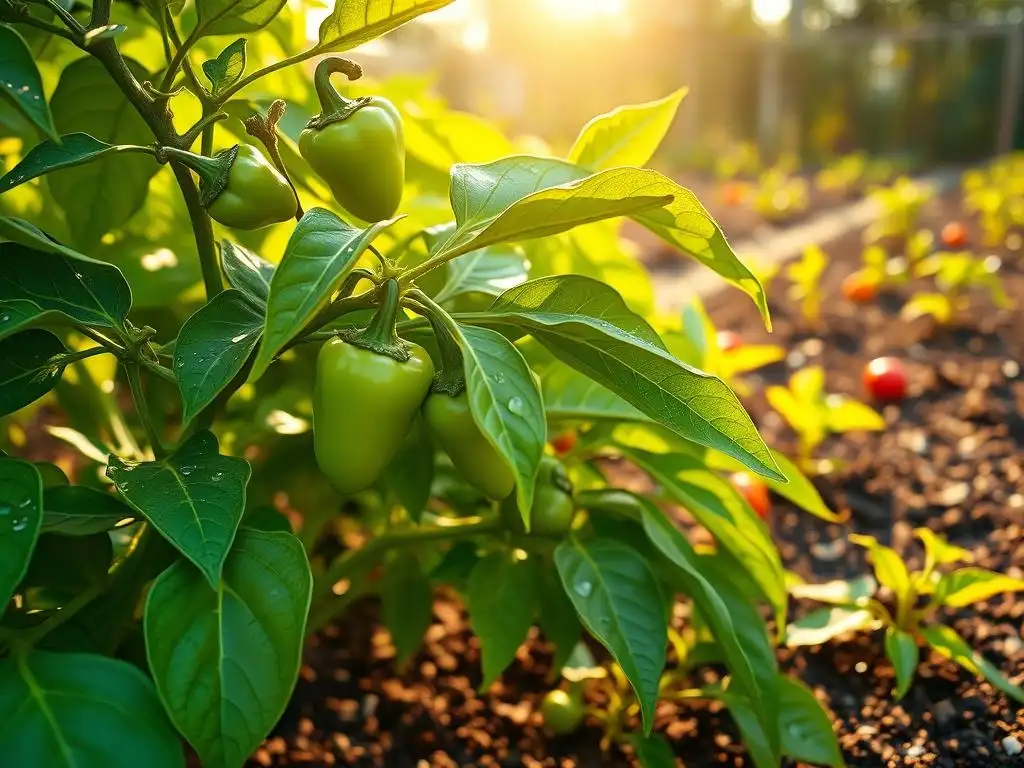
Ready to unlock the secrets to a bountiful harvest of vibrant peppers? CultivateYourFood is your guide to growing your own fruits, vegetables, and herbs organically, from seed to table. We'll help you master every step, from planting to pest control, using sustainable practices that are good for you and the planet. But first, discover the crucial timing that determines success: learn when to plant your peppers for maximum yield in our expert guide on "The Best Time to Plant Peppers Outdoors." Let's get growing!
- Understanding the Ideal Planting Time for Peppers
- Preparing for Outdoor Pepper Planting: Site Selection and Soil Preparation
- Planting Pepper Seedlings Outdoors: A Step-by-Step Guide
- Extending the Growing Season for Peppers: Techniques and Considerations
- Troubleshooting Common Pepper Planting Issues
- Harvesting Your Peppers: Timing for Optimal Flavor and Yield
-
Frequently Asked Questions
- What is the best time to plant pepper plants outdoors?
- How can I tell if the soil temperature is warm enough for planting peppers?
- What should I do if I plant my peppers too early and a frost occurs?
- Are there different planting times for different types of peppers?
- What are some tips for successful pepper cultivation after planting?
- Final Reflection: Sowing the Seeds of Success: Timing and the Triumph of the Pepper
- Unlock Your Pepper Patch Potential: Grow a Bountiful Harvest!
Understanding the Ideal Planting Time for Peppers
Planting peppers at the optimal time is crucial for a bountiful harvest. Getting the timing right ensures your pepper plants have the best possible conditions to thrive, resulting in healthy growth and abundant, flavorful peppers. This guide delves into the key factors influencing when to plant peppers outdoors, helping you determine the perfect planting window for your specific location and climate.
Understanding these factors will significantly improve your chances of success, whether you're growing sweet bell peppers, fiery jalapeños, or any other variety. We'll explore temperature requirements, soil conditions, and the importance of avoiding frost, equipping you with the knowledge to cultivate a thriving pepper patch. Remember, while general guidelines exist, precise timing is highly dependent on your unique geographical location and microclimate.
Factors Influencing Optimal Pepper Planting Time: Temperature and Frost
Peppers are warm-season crops, meaning they require consistently warm temperatures to germinate and grow effectively. They are particularly sensitive to frost, which can severely damage or even kill young plants. Therefore, the most important factor when determining the best planting time is the avoidance of frost. The ideal soil temperature for pepper germination is between 70-80°F (21-27°C). Air temperatures should also be consistently warm, ideally above 60°F (15°C), to encourage healthy growth.
Planting too early, before the threat of frost has passed, can result in significant losses. Conversely, planting too late can shorten the growing season, reducing the overall yield. Careful observation of weather patterns and frost predictions is essential for successful pepper cultivation. Consider using frost protection measures like row covers if planting early in the season.
Soil Temperature Requirements for Successful Pepper Germination
While air temperature is important, the soil temperature is even more critical for pepper germination. Even if the air is warm enough, cold soil will hinder germination and lead to poor seedling development. Use a soil thermometer to accurately measure the soil temperature at the planting depth (usually around 6 inches). Don't just rely on air temperature readings; the soil may remain significantly cooler, especially in early spring.
Aim for a consistent soil temperature of at least 70°F (21°C) before planting your pepper seedlings outdoors. If the soil is too cold, consider using black plastic mulch to warm the soil, or delaying planting until the soil temperature reaches the optimal range. This seemingly small detail can make a big difference in the success of your pepper plants. Remember to check the soil temperature regularly, especially during unpredictable weather patterns.
Assessing Your Local Climate and Last Frost Date for Pepper Planting
Knowing your local climate and the average date of your last spring frost is paramount. This information, readily available from local agricultural extension offices or online weather resources, provides a crucial benchmark. Generally, you should wait at least two to three weeks after the last frost date before planting peppers outdoors. This buffer period ensures that the risk of frost damage is minimized. However, remember that microclimates can vary within a region.
Areas with poor drainage or those located in valleys may experience frost later than higher, well-drained areas. Consider your specific location's microclimate when making your planting decision. Consult local gardening resources or experienced gardeners in your area for more specific guidance tailored to your region's unique climate and weather patterns. 🗓️ Careful planning based on these factors will significantly increase your chances of a successful pepper harvest.
Preparing for Outdoor Pepper Planting: Site Selection and Soil Preparation
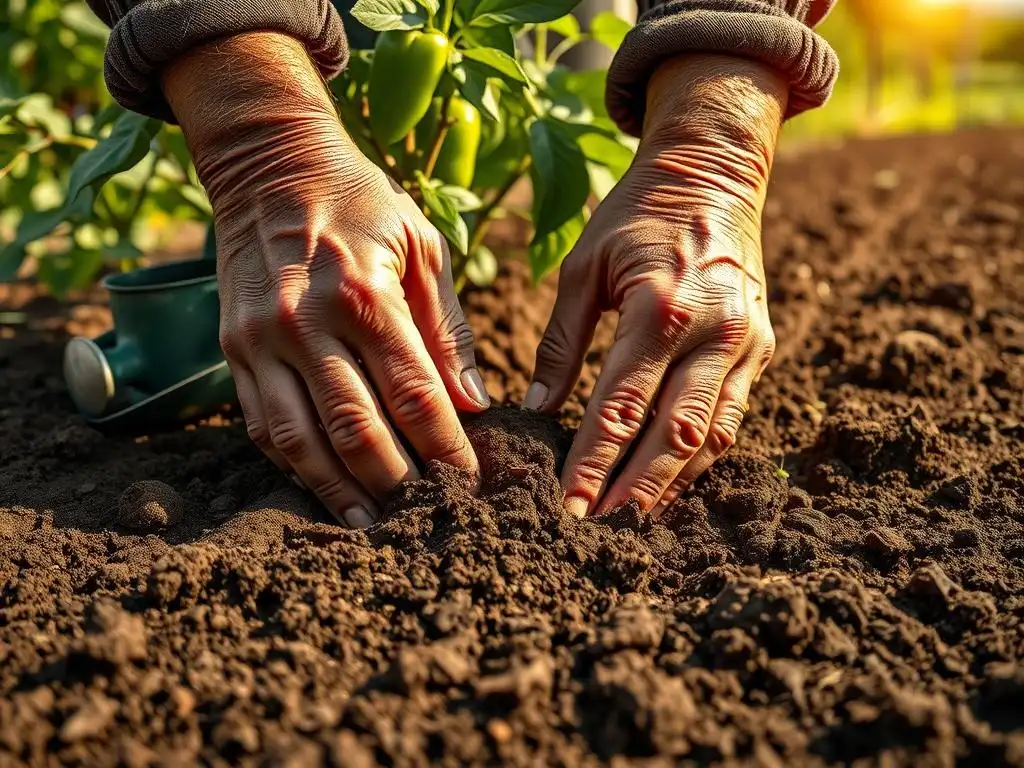
This section focuses on the crucial pre-planting steps to ensure your peppers thrive. Success in growing peppers outdoors hinges not only on the best time to plant, but also on meticulous site selection and soil preparation. Ignoring these foundational elements can significantly impact yield and plant health, regardless of when you plant your seeds or seedlings. Let's dive into the details.
Choosing the Right Location for Your Pepper Plants: Sunlight and Drainage
Pepper plants are sun worshippers! They need at least six to eight hours of direct sunlight daily to produce abundant fruit. Choose a location in your garden that receives ample sunlight throughout the day, preferably facing south (in the Northern Hemisphere). Observe the area throughout the day to confirm consistent sun exposure. Avoid locations shaded by trees or buildings, as this can drastically reduce yields and increase susceptibility to diseases.
Furthermore, excellent drainage is paramount. Peppers are susceptible to root rot if their roots sit in waterlogged soil. Before planting, assess the drainage in your chosen location. Dig a small hole, fill it with water, and observe how quickly the water drains. If the water remains for an extended period, consider amending the soil to improve drainage (discussed in the next section).
Well-drained soil allows for proper aeration around the roots, fostering healthy growth. The ideal soil should be moist but not soggy. Consider the slope of the land; a slight incline can aid in drainage. Poor drainage can lead to stunted growth and disease, negating the benefits of even the best time to plant pepper outdoors.
Preparing the Soil: Improving Drainage and Nutrient Content for Pepper Growth
Preparing the soil is an essential step for successful pepper cultivation. Peppers prefer well-drained, fertile soil with a slightly acidic to neutral pH (6.0-7.0). Amend heavy clay soils with organic matter like compost, aged manure, or peat moss to improve drainage and aeration. These organic additions also enhance the soil's water-holding capacity and nutrient content. For sandy soils, which drain too quickly, incorporate organic matter to increase their ability to retain moisture and nutrients.
The amount of amendment needed depends on your soil's existing condition. A soil test (discussed below) can provide specific recommendations. Generally, incorporating several inches of organic matter into the top layer of soil is beneficial. Mix the amendments thoroughly into the existing soil using a garden fork or tiller. This process improves the soil structure, creating a more hospitable environment for pepper roots to thrive. Remember, healthy soil is the foundation for healthy plants, making the best time to plant pepper outdoors even more effective.
Soil Testing and Amendments for Optimal Pepper Plant Health
While visually assessing your soil provides a general idea of its condition, a soil test offers precise data on its pH and nutrient levels. This information is crucial for determining the necessary amendments to optimize soil conditions for pepper growth. Soil testing kits are readily available from garden centers and online retailers. These kits typically involve collecting a soil sample and sending it to a laboratory for analysis. The results will indicate your soil's pH and the levels of essential nutrients like nitrogen (N), phosphorus (P), and potassium (K), often represented as an NPK ratio.
Based on the soil test results, you can tailor your soil amendments. For example, if the pH is too low (acidic), you can add lime to raise it. If the pH is too high (alkaline), you can add sulfur to lower it.
Similarly, if the test reveals deficiencies in specific nutrients, you can add appropriate fertilizers to address these imbalances. Following the recommendations provided by the soil test ensures that your peppers receive the optimal nutrients for healthy growth and abundant harvests, maximizing the benefits of planting at the best time to plant pepper outdoors. This precise approach surpasses the effectiveness of generic soil amendments, ensuring a successful pepper-growing season.
Planting Pepper Seedlings Outdoors: A Step-by-Step Guide
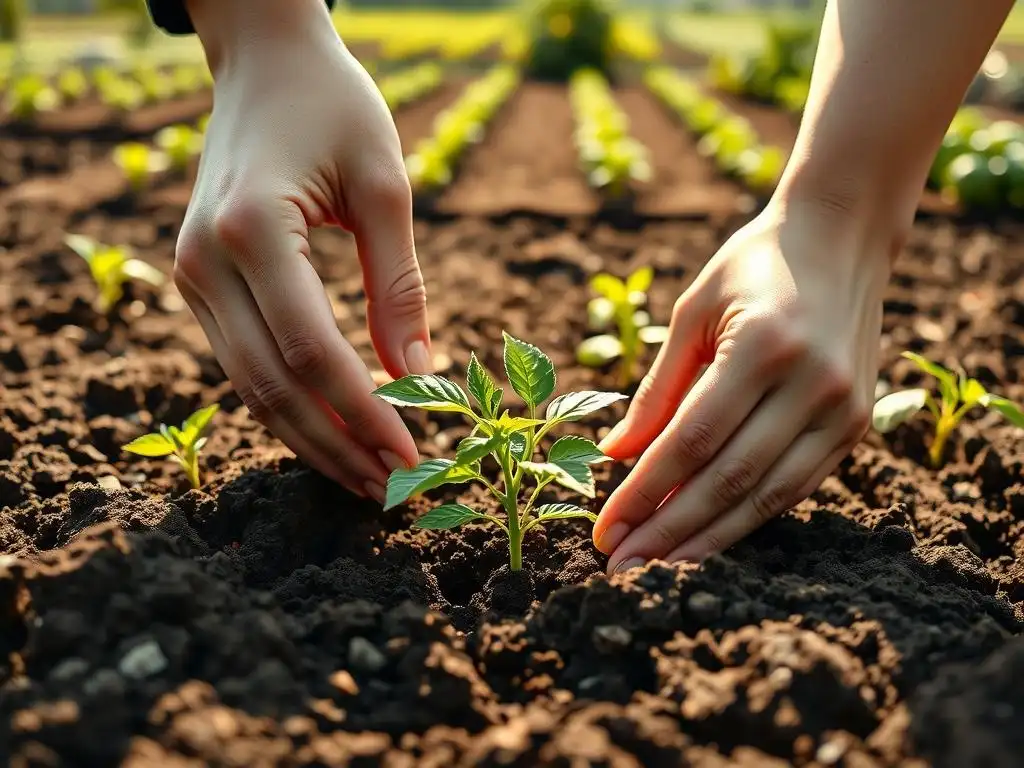
This section details the process of successfully transplanting your pepper seedlings outdoors, ensuring a bountiful harvest. Remember, the best time to plant pepper seedlings outdoors depends heavily on your local climate; consult your frost dates for the most accurate planting window. We'll assume you've already nurtured healthy seedlings indoors. Now it's time to move them to their permanent home.
Hardening Off Pepper Seedlings Before Transplanting
Before you excitedly rush your pepper seedlings outdoors, a crucial step is hardening off. This gradual acclimation process prepares your delicate seedlings for the harsher conditions outside. Sudden exposure to full sun and wind can shock and even kill your plants.
Hardening off typically takes 7-10 days. Start by placing your seedlings in a sheltered location outdoors for a few hours each day, gradually increasing the exposure time. Begin with partial shade and protection from wind. Over the next few days, increase the sunlight and reduce the protection until your seedlings can tolerate full sun for the entire day. Monitor your plants closely; if they show signs of stress (wilting, leaf burn), reduce the sun exposure.
Think of it like this: you wouldn't run a marathon without training! Hardening off is the training for your pepper seedlings. This process significantly increases their chances of survival and thriving in their new outdoor environment. Remember, patience is key to success.
The Optimal Planting Depth and Spacing for Pepper Plants
Planting depth and spacing are vital for healthy pepper growth. Planting too deeply can suffocate the roots, while planting too shallowly can leave the plant unstable. Optimal spacing ensures each plant has adequate resources (water, sunlight, nutrients) to reach its full potential.
The ideal planting depth is the same depth the seedlings were growing in their containers. Avoid burying the stem too deeply, as this can lead to root rot. Gently remove the seedling from its container, ensuring the root ball remains intact. Create a hole slightly larger than the root ball and gently place the seedling inside. Fill the hole with soil, ensuring the soil is firmly packed around the base of the plant.
Spacing depends on the pepper variety. Bush peppers generally require 12-18 inches between plants, while larger, indeterminate varieties might need 24-36 inches or more. Always check the seed packet or plant tag for specific spacing recommendations. Proper spacing minimizes competition for resources and promotes better air circulation, reducing the risk of fungal diseases. Consider a staggered planting pattern to maximize space utilization.
| Pepper Type | Spacing (inches) | Notes |
|---|---|---|
| Bush Peppers | 12-18 | Compact growth habit, suitable for smaller spaces |
| Indeterminate Peppers | 24-36+ | Larger plants, require more space |
Watering and Aftercare for Newly Planted Pepper Seedlings
Consistent watering is essential after transplanting. Newly planted seedlings are vulnerable to dehydration, especially in hot, sunny conditions. Water deeply and thoroughly immediately after planting, ensuring the water reaches the roots. Continue watering regularly, keeping the soil consistently moist but not waterlogged. Overwatering can lead to root rot, while underwatering can stress the plants.
Pay close attention to the weather. During periods of hot, dry weather, you may need to water more frequently. You can use mulch around the base of the plants to help retain moisture and suppress weeds. Mulch also helps regulate soil temperature, protecting the roots from extreme heat and cold.
Regular monitoring for pests and diseases is also crucial. Inspect your plants regularly for any signs of damage or disease. Address any issues promptly to prevent them from spreading. Remember, a healthy start translates to a robust harvest. Consistent care and attention during this crucial initial phase will lay the groundwork for a successful pepper-growing season. 🫑
Extending the Growing Season for Peppers: Techniques and Considerations
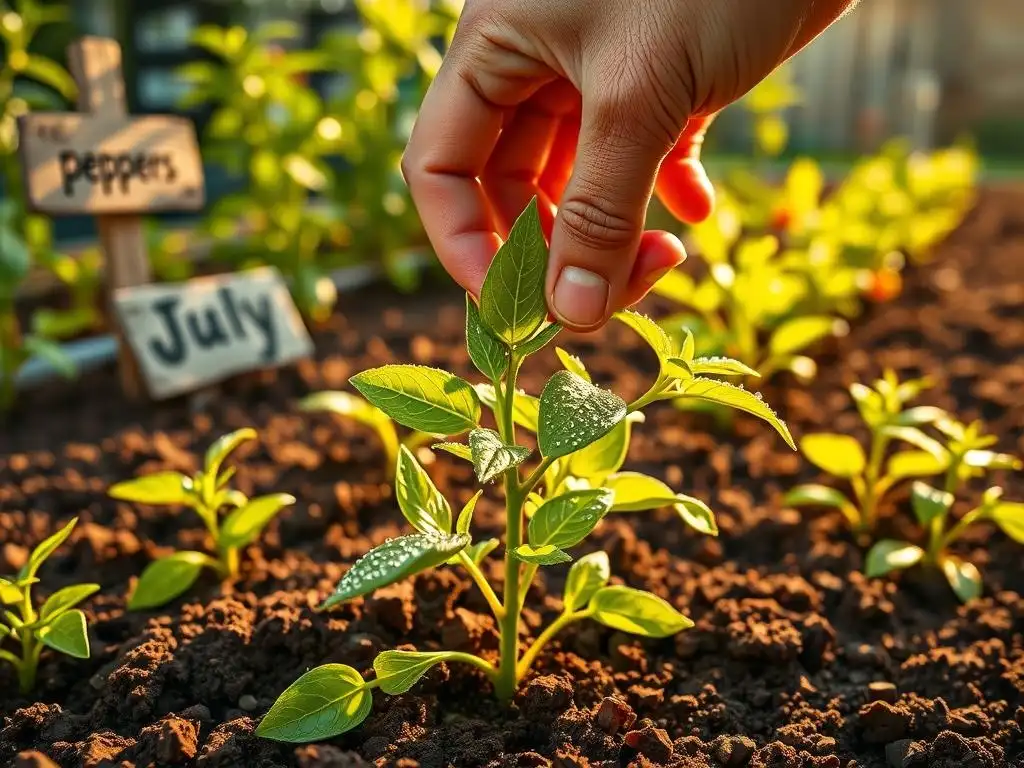
Optimizing your pepper harvest hinges on understanding and effectively managing the growing season. While the best time to plant pepper outdoors varies by region and specific pepper variety, extending that season can significantly increase your yield and enjoyment. This involves implementing strategies to protect your plants from early and late-season frosts, as well as utilizing techniques to encourage earlier and later production. Let's explore some key methods for maximizing your pepper growing season.
Using Row Covers or Cloches to Protect Peppers from Frost
Protecting your pepper plants from unexpected frost is crucial, particularly during the early and late stages of the growing season. Row covers, also known as floating row covers, are lightweight fabrics that create a microclimate around your plants, providing protection from light frosts and chilling winds. These are readily available at most garden centers and are relatively inexpensive. They're particularly useful for extending the growing season into early spring and late autumn.
Cloches, on the other hand, offer more substantial protection. These can range from simple inverted glass jars to more elaborate commercial structures. Cloches create a warmer environment, ideal for protecting seedlings or young plants from harsh weather conditions. While more effective than row covers against severe frost, they can also be more cumbersome to manage, especially for larger pepper plantings.
The choice between row covers and cloches depends on your budget, the severity of your local climate, and the scale of your pepper garden. For example, a small home garden might benefit from individual cloches for particularly vulnerable seedlings, while a larger garden might find row covers a more practical solution. Remember to remove covers on warmer days to prevent overheating and ensure adequate ventilation. Careful monitoring of temperature fluctuations is key to successful frost protection.
Employing Season Extension Methods for Early and Late Pepper Harvests
Extending the pepper harvest beyond the typical growing season requires a multifaceted approach. Starting seeds indoors several weeks before the last expected frost allows for earlier transplanting. This gives your pepper plants a head start, leading to an earlier harvest. Conversely, choosing pepper varieties known for their shorter growing seasons allows for a later planting date, potentially extending your harvest into the fall.
Another effective strategy is using black plastic mulch. This method warms the soil more quickly in spring, improving germination and early growth. The dark color absorbs sunlight and radiates heat, creating a warmer environment for the roots, accelerating plant development.
This is particularly helpful in regions with cooler spring temperatures, allowing for earlier planting and harvest. Conversely, preparing the soil well in autumn, enriching it with compost and ensuring proper drainage, can provide a more favorable environment for overwintering plants (depending on your climate) or for an earlier start in the following spring. Proper soil preparation is therefore a crucial aspect of maximizing the pepper growing season, no matter the chosen approach.
Planning Your Pepper Planting Schedule for a Longer Harvest Season
Careful planning is paramount to achieving a longer pepper harvest. Consult your local frost dates—the average dates of the last spring frost and the first fall frost—as a starting point. These dates will help you determine the optimal planting window for your specific region and chosen pepper varieties.
Consider staggering your plantings. Planting pepper seeds or seedlings in batches, at intervals of two to three weeks, can extend your harvest period. This ensures that you have a continuous supply of peppers throughout the season, rather than a concentrated harvest followed by a lull. Furthermore, selecting pepper varieties with different maturity times is crucial. Some varieties mature quickly, while others require a longer growing season.
Combining both early and late-maturing varieties in your garden ensures a more consistent supply of peppers, effectively lengthening your total harvest window. Proper planning, coupled with the techniques discussed above, can substantially increase the duration and yield of your homegrown pepper harvest. Remember to keep detailed records of your planting schedule, variety choices, and the success of your season extension methods to refine your approach year after year. This iterative process will ultimately lead to a more abundant and prolonged pepper harvest.
Troubleshooting Common Pepper Planting Issues
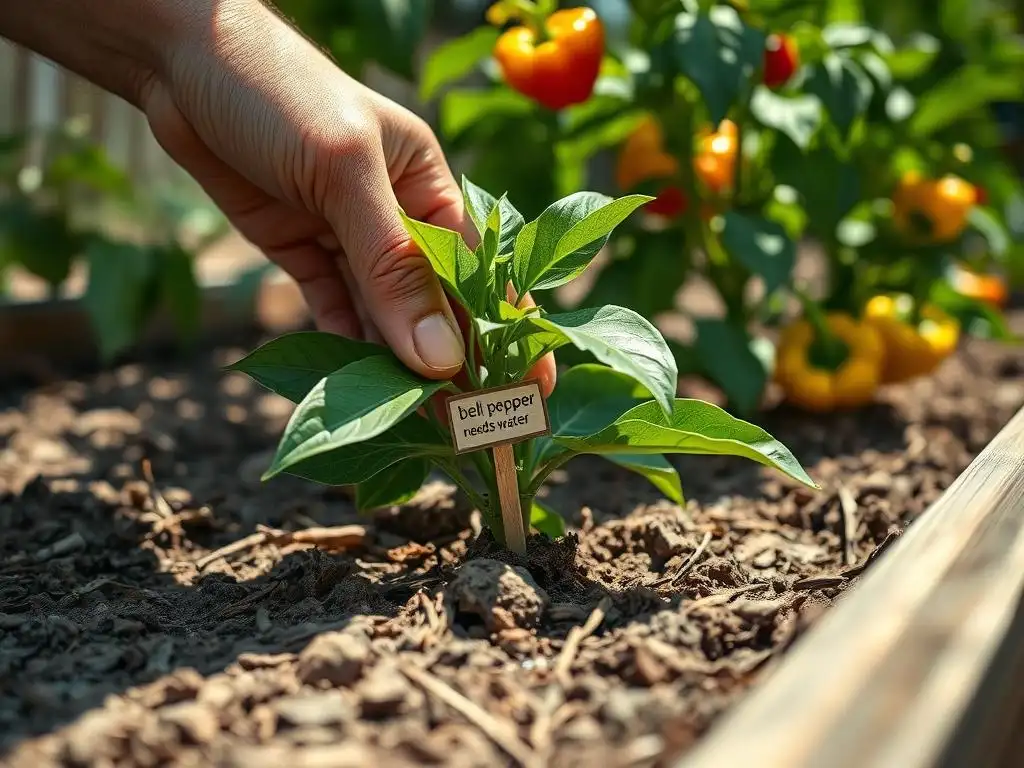
Growing peppers successfully hinges on understanding their needs and anticipating potential problems. While proper timing, as discussed in the main article, is crucial, addressing common issues is equally vital for a bountiful harvest. This section dives into the most frequent challenges faced by home pepper growers, offering practical solutions for a healthy and productive pepper patch. Optimizing your pepper growing experience involves proactive monitoring and swift action when problems arise.
Dealing with Common Pepper Planting Problems: Pests and Diseases
Pepper plants, like other vegetables, are susceptible to various pests and diseases. Early detection and intervention are key to preventing widespread damage. Common culprits include aphids, spider mites, whiteflies, and fungal diseases like blight and anthracnose.
Aphids, tiny sap-sucking insects, can severely weaken plants. Regularly inspect your pepper plants, looking for clusters of these pests on the undersides of leaves. A strong spray of water can dislodge them, but for severe infestations, insecticidal soap is a more effective organic solution. Remember to always follow the instructions on the product label carefully.
Spider mites, another common pest, create fine webbing on leaves and cause stippling and yellowing. Similarly to aphids, a strong water spray can help, but for heavier infestations, consider introducing beneficial insects like ladybugs, which prey on spider mites.
Whiteflies, small white insects, congregate on the undersides of leaves, causing yellowing and stunted growth. Sticky traps can effectively capture these pests, and again, insecticidal soap can be used as a natural control method.
Fungal diseases often thrive in humid conditions. Ensure good air circulation around your pepper plants by spacing them appropriately and avoiding overhead watering. If you notice signs of blight (brown spots on leaves) or anthracnose (dark lesions on fruits), remove affected plant parts immediately and consider using a copper-based fungicide as a last resort, always following label instructions. Preventing these issues through proper spacing and watering techniques is the best approach.
Remember to rotate your pepper crops annually to break pest and disease cycles. Healthy plants are more resilient, so proper fertilization and watering are crucial preventative measures.
Identifying and Addressing Nutrient Deficiencies in Pepper Plants
Nutrient deficiencies manifest in various ways, impacting the overall health and yield of your pepper plants. Recognizing these signs early is essential for corrective action. Pepper plants require a balanced supply of macronutrients (nitrogen, phosphorus, and potassium) and micronutrients (iron, manganese, zinc, etc. ).
- Nitrogen Deficiency: Symptoms include pale green or yellow leaves, particularly older leaves, and stunted growth. This can be addressed by applying a nitrogen-rich fertilizer, such as compost tea or a balanced organic fertilizer.
- Phosphorus Deficiency: This often results in stunted growth, dark green or purplish leaves, and poor fruit development. Using a phosphorus-rich fertilizer can help correct this deficiency.
- Potassium Deficiency: Potassium deficiency can lead to yellowing and browning of leaf margins, as well as reduced fruit size and quality. Applying a potassium-rich fertilizer or using potassium-rich compost can be helpful.
Regular soil testing can help identify specific nutrient imbalances. You can purchase soil testing kits at most garden centers. Based on the results, you can then amend your soil with the appropriate fertilizers to ensure your plants receive the necessary nutrients for optimal growth. Remember that over-fertilizing can also harm your plants, so follow package instructions carefully.
Proper watering and soil conditions are paramount for healthy pepper plants. Both under-watering and over-watering can lead to problems.
Overwatering: Soggy soil leads to root rot, a fatal condition. Symptoms include wilting, yellowing leaves, and a foul odor emanating from the soil. Ensure your soil has good drainage to prevent waterlogging. Consider using raised beds or containers with drainage holes. Water deeply but less frequently, allowing the soil to dry slightly between waterings.
Underwatering: Underwatering causes wilting, leaf curling, and reduced fruit production. Water deeply and consistently, particularly during hot and dry periods. Mulching around the plants helps retain soil moisture and suppress weeds.
Soil Compaction: Compacted soil restricts root growth and inhibits proper water and nutrient uptake. Improve soil structure by adding organic matter, such as compost or well-rotted manure, which improves drainage and aeration. Regularly loosen the soil around the plants to prevent compaction.
Monitoring soil moisture is crucial. Use your finger to check the soil moisture a few inches below the surface. If the soil feels dry, it's time to water. Remember that the ideal soil conditions for peppers are well-draining, slightly acidic (pH 6.0-7.0), and rich in organic matter. By paying close attention to these factors, you can ensure your pepper plants thrive and produce an abundant harvest.
Harvesting Your Peppers: Timing for Optimal Flavor and Yield
Harvesting your peppers at the right time is crucial for maximizing both flavor and yield. Waiting too long can result in less flavorful, tough peppers, while harvesting too early means sacrificing potential size and sweetness. The best time to harvest depends largely on the pepper variety and the specific growing conditions. Understanding these factors is key to achieving a bountiful and delicious pepper harvest. This section focuses on the best time plant pepper outdoors, considering harvest timing as a crucial aspect of successful pepper cultivation.
Recognizing Signs of Pepper Ripeness for Different Varieties
Pepper ripeness varies greatly depending on the variety. Some peppers, like bell peppers, change color dramatically as they mature, providing a clear visual cue for harvesting. Others, such as jalapeños, might not change color as drastically, relying more on firmness and size as indicators of ripeness.
Here's a breakdown to help you identify ripeness in different pepper types:
- Bell Peppers: These typically start green and mature to red, yellow, orange, or other colors depending on the variety. Harvest when the peppers reach their desired color and are firm to the touch. Early harvesting of green bell peppers is common, as they're often preferred for certain dishes. However, letting them fully ripen increases sweetness and flavor intensity.
- Jalapeños: Jalapeños often remain green throughout their maturation process. Look for peppers that are plump, firm, and have reached their desired size. The color might deepen slightly as they mature, but size and firmness are better indicators of ripeness than color change alone.
- Serrano Peppers: Similar to jalapeños, serrano peppers often stay green. Harvest when they're plump, firm, and have reached their full size. A slight change in color might occur, but it's not as reliable an indicator as firmness and size.
- Poblano Peppers: Poblanos are usually harvested when they are dark green and plump. Their skin should be smooth and firm. Fully mature poblanos can become slightly duller in color.
Remember, the "best time plant pepper outdoors" implicitly includes optimal harvest timing. Careful observation is key to determining the peak ripeness of your peppers and maximizing flavor and yield. Consider tasting a pepper from each plant to gauge the perfect moment for harvest. Don't be afraid to experiment!
Harvesting Techniques to Ensure the Best Pepper Quality
Proper harvesting techniques are essential to prevent damage to the plant and maintain the quality of your peppers. Here's a step-by-step guide:
- Use sharp, clean tools: Use sharp pruning shears or a knife to cleanly cut the pepper from the stem, avoiding tearing or bruising the fruit. Clean tools prevent the spread of disease.
- Harvest in the morning: Harvesting in the morning, after the dew has dried, helps prevent the spread of fungal diseases. The peppers will also be less likely to be damaged by the heat of the day.
- Handle with care: Gently handle the peppers to prevent bruising. Place harvested peppers in a container lined with a soft cloth or paper towels.
- Remove damaged peppers: Remove any peppers that show signs of disease, damage, or insect infestation to prevent the spread to healthy peppers.
- Leave some peppers on the plant: Leaving a few peppers on the plant can encourage the plant to continue producing more peppers. This is especially important for indeterminate pepper varieties.
These practices ensure the best time plant pepper outdoors translates to the best quality peppers for your table.
Storing and Preserving Your Harvested Peppers for Maximum Shelf Life
Proper storage and preservation techniques are vital for extending the shelf life of your harvested peppers. Different methods are suitable for different peppers and storage durations.
- Refrigeration: Most peppers can be stored in the refrigerator for up to a week. Place them in a perforated plastic bag or a container lined with paper towels to absorb excess moisture.
- Freezing: Freezing is an excellent way to preserve peppers for longer periods. Blanch the peppers briefly in boiling water before freezing to maintain their color and texture. You can freeze them whole or chopped.
- Pickling: Pickling is a popular preservation method that adds flavor and extends the shelf life of peppers. Numerous recipes are available online and in cookbooks.
- Drying: Drying peppers is another excellent preservation method that concentrates their flavor. You can air-dry them or use a food dehydrator. Dried peppers can be stored in an airtight container for several months.
Choosing the right preservation method depends on your needs and preferences. Proper storage and preservation will ensure you enjoy the fruits of your labor for weeks or even months to come, maximizing the return on your efforts in determining the best time plant pepper outdoors.
Frequently Asked Questions
What is the best time to plant pepper plants outdoors?
The best time to plant peppers outdoors is after the last spring frost and when the soil temperature is consistently above 60°F (15°C). This ensures optimal growth and prevents damage from frost.
How can I tell if the soil temperature is warm enough for planting peppers?
You can use a soil thermometer to accurately measure the soil temperature. Alternatively, wait until the average daily temperature consistently stays above 60°F (15°C) for at least a week.
What should I do if I plant my peppers too early and a frost occurs?
If a late frost threatens your pepper plants, cover them with frost cloth or relocate them temporarily indoors. Young pepper plants are particularly vulnerable to frost damage.
Are there different planting times for different types of peppers?
While the general guideline is the same, some hot peppers might tolerate slightly cooler temperatures than sweet bell peppers. Check specific variety recommendations for optimal planting times.
What are some tips for successful pepper cultivation after planting?
Ensure your peppers receive plenty of sunlight (at least 6-8 hours daily) and consistent watering. Regular fertilization with a balanced organic fertilizer will also promote healthy growth.
Final Reflection: Sowing the Seeds of Success: Timing and the Triumph of the Pepper
The optimal time to plant peppers outdoors is not merely a horticultural detail; it's the cornerstone of a bountiful harvest. Getting the timing right translates directly to healthier plants, more vibrant growth, and ultimately, a table overflowing with delicious peppers. This seemingly simple act of planting holds the key to unlocking the full potential of your pepper patch.
The impact of understanding the ideal planting window extends far beyond the individual gardener. It speaks to a deeper connection with nature's rhythms and the importance of respecting the environment's cues. Successfully cultivating peppers becomes a testament to patience, observation, and a harmonious relationship with the natural world. The glory of gardening: hands in the dirt, head in the sun, heart with nature. To nurture a garden is to feed not just the body, but the soul.
This quote perfectly encapsulates the rewarding experience of successfully growing peppers, highlighting the profound connection between the act of planting and personal fulfillment.
Now, consider your own garden, your own ambitions. What seeds of success are you ready to sow? Take the knowledge gained here – the understanding of microclimates, frost dates, and the specific needs of your pepper varieties – and apply it to your own planting plans.
Don't just plant peppers; cultivate a deeper appreciation for the timing and precision that nature demands, and reap the rewards of a truly bountiful harvest. Let this be the year your pepper plants thrive, not just because you followed the instructions, but because you understood the rhythm of the earth and embraced the art of timing.
Unlock Your Pepper Patch Potential: Grow a Bountiful Harvest!
Thank you for learning about optimal pepper planting times! We hope you feel confident in achieving a successful harvest. Ready to put your new knowledge into practice?
- Plant your pepper seedlings now! Check your local frost dates and follow our regional planting guidelines for best results.
- Share your planting experiences with other gardeners in the comments below – we love hearing about your successes (and any helpful tips! ).
- Starting seeds indoors next year can provide an even earlier harvest.
What planting techniques will you use this season to maximize your pepper yield?