
Boost Your Tomato Harvest: Expert Tips for More Fruit

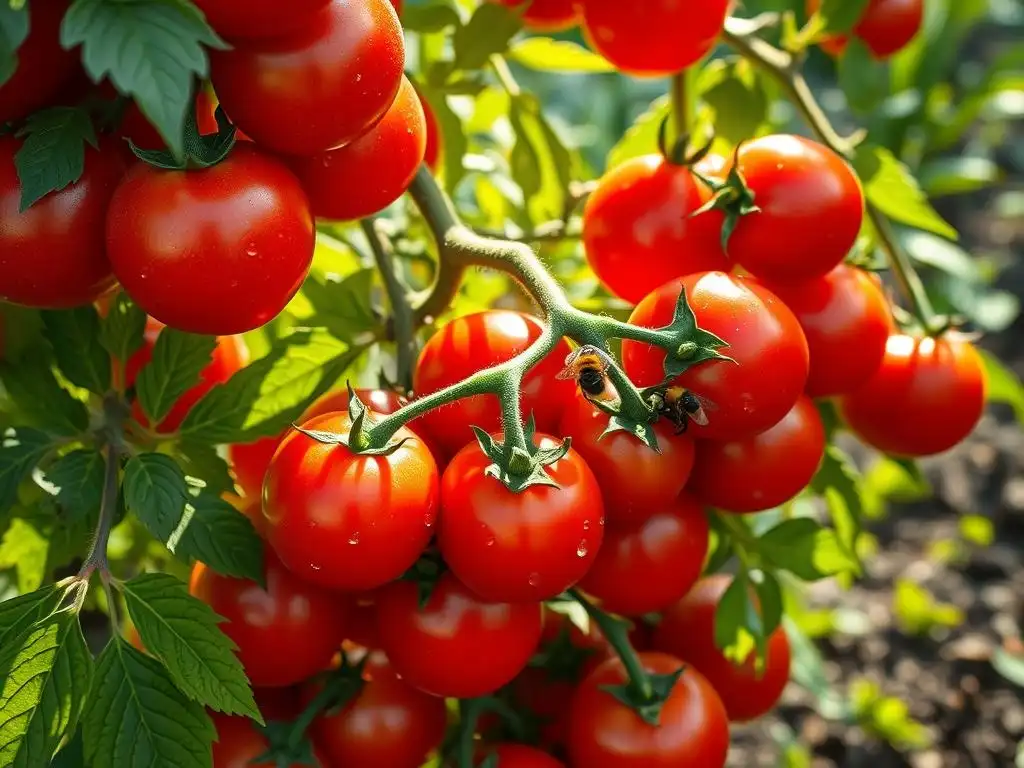
Welcome to CultivateYourFood, your guide to a thriving, sustainable garden! Are you ready to experience the unparalleled satisfaction of harvesting your own organic produce? Then prepare to unlock the secrets to a bountiful harvest with our expert advice on how to Grow More Organic Tomatoes. Discover innovative techniques and practical tips to transform your garden into a vibrant oasis of flavour. Let's get growing!
- Understanding Your Tomato Plants for a Bountiful Harvest
- Optimizing Growing Conditions for Organic Tomato Success
- Essential Techniques for Growing More Organic Tomatoes
- Harvesting and Storing Your Abundant Tomato Crop
- Maximizing Your Next Tomato Season: Planning for Future Success
- Frequently Asked Questions
- Final Reflection: Reaping the Rewards of Organic Tomato Abundance
- Unlock Your Tomato's Full Potential: Grow More, Enjoy More!
Understanding Your Tomato Plants for a Bountiful Harvest
Growing more organic tomatoes isn't just about throwing seeds in the ground and hoping for the best. It's a journey of understanding the plant's needs and providing the optimal environment for thriving growth and abundant fruit production. This guide delves into the key aspects of cultivating a bumper crop of juicy, flavorful organic tomatoes, focusing on sustainable practices that respect both the plant and the environment.
We'll explore everything from selecting the right variety to ensuring proper soil nutrition, empowering you to maximize your yield and enjoy the fruits (or should we say, vegetables 😉) of your labor. Get ready to transform your garden into a tomato paradise!
Choosing the Right Tomato Variety for Your Climate and Space
Selecting the appropriate tomato variety is the cornerstone of a successful organic tomato harvest. Different varieties are suited to different climates and growing spaces. Consider these factors:
- Climate: Are you in a warm, sunny region or a cooler, shorter-season area? Determinate tomatoes (bush-type) are ideal for shorter seasons and smaller spaces, as they grow to a compact size and produce fruit all at once. Indeterminate tomatoes (vining type), on the other hand, continue growing and producing fruit throughout the season, but require more space and are better suited to warmer climates with longer growing periods.
- Space: How much space do you have available? Determinate varieties are perfect for containers or smaller gardens, while indeterminate varieties require more space, often needing staking or caging to support their growth.
- Disease Resistance: Choose varieties known for resistance to common tomato diseases in your region. This can significantly reduce the need for chemical interventions, aligning with your organic gardening goals. Look for labels indicating resistance to blight, fusarium wilt, or other prevalent diseases.
Soil Preparation: The Foundation for Abundant Organic Tomato Growth
Healthy soil is the foundation of any successful organic garden, and tomatoes are no exception. Rich, well-drained soil provides the essential nutrients and structure necessary for strong root development and abundant fruit production. Before planting, consider these steps:
- Soil Testing: Conduct a soil test to determine its pH level and nutrient content. Tomatoes prefer slightly acidic soil with a pH between 6.0 and 6.8. Amend the soil accordingly with organic matter like compost or aged manure to improve its structure and nutrient profile.
- Composting: Incorporate a generous amount of compost into your garden bed. Compost provides essential nutrients, improves soil drainage, and enhances the soil's ability to retain moisture. Aim for at least 3-4 inches of compost worked into the top layer of soil.
- Sun Exposure: Tomatoes need at least 6-8 hours of direct sunlight per day. Choose a location in your garden that receives ample sunlight.
Essential Nutrients for Maximum Tomato Production
Providing your tomato plants with the right nutrients throughout their growing cycle is crucial for maximizing yield and fruit quality. Organic fertilization methods are key to maintaining soil health and achieving optimal results.
- Nitrogen (N): Essential for vegetative growth (leaves and stems). Over-fertilizing with nitrogen can lead to excessive foliage at the expense of fruit production. Use a balanced organic fertilizer or compost tea to supply nitrogen gradually.
- Phosphorus (P): Crucial for root development, flowering, and fruit set. Bone meal or rock phosphate are excellent organic sources of phosphorus.
- Potassium (K): Important for overall plant health, disease resistance, and fruit quality. Wood ash or kelp meal are good organic sources of potassium.
Remember to follow the instructions on your chosen organic fertilizer carefully and avoid over-fertilizing. Regular monitoring of your plants and adjusting your fertilization strategy as needed will lead to a healthier, more productive tomato patch. Happy gardening! 🍅
Optimizing Growing Conditions for Organic Tomato Success
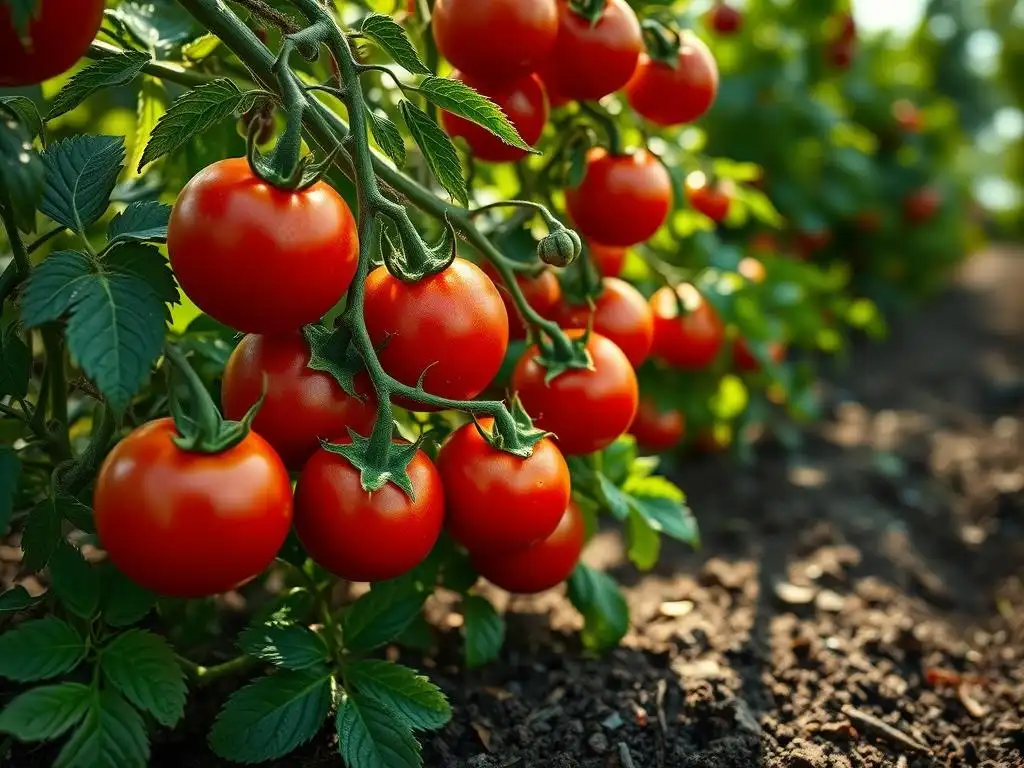
This section focuses on creating the ideal environment for your organic tomato plants to thrive, leading to a bountiful harvest. We'll explore crucial aspects like sunlight, watering, and organic pest control, all vital for maximizing your yield of delicious, homegrown tomatoes. Remember, a healthy plant is a productive plant! Growing more organic tomatoes starts with understanding their needs.
Sunlight Requirements for Healthy Tomato Plants
Tomatoes are sun-worshippers! They need at least six to eight hours of direct sunlight daily to produce abundant fruit. Less sunlight results in weaker plants, fewer blossoms, and smaller tomatoes. Consider your garden's orientation and choose a location that receives maximum sun exposure, particularly during the hottest part of the day. South-facing locations are generally ideal in the Northern Hemisphere.
The intensity of sunlight also plays a crucial role. While ample sunlight is essential, excessive midday heat can scorch leaves and stress the plants. In extremely hot climates, providing some afternoon shade, perhaps with shade cloth, can prevent sunscald and improve overall plant health. Observe your plants closely; wilting leaves, even in the afternoon, can signal a need for more shade or better watering practices. Remember, consistent, strong sunlight is key to growing more organic tomatoes.
Watering Techniques for Lush Tomato Growth
Consistent moisture is vital for healthy tomato growth, but overwatering can be just as detrimental as underwatering. The goal is to maintain evenly moist soil, avoiding both soggy conditions and completely dry soil. Water deeply and less frequently, encouraging deep root growth, rather than shallow, surface watering. A deep watering once or twice a week is generally preferable to frequent, shallow watering.
The best time to water is early in the morning, allowing the foliage to dry before nightfall. This helps prevent fungal diseases that thrive in damp conditions. Use a soaker hose or drip irrigation to deliver water directly to the roots, minimizing water loss through evaporation and preventing leaf diseases.
Mulching around the base of the plants helps retain soil moisture, reducing the frequency of watering and suppressing weeds. Observe your plants; slightly wilting leaves in the afternoon might indicate a need for more water, but consistently soggy soil needs attention to drainage. Proper watering is a cornerstone of growing more organic tomatoes.
Protecting Your Tomatoes from Pests and Diseases Organically
Organic pest and disease control is crucial for a successful tomato harvest. Prevention is key; practicing crop rotation, removing plant debris after harvest, and maintaining good air circulation around plants can significantly reduce disease risk. Healthy plants are naturally more resistant to pests and diseases.
Several organic methods effectively combat common tomato pests and diseases. Companion planting with basil, marigolds, and other herbs can deter some pests. Introducing beneficial insects like ladybugs can help control aphid populations. Regularly inspect your plants for signs of pests or diseases; early detection allows for timely intervention.
For organic pest control, consider using insecticidal soaps, neem oil, or diatomaceous earth. These products effectively target many common tomato pests without harming beneficial insects or pollinators. Always follow the product instructions carefully. For fungal diseases, ensure good air circulation and avoid overhead watering. Remember, a proactive approach to organic pest and disease management is essential for successfully growing more organic tomatoes. A healthy plant is less susceptible to problems.
Essential Techniques for Growing More Organic Tomatoes
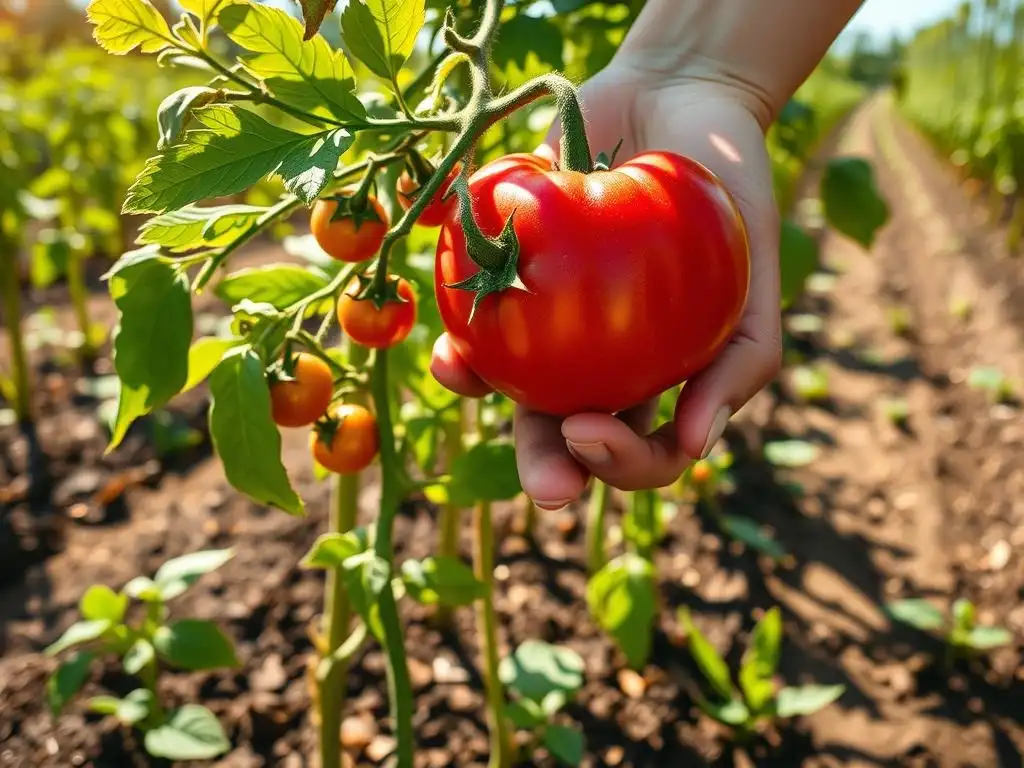
This section delves into crucial techniques to significantly boost your organic tomato harvest. We'll explore methods proven to increase yield, focusing on sustainable and organic practices. Remember, healthy plants produce the most fruit!
Pruning and Training Techniques for Increased Yield
Pruning and training your tomato plants are essential for maximizing fruit production. These techniques improve air circulation, reduce disease risk, and direct the plant's energy towards fruit development rather than vegetative growth.
For determinate tomato varieties (those that grow to a certain height and then stop), pruning is less critical. However, removing suckers (small shoots that grow between the main stem and branches) can still improve air circulation and focus energy on existing fruit. Simply pinch them off when they're small.
Indeterminate tomato varieties (those that continue growing throughout the season), on the other hand, benefit significantly from pruning. These plants can become unruly, leading to shaded lower branches and reduced fruit set. Several training methods exist:
- Single-stem training: This method involves removing all suckers, leaving only the main stem. This focuses the plant's energy into a single strong stem, resulting in larger fruit and easier harvesting. It's ideal for maximizing yield in limited space.
- Two-stem or three-stem training: This approach allows for a few lateral branches to develop, increasing yield compared to single-stem training. Carefully select the strongest suckers to develop into secondary stems. Regularly remove any other suckers to maintain a manageable plant structure.
- Florida weave: This technique is particularly useful for indeterminate varieties with strong stems. It involves weaving the main stem and branches horizontally along a support structure, maximizing sunlight exposure for all fruit. This method requires a strong support system.
The choice of training method depends on the variety of tomato, your available space, and your personal preference. Experiment to find what works best for you and your garden. Careful observation and regular pruning are key to a successful harvest. Remember to always use clean, sharp pruning shears to prevent the spread of disease.
Supporting Your Tomato Plants: Stakes, Cages, and Trellises
Providing adequate support for your tomato plants is crucial, especially for indeterminate varieties. A strong support system prevents the plants from sprawling on the ground, reducing fruit rot and making harvesting easier. Several options exist:
| Support Method | Pros | Cons | Suitable for |
|---|---|---|---|
| Stakes | Simple, inexpensive, good air circulation | Requires tying plants, can be unstable | Determinate and small indeterminate varieties |
| Cages | Easy to use, provides all-around support | Can be bulky, may not be tall enough | Most indeterminate varieties |
| Trellises | Space-saving, excellent air circulation | Requires more initial setup | Indeterminate varieties, larger gardens |
Choosing the right support structure depends on the size of your plants and your garden layout. For smaller determinate varieties, simple stakes may suffice. However, for larger indeterminate plants, cages or trellises are generally better choices. Remember to select sturdy materials that can withstand the weight of the mature plant and its fruit.
Properly supporting your plants is a key component of "grow more organic tomatoes" strategies. A well-supported plant will produce more fruit and have a healthier growing season.
Organic Pest and Disease Control Strategies
Organic pest and disease control is paramount for a healthy tomato harvest. Avoiding synthetic pesticides ensures the safety of your produce and protects the environment. Here are some effective strategies:
- Crop rotation: Rotating your tomato crops annually helps reduce soilborne diseases and pests.
- Companion planting: Certain plants, such as basil and marigolds, repel pests. Planting them near your tomatoes can help deter common tomato pests.
- Regular inspection: Regularly inspect your plants for signs of pests and diseases. Early detection allows for quicker intervention.
- Organic pest control: Use neem oil, insecticidal soap, or diatomaceous earth to control pests organically. Always follow the instructions carefully.
- Disease prevention: Ensure good air circulation by proper pruning and spacing. Avoid overhead watering to prevent fungal diseases.
Consistent monitoring and proactive measures are key to preventing pest infestations and diseases. A healthy plant is more resilient and better able to produce a bountiful harvest. Remember, preventing problems is far easier than curing them! This contributes directly to achieving the goal of growing more organic tomatoes successfully.
Harvesting and Storing Your Abundant Tomato Crop
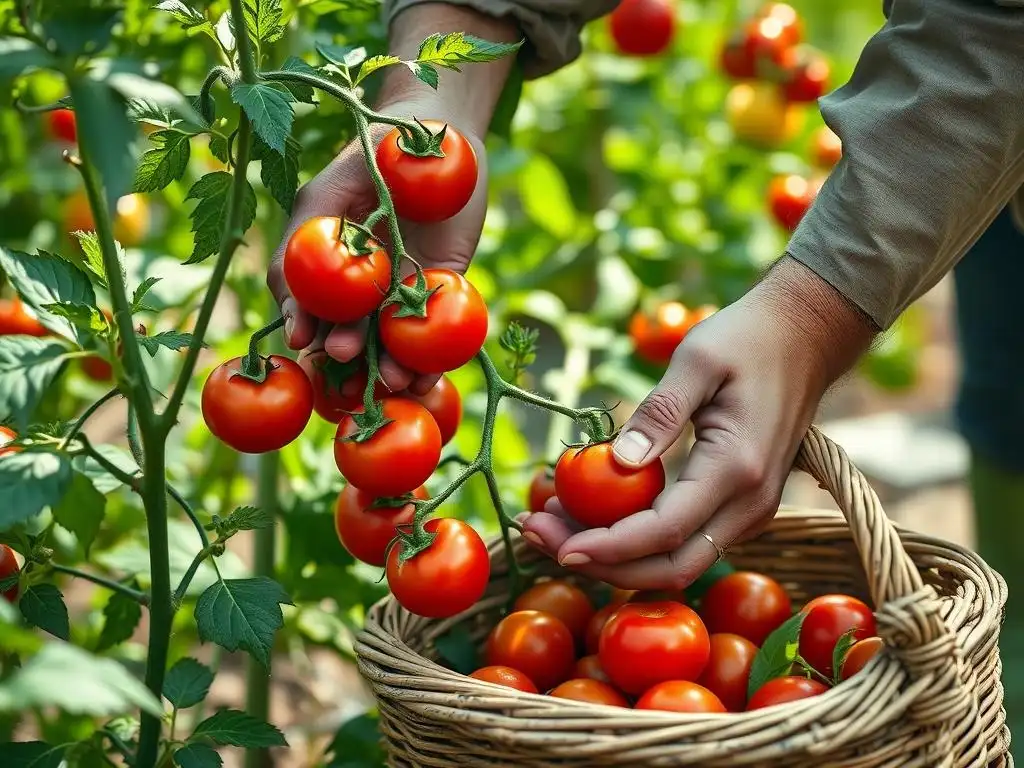
This section focuses on maximizing the yield from your organic tomato plants by implementing optimal harvesting and storage practices. Growing more organic tomatoes isn't just about planting and nurturing; it's about knowing when and how to harvest for the best flavor and longest shelf life. We'll explore the key indicators of ripeness, the best harvesting techniques, and effective storage and preservation methods to enjoy your bountiful harvest for weeks to come.
Recognizing the Signs of Ripe Tomatoes
Knowing when to pick your tomatoes is crucial for optimal flavor and quality. Don't rush the process! Underripe tomatoes lack sweetness and flavor, while overripe tomatoes are prone to splitting and decay. Here's how to identify a perfectly ripe tomato:
- Color: The color is the most obvious indicator. For most varieties, a deep red color signifies ripeness. However, some heirloom varieties may be yellow, orange, purple, or even green when ripe. Always check the variety description to know what to expect.
- Firmness: A ripe tomato should yield slightly to gentle pressure, but not be mushy or soft. Avoid tomatoes that are rock-hard or feel overly soft.
- Fragrance: A ripe tomato will often have a sweet, slightly tangy aroma. Sniff the stem end – this is often where the most intense aroma is concentrated.
- Stem: The stem should separate easily from the tomato without tearing the fruit. If you have to pull hard, the tomato may not be quite ready.
Proper Harvesting Techniques for Maximum Shelf Life
Gentle handling is key to extending the shelf life of your organically grown tomatoes. Avoid bruising or damaging the fruit, as this accelerates spoilage. Here’s how to harvest your tomatoes properly:
- Use sharp scissors or pruners: This ensures a clean cut, minimizing damage to the plant and reducing the risk of disease transmission. Avoid pulling or twisting the tomatoes off the vine.
- Harvest in the morning: Morning harvesting allows the tomatoes to dry slightly from dew, reducing the risk of fungal growth during storage.
- Handle with care: Place harvested tomatoes gently into containers to prevent bruising. Avoid piling tomatoes on top of each other.
- Separate damaged fruit: Immediately remove any damaged or bruised tomatoes to prevent them from spoiling the rest of your harvest. These can be used immediately in sauces or other recipes.
Storing and Preserving Your Tomato Harvest
Proper storage is critical for extending the life of your organic tomato harvest. Several methods can help you enjoy your bounty for longer:
- Room Temperature Storage: Ripe tomatoes can be stored at room temperature for a few days. Keep them in a single layer in a cool, dry place, away from direct sunlight.
- Refrigerator Storage: While not ideal for flavor, refrigeration can extend the shelf life of ripe tomatoes for a week or more. Store them unwashed in a perforated plastic bag or container to prevent moisture buildup.
- Preservation Methods: Consider preserving your excess tomatoes through canning, freezing, or making sauces, jams, or pickles. These methods allow you to enjoy the fruits of your labor throughout the year. Freezing is particularly good for preserving the flavor and texture of tomatoes for later use in sauces and other dishes. Properly canned tomatoes can last for months.
Remember, consistent attention to detail throughout the growing, harvesting, and storage processes is crucial for maximizing your yield and enjoying the delicious rewards of growing more organic tomatoes. Happy harvesting! 🍅
Maximizing Your Next Tomato Season: Planning for Future Success
This section focuses on strategic planning to significantly improve your tomato yield in subsequent seasons. We'll explore key techniques to optimize your growing environment and ensure a bountiful harvest of organic tomatoes year after year. Remember, consistent success in growing more organic tomatoes requires thoughtful preparation and proactive management.
Seed Starting and Transplanting for Early Tomatoes
Starting your tomato plants from seed indoors allows for an earlier harvest and extends the growing season, crucial for maximizing your yield. This technique gives you greater control over the growing conditions, leading to healthier, more vigorous plants. High-quality seeds are paramount; choose varieties known for their productivity and disease resistance in your climate.
Start seeds indoors 6-8 weeks before the last expected frost. Use a seed-starting mix, not garden soil, as it's lighter and drains better, preventing damping-off disease. Sow seeds about ¼ inch deep and keep the soil consistently moist but not soggy. Provide plenty of light; a grow light is ideal. Once seedlings develop their first true leaves, thin them to give each plant ample space.
Transplanting hardened-off seedlings into the garden is a delicate process. Gradually acclimate them to outdoor conditions over a week before transplanting to avoid shock. Choose a sunny location with well-drained soil. Space plants according to the variety's recommended spacing to prevent overcrowding and promote good air circulation, which minimizes disease. Consider using biodegradable pots for transplanting to avoid root disturbance. Planting early, healthy seedlings is a cornerstone of growing more organic tomatoes successfully.
Compost and Soil Enrichment for Continuous Organic Tomato Production
Healthy soil is the foundation of a thriving tomato crop. Organic matter is essential for providing nutrients, improving drainage, and enhancing the soil's structure. Composting kitchen scraps and yard waste creates a rich, nutrient-dense amendment that significantly benefits your tomato plants. This sustainable practice is key to growing more organic tomatoes efficiently and effectively.
Regularly adding compost to your garden beds improves soil fertility and reduces the need for synthetic fertilizers. Aim for at least 3-4 inches of compost incorporated into the soil before planting. This provides a slow-release source of nutrients, feeding your plants throughout the growing season.
You can also use compost tea, a liquid fertilizer made from composted material, as a foliar spray to boost plant growth and increase disease resistance. Analyze your soil regularly to determine its nutrient levels and adjust your composting and fertilization strategies accordingly. Consistent soil enrichment is a crucial element in achieving a substantial increase in your organic tomato harvest.
Rotating Crops to Prevent Soil Depletion and Disease
Crop rotation is a fundamental sustainable farming practice that helps prevent soil depletion and the buildup of soilborne diseases and pests. Tomatoes are heavy feeders, and repeatedly planting them in the same location can deplete essential nutrients and increase the risk of diseases like verticillium wilt and fusarium wilt. Rotating crops helps maintain soil health and improve the overall productivity of your garden.
Avoid planting tomatoes in the same spot for at least three years. Instead, rotate them with non-solanaceous plants (plants not in the nightshade family, like tomatoes, peppers, and eggplants). Good options for crop rotation include legumes (beans, peas), brassicas (cabbage, broccoli), and root vegetables (carrots, beets). This diversification helps prevent the buildup of pests and diseases specific to tomatoes and replenishes soil nutrients. Careful planning and record-keeping are essential for effective crop rotation, contributing to consistently growing more organic tomatoes over the long term. This strategy is instrumental in ensuring a healthy and productive garden year after year.
Frequently Asked Questions
How can I grow more organic tomatoes?
To grow more organic tomatoes, focus on healthy soil rich in organic matter. Ensure consistent watering and adequate sunlight, and use organic pest control methods. Consider using trellises for better support and air circulation.
What's the best way to improve my tomato soil?
Improve your soil by adding compost and other organic materials before planting. Regular soil testing can help determine nutrient deficiencies. Consider using cover crops to improve soil health over time.
When is the best time to plant tomato seedlings?
The best time to plant tomato seedlings is after the last frost and when the soil temperature is consistently warm. This usually falls between late spring and early summer, depending on your climate. Check your local frost dates for guidance.
What are some common organic pest control methods for tomatoes?
Use natural predators like ladybugs to control pests. Neem oil and kaolin clay are effective organic pest deterrents. Regularly inspect your plants for signs of pests and take action promptly.
How can I ensure my tomatoes get enough sunlight?
Tomatoes need at least six to eight hours of direct sunlight daily to thrive. Choose a planting location with ample sunlight. Pruning surrounding plants can help improve sunlight access to your tomatoes.
Final Reflection: Reaping the Rewards of Organic Tomato Abundance
The quest for a bountiful organic tomato harvest isn't just about plump, juicy fruits; it's about connecting with nature, savoring the fruits of your labor, and contributing to a healthier planet. The simple act of nurturing a tomato plant from seed to ripe fruit offers a profound connection to the earth and its cycles, a connection increasingly vital in our fast-paced world.
The journey of growing organic tomatoes has profoundly impacted my own understanding of sustainable living. It's not just about the yield, but the process itself – the careful observation, the patient tending, the deep satisfaction of harvesting something you've nurtured from the ground up. The glory of gardening: hands in the dirt, head in the sun, heart with nature. To nurture a garden is to feed not just the body, but the soul.
This quote perfectly encapsulates the holistic experience of organic gardening, extending far beyond the simple act of growing food.
Now, consider your own space, however small. Do you have a sunny windowsill, a balcony, or even a small patch of land? Imagine the satisfaction of nurturing your own organic tomatoes, the vibrant colors, the rich aroma, and the unparalleled taste of a homegrown tomato. This isn't just about increasing your yield; it's about enriching your life, connecting with nature, and taking a small but significant step towards a more sustainable future. Start small, learn as you go, and experience the joy of a truly organic harvest.
Unlock Your Tomato's Full Potential: Grow More, Enjoy More!
Thank you for exploring these tomato-growing tips! We hope you've gained valuable insights to help you cultivate a bountiful harvest. Now, let's put that knowledge into practice.
- Focus on one key improvement: This week, select one tip from the article that best suits your current gardening setup and implement it. Whether it's adjusting your watering schedule or enriching your soil, even minor improvements can significantly impact your yield.
- Share your progress: Take a photo of your flourishing tomato plants (or those needing some extra attention!) and share it on social media using #CultivateYourFood. Let's inspire one another!
- Try companion planting: Consider planting basil or marigolds alongside your tomatoes. These plants naturally deter pests and improve overall plant health, offering a simple yet effective way to increase your yield.
What's the first step you'll take today to improve your tomato harvest? Share your plans in the comments below!