
Choosing the Right Variety of Leafy Greens for Your Garden: Spinach, Lettuce, and Kale

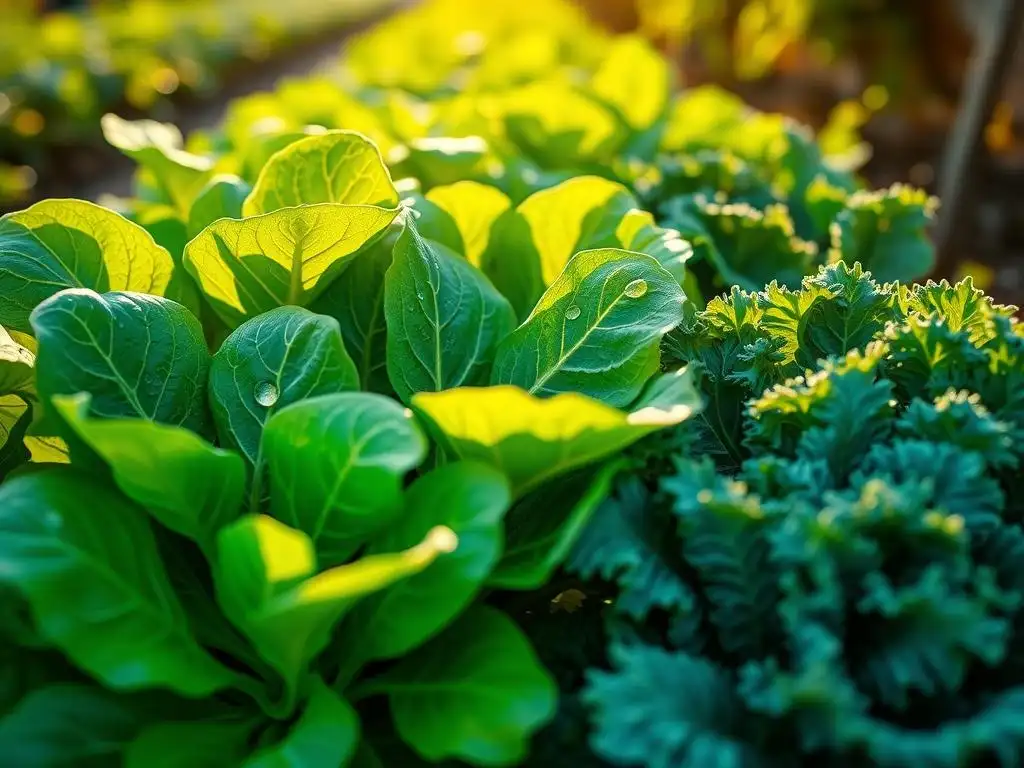
Welcome to CultivateYourFood, your guide to a thriving, sustainable home garden! Are you ready to transform your backyard into a vibrant oasis of fresh, organic produce? We're diving deep into the world of vegetable gardening, and our current focus is on achieving the best leafy greens home garden imaginable. Discover the secrets to successfully cultivating spinach, lettuce, and kale – and so much more – with our expert advice on planting, harvesting, and pest control. Let's get growing!
- Best Leafy Greens for Home Gardens: A Comparative Guide
- Factors to Consider When Selecting Leafy Greens for Your Garden
- Maximizing Your Leafy Green Harvest: Tips and Techniques
- Choosing the Best Leafy Greens for Your Culinary Needs
- Frequently Asked Questions
- Final Reflection: Cultivating Abundance: From Seed to Table
- Unleash Your Inner Gardener: Grow the Perfect Leafy Greens!
Best Leafy Greens for Home Gardens: A Comparative Guide
Growing your own leafy greens is a rewarding experience, offering fresh, flavorful produce directly from your garden to your table. This guide will help you navigate the world of spinach, lettuce, and kale, empowering you to choose the best varieties for your home garden and achieve bountiful harvests using sustainable, organic practices. We'll explore the characteristics of different types, considering factors like climate suitability, yield, disease resistance, and culinary applications.
Whether you're a seasoned gardener or just starting out, this comprehensive overview will equip you with the knowledge to cultivate the healthiest and most delicious leafy greens possible, making your home garden a thriving source of nutritious food. This detailed guide will address the key considerations for selecting the "best leafy greens home garden" options, ensuring success in your organic gardening journey.
Spinach Varieties for Your Home Garden: Choosing the Right Type
Spinach, a nutritional powerhouse packed with vitamins and minerals, is a relatively easy-to-grow leafy green, perfect for both beginners and experienced gardeners. However, selecting the right variety is crucial for optimal growth and yield in your specific climate and growing conditions.
Choosing the Best Spinach for Your Climate
The success of your spinach crop hinges on selecting a variety suited to your local climate. Some spinach varieties thrive in cooler temperatures, while others tolerate warmer conditions better. For example, 'Bloomsdale Long Standing' is known for its cold hardiness and is ideal for fall and spring planting in cooler regions. Conversely, heat-tolerant varieties like 'Melody' are better suited to warmer climates and can withstand higher temperatures without bolting (going to seed prematurely). Consider your average temperatures and frost dates when making your selection. Remember to check seed packets or plant descriptions for specific climate recommendations.
High-Yield Spinach Varieties for Abundant Harvests
If maximum yield is your goal, choosing high-yielding spinach varieties is essential. 'Giant Nobel' and 'Tyee' are two popular choices known for their impressive leaf production. These varieties often produce large, robust plants that provide plentiful harvests. However, remember that high-yielding varieties may require more space and nutrients than smaller varieties. Proper soil preparation and fertilization are key to maximizing their potential. Consider factors like planting density and spacing to ensure each plant receives adequate resources.
Disease-Resistant Spinach for Organic Gardening
Disease resistance is paramount for organic gardening, reducing the need for chemical interventions. Selecting disease-resistant spinach varieties minimizes the risk of common issues like downy mildew and leaf spot. Look for varieties specifically labeled as disease-resistant; these often include traits that enhance their resilience to various pathogens. Implementing good garden hygiene practices, such as crop rotation and proper sanitation, further reduces disease risk, even with disease-resistant varieties.
Lettuce Varieties for Home Cultivation: From Crisphead to Loose Leaf
Lettuce, a versatile leafy green, offers a wide array of types, each with unique characteristics and culinary applications. From the crisp heads of iceberg lettuce to the delicate leaves of loose-leaf varieties, choosing the right type enhances both your gardening experience and the enjoyment of your harvest.
Understanding Different Lettuce Types and Their Growth Habits
The world of lettuce is diverse, encompassing several main types: Crisphead (e.g., Iceberg), Butterhead (e.g., Bibb), Loose Leaf (e.g., Red Sails), and Romaine. Each type exhibits different growth habits and leaf textures. Crisphead lettuces form tight heads, requiring more space and time to mature. Butterheads are softer and more tender, while loose-leaf varieties are ideal for continuous harvesting. Romaine, with its upright growth habit, is known for its sturdy leaves and slightly bitter flavor. Understanding these differences helps you select the type that best suits your needs and garden space.
Best Lettuce Varieties for Beginners: Easy-to-Grow Options
For novice gardeners, selecting easy-to-grow lettuce varieties is crucial for building confidence and success. 'Black Seeded Simpson' and 'Red Sails' are known for their ease of cultivation and tolerance to various conditions. These varieties are less demanding than some others and are forgiving of minor mistakes. They offer quick harvests, providing a satisfying sense of accomplishment early in the growing season.
Choosing Lettuce for Salads and Other Culinary Uses
Different lettuce varieties lend themselves to various culinary applications. Crisphead lettuces are often used as a base for salads, while butterheads offer a more delicate flavor and texture. Loose-leaf varieties are excellent for salads and sandwiches, and romaine is a popular choice for Caesar salads and wraps. Consider the specific taste and texture you desire when making your selection to ensure your homegrown lettuce perfectly complements your culinary creations.
Kale Cultivation at Home: A Guide to Hardy Greens
Kale, a nutritional powerhouse, is a remarkably resilient leafy green, making it an excellent choice for home gardeners, even beginners. Its hardiness allows it to thrive in cooler temperatures, extending the growing season beyond many other leafy greens. This adaptability contributes to its popularity as a staple in many home gardens. Furthermore, kale's versatility shines through in its numerous culinary applications—from hearty soups to vibrant salads, its robust flavor profile complements a wide range of dishes.
The ease of kale cultivation further enhances its appeal for home gardeners seeking a rewarding and nutritious harvest. From seed to plate, the journey of growing kale is a testament to the simple pleasures of homegrown produce. Unlike more delicate greens, kale's ability to withstand some frost makes it a dependable crop for fall and even early winter harvests in many climates.
Selecting the Right Kale Variety for Your Needs and Space
Choosing the right kale variety is crucial for a successful home garden. Consider your available space and the length of your growing season. For instance, compact varieties like 'Dwarf Blue Curled' are perfect for smaller gardens or containers, while larger varieties like 'Lacinato' (also known as dinosaur kale) require more space. Consider also the taste and texture preferences. Some varieties, like 'Red Russian', offer a milder flavor, while others boast a more intense, peppery taste. 'Curly kale' varieties are known for their frilly leaves, while 'Lacinato' offers flat, dark green leaves. Researching varieties beforehand ensures you select the best fit for your specific needs and gardening style. Understanding the maturity time of different kale varieties is also essential for planning your planting schedule and ensuring a continuous harvest throughout the growing season. Many seed catalogs provide detailed information on each variety's growth habit, size, and flavor profile, enabling informed decision-making.
Growing Kale Organically: Pest and Disease Management
Organic kale cultivation emphasizes natural pest and disease management strategies. Regular monitoring is key to early detection and prevention. Healthy soil is fundamental, achieved through composting and regular soil testing. This strengthens the plants' natural resilience. Beneficial insects, such as ladybugs, can help control aphid infestations, a common kale pest. Handpicking pests is another effective, non-toxic method.
Proper spacing between plants promotes airflow, reducing the risk of fungal diseases. Rotating crops yearly helps to break pest and disease cycles. Using organic mulch, such as straw or wood chips, helps maintain soil moisture, suppresses weeds, and further discourages pests. Integrating these techniques into your growing strategy ensures healthy, organically grown kale while minimizing environmental impact. Remember, a proactive approach to pest and disease management is far more effective than reactive measures.
Harvesting and Storing Kale for Optimal Freshness
Harvesting kale at the right time is crucial for maximizing flavor and texture. You can begin harvesting outer leaves when they reach a desirable size, typically around 6-8 weeks after planting, leaving the inner leaves to continue growing. Regular harvesting encourages new leaf growth, prolonging the harvest season. Harvesting in the morning, after the dew has dried, prevents bacterial growth.
To store kale, remove the tough stems and wash the leaves thoroughly. For immediate use, store in a plastic bag in the refrigerator. For longer storage, consider blanching the leaves briefly and freezing them for later use.
This preserves the nutrients and extends the shelf life significantly. Proper harvesting and storage techniques ensure you can enjoy your homegrown kale for weeks, even months, after harvest, maximizing the yield of your hard work. Freezing kale retains its nutritional value and is a convenient way to enjoy the bounty of your garden throughout the year.
Factors to Consider When Selecting Leafy Greens for Your Garden
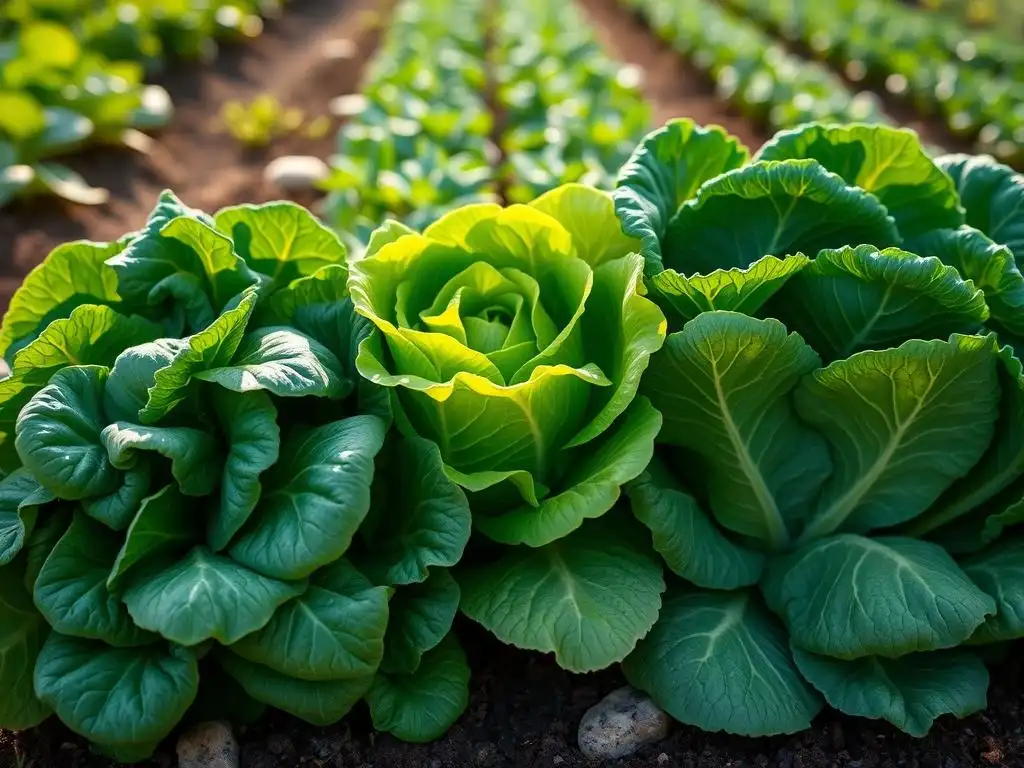
Choosing the best leafy greens for your home garden involves more than just picking your favorites. Success hinges on understanding the specific needs of each variety and tailoring your approach to your unique growing conditions. This section will delve into crucial factors to ensure a bountiful harvest of spinach, lettuce, and kale. Optimizing your gardening practices for these popular leafy greens will contribute to a thriving and sustainable home garden, maximizing yield and minimizing waste. Remember, selecting the right variety is the first step towards achieving a successful homegrown leafy green harvest.
Sunlight Requirements for Spinach, Lettuce, and Kale
Sunlight is a critical factor influencing the growth and yield of leafy greens. Different varieties have varying sunlight tolerances. Understanding these nuances is key to selecting the right plants for your garden's conditions.
Spinach, for instance, thrives in partial shade, particularly during the hottest parts of the day. While it can tolerate some direct sunlight, prolonged exposure to intense sun can lead to bolting (premature flowering), resulting in bitter leaves and reduced yield. Aim for at least 4-6 hours of indirect sunlight daily for optimal spinach growth. Consider planting spinach in a location with dappled shade from taller plants or structures.
Lettuce, depending on the variety, exhibits a broader range of sunlight tolerance. Loose-leaf lettuces generally prefer partial shade to full sun, similar to spinach, while some head lettuces can tolerate more direct sunlight. However, even with head lettuces, excessive sun can cause the leaves to become bitter and tough. Aim for 6-8 hours of sunlight for most lettuce varieties, but adjust based on your specific climate and the variety you've chosen. Monitor your plants closely; wilting leaves are a clear sign of too much sun.
Kale, on the other hand, is more sun-tolerant than spinach or lettuce. It can handle full sun, especially in cooler climates. In hotter regions, however, some afternoon shade might be beneficial to prevent leaf scorch. Aim for at least 6-8 hours of sunlight for kale, adjusting based on your climate. Remember to check your chosen kale variety's specific sunlight recommendations, as tolerances can vary.
Soil Conditions and pH Levels for Optimal Growth
The soil's composition and pH significantly impact the health and productivity of your leafy greens. Well-drained, fertile soil is crucial for optimal growth. Poor drainage can lead to root rot, while nutrient-deficient soil will produce small, weak plants.
All three leafy greens – spinach, lettuce, and kale – prefer slightly acidic to neutral soil pH levels, ideally between 6.0 and 7.0. You can test your soil's pH using a home soil testing kit readily available at most garden centers. If your soil's pH is outside the optimal range, you can amend it using organic materials like compost or lime to raise the pH, or sulfur to lower it. Remember to conduct a soil test before planting to avoid potential problems. Regular soil testing, especially before each planting season, ensures the long-term health of your garden.
Before planting, enrich your soil with plenty of compost. This adds essential nutrients and improves drainage and soil structure. Compost also helps retain moisture, reducing the frequency of watering, which is especially important for leafy greens. Consider incorporating other organic matter like well-rotted manure to further enhance your soil's fertility.
Spacing and Planting Density for Healthy Plants
Proper spacing and planting density are essential for maximizing yield and preventing disease. Overcrowding can lead to competition for resources, resulting in smaller leaves and increased susceptibility to pests and diseases.
Spinach plants should be spaced approximately 4-6 inches apart, allowing for adequate air circulation and sunlight penetration. Lettuce spacing depends on the variety: loose-leaf lettuces require more space (8-12 inches) than head lettuces (6-8 inches). Kale, being a larger plant, needs even more space, typically 12-18 inches apart, to ensure healthy growth.
| Leafy Green | Spacing (inches) |
|---|---|
| Spinach | 4-6 |
| Loose-leaf Lettuce | 8-12 |
| Head Lettuce | 6-8 |
| Kale | 12-18 |
Remember to consider the mature size of the plants when determining spacing. Proper spacing ensures each plant receives sufficient sunlight, water, and nutrients, leading to healthier, more productive plants. This is crucial for obtaining the best results when growing leafy greens at home. Careful planning in this stage will significantly improve the quality and quantity of your harvest.
Planting in rows or blocks, depending on your garden layout, can facilitate efficient watering and harvesting. Proper spacing and planting density are fundamental aspects of successful leafy green cultivation, contributing significantly to a rewarding gardening experience. These simple steps can significantly increase your harvest and reduce the risk of plant diseases. 🌱
Water Requirements and Irrigation Techniques for Leafy Greens
Leafy greens, while generally thriving in moist soil, have varying water needs depending on the specific variety and the climate. Overwatering can lead to root rot and fungal diseases, while underwatering results in wilting, stunted growth, and a bitter taste. Finding the right balance is crucial for a successful harvest.
Spinach, for example, prefers consistently moist soil but dislikes soggy conditions. Regular watering, aiming for about 1 inch of water per week, is ideal. During hot and dry spells, you may need to increase the frequency to prevent wilting. Observe the soil moisture; if the top inch feels dry, it's time to water.
Lettuce, particularly loose-leaf varieties, is somewhat more tolerant of dry spells than spinach but still benefits from consistent moisture. Aim for similar watering practices as spinach, ensuring the soil remains evenly moist but not waterlogged. Again, checking the soil moisture is key; if the soil feels dry to the touch, water thoroughly.
Kale, being a more drought-tolerant leafy green, can withstand slightly drier conditions than spinach or lettuce. However, consistent moisture promotes faster growth and more tender leaves. While kale can tolerate some dryness, prolonged periods without sufficient water will result in smaller, tougher leaves and reduced yield. Therefore, consistent watering, though perhaps slightly less frequent than for spinach and lettuce, is still recommended.
Choosing the right irrigation technique is also important. Drip irrigation is an excellent choice for leafy greens as it delivers water directly to the roots, minimizing water waste and reducing the risk of fungal diseases. Soaker hoses are another effective option, providing consistent moisture to the soil.
Overhead watering should be avoided, especially during the hottest part of the day, as it can promote fungal growth and lead to leaf diseases. For smaller gardens, a watering can with a gentle rose can be sufficient, but ensure you water deeply and thoroughly. Remember to adjust your watering schedule based on weather conditions, soil type, and the specific needs of your chosen leafy green variety.
Regular monitoring of your plants and soil moisture will help you fine-tune your irrigation strategy for optimal growth and yield. Consider using a soil moisture meter to ensure accurate and consistent watering. This investment can significantly improve your success in growing healthy and delicious leafy greens.
Maximizing Your Leafy Green Harvest: Tips and Techniques
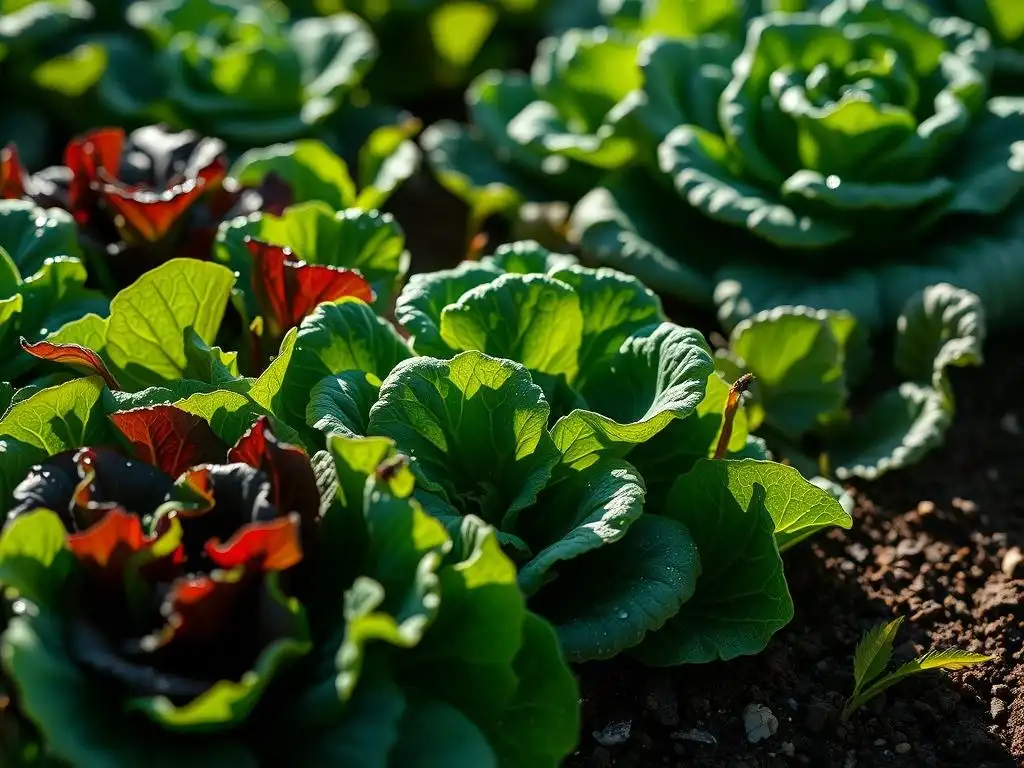
This section focuses on maximizing your yield of spinach, lettuce, and kale in your home garden. We'll explore practical techniques that go beyond simply planting seeds; these are crucial for achieving abundant and healthy harvests. Remember, the "best leafy greens home garden" isn't just about choosing the right variety, but also about employing effective cultivation practices.
Fertilizing Leafy Greens Organically: Nutrient-Rich Soil for Abundant Yields
Healthy soil is the foundation of a bountiful leafy green harvest. Avoid chemical fertilizers; they can harm beneficial soil organisms and potentially contaminate your produce. Instead, opt for organic methods to enrich your soil and provide the necessary nutrients for robust growth. Composting is key! A well-maintained compost pile provides a rich source of organic matter, improving soil structure, aeration, and water retention – all vital for leafy greens.
Consider adding aged compost directly to your planting beds before sowing seeds or transplanting seedlings. Aim for a layer of at least 2-3 inches. You can also use compost tea, a diluted liquid solution of compost, as a foliar feed. This provides a readily available source of nutrients that the plants can quickly absorb through their leaves.
For additional nutrients, consider using cover crops like clover or vetch before planting your leafy greens. These plants enrich the soil with nitrogen, which leafy greens need in abundance. Till them into the soil several weeks before planting to release their nutrients.
Remember to regularly test your soil's pH. Leafy greens thrive in slightly acidic to neutral conditions (pH 6.0-7.0). Adjust the pH as needed using organic amendments like lime (to raise pH) or sulfur (to lower pH). Regular soil testing, coupled with organic fertilization, will help you create the ideal environment for lush, healthy growth, contributing to your "best leafy greens home garden".
Pest and Disease Control for Healthy Plants
Preventing pest and disease problems is far easier than dealing with them once they’ve established themselves. Proactive measures are essential for maintaining a healthy and productive leafy green garden. Here's how to minimize risks and protect your plants:
- Choose disease-resistant varieties: When selecting your spinach, lettuce, and kale seeds, look for varieties known for their resistance to common diseases in your region. This is a crucial first step in building a resilient garden.
- Practice crop rotation: Rotating your crops annually helps prevent the buildup of soilborne diseases and pests. Avoid planting leafy greens in the same location year after year.
- Maintain good air circulation: Good air circulation around your plants helps prevent fungal diseases. Ensure adequate spacing between plants to allow for airflow.
- Monitor regularly for pests and diseases: Regularly inspect your plants for signs of pests or diseases. Early detection allows for timely intervention, preventing widespread damage. Look for signs like holes in leaves, wilting, discoloration, or unusual spots.
- Use organic pest control methods: If pests or diseases do appear, use organic methods of control. This could include introducing beneficial insects like ladybugs, using insecticidal soap, or applying neem oil. Avoid harsh chemical pesticides that can harm beneficial insects and contaminate your produce. A healthy ecosystem within your garden is key to achieving a "best leafy greens home garden" status.
Succession Planting for a Continuous Harvest of Leafy Greens
Succession planting is a technique that involves planting new crops at regular intervals to ensure a continuous harvest throughout the growing season. This is especially beneficial for fast-growing leafy greens.
Instead of planting all your seeds or seedlings at once, stagger your plantings every 2-3 weeks. This way, you'll have a constant supply of fresh, young leaves throughout the season, instead of a large, short-lived harvest. For example, you might plant a batch of spinach seeds every two weeks, ensuring a continuous supply throughout the spring and early summer.
Consider the specific growing season in your area. Some leafy greens, like lettuce, can tolerate warmer temperatures better than others. Plan your succession planting accordingly, perhaps planting more heat-tolerant varieties later in the season. With a well-planned succession planting strategy, you'll significantly extend your harvest period and enjoy a constant supply of fresh, homegrown leafy greens. This is a vital component of building your "best leafy greens home garden."
Preserving Your Leafy Green Harvest: Freezing, Drying, and Storage
Preserving your bountiful leafy green harvest is crucial to enjoying the fruits (or rather, leaves!) of your labor throughout the year. Freezing, drying, and proper storage methods extend the shelf life of your spinach, lettuce, and kale, ensuring you can savor their nutritional value and fresh flavor long after the growing season ends. Let's explore the best techniques for each method.
Freezing leafy greens requires a bit of preparation to maintain their quality. First, thoroughly wash and dry your greens. Then, blanch them by briefly submerging them in boiling water for about 1-2 minutes, followed by an immediate ice bath to stop the cooking process. This step helps to retain color and texture.
Once cooled, squeeze out excess water—this is key to preventing freezer burn. Portion the blanched greens into freezer-safe bags, removing as much air as possible before sealing. Properly frozen, your leafy greens can last for up to 12 months. Remember to label your bags with the date for easy tracking.
Drying leafy greens is another excellent preservation method, ideal for maintaining the nutritional value and creating a longer-lasting store. The most common methods are air drying and dehydrating. Air drying involves washing and thoroughly drying the leaves before spreading them thinly on a clean surface in a well-ventilated area. This process can take several days, depending on the humidity and temperature.
A dehydrator significantly speeds up the process, typically taking 6-8 hours, depending on the model and leafy green type. Once dried, store your greens in airtight containers in a cool, dark, and dry place. Dried leafy greens can last for up to a year.
Proper storage of fresh leafy greens is essential, even if you plan to use them immediately. Avoid storing them in plastic bags, which can trap moisture and lead to rotting. Instead, use breathable containers or wrap them loosely in paper towels. Store them in the crisper drawer of your refrigerator, which maintains optimal humidity and temperature.
With proper storage, you can expect your fresh leafy greens to last for approximately a week, though some varieties, like kale, might last a bit longer. Regularly check for signs of wilting or spoilage and discard any affected leaves to prevent contamination. Employing these methods will help you enjoy the best leafy greens home garden harvest all year round!
Choosing the Best Leafy Greens for Your Culinary Needs
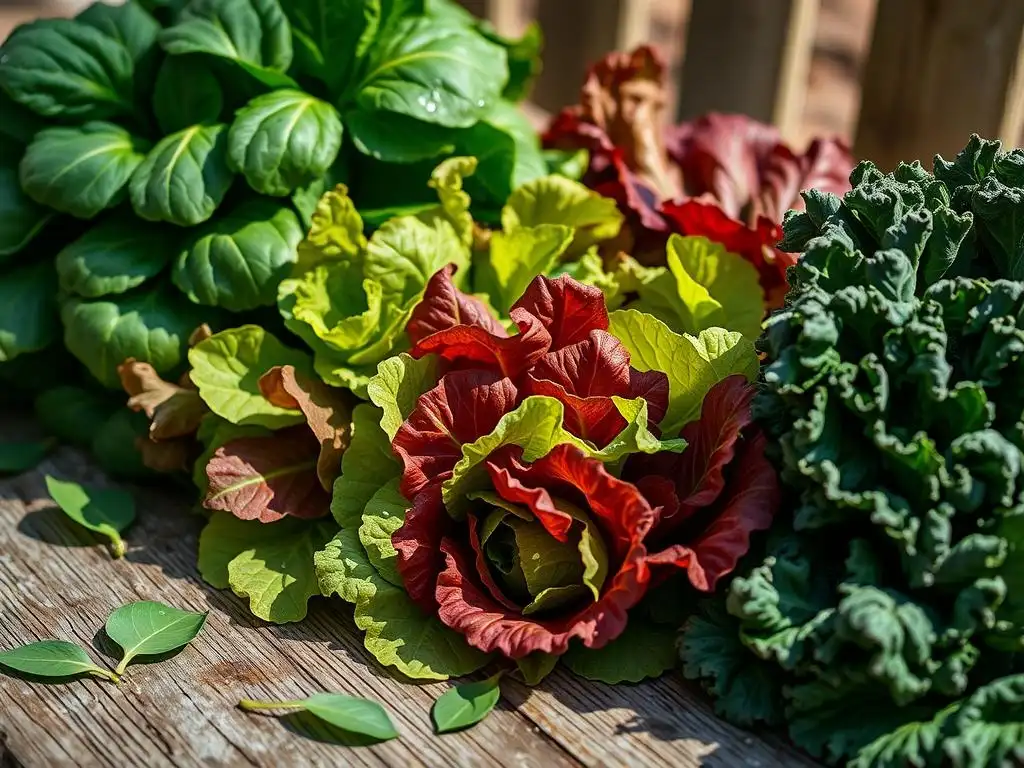
This section focuses on selecting leafy greens based on their culinary applications, helping you choose the best varieties for your home garden and your kitchen. Understanding the unique flavors and textures of spinach, lettuce, and kale allows for better meal planning and maximizes the enjoyment of your homegrown harvest. Choosing the best leafy greens home garden varieties depends significantly on your culinary preferences.
Spinach in the Kitchen: Recipes and Culinary Uses
Spinach, a nutritional powerhouse, offers a surprisingly versatile range of culinary uses beyond simple side dishes. Its slightly earthy and slightly sweet flavor profile lends itself to both simple and complex preparations.
Many consider baby spinach the most versatile type for salads due to its tender leaves and mild flavor. However, savoy spinach, with its crinkled, darker leaves, offers a more robust flavor, ideal for sautéing or adding to hearty stews. The texture changes drastically with cooking; raw spinach retains its crispness, while cooked spinach wilts down considerably.
Here are a few ideas to inspire your spinach culinary adventures:
- Classic Creamed Spinach: A timeless side dish, easily elevated with a touch of nutmeg or lemon zest.
- Spinach and Ricotta Stuffed Shells: A satisfying and flavorful pasta dish, perfect for a family meal.
- Spinach and Artichoke Dip: A crowd-pleasing appetizer, easily adaptable for different dietary needs.
- Smoothies: Spinach blends seamlessly into green smoothies, adding a nutritional boost without significantly altering the flavor.
- Sautéed Spinach with Garlic: A simple yet elegant side dish, highlighting spinach's natural flavor.
Consider the following table for a quick comparison:
| Spinach Type | Flavor Profile | Texture (Raw) | Texture (Cooked) | Culinary Uses |
|---|---|---|---|---|
| Baby Spinach | Mild, slightly sweet | Crisp | Wilts significantly | Salads, smoothies, light sautés |
| Savoy Spinach | Robust, earthy | Crinkled, tender | Wilts significantly | Stews, sautéed dishes, fillings |
| Bloomsdale Spinach | Mild, slightly nutty | Tender | Wilts significantly | Salads, sauces, quiche |
Remember to harvest spinach regularly to encourage continuous growth and prevent bolting (premature flowering).
Lettuce for Salads and Beyond: Creative Culinary Applications
Lettuce, the quintessential salad green, offers an incredibly diverse range of types, each with its own unique characteristics. From the crisp crunch of iceberg to the peppery bite of arugula, the options are vast, allowing you to create a symphony of textures and flavors in your salads and other dishes.
Beyond salads, lettuce can be used in various creative ways:
- Lettuce Wraps: Use larger leaves of romaine or butter lettuce to create delicious and healthy wraps filled with various ingredients.
- Grilled Lettuce: Grilling lettuce adds a smoky char and intensifies its flavor, perfect for a unique side dish or topping for burgers.
- Lettuce Cups: Serve fillings like tuna salad or chicken salad in crisp lettuce cups for a low-carb alternative.
- Garnishes: Use pretty lettuce leaves to garnish soups, stews, and other dishes for a touch of elegance.
Different lettuce varieties offer different culinary experiences:
- Butterhead Lettuce: Known for its buttery texture and mild flavor, perfect for salads and wraps.
- Crisphead Lettuce (Iceberg): A classic, with its crisp texture and mild flavor, best used in cold salads.
- Romaine Lettuce: Firm and slightly peppery, ideal for salads, wraps, and grilling.
- Loose-leaf Lettuce: A mix of various lettuces, offering a variety of textures and flavors, perfect for salads.
Choosing the right lettuce depends on your preferred texture and intensity of flavor.
Kale's Nutritional Benefits and Culinary Versatility
Kale, a nutritional powerhouse often hailed as a superfood, is surprisingly versatile in the kitchen. Its slightly bitter, peppery flavor and tough texture require careful preparation to maximize its appeal. However, with the right techniques, kale can become a delightful addition to your diet.
The nutritional benefits of kale are well-documented: it's packed with vitamins A, C, and K, as well as fiber and antioxidants. However, its tough leaves require careful preparation. Massaging kale with olive oil before cooking helps tenderize the leaves and reduces bitterness.
Here are some ideas for preparing kale:
- Massaged Kale Salad: Massaging kale with olive oil and lemon juice tenderizes the leaves and brings out its flavor.
- Kale Chips: Baking kale until crispy creates a healthy and satisfying snack.
- Kale Pesto: A vibrant and flavorful pesto alternative, using kale instead of basil.
- Sautéed Kale: Sautéing kale with garlic and other vegetables creates a simple and flavorful side dish.
- Smoothies: Kale can be added to smoothies for an extra nutritional boost.
Different kale varieties offer slight variations in flavor and texture:
- Curly Kale: The most common type, with its distinctive curly leaves and slightly bitter taste.
- Lacinato Kale (Dinosaur Kale): Known for its dark green, flat leaves and slightly less bitter taste.
- Red Russian Kale: Features reddish stems and leaves with a slightly sweeter flavor.
Remember to choose kale varieties that best suit your taste preferences and cooking methods. Experimenting with different preparations will help you discover your favorite ways to enjoy this nutritious leafy green.
Frequently Asked Questions
What are the best leafy greens for a home garden?
The "best" leafy greens depend on your climate and preferences! Spinach, lettuce, and kale are all excellent choices, offering diverse flavors and growing conditions. Consider varieties suited to your local climate and sunlight.
How much space do I need to grow leafy greens at home?
You can grow leafy greens in surprisingly small spaces! Even a small container garden or a few raised beds can yield a significant harvest. The space needed depends on the quantity you want to grow.
When is the best time to plant leafy greens?
Leafy greens are generally cool-season crops, thriving in spring and fall. However, some varieties tolerate warmer weather. Check the specific planting recommendations for your chosen variety to determine the optimal time for your region.
How can I ensure a successful harvest of leafy greens?
Consistent watering, adequate sunlight, and nutrient-rich soil are key to a bountiful harvest. Protect your plants from pests and diseases by practicing good garden hygiene and using organic pest control methods if needed.
What are some tips for organic pest control in my leafy green garden?
Employ natural pest control methods, such as companion planting (e.g., planting basil near tomatoes), introducing beneficial insects, or using insecticidal soap. Avoid harsh chemicals to maintain an organic garden.
Final Reflection: Cultivating Abundance: From Seed to Table
The choices we make in our gardens, however small, ripple outwards, impacting not only our plates but also our connection to the natural world. Growing your own leafy greens, whether a single pot of spinach or a sprawling kale patch, is a powerful act of self-sufficiency and a testament to the enduring human need to nurture and be nurtured by the earth. This simple act can profoundly affect our health, our environment, and our understanding of where our food comes from.
The journey from seed to harvest is a deeply rewarding one, mirroring the cyclical nature of life itself. It's a process that connects us to generations past who relied on their gardens for sustenance and teaches us patience, resilience, and the profound satisfaction of creating something beautiful and nourishing. The glory of gardening: hands in the dirt, head in the sun, heart with nature. To nurture a garden is to feed not just the body, but the soul.
This quote perfectly encapsulates the emotional and spiritual benefits of cultivating our own food, a benefit often overlooked in our fast-paced modern lives.
Now, consider your own garden, or even a single window box. What leafy green will you choose to cultivate next? Will it be the vibrant green of spinach, the crisp texture of lettuce, or the robust leaves of kale? The choice is yours, but the opportunity to connect with nature, to nourish yourself and your family, and to experience the simple joy of growing your own food awaits. Embrace the challenge, embrace the abundance, and let your garden flourish.
Unleash Your Inner Gardener: Grow the Perfect Leafy Greens!
Thank you for exploring the wonderful world of leafy greens! You've gained valuable knowledge to select the ideal varieties for your garden. Ready to apply your new expertise?
- Plant your favorite leafy greens today! Choose a variety that excites you and get those seeds in the ground (or start your seedlings!). This is the most crucial step towards enjoying fresh, homegrown greens.
- Share your gardening journey! Tell us which variety you chose and why – we love seeing your successes on our social media pages!
- Expand your gardening knowledge! Explore our other articles on companion planting and pest control to further enhance your gardening skills.
What leafy green will you cultivate first? Share your planting plans in the comments below!