
How to Control Aphids on Tomatoes, Peppers and Eggplant

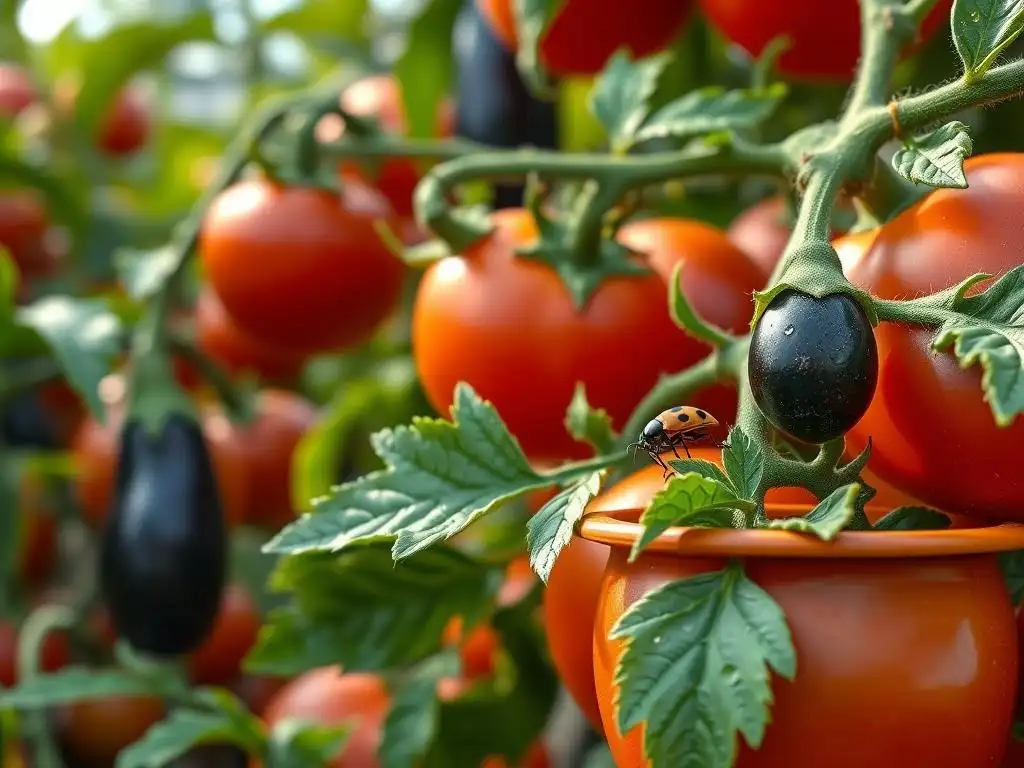
Ready to unlock the secrets of a bountiful, organic harvest? At CultivateYourFood, we empower you to grow your own fruits, vegetables, and herbs using sustainable methods. But what happens when pesky pests threaten your precious plants? Learn how to effectively combat the common problem of organic aphid control on tomatoes, peppers, and eggplant – and discover the simple, eco-friendly solutions that will keep your garden thriving. Let's get growing!
- Identifying Aphid Infestations on Solanaceae
- Organic Aphid Control: Prevention Strategies for Tomatoes, Peppers, and Eggplant
- Natural Methods for Organic Aphid Control
- Effective Home Remedies for Aphid Control on Tomatoes, Peppers, and Eggplant
- Monitoring and Managing Aphid Populations
- Harvesting and Post-Harvest Considerations
-
Frequently Asked Questions
- What are the most effective organic methods for aphid control on tomatoes?
- How often should I apply organic aphid treatments to my tomato plants?
- Will organic aphid control harm beneficial insects on my tomatoes?
- What are the signs of an aphid infestation on my tomato plants?
- Can I prevent aphids on my tomatoes completely?
- Final Reflection: Nurturing Healthy Plants, Naturally
- Ready to Banish Those Aphids?
Identifying Aphid Infestations on Solanaceae
Aphids, tiny sap-sucking insects, pose a significant threat to the health and yield of tomato, pepper, and eggplant plants – collectively known as Solanaceae. These pests can quickly decimate a crop, leaving behind stunted growth, deformed fruits, and a sticky residue called honeydew that encourages the growth of sooty mold.
This comprehensive guide will help you effectively identify and manage aphid infestations on your Solanaceae plants using organic and sustainable methods, ensuring a bountiful harvest while prioritizing the health of your garden and the environment. We'll focus specifically on identifying these pests on each plant type and then explore practical, organic control strategies to protect your precious vegetables.
Learning to recognize the early signs of an infestation is crucial for implementing timely and effective organic aphid control for tomatoes, peppers, and eggplants, ultimately safeguarding your crop from significant damage. The goal is to achieve a healthy, thriving garden using environmentally friendly practices.
Recognizing Aphids on Tomatoes
Tomato plants, with their lush foliage and juicy fruits, are particularly susceptible to aphid infestations. Aphids on tomatoes often cluster on the undersides of leaves, near the growing tips, and along stems. They appear as small, pear-shaped insects, ranging in color from pale green to dark brown or black, depending on the species. Early signs of an infestation include:
- Curled or distorted leaves: Aphids' feeding weakens the leaves, causing them to curl inwards.
- Sticky residue (honeydew): This sugary substance is excreted by aphids and coats the leaves, attracting ants and promoting sooty mold growth. Look for a shiny, sticky coating on leaves and stems.
- Presence of ants: Ants often "farm" aphids, protecting them in exchange for the honeydew. Seeing ants on your tomato plants can be a good indicator of an aphid problem.
- Yellowing or wilting leaves: Severe infestations can lead to widespread yellowing and wilting of leaves due to the aphids’ sap-sucking activity.
Regularly inspecting your tomato plants, particularly the undersides of leaves, is essential for early detection. A magnifying glass can aid in identifying the tiny pests.
Detecting Aphids on Peppers
Peppers, with their vibrant colors and pungent flavors, are also vulnerable to aphid attacks. Similar to tomatoes, aphids on pepper plants tend to congregate on the undersides of leaves, particularly young, tender growth. You might observe:
- Stunting of plant growth: Aphid feeding inhibits the plant's ability to grow properly, resulting in smaller plants and fewer peppers.
- Deformed peppers: Infestations can lead to malformed peppers, with uneven shapes and sizes.
- Yellowing and discoloration of leaves: Similar to tomatoes, heavy aphid infestations can cause leaf yellowing and discoloration.
- Black sooty mold: The honeydew excreted by aphids provides a breeding ground for sooty mold, which appears as a black, powdery coating on leaves and fruits.
Careful observation, including checking the plant's underside and examining the peppers themselves, is key to early detection of aphids on peppers.
Identifying Aphids on Eggplants
Eggplants, with their large, dark leaves and delicious fruits, are not immune to aphid infestations. Aphids on eggplants often cluster on the undersides of leaves and along the stems, causing similar damage as on tomatoes and peppers. Look for:
- Leaf curling and distortion: Aphid feeding weakens the leaves, causing them to curl and distort.
- Honeydew and sooty mold: The presence of sticky honeydew and subsequent black sooty mold is a strong indicator of an aphid infestation.
- Wilting and stunted growth: Severe infestations can cause the eggplant plant to wilt and stunt its growth, impacting fruit production.
- Reduced fruit size and quality: Aphids can affect the size and quality of the eggplants, making them smaller and less desirable.
Regular monitoring, especially during periods of warm, dry weather, is crucial for early detection and effective organic aphid control on eggplants. Remember that early intervention is critical for minimizing damage and maximizing your harvest.
Early Signs of Aphid Damage: Leaf Curling and Yellowing
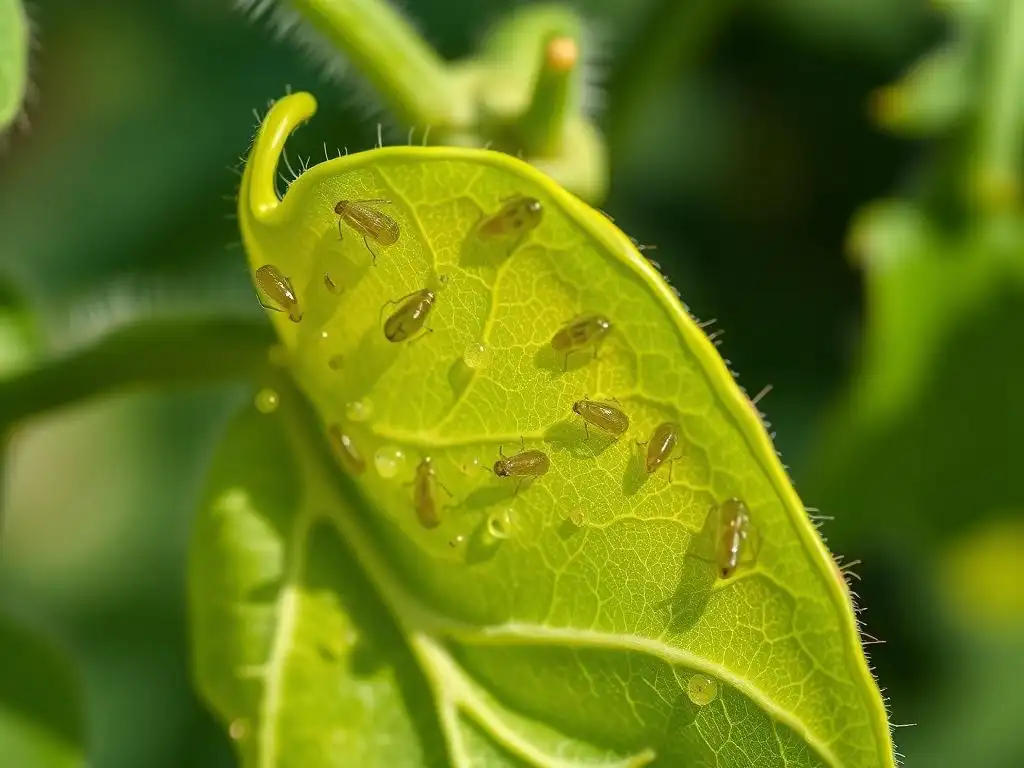
Aphids, tiny sap-sucking insects, are a common nemesis for tomato, pepper, and eggplant plants – all members of the Solanaceae family. Their feeding habits cause a cascade of visible symptoms, often starting subtly. One of the earliest warning signs of an aphid infestation is leaf curling. As aphids feed on the plant's sap, they inject saliva containing toxins.
This saliva disrupts the plant's natural growth processes, causing leaves to curl inwards, often appearing distorted and misshapen. The curling isn't uniform; you might see individual leaves or clusters of leaves exhibiting this symptom. The severity of the curling increases with the aphid population density.
A few aphids might cause only slight curling, while a large infestation will result in severely deformed leaves. This curling can hinder photosynthesis, as the leaves are no longer optimally positioned to receive sunlight. This reduced photosynthetic activity weakens the plant, making it more vulnerable to other pests and diseases.
Furthermore, early aphid infestations frequently lead to leaf yellowing or chlorosis. This yellowing is a direct consequence of the aphids' sap-sucking activity. As aphids deplete the plant's vital nutrients and chlorophyll (the pigment responsible for photosynthesis), the leaves lose their vibrant green color and begin to yellow. This yellowing often starts at the leaf margins, gradually spreading inwards. The severity of the yellowing, like the leaf curling, is directly correlated to the infestation's size.
Mild infestations may only cause slight discoloration, while severe infestations can lead to widespread yellowing, potentially resulting in leaf drop and reduced yield. Careful observation of these early indicators – leaf curling and yellowing – is crucial for timely intervention and preventing significant crop damage. Remember, early detection is key to successful organic aphid control. Don't wait until the infestation is widespread before taking action.
Identifying Aphids: Tiny Pear-Shaped Insects on Undersides of Leaves
While leaf curling and yellowing are strong indicators, actually seeing the aphids is confirmation. These tiny insects are usually pear-shaped and vary in color depending on the species and the plant they are feeding on. Common colors include green, black, brown, and even red or pink. However, their size (typically less than ⅛ inch long) makes them easily overlooked.
The best way to spot them is by carefully examining the undersides of leaves, especially young, tender leaves and buds. Aphids tend to cluster together, forming colonies that can number in the dozens or even hundreds. They are relatively immobile, so if you find a cluster, you've likely found the source of your plant's problems. Use a magnifying glass if necessary for a better view, particularly if you're unsure if what you see is an aphid or another small insect.
Their soft bodies are easily squashed, another characteristic that can aid identification. Pay close attention to the leaf stems and the growing tips of your plants; these are often favorite spots for aphid colonies. Knowing where to look and what to look for significantly increases your chances of early detection and successful organic aphid control for your tomatoes, peppers, and eggplants.
Sticky Honeydew and Sooty Mold: Secondary Signs of Aphid Infestation
Beyond the direct damage to leaves, aphids also produce a sticky, sweet substance known as honeydew. This honeydew is their excrement, and it coats the leaves and stems of infested plants. The honeydew itself is not directly harmful, but it creates a breeding ground for sooty mold. Sooty mold is a type of fungus that thrives on the honeydew, forming a black, sooty coating on the leaves.
This coating can interfere with photosynthesis, further weakening the plant and reducing its ability to produce fruit. The presence of honeydew and sooty mold is a strong secondary indicator of an aphid infestation, even if you haven't yet spotted the aphids themselves. Look for shiny, sticky patches on your plants, and examine the leaves carefully for the characteristic black, velvety coating of sooty mold.
This combination of sticky honeydew and sooty mold can significantly impact the overall health and productivity of your tomato, pepper, and eggplant plants. Addressing the underlying aphid infestation is crucial to removing both the honeydew and the sooty mold. Effective organic aphid control will prevent the development of these secondary symptoms and preserve the health of your plants.
Organic Aphid Control: Prevention Strategies for Tomatoes, Peppers, and Eggplant
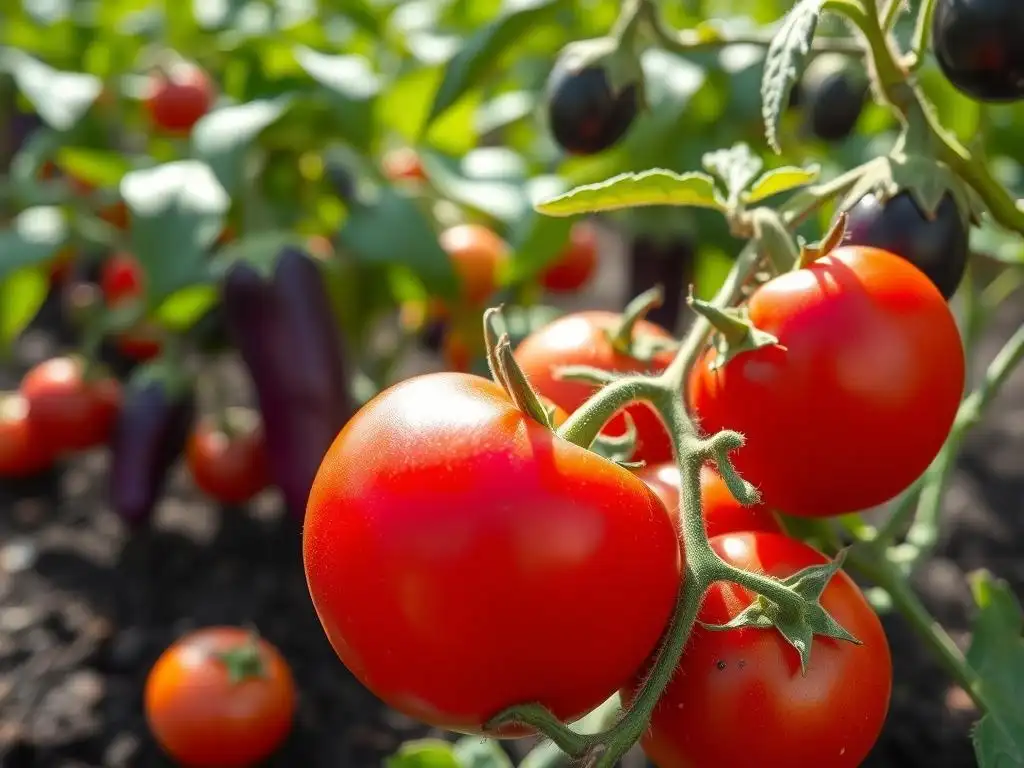
This section focuses on proactive, organic methods to prevent aphid infestations on your tomato, pepper, and eggplant plants. A strong preventative strategy is far more effective and less stressful than battling a full-blown infestation. Remember, the goal is organic aphid control tomatoes, and these steps will significantly reduce your need for harsh chemicals.
Choosing Aphid-Resistant Varieties
Selecting the right plant varieties is your first line of defense against aphids. Some tomato, pepper, and eggplant cultivars exhibit natural resistance to aphid infestations. While complete immunity is rare, resistant varieties often experience significantly fewer problems. Look for descriptions mentioning aphid resistance or tolerance on seed packets or plant tags. This proactive approach minimizes the need for later interventions.
For example, certain heirloom tomato varieties have shown better resistance than some hybrid options. Similarly, some pepper varieties with thicker leaves are less susceptible to aphid damage. Always check with your local nursery or seed supplier for recommendations specific to your region and climate. Thorough research before planting can save you considerable time and effort in the long run. Remember to carefully read the descriptions to choose varieties best suited to your growing conditions and preferences.
Maintaining Healthy Soil for Strong Plants
Healthy soil is the foundation of strong, resilient plants. Aphids are more likely to attack stressed or weakened plants. By nurturing your soil, you foster plants that are better equipped to withstand aphid infestations. This involves several key practices:
- Regular Composting: Incorporating compost into your soil enriches it with essential nutrients and beneficial microorganisms. These microbes help to suppress pest populations naturally. Aim for a minimum of 2-3 inches of compost added to your planting beds each year.
- Soil Testing: Regular soil testing helps identify nutrient deficiencies. Addressing these deficiencies promptly ensures your plants receive the nourishment they need to thrive and resist pests. A balanced soil pH is also crucial.
- Crop Rotation: Rotating your crops annually prevents the buildup of pests and diseases in the soil. Don't plant tomatoes, peppers, or eggplants in the same spot year after year. This simple practice significantly reduces the likelihood of recurring aphid problems.
- Mulching: A layer of mulch helps retain soil moisture, regulate temperature, and suppress weeds – all factors that contribute to healthier plants. Organic mulches like straw or wood chips are ideal.
Proper Spacing for Air Circulation
Good air circulation is crucial for preventing aphid infestations. Aphids thrive in humid, crowded conditions. By providing adequate spacing between your plants, you reduce humidity and make it more difficult for aphids to spread.
- Recommended Spacing: The optimal spacing varies depending on the specific variety of tomato, pepper, or eggplant. Always refer to the plant tag or seed packet for specific spacing recommendations. However, as a general rule, aim for sufficient space to allow for good air movement around each plant. Overcrowding should be avoided at all costs.
- Pruning: Pruning can also improve air circulation, particularly for larger tomato plants. Remove any suckers (small shoots that grow from the base of the plant) to improve air flow and sunlight penetration. This practice, while not directly preventing aphids, creates a less hospitable environment for them. Regular pruning also improves the overall health and yield of your plants.
- Plant Arrangement: Consider the layout of your garden. Avoid planting your fruiting vegetables in dense clusters. Instead, space them out strategically to allow for ample air circulation throughout the garden. A well-ventilated garden is a healthier garden, less prone to pest problems. This approach complements other organic aphid control strategies, forming a comprehensive preventative plan.
Regular Inspection and Early Detection
Regular inspection is the cornerstone of effective organic aphid control. Aphids, tiny pear-shaped insects, are prolific breeders and can quickly overwhelm your tomato, pepper, and eggplant plants if left unchecked. Early detection is crucial for minimizing damage and preventing a full-blown infestation. Aim to inspect your plants at least twice a week, paying close attention to the undersides of leaves, where aphids tend to congregate.
Look for clusters of small, soft-bodied insects, often with a noticeable sticky residue (honeydew) left behind. You might also notice ants, which are attracted to the honeydew. Early identification allows you to implement control measures before the aphid population explodes, significantly reducing the need for more intensive interventions.
This proactive approach is key to organic gardening, minimizing the use of pesticides and promoting the overall health of your plants. Remember that consistent monitoring is far more effective than reactive measures. The time invested in regular checks pays off significantly in the long run.
Consider using a magnifying glass for a closer look, especially on younger plants where aphids might be harder to spot with the naked eye. Even a small infestation, if addressed promptly, can prevent a major headache later on. Don’t underestimate the power of observation; it's your first line of defense in organic aphid control for your tomatoes, peppers, and eggplants.
A healthy plant is better equipped to withstand a small aphid attack, and early detection gives it the best chance to do so. This is especially important for organic gardening, where the goal is to build a resilient ecosystem rather than relying on chemical interventions.
Natural Methods for Organic Aphid Control
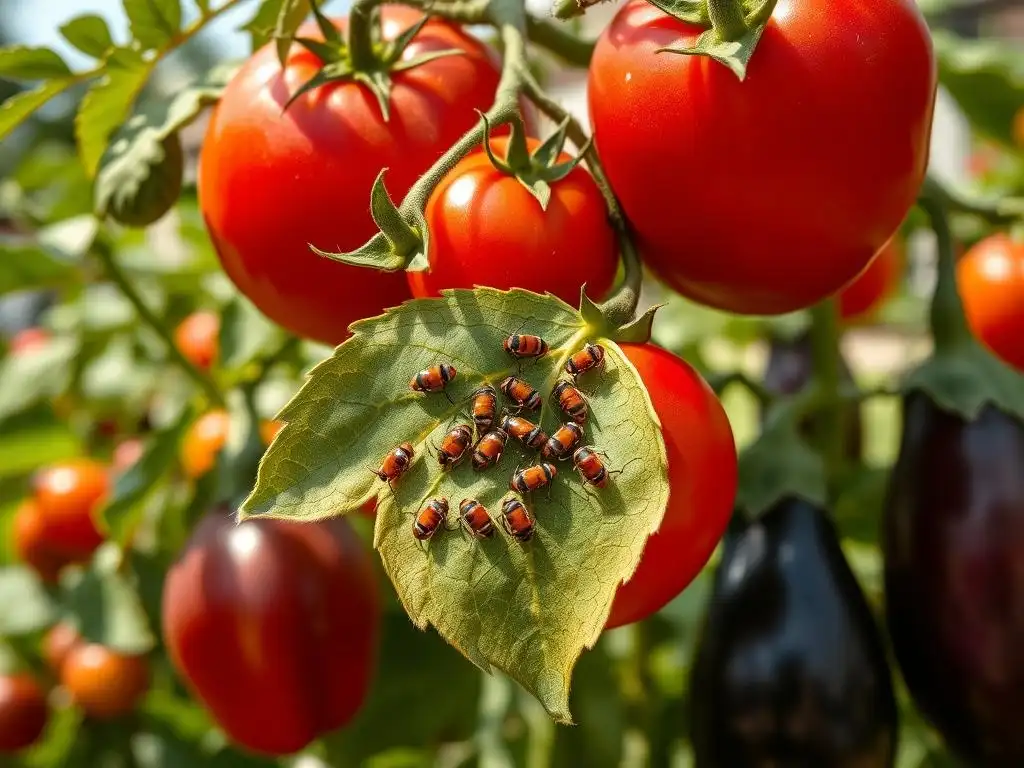
This section details effective, organic methods to control aphids on your tomatoes, peppers, and eggplants, minimizing harm to beneficial insects and the environment. We'll explore several natural approaches, focusing on techniques that are both effective and sustainable for your garden. Remember, early detection and consistent monitoring are key to preventing a large-scale aphid infestation and maintaining healthy plants. This is crucial for achieving a bountiful harvest of delicious, organically grown fruiting vegetables.
Introducing Beneficial Insects: Ladybugs and Lacewings
One of the most effective and environmentally friendly ways to manage aphids is by introducing beneficial insects to your garden. These natural predators help keep aphid populations under control without the need for harmful chemicals. Two excellent choices are ladybugs and lacewings.
Ladybugs, also known as ladybirds, are voracious aphid eaters, consuming dozens of aphids daily throughout their lifecycle. Their larvae are equally effective predators. Introducing ladybugs to your garden can significantly reduce aphid numbers, particularly in the early stages of an infestation. You can purchase ladybug larvae or adults from many garden supply stores. Release them in the evening when they are less active and more likely to stay in your garden.
Lacewings, both adults and larvae, are also highly effective aphid predators. The larvae, often called "aphid lions," are particularly adept at hunting aphids. They have strong mandibles that they use to pierce and suck the fluids from their prey. Similar to ladybugs, introducing lacewings can provide long-term aphid control. Consider planting flowers that attract lacewings, such as dill, fennel, and yarrow, to encourage them to colonize your garden naturally. Attracting these beneficial insects is a key component of integrated pest management (IPM), a sustainable approach to pest control.
Using Insecticidal Soap for Aphid Control
Insecticidal soap is a readily available and effective organic solution for controlling aphids. It's a contact insecticide, meaning it works by directly killing aphids on contact. It's generally safe for beneficial insects and pollinators, making it a good choice for integrated pest management strategies. However, it's important to follow the instructions carefully and apply it correctly.
When using insecticidal soap, thorough coverage is crucial. Make sure to spray all plant surfaces, including the undersides of leaves, where aphids often congregate. Repeated applications may be necessary, especially during periods of rapid aphid reproduction.
The effectiveness of insecticidal soap can be affected by temperature and sunlight; avoid applying it during the hottest part of the day or when the plants are already stressed by heat. Always test a small area of your plants first to ensure there are no adverse reactions before applying it widely. This is a particularly effective method for organic aphid control tomatoes, as the soap effectively coats the plant and eliminates the pests.
Applying Neem Oil for Effective Aphid Management
Neem oil is another effective organic option for aphid control. Derived from the neem tree, this oil acts as a natural insecticide and fungicide. It works by disrupting the aphids' life cycle, preventing them from reproducing and feeding. Unlike insecticidal soap, neem oil has systemic properties, meaning it can be absorbed by the plant and provide longer-lasting protection.
When using neem oil, it's essential to follow the instructions on the label carefully. Dilute the oil properly to avoid damaging your plants. Apply it in the evening to minimize evaporation and sunburn. Neem oil can also deter other pests, making it a versatile addition to your organic pest management arsenal.
Regular application, usually every 7-10 days, is recommended to maintain effective control. Remember, neem oil can have a slightly unpleasant odor, so be mindful of this if you're sensitive to smells. This technique provides a longer-lasting solution for organic aphid control tomatoes compared to insecticidal soap. The residual effect of neem oil helps maintain aphid populations at bay for a longer duration.
Diatomaceous Earth: A Natural Insecticide for Aphids
Diatomaceous earth (DE) is a naturally occurring sedimentary rock composed of fossilized diatoms. Its microscopic, sharp edges make it an effective desiccant, meaning it draws moisture from insects, leading to dehydration and death. For organic aphid control on tomatoes, peppers, and eggplants, DE is a safe and readily available option. It's important to use food-grade diatomaceous earth, as other types may contain harmful chemicals. Avoid inhaling the dust, as it can irritate the lungs; wear a mask during application.
Applying DE is straightforward. Simply dust the plants thoroughly, focusing on the undersides of leaves where aphids tend to congregate. Reapplication may be necessary after rain or watering, as DE can be washed away. The effectiveness of DE can be enhanced by combining it with other organic methods, such as insecticidal soap. Remember to always check the product label for specific application instructions and safety precautions.
Using DE consistently as part of a broader integrated pest management (IPM) strategy can significantly reduce aphid populations and promote healthy plant growth, thus ensuring a bountiful harvest of your tomatoes, peppers, and eggplants. Many gardeners have found that using DE regularly minimizes the need for more aggressive pest control measures. This makes it a valuable tool in maintaining a thriving, organic garden. The cost-effectiveness also adds to its appeal as a sustainable and environmentally friendly solution for organic aphid control on tomatoes.
Effective Home Remedies for Aphid Control on Tomatoes, Peppers, and Eggplant
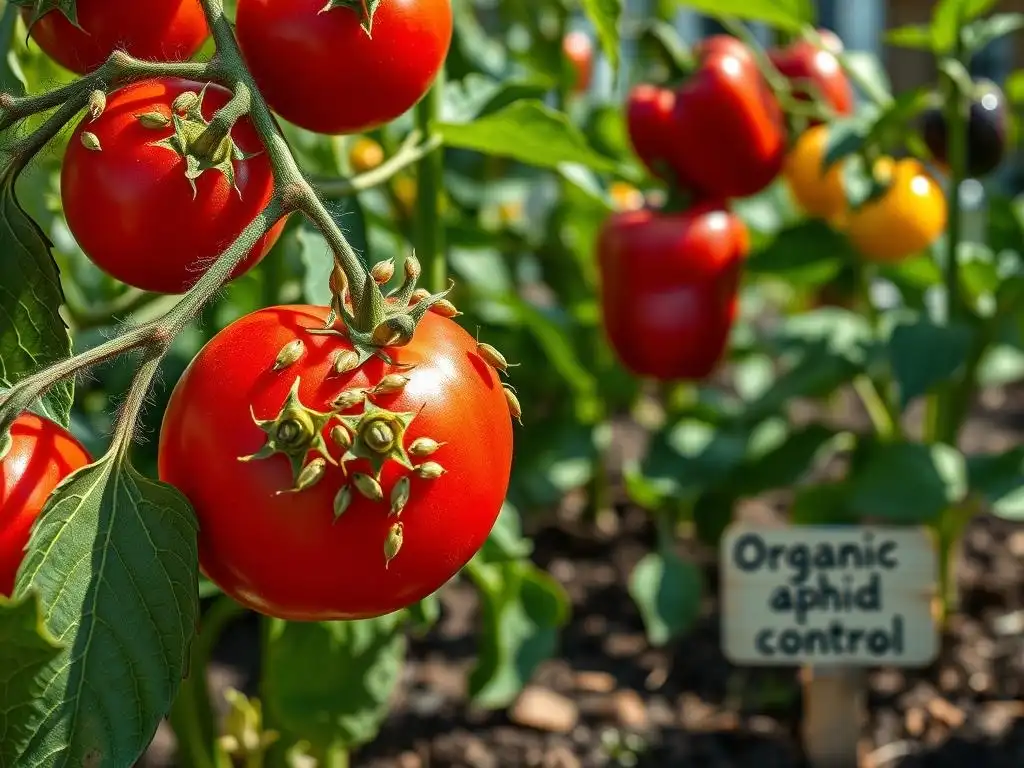
This section details effective, organic methods to combat aphids on your fruiting vegetables, minimizing harm to beneficial insects and the environment. We'll explore several proven home remedies that are both accessible and effective for controlling aphid infestations on tomatoes, peppers, and eggplant, focusing on techniques that support sustainable gardening practices. Remember, early detection and consistent application are key to successful organic aphid control.
Homemade Spray Solutions: Garlic, Pepper, and Soap Sprays
Several readily available ingredients can be combined to create powerful, yet gentle, aphid-control sprays. These solutions leverage the natural repellent properties of garlic and peppers, combined with the disruptive effects of insecticidal soap.
Garlic Spray: Garlic's pungent aroma is a natural deterrent to many pests, including aphids. To make a garlic spray, finely chop four to five cloves of garlic and steep them in a liter of water for at least 24 hours. Strain the mixture, add a teaspoon of liquid dish soap (avoid detergents), and fill a spray bottle. Apply directly to affected plants, focusing on the undersides of leaves where aphids often congregate. Reapply every 2-3 days, or as needed, depending on the severity of the infestation.
Pepper Spray: Capsaicin, the compound that makes peppers spicy, acts as a powerful irritant to aphids. Use caution when preparing this spray, wearing gloves and eye protection. Combine one to two finely chopped hot peppers (such as jalapeños or serranos – adjust spiciness based on your preference and tolerance) with a liter of water. Steep for at least 24 hours, then strain.
Add a teaspoon of liquid dish soap and transfer to a spray bottle. Test on a small area first to check for plant sensitivity before spraying the entire plant. Reapply as needed, keeping in mind that the potency may diminish over time.
Soap Spray: This simple solution uses insecticidal soap, readily available at most garden centers. Always follow the manufacturer's instructions carefully. Insecticidal soap disrupts the cell membranes of aphids, leading to their demise. It's crucial to apply this solution thoroughly, ensuring coverage of all plant surfaces, particularly the undersides of leaves. Reapply every few days, or as directed on the product label, until the infestation is under control. Remember to avoid spraying during the hottest part of the day to prevent plant damage.
| Spray Type | Ingredients | Application Frequency | Precautions |
|---|---|---|---|
| Garlic Spray | 4-5 cloves garlic, 1 liter water, 1 tsp soap | Every 2-3 days | Strain mixture thoroughly before spraying. |
| Pepper Spray | 1-2 hot peppers, 1 liter water, 1 tsp soap | As needed | Wear gloves and eye protection; test on small area. |
| Insecticidal Soap | Follow product instructions | As directed on label | Avoid spraying during hottest part of the day. |
Using Water Sprays to Dislodge Aphids
A simple yet effective method for managing aphid infestations is using a strong jet of water from a hose. This technique, particularly useful for early detection, physically dislodges aphids from plants. The force of the water can knock aphids off the leaves, interrupting their feeding and potentially killing some. This method is best used in combination with other control measures for more complete eradication. It's most effective on smaller plants and less effective on taller plants.
Remember to avoid spraying during the hottest part of the day, as this could stress the plants. Regularly inspect your plants after spraying to monitor the aphid population. Repeated applications may be necessary, especially during periods of rapid aphid reproduction. This approach is a gentler method of organic aphid control for tomatoes, peppers, and eggplants.
Companion Planting: Repelling Aphids with Beneficial Plants
Strategic planting of certain herbs and flowers can act as a natural deterrent to aphids and attract beneficial insects that prey on them. This approach, known as companion planting, promotes biodiversity in your garden and enhances the overall health of your plants.
Some effective companion plants for tomatoes, peppers, and eggplants include:
- Marigolds: Their strong scent repels many pests, including aphids.
- Basil: Attracts beneficial insects and its strong aroma can deter aphids.
- Dill: Attracts beneficial insects like ladybugs, which are natural predators of aphids.
- Nasturtiums: These flowers are known to attract aphids, effectively acting as a trap crop, drawing them away from your main vegetable plants.
Careful placement of these companion plants around your tomatoes, peppers, and eggplants can significantly reduce aphid populations while improving the overall health and yield of your garden. Remember that the effectiveness of companion planting may vary depending on factors like climate and the specific aphid species present. Combining this method with other organic aphid control techniques will yield optimal results for a healthy and productive garden. This approach is a sustainable and effective way to manage organic aphid control in tomatoes and other plants.
Monitoring and Managing Aphid Populations
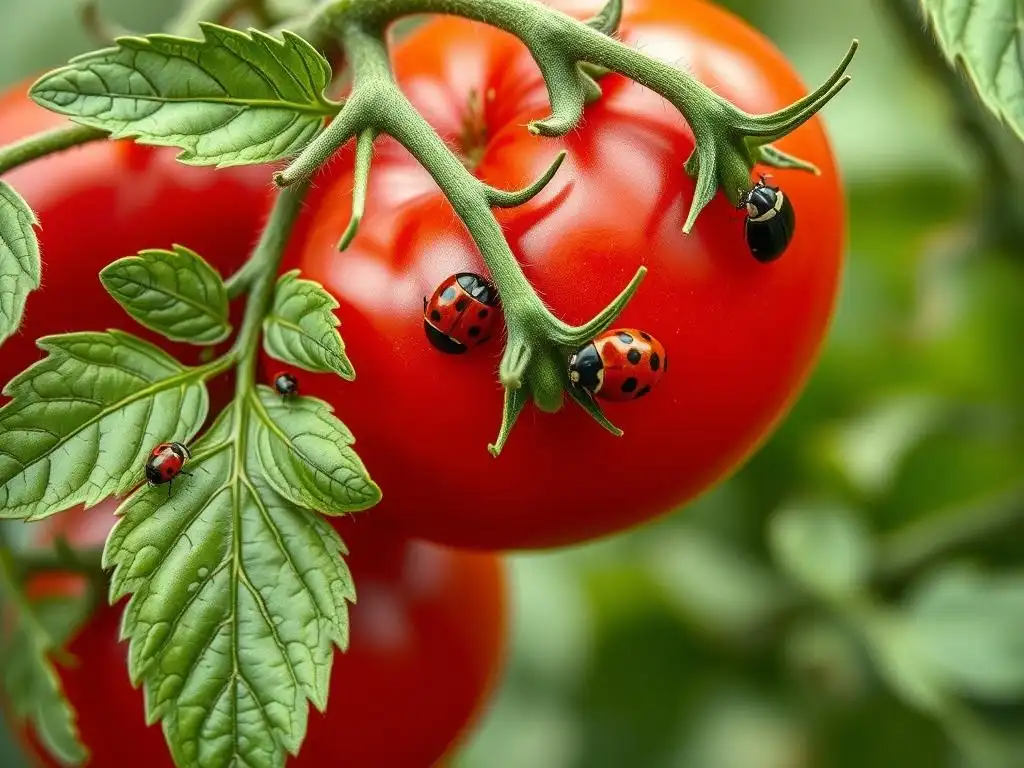
Effective organic aphid control on tomatoes, peppers, and eggplant hinges on proactive monitoring and a flexible approach to management. Ignoring early signs of infestation can lead to a rapid escalation of the problem, necessitating more aggressive (and potentially less sustainable) interventions. Instead, a vigilant approach, combined with careful observation, is key to keeping aphid populations under control organically. This section will detail strategies for effective monitoring and management of aphid populations on your fruiting vegetables.
Regular Plant Inspections for Early Detection
Regular and thorough plant inspections are crucial for early aphid detection. Aim for at least twice-weekly inspections, particularly during periods of warm, dry weather when aphid populations tend to thrive. Focus your attention on the undersides of leaves, buds, and tender new growth, as these are the aphid's preferred habitats. Look for small, soft-bodied insects, often pear-shaped, that may be green, black, brown, or even yellow depending on the species. You might also see honeydew, a sticky, sweet substance excreted by aphids, which can attract ants and lead to sooty mold.
Early detection is paramount because smaller infestations are significantly easier to manage organically. A few aphids on a single leaf can be easily dealt with using manual removal or a strong spray of water. Delaying action allows the colony to grow exponentially, making control far more challenging and potentially necessitating stronger interventions which may disrupt the beneficial insect populations in your garden. Consider using a magnifying glass for a closer look, especially on younger plants. This detailed inspection allows for early intervention, minimizing the need for harsh chemicals and protecting the overall health of your plants.
Adjusting Control Methods Based on Infestation Severity
The method you choose for organic aphid control on tomatoes, peppers, and eggplant should directly correlate with the severity of the infestation. A small, localized infestation requires a different approach than a widespread, heavy infestation.
- Low Infestation (Few Aphids): For minor infestations, manual removal is often sufficient. Simply squash the aphids between your fingers or use a cotton swab dipped in soapy water to wipe them away. A strong stream of water from a hose can also dislodge aphids, particularly from smaller plants. This approach minimizes environmental impact and avoids harming beneficial insects.
- Moderate Infestation (Visible Clusters): With a more significant infestation, consider using insecticidal soap or neem oil. These organic pesticides are relatively safe for beneficial insects and pollinators while effectively controlling aphids. Always follow the instructions on the product label carefully and ensure thorough coverage of the affected plant parts. Consider repeating the application after a few days to ensure complete eradication.
- High Infestation (Extensive Damage): For severe infestations where plants show significant damage, you may need to combine several organic control methods. This could include insecticidal soap, neem oil, introducing beneficial insects (ladybugs are excellent aphid predators), and perhaps even removing severely infested plant parts. Remember that preventing further damage is crucial, even if complete eradication is difficult at this stage. Thorough cleaning of affected areas to remove honeydew and sooty mold will help improve the overall health of your plants.
Preventing Aphid Re-infestation
Preventing aphid re-infestation is just as crucial as controlling existing infestations. Aphids can quickly recolonize plants if given the opportunity. Several strategies can significantly reduce the risk of re-infestation:
- Maintain Plant Health: Strong, healthy plants are less susceptible to aphid infestations. Ensure your plants receive adequate sunlight, water, and nutrients. Avoid over-fertilizing with nitrogen, as this can promote soft, succulent growth that aphids prefer.
- Remove Weeds: Weeds can act as reservoirs for aphids. Regular weeding around your tomato, pepper, and eggplant plants helps reduce the likelihood of aphids spreading to your crops.
- Monitor Ant Populations: Ants often "farm" aphids, protecting them in exchange for honeydew. Controlling ant populations around your plants can indirectly reduce aphid numbers. This can be done by creating barriers around plant bases using sticky bands or diatomaceous earth.
- Introduce Beneficial Insects: Encouraging beneficial insects like ladybugs, lacewings, and hoverflies into your garden provides natural aphid control. These predatory insects feed on aphids, helping to keep their populations in check. Consider planting flowers that attract these beneficial insects.
By combining proactive monitoring, appropriate control methods based on infestation severity, and preventive measures, you can effectively manage and minimize aphid populations on your tomato, pepper, and eggplant plants using organic, sustainable methods. Remember patience and persistence are key to success in organic gardening and aphid control.
Harvesting and Post-Harvest Considerations
This section focuses on the crucial steps to take after dealing with an aphid infestation on your tomato, pepper, and eggplant plants, ensuring you still get the most out of your harvest. Effective organic aphid control for tomatoes and other fruiting vegetables isn't just about eliminating the pests; it's also about managing the impact on your yield and its quality.
Harvesting Healthy Produce from Aphid-Affected Plants
Even with diligent organic aphid control methods, some plants might show signs of aphid damage. It's vital to harvest carefully to minimize the spread of pests and maximize the usability of your produce. Don't rush the process. Thoroughly inspect each fruit before picking. Look for signs of damage, such as discoloration, stunted growth, or sticky honeydew (a byproduct of aphid feeding).
Discard any heavily infested or damaged fruits immediately. These should not be consumed or composted without proper treatment (see the section below on utilizing affected produce). For slightly affected fruits, carefully remove any visible aphids by hand or with a strong stream of water before harvesting. This minimizes the risk of spreading aphids to healthy plants during the harvesting process. Remember, even small infestations can compromise the overall quality and shelf life of your produce. Prevention is key, and consistent monitoring is crucial for early detection and effective organic aphid control for tomatoes and other vulnerable plants.
Prioritize harvesting your healthy produce first, ensuring the least affected fruits are collected and stored appropriately. This allows you to salvage the maximum yield from your efforts in organic pest control. Regularly inspect your plants for new infestations, even after harvesting, to ensure continued success with your organic aphid control strategy.
Storing Harvested Produce
Proper storage is essential for extending the shelf life of your tomatoes, peppers, and eggplants, especially after dealing with an aphid infestation. Infested fruits might have a shorter shelf life due to the damage caused by aphids and the associated stress on the plant.
Here's a guideline for storing your harvested produce:
| Produce | Storage Method | Expected Shelf Life (at optimal conditions) |
|---|---|---|
| Tomatoes | Room temperature (if ripe), Refrigerator (if unripe) | 1-2 weeks (room temp), 2-3 weeks (refrigerator) |
| Peppers | Room temperature or cool, dark place | 1-2 weeks |
| Eggplants | Refrigerator | 1-2 weeks |
Remember to store your produce in a cool, dry place, away from direct sunlight. Avoid overcrowding, which can lead to faster spoilage. Inspect your stored produce regularly for any signs of decay or further pest infestation. Proper storage is a crucial part of post-harvest management, ensuring you can enjoy the fruits of your labor for as long as possible, even after battling aphid infestations.
Utilizing Affected Produce
Fruits showing signs of aphid damage may still have some culinary uses, depending on the severity of the infestation. However, never consume produce that displays significant decay or mold.
- Composting: Lightly affected fruits can be added to your compost pile. The composting process breaks down organic matter, including any remaining aphids. Ensure your compost pile reaches sufficiently high temperatures to kill the pests effectively. However, for heavily infested fruits, consider a separate treatment before composting. Boiling them briefly prior to adding them to the compost pile is advisable.
- Other Uses: If the damage is superficial, you might be able to use affected produce for sauces, jams, or other cooked dishes where the appearance is less crucial. The heat from cooking will kill any remaining aphids and make the fruit safe for consumption. Always prioritize food safety and discard any fruits that are questionable. This responsible approach complements your organic aphid control efforts.
Remember, effective organic aphid control for tomatoes, peppers, and eggplants is a holistic process. It involves prevention, treatment, and responsible post-harvest management. By following these guidelines, you can minimize the impact of aphids on your harvest and enjoy a bountiful yield of healthy and delicious produce. 🍅🌶️🍆
Frequently Asked Questions
What are the most effective organic methods for aphid control on tomatoes?
Several organic methods work well. Neem oil and insecticidal soap are effective, as is introducing beneficial insects like ladybugs. Always follow product instructions carefully.
How often should I apply organic aphid treatments to my tomato plants?
The frequency depends on the severity of the infestation and the product used. Generally, you'll need to apply every 3-7 days, until the aphids are gone. Monitor your plants closely.
Will organic aphid control harm beneficial insects on my tomatoes?
Some organic treatments can affect beneficial insects, but many are fairly specific to aphids. Neem oil and insecticidal soap are generally considered less harmful to beneficials than broad-spectrum pesticides, but always check the label.
What are the signs of an aphid infestation on my tomato plants?
Look for small, soft-bodied insects clustered on the underside of leaves. You might also see sticky honeydew, which attracts ants and can lead to sooty mold. Curled or yellowing leaves are also indicative of an infestation.
Can I prevent aphids on my tomatoes completely?
While complete prevention is difficult, you can minimize the risk by practicing good garden hygiene, including removing weeds, providing adequate air circulation, and choosing aphid-resistant varieties of tomatoes.
Final Reflection: Nurturing Healthy Plants, Naturally
The fight against aphids is far from over, but armed with knowledge and natural solutions, we can cultivate thriving tomato, pepper, and eggplant plants without resorting to harmful chemicals. The impact of sustainable gardening practices extends far beyond our individual plots, influencing the health of our ecosystems and the food we consume.
The journey towards organic pest control is a continuous learning process, one that deeply connects us to the natural world and the delicate balance within it. The glory of gardening: hands in the dirt, head in the sun, heart with nature. To nurture a garden is to feed not just the body, but the soul.
This quote perfectly encapsulates the profound satisfaction derived from nurturing healthy plants using methods that respect both the environment and our own well-being. The shift towards organic gardening is not merely a trend; it's a conscious choice reflecting a growing awareness of the interconnectedness of our actions and their consequences.
Now, consider your own garden, your own plants. What steps can you take today to implement these organic aphid control methods? Will you try companion planting, introduce beneficial insects, or create a homemade insecticidal soap? Remember, every small action contributes to a larger movement towards healthier, more sustainable food systems. Embrace the challenge, celebrate the successes, and continue to learn and grow alongside your plants. The reward is a bountiful harvest and the satisfaction of knowing you've nurtured life in a way that benefits all.
Ready to Banish Those Aphids?
Thanks for learning how to conquer those pesky aphids! You now have the knowledge to protect your valuable tomato, pepper, and eggplant plants. Let's put that knowledge to good use.
- Try our recommended natural aphid control: Start with the neem oil spray detailed in the article—it's surprisingly effective! You'll see a difference after a week of consistent application.
- Share your results: Let us know in the comments how your aphid battle is going. We love hearing from our community!
- Consider preventative measures: Introducing beneficial insects like ladybugs to your garden can provide long-term aphid control.
What simple step will you take today to protect your harvest from aphids?