
How to Deal with Aphids on Pepper Plants: Natural Remedies

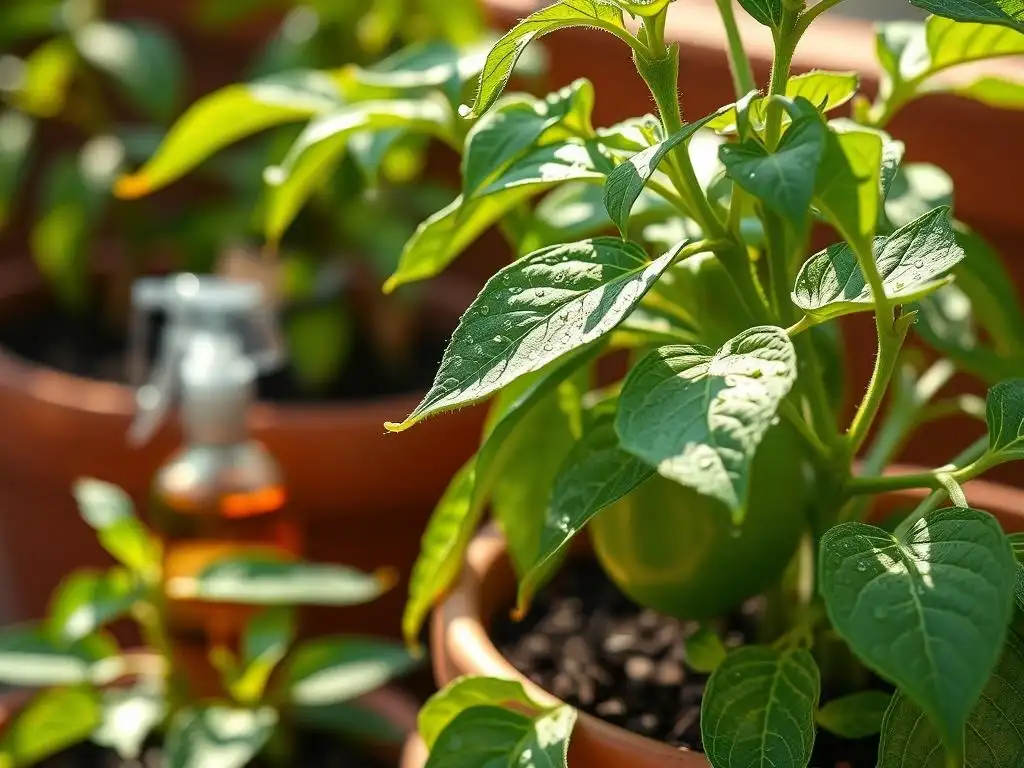
Ready to unlock the secrets of a thriving, organic garden? At CultivateYourFood, we empower you to grow your own delicious fruits, vegetables, and herbs using sustainable methods. But what happens when pesky pests threaten your harvest? Learn how to tackle a common challenge – organic aphid pepper plant control – and keep your pepper plants healthy and productive. Discover natural remedies and effective strategies in our latest article on Vegetable Gardening, and start cultivating your dream garden today!
- Identifying Aphid Infestation on Pepper Plants
-
Organic Aphid Pepper Plant Control: Natural Remedies
- Neem Oil for Aphid Control on Peppers: Application and Effectiveness
- Insecticidal Soap: A Safe and Effective Organic Solution for Aphids
- Diatomaceous Earth (DE): A Natural Insecticide for Aphids on Peppers
- Using Ladybugs and Lacewings for Biological Aphid Control
- Making a Homemade Pepper Spray for Aphid Repellent
- Preventing Aphid Infestation in Your Pepper Plants
- Monitoring and Managing Aphid Populations on Peppers
- Natural Remedies for Persistent Aphid Infestations
- When to Consider Professional Help for Severe Infestations
-
Frequently Asked Questions
- What are aphids, and why are they a problem for pepper plants?
- What are the signs of an aphid infestation on my pepper plants?
- Are there any natural ways to control aphids on my pepper plants?
- How can I prevent aphids from infesting my pepper plants in the future?
- Is it safe to eat peppers that have been treated with organic aphid control methods?
- Final Reflection: Nurturing Resilience: Protecting Our Pepper Plants, Protecting Ourselves
- Unleash Your Pepper Plants' Potential: Banish Aphids Naturally!
Identifying Aphid Infestation on Pepper Plants
Aphids are a common and frustrating pest for home gardeners, particularly those cultivating pepper plants. These tiny, soft-bodied insects can quickly decimate a pepper crop, sucking the life out of leaves and stems, leading to stunted growth and reduced yields. This article focuses on identifying and organically controlling aphid infestations on your pepper plants, providing you with effective and sustainable solutions to protect your harvest. We'll explore natural remedies that minimize environmental impact while maximizing the health and productivity of your plants.
Learning to identify aphid infestations early is crucial for effective organic aphid pepper plant control. Ignoring early signs can lead to a significant loss of your pepper crop, so let's delve into recognizing the tell-tale symptoms. This guide will equip you with the knowledge and techniques to combat these pests effectively and organically, ensuring a bountiful harvest of delicious peppers.
Recognizing Aphid Symptoms: Leaf Curl, Yellowing, and Honeydew
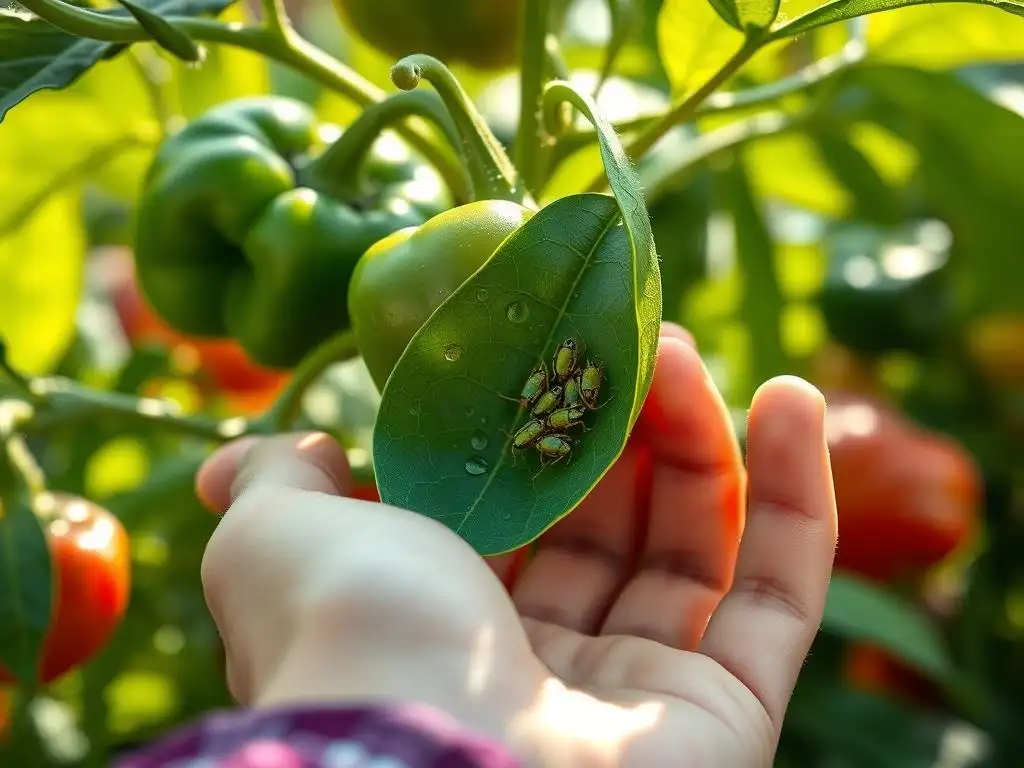
Aphids are small, pear-shaped insects, often green, black, or brown, that cluster on the undersides of leaves and tender shoots. Their feeding habits cause several easily identifiable symptoms:
- Leaf Curl: One of the first signs of an aphid infestation is the curling or distortion of pepper plant leaves. Aphids feed by piercing the leaf tissue and sucking out the plant's sap, causing the leaves to become deformed and weakened. Look closely at the underside of curled leaves – this is where you're most likely to find clusters of aphids.
- Yellowing Leaves: As aphids drain the plant's nutrients, leaves may begin to yellow and eventually drop prematurely. This yellowing is often accompanied by a general wilting or stunting of plant growth. Severe infestations can lead to significant leaf loss, impacting the plant's ability to photosynthesize and produce fruit.
- Honeydew: Aphids excrete a sticky, sweet substance called honeydew. This sticky residue coats the leaves and can attract other pests like ants and sooty mold. Sooty mold is a black fungus that grows on the honeydew, further obscuring the leaves and potentially hindering photosynthesis. The presence of honeydew is a strong indicator of an aphid infestation, even if the aphids themselves are difficult to spot immediately. Inspect your pepper plants regularly for this sticky substance.
Distinguishing Aphids from Other Pepper Plant Pests
While aphids are a common pepper plant pest, it's important to be able to distinguish them from other insects that might be causing similar damage. Mistaking one pest for another can lead to ineffective treatments. For example:
- Spider mites: These tiny pests are much smaller than aphids and create fine webbing on the leaves. They cause stippling (small, yellow spots) on the leaves, unlike the curling and yellowing associated with aphids.
- Whiteflies: Whiteflies are small, white, flying insects that also feed on plant sap. They are easily visible when disturbed and often cluster on the undersides of leaves. Unlike aphids, they are more mobile and leave less honeydew.
- Thrips: These slender, winged insects are also sap-feeders, but they cause more silvery stippling and scarring on the leaves. They are much smaller than aphids and can be harder to see with the naked eye.
Careful observation and identification are key to selecting the most effective organic control measures. Knowing what you’re dealing with will help you choose the right approach for organic aphid pepper plant control. The following sections will outline various natural remedies to effectively manage aphid infestations on your pepper plants.
Organic Aphid Pepper Plant Control: Natural Remedies
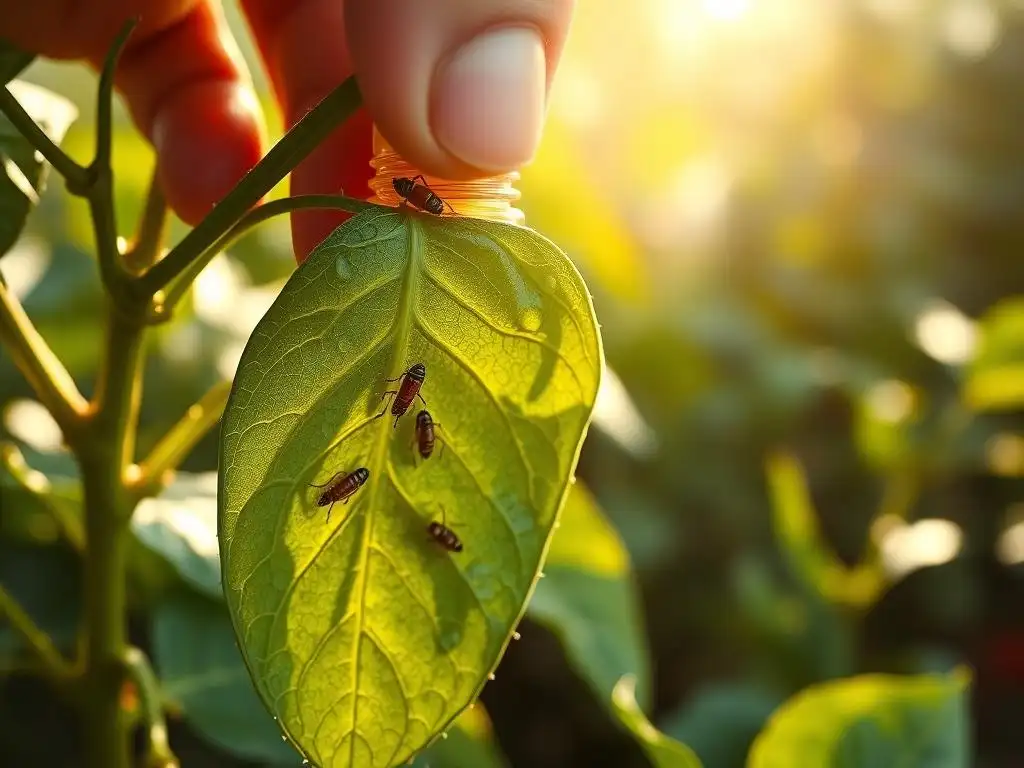
This section delves into effective, organic methods for controlling aphids on your pepper plants, ensuring a healthy harvest without resorting to harsh chemicals. We'll explore several natural remedies, focusing on their application and effectiveness in managing these common garden pests. Effective organic aphid pepper plant control is achievable with consistent effort and the right techniques.
Neem Oil for Aphid Control on Peppers: Application and Effectiveness
Neem oil, derived from the neem tree, is a powerful, naturally occurring insecticide effective against a wide range of pests, including aphids. Its effectiveness stems from its ability to disrupt the aphids' life cycle, affecting their feeding, reproduction, and ultimately, their survival. For optimal results, apply neem oil as a preventative measure before a significant aphid infestation occurs.
Several factors influence neem oil's effectiveness:
- Concentration: Use a neem oil concentration according to the product label. Generally, a concentration between 0.5% and 1% is sufficient for aphid control. Higher concentrations may not necessarily be more effective and could potentially harm beneficial insects.
- Application timing: Apply neem oil in the early morning or evening when temperatures are cooler to minimize evaporation and potential damage to the pepper plants. Avoid applying during the hottest part of the day, as this can scorch the foliage.
- Frequency: Repeat applications every 7-10 days, or as needed, depending on the severity of the infestation and weather conditions. Rain can wash away the oil, necessitating more frequent applications.
- Coverage: Ensure thorough coverage of the pepper plant's leaves and stems, paying particular attention to the undersides of leaves where aphids often congregate. Use a spray bottle with a fine mist setting for even distribution.
Proper application of neem oil, combined with consistent monitoring, offers a sustainable and effective approach to organic aphid pepper plant control. Remember to always test a small area of your plants before a full application to check for any adverse reactions.
Insecticidal Soap: A Safe and Effective Organic Solution for Aphids
Insecticidal soap is another excellent organic option for controlling aphids on pepper plants. Unlike neem oil, which disrupts the aphid's life cycle, insecticidal soap works by directly contacting and killing the aphids. It's a relatively non-toxic solution that poses minimal risk to beneficial insects and pollinators, making it a safe choice for your garden ecosystem.
Effective use of insecticidal soap requires attention to detail:
- Product Selection: Choose a soap specifically formulated for pest control, as household soaps may not be effective and could damage your plants. Read the label carefully to ensure it's suitable for use on edible plants.
- Application Method: Similar to neem oil, apply insecticidal soap in the early morning or evening, avoiding direct sunlight. A fine mist spray ensures thorough coverage of the plant's foliage.
- Frequency: Repeat applications every 3-5 days, depending on the severity of the infestation and weather conditions. Again, rainfall will reduce its effectiveness.
- Targetting: Direct the spray towards the aphids themselves for optimal results.
Insecticidal soap offers a quick-acting solution for existing aphid infestations, acting as a contact killer. However, it may not be as effective as neem oil in preventing future infestations. Consider integrating both methods for a comprehensive approach to organic aphid pepper plant control.
Diatomaceous Earth (DE): A Natural Insecticide for Aphids on Peppers
Diatomaceous earth (DE) is a naturally occurring sedimentary rock composed of fossilized diatoms. When used as an insecticide, the microscopic particles of DE act as tiny cutting tools, piercing the exoskeletons of soft-bodied insects like aphids, causing dehydration and death.
Using DE effectively requires careful consideration:
- Type of DE: Use food-grade diatomaceous earth, as other types may contain harmful chemicals.
- Application: Dust the pepper plants thoroughly, focusing on the areas where aphids are concentrated. Pay attention to the undersides of leaves. You can also mix DE with water to create a spray, but dusting is generally more effective.
- Frequency: Reapply DE after rain or watering, as it can be washed away.
- Safety: Wear a mask when applying DE to avoid inhaling the dust, which can irritate the lungs.
DE offers a relatively low-impact approach to organic aphid pepper plant control, but it's important to note that its effectiveness can be affected by humidity. In high-humidity environments, DE may not be as effective as neem oil or insecticidal soap. Consider using DE in conjunction with other organic methods for comprehensive protection. Remember to always follow the product instructions for best results and safety.
Using Ladybugs and Lacewings for Biological Aphid Control
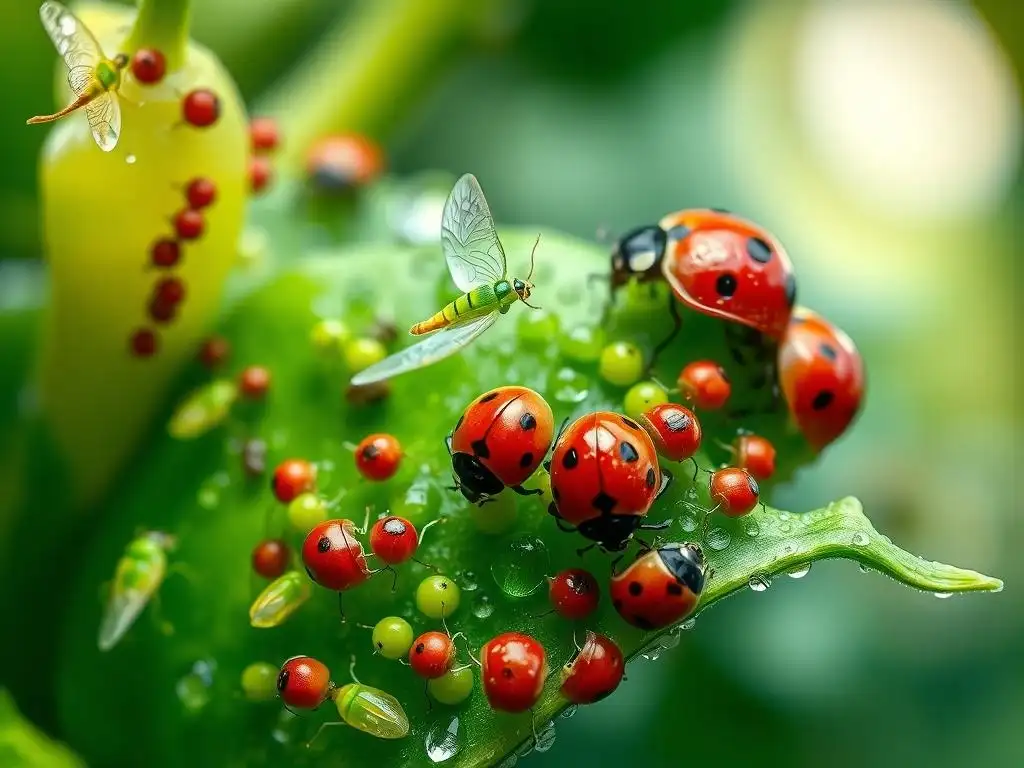
Ladybugs and lacewings are voracious aphid predators, making them excellent allies in your organic aphid pepper plant control strategy. These beneficial insects are readily available from many garden centers and online retailers, often sold in small containers or as eggs. Introducing them to your pepper plants provides a sustainable and environmentally friendly solution to aphid infestations. The key to success lies in understanding their life cycles and providing a suitable habitat.
Ladybugs, for example, require nectar and pollen sources for sustenance, not just aphids. Planting flowering plants like dill, yarrow, or alyssum nearby will attract and support ladybug populations, ensuring they remain in your garden to control aphid numbers long-term. Similarly, lacewings require a humid environment and access to pollen and honeydew for their larvae. Maintaining consistent soil moisture and avoiding the use of harsh pesticides will help create a welcoming environment for these beneficial insects.
Remember, introducing beneficial insects is a long-term strategy; you won't see immediate results, but consistent application will reduce aphid numbers over time and prevent significant outbreaks. It's also crucial to monitor your pepper plants regularly to assess the effectiveness of this method and adjust your approach as needed. Over-reliance on a single method might not be effective, so consider integrating this with other organic control methods for optimal results. For instance, combining the introduction of ladybugs and lacewings with a homemade insecticidal soap can provide a more comprehensive approach to organic aphid pepper plant control.
Making a Homemade Pepper Spray for Aphid Repellent
A homemade pepper spray offers a potent yet organic method for controlling aphids on your pepper plants. This natural repellent leverages the capsaicin in chili peppers to deter aphids without harming beneficial insects or pollinators. The process is straightforward and utilizes readily available ingredients. You'll need a few fresh or dried chili peppers (the hotter, the better! ), water, and a little dish soap. First, carefully wear gloves to protect your skin from the chili pepper's oils.
Then, blend the chili peppers with water until a smooth mixture is formed. Strain the mixture through a fine-mesh sieve to remove the pepper solids, leaving a concentrated pepper extract. Dilute this extract with water (a ratio of 1:10 is a good starting point, but you might need to adjust depending on the strength of your pepper extract and the severity of the infestation) and add a small amount of dish soap to help the mixture adhere to the plant's leaves. This soap acts as a surfactant, improving the spray's effectiveness. Thoroughly spray your pepper plants, ensuring complete coverage of the leaves and stems where aphids congregate. Be mindful to spray in the early morning or late evening to avoid burning the plants due to the sun's intensity.
Remember to test the spray on a small area of your plants first to ensure it doesn't cause any adverse reactions. While generally safe, over-application can potentially damage your pepper plants. This homemade pepper spray serves as a powerful deterrent, disrupting the aphids' feeding and reproductive cycles, contributing significantly to your organic aphid pepper plant control efforts. Consistent application, every few days, is key to maintaining aphid control and protecting your valuable pepper harvest. Remember to always store the spray in a clearly labeled container, away from children and pets.
Preventing Aphid Infestation in Your Pepper Plants
Preventing aphid infestations is far more effective than dealing with a full-blown infestation. Proactive measures significantly reduce the need for even organic interventions later on. This section focuses on preventative strategies for organic aphid pepper plant control.
Maintaining Cleanliness Around Pepper Plants
Maintaining a clean growing environment is crucial for preventing aphid infestations. Aphids thrive in cluttered areas with abundant weeds and debris. These provide hiding places and alternative food sources, making it easier for aphids to establish themselves on your pepper plants.
Regular weeding around your pepper plants is paramount. Remove all weeds within a radius of at least 12 inches to minimize aphid habitats. Dead leaves and plant debris should be promptly removed and disposed of, preferably composted far from your pepper plants to prevent re-infestation. A clean garden environment makes it harder for aphids to find your peppers and to reproduce.
Consider using mulch around your pepper plants; this helps to suppress weed growth and keeps the soil moist, which can also discourage aphids. Think of it as creating a hygienic and less hospitable environment for these pests. Remember that a clean garden is a happy, aphid-free garden! 🧼
Proper Watering Techniques to Reduce Aphid Risk
Watering techniques play a surprisingly important role in aphid prevention. Overwatering creates a humid microclimate ideal for aphid reproduction and survival. Conversely, underwatering stresses plants, making them more susceptible to aphid attacks. Striking a balance is key for organic aphid pepper plant control.
Aim for consistent moisture, avoiding both soggy soil and drought conditions. Water deeply and less frequently, encouraging deep root growth and a more resilient plant. Water at the base of the plant, avoiding overhead watering which can spread aphids and create the humid conditions they love. Observe your soil's moisture level regularly; stick your finger a few inches into the soil – if it feels dry, it's time to water. Remember that consistent watering is a form of preventative pest control. 💧
Choosing Aphid-Resistant Pepper Varieties
Selecting aphid-resistant pepper varieties is a proactive strategy that minimizes the risk of infestation from the outset. While no pepper variety is completely immune to aphids, some exhibit greater resistance than others. This offers a significant advantage in organic gardening.
Researching pepper varieties known for their resistance to common pests, including aphids, is essential before planting. Seed catalogs and online resources often provide information on pest resistance. Look for descriptions mentioning resistance to aphids or other sucking insects. Some varieties may naturally produce compounds that deter aphids, reducing the likelihood of infestation. Choosing these resilient varieties is a simple yet highly effective element of organic aphid pepper plant control. This strategy minimizes the need for any intervention later on, saving you time and effort. 🫑
Monitoring and Managing Aphid Populations on Peppers
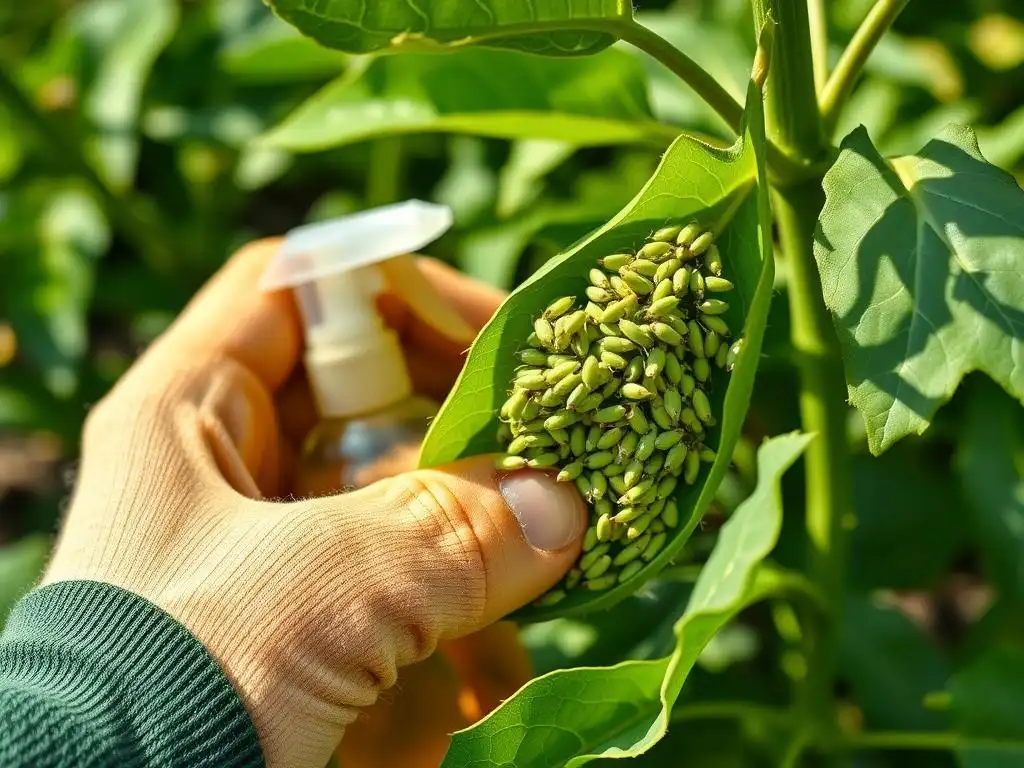
Effective organic aphid pepper plant control begins with diligent monitoring. Early detection is crucial for preventing widespread infestations and minimizing the need for more intensive interventions. Regular inspections allow for timely implementation of natural remedies, reducing the reliance on harsh chemicals. This proactive approach aligns perfectly with sustainable gardening practices, protecting beneficial insects and the overall health of your pepper plants.
Regular Inspection of Pepper Plants for Early Detection
Regularly inspecting your pepper plants is the cornerstone of successful organic aphid control. Aim for daily or at least every other day checks, particularly during periods of warm, dry weather when aphids thrive. Focus your attention on the undersides of leaves, buds, and young shoots – these are aphid hotspots. Look for small, pear-shaped insects, often greenish, yellowish, or black, depending on the species. You might also see sticky honeydew – a sugary substance excreted by aphids – coating the leaves. The presence of ants can also indicate an aphid infestation, as ants often "farm" aphids for their honeydew.
Early detection is key. A small aphid population can often be managed with simple methods. However, a large infestation can quickly overwhelm a plant, leading to stunted growth, wilting, and reduced yield. Therefore, consistent vigilance is paramount. Consider using a magnifying glass for a closer inspection, especially on young plants where aphids may be harder to spot. Keep detailed notes of your observations, including the date, the severity of the infestation, and any actions taken. This record-keeping will help you track the effectiveness of your control methods and refine your approach over time.
Natural Remedies for Persistent Aphid Infestations
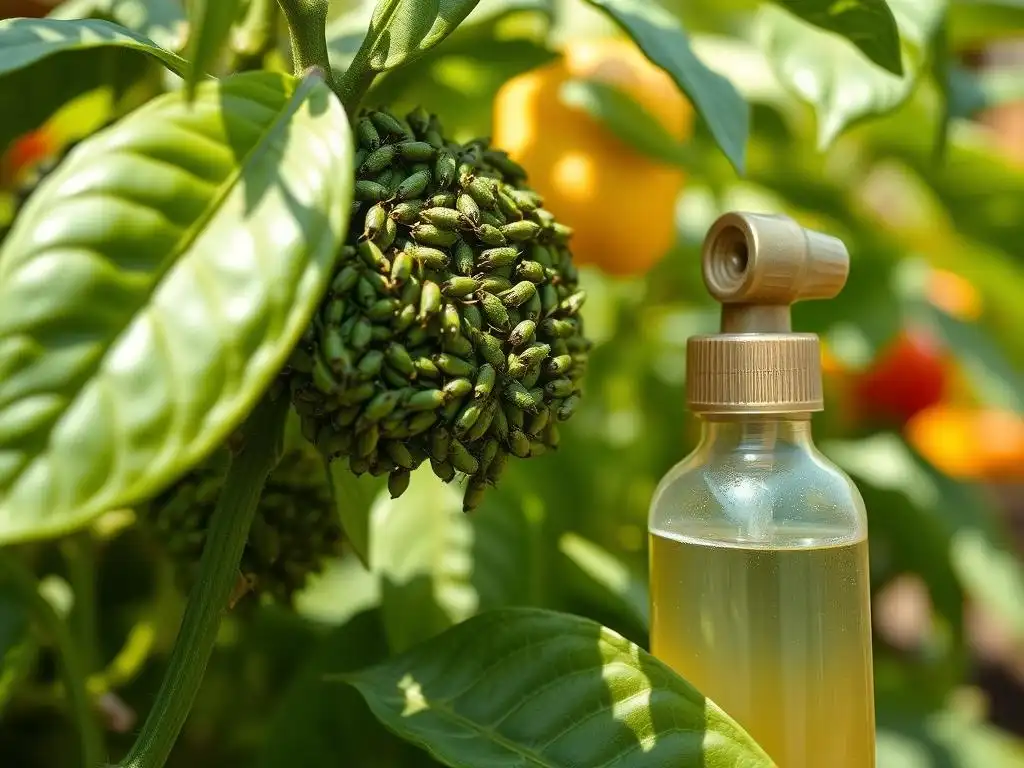
If regular inspections reveal a persistent aphid infestation despite preventative measures, several natural remedies can be employed. These methods utilize readily available materials and minimize environmental impact, aligning with the principles of organic aphid pepper plant control. The effectiveness of each remedy can vary depending on the severity of the infestation and environmental conditions. It's often best to try a combination of approaches for optimal results.
Natural Remedies for Persistent Aphid Infestations
Several natural remedies can effectively combat persistent aphid infestations. These methods offer a sustainable alternative to chemical pesticides, protecting beneficial insects and the overall health of your ecosystem.
- Strong Spray of Water: A forceful spray of water from a hose can dislodge aphids from pepper plants. Repeat this process every few days, especially after rain, as it washes away aphids and their honeydew. This is a particularly effective method for small infestations.
- Neem Oil: Neem oil is a natural insecticide derived from the neem tree. Dilute neem oil according to package instructions and apply it directly to the affected plant parts. Neem oil disrupts the aphid life cycle and can help control populations. Remember to apply it in the evening or on cloudy days to minimize damage to the plant from the sun.
- Insecticidal Soap: Insecticidal soap is another effective natural option. Similar to neem oil, it disrupts the aphid's cell membranes, leading to their death. Always follow the manufacturer's instructions for dilution and application. Be mindful of applying it on hot days, as it can harm your pepper plants if the soap is too concentrated or the sun is too strong.
- Companion Planting: Certain plants repel aphids or attract their natural predators. Consider planting marigolds, basil, or nasturtiums near your pepper plants to deter aphids. These plants release compounds that deter aphids or attract beneficial insects that prey on them.
- Ladybugs: Introduce ladybugs to your garden. Ladybugs are voracious aphid predators, providing a natural and effective form of biological control. You can purchase ladybugs online or from garden centers.
When to Consider Professional Help for Severe Infestations
Despite your best efforts with natural remedies, some aphid infestations may prove too severe to manage independently. This is particularly true for large-scale commercial pepper cultivation or when infestations have severely compromised the health of your plants. Recognizing when to seek professional assistance is crucial to prevent significant crop loss and protect the overall health of your garden.
When to Consider Professional Help for Severe Infestations
Several factors indicate the need for professional assistance in managing a severe aphid infestation:
- Widespread Infestation: If aphids have spread extensively throughout your pepper plants, despite your attempts at natural control, it’s time to contact a professional. A widespread infestation requires more targeted and potentially more intensive intervention.
- Significant Crop Damage: When the infestation leads to significant damage, including stunted growth, wilting, or substantial yield reduction, professional help is needed to mitigate further losses.
- Lack of Response to Natural Remedies: If you've consistently applied natural remedies and haven't seen any improvement in the aphid population, professional intervention might be necessary. They have access to more advanced techniques and products.
- Limited Time or Expertise: Lack of time or experience in pest control can also necessitate seeking professional help. Professionals possess the knowledge and resources to effectively address complex infestations. They can provide tailored solutions and guidance for future prevention.
Remember, early detection and proactive management are key to preventing severe aphid infestations. By combining regular monitoring with timely applications of natural remedies, you can effectively protect your pepper plants and maintain a thriving, organic garden.
Frequently Asked Questions
What are aphids, and why are they a problem for pepper plants?
Aphids are tiny, soft-bodied insects that suck the sap from plants. On pepper plants, this sap-sucking leads to stunted growth, yellowing leaves, and reduced yields. They can also transmit diseases.
What are the signs of an aphid infestation on my pepper plants?
Look for clusters of small, pear-shaped insects on the undersides of leaves and stems. You might also see sticky honeydew (their waste product) and sooty mold growing on the leaves. Curled or distorted leaves are also a sign.
Are there any natural ways to control aphids on my pepper plants?
Yes! Strong water sprays can dislodge aphids. You can also introduce beneficial insects like ladybugs or lacewings. Neem oil is another effective, organic option.
How can I prevent aphids from infesting my pepper plants in the future?
Healthy plants are less susceptible. Ensure your peppers receive adequate sunlight and water. Regularly inspect your plants for any signs of pests. Consider using companion planting to deter aphids.
Is it safe to eat peppers that have been treated with organic aphid control methods?
Yes, organic methods such as neem oil, insecticidal soap, and beneficial insects are generally safe for consumption after the recommended waiting period (if any). Always thoroughly wash your peppers before eating.
Final Reflection: Nurturing Resilience: Protecting Our Pepper Plants, Protecting Ourselves
The fight against aphids on pepper plants is more than just a gardening challenge; it's a microcosm of our broader struggle to create sustainable and healthy ecosystems. Ignoring these tiny pests can lead to significant crop loss, highlighting the fragility of even the most robust systems. Our reliance on chemical pesticides, while seemingly offering quick fixes, often undermines the long-term health of our plants and the environment.
The journey towards organic aphid control has profoundly impacted my own approach to gardening and, more broadly, to life. It's taught me the importance of observation, patience, and a deep respect for the interconnectedness of all living things. Nature always wears the colors of the spirit.
- Ralph Waldo Emerson. This quote resonates deeply, reminding us that the vibrant health of our pepper plants reflects the health of our approach to nature itself. The methods discussed – from introducing beneficial insects to utilizing natural sprays – are not merely techniques; they are expressions of a mindful and responsible relationship with the natural world.
Now, consider your own garden, your own life. What "aphids" are you facing? What seemingly small challenges threaten to overwhelm your efforts? I encourage you to approach these obstacles with the same thoughtful, sustainable approach we've explored here. Embrace natural solutions, nurture resilience, and discover the profound satisfaction of building a healthy and thriving ecosystem, whether in your garden or in your life. The rewards are far greater than a bountiful pepper harvest; they are a testament to your commitment to a more balanced and harmonious existence.
Unleash Your Pepper Plants' Potential: Banish Aphids Naturally!
Thank you for learning about natural aphid control! You now have the knowledge to protect your pepper plants and enjoy a bountiful harvest. Ready to put your knowledge into practice?
- Start using your chosen natural remedy immediately! Whether it's neem oil, insecticidal soap, or a homemade solution, begin treating your plants today to prevent further damage.
- Share your aphid-control successes (or challenges!) with our community in the comments below. Let's learn from each other!
- Consider companion planting next season to proactively deter aphids. Experimenting with different plants can be very effective.
What's your preferred method for managing garden pests, and what are your results?