
How to Deal With Tomato Hornworms: Natural Pest Control

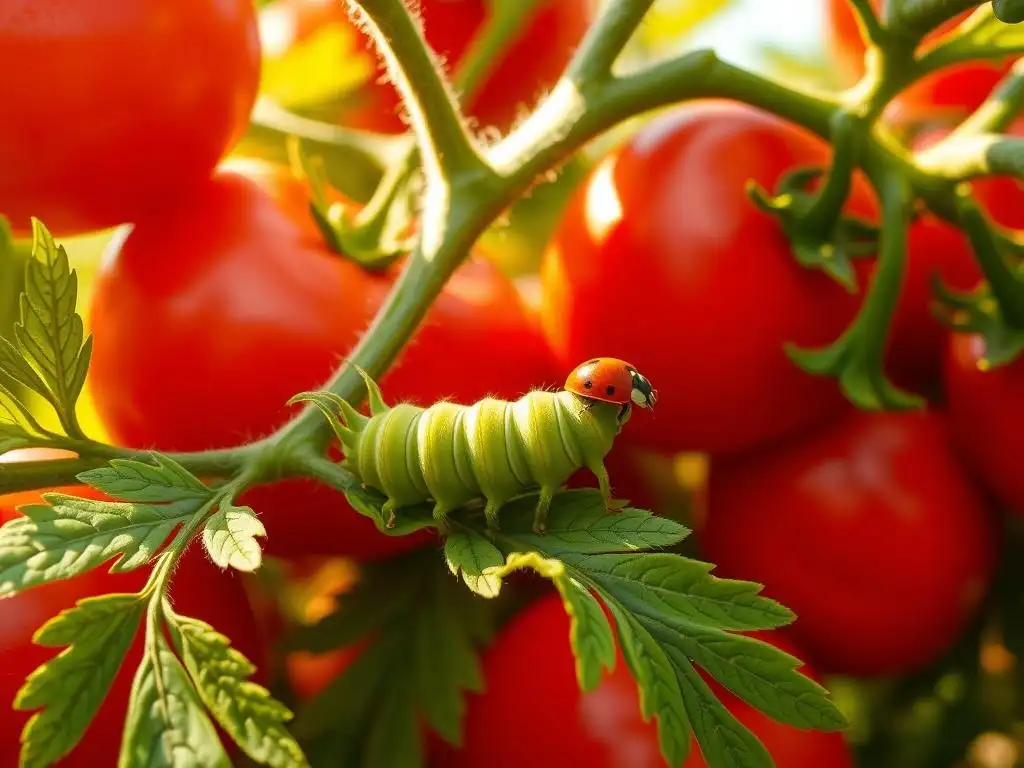
Welcome to CultivateYourFood, your guide to a thriving, sustainable garden! Are you ready to unlock the secrets to bountiful harvests, while protecting your precious plants using only natural methods? Then you've come to the right place. This website is dedicated to helping you grow your own fruits, vegetables, and herbs organically. Let's dive right in: discover effective and eco-friendly solutions to a common gardening challenge – organic tomato hornworm control – and learn how to cultivate a truly flourishing garden.
- Identifying Tomato Hornworms: Early Detection for Effective Control
- Organic Tomato Hornworm Control Methods: Sustainable Solutions
- Preventing Tomato Hornworm Infestations: Proactive Strategies
- Advanced Techniques for Organic Tomato Hornworm Control
- Frequently Asked Questions
- Final Reflection: Cultivating a Healthy Harvest, Naturally
- Unleash Your Inner Gardener: Protect Your Tomatoes!
Identifying Tomato Hornworms: Early Detection for Effective Control
Tomato hornworms, the bane of many a home gardener's existence, can decimate a tomato crop in a surprisingly short time. This comprehensive guide will equip you with the knowledge and strategies for effective, organic tomato hornworm control, allowing you to protect your precious plants without resorting to harmful chemicals. We'll explore identification techniques, natural pest control methods, and preventative measures to ensure a bountiful harvest of delicious, homegrown tomatoes. Learning to recognize these pests early is crucial for minimizing damage and maximizing your yield.
This guide focuses on sustainable, environmentally friendly solutions, aligning perfectly with the CultivateYourFood philosophy of organic and sustainable gardening practices. We'll cover everything from visually identifying these voracious caterpillars to implementing effective, natural control strategies. Let's get started!
Recognizing Tomato Hornworm Appearance and Damage
Tomato hornworms ( Manduca quinquemaculata) are large, green caterpillars that can reach up to 4 inches in length. They possess a distinctive horn-like projection at their posterior end, which gives them their name. Their bodies are typically a vibrant green, sometimes with diagonal white stripes along their sides. These stripes can vary in visibility depending on the age and species of the hornworm. Early detection is key, as these hungry caterpillars can quickly defoliate tomato plants.
Identifying damage is just as crucial as identifying the pest itself. Look for:
- Extensive leaf damage: Hornworms have a voracious appetite, leaving behind large, irregular holes in the leaves. Severe infestations can completely defoliate a plant in a matter of days.
- Frass: Look for dark, granular droppings (frass) on the leaves and the ground beneath the plant. This is a clear indication of hornworm activity.
- Damaged fruit: In severe cases, hornworms can also damage developing tomatoes, creating holes and rendering the fruit unmarketable.
Early detection is paramount for successful organic control. Regular monitoring of your tomato plants, especially during the peak growing season, is essential. Checking your plants every few days, particularly in the evenings when hornworms are most active, significantly improves your chances of catching them early. Remember, a small infestation is much easier to manage than a large one.
Distinguishing Hornworms from Other Tomato Pests
While tomato hornworms are the most notorious culprits, other pests can cause similar damage to tomato plants. It's important to be able to distinguish hornworms from other insects to ensure you're targeting the right pest with your control methods. Some insects that might be confused with hornworms include:
- Tobacco hornworms (Manduca sexta): These are very similar in appearance to tomato hornworms, but they have seven V-shaped markings along their sides instead of diagonal white stripes. They also generally prefer tobacco plants, but can be found on tomatoes.
- Other caterpillars: Various other caterpillars can feed on tomato leaves, but they typically are smaller and less conspicuous than hornworms.
Careful observation, paying close attention to size, color, markings, and the extent of damage, will help you accurately identify the pest and choose the most appropriate control strategy. If you’re unsure, taking a clear picture and consulting online resources or local gardening experts can provide confirmation.
Locating Hornworms on Tomato Plants
Hornworms are masters of camouflage, blending seamlessly with the green foliage of tomato plants. Their green coloration provides excellent protection, making them difficult to spot. To effectively locate these pests, consider the following tips:
- Regular visual inspections: Regularly inspect your tomato plants, paying close attention to both the upper and lower sides of the leaves. Check both young and mature plants.
- Evening inspections: Hornworms are often more active at dusk and night. Inspecting your plants during these times can increase your chances of finding them.
- Look for frass: As mentioned earlier, the presence of frass can indicate hornworm activity, even if the caterpillars themselves are difficult to see. Follow the trail of frass to locate the culprit.
- Use a flashlight: A flashlight can help you see hornworms more easily, especially in low-light conditions.
Remember, early detection is crucial for effective and environmentally friendly pest control. By consistently monitoring your plants and using the strategies outlined above, you'll be well-equipped to identify and address any hornworm infestations before they cause significant damage to your tomato crop. 🐛
Organic Tomato Hornworm Control Methods: Sustainable Solutions

This section details effective and environmentally friendly strategies for organic tomato hornworm control, focusing on methods that minimize harm to beneficial insects and the surrounding ecosystem. Remember, early detection is key to successful management. Regularly inspect your tomato plants, especially the undersides of leaves, for signs of hornworm activity. The earlier you intervene, the less damage they'll inflict. This guide prioritizes sustainable practices for achieving robust, healthy tomato plants.
Handpicking and Removing Hornworms
The simplest and most direct method for organic tomato hornworm control is manual removal. This hands-on approach allows for precise targeting, avoiding the unintended consequences of broad-spectrum pesticides. Simply inspect your plants regularly, looking for the large, green caterpillars with a horn-like protrusion at their rear end. When you locate a hornworm, gently pick it off the plant and dispose of it.
You can drop it into a bucket of soapy water to ensure it doesn't crawl away and re-infest your plants. This method is particularly effective for small infestations and is a great starting point for any organic gardening strategy. For larger infestations, consider supplementing this with other organic control methods.
This method offers several advantages: It's cost-effective, requires no special equipment, and directly addresses the problem without introducing harmful chemicals into your garden. However, thorough and frequent monitoring is crucial for its success. Missing even a few hornworms can lead to a significant increase in their population and subsequently, more damage to your tomato plants. Remember to check both the top and underside of leaves, as hornworms often hide in shaded areas.
Bacillus thuringiensis (Bt) Application
Bacillus thuringiensis (Bt) is a naturally occurring bacterium that produces toxins lethal to certain insect larvae, including tomato hornworms. This biopesticide is a cornerstone of organic pest control and offers a safe and effective alternative to chemical insecticides. Several commercially available Bt products are specifically formulated for hornworm control. These products typically come as a powder or liquid concentrate that you mix with water and spray directly onto the plants.
The application process involves thoroughly coating the leaves of your tomato plants, ensuring that the Bt solution reaches the hornworms. It's important to follow the product's instructions carefully regarding dilution ratios and application frequency. Bt works by disrupting the hornworm's digestive system, leading to its death within a few days. It's crucial to note that Bt is species-specific; it primarily affects caterpillars and poses minimal risk to other beneficial insects, birds, or mammals.
This specificity is a significant advantage in maintaining a balanced garden ecosystem. Repeated applications might be necessary, depending on the severity of the infestation and weather conditions. Rain can wash away the Bt solution, requiring reapplication.
Neem Oil Spray Application
Neem oil, derived from the neem tree, is another highly effective organic option for tomato hornworm control. This versatile oil acts as both a repellent and a contact insecticide, disrupting the hornworms' feeding and life cycle. Neem oil works by interfering with the insect's hormonal system, impacting its ability to feed, molt, and reproduce. It also has a repellent effect, discouraging hornworms from settling on treated plants.
To apply neem oil, mix the product with water according to the manufacturer's instructions. Thorough coverage of the plant's foliage is critical for optimal results. It's best to apply neem oil in the evening or on cloudy days to minimize the risk of leaf burn due to sun exposure.
Similar to Bt, neem oil's effectiveness can be impacted by rainfall, requiring reapplication after heavy showers. While generally safe, it's advisable to avoid spraying neem oil during the hottest part of the day and to test it on a small area of your plants first to check for any adverse reactions. Neem oil is a valuable tool in integrating a holistic approach to organic tomato hornworm control, contributing to a healthy and thriving garden environment.
Diatomaceous Earth Application

Diatomaceous earth (DE) is a naturally occurring sedimentary rock composed of fossilized diatoms. Its microscopic, sharp edges effectively pierce the exoskeletons of soft-bodied insects like tomato hornworms, causing dehydration and death. This method is considered a safe and effective organic approach to tomato hornworm control. Application is straightforward: simply dust the DE liberally around the base of your tomato plants, focusing on the lower leaves where hornworms tend to congregate.
Reapply after rain or watering, as DE can be washed away. It's crucial to use food-grade diatomaceous earth, as other types may contain harmful chemicals. Remember to wear a mask when applying DE to avoid inhaling the fine powder.
While DE is generally safe for beneficial insects and pollinators, excessive application could potentially harm them, so it's best to use a targeted approach. Consistent application is key; regular monitoring of your plants is advisable to ensure the DE remains effective and to catch any new infestations early. This proactive method helps prevent significant damage to your tomato plants before it becomes extensive.
Utilizing Companion Plants like Basil and Marigolds
Strategic planting of companion plants is a cornerstone of organic gardening, and it proves highly effective in deterring or repelling pests like tomato hornworms. Basil, with its strong aroma, acts as a natural repellent for many insects, including hornworms. Interplanting basil amongst your tomato plants can significantly reduce hornworm infestations. The fragrant oils released by basil disrupt the hornworms' feeding and oviposition (egg-laying) behaviors.
Marigolds, another excellent companion plant, also contribute to pest control through their pungent scent. Marigolds are known to repel a wide range of insects, indirectly benefiting your tomato plants by reducing overall pest pressure. The combined effect of basil and marigolds creates a more hostile environment for hornworms, making it less attractive for them to lay eggs and feed on your tomatoes. When planning your garden layout, consider incorporating these fragrant plants strategically.
Planting them close to your tomato plants maximizes their effectiveness. Remember that the effectiveness of companion planting may vary depending on factors like plant density and the overall garden ecosystem. However, it remains a valuable organic method for integrated pest management, reducing the need for harsher chemical interventions. This approach supports biodiversity and contributes to a healthier garden overall.
Preventing Tomato Hornworm Infestations: Proactive Strategies
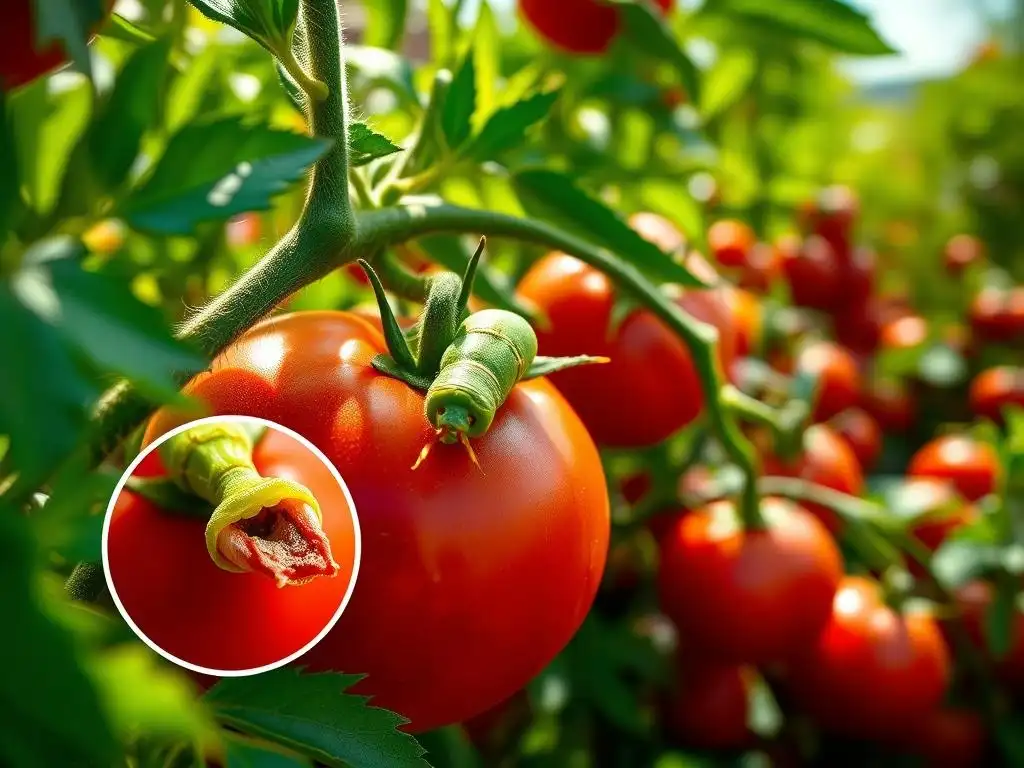
Preventing tomato hornworm infestations relies heavily on proactive gardening practices that discourage these pests from establishing themselves in your garden. Focusing on healthy plants and a clean growing environment significantly reduces the risk of a major infestation, saving you the trouble and stress of dealing with them later. Remember, organic tomato hornworm control begins long before you see the first worm.
Maintaining Soil Health and Plant Vigor
Healthy plants are naturally more resistant to pests. A robust tomato plant, well-nourished and properly hydrated, is less susceptible to hornworm attacks. This resilience stems from the plant's ability to withstand stress, which makes it a less appealing host. Investing in soil health is paramount.
Prioritize organic soil amendments like compost, aged manure, and cover crops to build rich, fertile soil teeming with beneficial microorganisms. These microbes not only feed your plants but also contribute to a healthy soil ecosystem that can suppress pest populations naturally. For instance, a soil rich in beneficial nematodes can help control hornworm populations in the larval stage.
Regular soil testing can help you pinpoint nutrient deficiencies and adjust your fertilization strategy accordingly, ensuring your tomatoes receive the optimum nutrition for strong growth. Remember, strong plants are your first line of defense against organic tomato hornworm control. Aim for a soil pH between 6.0 and 6.8, ideal for optimal tomato growth and nutrient uptake.
Regular Plant Inspection and Early Intervention
Diligent monitoring is key to effective organic tomato hornworm control. Regularly inspect your tomato plants, paying close attention to the undersides of leaves where hornworms often hide. Early detection allows for quick intervention before a large infestation takes hold. Even a single hornworm can quickly decimate a young tomato plant. Start your inspections early in the growing season and continue throughout the fruiting period. A daily or every-other-day check is ideal, especially during peak hornworm activity (typically mid-summer). Look for tell-tale signs such as:
- Large, green caterpillars: Tomato hornworms are quite large and easily spotted.
- Frass (worm droppings): Look for dark, granular droppings near the base of the plant or on the leaves.
- Leaf damage: Significant leaf chewing and defoliation are clear indicators of hornworm presence.
Early detection allows for manual removal, the most effective and environmentally friendly method of organic tomato hornworm control. Simply pick off the hornworms and dispose of them in soapy water to prevent them from crawling back onto your plants.
Removing Garden Debris and Plant Residue
Cleaning up your garden at the end of the growing season is crucial for preventing pest infestations the following year. Tomato hornworms overwinter in the soil as pupae, so removing plant debris and weeds eliminates potential overwintering sites. This simple step significantly reduces the number of hornworms that emerge the following spring. Thoroughly remove all tomato plants, including stems and leaves, and dispose of them properly—composting is usually fine, provided your compost pile gets hot enough to kill the pupae.
Don't leave any plant material on the ground that could serve as shelter for overwintering pests. Tilling the soil can also help disrupt the pupae, further reducing the chances of a hornworm infestation in the next season. This is a fundamental aspect of sustainable and effective organic tomato hornworm control. A clean garden is a healthy garden, reducing the need for more drastic pest control measures.
Attracting Beneficial Insects such as Ladybugs and Braconid Wasps
Ladybugs and braconid wasps are natural predators of tomato hornworms, making them invaluable allies in organic tomato hornworm control. Attracting these beneficial insects to your garden is a proactive strategy that minimizes the need for harsh chemicals. These insects will not only help control hornworm populations but also contribute to the overall health of your garden ecosystem. A healthy ecosystem is less susceptible to pest infestations.
To attract ladybugs, plant flowers that provide nectar and pollen, such as dill, fennel, yarrow, and alyssum. These flowering plants act as vital food sources for adult ladybugs, encouraging them to stay and lay their eggs in your garden. Ladybug larvae are voracious eaters, consuming significant numbers of aphids and other soft-bodied insects, indirectly helping to reduce hornworm populations by controlling their prey. Consider planting these flowers strategically around your tomato plants to maximize their effectiveness.
Braconid wasps are parasitoids, meaning their larvae develop inside hornworm bodies. These wasps lay their eggs inside the hornworm, and the developing larvae consume the hornworm from the inside out, eventually killing it. The presence of mummified hornworms—those that have turned brown and hardened—is a clear sign of successful braconid wasp activity. To attract braconid wasps, maintain a diverse garden with a variety of flowering plants that provide nectar.
Avoid using broad-spectrum insecticides, as these can harm beneficial insects like braconid wasps, negating their positive impact on organic tomato hornworm control. Providing a habitat with diverse plant life and avoiding harmful chemicals is key to fostering a thriving population of these beneficial insects. Remember that a healthy and diverse garden environment is crucial for attracting and supporting these natural predators, creating a sustainable and effective approach to organic pest control.
Advanced Techniques for Organic Tomato Hornworm Control
This section delves into more sophisticated, yet still entirely organic, methods for controlling tomato hornworms in your garden. These techniques go beyond simple hand-picking and offer proactive and preventative measures to minimize infestations and maximize your tomato harvest. Remember, consistent monitoring is key to early detection and effective control, regardless of the method employed. Effective organic tomato hornworm control relies on a multi-pronged approach.
Creating and Applying Homemade Insecticidal Soap
Homemade insecticidal soap offers a safe and effective way to control tomato hornworms, particularly in their younger stages. This method disrupts the hornworms' respiratory system and ultimately leads to their demise. The beauty of this approach lies in its simplicity and the readily available ingredients.
Several recipes exist, but a common and effective one involves mixing 1 tablespoon of liquid dish soap (avoiding those with added dyes or fragrances) with 1 gallon of water. Thoroughly mix the solution and apply it directly to the hornworms and the surrounding foliage, ensuring complete coverage. It's crucial to apply the solution in the early morning or late evening to minimize evaporation and sun damage to the plants. Repeat applications may be necessary, especially after rainfall.
The effectiveness of homemade insecticidal soap can be enhanced by adding other natural ingredients, such as neem oil (a natural insecticide derived from the neem tree) or horticultural oil. These additions can boost the soap's insecticidal properties and provide broader spectrum control. Always follow the product instructions carefully when incorporating additional components. Remember to test a small area of your plants first to ensure no negative reactions occur. Proper application and consistent monitoring are vital for achieving optimal results in your organic tomato hornworm control strategy.
Utilizing Row Covers for Plant Protection
Row covers provide a physical barrier, preventing tomato hornworms (and other pests) from accessing your precious tomato plants. This preventative measure is highly effective, especially when used early in the growing season before significant infestations occur.
Lightweight floating row covers, made from breathable fabric, allow sunlight and water to reach the plants while keeping pests at bay. These covers should be secured firmly around the base of the plants to prevent hornworms from crawling underneath. Remember to remove the covers periodically to ensure adequate air circulation and to prevent overheating, particularly on hot days.
The timing of row cover application is crucial. Install them before the hornworms emerge or lay their eggs. Monitoring for the presence of eggs or small hornworms is essential. Prompt action prevents larger infestations. While row covers are an excellent preventative measure, they are not foolproof. Regular inspection of plants remains important for early detection of any hornworms that may have managed to penetrate the cover or appeared after removal for plant maintenance. This proactive approach is essential for successful organic tomato hornworm control.
Implementing Integrated Pest Management (IPM) Strategies
Integrated Pest Management (IPM) is a holistic approach that emphasizes preventative measures and minimizes reliance on chemical pesticides. For organic tomato hornworm control, IPM combines various strategies to achieve sustainable pest management.
IPM for tomato hornworms starts with careful monitoring of your plants. Regularly inspect the leaves and stems for signs of hornworms, eggs, or frass (hornworm droppings). Early detection allows for prompt intervention, preventing widespread damage. This proactive approach is crucial for the success of any organic control method.
Next, employ cultural controls, such as proper plant spacing, which improves air circulation and reduces humidity – factors that can encourage hornworm infestations. Rotating your crops yearly also helps disrupt the pest's life cycle. Consider companion planting, utilizing plants that repel hornworms or attract their natural predators.
Beneficial insects like parasitic wasps and certain birds can help control hornworm populations naturally. Finally, integrate biological controls, such as introducing beneficial nematodes to the soil, which can attack hornworm larvae. The combination of these strategies forms a robust and effective IPM plan for organic tomato hornworm control, resulting in a healthier and more productive garden.
Frequently Asked Questions
What are tomato hornworms?
Tomato hornworms are large green caterpillars that can severely damage tomato plants. They are the larvae of the Manduca sphinx moth and are voracious eaters, capable of defoliating entire plants quickly.
How can I identify a tomato hornworm infestation?
Look for large holes in tomato leaves and frass (caterpillar droppings). The hornworms themselves are easily spotted due to their size and green color; they often blend in with the foliage.
What are some natural ways to control tomato hornworms?
Handpicking is the most effective method. You can also introduce natural predators like parasitic wasps or ladybugs. Bacillus thuringiensis (Bt) is a biological insecticide that targets hornworms.
Are there any home remedies for tomato hornworms?
While handpicking is best, you can try spraying plants with a strong stream of water to dislodge hornworms. Some gardeners report success using a pepper spray solution, though effectiveness varies.
How can I prevent tomato hornworms in the future?
Practice crop rotation to disrupt the hornworm life cycle. Maintain a healthy garden with beneficial insects to encourage natural predation. Consider using row covers to protect young plants.
Final Reflection: Cultivating a Healthy Harvest, Naturally
The fight against tomato hornworms isn't just about saving your tomatoes; it's about fostering a balanced ecosystem in your garden and embracing sustainable practices. The methods outlined in this article—from hand-picking to introducing beneficial insects—represent a shift away from harmful chemical pesticides towards a more holistic approach to pest control. This is crucial in a world increasingly concerned about the environmental impact of our food production.
The journey of learning to coexist with nature, rather than dominate it, has been profoundly rewarding. It's a lesson that extends far beyond the vegetable patch. The earth provides enough to satisfy every man's needs but not every man's greed.
– Mahatma Gandhi. This quote perfectly encapsulates the importance of mindful gardening and responsible resource management, principles that are vital for a sustainable future. My own experience battling hornworms has taught me patience, observation, and the interconnectedness of all living things within a garden ecosystem.
Now, it's your turn. Consider the impact of your gardening choices. Will you choose the quick fix of chemical pesticides, or will you embrace the challenge of natural pest control? Take the time to observe your garden, understand its delicate balance, and actively participate in creating a thriving, healthy environment. The rewards—both for your plants and your soul—will be immeasurable.
Unleash Your Inner Gardener: Protect Your Tomatoes!
Thanks for learning about natural methods to control tomato hornworms! You now have the knowledge to combat these pests without harmful chemicals. Ready to put your skills to the test?
- Start your hornworm patrol today: Carefully inspect your tomato plants for eggs and young hornworms. Early detection is crucial for effective control.
- Share your successes (and challenges!): Let the CultivateYourFood community know how your natural pest control is working. Your experiences can help others!
- Consider companion planting next season: Experiment with basil or other plants known to deter hornworms. This can be a highly effective preventative measure.
What natural pest control method are you most excited to try in your garden this year?