
Dehydrating Tomatoes: A Great Way to Preserve Your Harvest

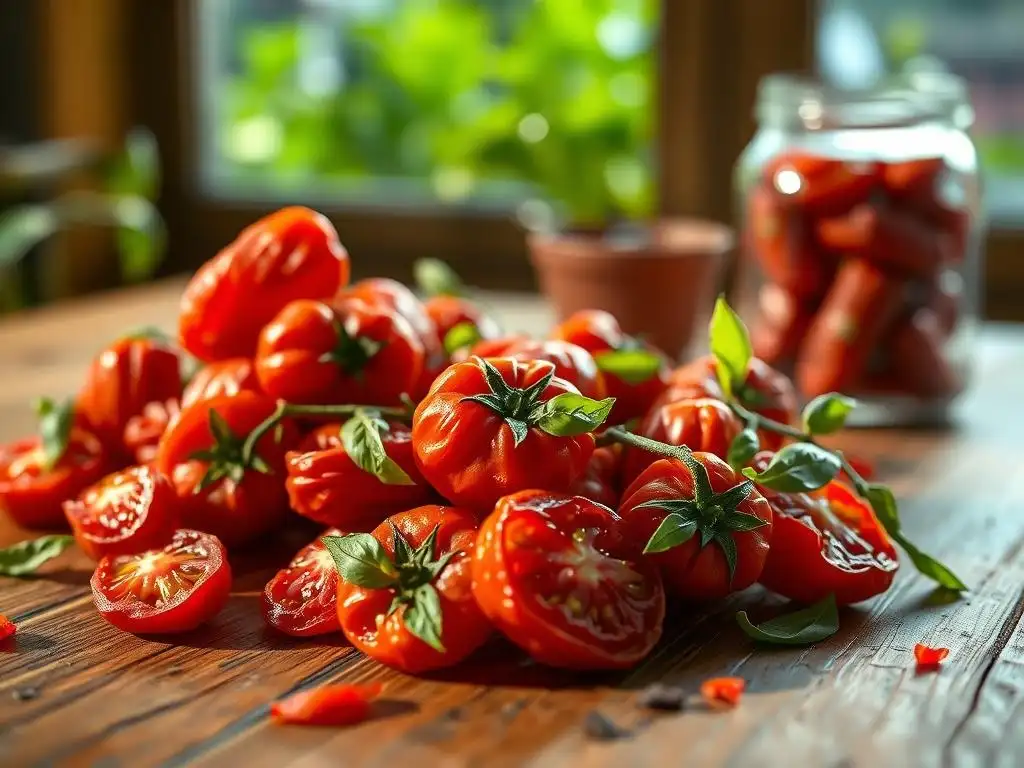
Welcome to CultivateYourFood, your guide to a thriving home garden! Ready to unlock the secrets of sustainable food production? Learn how to transform your harvest from garden to pantry with our comprehensive guide on dehydrating tomatoes, a simple yet effective home preservation technique. Discover the joys of organic gardening and the satisfaction of enjoying your own homegrown goodness all year round. Let's dive into the world of vegetable gardening and explore the amazing possibilities!
- Why Dehydrate Tomatoes? Benefits of Home Preservation
- Getting Started: Preparing Your Tomatoes for Dehydration
- Dehydrating Methods: Sun Drying vs. Oven Drying vs. Dehydrator
- Storing Your Dried Tomatoes: Maintaining Quality and Freshness
- Troubleshooting Common Dehydration Issues
- Creative Uses for Dehydrated Tomatoes: Beyond the Basics
- Dehydrate Tomatoes Home Preservation: A Sustainable Approach
- Frequently Asked Questions
- Final Reflection: The Enduring Bounty of Sun-Dried Tomatoes
- Unlock the Flavor: Your Sun-Dried Tomato Journey Starts Now!
Why Dehydrate Tomatoes? Benefits of Home Preservation
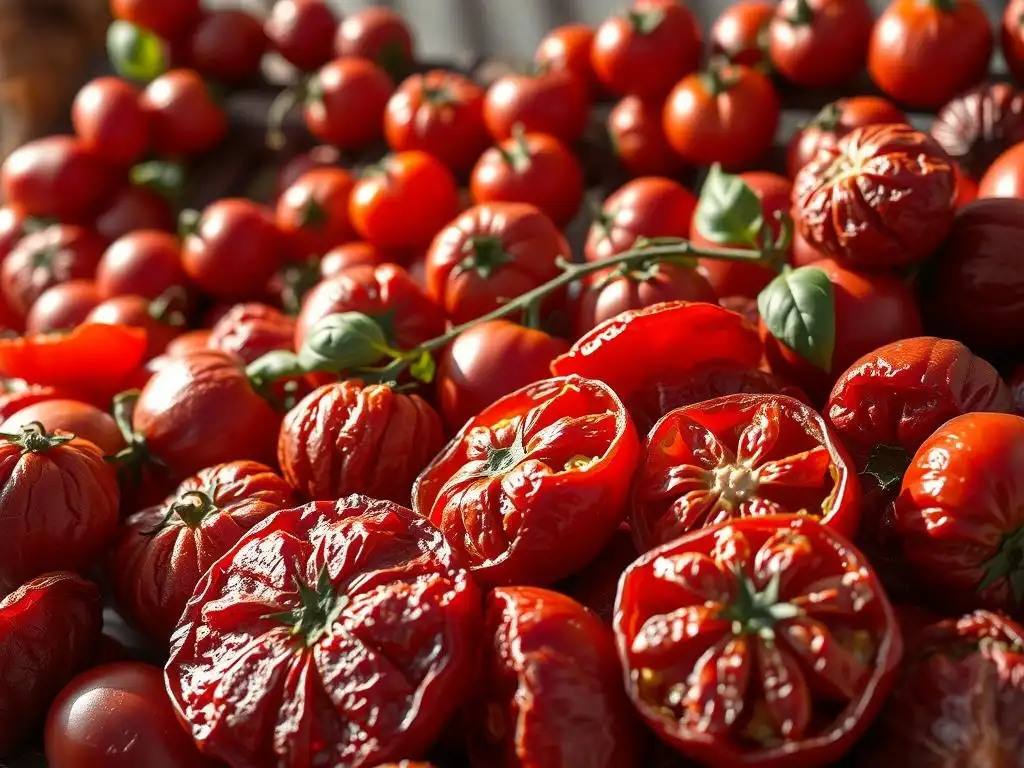
Dehydrating tomatoes is a fantastic method for home preservation, offering numerous advantages over other techniques like canning or freezing. This process allows you to extend the enjoyment of your fresh tomato harvest well beyond the growing season, minimizing food waste and retaining a significant portion of the tomatoes' nutritional value. This article will explore the key benefits of dehydrating tomatoes, guiding you through the process of transforming your abundant summer harvest into delicious and nutritious dried tomatoes perfect for use throughout the year.
Learning to dehydrate tomatoes at home is a valuable skill for any home gardener seeking sustainable and efficient food preservation methods, especially when aiming to maximize the yield from your tomato plants and reduce reliance on commercially processed products. This method is particularly effective for those who are interested in "Dehydrate tomatoes home preservation" and want to embrace organic and sustainable gardening practices.
Extending the Tomato Season: Enjoy Summer Flavors Year-Round
The vibrant taste of freshly picked tomatoes is a hallmark of summer. However, the tomato season is fleeting. Dehydrating tomatoes allows you to capture that summer flavor and enjoy it throughout the year. Imagine adding the intense sweetness of sun-ripened tomatoes to your winter pasta dishes, or sprinkling the tangy zest of dried tomatoes onto your salads during the coldest months.
This simple preservation method effectively transforms a perishable summer crop into a versatile ingredient readily available whenever you need a burst of summer flavor. The process concentrates the tomato's natural sugars and enhances its overall flavor profile, resulting in a richer, more intense taste experience compared to fresh tomatoes. This is a significant benefit for those who appreciate the nuances of seasonal produce and seek ways to savor those flavors beyond their limited availability.
Reducing Food Waste: Utilizing Your Abundant Tomato Harvest
Many home gardeners are blessed with an abundance of tomatoes during the peak of the season. Often, more tomatoes are produced than can be consumed fresh. Dehydrating provides a solution to this common problem, preventing a significant amount of food waste. Instead of letting perfectly good tomatoes rot, you can preserve them by dehydrating them, ensuring that none of your hard work goes to waste.
This is especially beneficial for those growing heirloom varieties or larger tomato plants which produce copious amounts of fruit. A single large tomato plant can yield dozens of pounds of tomatoes, and dehydrating is an excellent way to manage such a bountiful harvest, significantly reducing the amount of food that would otherwise end up in the compost bin. This aligns perfectly with sustainable living principles and reduces the environmental impact associated with food waste. 🍅
The Nutritional Value of Dried Tomatoes: Preserving Nutrients
While some nutrients are lost during the dehydrating process, dried tomatoes still retain a considerable amount of their nutritional value. They are an excellent source of vitamins, minerals, and antioxidants. The concentration of nutrients increases as the water content decreases. For instance, dried tomatoes boast a higher concentration of lycopene, a powerful antioxidant associated with various health benefits, compared to their fresh counterparts.
Furthermore, the drying process helps to preserve other essential vitamins and minerals, making dried tomatoes a healthy and flavorful addition to your diet. This is especially important for those who prioritize a healthy lifestyle and seek efficient methods to preserve the nutritional value of their homegrown produce. The preservation of these nutrients makes dried tomatoes a valuable dietary component, offering a concentrated source of vitamins and antioxidants throughout the year.
Dehydrated Tomatoes for Culinary Creations: Versatility in the Kitchen
Dehydrated tomatoes offer a remarkable versatility that elevates countless culinary creations. Their intense, concentrated flavor profile, achieved through the removal of moisture, makes them a powerhouse ingredient. Unlike fresh tomatoes, which can quickly spoil, dehydrated tomatoes boast an extended shelf life, allowing you to enjoy the taste of summer all year round. This makes them ideal for home preservation, especially for those with abundant tomato harvests.
One of the most appealing aspects of dehydrated tomatoes is their adaptability. They can be easily incorporated into a wide array of dishes, adding depth and complexity to both simple and elaborate recipes. Think of sprinkling them over pasta dishes for a burst of umami, or adding them to sauces and stews for a richer, more savory flavor. Their concentrated sweetness also makes them a fantastic addition to pizza toppings, where their chewy texture provides a delightful contrast to the other ingredients.
The versatility extends beyond savory applications. Dehydrated tomatoes can also be incorporated into sweet dishes, adding a unique tangy note. Imagine using them in homemade granola, muffins, or even as a garnish for desserts. The possibilities are virtually endless, allowing you to experiment and discover new and exciting ways to use this preserved ingredient. This flexibility makes dehydrated tomatoes a staple in many kitchens focused on home preservation and sustainable food practices. They allow for creative culinary exploration while minimizing food waste.
Furthermore, the preparation of dehydrated tomatoes is remarkably simple. Once dehydrated, they can be stored in airtight containers, away from direct sunlight and moisture, for extended periods, often lasting several months or even longer. This long shelf life is a significant advantage for home preservation, allowing you to enjoy the fruits of your labor long after the growing season has ended.
The convenience of having readily available, flavorful dehydrated tomatoes on hand is a boon for busy home cooks who value both taste and efficiency. This ease of storage and preparation underscores the practicality of dehydrating tomatoes as a home preservation method.
Getting Started: Preparing Your Tomatoes for Dehydration
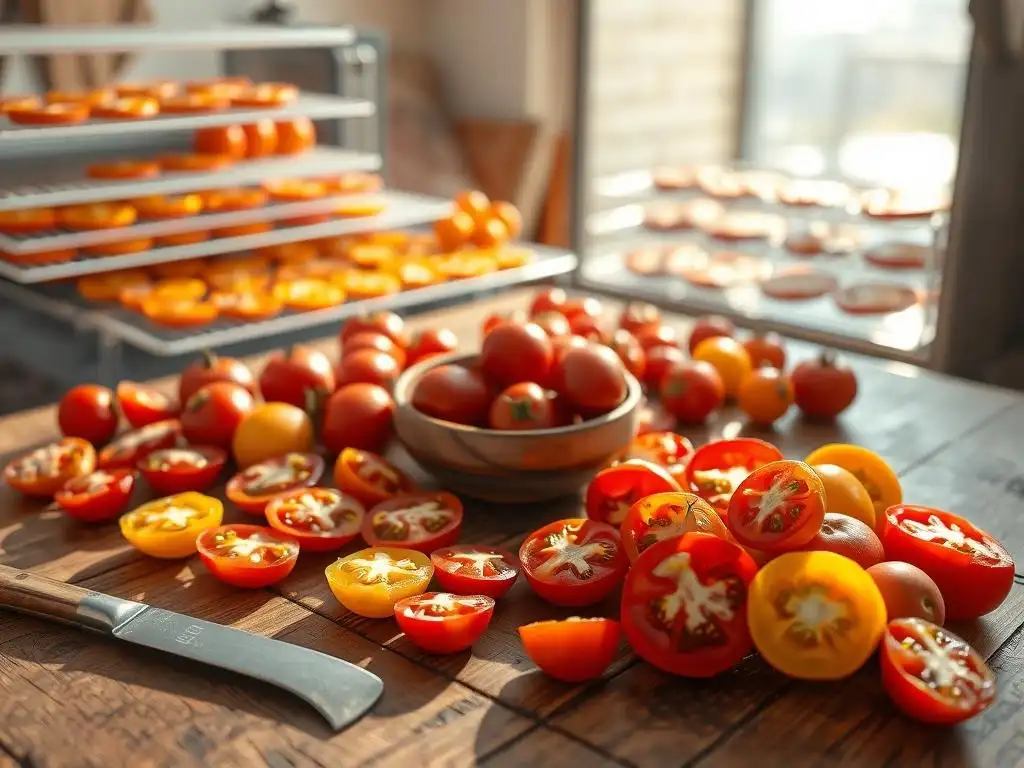
This section details the crucial first steps in dehydrating tomatoes for home preservation, ensuring you achieve optimal results and enjoy delicious, long-lasting sun-dried or dehydrated tomatoes throughout the year. Proper preparation significantly impacts the final product's quality, flavor, and texture. Mastering these initial steps is key to successful home dehydration of tomatoes. We'll cover selecting the right tomatoes, washing and slicing techniques, and the optional but beneficial process of blanching.
Selecting the Right Tomatoes for Dehydrating: Choosing Ripe and Firm Tomatoes
The success of your dehydrated tomatoes hinges on starting with the right fruit. Don't use overripe or damaged tomatoes; these will likely mold or spoil during the drying process. Instead, select tomatoes that are ripe but still firm to the touch. Look for tomatoes with vibrant color and smooth skin, free from blemishes, cracks, or bruises. Smaller tomatoes, such as Roma or cherry tomatoes, are particularly well-suited for dehydrating due to their higher flesh-to-juice ratio. Larger tomatoes can be used, but require more time to dehydrate and might need to be sliced thinner.
Consider the variety you are using. Some varieties are better suited to drying than others. For example, heirloom varieties with their unique flavors often make excellent sun-dried tomatoes. However, remember that heirloom tomatoes can be more prone to cracking, so handle them with extra care during the slicing process. Experiment with different varieties to discover your favorites! 🍅
Washing and Slicing Tomatoes: Preparing for Optimal Drying
Before dehydrating, thoroughly wash your selected tomatoes under cool running water. Gently scrub any dirt or debris from the surface. Avoid using harsh detergents, as these can affect the taste of your final product. After washing, pat the tomatoes dry with a clean kitchen towel or paper towels. This step is vital to prevent mold growth during the dehydration process.
Slicing the tomatoes correctly is equally important. The thickness of your slices will influence the drying time. For even drying and optimal texture, aim for slices that are approximately 1/4 inch thick. Uniform thickness ensures that all parts of the tomato dry at a similar rate, preventing some parts from becoming over-dried while others remain under-dried. Use a sharp knife to prevent crushing the tomatoes. For smaller tomatoes, you may choose to halve or quarter them instead of slicing them.
Blanching Tomatoes (Optional): Enhancing Flavor and Texture
Blanching is an optional step that can significantly improve the flavor and texture of your dehydrated tomatoes. Blanching involves briefly immersing the sliced tomatoes in boiling water, then immediately plunging them into ice water to stop the cooking process. This process helps to deactivate enzymes that can cause discoloration and deterioration during drying. It also softens the tomatoes slightly, resulting in a more pliable and less chewy final product.
While blanching isn't strictly necessary, it's highly recommended, especially for larger tomatoes. To blanch, bring a pot of water to a rolling boil. Gently add the tomato slices and blanch for 30-60 seconds, depending on the thickness of the slices. Immediately transfer the blanched tomatoes to a bowl of ice water to stop the cooking process. Once cooled, drain the tomatoes well and pat them dry before proceeding with the dehydrating process. This extra step enhances both the appearance and the taste of your delicious home-preserved tomatoes.
Dehydrating Methods: Sun Drying vs. Oven Drying vs. Dehydrator
Choosing the right method for dehydrating tomatoes is crucial for achieving optimal results and preserving the flavor and nutrients of your homegrown harvest. Three primary methods exist: sun drying, oven drying, and using a food dehydrator. Each offers unique advantages and disadvantages, impacting the final product's texture, taste, and shelf life. Selecting the best method depends on factors such as climate, available equipment, and desired outcome. This section will delve into the specifics of each approach, helping you decide which best suits your "dehydrate tomatoes home preservation" needs.
Sun Drying Tomatoes: A Traditional Method for Natural Dehydration
Sun drying is a time-honored method of preserving tomatoes, relying solely on the sun's heat and the natural airflow to remove moisture. This low-energy approach produces intensely flavorful, naturally concentrated tomatoes. However, it's highly dependent on weather conditions. Consistent sunshine and low humidity are essential for successful sun drying; otherwise, mold and spoilage can occur.
The process typically involves blanching the tomatoes briefly (about 30 seconds in boiling water) to loosen the skins before slicing them thickly. Then, the slices are arranged on clean trays, screens, or even directly on clean cloths, ensuring adequate spacing between them for airflow. Trays should be placed in a sunny, well-ventilated location, ideally covered with cheesecloth to protect them from insects and debris. The drying time varies significantly, depending on the sun's intensity, humidity, and tomato thickness, ranging from several days to over a week.
Regularly check for signs of spoilage and turn the slices to ensure even drying. Once completely dry, the tomatoes should be leathery and pliable, not sticky or moist. Properly sun-dried tomatoes are a testament to patient "home preservation" techniques, offering a unique flavor profile difficult to replicate with other methods.
Oven Drying Tomatoes: A Convenient Method for Home Preservation
Oven drying provides a more controlled environment than sun drying, making it a reliable option regardless of weather conditions. It's particularly advantageous for those with limited outdoor space or unpredictable weather patterns. This method allows for precise temperature control, ensuring consistent drying and reducing the risk of spoilage.
The process begins similarly to sun drying, with blanching and slicing the tomatoes. Then, arrange the slices in a single layer on baking sheets lined with parchment paper. The oven temperature should be set low, typically between 170°F (77°C) and 200°F (93°C), with the oven door slightly ajar to allow for moisture escape. Drying time will depend on the oven's efficiency and the tomato thickness, often taking several hours, even overnight.
Regularly check and rotate the slices to ensure even drying. Overly high temperatures can result in burnt or tough tomatoes. With careful monitoring and attention to detail, oven drying offers a convenient and effective "dehydrate tomatoes home preservation" technique, providing a product with a slightly different texture than sun-dried tomatoes but retaining much of their flavor.
Using a Food Dehydrator: Achieving Consistent Results with Modern Technology
Food dehydrators are purpose-built appliances specifically designed for efficient and consistent dehydration. They offer superior control over temperature and airflow, ensuring even drying and minimizing the risk of spoilage. This makes them the preferred method for large batches or for those aiming for consistently high-quality results. Dehydrators often include features like adjustable temperature settings and timers, allowing for precise customization.
Similar to the previous methods, the tomatoes should be blanched and sliced. Arrange the slices in a single layer on the dehydrator trays, making sure not to overcrowd them. Follow the manufacturer's instructions for temperature and drying time, but generally, a temperature range between 135°F (57°C) and 145°F (63°C) is recommended.
The drying time will vary depending on the thickness of the slices and the dehydrator's power, typically ranging from 12 to 24 hours. A food dehydrator minimizes the risk of spoilage and provides a consistently dried product, making it an efficient and reliable option for "dehydrate tomatoes home preservation" on a larger scale. The resulting tomatoes will have a uniform texture and flavor, ideal for long-term storage and various culinary applications.
Storing Your Dried Tomatoes: Maintaining Quality and Freshness
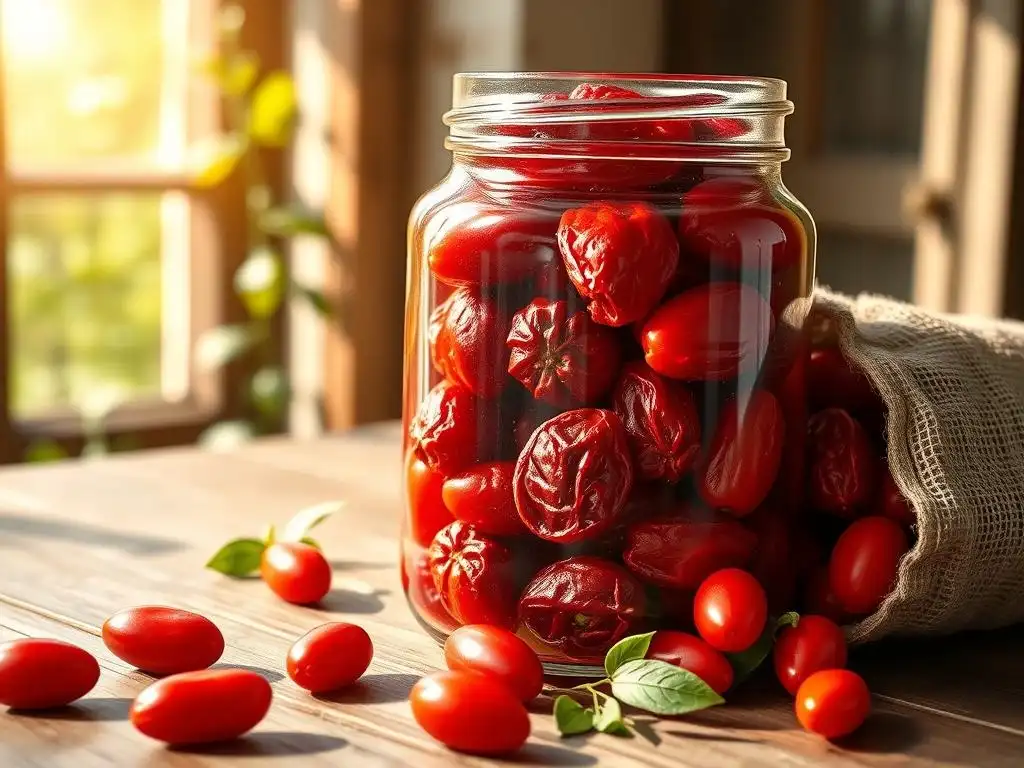
Properly storing your dehydrated tomatoes is crucial for preserving their vibrant color, rich flavor, and nutritional value. Improper storage can lead to spoilage, mold growth, and a significant loss of quality. This section details the best practices for long-term storage of your home-dehydrated tomatoes, ensuring you can enjoy the fruits (or rather, vegetables!) of your labor for months to come. The key to successful home preservation of dehydrated tomatoes lies in controlling moisture and minimizing exposure to light and air.
Proper Storage Techniques: Preventing Spoilage and Maintaining Flavor
Several methods ensure your dried tomatoes retain their quality. The most effective approach often involves a combination of techniques:
- Airtight Containers: This is the cornerstone of successful storage. Glass jars with tight-fitting lids are ideal. Avoid using plastic containers unless they are specifically designed for food storage and are airtight. Plastic can sometimes absorb odors and impart them to your tomatoes.
- Cool, Dark, and Dry Location: Store your containers in a cool, dark, and dry place, away from direct sunlight and sources of heat. A pantry or cupboard is perfect. Fluctuations in temperature and humidity can negatively impact the texture and flavor of your dried tomatoes. Maintaining a consistent environment is key to achieving optimal shelf life in your home preservation process.
- Desiccant Packs (Optional): For extra protection against moisture, consider using desiccant packs (silica gel packets) inside the containers. These absorb excess moisture from the air, further reducing the risk of spoilage. These are readily available online or at craft stores.
- Freezing (for extended storage): While dried tomatoes are shelf-stable for several months, freezing them extends their shelf life considerably. Before freezing, ensure the tomatoes are completely cool and dry. Place them in freezer-safe bags, removing as much air as possible before sealing. This method is particularly effective for preserving the vibrant color and flavor over longer periods— ideal for those aiming for long-term home preservation of their tomato harvest.
How Long Do Dried Tomatoes Last? : Shelf Life and Best Practices
The shelf life of properly stored dried tomatoes is significantly longer than that of fresh tomatoes. Under ideal conditions (airtight container, cool, dark, and dry storage), your dried tomatoes can last for:
- 6-12 months: This is a reasonable expectation for most home-dried tomatoes. However, you should always visually inspect them regularly.
- Beyond 12 months: While possible, the quality might start to decline after this period. The flavor might become slightly less intense, and the texture could change. It’s best to use them within a year for optimal flavor and quality.
Factors affecting shelf life:
| Factor | Impact on Shelf Life |
|---|---|
| Moisture Content | Higher moisture content leads to faster spoilage. |
| Storage Temperature | Higher temperatures accelerate deterioration. |
| Exposure to Light | Light can degrade color and flavor. |
| Air Exposure | Air exposure promotes oxidation and spoilage. |
| Container Quality | Poor quality containers compromise air tightness. |
Remember: Always inspect your dried tomatoes before using them. Discard any that show signs of mold, discoloration, or unusual texture. Prioritizing proper storage techniques is paramount for successful home preservation of your dehydrated tomatoes.
Using Your Dried Tomatoes: Recipes and Culinary Applications
Dried tomatoes offer a concentrated burst of flavor, adding depth and richness to various dishes. Their intense taste makes them a versatile ingredient in many culinary applications. Here are a few ideas to inspire you:
- Pasta Sauces: Add chopped dried tomatoes to your favorite pasta sauce for a depth of flavor that fresh tomatoes simply can't match. Their concentrated taste adds a unique dimension to the sauce.
- Pestos and Tapenades: Dried tomatoes are a fantastic addition to pestos and tapenades, bringing a sweet and savory complexity to these flavorful spreads.
- Salads: Rehydrate dried tomatoes by soaking them in warm water or olive oil before adding them to salads for a burst of flavor and texture.
- Pizza Topping: Sprinkle chopped dried tomatoes over your pizza for a delightful sweet and savory twist.
- Stuffing and Breads: Incorporate finely chopped dried tomatoes into stuffing or bread recipes for an aromatic and flavorful addition.
The possibilities are endless! Experiment with different recipes and discover your own favorite ways to enjoy your home-preserved dried tomatoes. Enjoy the delicious rewards of your hard work and successful home preservation efforts! 🍅
Troubleshooting Common Dehydration Issues
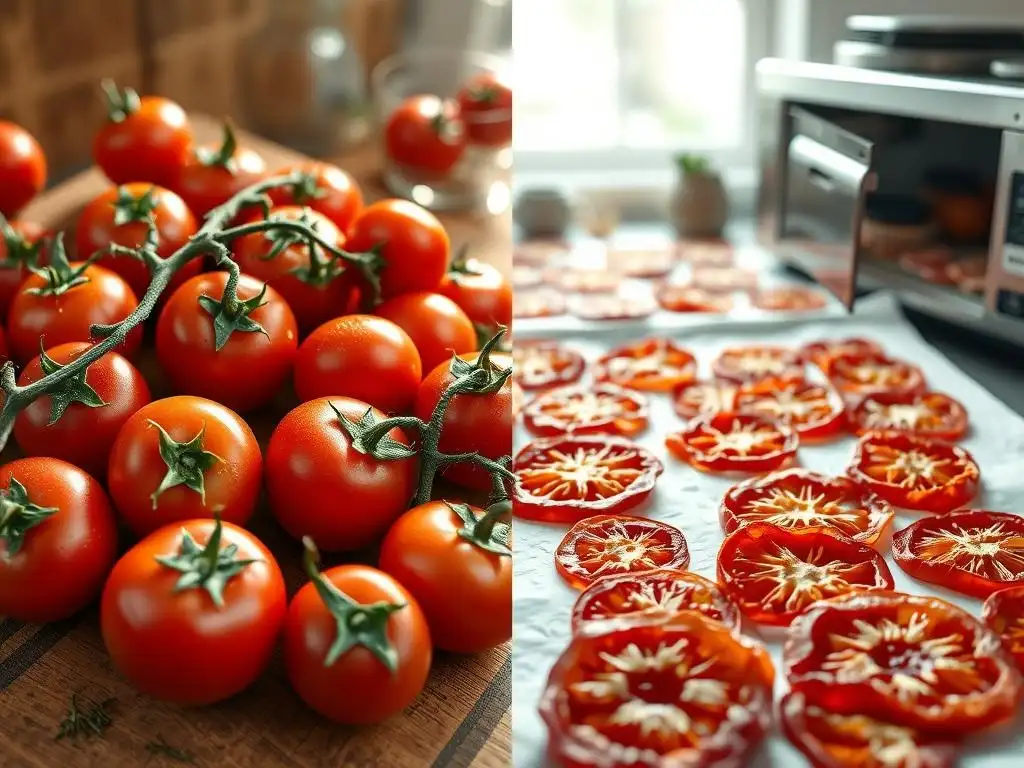
Home preservation of tomatoes through dehydration offers a fantastic way to enjoy your harvest long after the growing season ends. However, several challenges can arise during the process. Understanding these potential issues and implementing preventative measures is crucial for achieving perfectly dried tomatoes. This section will delve into some common problems and provide practical solutions to ensure your success in dehydrating tomatoes for home preservation. This will help you master the art of dehydrating tomatoes, a key technique for preserving your bountiful harvest.
Dealing with Moldy Tomatoes: Preventing Contamination During Drying
Mold is the nemesis of any food preservation project, and dehydrating tomatoes is no exception. Mold growth is typically caused by high moisture content in the tomatoes before drying, insufficient air circulation during the process, or contaminated equipment.
To prevent mold, select only firm, ripe tomatoes that are free from blemishes or bruises. Thoroughly wash and dry the tomatoes before slicing. Ensure your dehydrator is clean and free from any residual moisture or previous food particles. Proper spacing between tomato slices is vital; overcrowding restricts airflow, creating a humid environment conducive to mold growth.
Using a food-grade dehydrator with excellent air circulation is also crucial. Consider using dehydrator sheets or trays specifically designed to improve airflow. Regularly monitor your tomatoes during the dehydration process, discarding any slices exhibiting signs of mold immediately. Prompt action is key to preventing the spread of contamination and saving the rest of your batch. Remember, prevention is better than cure when it comes to mold in your home-dehydrated tomatoes. The goal is to maintain a consistently low moisture level throughout the drying process, inhibiting mold growth from the very beginning.
Addressing Soggy Tomatoes: Identifying and Correcting Drying Problems
Soggy tomatoes are a clear indication that the dehydration process hasn't sufficiently removed the moisture content. Several factors can contribute to this problem. Insufficient drying time is a common culprit. The thickness of your tomato slices plays a significant role; thicker slices require longer drying times. Also, inadequate air circulation, as previously mentioned, can lead to uneven drying and result in soggy patches. Finally, the initial moisture content of the tomatoes themselves can affect the drying time; overripe or watery tomatoes will require more time to dehydrate properly.
To avoid soggy tomatoes, ensure you are using a reliable dehydrator with sufficient airflow. Cut your tomatoes into consistently thin slices, ideally ¼ to ⅛ inch thick. Regularly check the moisture content using a moisture meter – if available – or by simply touching the slices; they should be leathery and pliable, not soft or wet. Adjust the drying temperature and time according to your dehydrator's instructions and the thickness of your slices.
Remember, patience is key – rushing the process will almost certainly result in soggy tomatoes. Properly dried tomatoes should be firm, pliable, and easily crumble when you gently squeeze them. This is a sign of successful dehydration, ensuring a longer shelf life for your home-preserved tomatoes.
Tips for Perfectly Dried Tomatoes: Achieving Optimal Results
Achieving perfectly dehydrated tomatoes requires attention to detail throughout the entire process. Here are some additional tips to enhance your success:
- Blanching: Briefly blanching the tomatoes (submerging them in boiling water for a short period) before slicing can help to deactivate enzymes that can cause discoloration and improve the texture of the finished product.
- Temperature Control: Maintain a consistent temperature throughout the dehydration process, as fluctuating temperatures can lead to uneven drying. Consult your dehydrator's manual for optimal temperature settings.
- Airflow Management: Maximize airflow by arranging the tomato slices in a single layer, ensuring they don't overlap. Rotate the trays periodically to ensure even drying on all sides.
- Storage: Once completely dehydrated, store your tomatoes in airtight containers in a cool, dark, and dry place. Proper storage is critical in extending the shelf life of your home-preserved tomatoes. Using vacuum sealing bags can further enhance preservation and prevent moisture absorption.
By following these tips and addressing potential issues promptly, you can confidently dehydrate your tomatoes at home, resulting in a delicious and long-lasting addition to your pantry. This method of "dehydrate tomatoes home preservation" ensures you can enjoy the taste of summer well into the colder months. Remember, practice makes perfect! With each batch, you'll refine your technique and achieve even better results.
Creative Uses for Dehydrated Tomatoes: Beyond the Basics
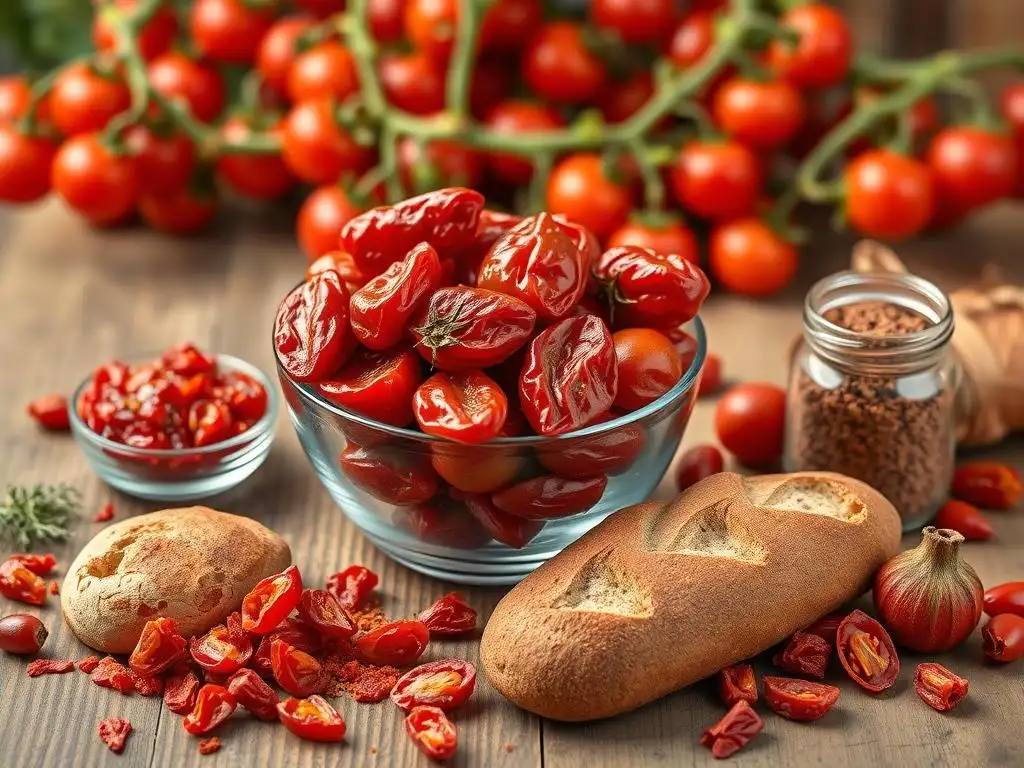
Dehydrating tomatoes isn't just about preserving your harvest; it's about unlocking a world of culinary possibilities. Once you've successfully dehydrated your tomatoes using sustainable methods, you'll discover a pantry staple far more versatile than you might imagine. This section explores innovative ways to use your dehydrated tomatoes, moving beyond simple snacking or adding them to pasta sauces. We'll explore how to elevate your cooking with these concentrated bursts of sun-dried flavor. This guide focuses on "dehydrate tomatoes home preservation" techniques that maximize both flavor and convenience.
Dried Tomato Powder: A Versatile Ingredient for Cooking
Dried tomato powder offers an unparalleled level of convenience and flavor concentration. Simply grind your dehydrated tomatoes in a food processor or high-powered blender until you achieve a fine powder. This powder can be stored in an airtight container in a cool, dark place for up to six months, retaining its vibrant color and intense tomato flavor.
The uses are extensive:
- Seasoning: Sprinkle dried tomato powder over roasted vegetables, grilled meats, or even popcorn for a deep, umami flavor boost. A pinch adds a complex depth to otherwise simple dishes.
- Soups and Stews: A teaspoon or two of dried tomato powder adds a rich tomato flavor to soups and stews without the need for bulky, rehydrated tomatoes. It integrates seamlessly and adds a beautiful reddish hue.
- Spice Blends: Incorporate it into homemade spice blends for pizza, pasta, or chili. Its intense flavor profile will elevate any blend.
- Marinades: Use it in marinades for chicken, fish, or tofu, adding a depth of flavor and a beautiful color.
Consider this recipe for a flavorful spice blend: Combine 2 tablespoons dried tomato powder, 1 tablespoon smoked paprika, 1 tablespoon garlic powder, 1 teaspoon onion powder, ½ teaspoon oregano, and ½ teaspoon black pepper. This blend is perfect for seasoning roasted vegetables or as a rub for grilled meats. Experiment with different combinations to discover your perfect blend!
Infused Oils with Dried Tomatoes: Adding Flavor to Your Dishes
Infusing oil with dried tomatoes is a simple yet elegant way to transform a basic ingredient into a flavorful culinary enhancer. The process is surprisingly easy and results in an oil with a deep, rich tomato flavor perfect for drizzling over salads, pasta, or roasted vegetables.
Here's how to create your own infused oil:
- Choose a high-quality oil with a high smoke point, such as extra virgin olive oil or avocado oil.
- Place the dehydrated tomatoes in a clean, dry jar. The quantity depends on the size of the jar and your desired intensity of flavor. A good starting point is about 1/4 cup of dried tomatoes for every cup of oil.
- Pour the oil over the tomatoes, ensuring they are fully submerged.
- Seal the jar tightly and store it in a cool, dark place for at least two weeks, shaking it gently every few days. The longer it infuses, the more intense the tomato flavor will become.
- After two weeks (or longer), strain the oil through a fine-mesh sieve or cheesecloth, discarding the tomatoes.
- Store the infused oil in a clean, airtight container in a cool, dark place. It will keep for several weeks.
This infused oil adds a wonderful depth of flavor to many dishes. Use it sparingly, as the flavor is quite concentrated.
Dried Tomatoes in Homemade Pasta Sauces: Enhancing Flavor and Texture
While adding rehydrated tomatoes to pasta sauce is common, using dehydrated tomatoes offers a unique advantage: a more intense, concentrated tomato flavor and a slightly thicker sauce. The dehydration process intensifies the sweetness and umami notes of the tomatoes, creating a richer, more complex sauce.
Here are some tips for using dehydrated tomatoes in your homemade pasta sauces:
- Rehydration: Before adding them to the sauce, rehydrate your tomatoes by soaking them in warm water for about 20-30 minutes. This softens them and allows them to release their flavor fully. You can also add them directly to the sauce and let them simmer, but rehydration ensures even cooking and prevents a tough texture.
- Blending: For a smoother sauce, blend the rehydrated tomatoes before adding them to the pot. This creates a beautiful, vibrant red color and a luscious texture.
- Flavor Combinations: Experiment with different herbs and spices to complement the deep tomato flavor. Basil, oregano, thyme, garlic, and onion all pair wonderfully with sun-dried tomatoes.
Consider using a combination of fresh and dehydrated tomatoes for the perfect balance of freshness and concentrated flavor. This method allows you to fully utilize your home-preserved tomatoes while adding a unique dimension to your pasta sauce. This is a perfect example of "dehydrate tomatoes home preservation" maximizing both taste and resource utilization.
Dehydrate Tomatoes Home Preservation: A Sustainable Approach
This section explores the benefits of dehydrating tomatoes as a sustainable home preservation method, aligning perfectly with the principles of CultivateYourFood. Dehydrating tomatoes at home offers a significant advantage over commercially produced dried tomatoes, primarily due to its reduced environmental footprint.
Eco-Friendly Food Preservation: Reducing Environmental Impact
Home dehydration minimizes the environmental impact associated with food preservation in several key ways. Firstly, it drastically reduces transportation emissions. Commercially dried tomatoes often travel long distances from farm to processing plant and then to the supermarket, generating considerable carbon emissions. By dehydrating your own tomatoes, you eliminate these transportation-related emissions. Secondly, home dehydration reduces packaging waste. Commercially dried tomatoes are typically packaged in numerous layers of plastic and cardboard, contributing to landfill waste. Home-dried tomatoes can be stored in reusable containers, significantly decreasing your waste output. 🍅
Furthermore, home dehydration encourages the use of locally sourced tomatoes. Choosing tomatoes grown in your local area further reduces the carbon footprint associated with transportation. Growing your own tomatoes organically, as promoted by CultivateYourFood, creates a truly closed-loop system, maximizing sustainability. Consider the energy usage; while a dehydrator uses electricity, the energy consumed is typically far less than that used in the industrial processes involved in commercial drying and packaging. The reduction in food miles and packaging alone makes home dehydration a significantly more eco-friendly choice for preserving your tomato harvest.
Saving Money on Groceries: The Economics of Home Dehydration
Beyond the environmental benefits, dehydrating tomatoes at home offers substantial economic advantages. Dried tomatoes are a relatively expensive grocery item. By dehydrating your own, you can significantly reduce your grocery bill, especially if you've already invested in growing your own tomato plants. The initial investment in a dehydrator is offset by long-term savings. A good quality dehydrator can last for many years, providing a return on investment through reduced grocery costs.
Let's consider a concrete example: Suppose a 10-ounce package of commercially dried tomatoes costs $10. If you harvest and dehydrate 10 pounds of tomatoes from your garden (a reasonable yield), and assuming a similar drying rate, you'll have a significantly larger quantity of dried tomatoes at a fraction of the cost. The actual savings will depend on your tomato yield and the cost of electricity for your dehydrator, but the potential for significant cost reduction is undeniable. This makes home dehydration a financially smart choice for preserving your harvest and supplementing your pantry.
Preserving Heirloom Tomato Varieties: Protecting Genetic Diversity
Dehydrating tomatoes at home is particularly valuable for preserving heirloom varieties. Heirloom tomatoes possess unique genetic traits and flavors that are not always found in commercially grown tomatoes. These varieties often have shorter shelf lives than their hybrid counterparts, making dehydration a particularly effective preservation method. By dehydrating your heirloom tomatoes, you safeguard these valuable genetic resources for future generations.
You are actively participating in the preservation of biodiversity, ensuring the continued availability of these unique and flavorful tomatoes. This is crucial for maintaining the diversity of tomato genetics and for the continued enjoyment of unique culinary experiences. The act of dehydrating heirloom tomatoes becomes a testament to sustainable practices and agricultural heritage. It's a way to connect with the past while securing the future of these precious varieties.
Frequently Asked Questions
What are the benefits of dehydrating tomatoes?
Dehydrating tomatoes offers several advantages. You can preserve your harvest for later use, extending the tomato season. It also creates a concentrated flavor perfect for sauces, soups, and other recipes.
What type of tomatoes are best for dehydrating?
Roma tomatoes or other varieties with a low moisture content and meaty texture are ideal for dehydrating. Avoid tomatoes that are overly watery or bruised. Smaller tomatoes are easier to handle and dry more evenly.
How long does it take to dehydrate tomatoes?
Drying time depends on the thickness of the slices and your dehydrator's settings. It can take anywhere from 6 to 24 hours. Check frequently to ensure even drying and prevent spoilage.
How do I store dehydrated tomatoes?
Once completely dry and cool, store your dehydrated tomatoes in airtight containers in a cool, dark, and dry place. This helps to prevent moisture absorption and maintain quality for several months.
Can I dehydrate tomatoes outdoors?
Yes, you can sun-dry tomatoes, but it's crucial to protect them from insects and ensure consistent drying conditions. This method is more time-consuming and weather-dependent than using a dehydrator.
Final Reflection: The Enduring Bounty of Sun-Dried Tomatoes
The art of dehydrating tomatoes isn't just a nostalgic kitchen skill; it's a powerful act of connection to the land and a sustainable solution for preserving nature's abundance. In a world increasingly focused on reducing food waste and embracing self-sufficiency, mastering the simple process of dehydrating tomatoes offers a tangible way to participate in a more mindful and resilient food system.
The vibrant colors and intense flavors of sun-dried tomatoes are a testament to the transformative power of preservation. They evoke memories of warm summer days spent tending to a garden, the satisfying work of harvesting ripe fruit, and the anticipation of enjoying that bounty throughout the year. This process transcends mere food preservation; it's a link to generations past who relied on similar techniques to ensure sustenance through leaner times. The best things in life are simple,
a phrase often heard, rings especially true when considering the profound satisfaction derived from preserving your own food.
Consider the impact of this simple act. You're not only reducing waste by utilizing your entire harvest, but you're also engaging in a sustainable practice that minimizes your environmental footprint. You are actively participating in a more conscious relationship with your food, from seed to table. This is your invitation to explore the rewarding world of food preservation. Try dehydrating your tomatoes this year; experience the joy of preserving summer's sunshine, one delicious tomato at a time.
Unlock the Flavor: Your Sun-Dried Tomato Journey Starts Now!
Thank you for exploring the wonderful world of dehydrating tomatoes! You've gained a valuable skill for preserving your harvest and enjoying delicious, sun-kissed flavor all year round. Now, let's put that knowledge to use.
- Start dehydrating your tomatoes today! Gather your ripe tomatoes and follow the steps outlined in the article to begin preserving this year's harvest. Remember to adjust drying times based on your climate.
- Share your sun-dried tomato creations! Snap a picture of your dehydrated tomatoes or the dishes you create with them and share them on social media using #CultivateYourFood. Let's inspire each other!
- Expand your preservation skills! Consider researching methods for preserving other seasonal produce – it's a rewarding experience!
What delicious recipe will you make first with your home-dehydrated tomatoes?