
Different Varieties of Garlic to Grow at Home

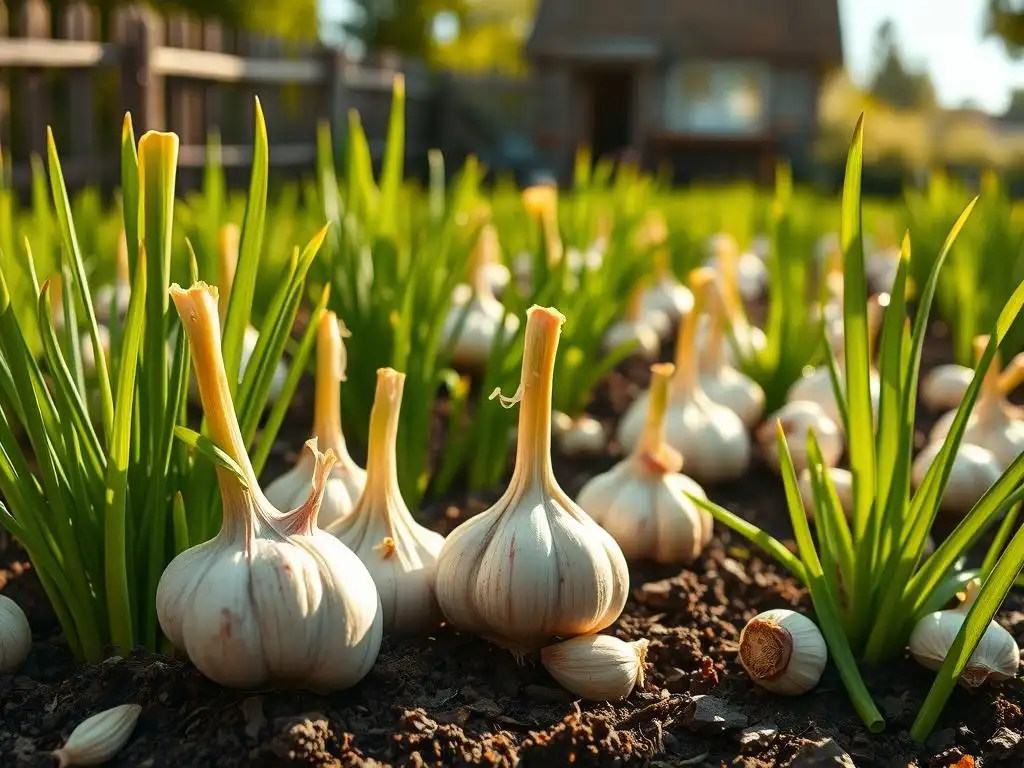
Ready to transform your backyard into a thriving garlic garden? At CultivateYourFood, we empower you to grow your own delicious and healthy produce using sustainable methods. Discover the secrets to a bountiful harvest with our expert guide on the Best garlic varieties home growing, a journey into the world of vegetable gardening that will leave you eager to get your hands dirty. Let's explore the incredible diversity of garlic and find the perfect variety for your home!
- Best Garlic Varieties for Home Growing: A Comprehensive Guide
- Planting Garlic: Timing and Technique for Optimal Growth
- Growing Garlic: Essential Care and Maintenance
- Harvesting and Storing Your Homegrown Garlic
- Exploring Different Garlic Flavors and Uses
- Troubleshooting Common Garlic Growing Problems
- Frequently Asked Questions
- Final Reflection: Harvesting the Bounty of Homegrown Garlic
- Unleash Your Inner Gardener: Grow the Perfect Garlic!
Best Garlic Varieties for Home Growing: A Comprehensive Guide
Growing your own garlic offers a rewarding experience, providing fresh, flavorful bulbs for cooking and the satisfaction of nurturing a plant from seed to harvest. This comprehensive guide explores the diverse world of garlic varieties, helping you select the perfect type for your home garden and climate. Whether you're a seasoned gardener or a beginner, understanding the nuances of different garlic varieties is key to a successful harvest.
We'll delve into the characteristics of hardneck and softneck garlic, highlighting their unique strengths and weaknesses to guide you toward the best garlic varieties for home growing. From the robust hardneck varieties to the milder softnecks and the impressive elephant garlic, we'll equip you with the knowledge to cultivate a bountiful garlic patch. Choosing the right variety is the first step towards enjoying homegrown garlic at its finest, so let's get started!
Choosing the Right Garlic Variety for Your Climate
Selecting the appropriate garlic variety is crucial for optimal growth and yield. Different varieties exhibit varying degrees of cold hardiness and adaptability to specific climates. Consider your region's average temperatures, growing season length, and typical weather patterns when making your choice. Hardneck garlic varieties generally thrive in cooler climates, while softneck varieties are better suited to warmer regions. Factors such as soil type and drainage also play a role in determining the best fit for your garden.
Before you even think about planting, research your local climate and choose a variety that will flourish in your specific conditions. This will ultimately lead to a more successful harvest. Remember, a little research upfront can save you a lot of frustration later on! 🧄
Hardneck Garlic Varieties: Adaptability and Cold Hardiness
Hardneck garlic varieties are known for their robust nature and impressive cold hardiness. They're characterized by a central stalk, or scape, which produces a flower. This scape can be harvested and used in cooking, adding a unique flavor profile to your dishes. Hardneck garlic generally produces fewer but larger cloves than softneck varieties. Popular hardneck varieties include:
- Rocambole: This type boasts strong flavor and beautiful purplish stripes on the cloves.
- Artichoke: Known for its large, flavorful cloves, this variety is a favorite among garlic enthusiasts.
- Marbled Purple Stripe: This variety stands out with its striking purple marbling.
- Chesnok Red: Exhibiting excellent cold hardiness, this variety is a reliable choice for northern climates.
These varieties are particularly well-suited to regions with colder winters and longer growing seasons. Their superior cold hardiness allows them to withstand freezing temperatures, making them a reliable choice for many gardeners. However, their shorter storage life compared to softneck varieties means they should be used relatively quickly after harvest.
Softneck Garlic Varieties: Storage Potential and Mild Flavor
Softneck garlic varieties lack the central scape found in hardneck varieties. This characteristic contributes to their superior storage potential, making them ideal for long-term storage. Softneck garlic generally produces more smaller cloves than hardneck varieties, and often has a milder flavor, making it a versatile choice for a wide range of culinary applications. Popular softneck varieties include:
- California Early: Known for its early maturity and excellent storage capabilities.
- California Late: This variety offers a longer storage life and a milder flavor.
- Silverskin: This type is prized for its tight, papery skin, resulting in extended storage potential.
Softneck garlic's extended storage life makes it a popular choice for those seeking garlic that will last throughout the year. The milder flavor profile also makes it a great option for those new to growing garlic or those who prefer a less pungent taste.
Elephant Garlic: A Giant Among Alliums
Elephant garlic, while sharing a similar appearance with garlic, is botanically a different plant. It produces much larger, milder cloves resembling a giant leek rather than the smaller cloves of true garlic. It's known for its milder flavor and is often used in similar culinary applications to garlic, but with a slightly sweeter taste.
Elephant garlic is generally easier to grow than true garlic and is a great choice for beginner gardeners looking for a less demanding allium to cultivate. Its large size and relatively easy cultivation make it a fun and rewarding addition to any garden. It is also a great option for those looking for a milder garlic flavor in their dishes.
Planting Garlic: Timing and Technique for Optimal Growth
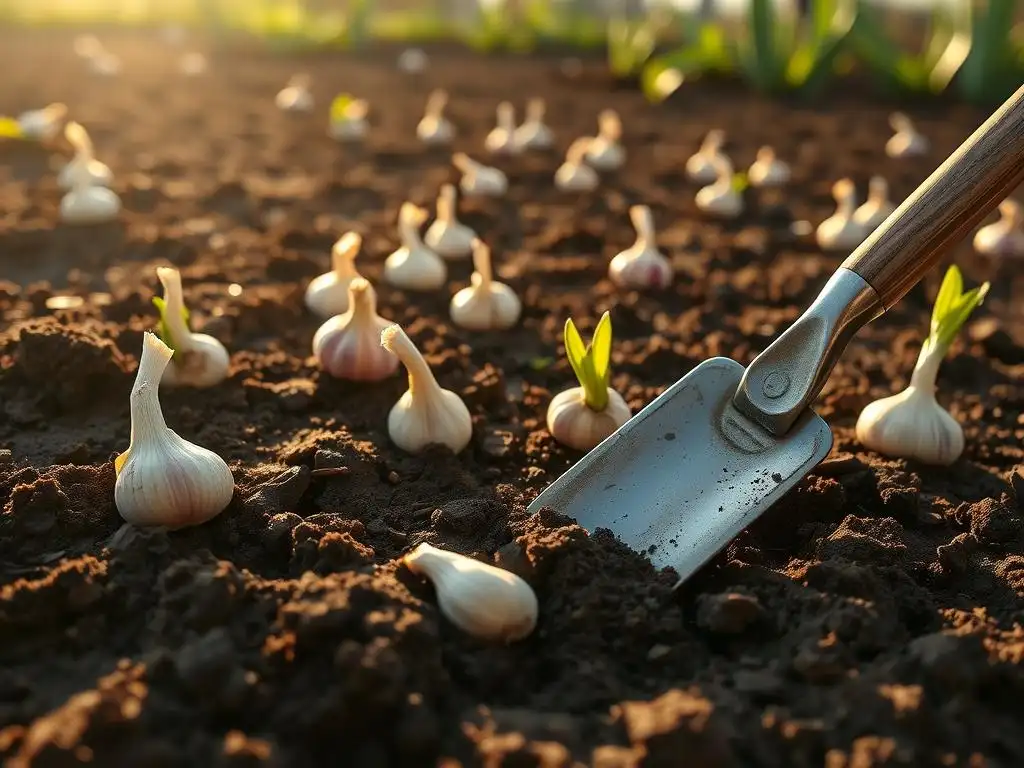
Planting garlic at the right time is crucial for maximizing yield and achieving robust growth. The best time to plant garlic for the "best garlic varieties home growing" is typically in the fall, about six to eight weeks before the first hard frost. This allows the cloves to establish a strong root system before winter dormancy. However, the exact timing depends heavily on your local climate.
In warmer climates, you might need to plant even earlier to avoid excessive heat stress during the growing season. Conversely, in colder regions, delaying planting until later in the fall might protect the cloves from early freezes. Always check your local frost dates to determine the optimal planting window. Planting too early can lead to premature bolting (flower stalk development), reducing bulb size, while planting too late can result in smaller bulbs with reduced yield.
Preparing the Soil for Garlic Planting
Soil preparation is paramount for successful garlic cultivation. Garlic thrives in well-drained, loose soil rich in organic matter. Before planting, amend your soil with generous amounts of compost or well-rotted manure. This improves soil structure, increases water retention, and provides essential nutrients. A soil test can help determine if any additional amendments, such as lime to adjust pH, are needed.
Garlic prefers a slightly acidic to neutral pH range (6.0-7.0). Heavy clay soils should be amended with organic matter like peat moss or coco coir to improve drainage and aeration. Sandy soils, conversely, benefit from the addition of compost to improve water retention. Proper soil preparation ensures that the cloves have access to the nutrients and moisture needed for optimal root development and bulb formation leading to the best garlic varieties home growing.
Selecting and Planting Garlic Cloves
Choosing healthy, disease-free cloves is essential for a successful harvest. Select large, firm cloves from mature bulbs, avoiding any exhibiting signs of damage, discoloration, or soft spots. Smaller cloves can be planted, but they will generally produce smaller bulbs. Before planting, gently separate the cloves, making sure not to damage the basal plate (the bottom of the clove where roots emerge).
Some gardeners recommend allowing the cloves to dry for a few days before planting. Plant the cloves with the pointed end facing upwards. Planting the cloves upside down can hinder root development and reduce yield. Remember that the best garlic varieties home growing require careful selection and proper planting technique.
Spacing and Depth for Successful Garlic Growth
Proper spacing and planting depth are crucial for maximizing yield and preventing overcrowding. Generally, garlic cloves should be spaced 4-6 inches apart, in rows 12-18 inches apart. Planting too closely together will lead to competition for resources, resulting in smaller bulbs. Planting too far apart wastes space. The cloves should be planted 1-2 inches deep.
Planting too shallow can expose the cloves to freezing temperatures or drying conditions, while planting too deep can hinder emergence. The ideal depth and spacing can vary depending on the variety of garlic and the size of the cloves. Larger cloves may require slightly more space and depth than smaller cloves. Careful attention to spacing and depth is essential for achieving the best garlic varieties home growing results. Consider using a row marker or measuring tape to ensure consistent spacing and depth throughout your planting bed.
Growing Garlic: Essential Care and Maintenance
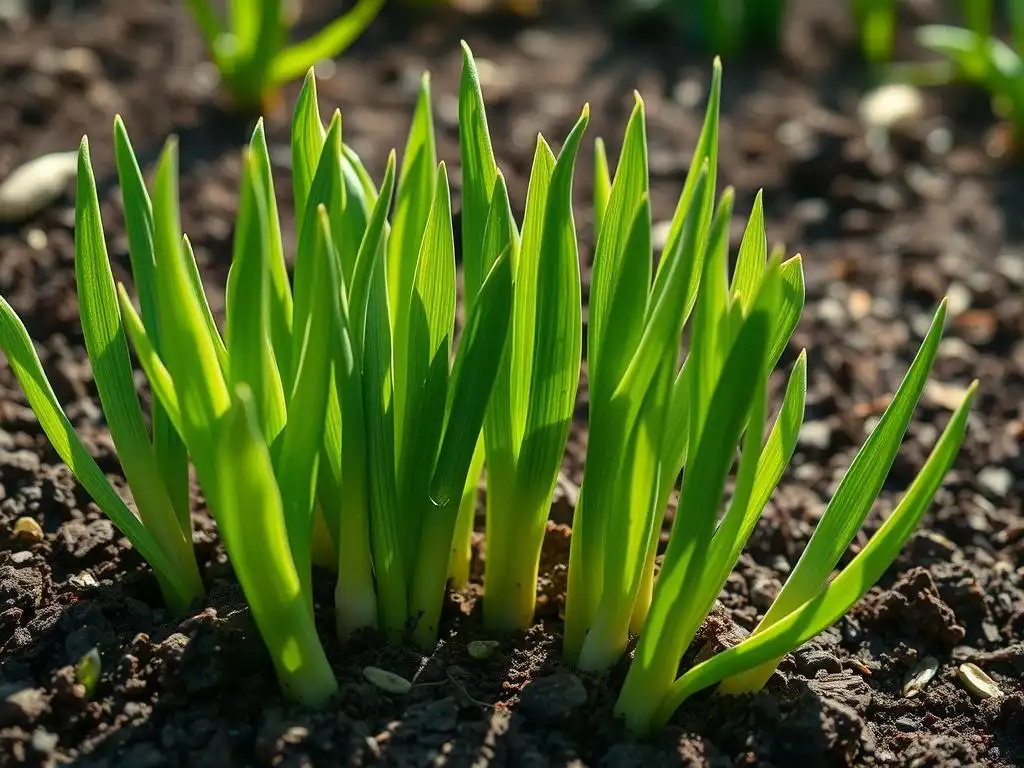
This section delves into the crucial aspects of garlic cultivation beyond initial planting, focusing on practices that ensure a bountiful harvest. Successful garlic growing hinges on consistent care, and understanding the specific needs of your chosen variety is paramount. We'll explore the optimal watering techniques, the benefits of organic fertilization, and proactive pest and disease management strategies to help you achieve the best results in your home garden. Remember, even the best garlic varieties for home growing require diligent attention to detail.
Watering Your Garlic Plants: A Balanced Approach
Proper watering is essential for healthy garlic growth. Overwatering can lead to root rot, while underwatering stunts growth and reduces bulb size. The key is consistency and a keen eye for soil moisture. Aim for consistently moist, but not soggy, soil.
During the initial growth stages, water deeply and regularly, ensuring the water penetrates to the root zone. As the plants mature, you can slightly reduce watering frequency, but avoid letting the soil dry out completely, especially during hot, dry periods. Consider using a soil moisture meter to monitor conditions accurately and avoid guesswork.
This will help you tailor your watering schedule to the specific needs of your plants and the prevailing weather conditions. Remember, the goal is to maintain consistently moist soil throughout the growing season, adjusting your watering strategy as needed based on rainfall and temperature fluctuations. Consistent monitoring and a balanced approach will lead to optimal garlic growth and yield.
Fertilizing Garlic: Organic Options and Nutrient Needs
Garlic is a relatively low-maintenance crop, but supplementing its nutrient intake can significantly boost yield and bulb size. Opting for organic fertilizers is in line with the sustainable practices promoted on CultivateYourFood. Compost is an excellent choice, providing a slow-release source of essential nutrients. Before planting, enrich your soil with well-rotted compost to provide a nutrient-rich foundation.
A balanced organic fertilizer, such as a granular blend containing nitrogen, phosphorus, and potassium, can be applied during the growing season. Avoid excessive fertilization, as this can lead to vegetative growth at the expense of bulb development. A soil test can help determine your soil's nutrient levels and guide your fertilization strategy, ensuring you provide just the right amount of nutrients to optimize garlic growth.
Remember to always follow the fertilizer label instructions carefully. Using organic methods ensures a healthy and environmentally friendly approach to growing your garlic. This practice will also improve the overall health of your soil over time.
Pest and Disease Control for Healthy Garlic Plants
While garlic is relatively resistant to pests and diseases, proactive measures can prevent problems and protect your crop. Regularly inspect your plants for signs of pests such as aphids, spider mites, or nematodes. Early detection is crucial for effective control. For minor infestations, you can manually remove pests or use insecticidal soap.
For more serious infestations, consider introducing beneficial insects such as ladybugs or lacewings, which naturally prey on many common garlic pests. Good garden hygiene, such as removing plant debris after harvest, can significantly reduce the risk of disease. Proper spacing between garlic plants also promotes good air circulation, preventing fungal diseases from taking hold.
Maintaining healthy soil through organic practices helps build the plants' resilience against diseases. By employing these preventative measures and monitoring your plants carefully, you can significantly reduce the risk of pest and disease problems, ensuring a healthy and abundant garlic harvest. This proactive approach is key to achieving the best results when cultivating the best garlic varieties for home growing.
Harvesting and Storing Your Homegrown Garlic
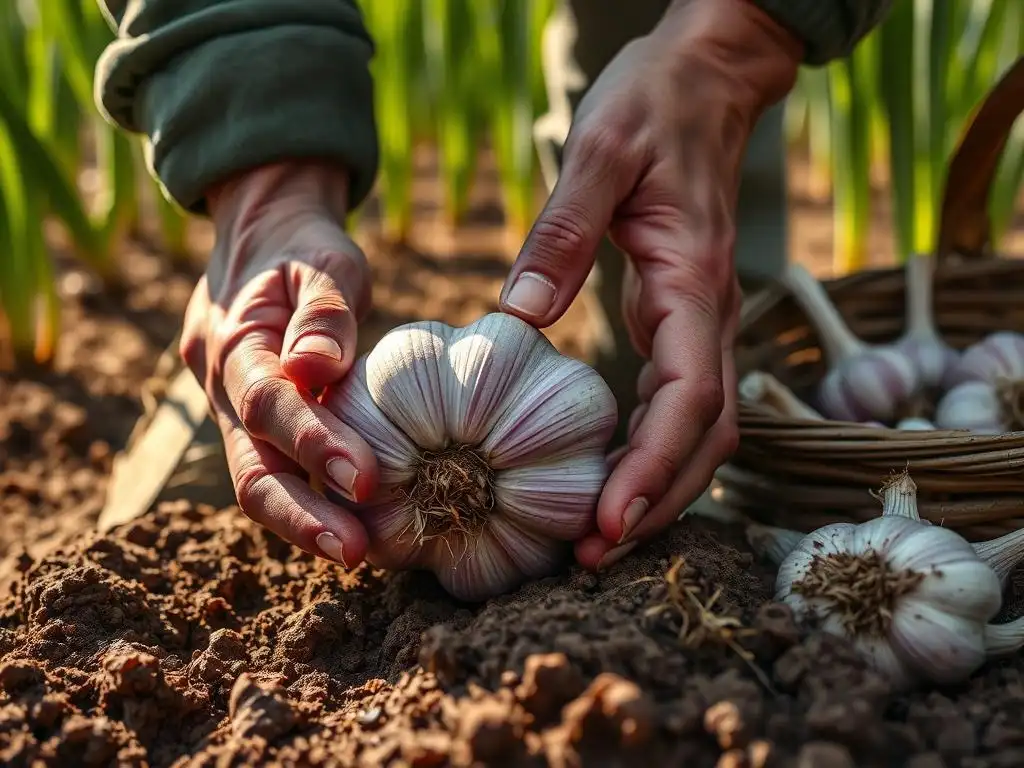
This section focuses on the crucial post-harvest steps for maximizing the shelf life and flavor of your homegrown garlic. Proper harvesting, curing, and storage are essential for ensuring you enjoy the fruits (or rather, bulbs!) of your labor throughout the year. Choosing the best garlic varieties home growing also influences storage potential; some varieties are naturally more durable than others.
Knowing When to Harvest Your Garlic
Harvesting garlic at the optimal time is critical for achieving the best flavor and storage life. The telltale signs are:
- Yellowing foliage: The majority of the leaves will have turned yellow and begun to brown and wither. This indicates that the plant is diverting its energy to the bulb, signifying maturity. Don't wait until the leaves are completely dry, as this can compromise bulb quality.
- Firm bulbs: Gently dig up a few test bulbs. The bulbs should feel firm and heavy. The outer papery skin (the tunic) should be dry and intact.
- Timing: Generally, garlic is ready for harvest 8-10 months after planting, typically late June or early July in many regions. However, precise timing depends on your climate and the specific variety you've chosen. Pay close attention to the visual cues mentioned above.
Consider the following example: If you planted your garlic in October, and you observe significant yellowing in early June, it's time to start checking the bulbs for firmness. Remember, slightly early harvesting is preferable to waiting too long.
Curing and Drying Your Garlic Harvest
Curing is a vital step to enhance the longevity and flavor of your garlic harvest. This process allows the bulbs to dry and develop their protective outer layers, preventing spoilage and maximizing their storage life. Improper curing can lead to mold growth and reduced shelf life.
Here's a step-by-step guide to proper curing:
- Gently lift the bulbs: Use a garden fork or trowel to carefully lift the garlic bulbs from the ground, ensuring you don't damage the bulbs or break off the stems.
- Brush off excess soil: Remove any loose soil clinging to the bulbs. Avoid washing them at this stage.
- Cure in a well-ventilated area: Hang the garlic bulbs in bunches, or spread them out in a single layer on screens or trays in a dry, well-ventilated area. Ideal conditions include good airflow and temperatures between 60-70°F (15-21°C). Direct sunlight should be avoided.
- Cure for 2-4 weeks: The curing period usually lasts 2-4 weeks, depending on climate conditions and humidity levels. The bulbs are fully cured when the leaves are completely dry and brittle, and the outer papery skin is dry and tightly wrapped around the cloves.
Important Note about Curing:
During the curing process, monitor the garlic regularly for any signs of mold or rot. Remove any affected bulbs immediately to prevent the spread of disease.
Storing Garlic for Long-Term Use: Techniques and Tips
Once cured, your garlic is ready for storage. Proper storage techniques are crucial to maintaining its quality and preventing spoilage. Here are several methods:
| Storage Method | Description | Expected Shelf Life | Pros | Cons |
|---|---|---|---|---|
| Braiding | Braiding the garlic stalks together allows for air circulation and easy access. | 4-6 months | Excellent air circulation, visually appealing | Requires more space, not suitable for all garlic varieties |
| Hanging in a cool, dry place | Hang bunches of garlic in a cool, dry, and well-ventilated area, away from direct sunlight. | 4-6 months | Simple, effective | Requires space, not ideal for large quantities |
| Storing in a mesh bag | Place cured garlic bulbs in a mesh bag and hang it in a cool, dry place. | 4-6 months | Good air circulation, less space-consuming than braiding | Requires a mesh bag |
| Storing in a cool, dark pantry | Place cured garlic bulbs in a cool, dark, and well-ventilated pantry. | 3-4 months | Convenient, requires minimal effort | Less air circulation, potential for faster spoilage if humidity is high |
Remember to regularly check your stored garlic for any signs of spoilage. Discard any bulbs showing signs of mold or rot to prevent contamination of the others. Proper storage practices, combined with selecting the best garlic varieties home growing, will allow you to enjoy your homegrown garlic for months to come! 🧄
Exploring Different Garlic Flavors and Uses
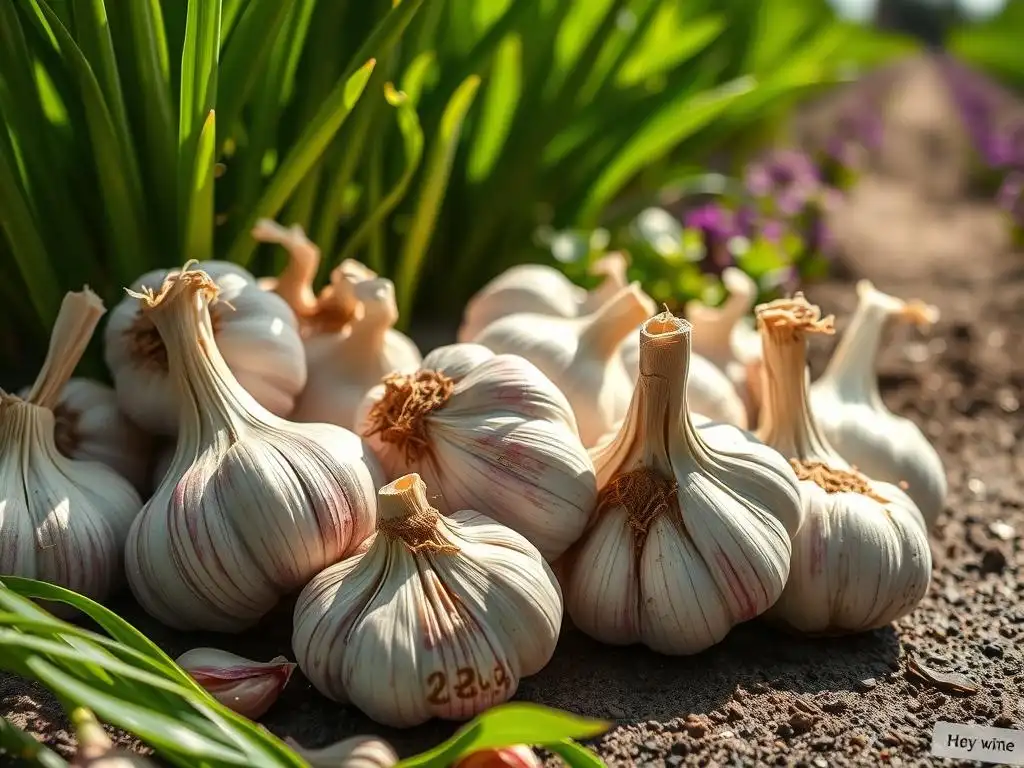
Growing your own garlic offers a delightful journey beyond simply harvesting bulbs. The diverse world of garlic varieties presents a spectrum of flavors and aromas, each lending itself to specific culinary applications. Understanding these nuances allows you to select the best garlic varieties home growing for your needs and preferences. From the pungent bite of certain types to the subtle sweetness of others, the possibilities are exciting.
Culinary Uses of Various Garlic Varieties
The flavor profile of garlic is significantly influenced by its cultivar. Some varieties boast a robust, almost aggressive, flavor, perfect for robust dishes. Others offer a milder, more nuanced taste, ideal for delicate preparations. Let's explore some examples:
- Hardneck Garlic: Known for its strong, pungent flavor, hardneck varieties like 'Rocambole' and 'Marbled Purple Stripe' are excellent for roasting, where their intensity mellows into a rich sweetness. Their scapes (flower stalks) are also delicious when sautéed or added to salads, offering a milder garlic flavor. These varieties are less suited for long-term storage, however.
- Softneck Garlic: Softneck varieties such as 'Artichokes' and 'Silverskin' generally have a milder, sweeter taste. Their longer storage life makes them ideal for braiding and storing throughout the winter. They are versatile in the kitchen, suitable for everything from pesto to garlic bread. Their milder flavor makes them a good choice for those new to incorporating garlic into their cooking.
| Garlic Type | Flavor Profile | Ideal Uses | Storage Life |
|---|---|---|---|
| Hardneck | Pungent, Robust | Roasting, Sauteing, Scape Use | Short |
| Softneck | Mild, Sweet | Sauces, Pesto, Garlic Bread, Braiding | Long |
| Elephant Garlic | Mild, Sweet, Large Bulbs | Salads, Roasting (due to size) | Moderate |
Consider the intended use when choosing your garlic. For example, a hardneck garlic might be perfect for a hearty stew, while a softneck garlic would be a better choice for a delicate pasta sauce. Experimenting with different varieties is key to discovering your favorites. This experimentation is a crucial part of the best garlic varieties home growing journey.
Preserving Your Garlic Harvest: Pickling, Braiding, and More
Once you've harvested your garlic bounty, preserving it properly is crucial to enjoying its flavor throughout the year. Several methods extend the shelf life of your homegrown garlic:
- Braiding: This traditional method is aesthetically pleasing and effective for softneck garlic varieties. Carefully braid the garlic stalks together, allowing for good air circulation. Hang the braid in a cool, dry, and well-ventilated area.
- Pickling: Pickling garlic cloves in vinegar and herbs creates a tangy and flavorful condiment. This method preserves the garlic while adding a unique twist to its taste. Experiment with different herbs and spices to develop your signature pickled garlic recipe.
- Freezing: Garlic can be frozen whole, minced, or sliced. Freezing preserves the garlic's flavor and texture, but it is important to store it in airtight containers to prevent freezer burn.
Proper curing after harvest is also essential. Allow the garlic to dry in a well-ventilated area for several weeks before storing. This step prevents premature spoilage and ensures a longer shelf life for your homegrown garlic. This is a crucial step in achieving the best garlic varieties home growing experience.
Garlic's Health Benefits and Nutritional Value
Beyond its culinary uses, garlic is renowned for its impressive nutritional profile and associated health benefits. It's a rich source of:
- Allicin: This compound, formed when garlic is crushed or chopped, is responsible for many of its purported health benefits, including its antimicrobial and antioxidant properties.
- Vitamins and Minerals: Garlic is a good source of vitamin C, vitamin B6, manganese, and other essential nutrients.
- Antioxidants: Garlic's antioxidant properties help protect cells from damage caused by free radicals, potentially reducing the risk of chronic diseases.
Numerous studies suggest garlic may offer various health benefits, including supporting immune function, lowering blood pressure, and improving cholesterol levels. However, it is important to note that more research is needed to confirm these effects definitively. While garlic offers potential health advantages, it's crucial to remember that it should not replace medical advice or treatment. Always consult with a healthcare professional before making significant dietary changes, especially if you have pre-existing health conditions. Understanding these nutritional aspects enhances the value proposition of the best garlic varieties home growing.
Troubleshooting Common Garlic Growing Problems
Growing garlic successfully at home, even with the best garlic varieties for home growing, requires attention to detail. While rewarding, it's not without its challenges. This section addresses common issues encountered by home gardeners and offers solutions to ensure a bountiful harvest. Understanding these potential problems and how to proactively address them is key to cultivating healthy and robust garlic plants. We'll focus on pest and disease management, nutrient deficiencies, and general growth and development problems.
Dealing with Common Garlic Pests and Diseases
Garlic, like other alliums, is relatively pest-resistant, but certain pests and diseases can still impact your crop. Early detection and appropriate action are crucial.
One common pest is the garlic mite ( Aceria tulipae), microscopic arachnids that can cause stunted growth and deformed leaves. Infestation often manifests as yellowish or silvery discoloration on leaves. Prevention is key; ensure good air circulation by spacing plants adequately and avoid overhead watering. If an infestation occurs, removing and destroying affected plants is usually the most effective solution. In severe cases, consider using insecticidal soap, following the product instructions carefully.
Downy mildew ( Peronospora destructor) is a fungal disease that can devastate garlic crops. It appears as yellow or purple spots on leaves, eventually leading to leaf death. Maintaining good sanitation practices – removing infected plant debris promptly – is essential in preventing its spread. Rotating your garlic planting location annually can also help reduce the risk of infection. Fungicides, such as copper-based sprays, may be necessary in severe cases, but preventative measures are far more effective.
Finally, neck rot, caused by various fungal pathogens, is another threat. It affects the bulb's neck, causing it to soften and rot before harvest. Proper curing after harvest is essential to prevent neck rot. This involves allowing the garlic to dry thoroughly in a well-ventilated area before storing.
| Pest/Disease | Symptoms | Prevention | Treatment |
|---|---|---|---|
| Garlic Mite | Yellowish/silvery discoloration on leaves | Good air circulation, avoid overhead watering | Remove affected plants, insecticidal soap (severe) |
| Downy Mildew | Yellow or purple spots on leaves, leaf death | Good sanitation, crop rotation | Copper-based fungicides (severe) |
| Neck Rot | Soft, rotting neck of the bulb | Proper curing after harvest | Remove affected bulbs, prevent with proper curing |
Addressing Nutrient Deficiencies in Garlic Plants
Garlic requires specific nutrients for optimal growth and bulb development. Deficiencies can lead to poor yields and smaller bulbs. The most common deficiencies are nitrogen, phosphorus, and potassium.
Nitrogen deficiency manifests as pale green or yellow leaves, stunted growth, and reduced bulb size. Adding compost or well-rotted manure to the soil before planting provides a slow-release source of nitrogen. Side-dressing with a balanced organic fertilizer during the growing season can also help.
Phosphorus deficiency is characterized by dark green leaves with a purplish tinge, especially on older leaves. Phosphorus is crucial for root development and bulb formation. Applying bone meal or rock phosphate before planting can help address this deficiency.
Potassium deficiency results in yellowing and browning of leaf margins, followed by leaf death. Potassium plays a vital role in disease resistance and overall plant health. Wood ash, a good source of potassium, can be incorporated into the soil. Using a balanced fertilizer containing potassium is also beneficial.
Solving Problems with Garlic Growth and Development
Beyond pests and diseases, several other factors can affect garlic growth. Poor soil drainage can lead to root rot, while overcrowding can stunt growth and reduce bulb size.
Ensuring proper soil drainage is essential. Amend heavy clay soils with organic matter such as compost to improve drainage and aeration. Garlic thrives in well-drained, slightly acidic to neutral soil (pH 6.0-7.0). Regular soil testing can help determine if adjustments are needed.
Overcrowding is a common mistake. Ensure adequate spacing between plants to allow for proper air circulation and prevent competition for resources. The recommended spacing varies depending on the garlic variety, but generally, 4-6 inches between cloves is a good starting point.
Finally, inconsistent watering can negatively impact garlic growth. Aim for consistent moisture, avoiding both drought stress and waterlogging. Mulching can help maintain soil moisture levels and reduce weed competition. Monitor soil moisture regularly and water deeply when the top inch of soil feels dry. Remember, consistent care and attention to detail are key to successfully cultivating healthy and productive garlic plants.
Frequently Asked Questions
What are some of the best garlic varieties for home growing?
Several excellent varieties thrive in home gardens. Hardneck varieties like 'Music' and 'German White' offer flavorful scapes, while softneck varieties like 'Artichokes' and 'Inchellium Red' store well. Consider your climate and desired flavor profile when choosing.
When is the best time to plant garlic?
The ideal planting time is generally in the fall, about 6-8 weeks before the ground freezes. This allows the garlic to establish roots before winter. Planting in spring is possible, but yields may be lower.
How much space do garlic plants need?
Garlic plants need around 6-12 inches of spacing between cloves. Crowding can lead to smaller bulbs and increased disease risk. Adjust spacing based on the variety you're planting.
How do I care for my garlic plants once they're planted?
Garlic requires well-drained soil and consistent watering, especially during dry periods. Mulching helps retain moisture and suppress weeds. Fertilize lightly in early spring with a balanced organic fertilizer.
How do I know when my garlic is ready to harvest?
Garlic is ready for harvest when the leaves turn brown and start to die back, usually around mid-summer. Cure the harvested bulbs in a well-ventilated area for several weeks before storing.
Final Reflection: Harvesting the Bounty of Homegrown Garlic
The humble garlic clove, a culinary staple for millennia, is experiencing a resurgence in popularity, driven by a growing interest in sustainable living and the undeniable deliciousness of homegrown produce. From the pungent bite of hardneck varieties to the milder sweetness of softnecks, the diversity of garlic available to home growers is truly remarkable, offering a rewarding experience for even the most novice gardener. This journey into the world of garlic cultivation highlights not just the practical aspects of planting and harvesting, but also the deeper connection to nature and the satisfaction of nurturing something from seed to table.
The impact of growing your own food extends far beyond the simple act of planting a bulb. It fosters a deeper appreciation for the origins of our food, connecting us to the land and the cyclical nature of life. The glory of gardening: hands in the dirt, head in the sun, heart with nature. To nurture a garden is to feed not just the body, but the soul.
This quote perfectly encapsulates the enriching experience of cultivating garlic, a process that transcends mere sustenance and becomes a meditative practice, a quiet communion with the earth. The knowledge gained in selecting the best variety for your climate and soil conditions, and the pride in harvesting your own pungent crop, are invaluable rewards.
Now, consider your own garden, or even a single pot on your balcony. What variety of garlic will you choose to cultivate? Will you embrace the challenge of a hardneck, with its beautiful scapes and robust flavor, or opt for the ease of a softneck, perfect for braiding and storing?
The choice is yours, but the journey of growing your own garlic, no matter the variety, promises a harvest far richer than just a flavorful ingredient – it promises a deeper connection to the earth and a profound sense of accomplishment. Embrace the opportunity, and let the bounty of your homegrown garlic enrich your life.
Unleash Your Inner Gardener: Grow the Perfect Garlic!
Thank you for exploring the wonderful world of garlic varieties! We hope you've found the perfect bulb for your garden. Now it's time to put your knowledge to work.
- Plant your garlic today! Choose your favorite variety and get those cloves in the ground for a bountiful harvest. This is your chance to experience the freshest, most flavorful garlic imaginable.
- Share your garlic journey! Tell us which variety you selected and why on our CultivateYourFood community forum. Let's inspire each other!
- Try a new variety next year! The possibilities for exciting new flavors are endless.
Ready to transform your garden into a garlic paradise? Which unique flavor profile are you most excited to grow?