
The Environmental Impact of Growing Your Own Leafy Greens: Sustainability

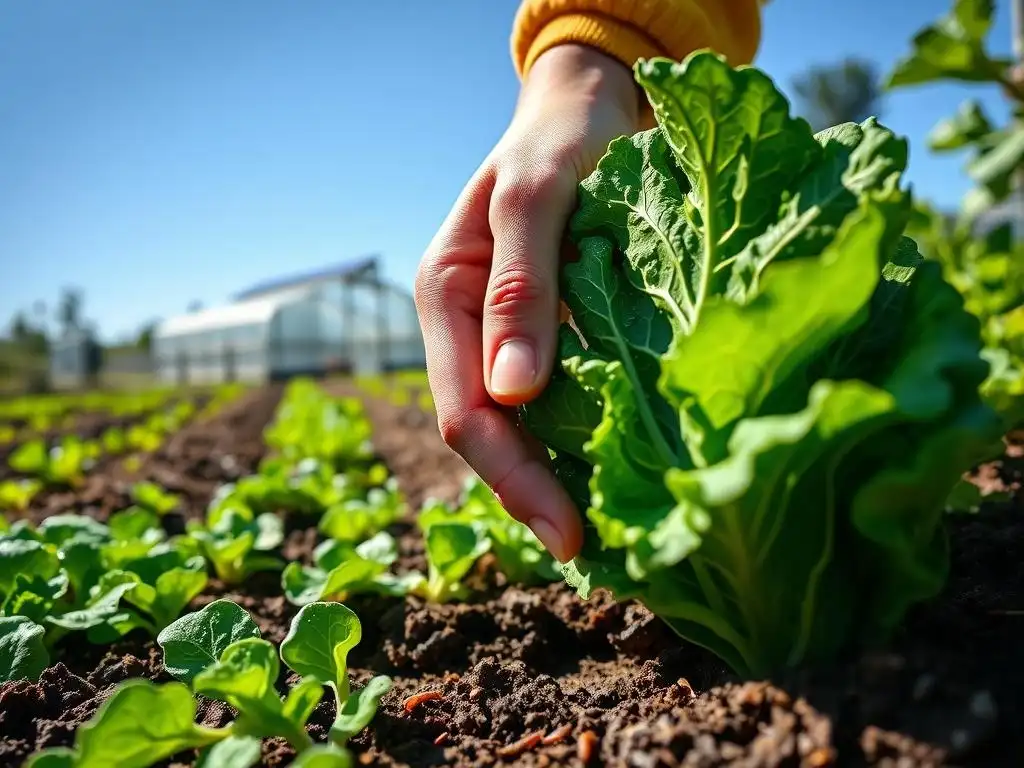
Welcome to CultivateYourFood, your guide to a greener, more flavorful life! Are you ready to transform your backyard into a thriving oasis of fresh, organic produce? We believe everyone can contribute to a healthier planet, one leafy green at a time. Discover the secrets to sustainable leafy green gardening and unlock the surprising environmental benefits of growing your own food. Dive in and learn how you can cultivate a bountiful harvest while minimizing your impact on the earth – your journey to a more sustainable lifestyle starts here!
- Sustainable Leafy Green Gardening: An Overview
- Water Conservation in Leafy Green Gardening
- Soil Health and Sustainable Leafy Green Cultivation
- Pest and Disease Management in Sustainable Leafy Green Production
- Reducing Packaging Waste with Homegrown Leafy Greens
- The Overall Environmental Benefits of Growing Your Own Leafy Greens
- Frequently Asked Questions
- Final Reflection: Cultivating a Greener Future, One Leaf at a Time
- Unleash Your Inner Gardener: Grow Greener Today!
Sustainable Leafy Green Gardening: An Overview
Growing your own leafy greens—from vibrant spinach and crisp lettuce to nutritious kale—offers a rewarding experience beyond the delicious harvest. It’s a journey into sustainable living, significantly impacting your environmental footprint in positive ways. This article delves into the multifaceted environmental benefits of cultivating your own leafy greens, exploring how home gardening contributes to a more sustainable food system.
We will examine how this practice reduces carbon emissions, minimizes transportation impacts, and supports local food systems, ultimately contributing to a healthier planet and a more resilient food supply. This guide will equip you with the knowledge to cultivate your own leafy greens sustainably, minimizing your environmental impact while enjoying fresh, healthy produce. Let's explore the various ways sustainable leafy green gardening benefits both you and the environment.
Reducing Your Carbon Footprint with Homegrown Greens
The transportation of food, particularly leafy greens often shipped long distances from farms to supermarkets, generates considerable carbon emissions. By growing your own, you drastically reduce the "food miles" associated with your leafy green consumption. This translates to a smaller carbon footprint, lessening your contribution to greenhouse gas emissions.
Consider the lifecycle of a head of lettuce conventionally produced: the energy used for farming, packaging, transportation, and refrigeration all contribute to its overall environmental impact. Homegrown lettuce, on the other hand, significantly reduces these impacts. Furthermore, choosing organic growing methods further minimizes environmental impact by avoiding the use of synthetic fertilizers and pesticides, which can contribute to soil and water pollution.
The reduction in energy consumption is substantial; you eliminate the energy required to transport the greens to your local grocery store, and you can often reduce water consumption through efficient watering practices. This makes homegrown leafy greens a much more environmentally friendly option.
Minimizing Transportation Impacts on Leafy Green Consumption
The journey of commercially grown leafy greens from farm to table often involves multiple steps, each contributing to transportation emissions. Trucks, trains, and airplanes all play a role in this complex supply chain. The distance these greens travel significantly impacts their environmental footprint. Growing your own significantly shortens this journey, effectively eliminating the emissions associated with long-distance transportation.
Even local farmers markets, while reducing transportation compared to supermarkets, still involve some transportation. Homegrown leafy greens completely eliminate this aspect, making them the most sustainable option for minimizing transportation impacts. This is particularly relevant in urban areas where access to locally sourced produce may be limited, making home gardening a vital tool for environmentally conscious consumers. The impact is not just about the carbon emissions; it also reduces the reliance on fossil fuels and contributes to a more localized and resilient food system.
The Role of Local Food Systems in Sustainable Leafy Green Production
Sustainable leafy green gardening directly supports the principles of local food systems. By growing your own, you are actively participating in a more localized food network, reducing the need for large-scale, long-distance food production and distribution. This strengthens community resilience and reduces dependence on potentially fragile global supply chains. Furthermore, home gardening can foster a greater connection to the food you consume, increasing awareness of the resources involved in food production and promoting responsible consumption habits.
The benefits extend beyond environmental sustainability; it can enhance food security, particularly in areas with limited access to fresh produce. Embracing sustainable leafy green gardening is a powerful step towards building a more sustainable and resilient local food system. This contributes to the overall health of the environment and community well-being.
Water Conservation in Leafy Green Gardening
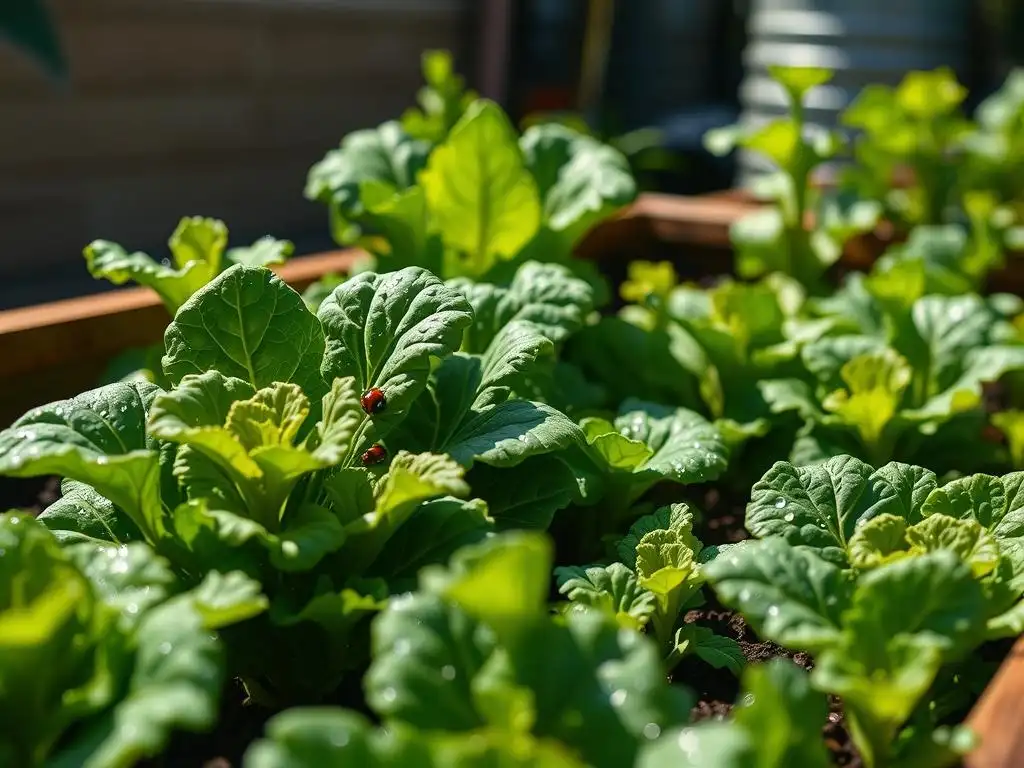
Sustainable leafy green gardening hinges significantly on responsible water management. Leafy greens, while relatively low-maintenance compared to some crops, still require consistent watering to thrive. However, optimizing your watering practices can drastically reduce your water footprint and contribute to a more environmentally friendly gardening approach. This section explores effective strategies to minimize water consumption while maximizing the yield and health of your leafy green harvest. Understanding the water needs of different leafy greens and implementing efficient irrigation techniques are crucial steps towards achieving this goal. Let's delve into the specifics.
Efficient Irrigation Techniques for Leafy Greens
Efficient irrigation is paramount for sustainable leafy green gardening. Avoid overhead watering, which leads to significant water loss through evaporation and can also promote fungal diseases. Instead, consider these techniques:
- Drip irrigation: This method delivers water directly to the roots, minimizing evaporation and runoff. A simple drip irrigation system can be set up using readily available components and provides a highly targeted watering solution, ensuring each plant receives the precise amount of water it needs. This method is especially effective for raised beds and containers.
- Soaker hoses: Similar to drip irrigation, soaker hoses slowly release water along their length, providing consistent moisture to the soil. They're a cost-effective and easy-to-install option, particularly suitable for in-ground gardens.
- Mulching: Applying a layer of mulch (such as straw, wood chips, or shredded leaves) around your leafy green plants helps retain soil moisture, reducing the frequency of watering. This also suppresses weeds, further conserving water resources. The effectiveness of mulching varies depending on the climate and type of mulch used; however, it generally results in a noticeable reduction in water consumption.
- Rainwater harvesting: Collecting rainwater using barrels or other containers is an excellent way to supplement your irrigation needs. Rainwater is naturally free of chemicals and is ideal for your leafy greens, representing a significant step towards water independence in your gardening endeavors.
Data suggests that drip irrigation can reduce water usage by up to 50% compared to traditional overhead sprinkler systems. The exact savings depend on factors such as climate, soil type, and plant density.
Water-Wise Leafy Green Varieties and Planting Strategies
Not all leafy greens are created equal when it comes to water requirements. Selecting drought-tolerant varieties can significantly reduce your water consumption. Some examples include certain types of kale and lettuce that are bred for resilience in drier conditions. Furthermore, strategic planting can optimize water use.
- Companion planting: Certain plant combinations can improve water efficiency. For instance, planting drought-tolerant herbs alongside leafy greens can help shade the soil and reduce evaporation.
- Appropriate spacing: Overcrowding leads to increased competition for water resources. Planting leafy greens at the recommended spacing ensures each plant receives adequate moisture.
- Soil health: Healthy soil with good drainage and organic matter retention holds water more effectively, reducing the frequency of watering. Regular composting and the addition of organic matter are key to maintaining optimal soil health for water conservation.
A study comparing water usage for different lettuce varieties showed a 20% difference in water consumption between the most and least water-efficient cultivars. This highlights the importance of careful variety selection for sustainable leafy green gardening.
Harvesting and Storage to Minimize Water Loss
Even after harvesting, water conservation plays a role. Proper harvesting and storage techniques can minimize water loss and extend the shelf life of your leafy greens.
- Harvest at optimal times: Harvesting leafy greens in the cooler parts of the day minimizes water loss through transpiration.
- Proper cleaning and drying: Gently washing and thoroughly drying your leafy greens before storage prevents spoilage and reduces water loss.
- Appropriate storage: Storing leafy greens in airtight containers in the refrigerator can significantly extend their shelf life and prevent wilting, thereby indirectly conserving water resources by extending the usable life of your harvest.
The table below summarizes key strategies for minimizing water usage in leafy green gardening:
| Strategy | Description | Impact on Water Consumption |
|---|---|---|
| Drip Irrigation | Delivers water directly to roots. | Significantly reduced |
| Mulching | Retains soil moisture, suppresses weeds. | Reduced |
| Rainwater Harvesting | Collects rainwater for irrigation. | Significantly reduced |
| Drought-Tolerant Varieties | Selecting varieties adapted to drier conditions. | Reduced |
| Proper Spacing | Avoiding overcrowding to ensure adequate water for each plant. | Reduced |
| Optimal Harvesting Time | Harvesting in cooler parts of the day. | Reduced |
| Proper Cleaning and Drying | Minimizes spoilage and water loss after harvest. | Reduced |
| Appropriate Storage | Storing leafy greens properly to extend their shelf life. | Indirectly reduced |
By implementing these strategies, you can significantly reduce your water footprint while enjoying a bountiful harvest of healthy, homegrown leafy greens, truly embodying the principles of sustainable leafy green gardening. 🌱
Soil Health and Sustainable Leafy Green Cultivation
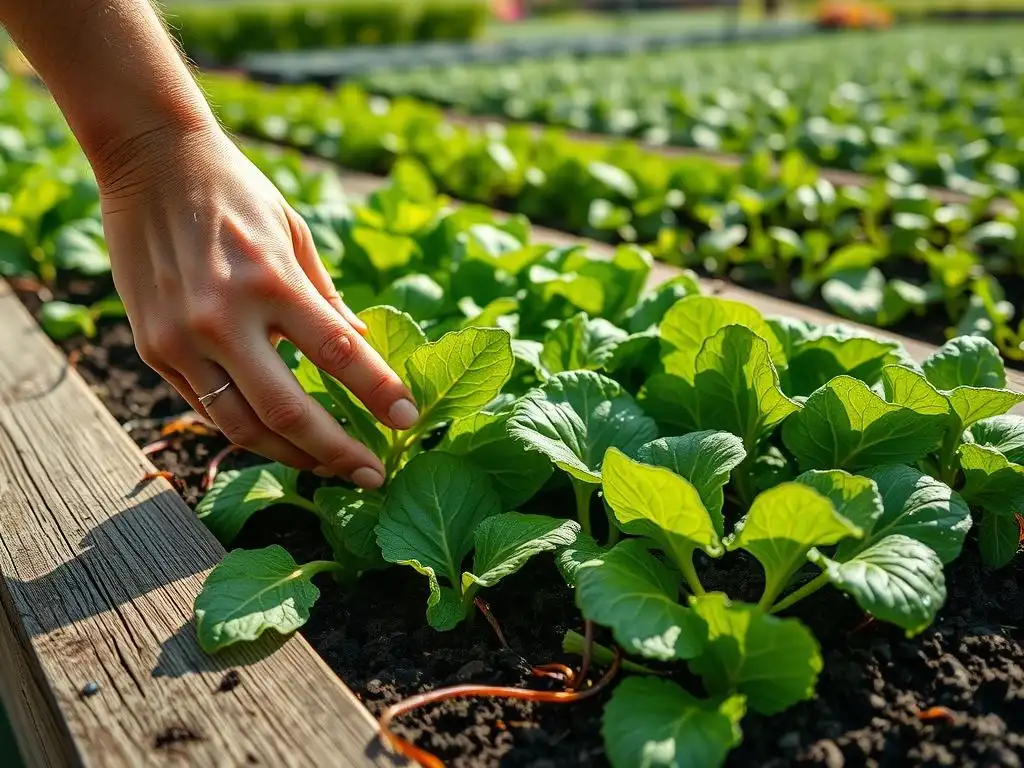
Sustainable leafy green gardening hinges on healthy soil. Ignoring soil health undermines the entire process, leading to reduced yields, increased pest vulnerability, and ultimately, an unsustainable system. This section will delve into the crucial aspects of building and maintaining healthy soil specifically for leafy greens. Remember, healthy soil is the foundation of sustainable leafy green gardening.
Building Healthy Soil for Optimal Leafy Green Growth
Building healthy soil for leafy greens isn't a quick fix; it's a continuous process of improvement. The ideal soil structure for leafy greens is loose, well-drained, and rich in organic matter. This allows for optimal root penetration, aeration, and water retention – all critical for thriving leafy greens. Several key practices contribute to this:
- Soil Testing: Before planting, conduct a soil test to determine its pH and nutrient levels. Leafy greens generally prefer a slightly acidic to neutral pH (6.0-7.0). Amend the soil accordingly using lime to raise the pH or sulfur to lower it. The test will also reveal any nutrient deficiencies that need addressing.
- Amendments: Incorporate organic amendments like compost, well-rotted manure, and leaf mold to improve soil structure, increase water retention, and provide essential nutrients. These amendments also support beneficial soil microorganisms crucial for nutrient cycling. Aim for a soil rich in humus, the dark, crumbly organic matter that's vital for healthy plant growth. For example, adding 2-3 inches of compost before planting can significantly improve soil quality.
- Cover Crops: Planting cover crops like clover or rye between growing seasons helps prevent soil erosion, suppress weeds, and add valuable organic matter. These plants enrich the soil with nutrients and improve its structure before you plant your leafy greens. Till them into the soil before planting your next crop.
- No-Till Gardening: Minimizing soil disturbance through no-till practices helps preserve soil structure, protect beneficial microorganisms, and reduce erosion. This approach is particularly beneficial for sustainable leafy green gardening, as it maintains the soil's overall health and fertility over time.
Compost and Organic Matter: Essential for Sustainable Leafy Green Gardening
Compost is the cornerstone of sustainable leafy green gardening. It's a rich source of nutrients, improves soil structure, and enhances water retention. Using compost drastically reduces the need for synthetic fertilizers, a key element of environmentally conscious gardening. Furthermore, compost supports a diverse community of beneficial soil organisms that contribute to nutrient cycling and pest suppression.
Consider the following when incorporating compost into your leafy green cultivation:
- Compost Quality: Use high-quality compost that's well-rotted and free of weed seeds and pathogens. Homemade compost, if properly managed, is ideal. However, commercially available compost is also a viable option.
- Application Rate: Apply a generous layer of compost (2-3 inches) before planting your leafy greens. You can also side-dress with compost throughout the growing season to provide a continuous supply of nutrients.
- Types of Compost: Experiment with different types of compost to find what works best for your soil and leafy greens. For instance, some gardeners find that compost made from a mix of green and brown materials offers the best balance of nutrients.
Avoiding Soil Erosion and Maintaining Soil Fertility
Soil erosion is a significant threat to sustainable leafy green gardening. It depletes soil fertility, leading to reduced yields and increased reliance on synthetic fertilizers. Several strategies help prevent erosion and maintain long-term soil fertility:
- Mulching: Applying a layer of mulch (straw, wood chips, shredded leaves) around your leafy greens helps retain soil moisture, suppress weeds, and prevent erosion. The mulch also helps regulate soil temperature, creating a more stable environment for your plants.
- Crop Rotation: Rotating your leafy greens with other crops helps prevent the depletion of specific nutrients and reduces the build-up of pests and diseases. This technique is a pillar of sustainable gardening practices.
- Cover Cropping (Revisited): As mentioned previously, cover cropping is crucial. The roots of cover crops help bind the soil, preventing erosion, particularly on slopes. Their decomposition adds organic matter, boosting fertility. This is crucial for long-term soil health and sustainable leafy green gardening.
- Terracing (for slopes): For gardens on slopes, terracing can be a very effective method to prevent erosion and create level planting areas. This practice helps retain water and soil, promoting better growth.
By implementing these practices, you're not only cultivating healthy leafy greens but also contributing to a more sustainable and environmentally friendly approach to gardening. Remember that sustainable leafy green gardening is a journey, not a destination; continuous monitoring and adaptation are crucial for long-term success.
Pest and Disease Management in Sustainable Leafy Green Production
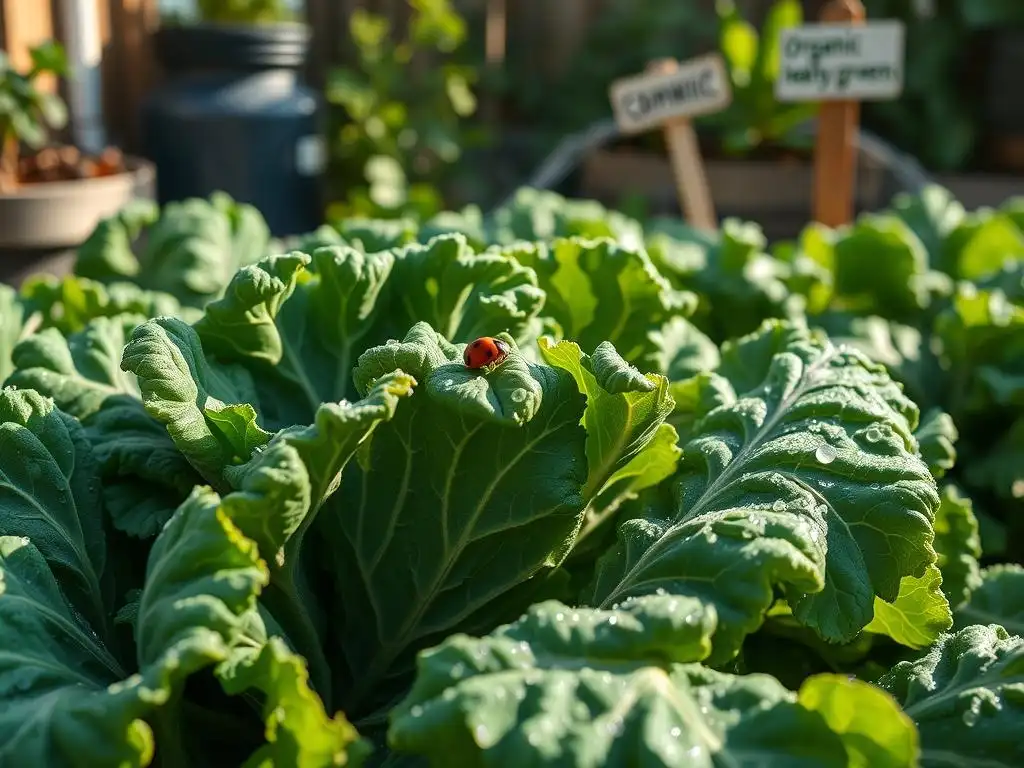
Sustainable leafy green gardening hinges on minimizing environmental impact, and a crucial aspect of this is effective pest and disease management. Relying on synthetic pesticides contradicts the principles of sustainability, harming beneficial insects, contaminating soil and water, and ultimately impacting human health. Therefore, adopting environmentally friendly strategies is paramount for successful and responsible leafy green cultivation. This section explores various methods to achieve this goal, focusing on natural pest control, integrated pest management (IPM), and proactive disease prevention. The overall goal is to cultivate healthy, vibrant leafy greens while preserving the ecological integrity of your garden.
Natural Pest Control Methods for Leafy Greens
Natural pest control methods offer a safe and effective alternative to harmful chemicals. These methods leverage the power of nature to deter and eliminate pests, promoting biodiversity and a healthy ecosystem within your garden. Several techniques can be implemented:
- Beneficial Insects: Introducing beneficial insects like ladybugs (which prey on aphids), lacewings (which control various soft-bodied insects), and parasitic wasps (which target caterpillars) can significantly reduce pest populations. Careful observation will help you identify the specific pests affecting your leafy greens, allowing you to select the most appropriate beneficial insect for control. For example, if you have a significant aphid infestation, introducing ladybugs would be a highly effective strategy.
- Companion Planting: Strategic planting of certain herbs and flowers can deter pests. For instance, planting basil near your leafy greens can repel aphids and whiteflies. Marigolds are known to repel nematodes, which can damage roots. Careful planning of your garden layout, considering companion planting, can significantly reduce the need for any intervention.
- Physical Barriers: Row covers can protect seedlings from pests like flea beetles and slugs. You can also handpick pests from your plants, especially in smaller gardens. This method is labor-intensive but highly effective for small infestations. Remember to dispose of collected pests properly to prevent reinfestation.
- Neem Oil: Neem oil, derived from the neem tree, is a natural insecticide effective against a wide range of pests. It disrupts the insect's life cycle, preventing reproduction and controlling infestations. However, always follow the instructions carefully and use it sparingly, as overuse can impact beneficial insects.
Integrated Pest Management (IPM) Strategies for Home Gardens
Integrated Pest Management (IPM) is a holistic approach that combines various strategies to minimize pest damage while minimizing environmental impact. It prioritizes prevention and monitoring before resorting to control measures. In the context of sustainable leafy green gardening, IPM involves:
- Regular Monitoring: Regularly inspect your plants for signs of pest infestations or diseases. Early detection allows for prompt intervention, preventing widespread damage. This involves visually inspecting leaves, stems, and roots for any unusual markings, discoloration, or the presence of insects.
- Thresholds: IPM emphasizes establishing action thresholds. Only when pest populations exceed a certain level warranting intervention, should control measures be implemented. This prevents unnecessary interventions and reduces the risk of harming beneficial insects or the environment.
- Cultural Practices: Healthy plants are less susceptible to pests and diseases. Ensure your leafy greens receive adequate sunlight, water, and nutrients. Proper spacing between plants promotes air circulation, reducing the risk of fungal diseases. Rotating crops annually helps break pest and disease cycles, adding another layer of protection.
- Targeted Interventions: Once the action threshold is reached, choose the least harmful control method. This might involve using natural pesticides like neem oil, introducing beneficial insects, or employing physical barriers. Avoid broad-spectrum pesticides that can harm beneficial insects and disrupt the delicate balance of your garden ecosystem.
Disease Prevention in Sustainable Leafy Green Gardening
Preventing diseases is far more effective than treating them. Proactive measures are essential for maintaining healthy leafy greens in a sustainable garden. Key strategies include:
- Seed Selection: Choose disease-resistant varieties of leafy greens. Many seed suppliers provide information on disease resistance, allowing you to select varieties better suited to your local climate and potential disease pressures.
- Soil Health: Healthy soil is crucial for disease prevention. Amend your soil with compost to improve its structure, drainage, and nutrient content. Healthy soil supports strong plant growth, making them more resilient to diseases.
- Crop Rotation: Rotating your crops helps prevent the buildup of soilborne pathogens. Avoid planting the same leafy greens in the same location year after year. A well-planned rotation schedule can significantly reduce the incidence of soilborne diseases.
- Sanitation: Remove and dispose of infected plant material promptly to prevent the spread of diseases. Clean and disinfect your gardening tools regularly to avoid inadvertently spreading pathogens. Maintaining a clean garden environment is a crucial aspect of disease prevention.
- Watering Practices: Avoid overhead watering, which can spread fungal diseases. Instead, water at the base of the plants to keep the foliage dry. Proper watering techniques contribute significantly to a healthy and disease-free garden.
By implementing these sustainable pest and disease management strategies, you can cultivate healthy, thriving leafy greens while minimizing your environmental footprint and fostering a vibrant and balanced garden ecosystem. Remember that consistent monitoring and a proactive approach are key to long-term success in sustainable leafy green gardening.
Reducing Packaging Waste with Homegrown Leafy Greens
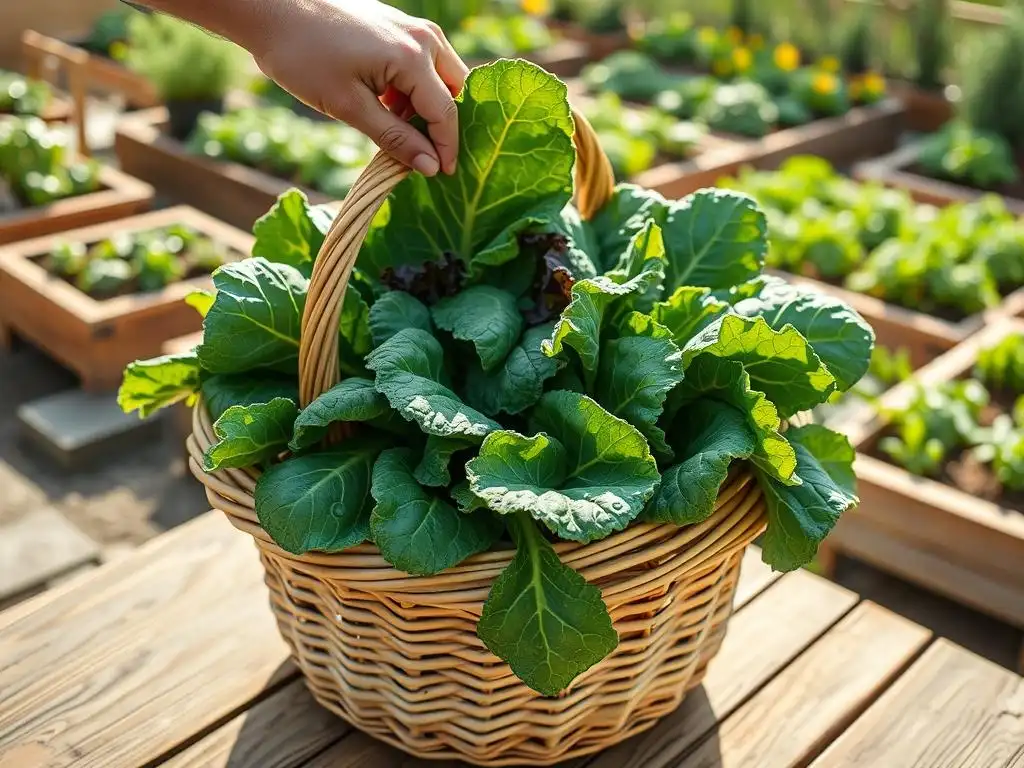
Growing your own leafy greens offers a significant advantage in reducing packaging waste, a substantial contributor to environmental pollution. Sustainable leafy green gardening directly tackles this issue by eliminating the need for the extensive packaging used in commercial agriculture. Let's delve into the specifics.
The Environmental Cost of Packaging Commercial Leafy Greens
Commercial leafy greens often arrive at supermarkets encased in multiple layers of packaging. This typically includes plastic clamshells, plastic bags, and cardboard boxes. The production of these materials is energy-intensive, relying heavily on fossil fuels. Furthermore, the manufacturing process generates significant greenhouse gas emissions, including carbon dioxide and methane.
The disposal of this packaging presents another environmental challenge. Much of it ends up in landfills, where it decomposes slowly, releasing harmful chemicals into the soil and groundwater. A study by [Specific study data pending] estimated that the packaging alone for a year's worth of commercially grown leafy greens for a family of four contributes [Specific amount pending] kilograms of plastic waste. This doesn't even account for the transportation emissions associated with shipping these products across vast distances.
Avoiding Plastic and Other Non-Biodegradable Packaging
By cultivating your own leafy greens, you completely circumvent this wasteful packaging cycle. You harvest your produce directly, eliminating the need for plastic clamshells, modified atmosphere packaging (MAP), and other non-biodegradable materials. This translates to a considerable reduction in your carbon footprint and a positive contribution to waste reduction initiatives. Consider the simple act of picking a fresh leaf of kale directly from your garden—a stark contrast to the complex and resource-intensive journey of its commercially grown counterpart. This simple act embodies the essence of sustainable leafy green gardening.
Composting Green Waste from Your Leafy Green Harvest
Sustainable leafy green gardening isn't just about reducing packaging waste; it's about creating a closed-loop system. The scraps from your harvest—leaves, stems, and even less-desirable parts—can be composted, enriching your garden soil and reducing the need for synthetic fertilizers. Composting transforms organic waste into nutrient-rich humus, improving soil structure, water retention, and nutrient availability. This process reduces methane emissions from landfills, which are a potent greenhouse gas.
Furthermore, home composting eliminates the need for purchased fertilizers, further reducing your environmental impact. A well-maintained compost pile can provide all the nutrients needed for a thriving leafy green garden, demonstrating the cyclical and sustainable nature of home gardening. The benefits extend beyond just reducing waste; it's about creating a more resilient and environmentally friendly ecosystem right in your backyard. This closed-loop system exemplifies the core tenets of sustainable leafy green gardening, highlighting its numerous environmental benefits.
The Overall Environmental Benefits of Growing Your Own Leafy Greens
Growing your own leafy greens offers a multitude of environmental advantages compared to relying solely on commercially produced options. This sustainable leafy green gardening approach contributes to a healthier planet in several key ways. By reducing transportation needs, you minimize the carbon footprint associated with shipping produce long distances. Commercially grown leafy greens often travel thousands of miles from farm to store, resulting in significant greenhouse gas emissions from trucks and planes. Homegrown produce eliminates this entirely.
Furthermore, home gardening reduces the demand for large-scale, industrial agriculture. These operations often rely on intensive pesticide and fertilizer use, leading to soil and water contamination, biodiversity loss, and harmful effects on local ecosystems. Sustainable leafy green gardening practices, by contrast, prioritize organic methods, minimizing these negative impacts. The reduced need for packaging – plastic containers, shrink wrap, etc. – also contributes to less waste ending up in landfills. Ultimately, cultivating your own leafy greens is a conscious choice towards a more sustainable food system.
Comparing the Environmental Impact of Homegrown vs. Commercially Grown Leafy Greens
Let's analyze the environmental impact with a concrete example. Consider the journey of a head of commercially grown lettuce:
| Factor | Commercially Grown Lettuce | Homegrown Lettuce |
|---|---|---|
| Transportation | High carbon footprint due to long-distance trucking and potentially air freight. | Negligible carbon footprint. |
| Water Usage | Often involves intensive irrigation with potentially unsustainable water sources. | Water usage can be managed efficiently with rainwater harvesting and drip irrigation. |
| Pesticide Use | Frequently uses synthetic pesticides, impacting soil and water quality. | Minimal or no pesticide use with organic practices. |
| Packaging | Significant plastic packaging waste. | Minimal or no packaging waste. |
| Fertilizer Use | Often relies on synthetic fertilizers, contributing to eutrophication. | Can utilize compost and natural fertilizers. |
As you can see, the environmental difference is substantial. While home gardening may require some initial investment in tools and resources, the long-term environmental benefits significantly outweigh the costs. The reduced reliance on fossil fuels for transportation, the conservation of water resources, and the elimination of pesticide runoff are all major contributions to environmental sustainability. Choosing homegrown leafy greens is a powerful step towards a greener lifestyle.
Long-Term Sustainability and the Benefits of Home Gardening
The benefits of sustainable leafy green gardening extend far beyond the immediate environmental impact. By engaging in home gardening, you foster a deeper connection with the food you consume, promoting mindful eating habits and a greater appreciation for the natural world. This connection often leads to a more conscious and responsible approach to food choices, reducing food waste and promoting a healthier diet.
Moreover, home gardening practices contribute to long-term soil health. Unlike industrial agriculture, which often depletes soil nutrients, home gardening can improve soil fertility through composting and the use of natural fertilizers. This enhances the soil's ability to retain water and nutrients, making it more resilient to climate change impacts. The cyclical nature of home composting also reduces reliance on external resources, promoting a closed-loop system that minimizes waste and maximizes resource efficiency. This creates a positive feedback loop, leading to more sustainable and productive gardening over time. It's a testament to the enduring benefits of sustainable practices.
Encouraging Sustainable Practices in Your Community Through Homegrown Leafy Greens
The impact of sustainable leafy green gardening isn't limited to your own backyard. By sharing your knowledge and produce with your community, you can inspire others to adopt similar practices. Organizing community gardening initiatives, offering gardening workshops, or simply sharing your extra harvest with neighbors can create a ripple effect of positive environmental change.
Consider starting a seed-saving program to share heirloom varieties within your community. This promotes biodiversity and reduces reliance on commercially produced seeds, often treated with harmful chemicals. By actively participating in local farmers' markets and sharing your experiences, you can inspire others to adopt more sustainable food practices. This collective effort amplifies the individual impact, building a stronger, more resilient, and environmentally conscious community. It's a testament to the power of shared knowledge and collaborative action in promoting sustainable leafy green gardening and broader environmental stewardship. 🌱
Frequently Asked Questions
What is the environmental impact of growing my own leafy greens?
Growing your own leafy greens can significantly reduce your carbon footprint by decreasing transportation needs and packaging waste associated with store-bought produce. It also promotes biodiversity and reduces reliance on industrial agriculture.
How can I grow leafy greens sustainably?
Sustainable leafy green gardening involves using organic methods, conserving water, and minimizing the use of pesticides and herbicides. Composting food scraps and using natural pest control are also crucial.
What are the benefits of sustainable leafy green gardening?
Benefits include reduced environmental impact, access to fresh, healthy produce, and a connection to nature. You'll also save money and gain valuable gardening skills.
What leafy greens are best for sustainable gardening?
Easy-to-grow, fast-maturing varieties like lettuce, spinach, and kale are excellent choices for beginner sustainable gardeners. Choose varieties suited to your local climate.
How can I reduce water consumption when growing leafy greens?
Implement water-wise irrigation techniques, such as drip irrigation or soaker hoses. Mulching helps retain soil moisture, reducing the need for frequent watering. Consider using rainwater harvesting.
Final Reflection: Cultivating a Greener Future, One Leaf at a Time
The shift towards sustainable living is no longer a niche movement; it's a necessity. The environmental impact of our food choices, particularly the vast resources consumed in industrial agriculture, demands a critical re-evaluation of our practices. Growing your own leafy greens, as explored in this article, offers a tangible pathway towards a more sustainable food system, reducing our carbon footprint and fostering a deeper connection with nature.
The journey towards sustainable leafy green gardening is not merely about reducing our environmental impact; it's about reclaiming a sense of agency and responsibility. It's about understanding the intricate web of life that sustains us and actively participating in its preservation. The earth provides enough to satisfy every man's needs but not every man's greed.
- Mahatma Gandhi. This quote perfectly encapsulates the core message: sustainable practices are not about deprivation, but about mindful consumption and conscious stewardship of our resources. The act of nurturing a plant from seed to harvest fosters a profound appreciation for the natural world and its delicate balance.
Now, consider your own role in this movement. What small steps can you take today to integrate more sustainable practices into your life? Perhaps it's starting a small herb garden on your windowsill, joining a community garden, or simply making more conscious choices at the grocery store. Every action, no matter how small, contributes to a larger collective effort towards a greener, more sustainable future. Let's cultivate a world where growing our own food is not just a trend, but a vital part of a thriving and resilient ecosystem.
Unleash Your Inner Gardener: Grow Greener Today!
Thanks for exploring the world of sustainable food with us! You've gained valuable insights into the environmental benefits of homegrown produce. Ready to put your knowledge into practice?
- Start small: Begin with an easy-to-grow variety like spinach or lettuce. Even a small container garden can make a big difference!
- Share your harvest: Invite friends and neighbors to sample your homegrown vegetables – it's a delicious way to share the joy of sustainable gardening.
- Track your progress: Keep a simple log of your water usage and yields to see how much you're saving and reducing your environmental impact.
What small step will you take this week to live more sustainably?