
Extending the Pepper Growing Season: Tips for Cooler Climates

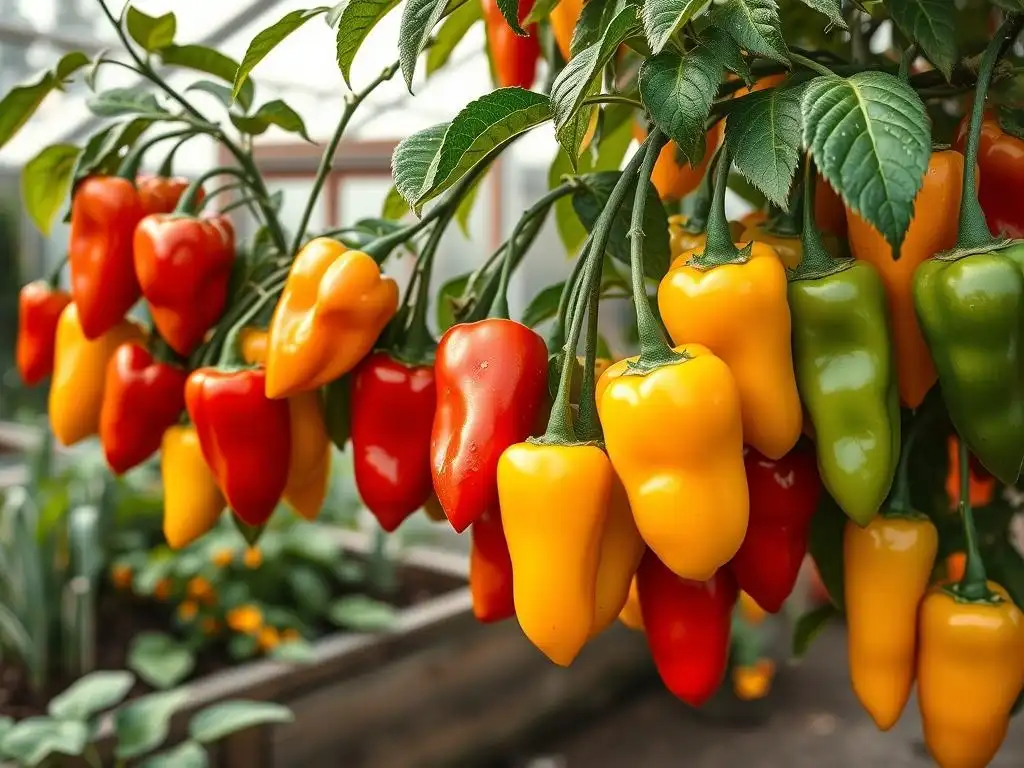
Ready to harvest a bounty of peppers all year round? At CultivateYourFood, we empower you to grow your own delicious fruits, vegetables, and herbs using sustainable, organic methods. Discover how to extend your pepper growing season, even in cooler climates, and unlock the secrets to a thriving home garden. Learn the techniques to maximize your harvest and experience the joy of fresh, homegrown produce – let's get growing!
- Understanding Your Climate and Pepper Varieties for Extended Harvest
- Extending the Pepper Growing Season with Protective Structures
- Soil Preparation and Planting Techniques for Cooler Climates
- Pepper Plant Care and Maintenance for Extended Growth
- Harvesting and Preserving Peppers for Year-Round Enjoyment
-
Frequently Asked Questions
- How can I extend my pepper growing season in a cooler climate?
- What are some low-cost ways to protect peppers from frost?
- Which pepper varieties are best for extending the growing season?
- When should I start pepper seeds indoors to extend the outdoor growing season?
- What role does soil temperature play in extending the pepper growing season?
- Final Reflection: Harvesting the Bounty of Extended Seasons
- Unlock a Year-Round Pepper Harvest!
Understanding Your Climate and Pepper Varieties for Extended Harvest
Extending the pepper growing season, particularly in cooler climates, requires a strategic approach that combines smart plant selection with environmental manipulation. This guide delves into the practical techniques you can employ to enjoy a longer harvest of your favorite sweet and hot peppers, even if your growing season is shorter than ideal. We'll explore how understanding your specific climate, choosing the right pepper varieties, and optimizing your garden's microclimates can significantly extend the time you spend harvesting delicious homegrown peppers.
Successfully extending your pepper growing season isn't just about adding weeks to your harvest; it's about maximizing the yield and quality of your peppers throughout the growing period. Let's dive into the specifics of how you can achieve this.
Identifying Your Hardiness Zone and its Impact on Pepper Growth
Knowing your USDA Plant Hardiness Zone is the cornerstone of successful pepper cultivation. Pepper plants, being warm-season crops, thrive in zones with long, warm summers. However, even within a single hardiness zone, microclimates can vary significantly, impacting the length of your growing season.
For example, a south-facing slope will receive more sunlight and warmth than a north-facing one. Understanding your specific zone helps you determine the average last frost date in spring and the first frost date in autumn – crucial information for planning your planting and harvesting schedule. This knowledge allows you to choose pepper varieties that mature within the available frost-free period and to employ strategies like starting seeds indoors earlier to give your plants a head start.
Accurate knowledge of your hardiness zone is essential for successfully extending your pepper growing season. Without it, you risk planting varieties that won't mature before the first frost or planting too early and losing your seedlings to unexpected cold snaps.
Selecting Pepper Varieties Suitable for Shorter Growing Seasons
Not all pepper varieties are created equal when it comes to growing season length. Some varieties are bred for shorter growing seasons and faster maturation, making them ideal for cooler climates. Look for varieties specifically labeled as "early-season" or "short-season" peppers. These varieties will produce ripe peppers more quickly than others, allowing you to harvest before the first frost arrives.
Furthermore, consider the days to maturity listed on seed packets; this crucial information will guide you in selecting varieties that will reliably produce a harvest within your available growing season. Choosing the right pepper variety is paramount; selecting a variety with a long growing season in a short-season climate is a recipe for disappointment. Research and select varieties suited to your specific climate conditions for optimal results. Examples of shorter season varieties include [Specific pepper variety names pending].
Microclimates in Your Garden: Utilizing Sun Exposure and Sheltered Locations
Even within a given hardiness zone, you can create microclimates within your garden to extend your pepper growing season. South-facing walls or fences absorb and radiate heat, creating warmer microclimates ideal for peppers. Planting your peppers against these structures can provide extra warmth, extending the growing season into early autumn. Similarly, sheltered locations protected from strong winds will help to maintain warmer temperatures and prevent frost damage.
Consider using windbreaks such as tall plants or structures to shield your pepper plants. Adding a layer of mulch around the base of your plants can also help to insulate the soil and retain heat. By strategically utilizing the sun's warmth and protecting your plants from the elements, you can create optimal growing conditions and extend your harvest. This careful management of microclimates within your garden is a powerful tool for extending the life of your pepper plants and prolonging the harvest.
Extending the Pepper Growing Season with Protective Structures
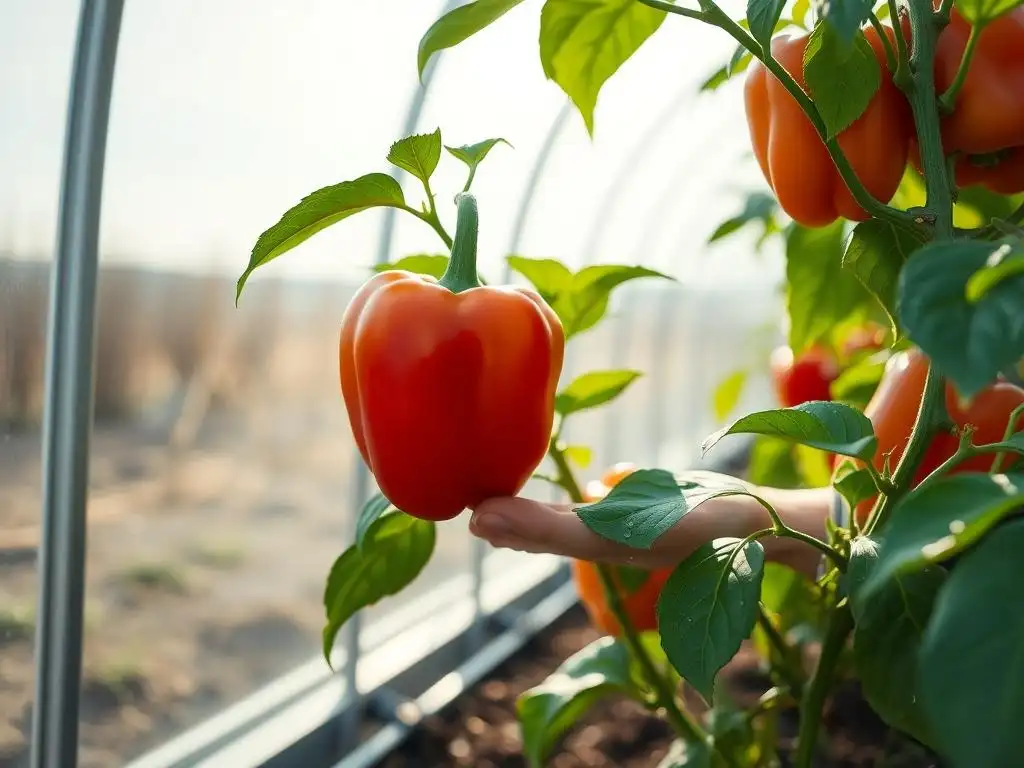
Extending the pepper growing season in cooler climates requires strategic use of protective structures. These structures create a microclimate, shielding your pepper plants from harsh weather conditions and allowing for a longer harvest period. The key is to choose a structure appropriate to your needs and budget, balancing cost and effectiveness. Optimizing your pepper production hinges on understanding how these structures modify the growing environment, enhancing temperature regulation, and protecting against frost. Let's explore some options for extending your pepper harvest.
Building a Simple Cold Frame for Extended Pepper Production
A cold frame offers a cost-effective way to extend the pepper growing season. It's essentially a miniature greenhouse, typically made of a transparent cover (glass or plastic) over a wooden or metal frame. This simple design traps solar heat during the day, warming the soil and the air around your plants. At night, the cover retains heat, preventing significant temperature drops that can damage peppers.
Constructing a cold frame involves relatively simple steps. You'll need materials like lumber, plastic sheeting, hinges, and maybe some weather stripping for a good seal. The size will depend on the number of pepper plants you want to protect. Remember that proper ventilation is crucial to prevent overheating and fungal diseases.
You can achieve this with vents or by partially lifting the cover on warmer days. Consider adding a layer of insulating material, such as straw or bubble wrap, underneath the cover for extra protection during cold snaps. Properly built, a cold frame can extend your pepper harvest by several weeks, even in areas with early frosts. For example, a well-maintained cold frame can easily protect plants from a light frost, adding an additional 2-3 weeks to your growing season.
Utilizing Row Covers for Frost Protection and Extended Growth
Row covers, also known as floating row covers, offer a more lightweight and portable solution for frost protection. These are lightweight fabrics that drape over your pepper plants, providing a barrier against frost and light winds. They're particularly useful for protecting young seedlings or extending the season at the beginning and end of the growing period.
Row covers are breathable, allowing for air circulation and preventing excessive moisture buildup, which can lead to fungal diseases. However, they offer less insulation than a cold frame or greenhouse. Therefore, they are most effective in preventing light frosts or providing a slight temperature boost.
The effectiveness of row covers depends on the fabric's weight and the severity of the weather. Heavier fabrics provide better insulation, while lighter fabrics are more breathable. Remember to remove row covers on warmer days to prevent overheating and to allow for pollination by insects. Using row covers in conjunction with other techniques, such as mulching, further enhances their effectiveness in extending the pepper growing season. For instance, combining row covers with a layer of organic mulch can provide a significant temperature buffer, adding a week or more to your harvest.
Constructing a Low-Tunnel Greenhouse for Optimal Pepper Growth
For a more substantial extension of the pepper growing season, a low-tunnel greenhouse provides superior protection. This structure uses hoops of flexible material (PVC pipes are common) arched over your pepper plants, covered with plastic sheeting. The plastic creates a sealed environment, trapping heat and providing more significant protection from frost and wind than row covers or cold frames.
Building a low-tunnel greenhouse is relatively straightforward but requires more materials and effort than a cold frame. You'll need hoops, plastic sheeting, ground anchors to secure the structure, and potentially ventilation systems. The size can be adjusted to fit your needs, allowing for a larger number of pepper plants. Ventilation is crucial in a low-tunnel greenhouse to prevent overheating and condensation.
Proper ventilation can significantly increase yields and reduce disease risk. Using a low-tunnel greenhouse can potentially extend your pepper growing season by several months, depending on your climate and the structure's quality. Consider adding supplemental lighting for extended daylight hours during short winter days to further optimize plant growth. A well-designed low-tunnel greenhouse can significantly improve the yield and quality of your peppers, providing a bountiful harvest even in colder regions.
Soil Preparation and Planting Techniques for Cooler Climates
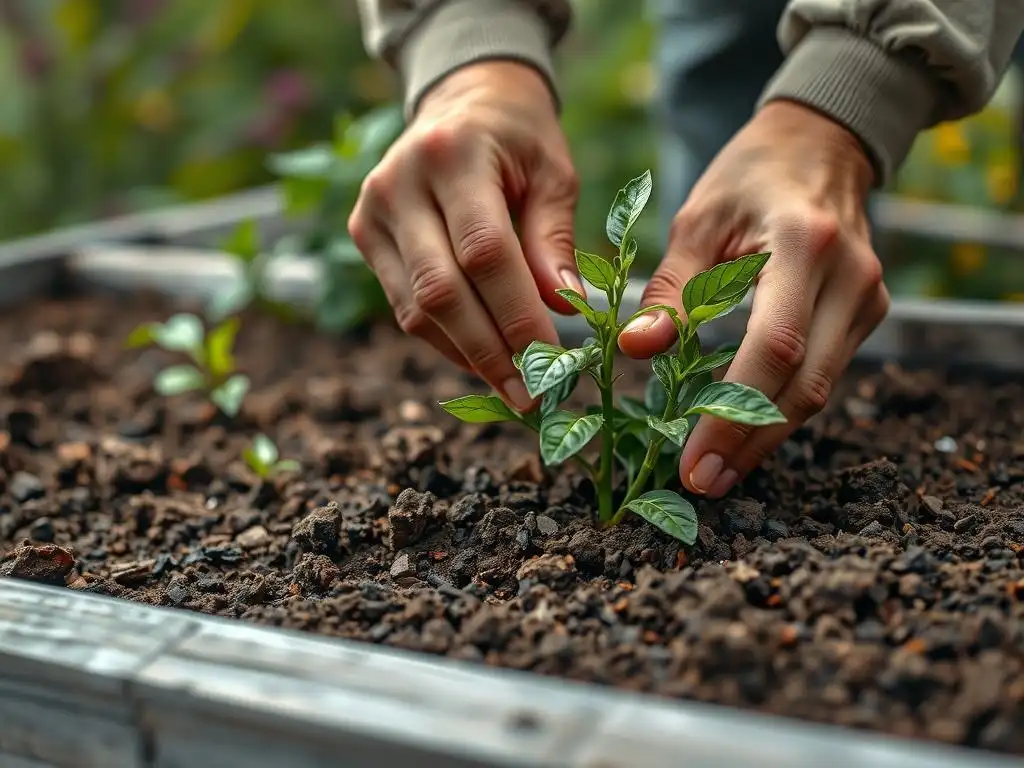
Extending the pepper growing season in cooler climates hinges heavily on proper soil preparation and planting techniques. Peppers, being warm-season crops, are sensitive to cold temperatures and require specific conditions to thrive. Let's delve into the crucial steps to optimize your soil and planting strategy for a longer harvest.
Optimizing Soil Drainage and Fertility for Pepper Plants
Pepper plants, whether sweet or hot varieties, detest soggy soil. Poor drainage leads to root rot, a common culprit behind stunted growth and plant death. Before planting, amend your soil to improve drainage and fertility. This involves several key steps:
- Testing your soil: A soil test will reveal its pH level and nutrient content. Peppers prefer slightly acidic to neutral soil (pH 6.0-7.0). Adjust the pH accordingly using lime (to raise pH) or sulfur (to lower pH). Knowing your soil's nutrient levels allows for targeted fertilization.
- Improving drainage: If your soil is heavy clay, incorporate organic matter such as compost, well-rotted manure, or peat moss. These materials improve soil structure, creating air pockets that allow for better water drainage. Consider raised beds or containers if drainage remains a significant issue. For example, a raised bed with a layer of gravel at the bottom can significantly enhance drainage.
- Enhancing fertility: Peppers are heavy feeders, requiring ample nutrients throughout their growing season. Incorporate a balanced, slow-release fertilizer into the soil before planting. A fertilizer with a higher middle number (phosphorus) is beneficial for robust root development. For instance, a 10-20-10 formulation is suitable. Regular side-dressing with compost tea throughout the growing season provides additional nutrients.
Choosing the Right Planting Time for Extended Growing Seasons
Timing is everything when extending the pepper growing season. While peppers thrive in warm temperatures (ideally above 65°F or 18°C), starting too early can result in stunted growth or even plant loss due to frost. Conversely, starting too late limits the time available for the plants to mature and produce a substantial harvest.
To extend your growing season, consider these strategies:
- Using a soil thermometer: Monitor soil temperature before planting. The soil should be consistently warm (at least 60°F or 15°C) at a depth of several inches.
- Utilizing row covers: Protect young seedlings from unexpected late frosts by using floating row covers or cloches. These provide warmth and shelter, extending the planting window.
- Choosing early-maturing varieties: Select pepper varieties known for their shorter growing seasons. These plants will reach maturity more quickly, maximizing your harvest even with a shorter growing season. This is crucial for cooler climates with shorter summers.
Seed Starting Indoors for an Earlier Harvest
Starting pepper seeds indoors significantly extends the growing season, allowing you to get a head start on the outdoor planting season. This technique provides several advantages:
- Extended growing period: Starting seeds indoors gives the plants a significant growth advantage. By the time the outdoor temperatures are suitable for transplanting, you'll have robust seedlings ready to bear fruit much earlier than direct-sown seeds.
- Protection from pests and diseases: Indoor starting protects seedlings from early-season pests and diseases that can decimate young plants.
- Improved germination rates: Indoor seed starting allows for controlled conditions – consistent moisture and temperature – resulting in higher germination rates.
To successfully start peppers indoors:
- Use high-quality seed-starting mix: Avoid using garden soil, which can harbor diseases. A sterile seed-starting mix provides the ideal environment for germination.
- Maintain consistent temperature and moisture: Maintain a warm temperature (around 75-80°F or 24-27°C) and keep the soil consistently moist but not waterlogged.
- Provide adequate light: Seedlings require ample light for healthy growth. Use grow lights or place seedlings in a sunny location. Consider supplementing with grow lights, especially in low-light conditions. Aim for at least 12-16 hours of light per day. Rotating the seedlings regularly ensures even growth. Once true leaves appear, you can begin hardening off the seedlings gradually before transplanting them outdoors. This process acclimates them to outdoor conditions, reducing transplant shock.
Pepper Plant Care and Maintenance for Extended Growth
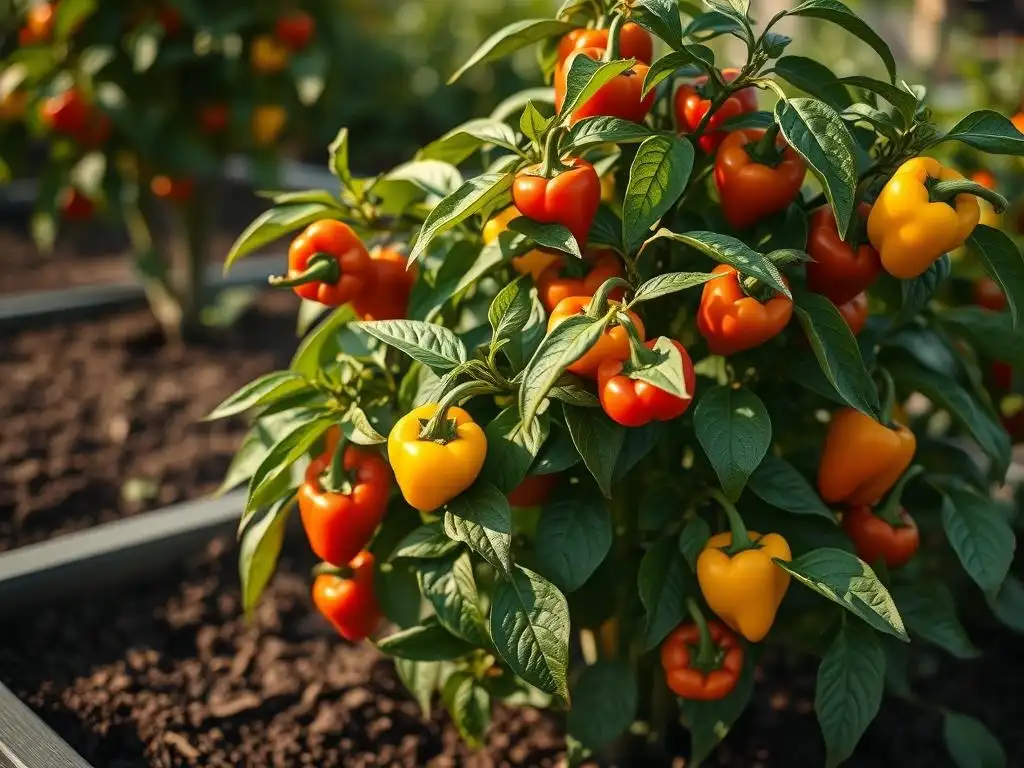
Extending the pepper growing season in cooler climates requires diligent care and maintenance. Success hinges on understanding the specific needs of your pepper plants throughout their extended lifespan. This means adapting your usual gardening practices to account for shorter days, cooler temperatures, and potentially increased susceptibility to pests and diseases. Careful attention to detail will reward you with a bountiful harvest well into the autumn months.
Watering Strategies for Peppers in Cooler Climates
Overwatering is a common mistake, especially during cooler months. Cold, wet soil can lead to root rot, a fatal condition for pepper plants. Instead of following a rigid watering schedule, monitor the soil moisture regularly. Use your finger to check the top inch or two of soil; if it feels dry, it's time to water. Water deeply but infrequently, ensuring the water reaches the roots.
Avoid overhead watering, which can promote fungal diseases. Consider using a soaker hose or drip irrigation system for more efficient and targeted watering. The frequency of watering will depend on factors such as rainfall, soil type, and temperature, but generally, less frequent, deeper watering is preferable to frequent shallow watering. Remember, consistent moisture is key, but soggy soil is detrimental. Adjust your watering strategy based on the weather conditions; less watering will be needed on rainy days.
Essential Pepper Plant Fertilization During the Extended Season
Maintaining healthy, vigorous growth throughout an extended growing season demands consistent fertilization. Peppers are heavy feeders, particularly during fruiting. While the exact fertilizer needs depend on your soil's nutrient levels (consider a soil test for optimal results), a balanced fertilizer with a slightly higher phosphorus content (for flowering and fruiting) is generally recommended. A slow-release granular fertilizer can provide a steady supply of nutrients over time, reducing the need for frequent applications. Alternatively, you can use liquid fertilizers, applying them every 2-4 weeks according to the product instructions.
Observe your plants closely. Signs of nutrient deficiency, such as yellowing leaves or stunted growth, indicate a need for additional fertilization. Consider using compost tea or other organic options to enrich the soil and promote healthy growth. Avoid over-fertilizing, as this can damage the roots and negatively impact the plant's health.
Pest and Disease Management for Extended Pepper Production
Cooler weather can sometimes lead to a reduction in pest pressure, but vigilance is still essential. Common pepper pests include aphids, whiteflies, and spider mites. Regularly inspect your plants for signs of infestation. Early detection is crucial for effective management. For minor infestations, you can try hand-picking the pests or using a strong spray of water to dislodge them.
For more severe infestations, consider using insecticidal soap or neem oil, both of which are relatively safe for beneficial insects and the environment. Remember to always follow the product instructions carefully. Fungal diseases, such as blight and leaf spot, can also become problematic during periods of high humidity. Ensure good air circulation around your plants by spacing them adequately and avoiding overhead watering.
Consider using a fungicide if necessary, but always opt for organic and environmentally friendly options whenever possible. Regularly remove and dispose of any infected plant material to prevent the spread of disease. Proactive pest and disease management is key to maximizing your harvest throughout the extended growing season. A healthy plant is far more resilient to both pests and diseases.
Harvesting and Preserving Peppers for Year-Round Enjoyment
Extending the pepper growing season isn't just about coaxing plants to produce later into the fall; it's also about cleverly preserving the bounty you've already harvested. Proper harvesting and preservation techniques are crucial for enjoying your homegrown peppers throughout the year, maximizing your efforts and minimizing waste. This section focuses on optimizing your pepper harvest and utilizing effective preservation methods to extend pepper growing season in the most practical way.
Identifying Pepper Ripeness for Optimal Flavor and Harvest Timing
Knowing when to harvest your peppers is paramount to achieving the best flavor and extending their shelf life. The optimal harvest time varies depending on the pepper variety and your intended use. Sweet bell peppers, for instance, are typically harvested when they've reached their full size and exhibit a vibrant, characteristic color—green, red, yellow, or orange. Hot peppers, on the other hand, often develop their peak heat and flavor as they ripen to their mature color, which can range from bright red to deep purple or even brown.
Here's a helpful guide:
| Pepper Type | Ripeness Indicators | Optimal Harvest Time |
|---|---|---|
| Sweet Bell Peppers | Full size, vibrant color (green, red, yellow, orange) | When the pepper feels firm and has reached its mature size |
| Hot Peppers | Mature color (varies by variety), firm texture | Once the pepper has reached its characteristic color and feels firm |
| Poblano Peppers | Dark green, firm | When the pepper is fully mature and dark green |
| Jalapeño Peppers | Deep green to red, firm | When the pepper is fully mature and has reached desired color |
Remember to always harvest peppers carefully, using sharp scissors or pruning shears to avoid damaging the plant. Harvesting at the right time ensures the best flavor and allows you to extend the enjoyment of your peppers far beyond the growing season. Ignoring ripeness can lead to poor quality peppers, limiting the options for preservation.
Methods for Preserving Peppers: Freezing, Drying, and Pickling
Once harvested, preserving your peppers is key to enjoying their flavor long after the first frost. Several methods effectively extend the shelf life of your peppers:
- Freezing: Freezing is a simple and effective method for preserving peppers for later use. Simply wash, remove stems, and chop or slice your peppers. Blanch them briefly in boiling water (1-2 minutes) to deactivate enzymes that can affect texture and flavor. Then, spread them in a single layer on a baking sheet to freeze before transferring them to freezer bags for long-term storage. This method preserves the peppers' color and texture remarkably well.
- Drying: Drying is another excellent preservation method, concentrating the pepper's flavor. You can dehydrate peppers using a food dehydrator, oven, or even air-drying techniques. Sliced or whole peppers can be dried, but slicing reduces drying time. Dried peppers can be ground into powder for use in chili powders or other spice blends. This method is perfect for hot peppers, intensifying their heat.
- Pickling: Pickling is a delicious and time-tested way to preserve peppers. Pickled peppers offer a tangy and flavorful addition to many dishes. The pickling process involves submerging the peppers in a brine solution (vinegar, water, salt, and spices) for an extended period. This method creates a long-lasting product with a unique flavor profile. Consider experimenting with different brine recipes to find your preferred taste.
The choice of preservation method depends largely on your preferences and the types of peppers you've harvested. Each method offers distinct advantages in terms of flavor, texture, and storage life. Experimentation is encouraged!
Storing Harvested Peppers for Extended Freshness
Even without preservation, you can extend the shelf life of freshly harvested peppers with proper storage techniques. Store your peppers in a cool, dark, and dry place, away from direct sunlight and excessive humidity. Avoid storing them in the refrigerator immediately after harvest, as this can cause them to lose flavor and texture. Instead, let them sit at room temperature for a few days before refrigeration.
For optimal freshness:
- Avoid bruising: Handle peppers gently to prevent bruising. Bruised peppers spoil faster.
- Use airtight containers: Store peppers in airtight containers or plastic bags to maintain freshness and prevent moisture loss.
- Separate varieties: Store different varieties of peppers separately to prevent cross-contamination of flavors and aromas.
- Refrigerate promptly: Once you've allowed them to sit at room temperature for a few days, transfer them to the refrigerator for longer storage.
Following these guidelines helps maintain the quality of your peppers, providing you with delicious, homegrown ingredients for an extended period. This careful approach to post-harvest handling significantly contributes to extending the pepper growing season in terms of practical usage and enjoyment.
Frequently Asked Questions
How can I extend my pepper growing season in a cooler climate?
You can extend your pepper growing season by using protective structures like cold frames or greenhouses. Starting peppers indoors and transplanting them later is also beneficial. Mulching helps retain soil warmth.
What are some low-cost ways to protect peppers from frost?
Simple solutions include using row covers, plastic sheeting, or even empty jugs placed upside down over individual plants. These provide a layer of insulation against cold temperatures. Relocating plants indoors temporarily can also work.
Which pepper varieties are best for extending the growing season?
Choose pepper varieties known for their cold tolerance and fast maturity. Look for descriptions mentioning suitability for shorter growing seasons or cooler climates. Consult your local nursery for recommendations specific to your region.
When should I start pepper seeds indoors to extend the outdoor growing season?
Start pepper seeds indoors 6-8 weeks before the last expected frost. This gives them ample time to develop strong root systems before transplanting outdoors. Consider your region's climate and average frost dates.
What role does soil temperature play in extending the pepper growing season?
Warm soil is crucial for pepper germination and growth. Use a soil thermometer to monitor soil temperature and consider using black plastic mulch to absorb and retain heat. Improving soil drainage also helps.
Final Reflection: Harvesting the Bounty of Extended Seasons
The quest to extend the pepper growing season is not merely a horticultural pursuit; it's a testament to our enduring desire to connect with nature and savor its gifts year-round. In a world increasingly focused on efficiency and instant gratification, the act of nurturing a pepper plant from seed to harvest offers a profound counterpoint—a reminder of patience, resilience, and the simple joy of reaping what we sow. This extended harvest, achieved through careful planning and the techniques outlined in this article, represents a tangible victory over the limitations of climate.
The impact of extending the growing season transcends the simple act of enjoying fresh peppers longer. It fosters a deeper appreciation for the cyclical nature of life, mirroring the rhythms of nature itself. The glory of gardening: hands in the dirt, head in the sun, heart with nature. To nurture a garden is to feed not just the body, but the soul.
This quote perfectly encapsulates the emotional resonance of extending the pepper growing season, transforming a practical task into a deeply fulfilling experience. It's about more than just peppers; it's about nurturing a connection with the earth and the satisfaction of creating something beautiful and delicious.
Now, I invite you to consider your own relationship with the natural world. What small steps can you take to extend your own harvest, whether it's peppers, herbs, or other delights? Perhaps it's investing in a simple greenhouse, experimenting with companion planting, or simply dedicating a little more time to understanding the needs of your plants. Embrace the challenge, embrace the learning process, and savor the rewards of a longer, more bountiful season. The journey of extending your pepper growing season is a journey of self-discovery, patience, and ultimately, delicious rewards.
Unlock a Year-Round Pepper Harvest!
Thank you for exploring ways to extend your pepper growing season! You've learned valuable techniques to enjoy homegrown peppers year-round, even in cooler climates. Ready to put this knowledge into practice?
- Plan your pepper planting carefully: Choose pepper varieties that thrive in your local climate and create a detailed planting schedule. Stagger your plantings—both direct sowing and transplants—to ensure a continuous harvest.
- Protect your plants: A simple cold frame or a low-cost greenhouse extension can safeguard your pepper plants from unexpected temperature fluctuations.
- Share your experience: Join our CultivateYourFood community forum to connect with other gardening enthusiasts, share your successes, and learn from each other's experiences.
What methods will you use to maximize your pepper harvest this year?