
Fertilizing Melons and Squash: Organic Methods for Success

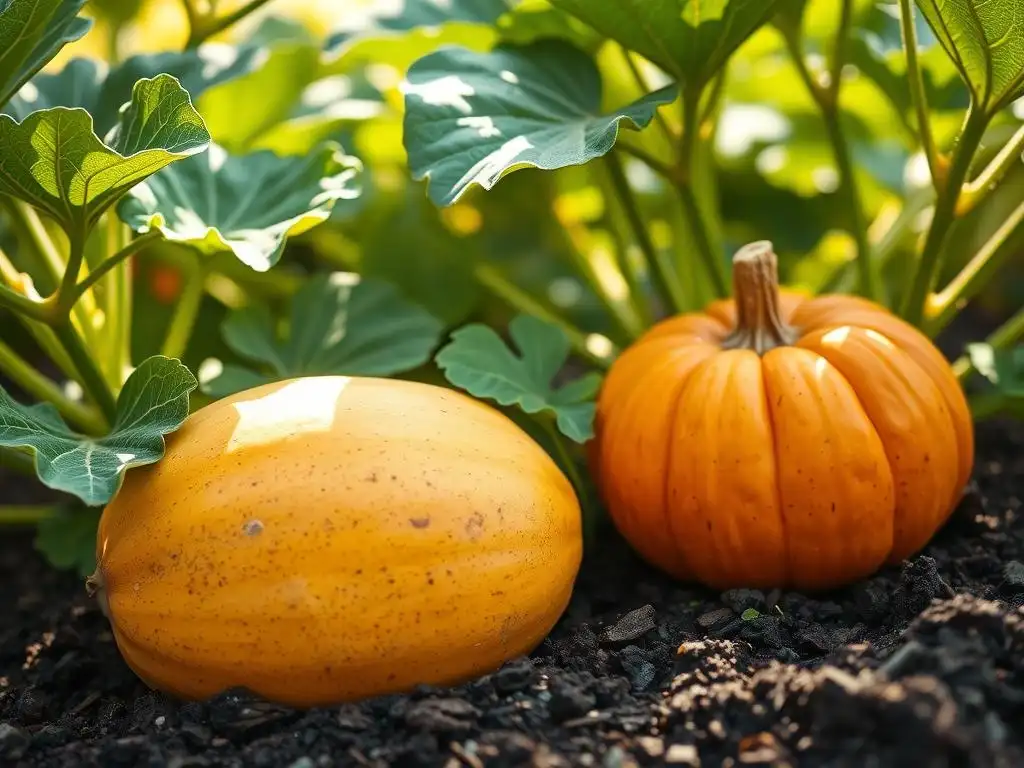
Welcome to CultivateYourFood, your guide to a thriving, sustainable garden! Ready to unlock the secrets to bountiful harvests? We're diving deep into the world of organic gardening, and today we're focusing on achieving peak melon and squash production with our expert advice on organic melon squash fertilizer. Discover the techniques that will transform your garden from seedlings to succulent fruits – let's get growing!
- Understanding Organic Fertilizer for Melons and Squash
- Preparing the Soil for Optimal Nutrient Uptake
- Organic Fertilizer Application Techniques for Melons and Squash
- Organic Fertilizers for Specific Melon and Squash Varieties
- Troubleshooting Nutrient Deficiencies in Melons and Squash
- Maintaining Soil Health for Long-Term Melon and Squash Production
-
Frequently Asked Questions
- What is the best organic fertilizer for melons and squash?
- How often should I fertilize my melons and squash?
- Can I use kitchen scraps as fertilizer for melons and squash?
- What are the signs of nutrient deficiency in melons and squash?
- Are there any organic pest control methods for melons and squash?
- Final Reflection: Nurturing Growth, Naturally
- Unlock Your Melon and Squash Potential!
Understanding Organic Fertilizer for Melons and Squash
Melons and squash, with their juicy fruits and vibrant vines, are rewarding additions to any home garden. However, achieving bountiful harvests requires providing these plants with the right nutrients. This article delves into the world of organic fertilization for melons and squash, guiding you through the essential nutrients, suitable organic fertilizers, and the crucial role of avoiding harmful chemicals for a healthy and sustainable yield.
We'll explore how to effectively nourish your plants using nature's resources, ensuring optimal growth and delicious, organic produce. Choosing the right organic melon squash fertilizer is key to success, and this guide will help you make informed decisions to cultivate thriving plants and abundant harvests. This approach not only benefits your plants but also contributes to a healthier environment, free from the negative impacts of synthetic chemicals.
Essential Nutrients for Healthy Melon and Squash Growth
Melons and squash are heavy feeders, demanding a consistent supply of essential nutrients throughout their growing cycle. These nutrient-hungry plants particularly benefit from a balance of nitrogen (N), phosphorus (P), and potassium (K), often represented as an NPK ratio on fertilizer packaging. Nitrogen promotes vigorous leaf growth and vibrant green foliage.
Phosphorus is crucial for robust root development, flowering, and fruit set. Potassium strengthens plant stems, improves disease resistance, and enhances overall fruit quality. In addition to these macronutrients, micronutrients like calcium, magnesium, and sulfur also play vital roles in plant health.
Deficiencies in any of these nutrients can lead to stunted growth, poor fruit production, and increased susceptibility to pests and diseases. Therefore, understanding the specific nutrient needs of your melon and squash varieties is essential for tailoring your fertilization strategy for optimal results. For instance, a soil test can reveal existing nutrient levels, guiding you in selecting the appropriate organic fertilizer to address any deficiencies.
Choosing the Right Organic Fertilizer: Compost, Manure, and More
The beauty of organic gardening lies in the diverse range of natural fertilizers available. Compost, a readily accessible and highly beneficial option, is rich in a wide array of nutrients and improves soil structure, enhancing drainage and water retention. Well-rotted animal manure, such as cow or chicken manure, provides a potent source of nitrogen and other essential nutrients.
However, remember to use well-composted manure to avoid burning the plants' delicate roots. Other excellent choices include seaweed extracts, which are packed with micronutrients, and bone meal, a slow-release source of phosphorus, ideal for promoting strong root systems and abundant flowering. When selecting an organic fertilizer, consider the specific needs of your plants and the characteristics of your soil.
For example, sandy soils may benefit from fertilizers that improve water retention, while clay soils might require amendments to enhance drainage. Remember to always follow the product instructions carefully, adjusting application rates based on your plants' age and growth stage. Experimenting with different organic options and observing their effects on your plants will help you fine-tune your fertilization strategy over time.
Avoiding Harmful Chemicals: The Importance of Organic Practices
Opting for organic fertilization methods not only benefits your melon and squash plants but also contributes to a healthier ecosystem. Synthetic fertilizers, while providing a quick boost of nutrients, can disrupt soil biology, harming beneficial microorganisms and potentially leaching into groundwater, causing environmental pollution. Furthermore, the use of chemical fertilizers can leave residues on your produce, compromising its nutritional value and potentially posing health risks. By choosing organic methods, you're actively contributing to a more sustainable and environmentally friendly approach to gardening.
This commitment to organic practices safeguards the health of your plants, your soil, and the environment. The rewards extend beyond the abundance of delicious, healthy melons and squash – you'll be cultivating a thriving garden ecosystem that benefits both you and the planet. This mindful approach to fertilization allows you to enjoy the fruits of your labor, knowing you've grown your food sustainably and responsibly.
Preparing the Soil for Optimal Nutrient Uptake

Before even thinking about applying any organic melon squash fertilizer, the foundation – your soil – needs careful preparation. Healthy soil is the cornerstone of successful melon and squash cultivation. Nutrient-rich soil ensures robust growth, enhances disease resistance, and ultimately, results in a bountiful harvest. Neglecting this crucial step can significantly impact your yield, no matter how effective your fertilizer is.
Soil Testing for Nutrient Deficiencies
The first step in preparing your soil is understanding its current nutritional profile. A simple soil test, readily available from most garden centers or agricultural extension offices, can reveal crucial information about your soil's pH level and the presence (or absence) of essential nutrients like nitrogen (N), phosphorus (P), and potassium (K). These macronutrients are vital for melon and squash growth. A deficiency in any of these can lead to stunted growth, poor fruit development, and increased susceptibility to pests and diseases.
For example, nitrogen deficiency manifests as pale yellow leaves, while phosphorus deficiency can result in delayed flowering and fruiting. Knowing your soil's specific needs allows for targeted fertilization, maximizing the effectiveness of your organic melon squash fertilizer and minimizing waste. Without a soil test, you're essentially fertilizing blind, potentially over-applying certain nutrients or neglecting others. This can be detrimental to both your plants and the environment.
Improving Soil Structure for Better Drainage and Aeration
Melons and squash thrive in well-drained soil with good aeration. Compacted soil restricts root growth, limiting the plants' ability to access water and nutrients. Improving soil structure is crucial for optimal nutrient uptake. This can be achieved through several methods:
- Tilling: Carefully tilling the soil to a depth of about 12 inches can break up compacted layers, improving drainage and aeration. However, avoid over-tilling, which can damage soil structure.
- Adding Organic Matter: Incorporating organic matter, such as compost or aged manure, significantly improves soil structure. Organic matter enhances soil porosity, allowing for better water infiltration and oxygen circulation.
- No-Till Gardening: Consider no-till methods for long-term soil health. This practice minimizes soil disturbance, preserving beneficial soil organisms and improving soil structure over time. This is a particularly sustainable approach to organic melon squash fertilizer application.
Amending the Soil with Organic Matter: Compost and Cover Crops
Amending your soil with organic matter is paramount for successful melon and squash cultivation. Organic matter acts as a slow-release organic melon squash fertilizer, providing essential nutrients gradually over time. It also improves soil structure, water retention, and nutrient availability.
- Compost: Well-rotted compost is an excellent source of nutrients and beneficial microbes. Incorporate several inches of compost into the soil before planting. The decomposition process continues in the soil, releasing nutrients as your melons and squash grow.
- Cover Crops: Planting cover crops like legumes (peas, beans) or rye before planting your melons and squash can significantly enrich your soil. Legumes fix nitrogen from the atmosphere, increasing the soil's nitrogen content. Cover crops also improve soil structure and suppress weeds. Incorporating the cover crops into the soil before planting your main crop provides a natural boost of organic matter and nutrients. This is a particularly effective and sustainable approach to building healthy soil for your organic melon squash fertilizer strategy.
Remember, consistent soil improvement is key to long-term success in your vegetable garden. By following these steps, you'll create the ideal environment for your melons and squash to thrive, producing a bountiful harvest. The combination of healthy soil and a well-planned organic melon squash fertilizer application will yield the best results.
Organic Fertilizer Application Techniques for Melons and Squash
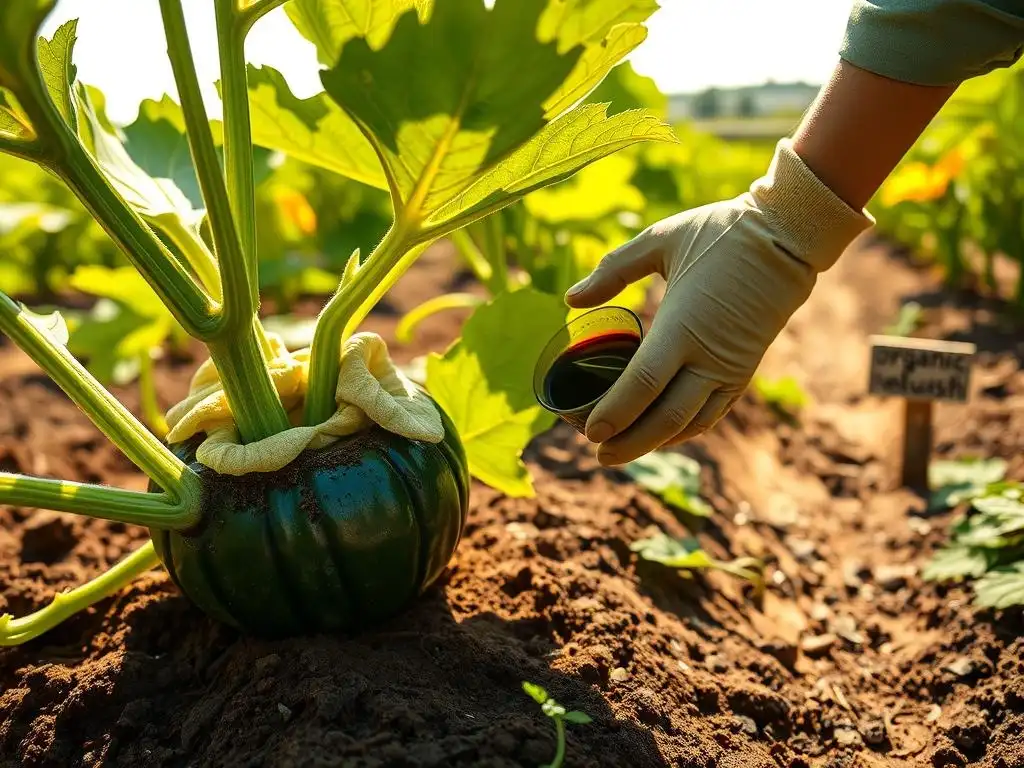
This section details the best organic methods for applying fertilizer to your melon and squash plants, maximizing yield and promoting healthy growth. Remember, consistent, balanced nutrition is key to success with these vining crops. We'll explore three primary techniques: side-dressing, top-dressing, and liquid fertilizer application. Choosing the right method depends on your garden setup, the type of fertilizer used, and the growth stage of your plants. Proper application of organic melon squash fertilizer is crucial for optimal results.
Side-Dressing: Applying Fertilizer Near the Plants
Side-dressing involves placing fertilizer directly alongside the plant's rows, a few inches away from the stems. This technique is particularly effective for delivering nutrients directly to the roots, minimizing nutrient loss and maximizing uptake. Avoid placing fertilizer directly against the stem, as this can burn the delicate plant tissue.
For melons and squash, side-dressing is best done after the plants have established a strong root system, typically about 3-4 weeks after transplanting or germination. This timing allows the plants to effectively utilize the added nutrients.
Several organic options work well for side-dressing:
- Compost: Well-rotted compost provides a slow-release source of essential nutrients. Apply a 2-3 inch layer along the rows, gently mixing it into the top few inches of soil.
- Aged Manure: Similar to compost, aged manure offers a rich blend of nutrients. Use a generous amount, ensuring it's well-broken down to avoid burning the plants.
- Granular Organic Fertilizers: These are commercially available and typically contain a balanced mix of nitrogen, phosphorus, and potassium (NPK). Follow the package instructions carefully for application rates. Remember to water the fertilizer in thoroughly after application.
Top-Dressing: Spreading Fertilizer on the Soil Surface
Top-dressing involves spreading a layer of fertilizer over the soil surface around the plants. This method is simpler than side-dressing but may result in slightly less efficient nutrient uptake as some nutrients can be lost through leaching or volatilization.
Top-dressing is ideal for providing a slow-release boost of nutrients throughout the growing season. It's particularly useful for larger plants and those that have already established a broad root system.
Suitable organic options for top-dressing include:
- Compost Tea: A diluted solution of compost and water, this provides a readily available source of nutrients. Apply it evenly around the plants, avoiding direct contact with the leaves.
- Rock Dust: A rich source of micronutrients, rock dust improves soil health and provides long-term benefits. Spread a thin layer around the plants.
- Seaweed Extract: A natural plant growth stimulant, seaweed extract can enhance nutrient uptake and improve plant vigor. Apply as directed on the product label.
Using Liquid Fertilizers: Diluting and Applying Solutions
Liquid fertilizers offer a quick and efficient way to supply nutrients, especially during periods of rapid growth. However, it's crucial to dilute them correctly to avoid burning the plants. Always follow the manufacturer's instructions for dilution rates. Over-fertilizing can be just as damaging as under-fertilizing.
Effective organic liquid fertilizers include:
- Fish Emulsion: A rich source of nitrogen and other nutrients, fish emulsion provides a readily available food source for plants. Dilute according to package instructions before applying.
- Compost Tea (Concentrated): A stronger brew than that used for top-dressing, this can be diluted and applied directly to the soil or as a foliar spray (on leaves). Always test a small area first to ensure it doesn't damage the foliage.
- Seaweed Extract (Liquid): Similar to the powdered form, liquid seaweed extract boosts plant health and improves nutrient absorption. Apply as directed.
Remember, consistent monitoring of your plants is key. Observe their growth and adjust your fertilization schedule accordingly. A healthy, thriving melon and squash patch is a testament to proper nutrition and diligent care! Using the right organic melon squash fertilizer and application method will contribute significantly to your success.
Timing Fertilizer Applications for Optimal Results
Knowing when to fertilize your melons and squash is crucial for maximizing yields and ensuring healthy plant growth. Over-fertilizing can lead to excessive vegetative growth at the expense of fruit production, while under-fertilizing results in stunted plants and smaller fruits. The optimal timing often depends on the specific variety and your local climate, but some general guidelines apply.
For most melon and squash varieties, the initial application of organic fertilizer should occur at planting time. This provides the seedlings with the nutrients they need to establish a strong root system and begin vigorous growth. A balanced organic fertilizer, such as composted manure or a commercially available organic blend, is ideal for this initial application. Avoid fertilizers high in nitrogen at this stage, as this can promote leaf growth rather than fruit development.
The second application typically occurs around the time the plants begin flowering. This is a critical period for fruit set, and providing additional nutrients at this stage significantly impacts yield. You can use the same balanced organic fertilizer as the initial application, or you can opt for a fertilizer with a slightly higher phosphorus content to encourage flowering and fruiting. Remember to follow the instructions on the fertilizer packaging for application rates.
Depending on the growth rate of your plants and the richness of your soil, a third application might be beneficial during the fruit development phase. This is particularly important if you notice any signs of nutrient deficiency, such as yellowing leaves or stunted growth. Observe your plants closely; if they appear healthy and vigorous, you may not need this third application. Always err on the side of caution and avoid over-fertilizing.
Regular monitoring of your plants is key to determining the optimal timing for fertilizer applications. Visual cues such as leaf color, plant size, and fruit development can provide valuable insights into the nutritional needs of your melons and squash. Remember that organic fertilizers release nutrients more slowly than synthetic fertilizers, so be patient and observe your plants' response. Consistent monitoring and timely applications of organic melon squash fertilizer will contribute significantly to a bountiful harvest.
Organic Fertilizers for Specific Melon and Squash Varieties
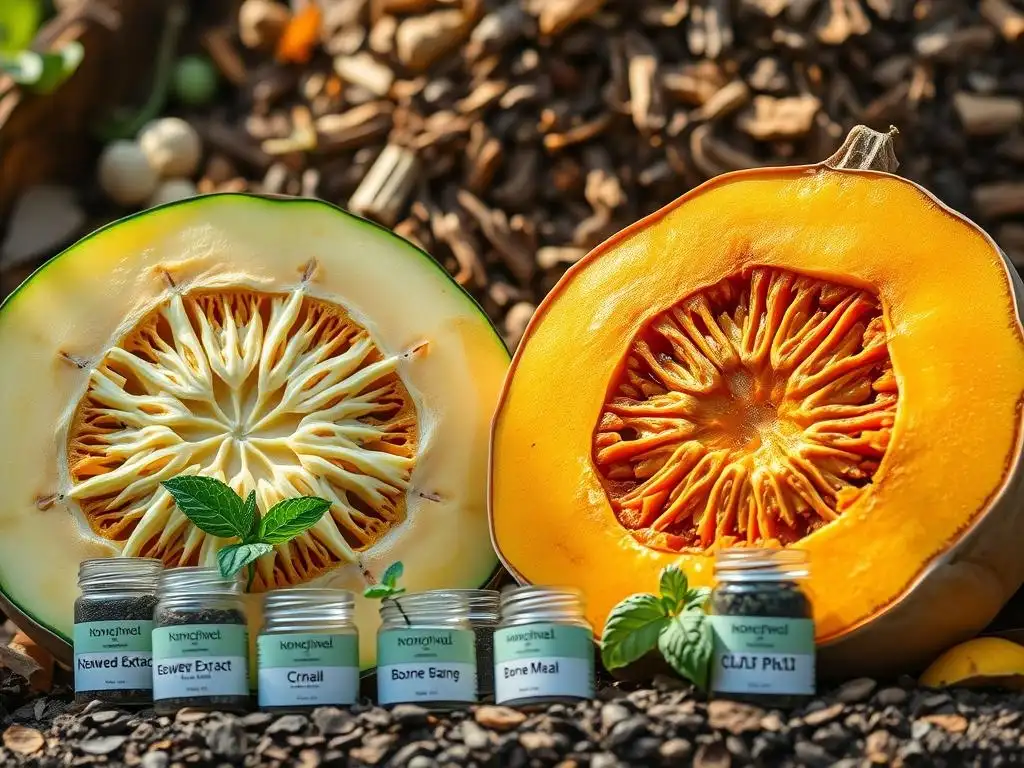
Choosing the right organic fertilizer is crucial for healthy and bountiful melon and squash harvests. Different varieties have slightly different nutritional needs, so a one-size-fits-all approach isn't always ideal. Let's explore some excellent organic options tailored to specific popular types. Remember, soil testing is always recommended before applying any fertilizer to understand your soil's existing nutrient levels and avoid over-fertilizing. Over-fertilizing can lead to excessive vegetative growth at the expense of fruit production, a common problem when using "organic melon squash fertilizer" without proper planning.
Best Organic Fertilizers for Watermelons
Watermelons are heavy feeders, demanding ample nutrients throughout their growing season. They benefit significantly from a balanced organic fertilizer rich in nitrogen (N), phosphorus (P), and potassium (K), often represented as an NPK ratio. A good choice would be a compost tea enriched with kelp meal. Kelp meal provides a broad spectrum of micronutrients essential for watermelon's vigorous growth and sweet fruit development.
Consider supplementing with a slow-release granular fertilizer like bone meal (high in phosphorus, crucial for root and fruit development) or blood meal (a good source of nitrogen). Avoid applying fertilizer directly to the plant; instead, apply it around the base, keeping it a few inches away from the stem. This prevents burning the delicate plant tissues.
Remember to water thoroughly after fertilizing to help the nutrients dissolve and reach the roots. Regular applications, every 3-4 weeks, are generally recommended, adjusting based on your soil test results and plant growth. Monitoring the plants for signs of nutrient deficiency (yellowing leaves, stunted growth) can help you determine if adjustments are needed to your "organic melon squash fertilizer" strategy.
Best Organic Fertilizers for Cantaloupes
Cantaloupes share similar nutrient requirements with watermelons, though they might be slightly less demanding. A well-rotted compost, incorporated into the soil before planting, provides a solid foundation of essential nutrients. Compost improves soil structure, aeration, and water retention – all beneficial for cantaloupe growth.
Adding a top dressing of aged chicken manure or worm castings every few weeks can provide a gentle boost of nitrogen and other vital nutrients. These options are excellent sources of readily available nutrients, unlike some slower-releasing options. Worm castings, in particular, are known for their high concentration of beneficial microorganisms that improve soil health and nutrient uptake.
For an extra boost of potassium, which aids in fruit sweetness and size, consider using wood ash (ensure it's completely cooled before applying). Remember to monitor your cantaloupes for signs of nutrient deficiency, ensuring your "organic melon squash fertilizer" plan is working effectively. A healthy cantaloupe vine will exhibit robust growth and abundant fruit production.
Best Organic Fertilizers for Squash Varieties (Butternut, Zucchini, etc.)
Squash varieties, encompassing butternut, zucchini, and others, also thrive with organic fertilization. However, their nutrient needs may vary slightly depending on the specific type. Butternut squash, for instance, often benefits from a higher potassium content for optimal fruit development.
A combination of compost and a balanced organic fertilizer with a slightly higher potassium content (e.g., an NPK ratio of 5-10-10) can be very effective. Epsom salts (magnesium sulfate) can be a valuable addition, especially for zucchini, as magnesium is essential for chlorophyll production and overall plant health. Applying Epsom salts as a foliar spray can address magnesium deficiencies quickly.
Over-fertilizing squash can lead to excessive vine growth at the expense of fruit production, so it's crucial to monitor the plants and adjust your fertilization strategy accordingly. Always remember that consistent monitoring and soil testing are key to successful organic gardening with any "organic melon squash fertilizer". Proper observation and adjustments are vital for healthy plants and a rewarding harvest.
Troubleshooting Nutrient Deficiencies in Melons and Squash
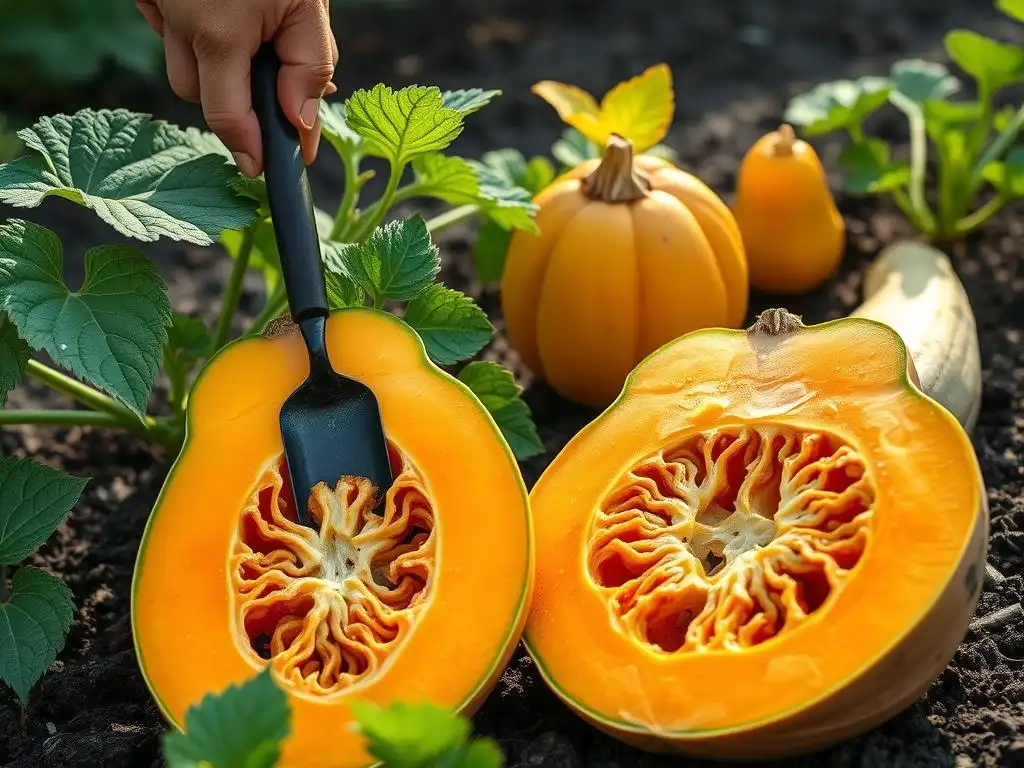
Melons and squash, heavy feeders known for their prolific fruit production, are particularly susceptible to nutrient deficiencies if not properly fertilized. Understanding the signs of these deficiencies and implementing effective organic solutions is crucial for maximizing yield and ensuring healthy plants. Ignoring these deficiencies can lead to stunted growth, poor fruit development, and reduced overall harvest, impacting the quality and quantity of your organic melon and squash.
This section will equip you with the knowledge to identify and address these nutritional imbalances organically. Mastering organic fertilization techniques for these crops is key to achieving a bountiful harvest of delicious, nutrient-rich produce.
Identifying Signs of Nutrient Deficiencies
Recognizing nutrient deficiencies early is key to successful intervention. Different nutrients manifest in distinct ways:
- Nitrogen (N) Deficiency: Symptoms typically appear as yellowing of older leaves (chlorosis), starting at the base of the plant and progressing upwards. Growth will be stunted, and the overall plant will appear pale and weak. Fruits may be small and underdeveloped.
- Phosphorus (P) Deficiency: Phosphorus deficiency can cause stunted growth, with dark green or purplish leaves, particularly on older leaves. Flowering and fruiting may be delayed or reduced. The leaves may also exhibit a bronze or reddish hue.
- Potassium (K) Deficiency: Potassium deficiency often presents as yellowing and browning of leaf margins, beginning at the edges and progressing inwards. Leaf scorch is a common symptom, and the plant may become susceptible to diseases. Fruit quality and size can also be affected.
- Micronutrient Deficiencies: Micronutrients like iron, zinc, manganese, and boron are essential in smaller quantities but are equally vital. Deficiencies can manifest in various ways, including interveinal chlorosis (yellowing between leaf veins), stunted growth, and deformed leaves. The specific symptoms vary depending on the deficient micronutrient.
Observing your plants regularly – ideally weekly – will allow you to catch these deficiencies early. Keep a keen eye on leaf color, growth rate, and overall plant vigor. A healthy melon or squash plant should exhibit vibrant green foliage and strong, robust growth. If you notice any deviations from this norm, consider the possibility of nutrient deficiency. Remember that environmental factors like drought stress can exacerbate nutrient deficiency symptoms.
Correcting Nitrogen, Phosphorus, and Potassium Deficiencies Organically
Organic solutions are readily available to address macronutrient deficiencies in your melons and squash. Avoid synthetic fertilizers; instead, opt for natural alternatives that enhance soil health and promote sustainable growth:
| Nutrient | Deficiency Symptoms | Organic Solutions | Application Method |
|---|---|---|---|
| Nitrogen (N) | Yellowing of older leaves, stunted growth | Compost tea, aged manure, cover crops (legumes), blood meal | Apply as a liquid feed or incorporate into the soil around the plants. |
| Phosphorus (P) | Stunted growth, dark green or purplish leaves | Rock phosphate, bone meal | Work into the soil before planting or as a side dressing. |
| Potassium (K) | Yellowing and browning of leaf margins, leaf scorch | Wood ash (ensure low salt content), kelp meal | Apply as a side dressing or mix into the soil. |
Remember to always follow product instructions regarding application rates. Over-fertilizing can be just as detrimental as under-fertilizing. Regular soil testing can help you determine the precise nutrient levels in your soil and guide your fertilization strategy. A balanced approach, incorporating organic matter regularly, is key to preventing future deficiencies.
Dealing with Micronutrient Deficiencies
Micronutrient deficiencies, while less common, can significantly impact plant health. Diagnosing specific micronutrient deficiencies requires more specialized testing, but certain organic amendments can help prevent or address them:
- Iron (Fe): Iron deficiency often manifests as interveinal chlorosis. Chelated iron supplements are available, but you can also improve soil drainage and aeration to increase iron availability.
- Zinc (Zn): Zinc deficiency can cause stunted growth and small, malformed leaves. Applying zinc sulfate (in a chelated form) can help, though ensuring good soil drainage is equally important.
- Manganese (Mn): Similar to iron and zinc, manganese deficiencies can cause interveinal chlorosis. Soil acidity influences manganese availability; amending the soil with organic matter can improve its availability.
- Boron (B): Boron deficiency often results in deformed leaves and reduced fruit set. Borax (in low concentrations) can be used to correct boron deficiencies, but again, proper soil drainage is essential.
For micronutrient deficiencies, soil testing is highly recommended to identify the specific nutrient lacking. This allows for targeted application of the appropriate organic amendment, preventing unnecessary applications and promoting efficient resource management. Always prioritize soil health through the consistent addition of organic matter, which enhances overall nutrient availability and reduces the likelihood of micronutrient deficiencies. This holistic approach promotes a healthy, thriving ecosystem for your melons and squash to flourish.
Maintaining Soil Health for Long-Term Melon and Squash Production
Healthy soil is the cornerstone of successful organic melon and squash cultivation. Ignoring soil health leads to nutrient deficiencies, increased susceptibility to pests and diseases, and ultimately, lower yields. Focusing on organic practices ensures not only bountiful harvests but also contributes to a sustainable gardening ecosystem. The key to achieving this lies in a holistic approach encompassing composting, crop rotation, and cover cropping. This section will delve into these crucial techniques, providing you with the knowledge to cultivate thriving melon and squash plants year after year, using organic melon squash fertilizer methods.
Composting and Recycling Plant Material
Composting is a fundamental practice in organic gardening, providing a rich, nutrient-dense amendment that improves soil structure, water retention, and microbial activity. For melon and squash, composting offers significant advantages. These plants are heavy feeders, demanding ample nutrients throughout their growing cycle. By composting kitchen scraps (avoiding meat and dairy), yard waste (leaves, grass clippings), and even spent melon and squash plants from previous seasons, you create a valuable organic melon squash fertilizer.
The process is relatively straightforward. A simple compost pile can be constructed using readily available materials, or you can invest in a compost bin for more controlled decomposition. Ensure a proper carbon-to-nitrogen ratio for optimal breakdown. A mix of "brown" materials (carbon-rich like dried leaves) and "green" materials (nitrogen-rich like grass clippings and food scraps) is essential.
Regularly turning the pile promotes aeration and speeds up the composting process. The finished compost, dark and crumbly, is then incorporated into your soil before planting. This provides a slow-release source of nutrients, feeding your plants throughout their entire growth cycle. Remember, consistent composting provides a continuous supply of natural organic melon squash fertilizer.
Crop Rotation to Enhance Soil Fertility
Crop rotation is a strategic planting technique that involves rotating different plant families in a specific sequence across successive growing seasons. This practice significantly reduces the build-up of soilborne pests and diseases and improves soil fertility. For melon and squash (part of the Cucurbitaceae family), rotating with non-cucurbit plants helps break pest and disease cycles. For example, planting legumes (beans, peas) the year before melons and squash can enrich the soil with nitrogen, a crucial nutrient for these plants. This natural nitrogen fixation reduces the need for synthetic fertilizers, a core principle of organic gardening.
A typical rotation might look like this:
| Year | Crop Family | Example Crops | Benefits |
|---|---|---|---|
| 1 | Legumes | Beans, peas, clover | Nitrogen fixation, improves soil structure |
| 2 | Brassicas | Cabbage, broccoli, kale | Improves soil health, pest control |
| 3 | Cucurbits | Melons, squash, cucumbers | Healthy growth, high yield |
| 4 | Solanaceae | Tomatoes, peppers, eggplant | Disease suppression |
By strategically rotating crops, you minimize the risk of soil depletion and maintain healthy, productive soil for your melon and squash cultivation, further reducing your need for external organic melon squash fertilizer.
Cover Cropping to Improve Soil Health and Nutrient Levels
Cover cropping involves planting specific plants to improve soil health between main crops. These plants, often legumes or grasses, are not harvested but instead tilled into the soil, adding organic matter and nutrients. Cover crops are excellent for preventing soil erosion, suppressing weeds, and improving soil structure. For melon and squash, planting a cover crop, such as clover or rye, during the off-season is beneficial. These plants enrich the soil with nitrogen and organic matter, providing a natural boost before planting your next melon and squash crop.
The benefits of cover cropping are numerous:
- Improved Soil Structure: Cover crops help loosen compacted soil, improving drainage and aeration.
- Increased Organic Matter: Decomposing cover crop residue adds organic matter, improving soil fertility and water retention.
- Nutrient Cycling: Cover crops, particularly legumes, fix nitrogen in the soil, reducing the need for external fertilizers and acting as a natural organic melon squash fertilizer.
- Weed Suppression: A dense cover crop helps suppress weed growth, reducing competition for nutrients and water.
Choosing the right cover crop for your region and soil type is crucial. Research local recommendations for optimal results. By incorporating cover cropping into your gardening routine, you actively contribute to long-term soil health and sustainable melon and squash production. This is a key element of creating a vibrant and naturally fertilized environment for your plants, reducing reliance on external organic melon squash fertilizer inputs.
Frequently Asked Questions
What is the best organic fertilizer for melons and squash?
A balanced organic fertilizer like compost tea, worm castings, or a commercially available organic blend rich in nitrogen, phosphorus, and potassium is ideal. Avoid synthetic fertilizers.
How often should I fertilize my melons and squash?
Fertilize every 2-3 weeks after seedlings establish, using a diluted solution. Adjust frequency based on plant growth and soil testing results. Over-fertilizing can harm plants.
Can I use kitchen scraps as fertilizer for melons and squash?
Yes, composting kitchen scraps creates a nutrient-rich amendment for your soil. Ensure proper composting techniques to avoid attracting pests. Add it to the soil before planting.
What are the signs of nutrient deficiency in melons and squash?
Look for yellowing leaves, stunted growth, or poor fruit development. These could indicate a need for additional nutrients. A soil test can help determine specific deficiencies.
Are there any organic pest control methods for melons and squash?
Yes, use companion planting (marigolds, basil), diatomaceous earth, or neem oil to deter pests organically. Avoid harmful pesticides.
Final Reflection: Nurturing Growth, Naturally
The quest for healthy, vibrant melons and squash, grown without harmful chemicals, is more relevant than ever. In a world increasingly concerned with sustainable practices and food safety, embracing organic methods isn't just a choice—it's a responsibility. The techniques explored in this article, from composting to beneficial insect attraction, offer a pathway to bountiful harvests while minimizing our environmental footprint.
The journey towards organic gardening is a deeply rewarding one, fostering a connection with nature that extends beyond the simple act of cultivation. It's about understanding the intricate dance between soil, plant, and environment, a dance that requires patience, observation, and a deep respect for the natural world. As the great naturalist, Henry David Thoreau, once wrote: Go confidently in the direction of your dreams. Live the life you've imagined.
This sentiment perfectly encapsulates the spirit of organic gardening – a pursuit driven by a vision of healthy food and a thriving ecosystem.
Now, consider your own garden, or even a single potted plant. What steps can you take today to nurture growth naturally? Will you try composting your kitchen scraps? Will you research beneficial insects for your region? The path to organic success begins with a single seed, a single act of commitment, and a willingness to learn and adapt. Embrace the challenge, and watch your garden—and your understanding of the natural world—flourish.
Unlock Your Melon and Squash Potential!
Thank you for learning about organic fertilization for melons and squash! We hope you feel confident in growing healthier, tastier fruit this season. Now it's time to put your knowledge into practice.
- Start fertilizing today! Use the organic methods described in the article to give your plants the nutrients they need for a bountiful harvest.
- Share your gardening journey! We'd love to see photos of your thriving plants on social media – please share your experience with organic fertilizers.
- Experiment with different organic fertilizers to discover what works best for your specific melon and squash varieties.
What unexpected benefits have you seen from using organic fertilizers in your garden? Share your experiences in the comments below!