
How to Grow Organic Tomatoes, Peppers and Eggplant

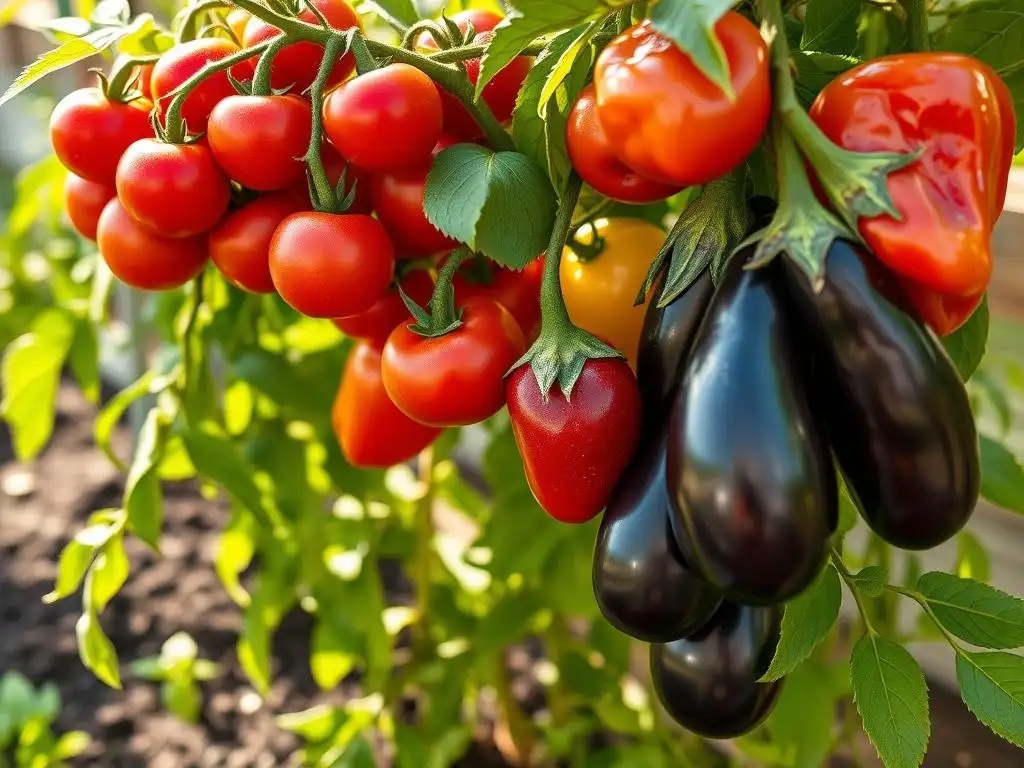
Ready to transform your backyard into a vibrant, organic oasis? At CultivateYourFood, we empower you to grow your own delicious fruits, vegetables, and herbs. Learn the secrets to a bountiful harvest with our expert guide on how to grow organic peppers, tomatoes, and eggplant, covering everything from planting to pest control. Discover the surprisingly simple techniques for sustainable gardening and unlock the joy of fresh, homegrown produce. Let's get growing!
- Planning Your Organic Garden for Peppers, Tomatoes, and Eggplant
- Planting Your Organic Peppers, Tomatoes, and Eggplants
- Organic Pest and Disease Control for Peppers, Tomatoes, and Eggplants
- Organic Fertilizing and Watering for Tomatoes, Peppers, and Eggplants
- Harvesting Your Organic Tomatoes, Peppers, and Eggplants
- Post-Harvest Care and Storage for Organic Produce
-
Frequently Asked Questions
- What is the best way to start seeds for organic tomatoes, peppers, and eggplant?
- How much sunlight do organic tomatoes, peppers, and eggplants need?
- What kind of soil is best for growing organic tomatoes, peppers, and eggplants?
- How can I control pests and diseases organically when growing these crops?
- When is the best time to harvest organic tomatoes, peppers, and eggplants?
- Final Reflection: Cultivating a Bountiful and Sustainable Harvest
- Unleash Your Inner Gardener: Grow the Freshest Vegetables Yet!
Planning Your Organic Garden for Peppers, Tomatoes, and Eggplant
Growing organic peppers, tomatoes, and eggplant can be a rewarding experience, providing you with fresh, flavorful produce while promoting sustainable gardening practices. This guide will walk you through the essential steps to successfully cultivate these fruiting vegetables in your home garden, focusing on organic methods that nurture both your plants and the environment. We'll cover everything from selecting the perfect location and choosing high-quality seeds to preparing the soil and implementing organic pest control strategies.
By following these steps, you'll be well on your way to a bountiful harvest of delicious organic peppers, tomatoes, and eggplant. This comprehensive guide is designed to help you achieve success regardless of your experience level, providing detailed information and practical advice for every stage of the growing process. Let's get started!
Selecting the Right Location: Sunlight and Soil for Optimal Growth
Choosing the right location is crucial for a successful organic pepper, tomato, and eggplant harvest. These plants are sun-worshippers, requiring at least 6-8 hours of direct sunlight daily. A location with full sun exposure will ensure robust growth and abundant fruit production. Furthermore, the soil plays a vital role in their health.
Well-draining soil is paramount; these plants are susceptible to root rot in waterlogged conditions. Before planting, amend your soil with plenty of organic matter, such as compost, to improve its structure, drainage, and nutrient content. Ideally, the soil should be rich in organic matter and have a slightly acidic pH (6.0-6.8).
Consider conducting a soil test to determine its current pH and nutrient levels, allowing you to tailor your soil amendments accordingly. Remember to avoid areas prone to frost or strong winds, as these can damage delicate seedlings and young plants. Proper site selection lays the foundation for a thriving and productive organic garden.
Choosing Organic Seeds or Seedlings: Varieties for Your Climate
Selecting the right seeds or seedlings is another key element in growing healthy and productive organic peppers, tomatoes, and eggplant. Consider your climate when making your choice. Choose varieties that are well-suited to your region's growing season and temperature range. Look for disease-resistant varieties to minimize the need for chemical interventions.
When purchasing seeds, make sure they are certified organic to ensure they haven't been treated with pesticides or other harmful chemicals. Starting your plants from seeds allows for a wider selection of varieties and can be a cost-effective option. However, it requires more time and attention. Seedlings, on the other hand, provide a head start and are a good option for beginners or those with a shorter growing season.
Whether you choose seeds or seedlings, ensure they are sourced from reputable suppliers committed to organic practices. Carefully read the seed packet or seedling label for planting instructions specific to the variety you've chosen. Remember to choose varieties that align with your preferences – whether you prefer cherry tomatoes, bell peppers, or specific eggplant cultivars.
Soil Preparation: Building Healthy Soil for Fruiting Vegetables
Preparing the soil is a crucial step in organic gardening. Healthy soil provides the foundation for vigorous growth and abundant yields. Before planting, enrich your soil with a generous amount of organic compost. This improves soil structure, drainage, and nutrient content, creating a thriving environment for your plants.
Compost also helps retain moisture, reducing the need for frequent watering. Additionally, consider incorporating other organic amendments such as aged manure or worm castings to further enhance soil fertility. These amendments provide essential nutrients to support the growth of your peppers, tomatoes, and eggplants. Avoid using chemical fertilizers, as they can disrupt the delicate balance of the soil ecosystem and potentially harm beneficial microorganisms.
Remember, building healthy soil is an ongoing process. Regularly adding organic matter will maintain soil health and fertility over time, ensuring a productive and sustainable organic garden for years to come. The time and effort invested in soil preparation will significantly contribute to the success of your organic pepper, tomato, and eggplant harvest.
Planting Your Organic Peppers, Tomatoes, and Eggplants
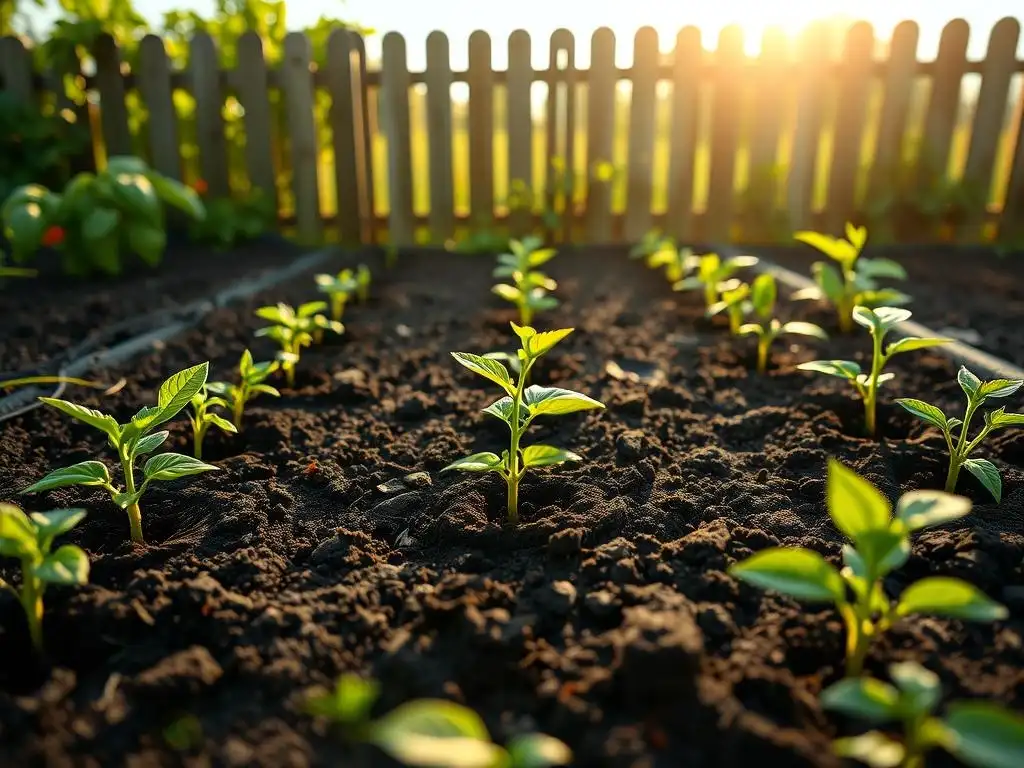
This section details the crucial first steps in cultivating healthy and productive organic pepper, tomato, and eggplant plants. Success hinges on proper transplanting or direct sowing techniques, and ensuring appropriate spacing to prevent competition for resources. Remember, organic gardening prioritizes soil health and natural pest control, setting the stage for a bountiful harvest. Let's delve into the specifics of getting your plants off to a strong start.
Transplanting Seedlings: The Right Timing and Technique
Transplanting seedlings, whether purchased or started from seed indoors, requires careful timing and technique. The ideal time depends on your climate and specific plant type. Generally, wait until the threat of frost has passed and soil temperatures have warmed to at least 60°F (15°C). For peppers and eggplants, this might mean waiting a little longer than for tomatoes, as they are more sensitive to cold.
Choosing healthy seedlings is paramount. Look for vigorous plants with dark green leaves, no signs of disease or pests, and a strong root system. Avoid leggy seedlings that have stretched excessively towards light.
When transplanting, gently remove the seedling from its container, taking care not to damage the roots. If the roots are circling, gently loosen them. Dig a hole slightly larger than the root ball, ensuring the top of the root ball is level with the soil surface. Gently place the seedling in the hole, backfill with soil, and firmly press down around the base of the plant. Water thoroughly after planting to settle the soil and help the roots establish themselves.
Here's a helpful table summarizing ideal transplanting times for different climates:
| Climate Zone | Tomatoes (Transplant) | Peppers (Transplant) | Eggplant (Transplant) |
|---|---|---|---|
| 7-10 | Mid-Spring to Early Summer | Late Spring to Early Summer | Late Spring to Early Summer |
| 5-6 | Late Spring | Early to Mid-Summer | Early to Mid-Summer |
| Below 5 | Consider starting seeds indoors and transplanting later in the season | Consider starting seeds indoors and transplanting later in the season | Consider starting seeds indoors and transplanting later in the season |
Remember to harden off seedlings before transplanting outdoors. This gradual acclimation to outdoor conditions reduces transplant shock and improves survival rates. Gradually increase exposure to sunlight and wind over a period of 7-10 days.
Direct Sowing: When and How to Sow Seeds Directly into the Garden
Direct sowing seeds into the garden is a viable option, particularly for tomatoes, although peppers and eggplant often benefit from the head start provided by starting indoors. Soil temperature is crucial for germination; aim for at least 65°F (18°C) for tomatoes and slightly warmer for peppers and eggplants.
Choose a sunny location with well-drained soil rich in organic matter. Prepare the soil by removing any weeds and rocks. Sow seeds at the recommended depth (usually ½ inch to 1 inch) and spacing. Water gently after sowing, keeping the soil consistently moist but not soggy. Thin seedlings once they have developed their first true leaves, leaving the strongest plants at the recommended spacing. Direct sowing allows for a more natural integration of the plant into its environment.
Spacing for Optimal Growth: Avoiding Overcrowding
Proper spacing is crucial for maximizing yield and minimizing disease. Overcrowding leads to competition for sunlight, water, and nutrients, resulting in smaller fruits and increased susceptibility to pests and diseases.
The recommended spacing varies depending on the plant type and variety. Generally:
- Tomatoes: Allow 18-36 inches between plants, depending on the variety. Larger indeterminate varieties require more space than smaller determinate varieties.
- Peppers: Space plants 12-18 inches apart.
- Eggplant: Space plants 18-24 inches apart.
Consider your plant's mature size when planning spacing, ensuring sufficient room for growth throughout the season. Adequate spacing also improves airflow, reducing the risk of fungal diseases. Proper spacing is a simple yet effective strategy to improve the overall health and productivity of your organic pepper, tomato, and eggplant plants. Remember to account for the mature size of each plant to ensure optimal yield and minimal competition for resources. This will contribute significantly to growing healthy and productive organic fruiting vegetables. 🍅🌶️🍆
Organic Pest and Disease Control for Peppers, Tomatoes, and Eggplants
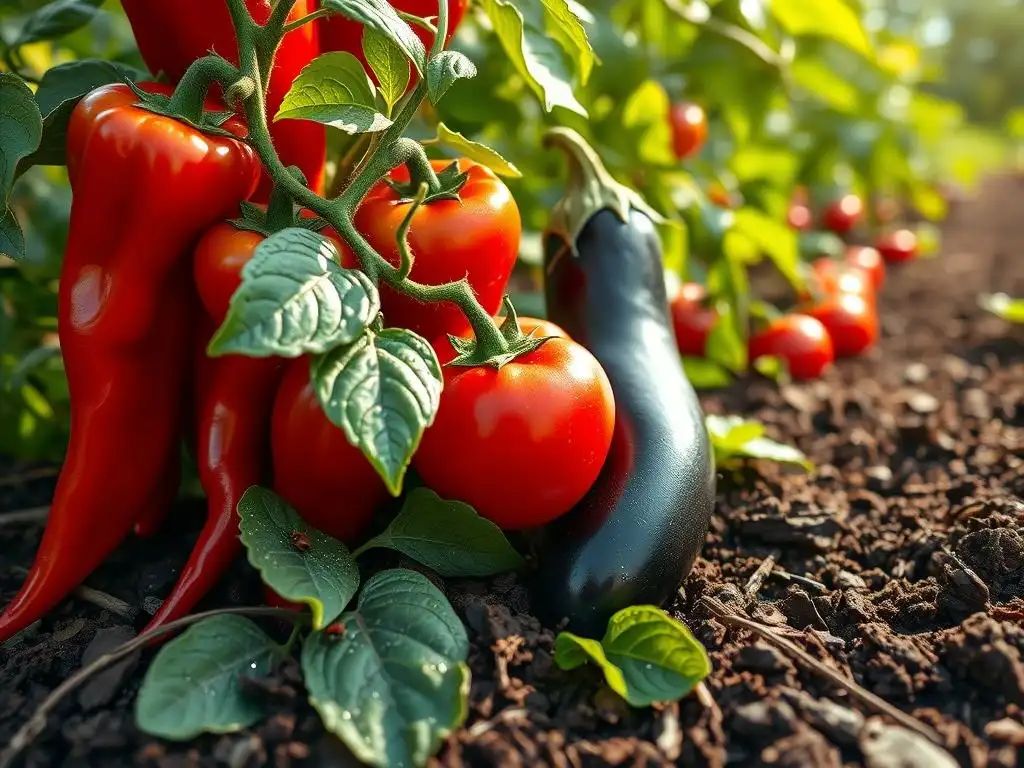
Growing organic peppers, tomatoes, and eggplants means prioritizing natural pest and disease control methods. Chemical pesticides are off the table, so understanding how to identify threats early and implement effective organic solutions is crucial for a bountiful harvest. This section details strategies for maintaining healthy, thriving plants while adhering to organic principles. This approach ensures you're not only growing delicious produce but also contributing to a healthier environment. Let's delve into the specifics of organic pest and disease management for these popular fruiting vegetables.
Identifying Common Pests and Diseases: Early Detection is Key
Early detection is the cornerstone of successful organic pest and disease control. Regular monitoring of your plants is essential. Knowing what to look for will allow you to intervene quickly and prevent widespread infestation or infection. Here are some common threats to peppers, tomatoes, and eggplants and the signs to watch for:
- Pests:
- Aphids: Tiny, soft-bodied insects that cluster on leaves and stems, sucking plant sap. Look for curled or distorted leaves and sticky honeydew.
- Whiteflies: Small, white, flying insects that congregate on the undersides of leaves, causing yellowing and wilting.
- Tomato Hornworms: Large, green caterpillars that devour tomato foliage. Look for large droppings and significant leaf damage.
- Spider Mites: Microscopic mites that spin webs on the undersides of leaves, causing stippling and yellowing. Use a magnifying glass for easier identification.
- Cutworms: Nocturnal caterpillars that cut off young seedlings at ground level. Look for severed stems at the soil line.
- Diseases:
- Blossom-End Rot: A physiological disorder characterized by dark, leathery spots at the blossom end of the fruit. This is usually caused by inconsistent watering.
- Early Blight: A fungal disease causing brown spots on leaves and stems, often starting from the bottom of the plant.
- Late Blight: A more aggressive fungal disease that causes large, dark brown or black lesions on leaves, stems, and fruit. It can spread rapidly and cause significant damage.
- Verticillium Wilt: A soilborne fungal disease causing wilting and yellowing of leaves. It affects the plant's vascular system.
- Fusarium Wilt: Similar to Verticillium wilt, this soilborne fungal disease causes wilting and yellowing, often affecting only one side of the plant.
Remember to carefully examine your plants regularly, paying close attention to both the upper and lower surfaces of leaves and the stems. Taking photos of suspicious issues can help with identification and tracking progress. Early intervention significantly improves the chances of successful organic control.
Natural Pest Control Methods: Organic Solutions for Common Problems
Once pests are identified, several organic methods can effectively control their populations. These methods minimize harm to beneficial insects and the environment.
| Pest | Organic Control Methods |
|---|---|
| Aphids | Insecticidal soap, neem oil, strong water spray, encouraging ladybugs |
| Whiteflies | Yellow sticky traps, neem oil, insecticidal soap |
| Tomato Hornworms | Handpicking, Bacillus thuringiensis (Bt) |
| Spider Mites | Neem oil, insecticidal soap, increasing humidity |
| Cutworms | Collars around seedlings, handpicking, Bacillus thuringiensis (Bt) |
For example, neem oil, a natural insecticide derived from the neem tree, is effective against a wide range of pests. Insecticidal soap disrupts the pests' cell membranes, causing them to dehydrate and die. Remember to always follow the product instructions carefully. Beneficial insects like ladybugs can also be introduced to help control aphid populations. Creating a diverse garden ecosystem encourages natural pest predators.
Disease Prevention: Maintaining Healthy Plants Through Organic Practices
Preventing diseases is often more effective than treating them. Here are some key organic practices to maintain healthy plants and minimize disease risk:
- Crop Rotation: Rotating your crops each year helps to break disease cycles and reduce the buildup of soilborne pathogens. Avoid planting tomatoes, peppers, and eggplants in the same location for consecutive years.
- Soil Health: Healthy soil is crucial for disease resistance. Use compost and other organic matter to improve soil fertility and drainage. Well-drained soil reduces the risk of fungal diseases.
- Proper Watering: Consistent watering is vital, avoiding both overwatering and underwatering. Overwatering can lead to fungal diseases, while underwatering can stress plants and make them more susceptible to disease. Water at the base of the plant to avoid wetting the foliage.
- Spacing: Proper spacing between plants promotes good air circulation, reducing the risk of fungal diseases. Overcrowded plants are more prone to disease.
- Sanitation: Remove and destroy infected plant material immediately to prevent the spread of disease. Clean garden tools regularly to avoid spreading pathogens.
By implementing these organic pest and disease management strategies, you can cultivate healthy, productive pepper, tomato, and eggplant plants, ensuring a plentiful and delicious harvest while upholding sustainable and environmentally friendly practices. Remember that consistent observation and proactive measures are key to success in organic gardening.
Organic Fertilizing and Watering for Tomatoes, Peppers, and Eggplants
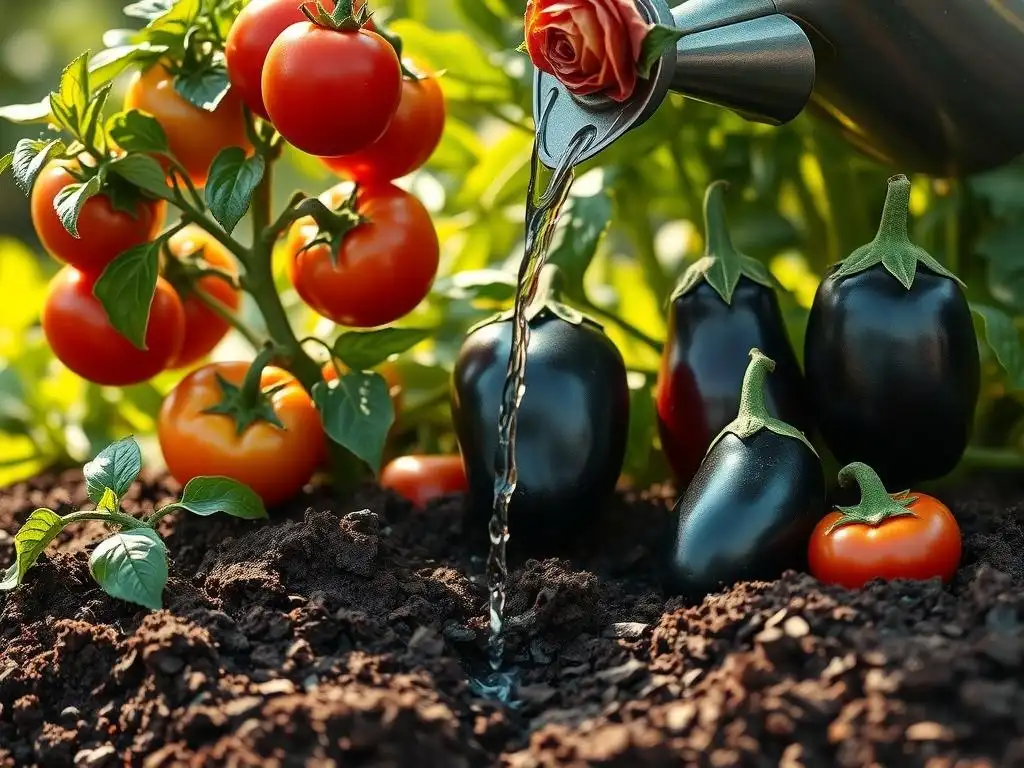
Growing vibrant, healthy organic tomatoes, peppers, and eggplants requires a careful balance of nutrients and moisture. Ignoring either aspect can lead to stunted growth, reduced yields, and increased susceptibility to pests and diseases. This section details organic fertilization and watering strategies crucial for successful cultivation.
Organic Fertilizer Options: Choosing the Right Nutrients
Organic fertilizers provide essential nutrients for your fruiting vegetables without the harmful effects of synthetic chemicals. Choosing the right fertilizer depends on your soil's existing nutrient levels and the specific needs of your plants. A soil test is highly recommended before selecting a fertilizer to accurately gauge your soil's deficiencies.
Several excellent organic options exist:
- Compost: A readily available and highly beneficial fertilizer, compost improves soil structure, aeration, and water retention. Mature compost is rich in a wide range of nutrients. Aim for a dark brown, crumbly texture, indicating complete decomposition.
- Worm Castings: These are the excrement of earthworms, incredibly nutrient-rich and gentle on plants. They're a fantastic source of readily available nutrients and beneficial microbes that enhance soil health. They're often considered a "superfood" for plants.
- Bone Meal: A good source of phosphorus, crucial for root development and fruit production. Use bone meal sparingly, as it's a slow-release fertilizer.
- Blood Meal: A high-nitrogen fertilizer, beneficial for leafy growth. Use cautiously, as excessive nitrogen can lead to lush foliage at the expense of fruit production.
- Seaweed Extract: A liquid fertilizer rich in micronutrients and growth hormones. It strengthens plants and improves their resilience to stress.
Consider the following when selecting and applying organic fertilizers:
| Fertilizer Type | Primary Nutrient(s) | Application Method | Application Rate (Approximate) | Notes |
|---|---|---|---|---|
| Compost | Balanced | Side-dressing, top-dressing | 2-4 inches thick | Ensure it's fully composted. |
| Worm Castings | Balanced | Side-dressing, top-dressing | 1-2 inches thick | Can be mixed into the soil before planting. |
| Bone Meal | Phosphorus | Side-dressing, incorporation | 1-2 cups per plant | Slow-release, use sparingly. |
| Blood Meal | Nitrogen | Side-dressing | 1-2 cups per plant | High nitrogen, use cautiously. |
| Seaweed Extract | Micronutrients | Foliar spray, watering | Follow product instructions | Can be used throughout the growing season. |
Remember to always follow the instructions on the product label for proper application rates. Over-fertilizing can be as detrimental as under-fertilizing.
Watering Techniques: Balancing Moisture and Avoiding Overwatering
Proper watering is critical for healthy tomato, pepper, and eggplant plants. These plants prefer consistently moist soil, but overwatering can lead to root rot and other fungal diseases.
Here are some key watering tips:
- Water deeply and infrequently: Instead of frequent shallow watering, water deeply and less often. This encourages deep root growth, making plants more drought-tolerant. The soil should be moist several inches down.
- Water at the base of the plants: Avoid wetting the foliage, as this can encourage fungal diseases. Use a soaker hose or drip irrigation system for efficient watering.
- Monitor soil moisture: Check the soil moisture regularly, especially during dry periods. Stick your finger a few inches into the soil; if it feels dry, it's time to water.
- Mulch to retain moisture: A layer of mulch helps retain soil moisture, reducing the frequency of watering. (See the section below on mulching for more details).
- Adjust watering based on weather: During hot, dry periods, you may need to water more frequently. Reduce watering during cooler, wetter periods.
- Consider using a rain barrel: Collecting rainwater is a sustainable way to supplement your watering needs.
Consistent moisture is key, but avoid waterlogged soil. Well-drained soil is essential to prevent root rot and other problems.
Mulching: Protecting Plants and Conserving Moisture
Mulching is a beneficial practice for growing organic tomatoes, peppers, and eggplants. It offers several advantages:
- Moisture retention: Mulch helps retain soil moisture, reducing the need for frequent watering. This is particularly beneficial during dry spells.
- Weed suppression: A layer of mulch suppresses weed growth, reducing competition for nutrients and water.
- Temperature regulation: Mulch helps regulate soil temperature, protecting plant roots from extreme heat and cold.
- Improved soil structure: As the mulch decomposes, it improves soil structure and adds organic matter. This leads to better aeration and water infiltration.
Suitable mulching materials include:
- Straw: A readily available and effective mulch.
- Wood chips: A longer-lasting mulch, but may slightly acidify the soil over time.
- Shredded leaves: A free and readily available option, especially in the fall.
- Compost: Adds nutrients to the soil as it decomposes.
Apply a layer of mulch 2-4 inches thick around your plants, being careful not to bury the stems. Avoid using plastic mulch, as it can hinder soil aeration and water infiltration. The benefits of mulching extend beyond just moisture retention; it's a core component of successful organic gardening.
Harvesting Your Organic Tomatoes, Peppers, and Eggplants
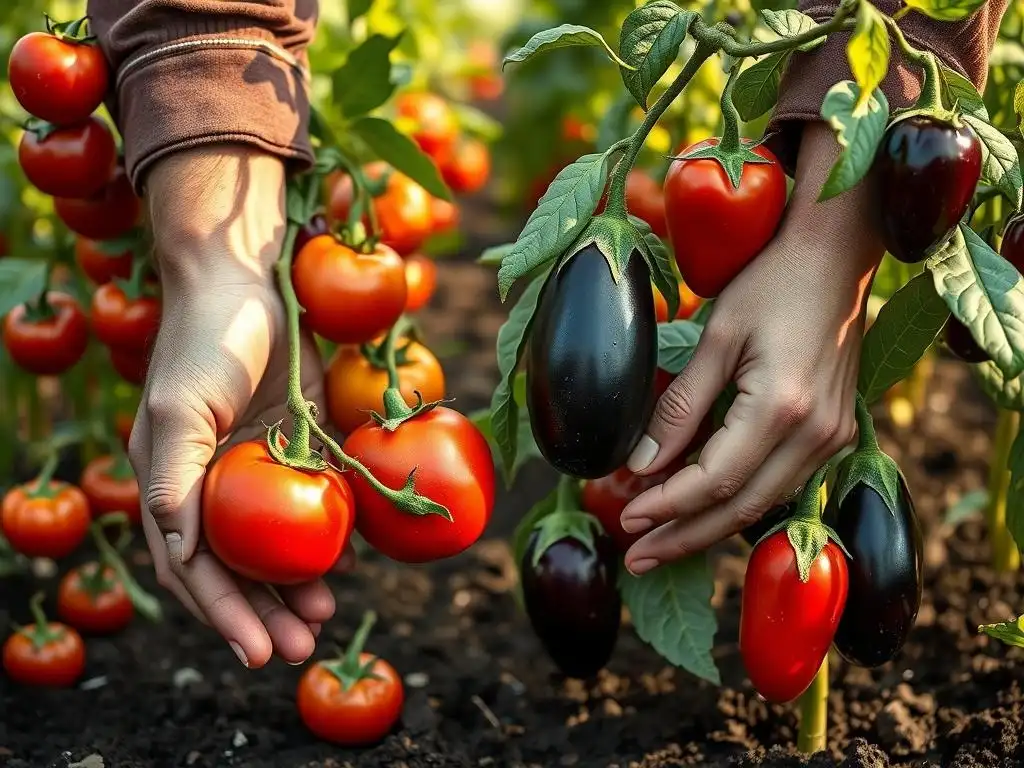
This section focuses on the crucial final stage of growing organic tomatoes, peppers, and eggplants: harvesting. Knowing when to pick your produce is key to maximizing flavor and ensuring a bountiful harvest. Improper harvesting can lead to reduced yields and compromised taste, so careful observation and understanding of the specific needs of each plant are paramount. This guide will provide you with the knowledge to harvest your organic bounty at its peak.
Harvesting Tomatoes: Knowing When They're Ripe
The optimal time to harvest tomatoes hinges on the variety and the desired level of ripeness. Generally, you'll want to harvest when the tomatoes are fully colored and have a slight give when gently squeezed. Avoid picking green tomatoes unless you intend to ripen them indoors.
- Color is Key: For most tomato varieties, a deep red color indicates ripeness. However, some heirloom varieties may exhibit other colors like yellow, orange, or even purple when ripe. Always refer to the seed packet or plant tag for specific color indicators for your chosen variety.
- The "Give" Test: A ripe tomato will yield slightly to gentle pressure. If it feels rock-hard, it likely needs more time on the vine. Conversely, if it feels mushy, it may be overripe.
- Aroma: A sweet, tomato-like fragrance is another excellent indicator of ripeness. Sniff the tomato near the stem; a strong, pleasant aroma often signifies optimal harvest time.
- Harvesting Methods: Use sharp pruning shears or a knife to gently cut the tomato from the vine, leaving a small portion of the stem attached. Avoid pulling or twisting the tomato, as this can damage the plant.
Here's a quick reference table summarizing different tomato ripening stages:
| Ripening Stage | Color | Texture | Aroma | Harvest? |
|---|---|---|---|---|
| Unripe | Green | Hard | Faint or absent | No |
| Turning | Green-red | Slightly firm | Mild | Optional |
| Almost Ripe | Red (with green patches) | Slightly soft | Developing | Optional |
| Ripe | Deep Red | Soft but firm | Strong & Sweet | Yes |
| Overripe | Very Dark Red/ Mushy | Soft & Mushy | Fermenting | No |
Harvesting Peppers: Recognizing Maturity in Different Varieties
Pepper harvesting timing depends heavily on the type of pepper. Sweet bell peppers are typically harvested when they've reached their full size and color, while hot peppers are often harvested when they've reached their mature size, even if they haven't fully changed color.
- Sweet Peppers: Harvest sweet peppers when they are firm, smooth, and have reached their characteristic color (green, red, yellow, orange, etc.). The peppers should be fully sized, and the skin should be glossy and free of blemishes.
- Hot Peppers: Hot peppers can be harvested at various stages of ripeness, depending on your preference for heat and flavor. Generally, they are harvested when they reach their mature size, even if they haven't fully changed color. The flavor and heat intensity will usually increase as the pepper matures and changes color.
- Harvesting Technique: Use sharp scissors or a knife to cut the pepper from the plant, leaving a short stem attached. Avoid pulling or twisting the pepper, as this can damage the plant and reduce future yields.
Harvesting Eggplants: Identifying the Perfect Time for Harvest
Eggplants are ready for harvest when they are firm, glossy, and have reached their mature size and color. The skin should be smooth and free of blemishes.
- Size and Color: Eggplants should be full-sized for their variety, with a deep, glossy color, usually dark purple, but varying depending on the cultivar.
- Texture: A ripe eggplant should feel firm to the touch, with no soft spots or blemishes. Avoid eggplants that feel spongy or have wrinkles.
- Seed Development: You can also check the seeds inside to determine ripeness. If the seeds are fully developed and mature, it's a good indication of ripeness. However, this requires cutting the eggplant open, which might be undesirable for some growers.
- Harvesting Method: Use a sharp knife to carefully cut the eggplant from the stem, leaving a small portion of the stem attached. Avoid pulling or twisting, which can damage the plant. Harvesting at the proper time helps ensure that the eggplants will be tender and flavorful.
Remember, consistent monitoring of your plants and careful observation are essential for successful harvesting of your organic tomatoes, peppers, and eggplants. Enjoy the fruits (and vegetables!) of your labor! 🍅🌶️🍆
Post-Harvest Care and Storage for Organic Produce
Proper post-harvest handling significantly impacts the quality and shelf life of your organically grown tomatoes, peppers, and eggplants. Gentle harvesting techniques, minimizing bruising and damage, are crucial first steps. Remember, even a small nick can accelerate spoilage. The goal is to maintain the integrity of the produce to maximize its enjoyment and minimize waste. This section details best practices for storing and preserving your hard-earned harvest.
Storing Tomatoes, Peppers, and Eggplants: Extending Shelf Life
Optimizing storage conditions for each type of fruiting vegetable is key to extending their shelf life. Improper storage can lead to rapid deterioration, reducing both quality and the time you can enjoy your homegrown bounty. Here's a breakdown of ideal storage conditions:
- Tomatoes: Avoid refrigerating tomatoes before they are fully ripe, as this can impair their flavor and texture. Store ripe tomatoes at room temperature, away from direct sunlight, in a single layer to prevent bruising. Slightly underripe tomatoes can be stored at room temperature to ripen. Once fully ripe, they should be consumed promptly. A cool, dark pantry is often ideal.
- Peppers: Peppers, both sweet and hot varieties, generally store well at room temperature for several days to a week. Avoid washing them until ready to use, as excess moisture can promote decay. For longer storage, consider storing them in a plastic bag in the refrigerator's crisper drawer. This can extend their shelf life to a couple of weeks.
- Eggplants: Eggplants are best stored in the refrigerator, ideally in a plastic bag to retain moisture. They should be used within a week for optimal quality. Avoid storing them near ethylene-producing fruits and vegetables, such as apples and bananas, as this can accelerate ripening and spoilage.
Storing your organic produce correctly is a crucial step in reducing food waste and maximizing the enjoyment of your harvest. Careful attention to temperature and humidity levels will keep your peppers, tomatoes, and eggplants fresh for longer. Remember, the fresher your produce, the more vibrant the flavors! Pay attention to any signs of spoilage, such as mold, discoloration, or softening, and promptly remove affected produce to prevent contamination.
Preserving Your Harvest: Canning, Freezing, and Other Methods
Preserving your abundant harvest of organically grown tomatoes, peppers, and eggplants ensures you can enjoy their flavors throughout the year. Several methods allow you to extend the shelf life of your produce far beyond its typical storage period. These methods range from simple to more involved techniques, each offering its own benefits.
- Canning: Canning is a time-tested method for preserving fruits and vegetables. It involves heating the produce to a high temperature to destroy harmful bacteria and enzymes, then sealing it in airtight jars. Canning tomatoes, peppers, and eggplants allows for long-term storage (a year or more) and provides a convenient way to enjoy your harvest during the off-season. However, it requires careful adherence to safety guidelines to avoid botulism.
- Freezing: Freezing is a simpler method, ideal for preserving peppers and eggplants. Blanching the vegetables before freezing helps retain their color, texture, and nutritional value. Tomatoes, while freezable, often lose their texture upon thawing, making them better suited for sauces or other cooked applications. Freezing allows for storage of up to a year.
- Other Methods: Dehydration is another excellent option for preserving peppers. Dried peppers can be used in various dishes and have a long shelf life. Pickling is another popular method, particularly for peppers, adding a unique flavor profile. Finally, consider making sauces and salsas with your excess tomatoes and peppers, creating delicious and shelf-stable products.
Choosing the best preservation method depends on your preference, the amount of produce you have, and the time you are willing to invest. Proper preservation ensures that your hard work in the garden doesn't go to waste, allowing you to enjoy the fruits (and vegetables!) of your labor throughout the year. Remember to always label and date your preserved goods for optimal tracking. The delicious reward of a year-round supply of homegrown organic goodness is well worth the effort!
Frequently Asked Questions
What is the best way to start seeds for organic tomatoes, peppers, and eggplant?
Start seeds indoors 6-8 weeks before the last expected frost. Use a seed starting mix, not garden soil, and provide plenty of warmth and light. Transplant outdoors after the danger of frost has passed.
How much sunlight do organic tomatoes, peppers, and eggplants need?
These plants are sun-worshippers and require at least 6-8 hours of direct sunlight daily. Choose a location in your garden that receives ample sunlight.
What kind of soil is best for growing organic tomatoes, peppers, and eggplants?
These vegetables thrive in well-draining, fertile soil with a slightly acidic pH (around 6.0-6.8). Amend heavy clay soils with compost to improve drainage.
How can I control pests and diseases organically when growing these crops?
Use organic pest control methods such as companion planting, insecticidal soaps, and neem oil. Practice crop rotation to prevent disease buildup. Healthy plants are less susceptible to pests and diseases.
When is the best time to harvest organic tomatoes, peppers, and eggplants?
Harvest tomatoes when they are fully colored and slightly soft. Peppers are ready when they reach their mature color. Eggplants are ready when they are firm and glossy. Check your specific variety for optimal harvest time.
Final Reflection: Cultivating a Bountiful and Sustainable Harvest
The journey to growing organic tomatoes, peppers, and eggplant is more than just a pursuit of flavorful produce; it's a commitment to a healthier planet and a deeper connection with the natural world. The techniques outlined in this article – from soil preparation to pest management – are not merely steps in a process, but fundamental principles for building a resilient and thriving ecosystem in your own backyard. This commitment to organic practices offers a tangible way to participate in a larger movement towards sustainable living.
The impact of organic gardening extends far beyond the individual garden. It fosters a sense of community, inspiring others to embrace sustainable practices and appreciate the interconnectedness of our food systems. We do not inherit the earth from our ancestors; we borrow it from our children.
– Native American Proverb. This quote underscores the responsibility we have to cultivate our land responsibly, ensuring future generations can also enjoy the bounty of a healthy planet. The knowledge shared here, passed down through generations of gardeners, is a testament to the enduring power of sustainable agriculture.
Now, consider your own space, however small. Imagine the satisfaction of nurturing a seedling into a vibrant plant, the pride of harvesting your own organic vegetables, and the joy of sharing the fruits (and vegetables!) of your labor. This isn't just about growing food; it's about growing a deeper understanding of the natural world and your place within it. Take the first step today. Choose a seed, prepare your soil, and begin your journey towards a more sustainable and fulfilling life, one organic pepper, tomato, and eggplant at a time.
Unleash Your Inner Gardener: Grow the Freshest Vegetables Yet!
Thank you for exploring the world of organic vegetable gardening! You've gained valuable insights to help you grow delicious, healthy produce. Ready to put your new knowledge into action?
- Start your own organic garden today! Sketch out a plan, prepare the soil, and select your favorite seeds or seedlings. Experience the pure satisfaction of nurturing plants from seed to harvest.
- Share your gardening journey! Post a picture of your garden or your first harvest on social media using #CultivateYourFood. Let's inspire each other!
- Explore our other resources on organic gardening to learn more about specific techniques.
What unique challenge are you most excited to overcome in your organic gardening adventure?