
How to Grow Sweet Strawberries in Your Backyard: A Beginner's Guide

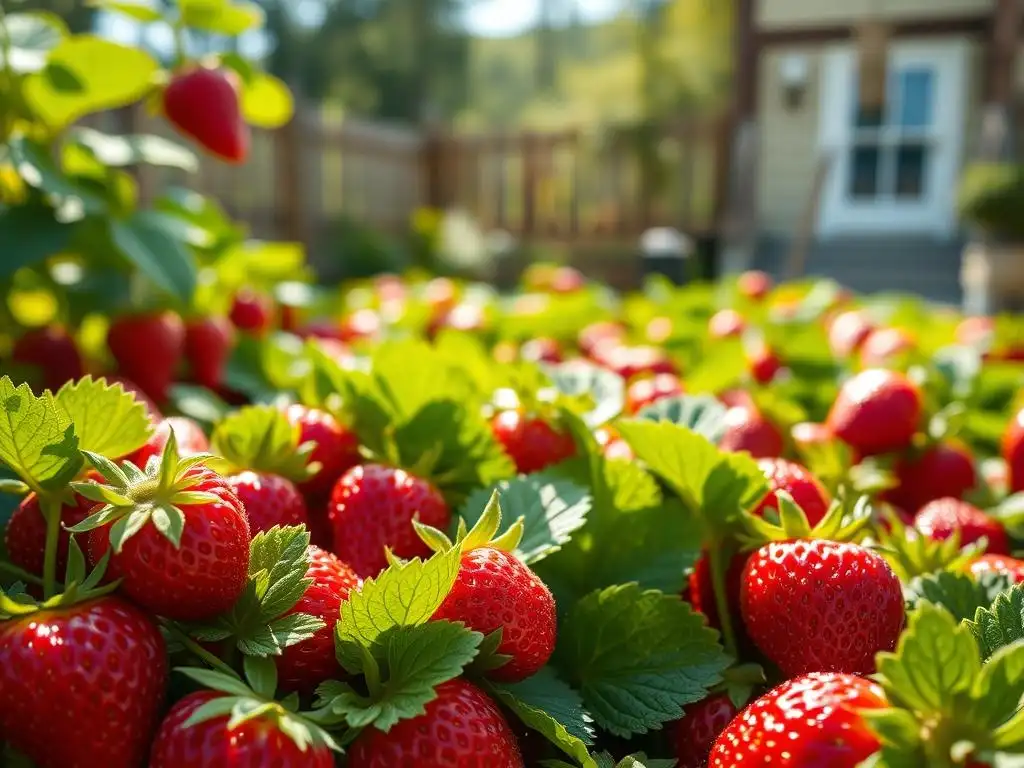
Ready to transform your backyard into a vibrant strawberry patch? CultivateYourFood is your guide to growing delicious, organic produce at home. Our comprehensive Grow sweet strawberries backyard guide will walk you through every step, from selecting the perfect plants to harvesting juicy, sun-ripened berries. Discover sustainable techniques for planting, pest control, and composting—all while creating a thriving, eco-friendly garden. Let's get growing!
Selecting the Right Strawberry Variety for Your Backyard
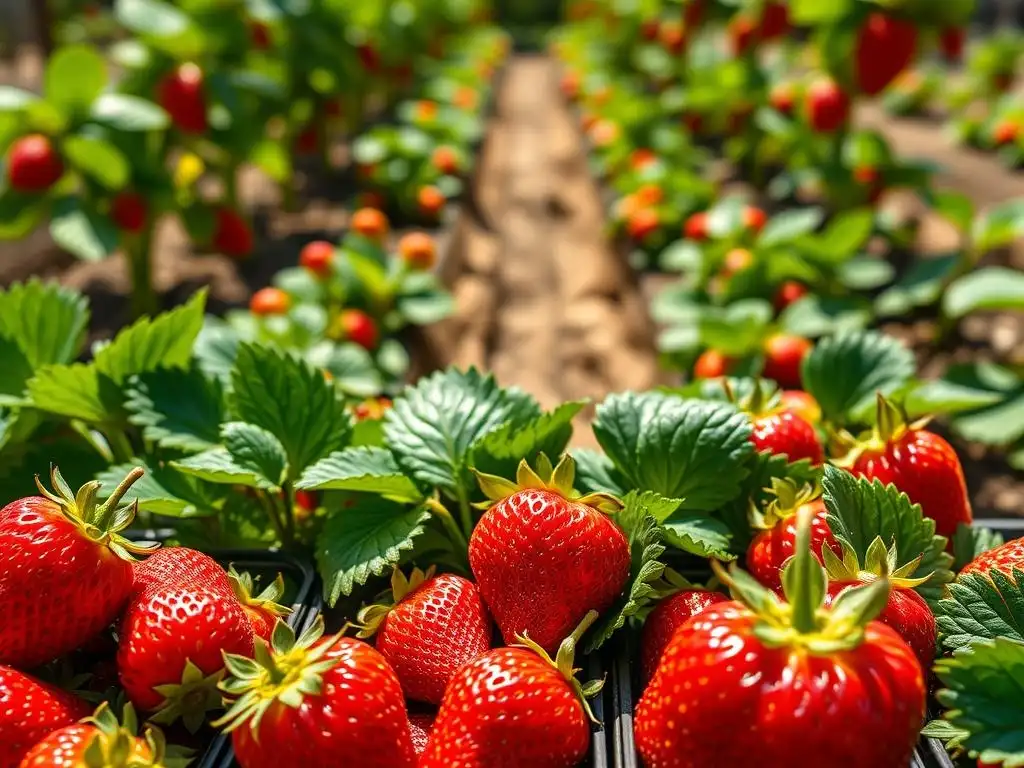
Growing sweet strawberries in your backyard can be a rewarding experience, providing you with delicious, homegrown fruit all summer long. This beginner's guide will walk you through the entire process, from selecting the perfect strawberry variety to harvesting your juicy bounty. We'll cover everything you need to know to cultivate a thriving strawberry patch using sustainable and organic methods, ensuring a healthy and productive harvest.
This guide focuses on providing practical, actionable advice for successfully growing sweet strawberries, even for those with limited gardening experience. We'll delve into soil preparation, planting techniques, ongoing care, pest control, and finally, the delightful task of harvesting your own delicious strawberries. Get ready to experience the joy of homegrown fruit!
Choosing the Right Strawberry Type: June-Bearing, Everbearing, or Day-Neutral?
The first step to growing sweet strawberries is selecting the right variety. Strawberries are broadly categorized into three types based on their fruiting habits:
- June-bearing strawberries: These are the classic strawberries, producing a large crop once a year in June (or a similar month depending on your climate). They require a period of dormancy during the winter months. Examples include 'Chandler' and 'Albion'. These are generally easy to grow and produce abundant fruit, making them a great choice for beginners.
- Everbearing strawberries: As their name suggests, these strawberries produce two crops a year – one in early summer and another in late summer or early fall. They typically don't require as much chill time as June-bearing varieties. 'Fort Laramie' and 'Tribute' are popular everbearing cultivars. While they might not yield as much per harvest as June-bearing varieties, the extended harvest season is a significant advantage.
- Day-Neutral strawberries: These strawberries produce fruit continuously throughout the growing season, as long as conditions are favorable. They are less affected by day length and can even produce fruit in the shade, though yields might be lower. 'Albion' and 'Seascape' are examples of day-neutral varieties. This makes them ideal for warmer climates and for those who want a continuous supply of fresh strawberries.
Choosing the right type depends heavily on your climate and personal preferences. Consider your growing season length and the amount of time you're willing to dedicate to caring for your plants. Many successful gardeners grow a combination of types to maximize their strawberry harvest throughout the year.
Understanding Your Climate and Soil Requirements
Before you even think about planting, understanding your local climate and soil conditions is crucial. Strawberries thrive in well-drained soil with a slightly acidic pH (around 6.0-6.5). Heavy clay soils should be amended with organic matter like compost to improve drainage. Similarly, sandy soils may benefit from the addition of peat moss to retain moisture.
Strawberries need at least six hours of sunlight per day, though some partial shade during the hottest part of the day can be beneficial in particularly hot climates. A south-facing location is often ideal. Consider your local frost dates as well. A late frost can severely damage or even destroy your strawberry plants, so planting should be timed accordingly. Knowing your last frost date will help you determine the optimal planting time for your specific location. Consult local resources or your local agricultural extension office for the most accurate information regarding your specific region’s climate and soil conditions.
Selecting the Best Planting Location and Preparing the Soil
The success of your strawberry patch hinges on choosing a suitable location and preparing the soil properly. Here's a breakdown:
| Factor | Considerations |
|---|---|
| Sunlight | At least 6 hours of direct sunlight per day. Partial afternoon shade is okay in hot climates. |
| Soil Drainage | Well-drained soil is essential. Amend heavy clay soils with compost. |
| Soil pH | Slightly acidic (6.0-6.5). You may need to test your soil and amend accordingly. |
| Water Availability | Consistent access to water, particularly during dry periods. |
| Protection from Wind | A sheltered location can help protect your plants from strong winds. |
Before planting, thoroughly till the soil to a depth of about 12 inches. Incorporate a generous amount of aged compost or other organic matter to improve soil fertility and drainage. This will provide essential nutrients for your strawberry plants and ensure healthy growth. Removing any weeds or grass is crucial to avoid competition for resources. A well-prepared soil bed sets the stage for a bountiful harvest.
Frequently Asked Questions
What is the best time of year to plant strawberries?
The best time to plant strawberries depends on your climate. Generally, spring or early fall are ideal, allowing the plants to establish roots before harsh weather. This ensures strong growth and a good harvest the following year.
How much sunlight do strawberry plants need?
Strawberry plants need at least six to eight hours of sunlight per day to thrive. Choose a location in your backyard that receives ample sunlight, ideally with some protection from strong winds. A sunny, well-drained spot is key.
What type of soil is best for growing strawberries?
Strawberries prefer well-drained, slightly acidic soil with a pH level between 5.5 and 6.5. Amend heavy clay soils with organic matter like compost to improve drainage and aeration. Loamy soil is ideal.
How often should I water my strawberry plants?
Water your strawberry plants regularly, especially during dry periods. Aim for consistent moisture, but avoid overwatering, which can lead to root rot. Deep watering less frequently is better than shallow, frequent watering.
How do I protect my strawberry plants from pests and diseases?
Regularly inspect your plants for signs of pests or diseases. Organic pest control methods like introducing beneficial insects or using insecticidal soap are recommended. Mulching can also help prevent some diseases and weed growth.
Final Reflection: The Sweetness of Homegrown Success
The simple act of nurturing a strawberry plant from seed to succulent fruit offers a profound connection to nature, a connection increasingly vital in our fast-paced modern world. More than just a guide to growing delicious berries, this article has hopefully illuminated the rewarding journey of cultivating your own food, fostering a deeper appreciation for the natural world and the satisfaction of reaping what you sow.
The impact of homegrown food extends beyond the immediate pleasure of taste. It fosters a sense of self-reliance, a deeper understanding of the food system, and a renewed respect for the earth's bounty. The glory of gardening: hands in the dirt, head in the sun, heart with nature. To nurture a garden is to feed not just the body, but the soul.
This quote perfectly encapsulates the transformative power of tending a small patch of strawberries, turning a simple hobby into a deeply enriching experience.
Now, I invite you to consider your own backyard, your own potential. Perhaps a small patch of strawberries is the perfect starting point for your own journey of homegrown happiness. Imagine the taste of sun-ripened berries, picked fresh from your own garden, the pride in your accomplishment, and the lasting connection to the natural world you'll cultivate. Don't just read about it – do it. Start small, dream big, and let the sweetness of homegrown success blossom in your life.
Unleash Your Inner Strawberry Farmer!
Thank you for learning how to cultivate delicious, juicy strawberries in your backyard! We hope this guide has provided you with the knowledge to achieve a bountiful harvest. Now it's time to put your new skills into practice.
- Begin planting your strawberry seedlings now! The sooner you start, the sooner you'll be enjoying homegrown strawberries. Choose varieties well-suited to your region for optimal results.
- Share your strawberry journey with us! Post pictures of your progress on social media using #CultivateYourStrawberries and tag @CultivateYourFood – we'd love to see your thriving plants!
- Explore our extensive library of gardening resources at cultivateyourfood.org for more tips and techniques to expand your gardening beyond strawberries.
Ready to experience the sweet taste of success? What's the first step you'll take to plant your strawberries today?