
Growing Eggplant in Containers: A Practical Guide

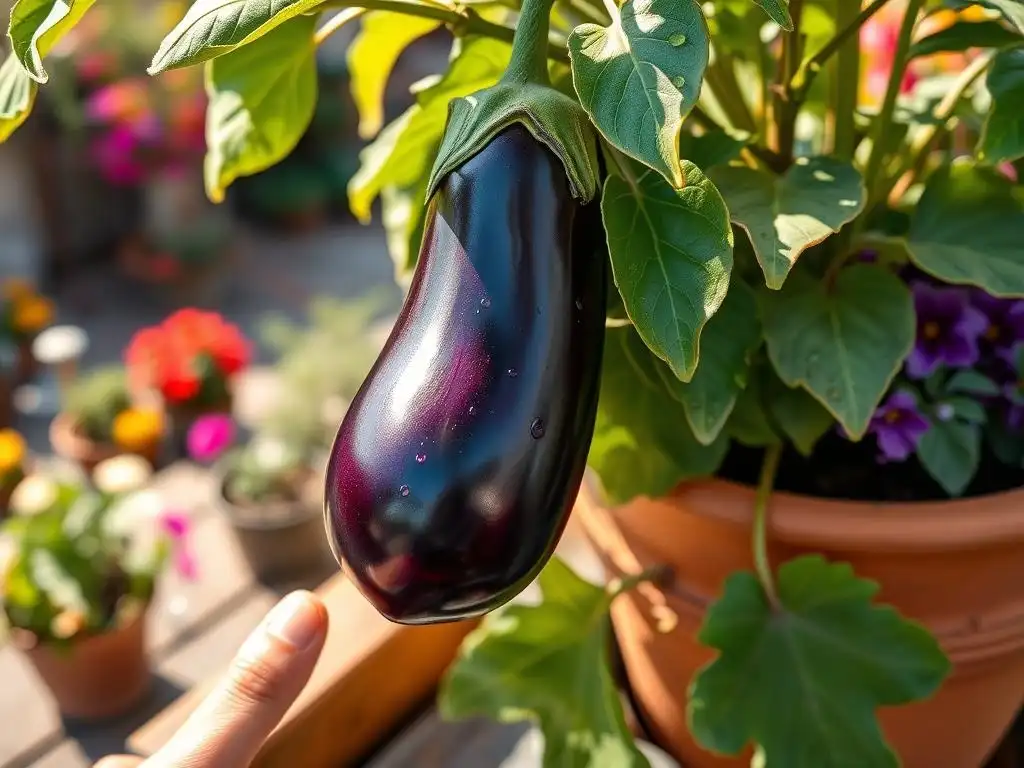
Ready to unlock the secrets of a bountiful harvest, right from your doorstep? CultivateYourFood is your guide to sustainable and organic home gardening. Forget grocery store limitations – learn how to cultivate vibrant, flavorful fruits, vegetables, and herbs. Our container eggplant growing guide will show you exactly how to achieve a thriving eggplant plant, even with limited space. Discover the simple steps to success and prepare to be amazed by the delicious rewards of your own homegrown produce!
- Choosing the Right Eggplant Variety for Container Gardening
- Selecting and Preparing Your Container for Eggplant
- Planting Eggplant Seedlings in Containers
- Providing Optimal Growing Conditions for Container Eggplant
- Nutrient Management for Container Eggplant
- Pest and Disease Control for Container Eggplant
- Harvesting and Storing Your Container-Grown Eggplant
- Troubleshooting Common Container Eggplant Growing Problems
- Frequently Asked Questions
- Final Reflection: Harvesting the Bounty of Small-Space Gardening
- Unleash Your Inner Gardener: Grow Gorgeous Eggplant!
Choosing the Right Eggplant Variety for Container Gardening
Growing eggplants in containers offers a fantastic way to enjoy these delicious vegetables even if you have limited garden space. This comprehensive guide will walk you through the process of successfully cultivating eggplants in pots, from selecting the right variety to harvesting your bounty. We'll cover choosing compact cultivars ideal for small spaces, exploring high-yielding varieties perfect for maximizing your yield in containers, and selecting disease-resistant options for a healthier, more robust harvest.
This guide focuses on sustainable and organic practices, ensuring you can enjoy flavorful eggplants while minimizing your environmental impact. Whether you're a seasoned gardener or a complete beginner, this "container eggplant growing guide" will equip you with the knowledge and confidence to cultivate thriving eggplant plants in your own backyard, patio, or balcony. Let's dive into the exciting world of container eggplant gardening!
Selecting Compact Eggplant Cultivars for Small Spaces
Space is often a limiting factor when container gardening. Fortunately, several compact eggplant cultivars are specifically bred for growing in pots and smaller spaces. These varieties produce a satisfying yield without requiring excessive space.
Look for varieties described as "bush" or "dwarf" eggplants. These typically stay shorter and bushier than their larger counterparts, making them perfect for containers. Some examples of compact varieties (though specific cultivar names may vary by region and availability) include those with descriptions emphasizing their small stature and suitability for containers.
Remember to check the mature plant size indicated on seed packets or plant tags to ensure a proper fit for your chosen container. Choosing the right size pot is crucial; a cramped root system will hinder growth and yield. Consider the mature size of the plant when selecting a pot size, aiming for a container that's large enough to accommodate the roots without being overly spacious.
High-Yielding Eggplant Varieties Suitable for Pots
While compact varieties are excellent for space-saving, you may prioritize maximizing your yield from your container garden. Certain eggplant varieties are known for their prolific fruiting even when grown in pots. These high-yielding cultivars produce a large number of eggplants per plant, making them an excellent choice for gardeners who want to harvest a substantial amount from a relatively small area. However, remember that even high-yielding varieties will benefit from proper care, including adequate sunlight, regular watering, and fertilization.
Researching varieties with descriptions highlighting high yields and prolific fruiting is key. Keep in mind that environmental factors can influence yield, so providing optimal growing conditions is crucial for maximizing the potential of your chosen high-yielding variety. Consider factors such as your climate and the amount of sunlight your container will receive when making your selection.
Disease-Resistant Eggplant Options for Container Growing
Disease resistance is a critical consideration for container gardening. Because plants in containers are often more closely spaced than those in the ground, diseases can spread rapidly. Choosing disease-resistant varieties helps minimize the risk of infection and ensures a healthier, more productive harvest.
Look for varieties that are known to be resistant to common eggplant diseases such as verticillium wilt, fusarium wilt, and phomopsis blight. These diseases can significantly impact plant health and yield, so selecting resistant varieties is a proactive measure to safeguard your plants. Disease resistance is often indicated on seed packets or plant tags; carefully review this information before making your purchase.
Implementing good sanitation practices, such as sterilizing your pots and tools, can further reduce the risk of disease. Regularly inspecting your plants for signs of disease is also crucial for early detection and intervention. A healthy plant is a productive plant, so investing in disease-resistant varieties is a worthwhile investment in your container eggplant garden.
Selecting and Preparing Your Container for Eggplant
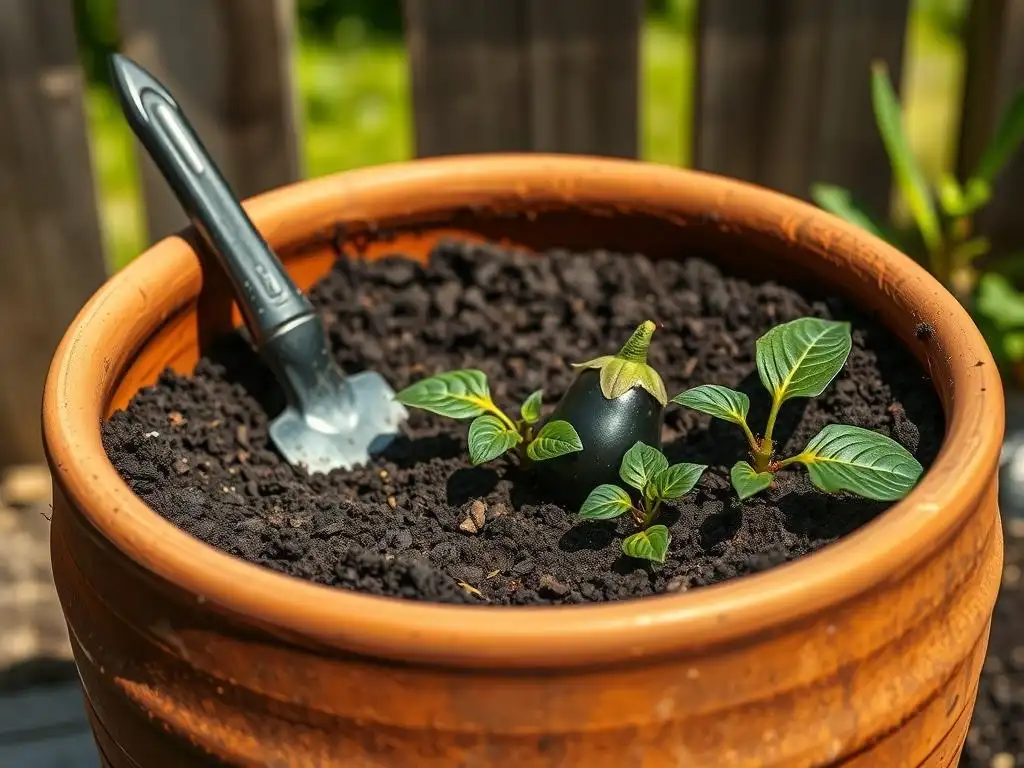
Growing eggplant successfully in containers hinges on selecting and preparing the right container. Eggplants are vigorous plants with extensive root systems, demanding ample space and well-draining soil. Ignoring these crucial aspects can lead to stunted growth, poor yields, and increased susceptibility to diseases. This section provides detailed guidance on choosing and preparing your container for optimal eggplant cultivation.
Choosing the Right Size and Type of Container for Eggplant
Eggplants need substantial root space to thrive. A minimum container size of 15-20 gallons is recommended for a single plant, but larger containers (25 gallons or more) are even better, particularly for larger eggplant varieties. Smaller containers will restrict root growth, leading to smaller plants and fewer fruits. The container's depth is equally important; it needs to be at least 18 inches deep to accommodate the extensive root system.
The type of container also matters. While plastic containers are readily available and inexpensive, they can overheat in direct sunlight. Consider using:
- Terracotta pots: These offer excellent aeration but require more frequent watering due to their porous nature.
- Wooden containers: These provide good insulation and aesthetic appeal but may require treatment to prevent rot and pest infestations.
- Fabric pots: These offer excellent breathability and drainage, promoting healthy root development. However, they might require more frequent watering than other options.
Remember to check the container for any cracks or holes that could compromise its structural integrity or drainage. A sturdy container is crucial to support the weight of the mature eggplant plant, especially when laden with fruit.
Ensuring Adequate Drainage for Healthy Eggplant Growth
Adequate drainage is paramount for preventing root rot, a common problem in container-grown eggplants. Eggplants are sensitive to soggy soil, which can suffocate their roots and lead to plant death. Therefore, ensure your chosen container has sufficient drainage holes. If not, drill additional holes in the bottom of the container to allow excess water to escape.
Furthermore, consider placing a layer of gravel or broken pottery shards at the bottom of the container before adding the soil mix. This creates an additional drainage layer, preventing water from becoming stagnant. This simple step significantly improves drainage and air circulation around the roots, promoting healthy growth and preventing root rot. Observe your plants regularly; if water sits for extended periods at the bottom of the container, drainage needs improvement.
Preparing the Soil Mix for Optimal Eggplant Growth in Containers
The soil mix you use significantly impacts the success of your container eggplant growing efforts. Eggplants need a rich, well-draining soil that is high in organic matter. Avoid using garden soil directly from your yard, as it can be too heavy and poorly draining for container gardening.
A suitable soil mix for container-grown eggplant should consist of:
- 2 parts high-quality potting mix: This provides essential nutrients and good drainage.
- 1 part composted manure: This adds organic matter, improving soil structure and nutrient content.
- 1 part perlite or vermiculite: This improves drainage and aeration, preventing waterlogging.
This mix provides the perfect balance of nutrients, drainage, and aeration, ensuring your eggplant plants have the optimal conditions for vigorous growth and abundant fruit production. Before planting, thoroughly mix the components to ensure a consistent soil texture. A well-prepared soil mix is a fundamental step in your container eggplant growing guide, contributing significantly to a successful harvest.
Planting Eggplant Seedlings in Containers
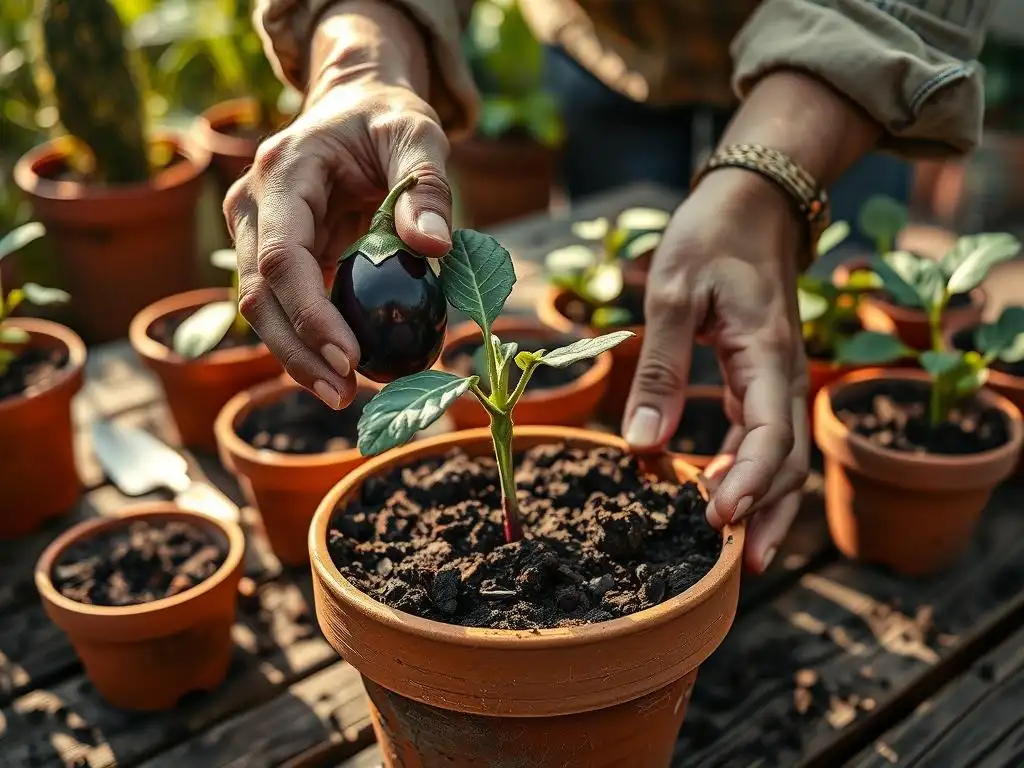
This section focuses on the crucial step of transplanting eggplant seedlings into their final container homes. Successfully establishing your eggplant seedlings will significantly impact their yield and overall health. Remember, proper planting techniques are key to achieving a bountiful harvest of delicious eggplants. This comprehensive guide, tailored for the aspiring home gardener, will equip you with the knowledge to confidently plant your eggplant seedlings and nurture their growth. We'll cover everything from selecting the right container to ensuring optimal soil conditions for thriving eggplant plants. Mastering this process translates directly to a successful "container eggplant growing guide" experience.
Transplanting Eggplant Seedlings: A Step-by-Step Guide
Transplanting eggplant seedlings requires a gentle touch and careful attention to detail. Here's a step-by-step guide to ensure a smooth transition for your young plants:
- Prepare the Container: Choose a large container (at least 12 inches in diameter and 12 inches deep) with drainage holes to prevent waterlogging. Fill it with a well-draining potting mix rich in organic matter. Avoid using garden soil directly, as it can be too heavy and compact for container gardening. A mix specifically formulated for vegetables is ideal.
- Acclimate the Seedlings: Before transplanting, gradually acclimate your seedlings to outdoor conditions. This process, known as hardening off, reduces transplant shock. Start by placing them outdoors for a few hours each day, gradually increasing the exposure time over several days.
- Dig the Hole: Gently dig a hole in the potting mix, slightly larger than the root ball of your eggplant seedling. Avoid disturbing the roots excessively during this process.
- Gently Remove the Seedling: Carefully remove the seedling from its starter pot, supporting the stem to prevent damage. If the roots are root-bound (circling the bottom of the pot), gently loosen them to encourage outward growth.
- Plant the Seedling: Place the seedling in the hole, ensuring the top of the root ball is level with the soil surface. Fill the hole with potting mix, gently firming the soil around the base of the plant.
- Water Thoroughly: Water the newly planted seedling deeply, ensuring the entire root ball is saturated. Avoid overwatering, which can lead to root rot.
Spacing Eggplant Seedlings for Optimal Growth in Containers
Proper spacing is crucial for maximizing yields in container eggplant growing. Crowded plants compete for resources, leading to smaller fruits and increased susceptibility to diseases. The ideal spacing depends on the size of the container and the variety of eggplant. Generally, allow at least 18-24 inches between plants in a large container. For smaller containers, one plant per container is often sufficient. Remember, adequate spacing promotes airflow, reducing the risk of fungal diseases. This is a key component of a successful "container eggplant growing guide." Poor spacing can negate all other efforts in your container garden.
Watering Your Newly Planted Eggplant Seedlings
Consistent watering is essential for successful eggplant cultivation, especially in containers. Eggplants are thirsty plants, and insufficient watering can lead to stunted growth and reduced fruit production. Water deeply and regularly, ensuring the soil remains consistently moist but not waterlogged. The frequency of watering will depend on factors such as weather conditions, container size, and soil type. Check the soil moisture daily by sticking your finger a couple of inches into the soil.
If it feels dry, it's time to water. Consider using a self-watering system or placing the container on a saucer to reduce the frequency of watering. Remember, consistent moisture is a cornerstone of a thriving eggplant plant. Monitoring the soil moisture closely is a vital aspect of any "container eggplant growing guide." 💦
Providing Optimal Growing Conditions for Container Eggplant
Eggplant, Solanum melongena, thrives in warm, sunny conditions, making it a rewarding but sometimes challenging plant for container gardening. Success hinges on providing the right environment. This section details the crucial elements for healthy container eggplant growth, focusing on sunlight, temperature management, and consistent watering. Mastering these aspects significantly improves the chances of a bountiful harvest of delicious eggplants. This guide will help you achieve that, offering a practical approach to container eggplant growing.
Sunlight Requirements for Healthy Eggplant Development
Eggplants are sun-worshippers. They need at least 6-8 hours of direct sunlight daily to produce optimally. Less sunlight will result in fewer flowers and smaller, less flavorful fruits. Choose a sunny location for your containers, ideally facing south (in the Northern Hemisphere) or north (in the Southern Hemisphere) to maximize sun exposure. Even slight shading during the hottest part of the day can impact fruit production. Consider the surrounding structures and trees; their shadows can significantly reduce the effective sunlight your plants receive.
Remember that the intensity of sunlight can vary throughout the day and across seasons. During summer, you might need to provide some afternoon shade to prevent scorching, especially for young plants. Conversely, in spring or autumn, you may need to supplement sunlight with grow lights, particularly if you are growing eggplants indoors or in areas with limited sunlight. Monitoring your plants' response to sunlight is crucial; observe leaf color and growth rate to adjust their position or supplemental lighting as needed. Healthy, vibrant green leaves are a good indication of adequate sunlight.
Temperature Control for Eggplant Plants in Containers
Eggplants are warm-season crops and are sensitive to both cold and extreme heat. Ideal temperatures for eggplant growth range from 70-85°F (21-29°C). Fluctuations outside this range can stress the plants, leading to reduced yields or even plant death. Containers, being smaller than in-ground gardens, are more susceptible to temperature fluctuations.
Protecting your container eggplants from frost is paramount, especially during early growth stages. During unexpectedly cold nights, consider moving your containers to a sheltered location or covering them with frost cloth. Conversely, during intense heat waves, you might need to provide shade to prevent the soil from drying out too quickly and the plants from wilting.
This can be achieved through strategically placing the containers in partial shade during the peak heat of the day or using shade cloth. Consistent monitoring of temperature, particularly during spring and autumn, is essential for successful container eggplant growing. Using a thermometer specifically for your growing area will help you track temperature changes and adjust your care accordingly.
Watering Techniques for Eggplant Grown in Pots
Consistent moisture is critical for healthy eggplant growth. However, overwatering can be just as detrimental as underwatering. Eggplants prefer evenly moist soil that is never completely dry or waterlogged. The key is to water deeply and less frequently, allowing the top inch or two of soil to dry out between waterings. The frequency of watering will depend on several factors, including the size of the container, the type of potting mix, temperature, and sunlight exposure. Larger containers will retain moisture longer than smaller ones.
Overwatering leads to root rot, a common problem for container-grown plants. Symptoms include yellowing leaves, wilting, and a foul odor emanating from the soil. Underwatering causes wilting, stunted growth, and reduced fruit production. Check the soil moisture regularly by inserting your finger a couple of inches into the soil. If it feels dry, it's time to water.
Water thoroughly until water drains from the drainage holes in the bottom of the container. Avoid letting your eggplants sit in standing water, as this can lead to root rot. Consider using self-watering containers or a drip irrigation system to maintain consistent soil moisture. Proper watering is a crucial aspect of a successful container eggplant growing experience. Consistent monitoring and adjustment of your watering schedule will ensure your eggplants receive the optimal amount of water.
Nutrient Management for Container Eggplant
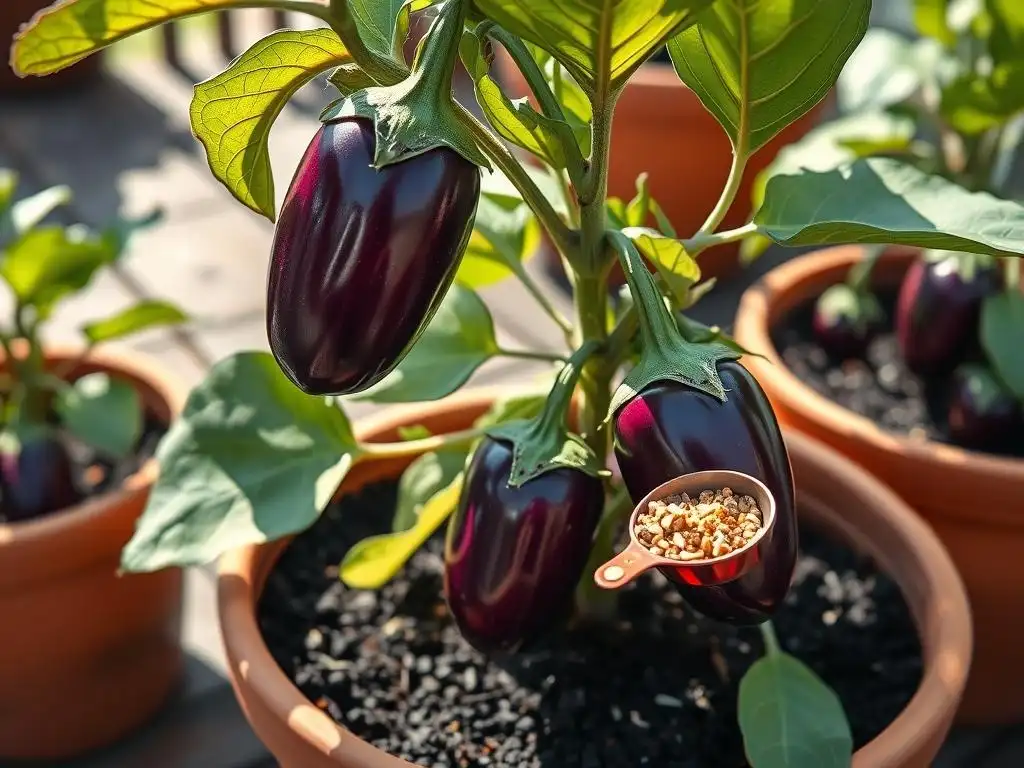
Growing healthy eggplant in containers requires diligent nutrient management. Eggplants are heavy feeders, demanding a consistent supply of essential nutrients throughout their growing season. Unlike in-ground planting, the limited soil volume in containers necessitates a more focused approach to fertilization and nutrient monitoring. This section details organic fertilization strategies, diagnosing nutrient deficiencies, and preventing over-fertilization to ensure optimal eggplant production in your containers. Mastering these techniques is key to successfully cultivating vibrant, fruit-bearing eggplant plants. This container eggplant growing guide will help you achieve that.
Fertilizing Eggplant Plants: A Guide to Organic Options
Choosing the right fertilizer is crucial for healthy eggplant growth. Organic options are preferred for their sustainability and positive impact on soil health. Compost tea, a liquid fertilizer brewed from composted organic matter, is an excellent choice. It provides a balanced blend of nutrients and beneficial microbes that enhance soil structure and nutrient uptake. Apply compost tea every 2-3 weeks, diluting it according to the manufacturer's instructions. Avoid overwatering when applying the tea.
Another effective organic option is fish emulsion, a liquid fertilizer derived from processed fish. It's rich in nitrogen, phosphorus, and potassium – essential nutrients for vigorous growth and abundant fruit production. Use fish emulsion at half strength, following the product label carefully. Remember to always alternate between different organic fertilizers to prevent nutrient imbalances. Using only one type of fertilizer can lead to deficiencies in other essential nutrients. A well-rounded approach is key to successful container eggplant growing.
Consider also using slow-release organic fertilizers like bone meal or blood meal. These provide a sustained release of nutrients, minimizing the frequency of applications. Incorporate them into the potting mix at planting time for a long-term nutrient boost. Remember that the best fertilization schedule will depend on your specific growing conditions, soil type, and the eggplant variety you've chosen. Regular monitoring of your plants is crucial for adjusting your fertilization strategy as needed.
Recognizing Nutrient Deficiencies in Container-Grown Eggplant
Nutrient deficiencies can manifest in various ways in eggplant plants. Nitrogen deficiency, for instance, often presents as stunted growth, pale green or yellow leaves, and reduced flowering and fruiting. Phosphorus deficiency can result in dark green leaves, reduced root growth, and delayed maturity. Potassium deficiency, on the other hand, may cause leaf margins to become yellow or brown, and fruit production to be impaired. Magnesium deficiency is characterized by yellowing between the leaf veins, while iron deficiency leads to interveinal chlorosis (yellowing between leaf veins), starting with younger leaves.
Observing your plants carefully is key to early detection. Regularly inspect the leaves for discoloration, stunted growth, or other unusual symptoms. If you suspect a nutrient deficiency, consider using a soil testing kit to determine the precise nutrient levels in your container's soil. This allows for a targeted approach to fertilization, ensuring you only supplement what's lacking. Addressing deficiencies promptly is crucial for preventing significant yield reductions. A healthy plant is a productive plant! This is especially important for container eggplant growing, where the limited soil volume can exacerbate nutrient deficiencies.
Avoiding Over-Fertilization of Eggplant in Pots
Over-fertilization can be just as detrimental as nutrient deficiencies. Excessive nutrients can burn the roots, leading to stunted growth, leaf scorch, and reduced fruit production. Furthermore, over-fertilized plants are more susceptible to pests and diseases. The goal is to provide a balanced nutrient supply, not to overload the plants.
Always follow the manufacturer's instructions carefully when using any fertilizer, both organic and synthetic. Avoid applying fertilizer too frequently or at too high a concentration. If you notice signs of over-fertilization, such as leaf burn or wilting, immediately flush the soil with plenty of water to leach out excess salts. This will help reduce the concentration of salts around the roots and allow the plant to recover.
Regular monitoring of your plants and soil is paramount to prevent over-fertilization and maintain a thriving eggplant harvest. Remember, less is sometimes more when it comes to container gardening. Balanced nutrition is the key to successful container eggplant growing.
Pest and Disease Control for Container Eggplant
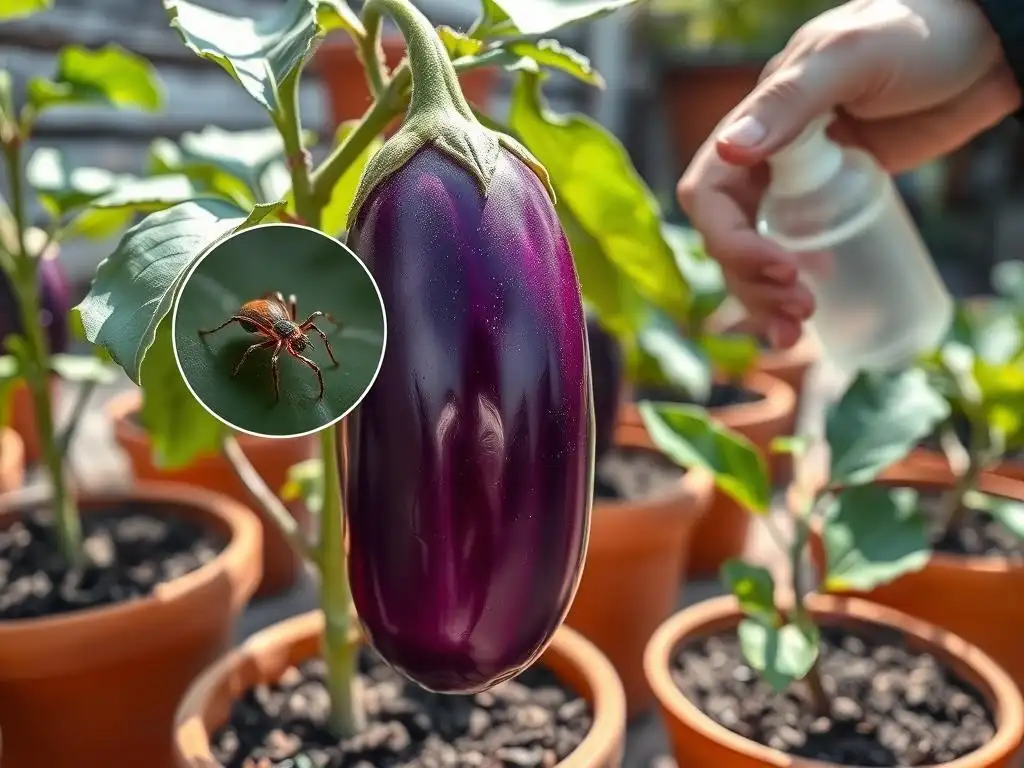
Growing eggplant, even in containers, isn't without its challenges. Pest and disease pressure can significantly impact your harvest. This section focuses on identifying common issues and implementing effective, organic control strategies to maximize your yield and ensure healthy plants. Understanding the vulnerabilities of container-grown eggplant is key to successful cultivation. Remember, early detection and preventative measures are your best defense against significant infestations or outbreaks.
Common Eggplant Pests and Diseases in Container Gardens
Eggplant grown in containers can be susceptible to a range of pests and diseases, often exacerbated by the confined growing environment. Proper monitoring is crucial for early detection and timely intervention.
Pests:
- Aphids: These tiny, soft-bodied insects suck sap from leaves, causing stunted growth and leaf curl. Look for clusters of aphids on the undersides of leaves.
- Spider mites: These microscopic pests also suck plant sap, creating stippling on leaves and webbing between leaves. Infestations can lead to leaf yellowing and plant decline.
- Whiteflies: These small, white insects cluster on the undersides of leaves and can spread plant viruses. They often leave a sticky honeydew residue.
- Cutworms: These caterpillars can sever young eggplant seedlings at the base, leading to plant death. Look for chewed stems and missing seedlings.
- Flea beetles: These tiny beetles feed on leaves, creating small holes and causing significant damage to young plants.
Diseases:
- Verticillium wilt: This soilborne fungal disease causes wilting and yellowing of leaves, often starting on one side of the plant. It can be devastating.
- Bacterial wilt: Similar symptoms to Verticillium wilt, this bacterial disease is also difficult to control once established.
- Anthracnose: This fungal disease causes dark, sunken lesions on fruits and stems. It thrives in humid conditions.
- Phytophthora root rot: This soilborne disease attacks the roots, causing wilting and plant death. Poor drainage increases the risk.
Understanding the specific signs and symptoms of these pests and diseases is crucial for effective management. Regularly inspect your plants for any unusual spots, discoloration, or insect activity. Early detection is vital for successful treatment.
Organic Pest and Disease Control Strategies for Container Eggplant
Organic methods are preferred for container gardening due to the confined environment and the potential for harm to beneficial insects and pollinators. Here are some effective organic strategies:
- Beneficial insects: Introducing beneficial insects like ladybugs (for aphids), lacewings (for aphids and spider mites), and praying mantises can help control pest populations naturally.
- Neem oil: This natural insecticide is effective against many common eggplant pests, including aphids, spider mites, and whiteflies. Always follow label instructions carefully.
- Insecticidal soap: Similar to neem oil, insecticidal soap disrupts the cell membranes of soft-bodied insects. It is effective against aphids, spider mites, and whiteflies.
- Diatomaceous earth: This natural powder dehydrates and kills many soft-bodied insects. Apply it to the soil surface and plant foliage.
- Crop rotation: Rotating your eggplant crops yearly helps to break the cycle of soilborne diseases.
- Resistant varieties: Planting eggplant varieties that are resistant to common diseases can significantly reduce the risk of infection. Check seed catalogs for disease-resistant options.
- Composting: Healthy soil is less susceptible to disease. Use high-quality compost to improve soil structure and fertility.
Remember to always follow label instructions carefully when using any organic pest control product. Many organic controls are safe for pollinators, but some can harm beneficial insects if misapplied.
Preventing Eggplant Problems Through Proper Growing Practices
Proactive measures are the most effective way to minimize pest and disease problems. By following these best practices, you can create a healthy environment for your container-grown eggplant:
- Well-draining potting mix: Use a well-draining potting mix specifically formulated for containers. Avoid using garden soil, which can introduce soilborne diseases and pests.
- Proper spacing: Ensure adequate spacing between plants to allow for good air circulation and reduce the risk of fungal diseases.
- Watering: Water deeply and consistently, but avoid overwatering, which can lead to root rot. Water at the base of the plant to keep foliage dry.
- Sunlight: Provide at least 6-8 hours of direct sunlight per day.
- Cleanliness: Remove any diseased leaves or fruits promptly to prevent the spread of disease. Clean your containers thoroughly before replanting.
- Mulching: Applying a layer of organic mulch around the base of the plants helps to retain moisture, suppress weeds, and regulate soil temperature.
By implementing these preventative measures and utilizing organic pest and disease control strategies, you can significantly improve your chances of a successful and healthy eggplant harvest, even in containers. Remember, consistent monitoring and timely intervention are key to maintaining healthy plants and a bountiful yield.
Harvesting and Storing Your Container-Grown Eggplant
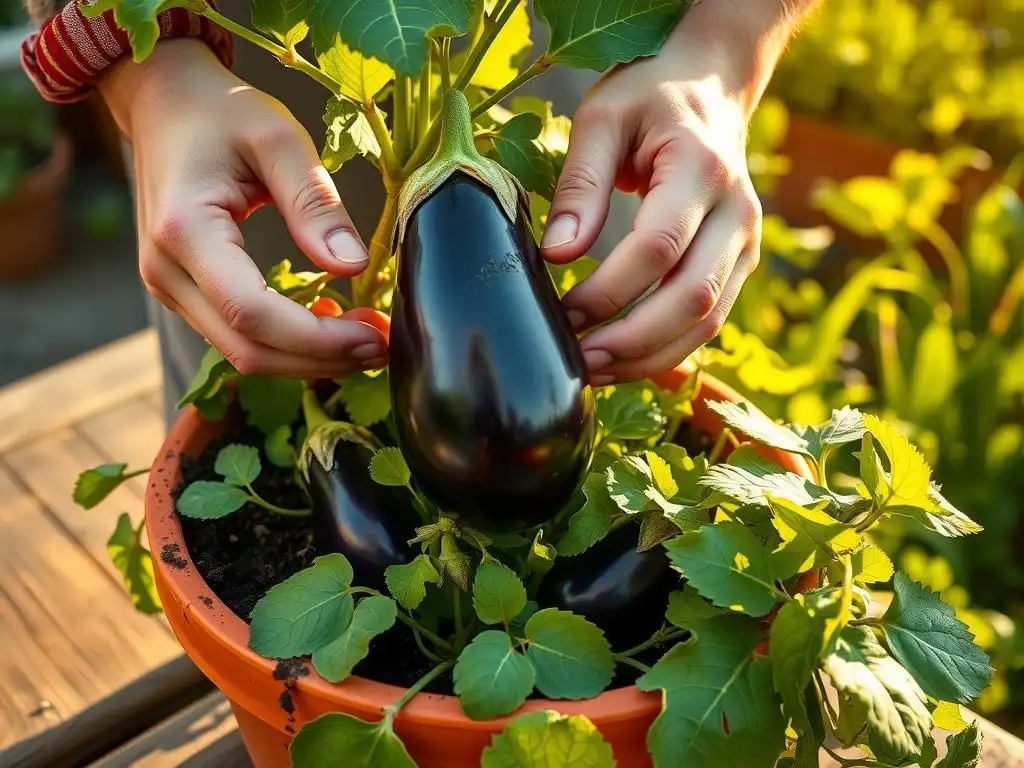
This section focuses on the crucial final stages of your container eggplant journey: harvesting and storage. Getting the timing right and employing proper techniques ensures you enjoy the fruits (or rather, vegetables!) of your labor for as long as possible. Optimizing your harvest and storage directly impacts the quality and taste of your homegrown eggplants. This comprehensive guide will equip you with the knowledge to maximize your yield and minimize waste.
Identifying Ripe Eggplant Ready for Harvesting
Knowing when to pick your eggplants is key to achieving the best flavor and texture. Immature eggplants will be small, pale, and lack the characteristic glossy shine. Conversely, overripe eggplants will be soft, dull, and may even have blemishes or brown spots. The perfect time to harvest is when the eggplant has reached its mature size and exhibits a deep, rich color—vibrant purple for most varieties, though some can be white or even striped.
The skin should feel firm and smooth to the touch, and the eggplant should yield slightly to gentle pressure. Avoid harvesting eggplants that feel hard as a rock (underripe) or spongy (overripe). A good rule of thumb is to check your plants regularly, starting about 60-70 days after planting seedlings, depending on the variety and growing conditions. Remember to use your senses – sight and touch – to determine ripeness. A ripe eggplant is a joy to behold!
Proper Harvesting Techniques for Container Eggplant
Harvesting your container eggplants requires a gentle touch to avoid damaging the plant or the fruit. Use a sharp knife or pruning shears to cleanly cut the eggplant from the stem, leaving about an inch of stem attached. Pulling or twisting can injure the plant and reduce future yields. This clean cut also helps prevent disease and rot.
Avoid damaging the nearby fruits or leaves while harvesting. Be mindful of the plant's delicate structure, especially if it is top-heavy due to the weight of the eggplants. Consider supporting the plant with stakes or cages to prevent damage during harvesting. Harvesting should be a rewarding experience, not a stressful one! 🍆
Storing Harvested Eggplant for Optimal Freshness
Proper storage significantly extends the shelf life of your freshly harvested eggplants. The goal is to maintain their freshness, flavor, and texture. Avoid washing your eggplants before storage, as moisture can promote spoilage.
Store your eggplants in a cool, dry place, ideally between 55-70°F (13-21°C). Do not refrigerate immediately after harvesting; this can cause chilling injury and affect the quality. Instead, place the eggplants in a single layer in a perforated plastic bag or container to allow for air circulation. Alternatively, you can store them loosely in a paper bag. Properly stored, your container-grown eggplants can remain fresh and delicious for up to a week. Remember, optimal storage conditions are crucial for enjoying the fruits of your labor for a longer period.
Troubleshooting Common Container Eggplant Growing Problems
Growing eggplants, even in containers, can present some challenges. This section provides solutions to common problems encountered when cultivating eggplants in pots, ensuring a bountiful harvest. Understanding these issues and their remedies is crucial for successful container eggplant growing. This guide focuses on practical solutions, using readily available resources and organic methods, aligning with the CultivateYourFood ethos of sustainable gardening.
Addressing Yellowing Leaves in Container Eggplant
Yellowing leaves are a common sign of stress in eggplant plants, often indicating nutrient deficiencies or improper watering practices. Several factors can contribute to this issue. Let's delve into the specifics:
- Nutrient Deficiency: Eggplants are heavy feeders, requiring ample nutrients throughout their growing cycle. Yellowing leaves, particularly those older and lower on the plant, can signal a lack of nitrogen. This can be addressed by applying a balanced, organic fertilizer specifically formulated for fruiting vegetables. Look for NPK ratios around 5-10-10 or similar. Always follow the package instructions carefully to avoid over-fertilizing. Consider using compost tea as a natural and effective supplement.
- Watering Issues: Both underwatering and overwatering can cause yellowing leaves. Underwatered plants will show signs of wilting and yellowing, starting from the lower leaves. Overwatering, on the other hand, can lead to root rot, which manifests as yellowing leaves and eventually plant death. Ensure that your container has adequate drainage holes and avoid letting the soil become waterlogged. Water deeply but infrequently, allowing the top inch of soil to dry out before watering again. Consistent moisture is key, but soggy soil is detrimental.
- Pests and Diseases: Certain pests and diseases can also cause yellowing leaves. Regularly inspect your plants for signs of infestations, such as aphids or spider mites. Treat any infestations promptly using organic pest control methods like insecticidal soap or neem oil. Fungal diseases can also lead to yellowing and wilting. Ensure good air circulation around your plants to prevent fungal growth.
Remember, observing the pattern of yellowing is key to diagnosis. Are the older leaves affected first? Is the yellowing uniform or patchy? These observations can help pinpoint the underlying cause. Addressing the problem promptly will ensure healthy eggplant growth and a fruitful harvest.
Dealing with Blossom-End Rot in Container-Grown Eggplant
Blossom-end rot, characterized by a dark, leathery spot at the blossom end of the eggplant fruit, is a common problem often caused by inconsistent watering. This physiological disorder affects fruit development and can lead to significant yield loss. Here's how to prevent and manage it:
- Consistent Watering: The most effective method to prevent blossom-end rot is maintaining consistent soil moisture. Avoid letting the soil completely dry out, and avoid overwatering. Use a moisture meter to check soil moisture levels before watering. Mulching around the base of the plant helps retain moisture and regulate soil temperature.
- Calcium Deficiency: While inconsistent watering is the primary culprit, a calcium deficiency can exacerbate the problem. Calcium is essential for cell wall development in fruits, and a deficiency can make the plants more susceptible to blossom-end rot. Ensure your soil is rich in organic matter, which helps improve calcium availability. Consider applying a calcium supplement, such as a calcium nitrate solution, following package instructions meticulously.
- Soil pH: The soil pH can also influence calcium uptake. Eggplants prefer a slightly acidic to neutral pH range (6.0-7.0). Test your soil pH and amend it if necessary to optimize calcium absorption.
Addressing blossom-end rot requires a multi-pronged approach, focusing primarily on consistent moisture management and ensuring adequate calcium availability. Regular monitoring and prompt action are crucial for preventing significant fruit loss.
Limited or no fruit production in container-grown eggplants can stem from several factors, including inadequate pollination, insufficient sunlight, and temperature fluctuations.
- Pollination: Eggplants, while self-pollinating, benefit from assistance, especially in confined container environments. Gentle shaking of the plants can help facilitate pollination. Consider introducing beneficial insects, like bumblebees, to your garden to aid in this process. Avoid using strong pesticides that could harm these pollinators.
- Sunlight: Eggplants are sun-worshippers and need at least 6-8 hours of direct sunlight daily. Place your containers in a sunny location to ensure optimal growth and fruiting. Insufficient sunlight will lead to weak plants with minimal fruit production.
- Temperature: Eggplants thrive in warm temperatures (70-85°F). Extreme temperatures, both hot and cold, can negatively impact fruit set and development. Consider providing shade during the hottest parts of the day and protecting your plants from frost during cooler periods.
- Container Size: Using appropriately sized containers is crucial. Eggplants have extensive root systems, and cramped roots lead to reduced growth and fruit production. Ensure your containers are sufficiently large to accommodate the plant's mature size.
A combination of these factors can contribute to poor fruit production. Addressing each aspect – ensuring adequate pollination, sufficient sunlight, appropriate temperature, and suitable container size – will significantly improve your chances of a bountiful eggplant harvest. Careful observation and prompt attention to the plants' needs are key to success.
Frequently Asked Questions
What size container do I need for growing eggplant?
Eggplant needs ample space for its roots to develop. A minimum of 15-20 gallons is recommended, but larger is better. Choose a container with adequate drainage holes.
What type of soil is best for container-grown eggplant?
Eggplant thrives in well-draining, rich soil. Use a high-quality potting mix amended with compost for optimal results. Avoid heavy clay soils.
How much sunlight does my container eggplant need?
Eggplant requires at least 6-8 hours of direct sunlight daily. Choose a sunny location for your container, or supplement with grow lights if necessary.
How often should I water my container eggplant?
Water your eggplant regularly, keeping the soil consistently moist but not waterlogged. Check the soil moisture frequently, especially during hot weather. Overwatering can be detrimental.
What are some common pests and diseases to watch out for?
Be vigilant against aphids, flea beetles, and blossom-end rot. Regularly inspect your plants and address issues promptly using organic pest control methods.
Final Reflection: Harvesting the Bounty of Small-Space Gardening
The humble eggplant, once relegated to sprawling garden plots, is now readily accessible to urban dwellers and balcony gardeners alike. This guide has demonstrated that with careful planning and the right techniques, cultivating a thriving eggplant crop in containers is entirely achievable, even in the most limited spaces. The ability to grow your own food, regardless of your environment, is a powerful and increasingly relevant skill in our increasingly urbanized world.
The journey of growing eggplant, from seed to succulent fruit, is a testament to the resilience of nature and the rewarding nature of hands-on cultivation. It's a process that connects us to our food sources in a way that mass-produced supermarket produce simply cannot. This connection fosters a deeper appreciation for the effort involved in food production and encourages mindful consumption. The glory of gardening: hands in the dirt, head in the sun, heart with nature. To nurture a garden is to feed not just the body, but the soul.
This quote perfectly encapsulates the profound satisfaction derived from growing your own food, a feeling amplified when achieved within the constraints of container gardening.
Now, consider your own space. Do you have a sunny balcony, a patio, or even a windowsill? The possibilities are far greater than you might think. Take the lessons learned in this guide and apply them to your own environment. Experiment with different varieties, explore companion planting, and most importantly, enjoy the process of nurturing life from seed to harvest. The reward – a plate of homegrown eggplant – is a delicious testament to your efforts and a connection to something truly special.
Unleash Your Inner Gardener: Grow Gorgeous Eggplant!
Thank you for exploring the world of container eggplant growing! You've gained valuable knowledge to help you harvest delicious, homegrown eggplants. Now it's time to put that knowledge into practice.
Here's what you can do next:
- Start planting your eggplant seedlings today! Choose a sunny spot and watch those vibrant purple fruits grow. This is the first step towards a bountiful harvest.
- Share your eggplant-growing journey with our community! Post a picture of your setup on social media using #CultivateYourEggplant – let's inspire each other!
- Explore our other container gardening guides on CultivateYourFood.org to further expand your gardening skills and grow even more delicious vegetables! Perhaps peppers or tomatoes are next on your list?
What's your biggest challenge in growing eggplants, and how do you plan to overcome it? Let's discuss!