
Growing Garlic in Containers: A Practical Guide

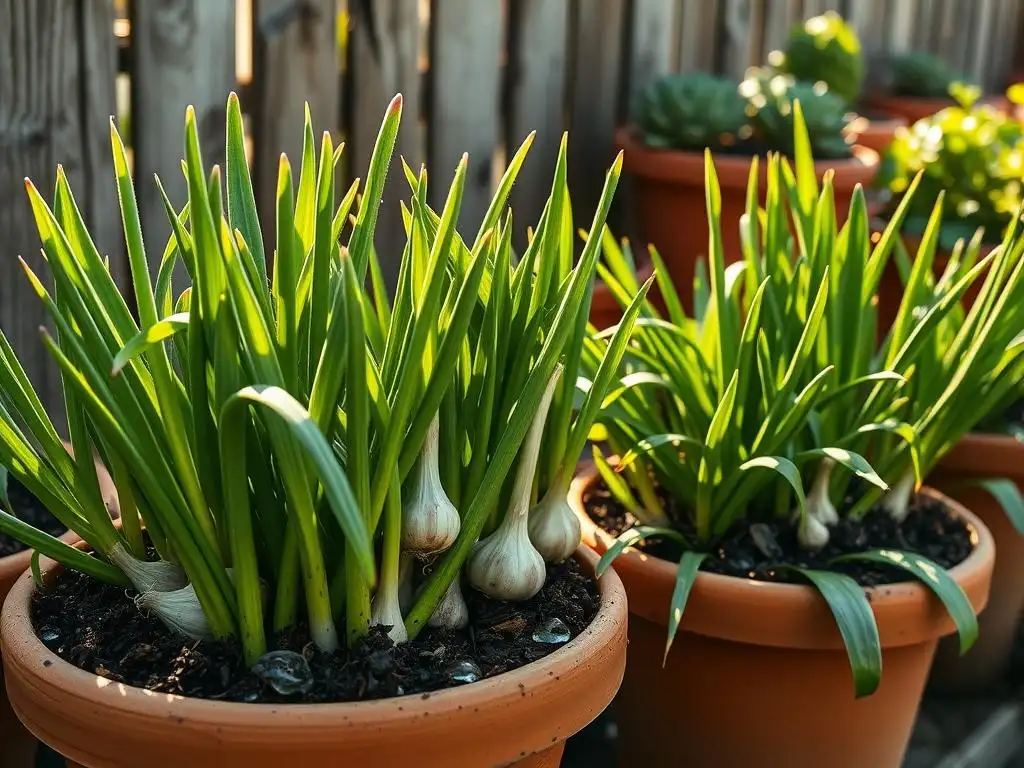
Ready to unlock the secrets of a bountiful harvest, right from your doorstep? At CultivateYourFood, we empower you to grow your own delicious and healthy food organically. This practical guide dives deep into the art of container gardening organic garlic, revealing simple yet effective techniques for cultivating this pungent powerhouse. Discover how to transform your space into a thriving garden, even with limited room. Let's get growing!
- Choosing the Right Container for Organic Garlic
- Selecting and Planting Organic Garlic Cloves
- Organic Soil and Fertilizer for Container Garlic
- Watering and Light Requirements for Container Garlic
- Pest and Disease Control for Organic Container Garlic
- Harvesting and Storing Your Container-Grown Garlic
- Troubleshooting Common Issues in Container Garlic Gardening
- Frequently Asked Questions
- Final Reflection: Harvesting the Bounty of Small-Space Organic Garlic
- Unleash Your Inner Gardener: Grow Garlic This Year!
Choosing the Right Container for Organic Garlic
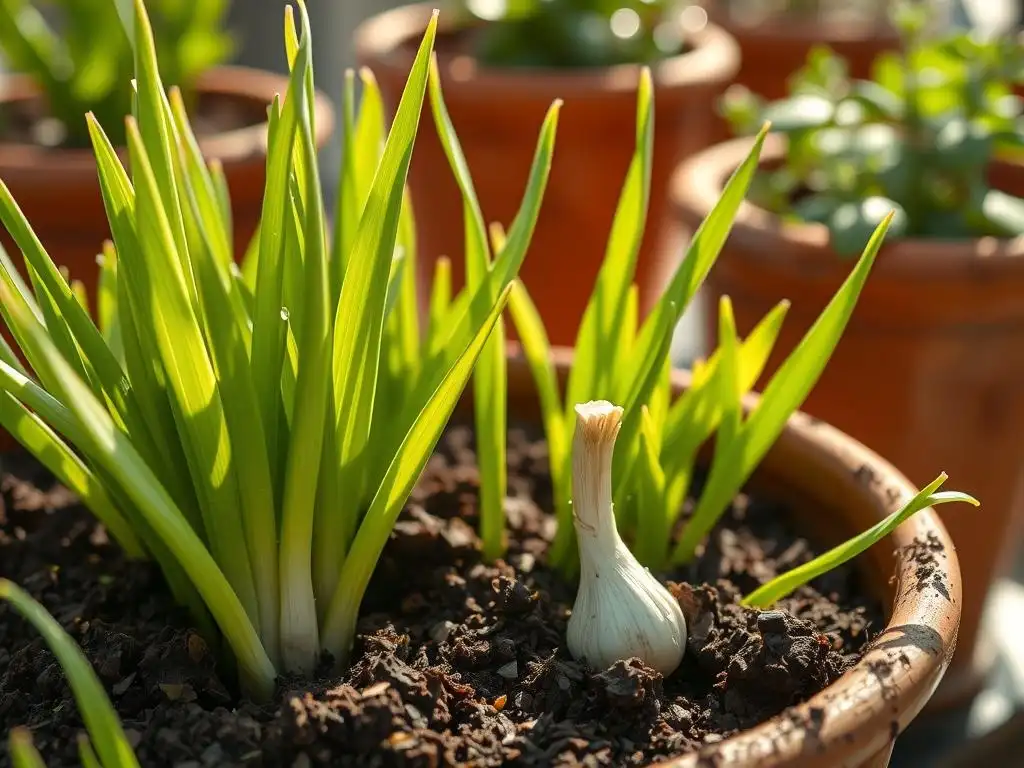
Container gardening offers a fantastic opportunity to cultivate organic garlic, even if you have limited space. This comprehensive guide will walk you through the process of growing healthy, flavorful garlic in containers, focusing on sustainable and organic practices. From selecting the right container and preparing the soil to harvesting your delicious crop, we'll cover everything you need to know to enjoy homegrown garlic year after year.
This guide is specifically designed for those interested in "container gardening organic garlic," providing practical advice and addressing common challenges faced by home gardeners. We'll explore the benefits of container gardening for garlic, such as increased control over growing conditions and easier pest management, while emphasizing organic methods to ensure a healthy and environmentally friendly harvest.
Selecting the Appropriate Size and Material for Container Garlic Gardening
Choosing the right container is crucial for successful garlic cultivation. Garlic needs ample space for its root system to develop fully. For a single bulb of garlic, a container with a minimum diameter of 12 inches and a depth of at least 8 inches is recommended. Larger containers are better, allowing for more robust growth and larger bulbs. The material of the container also matters. While plastic containers are readily available and inexpensive, terracotta pots offer better aeration, which can benefit garlic growth.
However, terracotta pots dry out faster, requiring more frequent watering. Consider the climate and your watering habits when making your choice. Remember to avoid using recycled containers that may have contained harmful chemicals. Always opt for food-safe materials. Using wooden containers is also an option; however, proper treatment and maintenance are necessary to prevent rot and ensure longevity.
Ensuring Proper Drainage for Healthy Garlic Growth in Containers
Proper drainage is paramount to prevent root rot, a common problem for garlic grown in containers. Garlic doesn't tolerate soggy soil. Containers must have drainage holes to allow excess water to escape. If your chosen container lacks drainage holes, you'll need to drill some yourself, ensuring they are large enough to facilitate efficient drainage. Furthermore, consider adding a layer of gravel or broken pottery shards at the bottom of the container before adding soil.
This creates an additional drainage layer, preventing waterlogging and promoting healthy root development. This simple step significantly improves the chances of a successful harvest. Regular monitoring of soil moisture is also essential. Avoid overwatering, which can lead to root rot and fungal diseases.
Preparing Your Container: Cleaning and Soil Amendment for Container Grown Garlic
Before planting, thoroughly clean your chosen container to remove any dirt, debris, or potential pathogens from previous plantings. Use a mild soap solution and scrub the container well, rinsing thoroughly with clean water. Allow it to dry completely before proceeding. Next, prepare the soil. Garlic thrives in well-draining, fertile soil rich in organic matter. Avoid using garden soil directly from your yard, as it may contain pests or diseases. Instead, use a high-quality potting mix specifically designed for vegetables. Amend the potting mix with compost to further improve drainage and fertility. Compost provides essential nutrients and improves the soil's structure, creating an ideal environment for healthy garlic growth. Consider adding a slow-release organic fertilizer to provide sustained nourishment throughout the growing season. A balanced NPK ratio (Nitrogen, Phosphorus, Potassium) is crucial for optimal growth and bulb development. Remember to avoid using chemical fertilizers, staying true to the organic gardening philosophy.
Selecting and Planting Organic Garlic Cloves
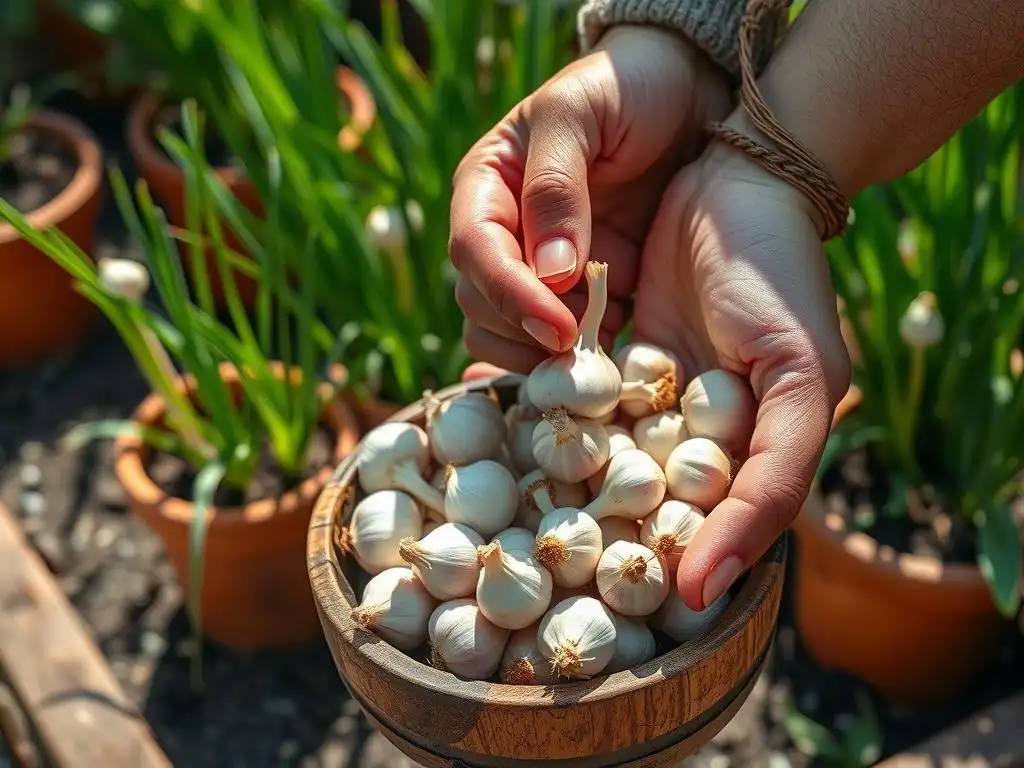
This section focuses on the crucial first steps in growing organic garlic in containers: selecting the right bulbs and properly preparing the cloves for planting. Success in container gardening organic garlic hinges on these initial choices.
Choosing High-Quality Garlic Bulbs for Container Planting
Selecting high-quality, organic garlic bulbs is paramount for a successful harvest. Avoid bulbs with any signs of damage, disease, or sprouting. Look for firm, plump bulbs with dry, papery outer skins. The size of the bulb is less important than its overall health. Smaller, healthy bulbs can often outperform larger, compromised ones. When purchasing, prioritize certified organic garlic to ensure you're using pesticide-free planting material.
This is key to your container gardening organic garlic project. Consider the variety as well; some varieties are better suited to container growing than others. Hardneck varieties, known for their flavorful scapes, might be less ideal for containers due to their larger size. Softneck varieties, which tend to be more compact, are generally preferred for container gardening. Always check the seed supplier's information for recommendations on container suitability.
Preparing Garlic Cloves for Planting: Separating and Inspecting
Once you've chosen your organic garlic bulbs, carefully separate the individual cloves. Handle them gently to avoid bruising, as this can hinder growth. Inspect each clove closely. Discard any cloves that show signs of damage, discoloration, or soft spots. These cloves are more likely to rot and will not produce a healthy plant. Look for firm, plump cloves with a papery skin intact. The larger cloves generally produce larger bulbs, but even smaller, healthy cloves can still yield a decent harvest. Remember, starting with healthy, high-quality cloves is a cornerstone of successful container gardening organic garlic.
Planting Depth and Spacing for Optimal Garlic Growth in Containers
The depth and spacing of your garlic cloves significantly impact their growth and yield in containers. Planting too shallowly can expose the cloves to harsh conditions, while planting too deeply can hinder their emergence. A general guideline is to plant the cloves about 2 inches deep and 4-6 inches apart. However, this depends on the size of your container and the size of the cloves.
Larger containers allow for wider spacing and larger plants. For optimal growth, consider using a well-draining potting mix specifically designed for container gardening. This mix should be rich in organic matter to provide essential nutrients for the garlic plants. Avoid using garden soil directly from your yard, as it may contain compacted soil, pests, or diseases.
Proper planting depth and spacing, combined with the right potting mix, significantly increase your chances of a bountiful harvest when container gardening organic garlic. Remember to use a container that is deep enough for the roots to grow. Using the correct sized pot will ensure healthy growth and help your organic garlic thrive.
Planting Time for Container Garlic: Seasonal Considerations
The success of your container-grown organic garlic hinges significantly on proper planting timing. Garlic is a cool-season crop, thriving in temperatures that are neither too hot nor too cold. Planting too early risks frost damage, while planting too late can result in smaller bulbs and reduced yields. The optimal planting time varies depending on your specific climate zone.
Generally, aim to plant your garlic cloves in the fall, about six to eight weeks before the first expected frost. This allows the cloves sufficient time to establish a strong root system before winter dormancy. In milder climates, you might even be able to plant a little later.
However, precise timing is crucial. For example, in USDA Plant Hardiness Zones 7-10, planting in late October or early November is often ideal. In colder zones (3-6), mid-October might be more appropriate. Conversely, in warmer zones (8-10), you may need to plant even earlier to avoid excessive heat during the bulb's development. Monitoring your local weather forecasts is essential, allowing you to adjust your planting schedule accordingly.
You should also consider the specific variety of garlic you're planting, as some varieties are more cold-hardy than others. Always check the seed packet or supplier's information for specific recommendations. Remember, a well-timed planting is the foundation for a bountiful organic garlic harvest. Failing to consider the seasonal considerations can lead to disappointing results. Accurate seasonal planning is key to successful container gardening of organic garlic.
Organic Soil and Fertilizer for Container Garlic
Growing robust and flavorful garlic in containers hinges significantly on providing the right organic soil and fertilizer. Choosing the right growing medium and nutrient plan ensures your garlic thrives, yielding a bountiful harvest of pungent bulbs. This section delves into creating the perfect soil blend and selecting appropriate organic fertilizers for container-grown garlic, emphasizing sustainable and organic practices.
Creating the Ideal Soil Mix for Container Garlic: Recipe and Ingredients
The success of container gardening organic garlic starts with the soil. Garlic prefers well-draining soil that's rich in organic matter. Avoid heavy clay soils, which can retain too much water and lead to root rot. A custom blend provides the best results. Here's a recipe for an ideal soil mix:
- 60% Compost: Provides essential nutrients and improves soil structure. Use well-rotted compost to avoid burning the garlic's delicate roots.
- 30% Coco Coir: Adds excellent drainage and aeration, preventing waterlogging.
- 10% Perlite or Vermiculite: Further enhances drainage and aeration, crucial for container gardening.
Why this mix works: This recipe combines the nutrient-rich nature of compost with the excellent drainage properties of coco coir and perlite/vermiculite. This balance ensures the soil retains sufficient moisture while preventing waterlogged conditions, a common problem in container gardening that can lead to fungal diseases. The organic components also support beneficial soil microorganisms, contributing to a healthier growing environment.
Organic Fertilizer Options for Container-Grown Garlic
Choosing the right organic fertilizer is key to maximizing your garlic yield. Avoid synthetic fertilizers, which can disrupt soil ecology and harm beneficial microbes. Opt for slow-release, organic options that provide a steady supply of nutrients throughout the growing season. Here are some excellent choices:
- Compost Tea: A liquid fertilizer rich in beneficial microorganisms and nutrients. Brewing your own compost tea is a sustainable and cost-effective way to provide your garlic plants with a regular boost.
- Worm Castings: Excellent source of micronutrients and beneficial bacteria. Mix a small amount into your soil mix at planting time and consider top-dressing throughout the growing season.
- Bone Meal: A slow-release phosphorus source, essential for healthy root development and bulb formation. Incorporate a small amount into your soil mix before planting.
- Blood Meal: Provides nitrogen, crucial for leafy growth. Use sparingly, as excess nitrogen can hinder bulb development.
Avoiding Over-Fertilization: A Balanced Approach to Nutrient Management in Container Garlic Gardening
While providing adequate nutrients is crucial, over-fertilizing can be detrimental. Excess nitrogen, in particular, can encourage excessive leaf growth at the expense of bulb development, resulting in smaller, less flavorful garlic. Over-fertilization can also lead to salt buildup in the soil, further stressing the plants.
Here's how to avoid over-fertilizing:
- Follow package instructions: Carefully read and follow the instructions on any fertilizer you use. Start with a lower concentration than recommended and monitor your plants' growth.
- Observe your plants: Monitor your garlic plants closely for signs of over-fertilization, such as yellowing leaves (nitrogen burn) or stunted growth. Adjust your fertilization schedule accordingly.
- Regular watering: Proper watering helps prevent salt buildup in the soil, reducing the risk of fertilizer burn. Ensure the soil is consistently moist but not waterlogged.
- Soil testing: Consider a soil test to determine the nutrient levels in your soil. This will help you tailor your fertilization strategy to the specific needs of your plants. This allows for precise nutrient management, preventing imbalances and promoting healthy growth. This proactive approach ensures optimal conditions for container gardening organic garlic. 🧄
Remember, container gardening organic garlic requires a mindful approach to nutrition. By carefully selecting your soil mix and organic fertilizer, and by monitoring your plants’ growth, you can ensure a healthy, productive harvest.
Watering and Light Requirements for Container Garlic
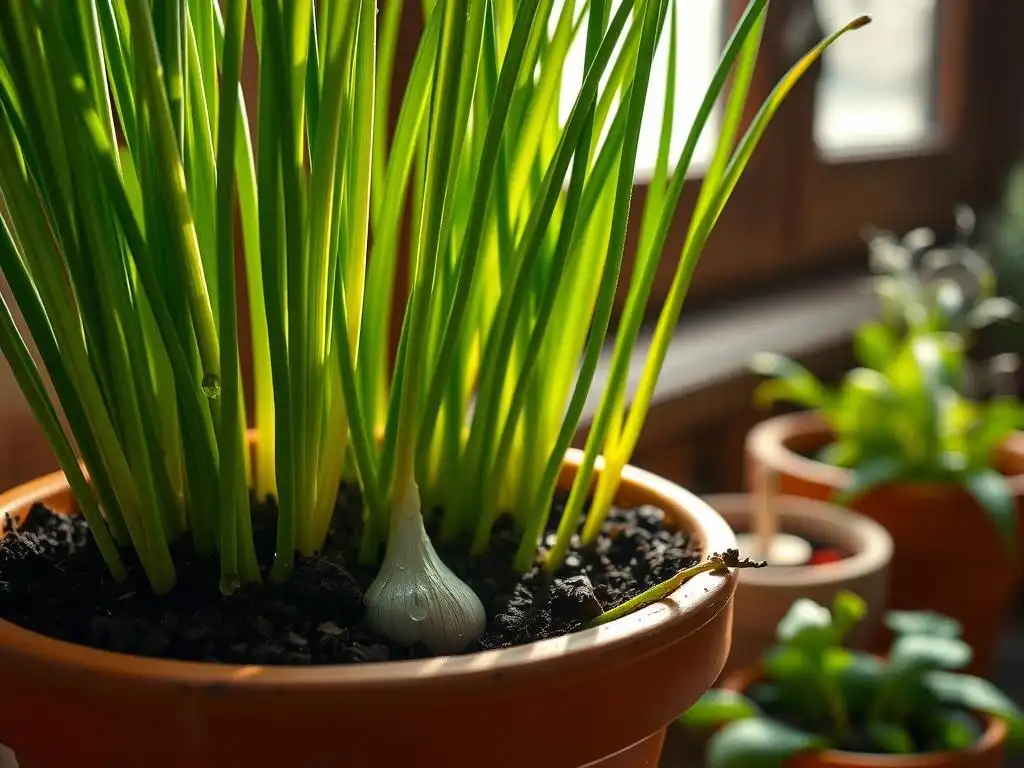
Successfully growing organic garlic in containers hinges on understanding and meeting its specific watering and light needs. Failing to provide the right balance can lead to stunted growth, reduced yield, and susceptibility to diseases. Let's delve into the specifics.
Watering Schedule for Container Garlic: Avoiding Overwatering and Underwatering
Consistent moisture is crucial, but overwatering is a common pitfall in container gardening. Overwatering leads to root rot, a devastating fungal disease that can quickly kill your garlic plants. Conversely, underwatering results in stressed plants with smaller bulbs.
The ideal watering schedule depends on several factors: container size, type of potting mix, temperature, and sunlight exposure. A larger container retains moisture longer than a smaller one. A well-draining potting mix, crucial for container garlic, prevents waterlogging. Hotter temperatures and increased sunlight necessitate more frequent watering.
Here's a practical approach:
- Check the soil moisture regularly: Stick your finger about an inch into the soil. If it feels dry, it's time to water.
- Water thoroughly: Water until you see drainage from the bottom of the container. This ensures the entire root system is moistened.
- Avoid overhead watering: This can lead to fungal diseases. Water at the base of the plant instead.
- Adjust watering based on weather conditions: During hot, dry spells, you'll need to water more frequently. Reduce watering during cooler, wetter periods.
- Use a moisture meter: These handy tools provide a precise measurement of soil moisture, taking the guesswork out of watering.
A good rule of thumb is to aim for consistently moist but not soggy soil. Observe your plants closely; wilting leaves are a clear sign of underwatering, while yellowing and mushy leaves indicate overwatering.
Sunlight Needs for Optimal Garlic Growth in Containers: Location and Exposure
Garlic thrives in full sun, meaning at least six to eight hours of direct sunlight per day. This ample sunlight is essential for bulb development and overall plant health. Insufficient sunlight leads to weaker plants with smaller, less flavorful bulbs.
Choosing the right location for your container garlic is paramount. Select a sunny spot in your yard or on your patio that receives maximum sunlight throughout the day. Consider the sun's path throughout the seasons; a location that's sunny in spring might be shaded in summer due to the growth of nearby plants.
If space is limited, you can supplement natural sunlight with grow lights, particularly during shorter winter days. However, natural sunlight remains optimal for healthy garlic growth and the development of robust bulbs. Remember that even with supplemental lighting, proper air circulation is still crucial to prevent fungal diseases.
Protecting Your Container Garlic from Harsh Weather Conditions
Container gardening exposes plants to more extreme temperature fluctuations compared to in-ground planting. Protecting your garlic from harsh weather conditions is essential for a successful harvest.
- Extreme heat: During heatwaves, move containers to a slightly shadier location or provide afternoon shade using shade cloth. Regular watering is crucial to prevent the soil from drying out completely.
- Frost and freezing temperatures: Garlic is relatively cold-hardy, but young plants are particularly vulnerable to frost damage. Bring containers indoors or cover them with frost cloth during freezing temperatures. Consider using a cold frame for extra protection.
- Strong winds: Strong winds can damage or uproot container plants. Place containers in a sheltered location or use windbreaks to protect them from strong gusts. Ensure the containers are heavy enough or secured to prevent them from tipping over.
- Heavy rain: Excessive rain can lead to waterlogged soil and root rot. Ensure your containers have adequate drainage holes and consider using a saucer underneath to catch excess water, preventing the roots from sitting in standing water.
By carefully monitoring your container garlic's needs and taking proactive steps to protect it from harsh weather, you can significantly increase your chances of a bountiful organic harvest. Remember that organic container gardening requires diligence and attention to detail, but the rewards of fresh, homegrown garlic are well worth the effort.
Pest and Disease Control for Organic Container Garlic
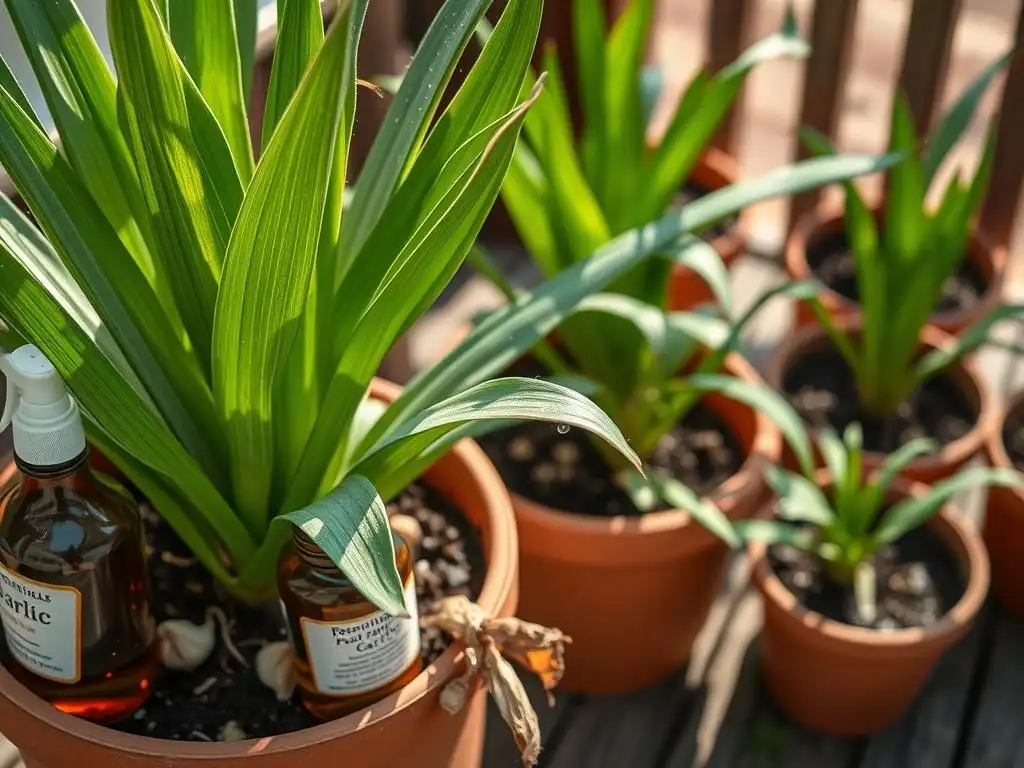
Growing garlic organically in containers requires a proactive approach to pest and disease management. Since you're eliminating synthetic pesticides, a strong focus on prevention and early intervention is crucial for a healthy harvest. This section details common threats and effective organic solutions.
Common Pests Affecting Container Garlic and Organic Pest Control Solutions
Several pests can target your container garlic, impacting yield and plant health. Knowing the culprits and employing effective organic control methods is key.
- Garlic mites: These microscopic pests feed on garlic leaves, causing discoloration and stunting. Early detection is vital. Regularly inspect plants, looking for yellowing or browning leaves. Organic solutions include neem oil sprays (diluted according to package instructions) applied weekly as a preventative measure, or immediately upon detection. Good air circulation around plants, achieved through proper spacing and avoiding overcrowding, can also help minimize infestations.
- Aphids: These sap-sucking insects cluster on leaves and stems, weakening the plant and potentially transmitting diseases. A strong spray of water can dislodge aphids. Introducing beneficial insects like ladybugs, lacewings, or praying mantises can provide natural control. Diatomaceous earth, a naturally occurring powder, can also be effective when dusted on the plants. It's important to ensure the diatomaceous earth is food-grade.
- Thrips: These tiny insects can cause silvery streaking on leaves and damage flower buds. Similar to aphids, a strong water spray can help, but it's often necessary to combine this with sticky traps to monitor and reduce their numbers. Neem oil can also be used effectively against thrips.
- Slugs and Snails: These mollusks can feast on garlic leaves, especially young seedlings. Create physical barriers around your containers using copper tape or diatomaceous earth. Beer traps can also be effective, but remember to dispose of the traps responsibly and away from pets.
The table below summarizes organic pest control options:
| Pest | Organic Control Methods | Prevention Strategies |
|---|---|---|
| Garlic mites | Neem oil spray, good air circulation | Regular inspection, proper spacing |
| Aphids | Strong water spray, beneficial insects, diatomaceous earth | Good air circulation, healthy plant vigor |
| Thrips | Strong water spray, sticky traps, neem oil | Regular monitoring, removal of infested plant parts |
| Slugs & Snails | Copper tape, diatomaceous earth, beer traps | Physical barriers, mulch management |
Remember to always follow the instructions on any organic pesticide you use. Regular monitoring is key to early detection and effective control.
Preventing and Treating Diseases in Container-Grown Garlic: Organic Approaches
While pests are a concern, diseases can also significantly impact your garlic crop. Here are some common fungal and bacterial diseases and organic strategies for prevention and treatment:
- White rot ( Sclerotium cepivorum): This soilborne fungus causes rotting of bulbs and leaves. Crop rotation is crucial. Avoid planting garlic in the same container or location where it has previously grown. Solarization of the soil (covering the soil with clear plastic to heat it up) can help eliminate the fungus. Remove and destroy any infected plants immediately.
- Downy mildew ( Peronospora destructor): This fungal disease causes yellowing and browning of leaves. Good air circulation is vital to prevent its spread. Remove and destroy infected leaves promptly. Copper-based fungicides can be used as a preventative measure or to treat early infections, but always follow product instructions carefully.
- Bacterial soft rot ( Erwinia carotovora): This bacterial disease causes soft, mushy rot of the bulbs. Proper watering techniques are key – avoid overwatering, which creates ideal conditions for bacterial growth. Ensure good drainage in your containers. Remove and destroy infected plants immediately.
Organic disease management relies heavily on prevention. Using disease-resistant garlic varieties and ensuring proper sanitation can significantly reduce the risk of infection.
Monitoring Your Plants: Early Detection and Prevention Strategies for Container Garlic
Regular monitoring is the cornerstone of successful organic container garlic gardening. Early detection of pests and diseases allows for timely intervention, minimizing damage and maximizing your yield.
Here's a simple monitoring schedule:
- Weekly inspections: Carefully examine your garlic plants for any signs of pests or diseases. Check leaves for discoloration, holes, or unusual spots. Examine the soil for signs of pests.
- Note-taking: Keep a gardening journal to record your observations, including any pest or disease sightings, treatments applied, and the effectiveness of those treatments. This helps track patterns and inform your future gardening practices.
- Prevention is key: Remember that many problems can be prevented by choosing healthy planting material, ensuring proper spacing for good air circulation, and using well-draining potting mix. Avoid overwatering.
By combining careful observation with proactive measures, you can significantly improve the health and productivity of your organic container garlic. Consistent monitoring allows for early intervention, preventing minor issues from escalating into significant problems, ensuring a bountiful harvest of delicious, homegrown garlic. 🧄
Harvesting and Storing Your Container-Grown Garlic
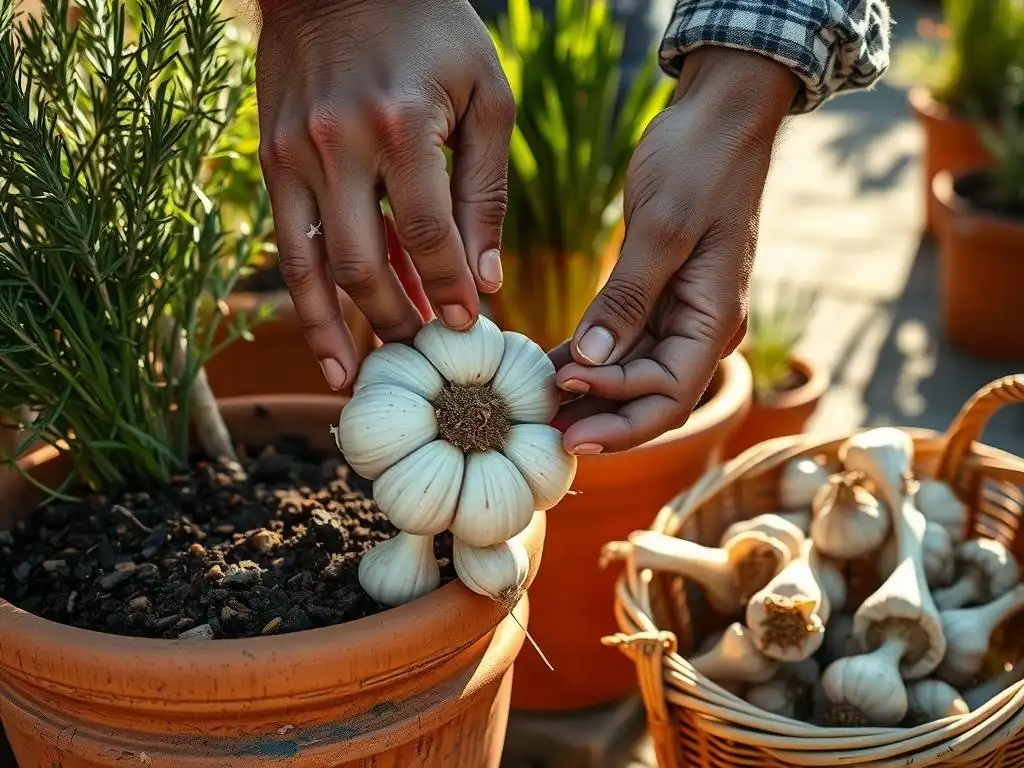
This section details the crucial final steps in your container gardening organic garlic journey: harvesting and storing your hard-earned crop. Proper harvesting and curing techniques are essential for maximizing the shelf life and flavor of your homegrown garlic. Following these steps will ensure you enjoy the delicious rewards of your labor for months to come.
Signs of Maturity: Knowing When to Harvest Your Container Garlic
Determining the optimal harvest time for your container-grown garlic is key to achieving the best flavor and storage potential. Don't rush the process! Premature harvesting results in smaller bulbs and reduced shelf life. Conversely, leaving the garlic in the ground too long can lead to splitting and sprouting, diminishing its quality.
Several key indicators signal that your garlic is ready for harvest. Look for these signs:
- Yellowing and Browning of Leaves: As the garlic matures, the leaves will begin to yellow and brown, starting from the tips and gradually working their way down. This is a natural process indicating the plant is diverting its energy to bulb development. Approximately 50-75% of the foliage should show this color change before harvesting.
- Firm Bulbs: Gently feel the bulbs beneath the soil. They should feel firm and plump. If they feel soft or squishy, they're likely not ready.
- Scapes: Garlic scapes (the flower stalks) are a good indicator of maturity. If you allow your garlic to produce scapes, their appearance can signal readiness. Once they are fully formed and showing signs of curling at the tips, the bulbs are typically nearing maturity.
It's advisable to monitor your garlic plants closely during the last few weeks of their growing season. Regular observation will allow you to identify the precise moment of optimal maturity for the best harvest. Remember, the timing can vary slightly depending on the variety of garlic and growing conditions.
Harvesting Techniques for Container Garlic: Gentle Removal and Curing
Once you've identified the signs of maturity, it's time to carefully harvest your container-grown garlic. The key here is gentle handling to avoid damaging the bulbs. Rough handling can bruise the garlic, impacting its storage life and potentially introducing pathogens.
Here's a step-by-step guide:
- Loosen the Soil: Gently loosen the soil around the base of the garlic plants using a small trowel or garden fork. Avoid digging too deeply, as this could damage the bulbs.
- Lift the Plants: Carefully lift the entire plant from the container, ensuring you don't break the stems. If the garlic is particularly stubborn, you can use a small garden fork to help loosen it.
- Shake Off Excess Soil: Gently shake off the excess soil from the roots and bulbs. Avoid scrubbing or rubbing, as this can damage the delicate skin.
- Remove the Container: Once the plant is free of the container, carefully brush away any remaining soil, ensuring the bulbs remain intact.
After harvesting, the crucial next step is curing. This process allows the garlic to dry and prevents spoilage. Curing typically takes 2-4 weeks. Here's how to cure your container garlic:
- Air Drying: Arrange the garlic plants in a well-ventilated, shaded area, with good air circulation. You can hang them upside down in bunches or lay them out on a screen or mesh surface.
- Proper Conditions: The curing environment should be dry and have good air circulation but be protected from direct sunlight and rain. Ideal temperatures are between 60°F and 70°F (15°C and 21°C).
Proper curing is vital for the long-term storage of your organic garlic. It allows the outer layers to dry and protects the bulbs from disease and rot.
Storing Harvested Garlic: Ensuring a Long Shelf Life for Your Organic Garlic
Once your garlic is fully cured (the outer layers are dry and papery, and the necks are brittle), it's time to store it for optimal shelf life. Proper storage is essential to prevent sprouting, rotting, and other issues that can impact the quality and flavor of your organic garlic.
Here are some effective storage methods for your homegrown garlic:
- Braiding: Braiding garlic is a traditional and aesthetically pleasing storage method. It promotes air circulation and helps prevent moisture build-up.
- Hanging: Similar to curing, you can hang the garlic bulbs in a cool, dry, and well-ventilated area.
- Storage in a cool, dark, and dry place: This is the simplest method. Place the cured garlic bulbs in a mesh bag or a paper bag in a cool, dark, and dry place. Avoid storing garlic in airtight containers, as this can trap moisture and promote rot.
Remember, your organically grown garlic is best stored in a cool, dark, and dry location at temperatures between 32°F and 40°F (0°C and 4°C). Avoid storing it in damp or humid environments, which can lead to spoilage. With proper storage, you can enjoy your delicious homegrown container gardening organic garlic for several months, adding a flavorful touch to your culinary creations throughout the year. 🧄
Troubleshooting Common Issues in Container Garlic Gardening
Growing garlic in containers offers many advantages, but it also presents unique challenges. Understanding these potential problems and implementing preventative measures, along with effective organic solutions, is crucial for a successful harvest. This section focuses on identifying and resolving common issues encountered while container gardening organic garlic. We'll explore solutions that align with sustainable and organic practices, minimizing the environmental impact and ensuring the health of your plants.
Addressing Yellowing Leaves and Other Signs of Distress in Container Garlic
Yellowing leaves are a common indicator of stress in garlic plants. Several factors can contribute to this, including nutrient deficiencies, improper watering, and pest infestations. Let's examine these in detail:
- Nutrient Deficiencies: Garlic is a heavy feeder. Yellowing leaves, particularly older ones, can signify a lack of nitrogen, phosphorus, or potassium. Regular soil testing is recommended to determine the precise nutrient balance. Supplementing with organic compost tea or granular organic fertilizers rich in these nutrients can help rectify the issue. Consider using a slow-release fertilizer to provide a consistent supply of nutrients throughout the growing season. Observe the pattern of yellowing; if it starts at the tips, it might indicate a potassium deficiency, while overall yellowing can suggest nitrogen deficiency.
- Watering Issues: Both underwatering and overwatering can cause yellowing leaves. Underwatering leads to wilting and yellowing, while overwatering can lead to root rot, causing yellowing and wilting from the bottom up. Ensure your containers have adequate drainage holes and use well-draining potting mix. Water deeply but less frequently, allowing the soil to dry slightly between waterings. Always check soil moisture before watering by inserting your finger a couple of inches into the soil.
- Pest Infestations: Several pests can attack garlic plants, causing yellowing leaves and overall stress. Thrips, aphids, and spider mites are common culprits. Regularly inspect your plants for signs of infestation. Organic pest control methods, such as insecticidal soap or neem oil, can be effective in managing these pests. Introducing beneficial insects like ladybugs can also help control pest populations naturally. Consistent monitoring and early intervention are key to preventing severe damage.
Dealing with Pests and Diseases: Organic Solutions and Prevention
Organic pest and disease management is essential for container gardening organic garlic. This approach prioritizes prevention and utilizes natural methods to control pests and diseases, minimizing harm to the environment and the health of your plants.
| Pest/Disease | Symptoms | Organic Control Methods | Prevention Strategies |
|---|---|---|---|
| Neck Rot | Soft, discolored neck; foul odor | Proper spacing, well-draining soil, avoid overhead watering | Ensure good air circulation; plant in well-drained soil |
| White Rot | White fungal growth on roots and bulbs | Remove and destroy infected plants; crop rotation | Use disease-free planting material; avoid overwatering |
| Aphids | Sucking sap; leaf curling and yellowing | Insecticidal soap, neem oil, ladybugs | Regularly inspect plants; introduce beneficial insects |
| Thrips | Silvering or stippling on leaves | Insecticidal soap, neem oil, sticky traps | Monitor plants closely; use row covers |
| Spider Mites | Fine webbing on leaves; stippling | Insecticidal soap, neem oil, predatory mites | Maintain proper humidity; monitor regularly |
Implementing preventative measures, such as proper spacing, good air circulation, and the use of disease-free planting material, is crucial in minimizing the risk of pest and disease problems.
Resolving Problems with Growth and Development in Container-Grown Garlic
Slow growth or stunted development in container-grown garlic can stem from several factors. Addressing these issues promptly is crucial for a successful harvest.
- Container Size: Garlic needs adequate space for root development. Using too small a container can restrict growth and lead to smaller bulbs. Choose containers at least 12 inches in diameter and depth to allow for sufficient root growth.
- Potting Mix Quality: Using a poor-quality potting mix lacking in nutrients or with inadequate drainage can hinder growth. Opt for a well-draining potting mix specifically formulated for vegetables or herbs, ensuring it contains sufficient organic matter to retain moisture and provide nutrients.
- Light Exposure: Garlic requires at least six hours of sunlight daily. Insufficient sunlight can lead to weak growth and smaller bulbs. Ensure your containers are placed in a location that receives adequate sunlight.
- Temperature Fluctuations: Extreme temperature fluctuations can stress garlic plants, impacting their growth. Protect your containers from frost during colder months and provide shade during excessively hot periods. Consider using a cloche or other protective covering if necessary.
Careful consideration of these factors, along with consistent monitoring and timely intervention, can help you overcome challenges and achieve a bountiful harvest of organic garlic grown in containers. Remember, patience and observation are key to successful container gardening. 🧄
Frequently Asked Questions
Can I grow garlic organically in a container?
Yes! Container gardening is perfectly suitable for growing organic garlic. Choose a large pot with good drainage and use organic soil.
What size container do I need for growing garlic?
You'll need a container at least 12 inches deep and wide to accommodate garlic's root system. Larger is better for a bigger harvest.
What type of soil is best for container-grown organic garlic?
Use a well-draining, nutrient-rich potting mix. Amend it with compost for extra organic matter and nutrients. Avoid heavy clay soils.
When is the best time to plant garlic for container gardening?
The ideal planting time is in the fall, about 6-8 weeks before the first expected frost. This allows the garlic to establish roots before winter.
How do I protect my container-grown garlic from pests?
Regularly inspect your plants for pests. Use organic pest control methods, such as neem oil or insecticidal soap, if necessary. Companion planting can also deter some pests.
Final Reflection: Harvesting the Bounty of Small-Space Organic Garlic
The resurgence of home gardening, particularly in urban environments, highlights the growing need for practical, space-saving solutions like container gardening. This makes mastering the art of growing organic garlic in containers not just a hobby, but a vital skill for ensuring food security and access to healthy, pesticide-free produce. The ability to cultivate your own garlic, a staple in countless cuisines and a powerhouse of health benefits, directly impacts your access to fresh, flavorful food, regardless of your living situation.
The journey of growing garlic, even in a small container, mirrors the larger journey of self-sufficiency and connection to nature. It's a testament to the power of observation, patience, and nurturing. The simple act of planting a clove and watching it transform into a vibrant plant, eventually yielding a harvest of pungent bulbs, is deeply rewarding. The glory of gardening: hands in the dirt, head in the sun, heart with nature. To nurture a garden is to feed not just the body, but the soul.
This quote perfectly encapsulates the profound satisfaction derived from growing your own food, no matter the scale.
Now, consider your own space. Do you have a sunny balcony, a small patio, or even just a windowsill? Imagine the possibilities! Take the knowledge gained from this guide and apply it to your own life. Start small, experiment with different varieties, and savor the unique flavor of homegrown organic garlic. The journey of container gardening is a rewarding one, filled with lessons in patience, resilience, and the simple joy of cultivating your own food. Let this guide be your first step toward a more sustainable and flavorful future.
Unleash Your Inner Gardener: Grow Garlic This Year!
Thank you for exploring the world of container garlic growing! You've learned valuable techniques to cultivate a bountiful harvest, even in limited spaces. Now it's time to put your knowledge into practice.
- Plant your garlic cloves today! Use the guide's tips to prepare your containers and ensure optimal growth. This is the first step towards enjoying fresh, homegrown garlic.
- Share your garlic-growing journey! Post a picture of your container garden on social media and inspire others to grow their own food. Use #ContainerGarlic and tag @CultivateYourFood.
- Next season, consider experimenting with different garlic varieties to discover your favorites. What exciting new flavors will you cultivate?
Ready to experience the satisfaction of harvesting your own garlic?